5 Sports With Surprising Country Origins
There is a new pastime invented almost daily, but only a small handful truly catch on around the world and evolve into massively popular competitions. Today, there are roughly a dozen games that millions of people watch regularly across the globe, yet surprisingly few spectators know their authentic beginnings. Instead, global audiences routinely associate sports with the modern countries that host the highest level of professional play or construct the grandest stadiums.
Physical pastimes rarely emerge from a vacuum. Throughout world history, recreational traditions migrated across international borders through trade, military deployments, and ongoing cultural exchanges. As these activities shifted between regions, their rules were refined, codified, and adapted to local climates and civic preferences. Because popular memory tends to celebrate the nations that standardized competition or launched major leagues, foundational history is easily obscured. If you have ever wondered where your favorite athletic pastimes truly originated, the answers reveal an unexpected global journey.
Key takeaways
- Many sports widely associated with North America, including baseball and ice hockey, trace their foundational roots to Great Britain.
- Lawn tennis became world-famous in England, but the core mechanics originated as a bare-palm sport in northern France.
- Modern gridiron football draws on British mob games and rugby, but its earliest conceptual ancestor dates back to ancient Greece.
- While several major sports were imported from abroad, volleyball is an authentic American invention created at a Massachusetts gymnasium.
At a Glance: Surprising Sports Birthplaces
Before examining each game in depth, it is helpful to look at how modern perceptions compare directly against documented historical beginnings across the sporting world.
| Sport | Common Association | Documented Origin | Key Early Form or Catalyst |
|---|---|---|---|
| Baseball | United States | England | 18th-century English diary entries and rule pamphlets |
| Hockey | Canada | United Kingdom | British game of bandy introduced by stationed soldiers |
| Tennis | England | Northern France | Jeu de paume played exclusively with bare palms |
| American Football | United States | Ancient Greece / United Kingdom | Ancient Greek Episkyros and British mob football |
| Volleyball | Global / International | United States | William G. Morgan using an elevated tennis net at the YMCA |
Five Global Sports With Unexpected Roots
Investigating the genuine historical timeline of modern sports uncovers remarkable cross-border journeys, challenging national myths and clarifying how today's premier pastimes formed.
Baseball
- Popular Association: United States
- Earliest Written Record: Early 18th-century England
- Modern Codification: Mid-19th century in Cooperstown, New York
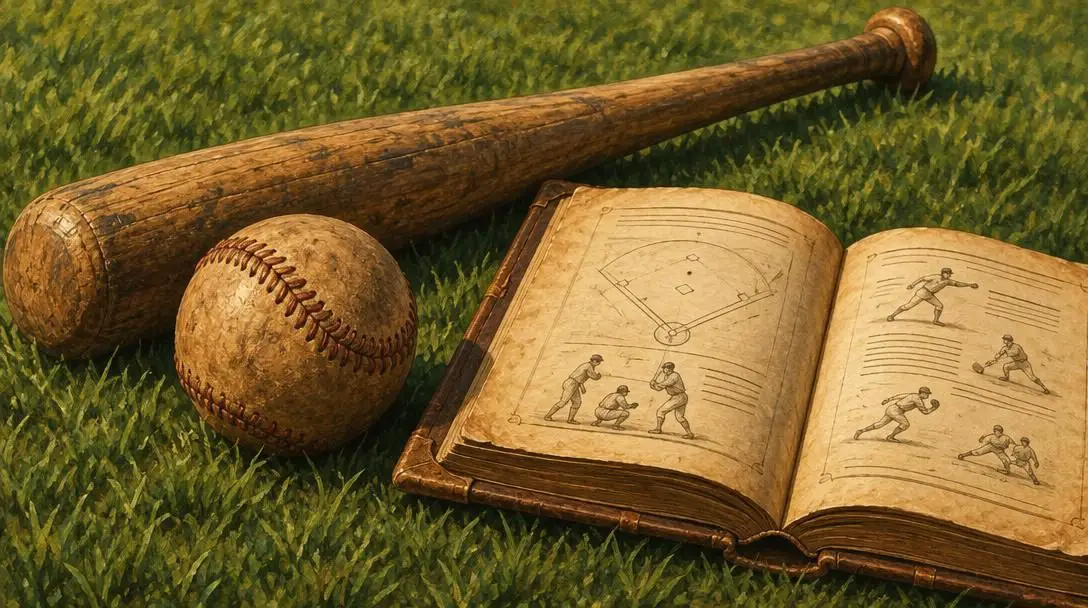
No athletic competition is more thoroughly linked with American identity than baseball. While baseball in its current form was formalized in Cooperstown, New York during the mid-19th century, its true origins stretch further back across the Atlantic Ocean. For generations, popular folklore credited military officer Abner Doubleday with inventing the sport in upstate New York. However, historical research has proven this tale to be a complete myth, and Doubleday himself never claimed to have created the game.
The earliest documented mentions of baseball actually date to the beginning of the 18th century in England. Early English books, instructional pamphlets, and personal diaries from the middle of the 1700s describe the pastime in detail. As the decades progressed, rules gradually evolved into distinct branches: England moved its primary sporting attention toward cricket, whereas the United States adopted and refined the earlier English bat-and-ball pastime into the modern American diamond game.
Hockey
- Popular Association: Canada
- Ancestral Game: Bandy in the United Kingdom
- Key Transition: Introduced to North America by British troops
When fans discuss ice hockey, Canada is universally recognized as the sport's spiritual home. While Canada made the winter sport globally famous, it was not the place where the game first emerged. In the late 18th century, North American athletes were far more enamored with lacrosse than frozen rinks. Across the sea in the United Kingdom, winter players were enjoying an early iteration of ice hockey known as bandy.
The sport made its transoceanic leap when British soldiers stationed abroad deployed to Canadian garrisons, bringing their sticks, skates, and bandy traditions with them. Over time, the British public largely abandoned ice hockey as Canada adopted it as a national obsession. This cultural shift made practical sense: Canada's severe winters and abundance of natural frozen water provided the perfect seasonal environment for the game to flourish on a scale that English weather could never sustain.
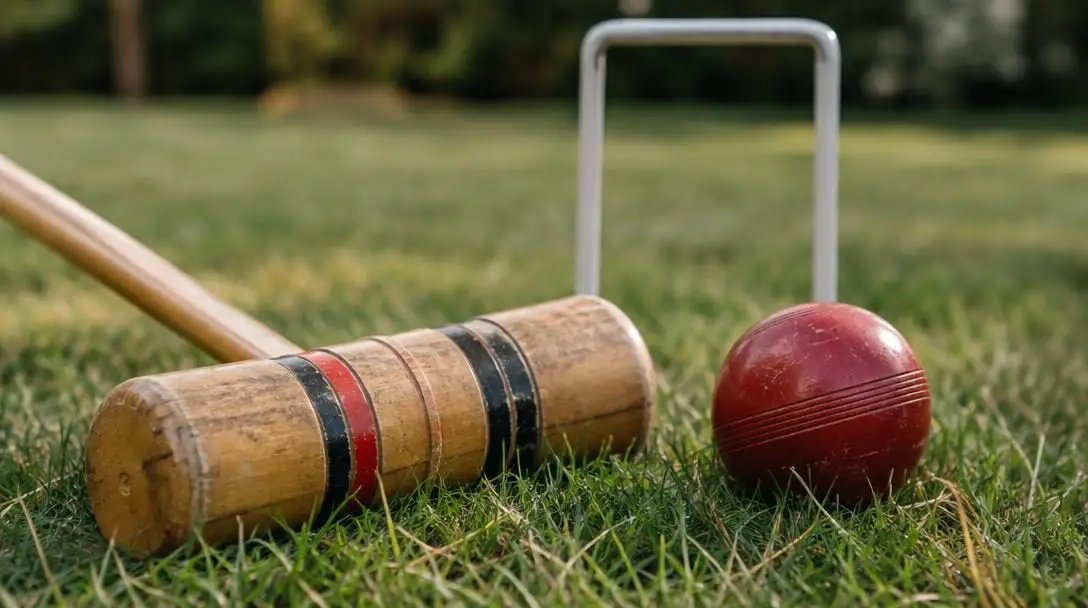
Sporting pastimes rarely emerge from a vacuum; instead, games migrate through military garrisons, trade routes, and community centers before finding their ideal home.
Tennis
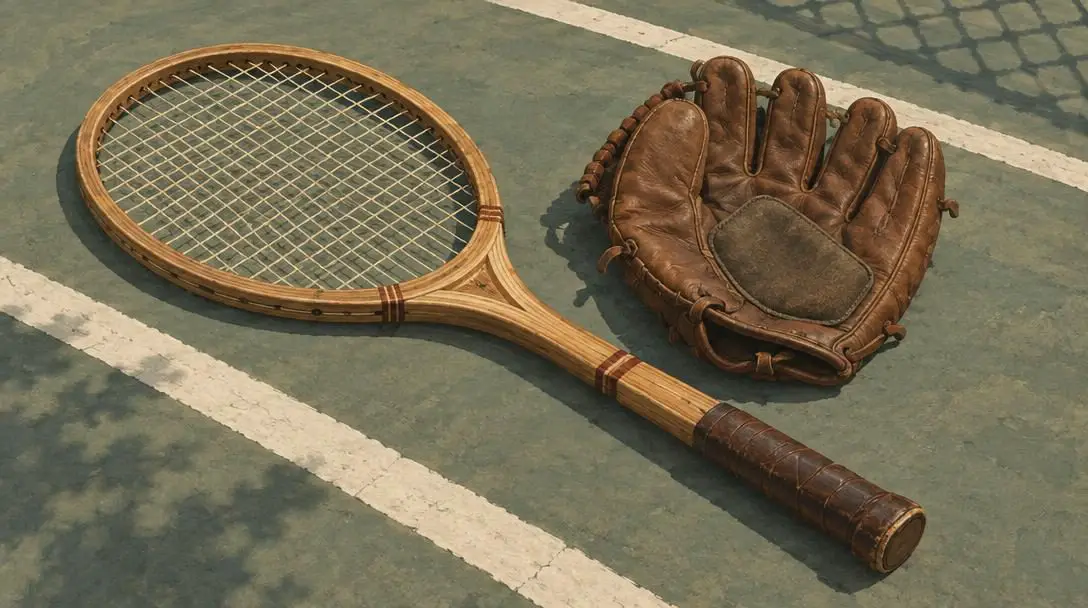
- Popular Association: England
- Original Birthplace: Northern France
- Original Name: Jeu de paume
While baseball and hockey crossed from Britain to North America, tennis followed a reverse journey of prestige. Today, tennis is heavily associated with England, thanks to the country's creation of lawn tennis and the prestige of the Wimbledon championships. Nevertheless, sports historians trace the foundational mechanics of the competition directly to northern France.
The earliest French version was known as jeu de paume, or "game of the palm." Competitors followed the core rules that still govern tennis scoring and positioning today, but they struck the ball exclusively with the palms of their bare hands. Rackets were not introduced until the 16th century in England. Because English innovators added stringed rackets and later laid down the lawn tennis guidelines, the nation absorbed historical credit for inventing a pastime that French players had enjoyed for generations.
American Football
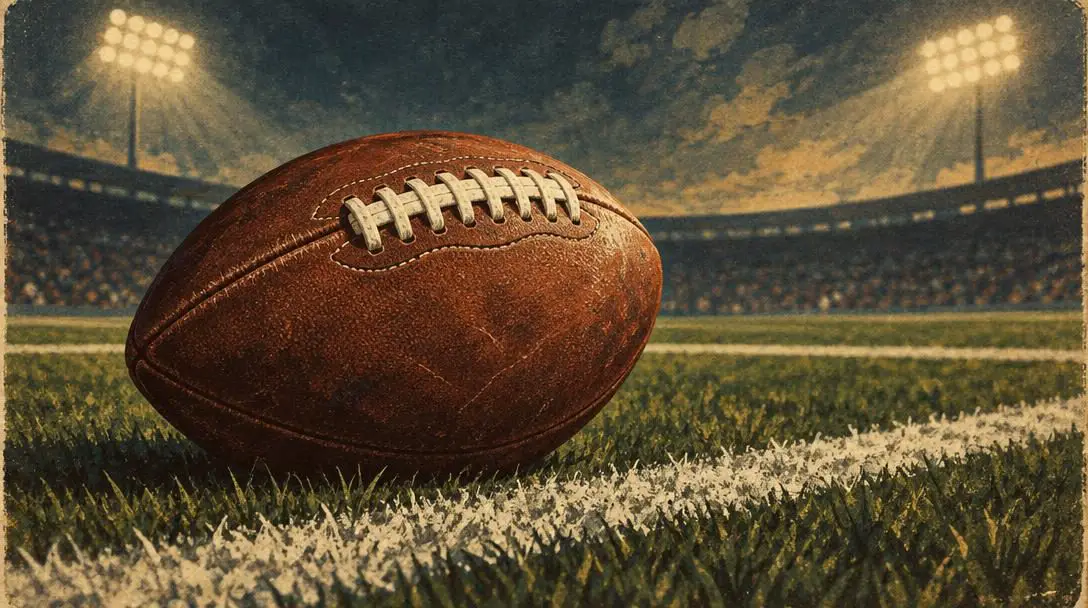
- Popular Association: United States
- Earliest Ancestor: Episkyros in ancient Greece
- Modern Predecessors: British mob football, rugby, and association football
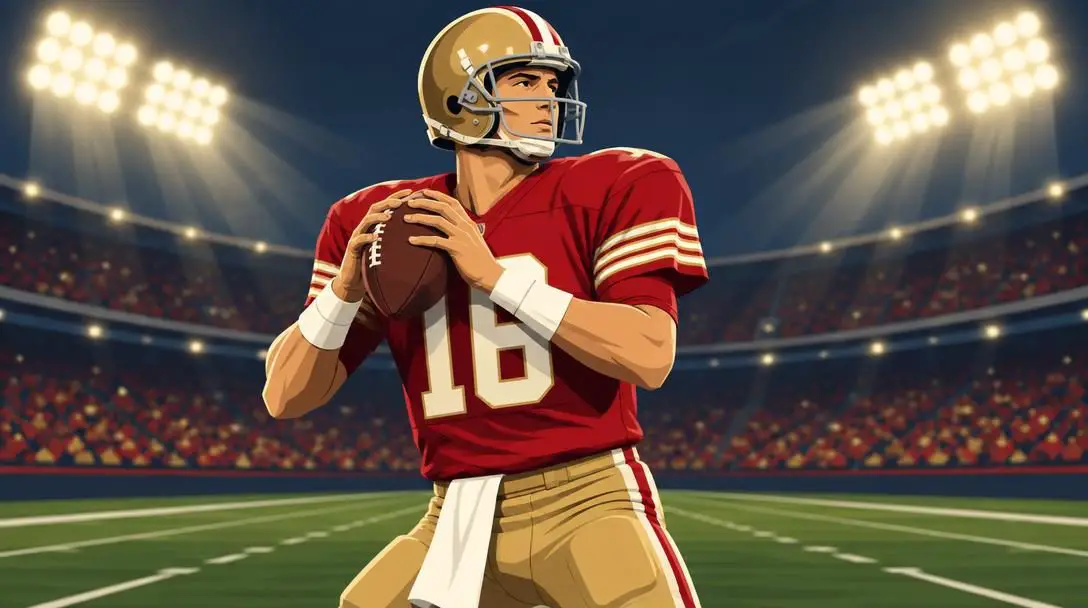
Gridiron competition, known across the globe as American football, commands unmatched television ratings and cultural dominance within the United States, despite retaining a relatively niche following in other countries. The modern collegiate and professional game seen in the National Football League originated in the late 19th century and expanded rapidly throughout the early 20th century. While the sport adopted essential mechanics from rugby and association football, its underlying structural roots go back thousands of years.
Historians trace the conceptual framework of team-based ball-advancement games back to ancient Greece, where athletes contested a physical game called Episkyros. Centuries later, informal British clubs developed wild iterations of British mob football that carried similar physical team dynamics. When American innovators observed these chaotic English contests, they integrated rugby tactics and forward-progress rules to produce the structured gridiron system played across the country today.
Volleyball
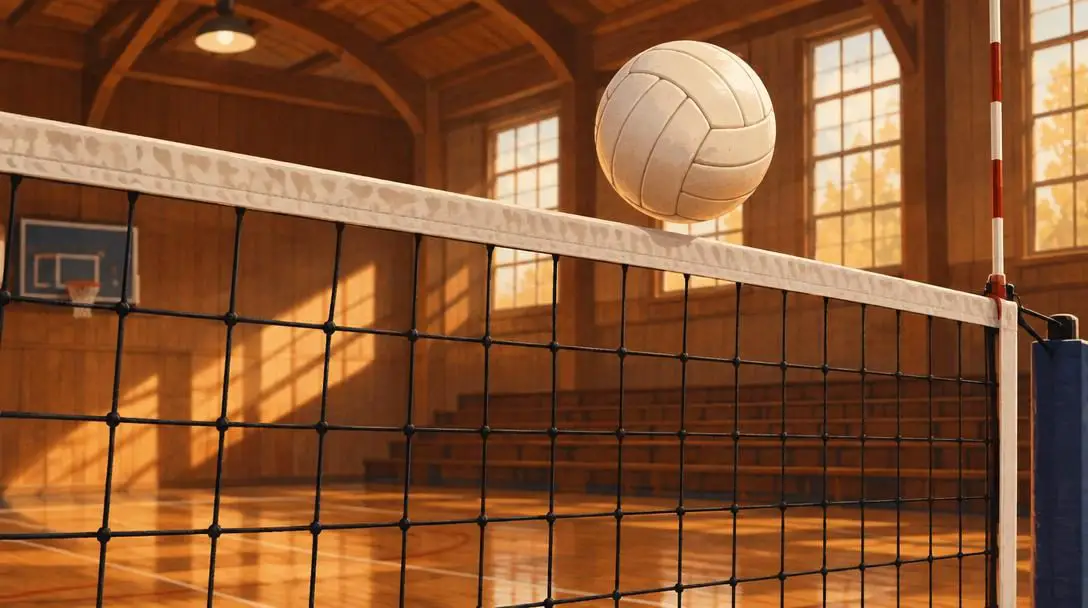
- Popular Association: Global Olympic sport
- Inventor: William G. Morgan
- Birthplace: Holyoke, Massachusetts
Given that so many classic games associated with the United States were imported from ancient civilizations or European shores, it is fair to ask whether America truly birthed any major global sports. Beyond basketball, the nation was the birthplace of volleyball, which ranks among the most widely played recreational and Olympic activities on earth.
In the late 19th century, William G. Morgan was working at a YMCA gymnasium in Holyoke, Massachusetts. Seeking an engaging, low-impact activity for his members, Morgan suspended an old tennis net across the gymnasium floor at a height of 6 feet, 6 inches. The new creation rapidly spread through the global YMCA network, eventually evolving into an international powerhouse with indoor and beach variations. Remarkably, Morgan invented the game within the exact same state and five-year timeframe that produced basketball.
How Historical Evolution Shapes Modern Games
Understanding the life cycle of athletic pastimes helps explain why historical birthplaces are so frequently misunderstood. Games almost never emerge as finished products from a single drawing board; rather, they progress through a predictable sequence of historical stages:
- Folk Origins: Pastimes begin as casual, unwritten village traditions or conditioning routines. Early examples include French players using their bare palms in jeu de paume, Greek citizens running fields in Episkyros, or early British skaters hitting balls on frozen fens in bandy.
- Cross-Cultural Migration: International travelers, tradespeople, or armed forces transport the pastime across physical borders. Stationed British soldiers serving in Canadian outposts carried bandy gear into frozen territories, permanently transforming the local sporting landscape.
- Codification: As regional competitions multiply, formal leagues require universal regulations so teams can compete fairly. This phase occurred when 16th-century English players integrated rackets into tennis, and when mid-19th-century American athletic clubs formalized baseball rules in Cooperstown.
- Institutional Adoption: Established organizations like universities, sports clubs, and civic centers provide permanent resources. American colleges blended British mob football and rugby concepts into gridiron, while the YMCA network gave William G. Morgan the infrastructure to showcase volleyball.
- Global Association: Once a single nation builds state-of-the-art facilities, establishes premier leagues, or dominates international tournaments, global fans mistakenly identify that nation as the game's original birthplace.
Practical Steps for Researching Historical Pastimes
If you want to investigate the genuine history of any physical game and separate authentic historical records from commercial branding, follow these practical steps:
- Trace the Evolution of Equipment: Examine how essential sporting gear developed across centuries. Tracking the introduction of stringed rackets in 16th-century England reveals the precise turning point when English players transformed French bare-palm games into modern racket sports.
- Search Early Written Documentation: Look for primary source material in local archives. The earliest references to baseball appear in early 18th-century English books, pamphlets, and personal diaries, demonstrating that the pastime existed long before 19th-century American codification.
- Map Military Deployments and Trade Routes: Investigate historical troop movements to see how recreational games traveled. Stationed British regiments brought ice hockey predecessors directly to Canada, where local conditions allowed the pastime to flourish.
- Evaluate Mythological Creation Stories: Check whether popular founding tales hold up against contemporary historical documentation. The Cooperstown legend crediting Abner Doubleday with creating baseball falls apart under scrutiny, especially since Doubleday never claimed the title.
- Inspect Organizational Archives: Use historical institutions to verify physical claims. Archival records from the Holyoke YMCA verify the precise date, location, and net measurements used by William G. Morgan when he created volleyball.
Common Misconceptions in Global Sports History
Fans and casual observers often make predictable errors when discussing the geographic origins of athletic pastimes. Avoiding these common assumptions provides a much clearer view of global sporting culture:
- Confusing Modern Popularity With Origin: Because Canada became the premier international powerhouse of ice hockey, many assume the game emerged there naturally, overlooking its direct roots in British bandy.
- Treating Promotional Legends as Historical Fact: Marketing campaigns and national pride frequently invent simple origin tales, such as the persistent claim that baseball was invented from scratch in rural New York.
- Overlooking Hybrid Ancestry: Commentators often assume a game resulted from one sudden stroke of genius, ignoring how modern American football formed by merging elements from rugby, British mob games, and association football.
- Dismissing Primitive Gameplay Forms: Observers sometimes believe an early game is entirely unrelated if it lacks modern equipment, failing to realize tennis was identical in strategy long before players swapped bare palms for stringed rackets.
- Assuming North America Never Originated Major Sports: Because baseball, ice hockey, and early football concepts originated in Europe or antiquity, skeptics sometimes claim the United States produced no major global sports, ignoring genuine domestic creations like volleyball and basketball.
Cultural and Environmental Factors to Consider
The geographic trajectory of popular pastimes highlights how deeply climate, civic institutions, and cultural priorities influence human recreation over centuries.
Climate plays an enormous role in whether an imported game survives. While the British public largely stopped playing bandy on ice, Canadian winters offered the ideal physical environment for ice hockey to expand into a national obsession. Conversely, cultural divergence can split a single ancestor into distinct games: following early mentions of baseball in 18th-century England, the British public gravitated toward cricket, while American athletes embraced and refined baseball into their primary summer pastime.
Finally, community organizations act as powerful incubators for athletic innovation. Civic hubs like the YMCA were essential in designing accessible, indoor activities for broad community participation. Without the physical gymnasiums and institutional reach of the Massachusetts YMCA system, volleyball might never have expanded from a casual gym experiment into a sport played by millions worldwide.
Frequently asked questions
Did Abner Doubleday actually invent baseball?
No. Historical records prove that the story of Abner Doubleday inventing baseball in Cooperstown, New York is a myth. Doubleday never made this claim during his lifetime, and the sport was already documented in 18th-century English writings long before the mid-19th century American codification.
What was the original predecessor to ice hockey?
Ice hockey evolved from an early British winter pastime known as bandy. Stationed British soldiers brought the game, along with their sticks and skates, across the Atlantic Ocean to Canadian military posts in the late 18th century.
Why is tennis called jeu de paume in historical records?
The phrase jeu de paume translates to "game of the palm" in French. In northern France, where the sport's fundamental rules took shape, athletes hit the ball exclusively using their bare hands. Wooden and stringed rackets were not added until the 16th century in England.
Which ancient Greek game influenced American football?
The conceptual roots of team-based, ball-advancement sports trace back to an ancient Greek game called Episkyros. Concepts from this ancient contest carried forward through European mob football traditions before being refined into modern collegiate and gridiron football in the United States.
Who invented volleyball and where did it start?
Volleyball was invented by William G. Morgan at a YMCA gymnasium in Holyoke, Massachusetts. Morgan hung an old tennis net at a height of 6 feet, 6 inches to create an inclusive, low-impact indoor game, designing it during the same five-year span that basketball was created in the same state.
The bottom line
The true history of the world's most popular pastimes reveals that physical games are rarely born in isolation. Instead, sports travel across oceans, borrow rules from earlier civilizations, and transform to fit local climates and cultural desires. While marketing mythology and professional prestige often spotlight modern league hosts, looking back through primary records highlights the dynamic, shared journey connecting ancient athletes, military travelers, and community innovators worldwide.