5 Best Kits in English Premier League History
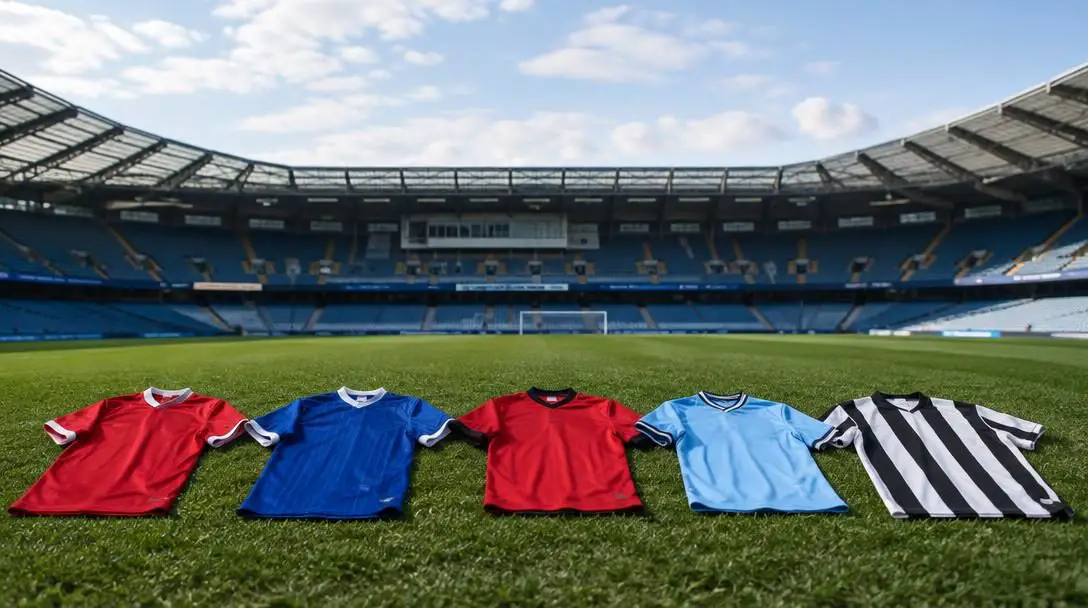
When a new kit is unveiled in the English Premier League, it carries expectations that extend far beyond matchday utility. Football shirts must capture the imagination of supporters who want to mirror their favorite players, yet even dedicated fans can turn away from buying a top if the aesthetic falls flat. A football shirt serves as an emotional bridge linking the supporter, the club identity, and the broader heritage of the game. Every summer, anticipation mounts as clubs unveil the visual identities they will display across domestic fixtures and European competitions, defining how an entire era of athletes will be remembered for decades to come.
Major sportswear apparel manufacturers such as Nike, Adidas, and Puma dedicate tremendous design and technical resources to balancing high-performance engineering with everyday streetwear appeal. When apparel makers strike the delicate balance between club tradition and fresh design trends, they produce shirts that transcend their original season. Looking back across the history of the Premier League, five particular designs stand out as exceptional visual achievements, representing a dynamic mix of the competition's earliest days and modern classics.
Key takeaways
- Iconic Premier League kits achieve greatness by balancing traditional club colors with harmonious sponsor placement and distinct design accents.
- Historic sporting moments, such as Manchester United's 1995-96 double or Chelsea's 2012-13 European triumph, permanently elevate kit status in football folklore.
- Sponsorship logos can make or break a shirt, with seamless partnerships like Newcastle Brown Ale and Sharp becoming beloved visual signatures.
- Vintage shirts have evolved into valuable collector items, with standout originals commanding over $120 on the resale market.
At a glance: The top five Premier League kits
Premier League apparel has evolved through distinct design movements, from the baggy jacquard weaves of the early 1990s to the streamlined, detail-oriented shirts of the modern era. The following table highlights the defining characteristics and season performances associated with each standout shirt.
| Club & Season | Primary Aesthetic Features | Front Sponsor | Domestic Finish | Notable Cup Run |
|---|---|---|---|---|
| Manchester City 1992-93 | Light blue weave with unique subtle patterning | Brother | 9th place (57 points) | FA Cup 6th round |
| Manchester United 1995-96 | Classic rich red body with tailored collar | Sharp | 1st place (82 points) | FA Cup champions |
| Chelsea 2012-13 | Royal blue base with luxurious gold trim | Samsung | 3rd place (75 points) | UEFA Europa League winners |
| West Ham 2021-22 | Claret and blue home pairing; striped road kit | Club partner | 7th place | Europa League semi-finals |
| Newcastle United 1996-97 | Blue alternate aesthetic with iconic star crest | Newcastle Brown Ale | 2nd place (68 points) | UEFA Cup quarter-finals |
The 5 best kits in English Premier League history
Selecting the best kits across three decades of Premier League competition requires looking at both aesthetic harmony and the enduring affection fans hold for the garments. These five uniforms managed to turn sportswear into works of enduring football art.
Manchester City 1992-93
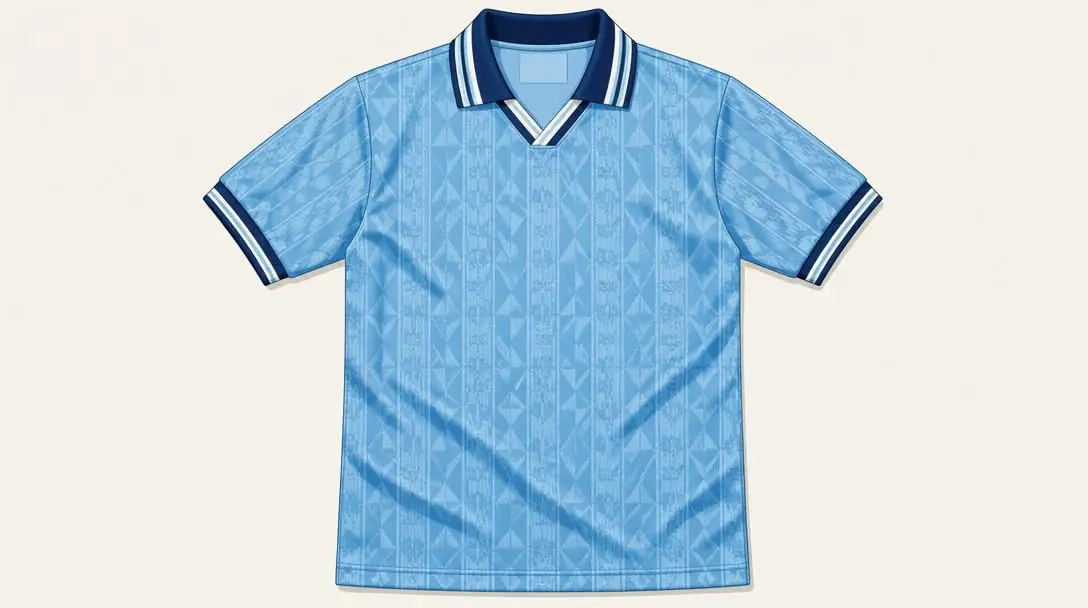
- Primary Color: Light blue with unique fabric pattern
- Front Sponsor: Brother
- League Record: 9th place (57 points)
- Domestic Cup: FA Cup sixth round
For the inaugural 1992-93 Premier League campaign, Manchester City delivered a masterclass in subtlety. The club took the pitch in a light blue uniform featuring a delicate fabric pattern that caught the stadium lighting cleanly and has aged exceptionally well over the decades. A central reason for the shirt's timeless appeal was the integration of Japanese electronics company Brother across the midsection. Unlike modern shirt sponsors that often overwhelm the club badge, the lettering sat naturally on the chest without disturbing the shirt's clean geometry.
The on-pitch campaign itself was relatively modest. Long before City became a perennial title contender, the early 1990s were a period of mid-table stability. Under manager Peter Reid, City accumulated 57 points to finish ninth in the standings, navigating a late-season cold streak while advancing to the sixth round of the FA Cup. Despite the ordinary results, supporters still purchase retro remakes of this top to wear to the Etihad Stadium today, proving that great design outlives average league finishes.
Manchester United 1995-96
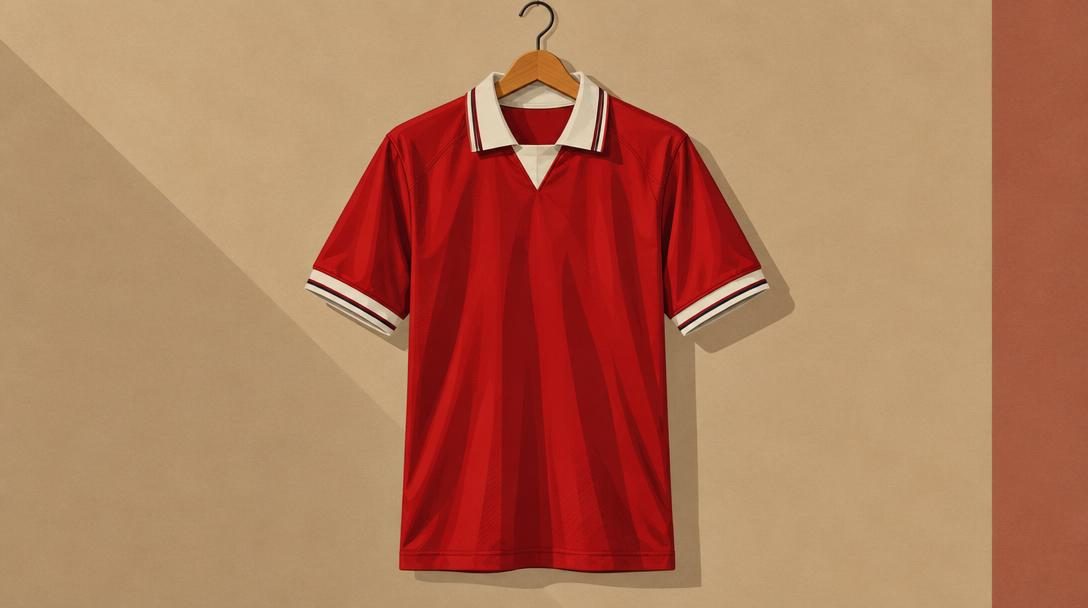
- Primary Color: Rich red home shirt with engineered collar
- Front Sponsor: Sharp
- Resale Market: Over $120 online
- Major Trophies: Premier League champions, FA Cup winners
While Manchester United's alternate shirts during the mid-1990s occasionally missed the mark—most infamously the grey away shirt discarded at Southampton—their 1995-96 home shirt remains an undeniable classic. Featuring a bold red body accented by crisp trim and an engineered collar, the top showcased electronics manufacturer Sharp across the chest. The sponsorship felt so natural on the jersey that the word served as an accurate descriptor of the team's visual identity under manager Alex Ferguson.
The shirt's status was immortalized by the iconic Double-winning campaign. Led by a crop of emerging young academy talents, Manchester United stormed through the second half of the season to capture the Premier League title with 82 points, overtaking Newcastle United by four points. A victory in the FA Cup final completed the domestic double, ensuring that the 1995-96 red shirt became one of the most celebrated garments in British sports culture. Original examples and vintage throwbacks regularly command upwards of $120 online among vintage sportswear enthusiasts.
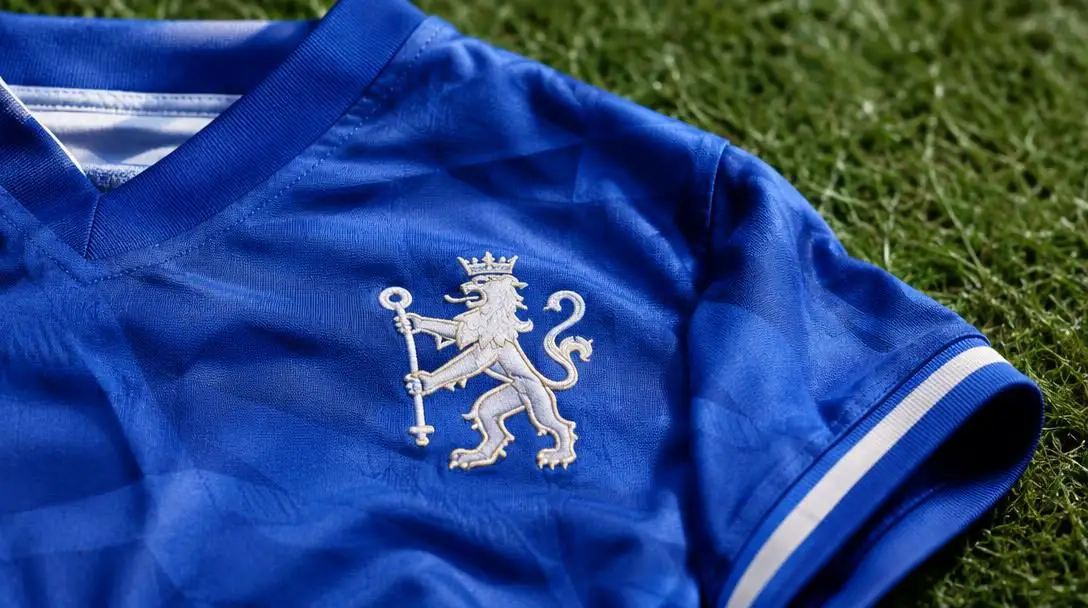
A football kit is far more than simply athletic wear; it is an emotional connection between the supporter, the club, and the heritage of the sport.
Chelsea 2012-13
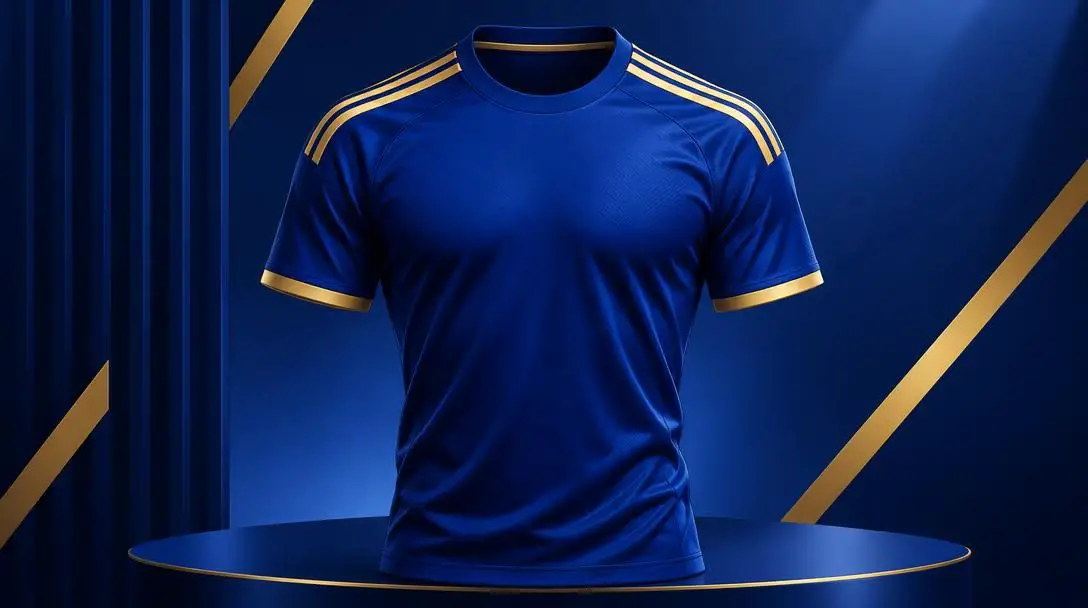
- Primary Color: Royal blue with metallic gold accents
- Front Sponsor: Samsung
- League Record: 3rd place (75 points)
- European Glory: UEFA Europa League champions
Chelsea has worn dozens of memorable shirts over its modern era, but the 2012-13 home edition holds a unique place in Stamford Bridge history. In a deliberate break from traditional white accents, Adidas outfitted the squad with metallic gold trim across the shoulders, club crest, and Adidas logo. Combined with the familiar white Samsung sponsor lettering on the front, the gold accents gave the garment an air of celebration following their prior Champions League continental conquest.
The shirt proved lucky during a grueling 69-match season across multiple competitions. Chelsea secured third place in the Premier League with 75 points, finishing only three points shy of second place to lock in direct Champions League group stage qualification. While they reached the semi-finals of the FA Cup, their crowning achievement wearing the blue-and-gold design arrived in Amsterdam, where they lifted the UEFA Europa League trophy after defeating Benfica in the final.
West Ham 2021-22
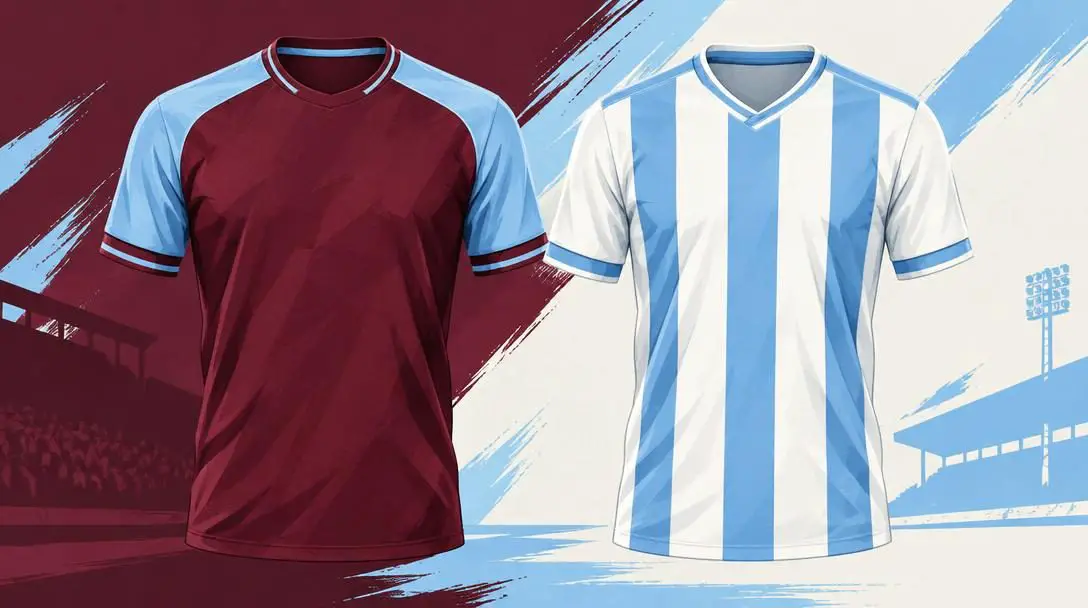
- Primary Color: Claret and light blue (Home); White, blue, and red (Away)
- League Record: 7th place
- Continental Run: UEFA Europa League semi-finals
- European Qualification: Europa Conference League playoff round
West Ham United’s 2021-22 wardrobe earned widespread acclaim because both the home and road strips achieved near-flawless aesthetic execution. The home shirt paid homage to the club’s heritage with a rich, dark claret torso complemented by light blue paneling across the shoulders. Meanwhile, the away kit brought back clean vertical stripes of white and light blue framed by subtle claret trim. Evaluating the club's visual appeal that year requires recognizing the paired aesthetic balance of both uniforms working in tandem.
The shirts accompanied one of the Hammers' most memorable modern campaigns. Manager David Moyes led the London club to a seventh-place Premier League finish, earning a spot in the Europa Conference League playoff round. The true highlight of the campaign occurred on Thursday nights across Europe, where West Ham marched all the way to the semi-finals of the UEFA Europa League, playing dazzling football in both their claret-and-blue home strip and their striped road kit.
Newcastle United 1996-97
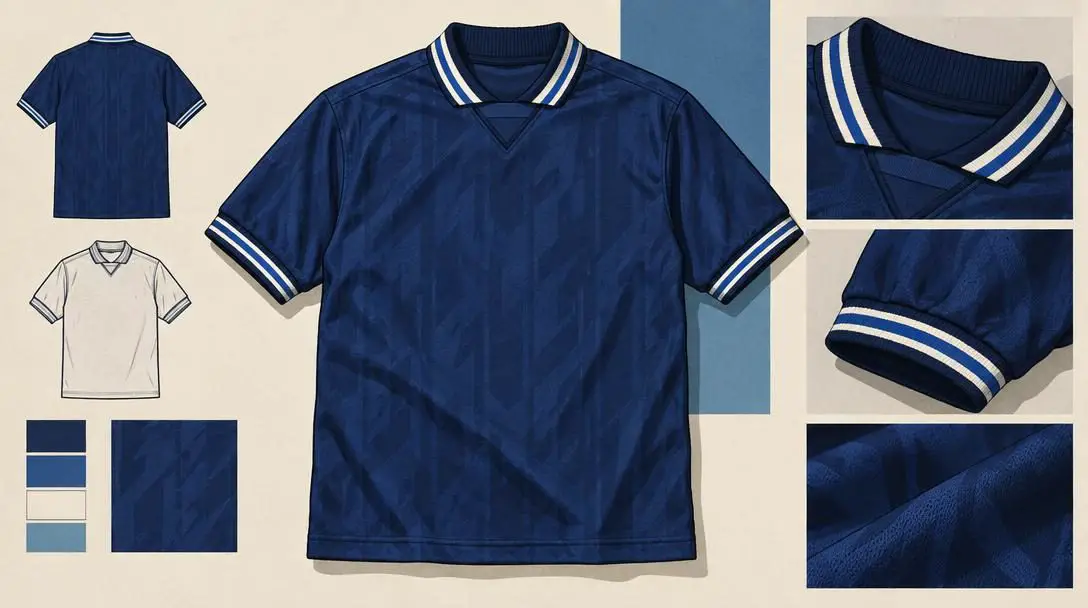
- Primary Color: Deep blue base aesthetic
- Front Sponsor: Newcastle Brown Ale
- League Record: 2nd place (68 points)
- European Run: UEFA Cup quarter-finals
Few shirt sponsorships in sporting history have achieved the cultural resonance of the partnership between Newcastle United and Newcastle Brown Ale. While the black-and-white home stripes are world-famous, the club's 1996-97 blue alternate uniform represents one of the finest corporate logo integrations ever executed in athletics. The iconic blue star featuring the silhouette of the Tyne Bridge blended seamlessly into the body of the garment, turning commercial advertising into a badge of regional pride.
Newcastle United matched their striking attire with exhilarating attacking football under Kevin Keegan and later Kenny Dalglish. The Magpies racked up 68 points to finish second behind Manchester United in the Premier League table, clinching a berth in the Champions League second qualifying round. On the continental front, the team advanced to the quarter-finals of the UEFA Cup, ensuring that the blue star shirt remains deeply ingrained in the memory of Tyneside supporters.
Anatomy of a classic: How Premier League kit design works
Creating a football kit that resonates with millions of global supporters requires months of collaborative development between athletic brands and club executives. Every detail must satisfy athletic demands while looking attractive on casual wearers walking down high streets. The following core elements dictate how a shirt is engineered and received:
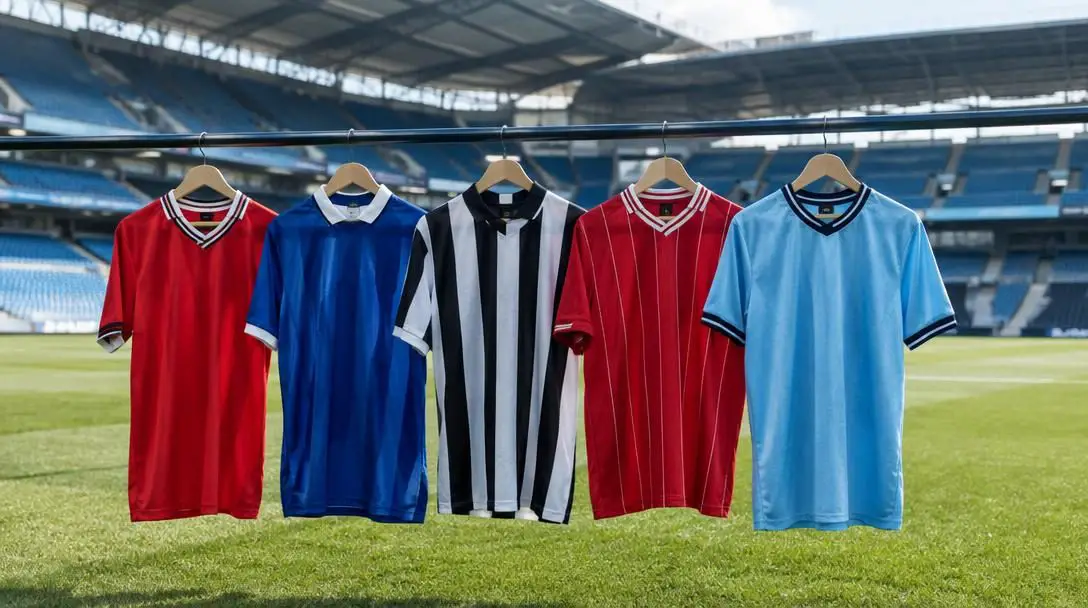
- Material Selection and Weave: During the 1990s, apparel manufacturers utilized heavier polyester blends woven with intricate jacquard patterns that reflected light in distinct geometric shapes. In contrast, modern shirts rely on lightweight, moisture-wicking technical fabrics designed to reduce drag and manage body heat during elite matches.
- Color Palette and Accents: While clubs must adhere to their traditional primary palettes, the choice of accent colors dictates whether a kit feels generic or iconic. Chelsea's transition from standard white stripes to metallic gold in 2012-13 demonstrates how a secondary hue can radically elevate a team's familiar look.
- Sponsorship Integration: A sponsor logo occupies the most visible real estate on any football top. When corporate typography works with the shirt's lines—as seen with Brother, Sharp, and Samsung—the shirt looks unified. If a sponsor uses clashing colors or boxy borders, it damages the overall design.
- Crest and Branding Details: The construction of club badges has shifted over time. Older tops showcased heavy, tactile embroidered crests that felt durable and permanent, while modern match-issue jerseys employ ultra-thin heat-pressed badges to minimize weight.
- Storytelling and Fan Engagement: The most memorable designs establish a direct narrative connection with supporters. Kits that draw inspiration from historical triumphs, local civic landmarks, or iconic retro patterns immediately forge an emotional bond that drives commercial sales.
Practical steps for curating a retro football kit collection
Collecting vintage and retro Premier League shirts has transformed from a niche pursuit into a massive worldwide hobby. With authentic match-era jerseys regularly appreciating in financial and sentimental value, approaching the market methodically ensures you invest in pieces that hold their quality over time.
- Define the scope of your collection: Establish clear boundaries for what you want to collect before browsing online auctions. Deciding whether to focus on your childhood club, a particular decade like the 1990s, or iconic shirts from across the league keeps your hobby structured and prevents impulsive spending.
- Research era-specific product codes and tags: Every major sportswear brand uses distinct internal wash tags, neck labels, and production codes that vary by era. Studying tag fonts and layout styles helps verify whether a listing is an authentic vintage shirt or an unauthorized modern reproduction.
- Verify sponsor and graphic application methods: Authentic tops from the early Premier League era often featured sublimated prints or felt-flock sponsor logos that have a soft texture. Contrast this with modern tops, which use smooth, heat-bonded polyurethane transfers.
- Inspect garment condition and fabric wear: Vintage polyester is vulnerable to snags, bobbles, pulls, and sponsor degradation. Always request close-up photographs of the collar, armpit seams, and hem stitching before purchasing secondhand shirts online.
- Choose between authentic originals and official remakes: Many clubs manufacture licensed throwback shirts that mimic the look of classic tops at an affordable price point. Decide whether you prioritize the collector value of an original period garment or the pristine fabric and lower cost of a licensed remake.
Essential maintenance tips: How to care for retro football kits
Preserving the fabric integrity and visual appeal of classic Premier League garments requires careful handling. Traditional modern laundry habits can quickly ruin vintage shirts that have survived for decades.
To keep your shirts looking match-ready, avoid these widespread maintenance pitfalls:
- Washing shirts in warm or hot water: High water temperatures soften fabric adhesives and warp delicate printing. Always wash shirts inside out in cold water on a delicate or gentle cycle.
- Using harsh detergents and fabric softeners: Chemical fabric softeners leave an oily residue on synthetic polyester that ruins its breathability and degrades heat-applied crests. Use mild liquid detergents free from optical brighteners.
- Hanging shirts on thin wire hangers: The weight of a vintage jersey pulling against narrow metal wire can cause stretching and unsightly fabric bumps around the shoulders. Use wide, contoured wooden or padded hangers instead.
- Storing garments in direct sunlight: Prolonged exposure to ultraviolet radiation will cause vibrant red, royal blue, and claret pigments to fade over time. Keep your collection organized in a cool, dark wardrobe or closet.
- Falling for modern counterfeit listings: Online auction sites contain numerous modern counterfeits sold as deadstock originals. Be skeptical of sellers using generic stock images or offering rare 1990s shirts at unusually low prices.
Beyond the pitch: The expanding world of football kit culture
The cultural footprint of Premier League shirts has expanded well beyond the confines of English football grounds. Over the past decade, football jerseys have emerged as core staples within international streetwear and high-fashion circles, bridging the gap between stadium fandom and contemporary urban style.
Club third kits have increasingly become creative laboratories where manufacturers can test bold colorways, non-traditional geometric patterns, and experimental trims without being constrained by century-old home shirt customs. These alternative uniforms cater directly to younger demographics who prioritize personal fashion alongside football loyalty.
Ultimately, a shirt’s enduring reputation remains inextricably linked to what happens on the pitch. Even the most visually striking design needs meaningful matchday drama to cement its legacy. Whether it is Newcastle pushing Manchester United to the wire in 1996-97, Chelsea lifting European silverware in Amsterdam, or Manchester United securing a historic Double, the greatest kits serve as wearable time capsules of unforgettable football history.
Frequently asked questions
Why are 1990s Premier League kits so popular among modern collectors?
Kits from the 1990s featured unique jacquard weaves, oversized tailored cuts, and bold geometric patterns that feel distinctly nostalgic compared to today's standardized athletic templates. Furthermore, they are associated with the founding decade of the Premier League and iconic sponsors like Sharp and Brother.
How much do authentic vintage Premier League shirts typically sell for?
Pricing varies based on rarity, club popularity, and garment condition, but sought-after originals from successful seasons—such as Manchester United's 1995-96 home shirt—routinely sell online for more than $120.
What makes the Newcastle United 1996-97 away kit so iconic?
The uniform is famous for its seamless corporate sponsorship integration. The Newcastle Brown Ale blue star logo complemented the athletic aesthetic of the blue shirt perfectly, turning a commercial sponsorship into a celebrated regional badge.
What is the best way to wash and dry a classic football shirt?
Always turn the shirt inside out and wash it in cold water on a delicate cycle using mild detergent. Never place the shirt in a tumble dryer; instead, hang it to air-dry naturally or lay it flat on a clean towel away from direct sunlight.
Did West Ham United achieve success wearing their 2021-22 kits?
Yes. West Ham enjoyed a strong 2021-22 season wearing their claret home and striped away kits, finishing seventh in the Premier League to reach the Europa Conference League playoff round and advancing to the semi-finals of the UEFA Europa League.
The bottom line
Premier League kits occupy a rare cultural space where athletic utility, corporate branding, and public fashion collide. The five iconic designs highlighted here—Manchester City's patterned 1992-93 top, Manchester United's 1995-96 double-winning red, Chelsea's gold-trimmed 2012-13 ensemble, West Ham's 2021-22 pairing, and Newcastle United's 1996-97 classic—earned their status through harmonious design and memorable sporting drama. As the market for retro sportswear continues to flourish, these legendary shirts stand as enduring proof that great football design never goes out of style.