5 Best Second Round Picks in NFL History
While the first round of the NFL Draft attracts the highest television viewership and the most intense media scrutiny, franchise architects understand that championship foundations are frequently constructed on day two. Casual viewers often turn away after the marquee names are off the board, yet the second round regularly supplies immediate starters, perennial All-Pro selections, and future Pro Football Hall of Fame inductees.
Whether because of concerns surrounding raw physical measurables, playing for smaller collegiate programs, or sudden positional runs during round one, exceptional athletes regularly slip into the second round. Evaluating the careers of the league's most distinguished second-round selections demonstrates that being bypassed on opening night does not prevent a player from reaching the highest pinnacle of professional football.
Key takeaways
- Second-round draft picks regularly reach the Pro Football Hall of Fame and capture major individual hardware, including MVP and Defensive Player of the Year awards.
- Talent evaluators frequently pass over future legends due to non-prototypical size or small-school competition rather than on-field performance.
- Day-two picks do not carry fifth-year options, giving teams immense salary cap flexibility on initial rookie wage scales.
- Aggressive trade maneuvering is common in the second round as front offices jump competitors to secure overlooked first-round grades.
- Iconic second-rounders like Drew Brees and Brett Favre demonstrate that day-two quarterback selections can redefine entire franchises.
At a glance: The top second-round selections
| Player | Draft Year | Drafting Team | Collegiate Program | Notable Career Achievements |
|---|---|---|---|---|
| Michael Strahan | 1993 | New York Giants | Texas Southern | 6-time All-Pro, 2001 DPOY, 2014 Hall of Fame, 22.5 single-season sacks (tied) |
| Mike Singletary | 1981 | Chicago Bears | Baylor | 8-time All-Pro, 2-time DPOY, 12 seasons with Chicago |
| Brett Favre | 1991 | Atlanta Falcons | Southern Miss | 3-time MVP, Hall of Famer, acquired by Green Bay for a first-round pick |
| Rob Gronkowski | 2010 | New England Patriots | Arizona | 4-time All-Pro, 4-time Super Bowl champion, led NFL in touchdowns in year two |
| Drew Brees | 2001 | San Diego Chargers | Purdue | Super Bowl champion, 5-time All-Pro, 2-time OPOY, 12+ Pro Bowls |
The five best second-round picks in NFL history
Narrowing down the absolute elite from decades of draft history requires looking at individual accolades, championship impact, and sustained dominance at the professional level. These five selections outperformed their initial draft billing to become all-time greats.
Michael Strahan
- Draft Selection: 40th overall (1993)
- Drafting Team: New York Giants
- Alma Mater: Texas Southern
- Hall of Fame Induction: Class of 2014
Long before he established a prolific post-football career as a talk show host and game show personality, Michael Strahan developed into one of the most dominant defensive linemen in league history. Entering the 1993 NFL Draft, Strahan was viewed by many scouts as a relative unknown because he attended Texas Southern rather than a national powerhouse. During that draft, the early portion of the second round saw front offices prioritize athletes from high-profile institutions such as Miami, Notre Dame, and Michigan.
The New York Giants, who had forfeited their first-round pick, secured Strahan at 40th overall. Strahan rewarded the organization with a decorated career that featured six All-Pro honors, the 2001 NFL Defensive Player of the Year award, and a share of the single-season sack record with 22.5 quarterback takedowns. His relentless pass rushing earned him enshrinement in Canton in 2014.
Mike Singletary
- Draft Selection: 38th overall (1981)
- Drafting Team: Chicago Bears
- Alma Mater: Baylor
- Accolades: 8-time All-Pro, 2-time Defensive Player of the Year
During the early 1980s, the Chicago Bears were in the midst of assembling the foundational pieces for what would become the legendary "Monsters of the Midway" defense. In the 1981 NFL Draft, Chicago used its initial first-round selection on offensive tackle Keith Van Horne, an addition that proved underwhelming in hindsight. However, their second-round opportunity yielded transformative results.
Immediately after wide receiver and future broadcaster Cris Collinsworth went off the board to the Cincinnati Bengals, the Bears selected linebacker Mike Singletary out of Baylor. Singletary went on to spend his entire 12-season career in Chicago, anchoring their historic defense. In an organization celebrated for all-time linebackers such as Dick Butkus and Brian Urlacher, Singletary etched his name beside the best, earning two NFL Defensive Player of the Year honors and eight All-Pro selections.
Brett Favre
- Draft Selection: 33rd overall (1991)
- Drafting Team: Atlanta Falcons
- Alma Mater: Southern Miss
- Accolades: 3-time NFL MVP, Hall of Famer
When Brett Favre declared for the 1991 NFL Draft out of Southern Miss, league-wide interest was far from universal. Atlanta Falcons head coach Jerry Glanville was openly adamant that the team should avoid selecting the quarterback. Atlanta had already spent first-round picks on defensive back Bruce Pickens and wide receiver Mike Pritchard, but front-office decision-makers opted to select Favre with the 33rd overall pick at the start of round two.
Favre spent only a single season in Atlanta, relegated to the backup role, before the Green Bay Packers stepped in. Green Bay had targeted Favre during the draft but sat one pick behind Atlanta. Recognizing his potential, the Packers traded a first-round selection to pry Favre away from the Falcons. The aggressive move reshaped the franchise: Favre became a three-time league MVP, a Super Bowl winner, and a Pro Football Hall of Famer.
A second-round investment can yield franchise-altering greatness when evaluation teams look past draft-day consensus and target unique on-field traits.
Rob Gronkowski
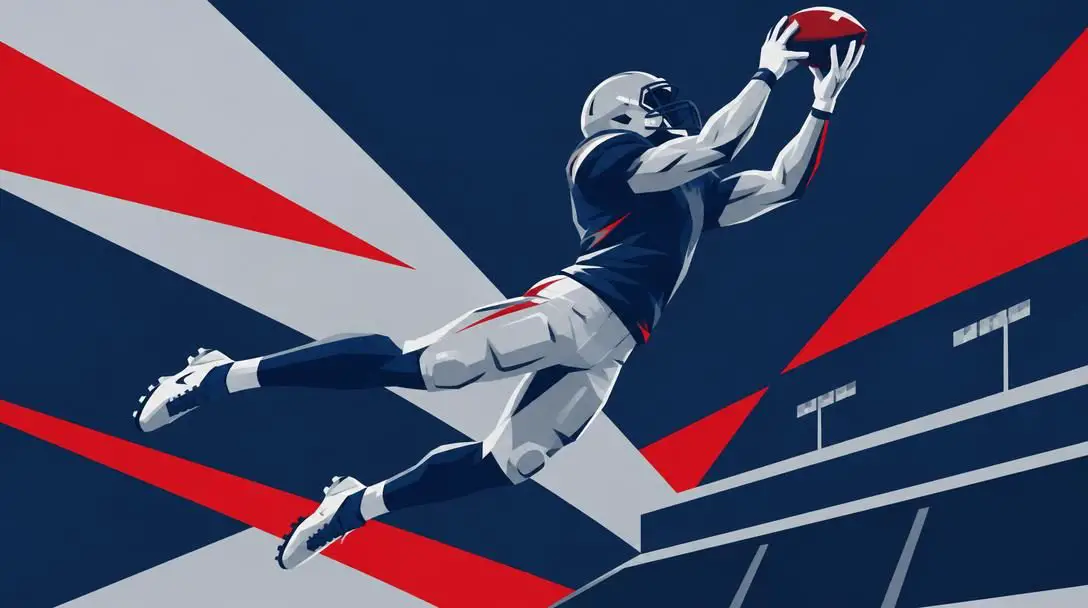
- Draft Selection: 42nd overall (2010)
- Drafting Team: New England Patriots
- Draft Trade Path: Raiders to Buccaneers to Bears to Patriots
- Championships: 4-time Super Bowl champion
The 2010 draft board featured only one first-round tight end: Jermaine Gresham. Rob Gronkowski remained available well into the second round as the 42nd overall selection changed hands repeatedly. The Oakland Raiders originally owned the pick before trading it to the Tampa Bay Buccaneers, who then dealt it to the Chicago Bears. Recognizing an opportunity, New England Patriots head coach Bill Belichick engineered a trade to move up and draft Gronkowski.
When healthy, Gronkowski performed as arguably the most dominant tight end the sport had ever seen. During his second NFL season, he led the entire league in receiving touchdowns, setting the stage for a career that included four All-Pro selections and four Super Bowl championships alongside Tom Brady.
Drew Brees
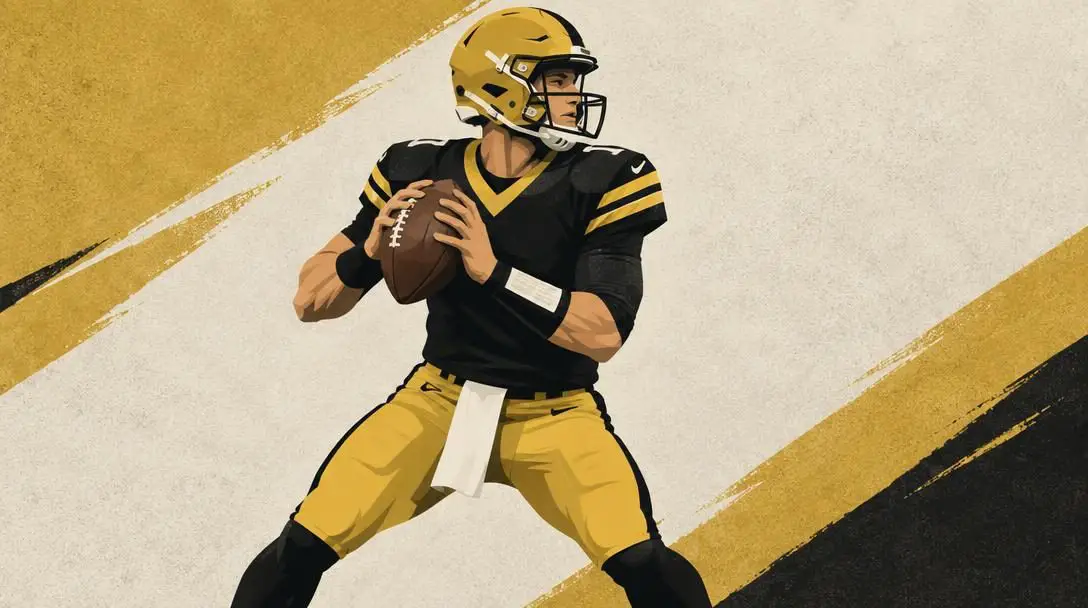
- Draft Selection: 32nd overall / Round 2, Pick 1 (2001)
- Drafting Team: San Diego Chargers
- Accolades: 5-time All-Pro, 2-time Offensive Player of the Year, Super Bowl champion
- Pro Bowl Selections: More than a dozen
Despite an exceptional collegiate career, Drew Brees was questioned by talent evaluators regarding his physical stature. While scouts acknowledged his arm talent and competitive drive, concerns about whether his height would limit his field vision caused him to slip past the first round in a loaded 2001 draft class. The San Diego Chargers opened the second round by calling his name.
Brees played five seasons in San Diego before reaching free agency and signing with the New Orleans Saints. His arrival in Louisiana transformed the franchise, culminating in the team's first Super Bowl title. Over a legendary career, Brees set multiple single-season and all-time passing records, collected two NFL Offensive Player of the Year awards, earned five All-Pro selections, and made more than a dozen Pro Bowls, cementing his position as the greatest second-round pick in NFL history.
Notable honorable mentions
The depth of talent uncovered in round two extends far beyond the top five. Several other legendary players began their careers as day-two selections:
- Jack Lambert: The fierce middle linebacker became a defensive cornerstone for the Pittsburgh Steelers' dynasty throughout the 1970s.
- Jack Ham: Selected in the second round by Pittsburgh, Ham established himself as one of the most technically sound outside linebackers in NFL history.
- Howie Long: Found by the Raiders in round two, Long developed into an unstoppable defensive lineman and a member of the Hall of Fame.
- Larry Allen: An offensive lineman whose brute strength and athleticism powered the Dallas Cowboys' front line for over a decade.
- LeSean McCoy: An elusive running back who produced multiple rushing titles and elite offensive production for Philadelphia and Buffalo.
- DaVante Adams: Bypassed in round one, Adams grew into one of the league's premier route-runners and touchdown producers.
The mechanics and financial value of day-two selections
Understanding why the second round generates such high organizational return requires looking at the operational rules governing draft picks. The structural differences between day one and day two directly influence how front offices manage risk and construct their rosters.
First-round draft picks carry a mandatory fifth-year team option built into their rookie contracts, giving clubs an extra season of team control. Second-round selections do not include this clause; their standard four-year contracts expire earlier. While this provides players a quicker path to unrestricted free agency or an extension, it grants front offices high-end production on cost-effective base salaries without the ballooning guarantees of fifth-year options. This cap flexibility lets organizations retain seasoned veterans while starting young second-round talent.
Day two is also characterized by aggressive trade maneuvers. Between the conclusion of the first round on Thursday night and the start of the second round on Friday evening, front offices spend nearly twenty hours re-stacking their draft boards. Players with first-round grades who slid through the cracks suddenly carry immense value, prompting rapid trade discussions as teams package secondary assets to move up.
How front offices identify day-two steals
Drafting an All-Pro contributor outside the opening thirty-two picks is rarely a matter of luck. Front offices that consistently succeed on day two follow an organized evaluation process to target market inefficiencies.
- Separate production from program size: Scouts must focus on translatable traits rather than the collegiate brand on the helmet. Dominating lower-tier competition, as Strahan did at Texas Southern, often signals elite physical ability.
- Isolate singular elite skills over prototypes: Prospect evaluations frequently suffer when evaluators demand complete physical perfection. Players who display elite processing, accuracy, or route running often overcome physical limitations like shorter height or modest arm length.
- Preserve draft board discipline: When targeted athletes are taken late in round one, smart franchises resist reaching for replacement players. Sticking to the true tier ranking allows teams to capture genuine first-round talent at the top of day two.
- Execute targeted draft trades: Front offices track trade tiers and act aggressively. If an elite player continues to fall, moving future mid-round picks to jump ahead of division rivals is often the difference between landing a franchise player and missing out.
Mistakes teams make when drafting in the second round
While the second round yields foundational stars, it also highlights recurring pitfalls in talent evaluation. Organizations that mismanage day-two picks typically fall prey to specific biases:
- Overreacting to physical thresholds: Discounting prospects purely due to standard height or weight metrics led numerous teams to overlook Drew Brees, ignoring his elite field vision and accuracy.
- Coaching and front-office misalignment: When organizational leaders disagree on player utility, second-round capital is squandered. Jerry Glanville's complete refusal to integrate Brett Favre in Atlanta is an all-time example of wasted potential.
- Defaulting to blue-blood programs: General managers often feel safer picking a backup or role-player from a premier college program rather than gambling on a dominant player from a smaller school.
- Drafting for immediate need over player tier: Reaching for an inferior player to patch a current roster hole frequently causes teams to bypass future Hall of Famers at other positions.
Frequently asked questions
Why do elite college players fall into the second round?
Prospects slip into the second round for several reasons, including non-prototypical size, attending smaller non-FBS schools, scheme concerns, or unexpected runs on other positions during round one. In some instances, disagreements between coaching staffs and scouting departments also cause players to slide.
Do second-round picks have fifth-year options on their contracts?
No. Under the NFL Collective Bargaining Agreement, the fifth-year team option applies exclusively to players selected in the first round. Second-round picks sign standard four-year contracts, allowing them to reach unrestricted free agency sooner.
Why did the Atlanta Falcons trade Brett Favre after drafting him in round two?
Atlanta head coach Jerry Glanville was strongly opposed to drafting Favre in 1991. Favre spent his rookie season as a little-used backup before the Green Bay Packers, who had originally wanted to select him in the draft, traded a first-round draft pick to acquire him.
How many Super Bowls did Rob Gronkowski win after being drafted in round two?
Rob Gronkowski won four Super Bowl titles across his career after being selected 42nd overall by the New England Patriots in the 2010 NFL Draft.
Who is widely considered the best second-round pick in NFL history?
Drew Brees is widely viewed as the top second-round pick in league history, having earned more than a dozen Pro Bowls, five All-Pro nods, two Offensive Player of the Year awards, and leading the New Orleans Saints to their first Super Bowl title.
The bottom line
The draft position of an incoming rookie serves only as an entry point into the league, not an ultimate ceiling on their career achievements. As the resumes of Michael Strahan, Mike Singletary, Brett Favre, Rob Gronkowski, and Drew Brees demonstrate, day two of the draft provides the foundation for championship rosters. Organizations that maintain sound board discipline, look past physical prototypes, and capitalize on second-round value consistently build the most enduring contenders in professional football.