5 Best Moments For Bayern Munich Fans
Bayern Munich holds an unrivaled position in German football, having built a legacy defined by domestic command, continental triumph, and remarkable resilience under intense pressure. While the Bavarian powerhouse has collected dozens of trophies throughout its existence, certain milestones represent true turning points that reshaped the club's trajectory and brought unbridled joy to supporters worldwide.
From architectural breakthroughs that ushered in the modern era to unforgettable European nights settled in the dying minutes, these moments represent the gold standard of German and world football. Exploring how these achievements were forged offers fans a deeper appreciation of the grit, tactical execution, and historic consistency that continue to define the club.
Key takeaways
- Bayern Munich's transition from the Olympic Stadium to the modern Allianz Arena in 2005 established the financial and physical foundation for long-term dominance.
- Oliver Kahn's decisive shootout save against Valencia in 2001 ended a painful quarter-century Champions League title drought.
- The historic 2012–13 campaign produced the club's first continental treble, sealed by an 89th-minute winner at Wembley against Borussia Dortmund.
- A 2–0 victory over Raja Casablanca in Morocco earned Bayern their breakthrough FIFA Club World Cup title in 2013.
- Despite an early-season slump, the 2019–20 squad rallied to secure an extraordinary second treble behind Kingsley Coman's final header.
At a glance: Five milestones that shaped Bayern Munich
To understand the breadth of Bayern's greatest eras, it helps to compare the context, decisive plays, and lasting significance of their most celebrated campaigns side by side.
| Moment | Year | Key Competition | Decisive Event or Metric | Primary Opponent |
|---|---|---|---|---|
| Opening the Allianz Arena | 2005 | Stadium Inauguration | Sold-out debut in 75,000-plus capacity venue | German national team |
| Ending European Cup Drought | 2001 | UEFA Champions League | 7th-frame penalty save by Oliver Kahn | Valencia |
| The Historic First Treble | 2012–13 | Treble (Bundesliga, Cup, UCL) | 89th-minute winning goal by Arjen Robben | Borussia Dortmund |
| FIFA Club World Cup Crown | 2013 | FIFA Club World Cup | Early goals from Dante (7') and Thiago (22') | Raja Casablanca |
| The Second Continental Treble | 2019–20 | Treble (Bundesliga, Cup, UCL) | 59th-minute header by Kingsley Coman | Paris Saint-Germain |
Five defining moments in Bayern Munich history
Narrowing down decades of silverware to five standout chapters reveals the moments when Bayern Munich rose above immense challenges to craft unforgettable sporting drama.
Opening the Allianz Arena
- Opening year: 2005
- Total capacity: Just over 75,000 spectators
- Previous home: Munich's Olympic Stadium (1972–2002)
- Bayern debut opponent: German national team
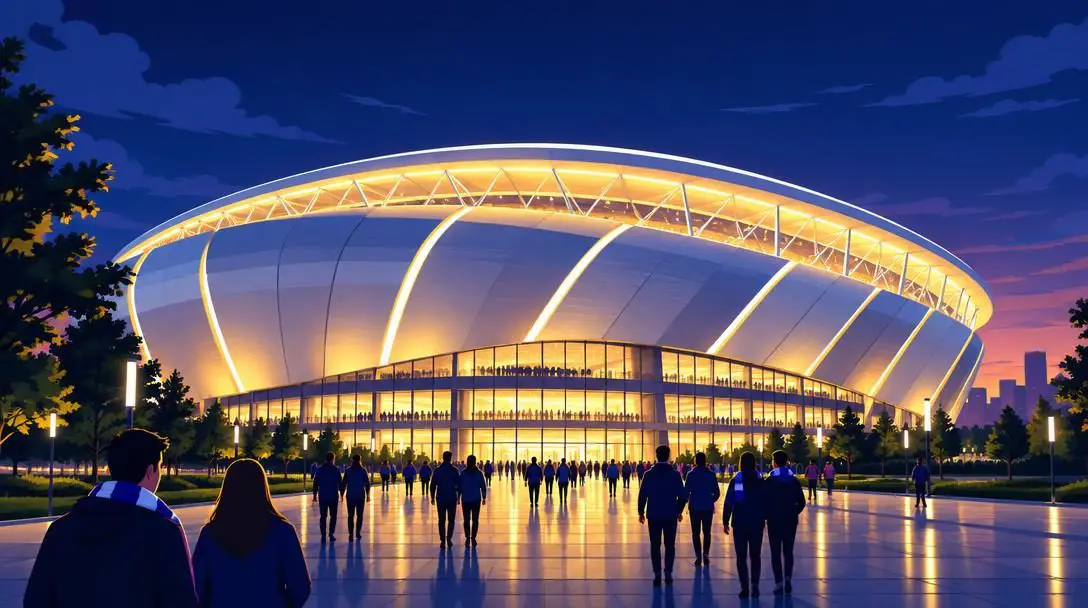
For three decades, Bayern Munich called Munich's Olympic Stadium home, competing on the historic grounds from 1972 until 2002. While the venue staged iconic sporting fixtures, the rapid commercialization and stadium evolution of the late 1990s convinced club leadership that a modernization was urgent. After exploring whether a redevelopment of the Olympic Stadium could fulfill their ambitious needs, Bayern chose to construct a brand-new, soccer-specific architectural masterpiece: the Allianz Arena.
The ground officially opened in 2005, providing a modern capacity of just over 75,000 spectators and captivating fans worldwide with its revolutionary, illuminated exterior cushion panels. The celebration kicked off with 1860 Munich facing 1. FC Nurnberg in a friendly match. The following evening, Bayern Munich played their maiden fixture at the venue before a capacity crowd against the German national team, initiating an era of unmatched home dominance that laid the logistical framework for modern European dominance.
Ending the Champions League drought in 2001
Between 1974 and 1976, Bayern Munich ruled European football by winning three consecutive European Cups. However, after that golden 1970s era, continental dominance vanished. The tournament rebranded into the UEFA Champions League, and Bayern endured a brutal quarter-century dry spell that included three devastating defeats in European finals throughout the 1980s and 1990s. By the 2000–01 season, continental redemption was the squad's absolute obsession.
The knockout stage required unmatched focus as Bayern eliminated giants Manchester United and Real Madrid to punch their ticket to the final against Valencia at the San Siro in Milan. The match opened disastrously when Gaizka Mendieta scored a penalty in the third minute to place Bayern under immediate pressure. The German side kept their composure, and in the 50th minute, Stefan Effenberg converted from the penalty spot to level the score at 1–1.
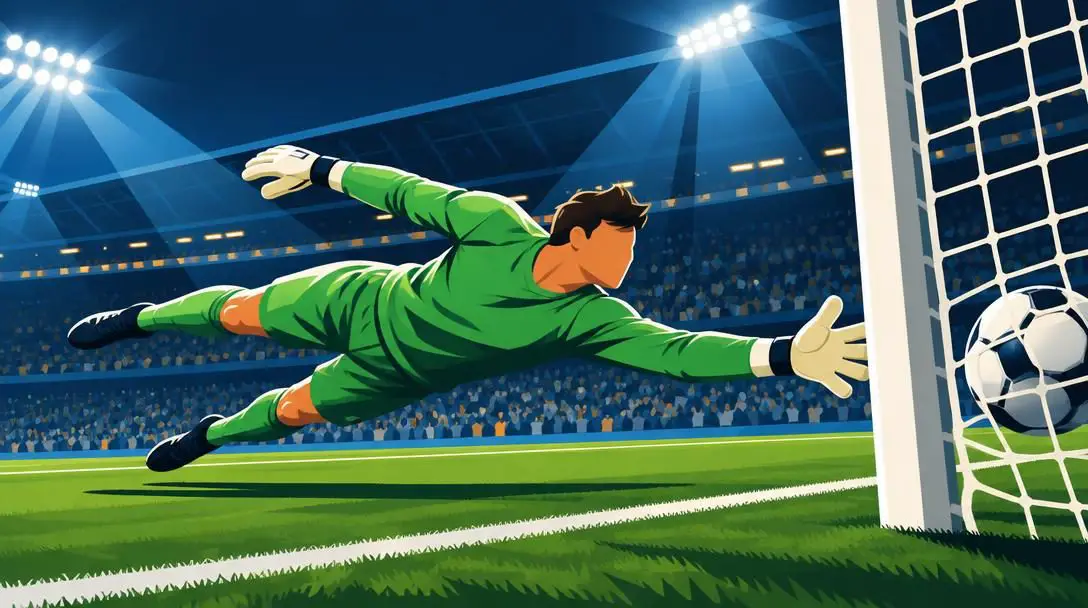
Neither team managed a breakthrough during a grueling extra-time period, forcing a penalty shootout. With tension peaking in the seventh frame, goalkeeper Oliver Kahn produced an iconic diving save against Mauricio Pellegrino. Kahn's heroics officially brought the 25-year European Cup drought to an end, sparking ecstatic celebrations and returning Bayern to the top of Europe.
Completing the historic 2012–13 treble
The 2012–13 campaign remains one of the most ruthless, dominant seasons ever constructed by a European club. Bayern kicked off the competitive cycle by winning the DFL Supercup against Borussia Dortmund in August, signaling their intent to reclaim complete control of German football. What followed was a masterclass in domestic and international competition.
In the Bundesliga, Bayern dropped only one match all year, accumulating a staggering 25-point lead over second-place Borussia Dortmund by season's end. Concurrently, their run in the DFB-Pokal proved just as airtight; the team won all six tournament matches, conceding a solitary goal on their way to the final before dispatching VfB Stuttgart to hoist the cup.
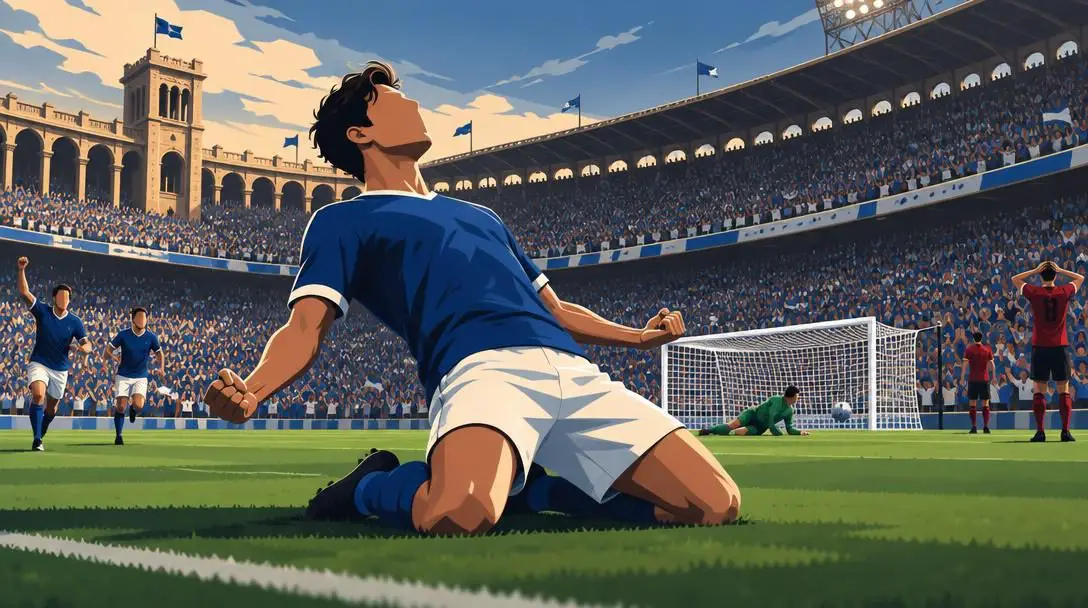
The continental campaign was equally breathless. After surviving a scare against Arsenal on away goals in the round of 16, Bayern unleashed complete devastation on Juventus and Barcelona, dispatching them by an aggregate score of 11–0. In an all-German Champions League final at Wembley Stadium against fierce rivals Borussia Dortmund, Arjen Robben broke free in the 89th minute to slide home the winning goal in a 2–1 victory. The triumph sealed the first continental treble in Bayern Munich history and erased memories of recent final heartbreak.
Winning a treble demands unmatched depth, mental resilience, and absolute consistency across domestic and continental campaigns.
Winning the FIFA Club World Cup in 2013
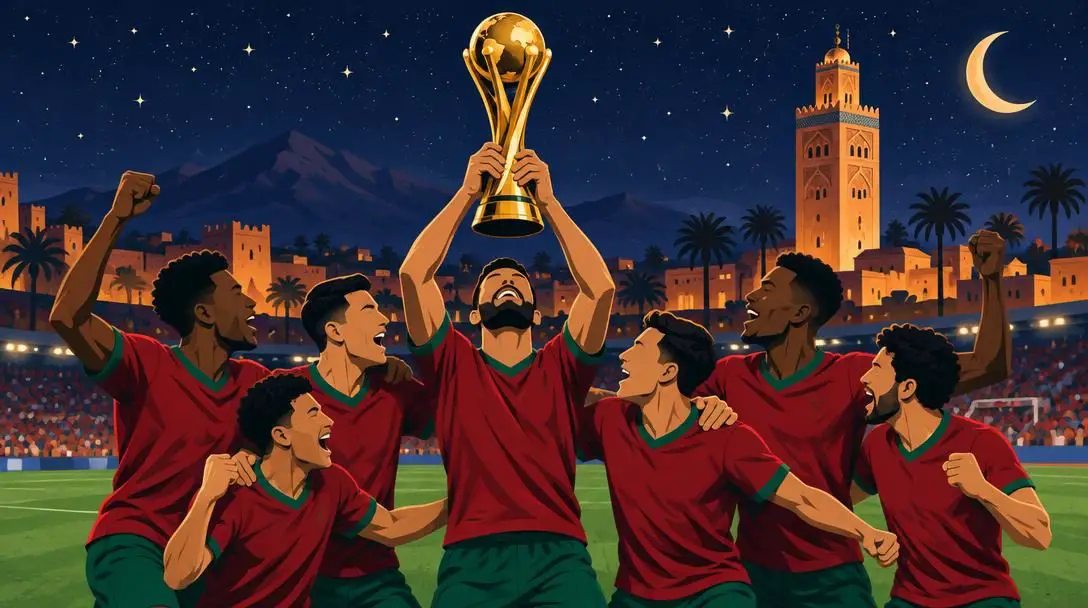
While international football had long relied on the FIFA World Cup to name the planet's top national side, club football did not have an equivalent tournament until FIFA introduced a trial competition in 2000, establishing it as an annual tradition starting in 2005. Having conquered Europe in May 2013, Bayern Munich traveled to Morocco in December determined to capture their first global club title.
Entering the competition at the semifinal stage, the European champions handled Asian champions Guangzhou Evergrande with a clinical 3–0 win. That set up a title clash against tournament darlings Raja Casablanca. Bayern wasted no time asserting authority in the final.
In the seventh minute, defender Dante found the net to give the German side a rapid 1–0 advantage. Just 15 minutes later, in the 22nd minute, Thiago delivered a second goal to double the lead. Bayern held command of the match to secure a comfortable 2–0 victory, capturing the FIFA Club World Cup and confirming their status as the preeminent club team in world football.
Securing the second treble in 2019–20
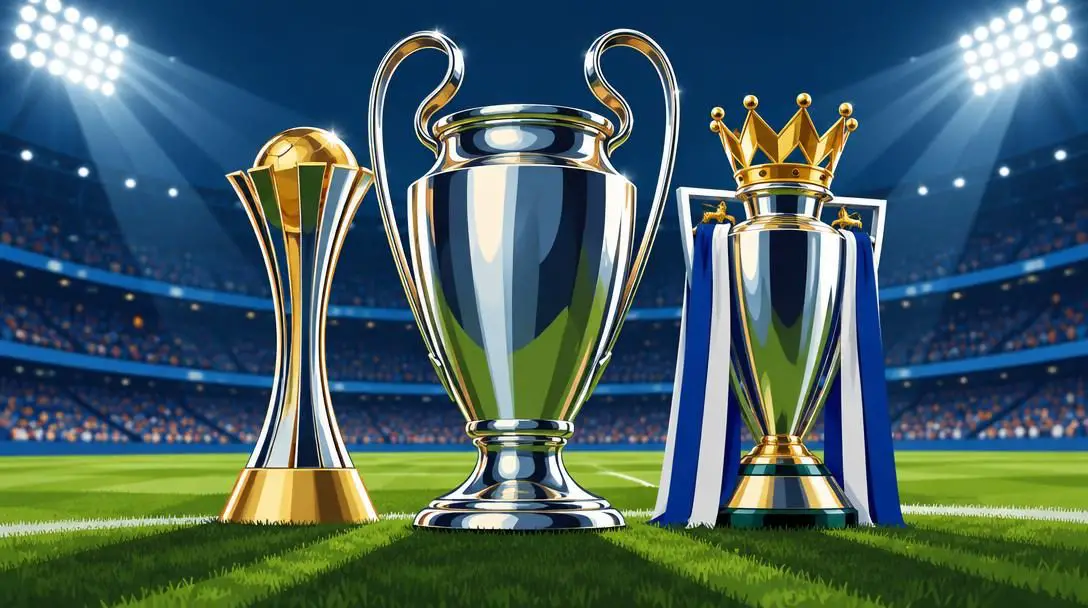
Repeating a continental treble is an achievement few teams across European history have ever managed, yet Bayern pulled it off during an unprecedented 2019–20 season. The domestic league journey was far from simple: Bayern suffered four losses in an eight-week span between matchdays seven and 14, sparking concerns of a transitional drop-off. Instead, the team staged an electrifying response, going unbeaten the remainder of the league campaign with only a single draw to capture the Bundesliga with 82 points—13 points clear of Borussia Dortmund.
In the DFB-Pokal final, Bayern met Bayer Leverkusen and delivered a free-flowing attacking display, capturing a 4–2 victory spearheaded by two goals from Robert Lewandowski. With two trophies secured, attention shifted toward the rescheduled UEFA Champions League knockout stages in Lisbon.
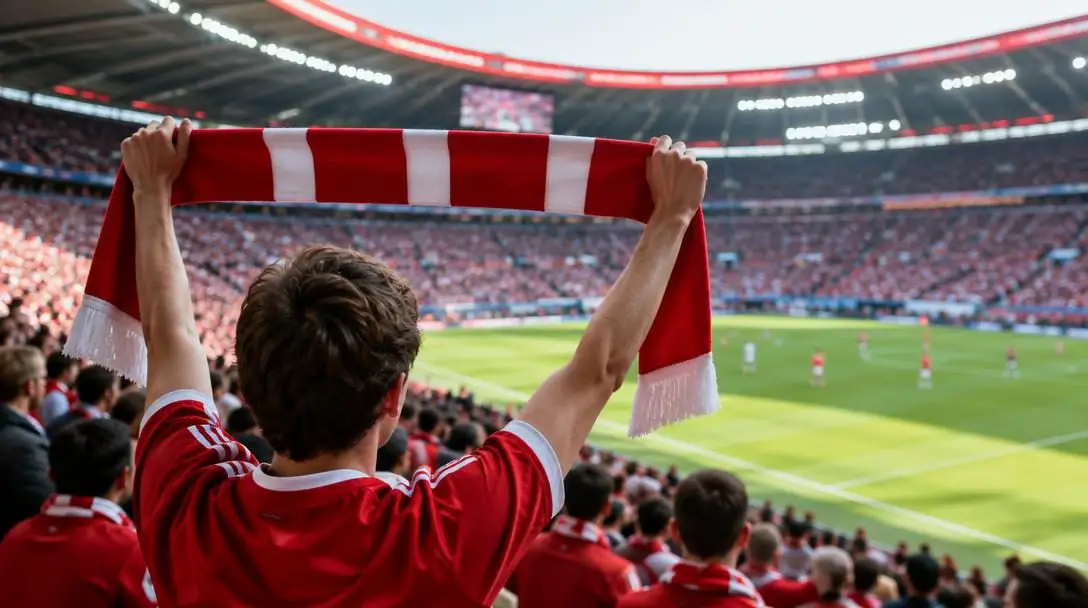
Bayern charged through the tournament bracket to face French champions Paris Saint-Germain in the final. In the 59th minute of a tight tactical battle, Kingsley Coman rose unmarked to steer home a decisive header against his former club. Despite fans being unable to attend due to COVID-19 safety restrictions, the 1–0 victory capped an extraordinary undefeated European run and confirmed Bayern's second historic treble.
How major football competitions work
To grasp the difficulty of Bayern's trophy hauls, supporters must understand how the different layers of professional European football interact across a calendar year.
- The Bundesliga (Domestic League): A 34-match round-robin competition where every German top-flight club plays each opponent home and away. Points determine the standings across nine months, rewarding season-long depth and stamina.
- The DFB-Pokal (Domestic Cup): A single-elimination knockout tournament involving clubs from multiple divisions of German football. Tied matches proceed to extra time and penalty shootouts, creating immense pressure where one off-day ends a title bid.
- The UEFA Champions League (Continental Cup): Europe's premier competition, qualifying clubs through previous domestic league positions. Teams compete across an opening group stage followed by two-legged home-and-away knockout rounds, concluding with a single neutral-site final.
- The FIFA Club World Cup (Global Tournament): A knockout championship bringing together the reigning winners of each global confederation's top continental tournament to crown the definitive club champion of the world.
Practical steps to follow and experience Bayern Munich's history
Supporters looking to immerse themselves in Bayern's historic milestones can take concrete steps to explore the club's heritage both in person and from afar.
- Tour the Allianz Arena and club museum: Visit the grounds opened in 2005 to explore the 75,000-plus seat stadium and inspect original silverware from the 2001, 2012–13, 2013, and 2019–20 championship campaigns.
- Review match archives of crucial finals: Study footage of pivotal plays, such as Oliver Kahn's penalty stops against Valencia in 2001 or Arjen Robben's late 89th-minute strike against Dortmund at Wembley.
- Track the path through domestic and cup formats: Follow how league fixtures alternate with mid-week DFB-Pokal and Champions League knockout ties to appreciate the squad rotation needed for a treble.
- Connect with global fan networks: Join official supporter branches to debate famous moments, from the 2013 Moroccan Club World Cup triumph to Kingsley Coman's 59th-minute Lisbon header.
Common mistakes when evaluating Bayern's historic achievements
Because Bayern Munich is widely recognized for consistent success, observers frequently overlook the unique hurdles the team had to clear during their signature seasons.
- Assuming domestic dominance is routine: Winning the Bundesliga requires near-perfect consistency. The 2012–13 squad lost only once all year, while the 2019–20 team had to dig out of a severe mid-season slump between matchdays seven and 14 to capture the crown.
- Underestimating the Champions League drought: Because Bayern won three straight European Cups from 1974 to 1976, casual fans often assume continental success was uninterrupted, ignoring the 25-year gap and three final defeats before the 2001 breakthrough.
- Overlooking the importance of the DFB-Pokal: Trebles are impossible without surviving the single-elimination cup format. Bayern's six-match sweep in 2012–13 and their 4–2 win against Bayer Leverkusen in 2020 required peak mental sharpness.
- Viewing stadium relocations as minor details: Transitioning away from the Olympic Stadium used from 1972 to 2002 into the purpose-built Allianz Arena provided the commercial and atmospheric foundation that fueled their modern runs.
What to consider when evaluating club legacies
Examining these high points provides a blueprint for analyzing greatness across modern club football. First, consider how rare continental trebles truly are. Securing a domestic league, domestic cup, and the UEFA Champions League within a single campaign demands extraordinary squad depth, tactical flexibility, and physical conditioning.
Second, recognize the weight of clutch individual performances. Whether it was Stefan Effenberg's penalty equalizer and Oliver Kahn's shootout heroics in 2001, Arjen Robben's redemption at Wembley in 2013, or Robert Lewandowski's brace in Berlin in 2020, history turns on key leaders executing when stakes are highest.
Finally, evaluate the infrastructure behind the silverware. Bayern's forward-looking choice to leave their home of 30 years to inaugurate the Allianz Arena in 2005 demonstrates that lasting on-pitch success requires visionary long-term club planning.
Frequently asked questions
How long did Bayern Munich play in Munich's Olympic Stadium?
Bayern Munich played their home matches at Munich's Olympic Stadium for 30 years, from 1972 until 2002, before relocating permanently to the newly constructed Allianz Arena in 2005.
Who scored the goals in Bayern Munich's 2001 Champions League final win?
In regulation time, Gaizka Mendieta scored a penalty in the third minute for Valencia, while Stefan Effenberg equalized for Bayern Munich with a 50th-minute penalty before Oliver Kahn made the winning save in the shootout against Mauricio Pellegrino.
How many points did Bayern Munich win the 2012–13 Bundesliga by?
Bayern Munich won the 2012–13 Bundesliga title by finishing 25 points ahead of second-place Borussia Dortmund, suffering only one league defeat the entire season.
Who scored for Bayern Munich in the 2013 FIFA Club World Cup final?
Dante opened the scoring in the seventh minute, and Thiago doubled the lead in the 22nd minute to secure a 2–0 victory over Raja Casablanca in Morocco.
Who scored the winning goal in the 2019–20 UEFA Champions League final?
Kingsley Coman scored the solitary goal of the match in the 59th minute, heading home against his former club Paris Saint-Germain in Lisbon to clinch Bayern's second treble.
The bottom line
Bayern Munich's status among the aristocracy of world football has been forged through decades of ambition, perseverance, and unforgettable triumphs. The journey from Munich's Olympic Stadium to the glowing Allianz Arena provided the physical stage, while iconic teams in 2001, 2013, and 2020 delivered the silverware that cemented the club's reputation. As modern campaigns unfold, these five defining moments stand as the ultimate benchmark of excellence for players and supporters alike.