5 Best Moments For Everton Fans
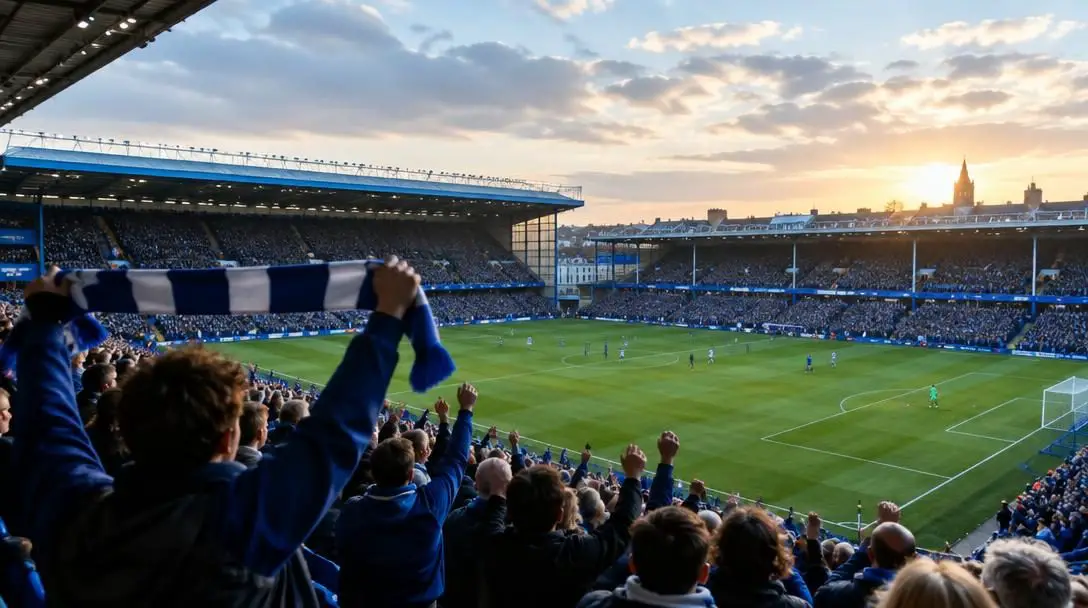
Everton Football Club stands as one of the oldest, most foundational institutions in English football. Over its extensive timeline, the Merseyside club has cemented its status as an enduring staple of the top-flight league, spending almost all of its existence competing directly against the nation's elite clubs. Generations of Everton supporters have experienced an illustrious journey punctuated by domestic league dominance, celebrated continental silverware, and nerve-shredding survivals against immense adversity.
Appreciating the club's proud heritage requires examining the distinct eras that forged its reputation. From the triumphant heights of the mid-1980s to underdog cup runs and emotional rescue missions at Goodison Park, these milestones showcase tactical discipline, defensive resilience, and fighting spirit. The following accounts chronicle the five greatest moments celebrated by the Everton faithful.
Key takeaways
- Everton captured continental glory by defeating Rapid Wien in Moscow to win the 1984–85 European Cup Winners' Cup.
- A dominant second-half surge in the 1986–87 season earned Everton their second Football League title in three seasons, finishing nine points clear of Liverpool.
- Led by Man of the Match Dave Watson, Everton kept a clean sheet against Manchester United to claim the 1995 FA Cup.
- A tense, goalless 2009 FA Cup semifinal culminated in Everton converting four consecutive penalties to beat Manchester United at Wembley.
- Facing impending relegation in May 2022, Everton overturned a 2–0 halftime deficit against Crystal Palace to preserve their top-flight status.
At a glance: Everton's five greatest footballing milestones
| Moment | Year | Competition | Key Opponent | Deciding Scoreline / Outcome |
|---|---|---|---|---|
| The Winners Cup Title | 1985 | European Cup Winners' Cup | Rapid Wien | 3–1 victory in the final |
| Second League Title in Three Years | 1987 | Football League First Division | Tottenham Hotspur / Liverpool | 1–0 win on the final day; 9-point title margin |
| The FA Cup Final | 1995 | FA Cup | Manchester United | 1–0 victory at Wembley |
| The FA Cup Semis | 2009 | FA Cup | Manchester United | 0–0 (a.e.t.), won penalty shootout |
| Avoiding Disaster | 2022 | Premier League | Crystal Palace | 3–2 comeback win at Goodison Park |
Five defining moments in Everton Football Club history
Throughout decades of competition, particular fixtures stand out for their historic magnitude and lasting impact on supporters. These five occasions capture the club's ability to triumph on the continental stage, master grueling domestic seasons, outfight elite opposition, and rise from the brink of catastrophe.
The Winners Cup Title (1985)
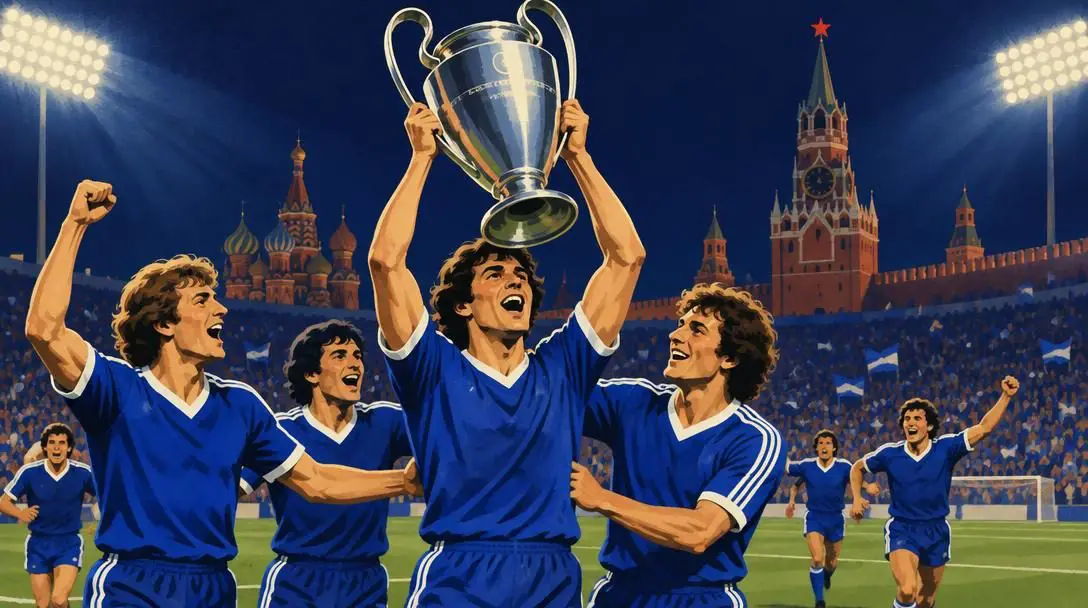
- Competition: European Cup Winners' Cup
- Final opponent: Rapid Wien
- Final score: 3–1
- Host city: Moscow
During the era of the European Cup Winners' Cup, domestic cup champions from across the continent gathered to contest one of Europe's most prestigious honors. The 1984–85 tournament presented Everton with an arduous continental journey. The campaign opened with a tie against UCD in the first round, followed by a disciplined second-round triumph over Internacional Slovnaft Bratislava. In the quarterfinals, Everton eased past Dutch outfit Fortuna Sittard to set up an iconic semifinal against German heavyweights Bayern Munich.
The semifinal clash against Bayern Munich became an instant classic, with Everton securing a famous 3–1 second-leg victory to earn a place in the showpiece event. In the final, held in Moscow, Everton faced Austrian club Rapid Wien. Following a tight, tactical first half where neither team found an opening, Everton seized complete command after the interval. Andrew Gray, Trevor Steven, and Kevin Sheedy each found the back of the net during an overwhelming second-half performance. Rapid Wien could not withstand Everton's momentum, and the final whistle confirmed a comprehensive 3–1 win, bringing continental silverware back to Merseyside.
Second Football League Title in Three Years (1987)
- Achievement: English Football League Champions
- Season: 1986–87
- Margin of victory: 9 points over Liverpool
- Deciding fixture: 1–0 win over Tottenham Hotspur
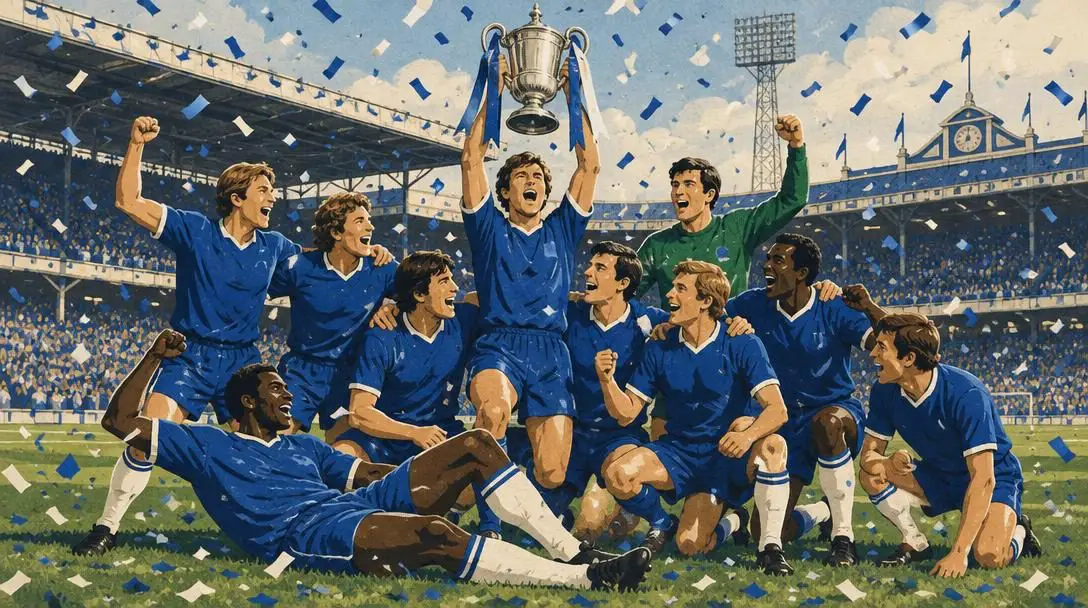
The mid-twentieth century was largely marked by a league championship drought for Everton. Between 1933 and 1984, the club lifted the top-flight trophy only twice, securing titles in 1963 and 1970. That dynamic altered drastically in the mid-1980s. Everton claimed the Football League championship in the 1984–85 season, narrowly missed retaining the crown by just two points the following year, and regrouped with absolute focus for the 1986–87 campaign.
The title-winning run was forged through sheer perseverance after a sluggish start. Everton managed only four victories in their opening ten fixtures, suffering three consecutive defeats during a concerning early slump. Rather than fracturing, the squad responded with remarkable consistency across the second half of the year, losing and drawing only once each across their final twelve matchdays. Everton wrapped up the championship with a resolute 1–0 victory over Tottenham Hotspur, finishing with a commanding nine-point cushion over second-placed neighbors Liverpool to secure their second league championship in three seasons and their most recent top-flight title.
True football heritage is defined not only by the trophies captured during golden eras, but by the relentless defiance shown when everything hangs in the balance.
The 1995 FA Cup Final
- Competition: FA Cup Final
- Match venue: Wembley Stadium
- Final score: Everton 1–0 Manchester United
- Match-winning goalscorer: Paul Rideout (30th minute)
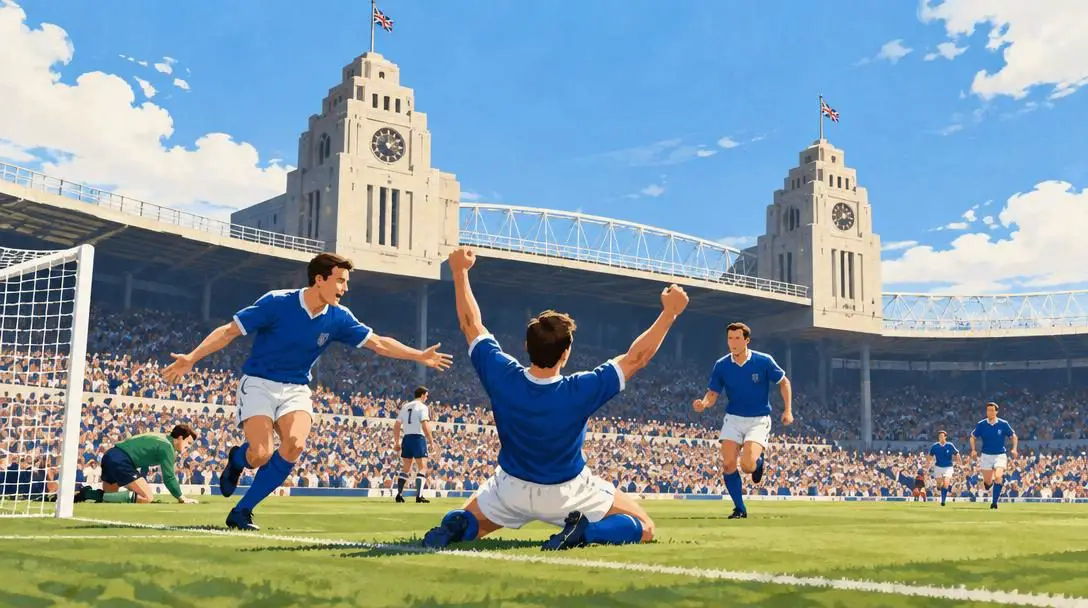
Everton arrived at the 1994–95 FA Cup campaign with an underwhelming recent record in the competition, having lifted the trophy only once in their preceding twenty attempts. The road to Wembley was built upon extraordinary defensive solidity. Everton grinded out 1–0 wins over Derby County and Bristol City, overwhelmed Norwich City 5–0, and shut out Newcastle United 1–0. The team reached the final four without conceding a single goal in the tournament.
Tottenham Hotspur breached Everton's defense in the semifinal, but Everton advanced comfortably with an emphatic 4–1 win. In the Wembley final, they faced a formidable Manchester United team that had overcome Crystal Palace in a semifinal replay. Everton took the lead in the 30th minute when Paul Rideout scored the decisive goal. Manchester United launched wave after wave of intense attacking pressure, but Everton's backline held firm. Guided by veteran defender Dave Watson, who earned Man of the Match honors for his leadership, Everton defended their advantage to lift the FA Cup.
The 2009 FA Cup Semis
- Round: FA Cup Semifinal
- Opponent: Manchester United
- Regular & extra time: 0–0
- Outcome: Won penalty shootout; advanced to final
Everton's 2008–09 FA Cup run began without fanfare in the third round proper, registering a narrow 1–0 victory over Macclesfield Town before a modest crowd of approximately 6,000 spectators. Few pundits expected an extended tournament presence, especially when Everton drew fierce local rivals Liverpool. After a 1–1 stalemate, Everton won the replay 1–0, followed by convincing wins against Aston Villa (3–1) and Middlesbrough (2–1) to set up a semifinal encounter with Manchester United at Wembley.
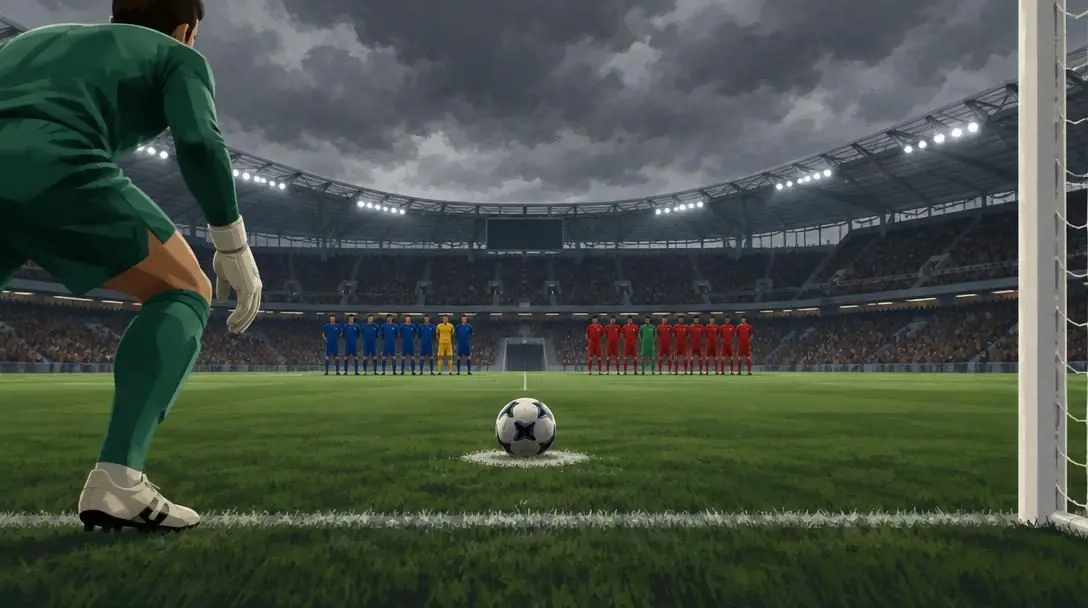
The semifinal developed into an exhausting tactical battle. Across ninety minutes of regulation play and an additional thirty minutes of extra time, both sides failed to break the deadlock, leaving the match tied 0–0. The ticket to the final was decided by a high-pressure penalty shootout. While both clubs missed their opening kicks, Everton took a 1–0 lead after the second round of attempts. Showing nerves of steel under Wembley's arch, Everton converted four consecutive penalties to capture the shootout and earn a place in the final against Chelsea.
Avoiding Disaster in 2022
- Fixture: Matchday 37 (Premier League)
- Opponent: Crystal Palace
- Halftime deficit: 0–2
- Final score: 3–2 victory
Everton had suffered relegation only twice in their storied history, with the most recent drop occurring back in 1951. By the 2021–22 campaign, however, a third relegation appeared almost unavoidable. The club was coping with serious off-pitch problems, losing substantial sums of money while attempting to finance a complex move into a new stadium. On the pitch, results deteriorated rapidly, dragging the club into the relegation dogfight right up to the penultimate match of the schedule.
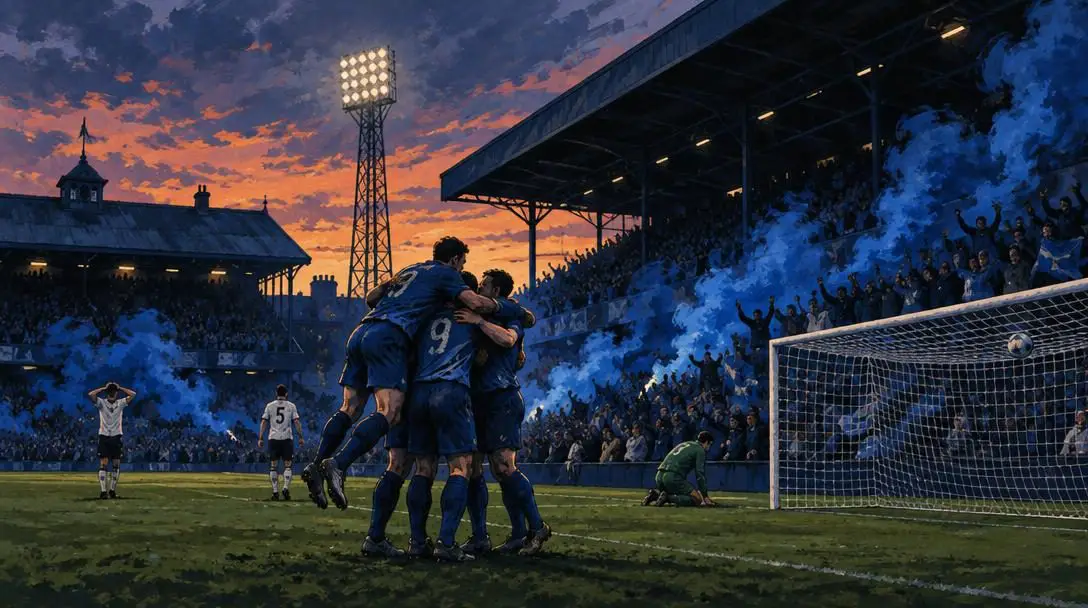
Hosting Crystal Palace at Goodison Park on matchday 37, Everton needed a victory to guarantee survival. The contest started terribly. Jean-Philippe Mateta scored for Palace in the 21st minute, and Jordan Ayew doubled the lead in the 36th minute, sending Everton into the dressing room trailing 2–0 at halftime. The second half sparked one of the most emotional comebacks in Goodison Park history. Michael Keane scored to halve the deficit, and Richarlison provided the equalizer. The turnaround was completed in the 85th minute when Dominic Calvert-Lewin headed home the winner, sealing a 3–2 triumph that averted disaster and kept Everton firmly in the top flight.
How cup competitions and relegation battles work
To fully understand why these historic moments carry such weight, general sports enthusiasts must appreciate how English and continental football competitions are structured.
The FA Cup: As the world's oldest domestic knockout competition, the FA Cup brings together clubs from multiple tiers of the English football pyramid. Teams enter at staggered stages depending on their division. Traditionally, drawn matches necessitated a replay at the opposing stadium. From the semifinal round onward, games shift to neutral venues like Wembley Stadium. If a semifinal or final remains level after 90 minutes of regulation, the teams contest 30 minutes of extra time, followed by a penalty shootout if no winner emerges.
The European Cup Winners' Cup: Running until the late 1990s, this elite continental tournament pitted the domestic cup winners from across UEFA member nations against one another. The format generally featured home-and-away two-legged fixtures in the early and middle rounds, with aggregate scores deciding who progressed. The competition concluded with a single, high-stakes final held at a predetermined neutral venue.
The League System and Relegation: Unlike closed North American sports leagues where franchises remain in the top division regardless of annual performance, the English football league utilizes a promotion and relegation pyramid. Every team plays every opponent twice during a season, once at home and once away. Teams finishing at the bottom of the table are relegated to the tier below, suffering severe sporting and financial setbacks, while the top team claims the championship trophy.
A practical guide to exploring Everton's storied archive
Supporters and football history enthusiasts looking to explore Everton's defining milestones can follow these practical steps to uncover archival materials, tactical breakdowns, and cultural context:
- Review archived broadcast highlights of the 1985 European Cup Winners' Cup final against Rapid Wien and the 2022 comeback against Crystal Palace to appreciate the dramatic shifts in momentum.
- Study the tactical structure and squad rosters of the 1984–85 and 1986–87 league-winning teams to understand how Everton outpaced top-flight competitors like Liverpool over a grueling season.
- Visit Goodison Park in person to gain physical context for historic matches, including the five-goal thriller against Crystal Palace and decades of top-flight survival fixtures.
- Examine standout individual tournament performances, such as Dave Watson's defensive display as Man of the Match during the 1995 FA Cup final against Manchester United.
Common misconceptions about Everton's historic record
Casual observers often misinterpret Everton's historical standing due to recent struggles or incomplete tournament narratives. Avoiding these common errors ensures a more accurate view of the club's legacy:
- Assuming recent struggles represent the club's entire history: Recent relegation fights have led some observers to view Everton as a perennial lower-tier club, overlooking the fact that they have spent almost their entire existence in the top flight and won multiple national titles.
- Overlooking Everton's European success: Some believe the club's triumphs were strictly domestic, forgetting the dominant continental campaign that delivered the 1985 European Cup Winners' Cup against prominent European sides.
- Confusing the frequency of historic relegations: Because of the intense drama surrounding the 2021–22 season, fans occasionally assume Everton regularly drops down divisions. In truth, the club has suffered relegation only twice in its entire history, with the prior instance occurring in 1951.
- Misinterpreting knockout cup runs as easy paths: Looking solely at low-scoring early rounds can lead observers to dismiss cup runs as comfortable, ignoring that Everton had to knock out powerhouses like Bayern Munich, Liverpool, and Manchester United along the way.
Looking ahead: Modern challenges and future prospects
As Everton transitions into the modern football landscape, the club faces crucial structural adjustments to honor its rich heritage while establishing sustainable performance on the pitch:
The Transition to a New Stadium: Everton is actively organizing a permanent move into a new stadium, ending an era at Goodison Park that spanned more than a century. This transition alters the physical matchday experience while offering expanded commercial opportunities for future generations.
Balancing Club Finances with Ambition: Having weathered severe financial strain while constructing the new venue and managing wage expenditures, Everton's leadership must stabilize operating balances to build a competitive squad without risking regulatory penalties or relegation jeopardy.
Re-establishing Cup Pedigree: With the 1995 FA Cup standing as Everton's most recent major piece of silverware, a central sporting goal for the club is translating deep knockout runs—such as their 2009 Wembley push—into tangible trophies once again.
Frequently asked questions
What was Everton's most recent major trophy win?
Everton's most recent major trophy was the 1995 FA Cup. The club defeated Manchester United 1–0 at Wembley Stadium, courtesy of a 30th-minute goal from Paul Rideout and a Man of the Match defensive performance by Dave Watson.
When did Everton win their last top-flight league championship?
Everton last won England's top-flight league championship in the 1986–87 season. Despite winning only four of their first ten matches, a strong second-half run carried them to the title, finishing nine points ahead of rivals Liverpool.
How many times has Everton been relegated in its entire history?
Everton has suffered relegation only twice across its entire history. The second relegation took place in 1951, and the club has maintained an unbroken presence in the top flight ever since, narrowly avoiding a third relegation in 2022.
Who scored the goals in Everton's 1985 European Cup Winners' Cup final victory?
Andrew Gray, Trevor Steven, and Kevin Sheedy scored Everton's goals during a dominant second-half display in Moscow, sealing a 3–1 win against Austrian side Rapid Wien.
How did Everton defeat Manchester United in the 2009 FA Cup semifinal?
After a grueling 0–0 draw through 90 minutes of regulation and 30 minutes of extra time at Wembley, Everton converted four consecutive spot-kicks to win the penalty shootout and advance to the final.
The bottom line
Everton's rich legacy is built upon moments of sublime footballing quality alongside an enduring instinct for survival. Whether winning European trophies in Moscow, running away with the Football League in the 1980s, or mounting an unforgettable Goodison Park comeback to retain top-tier status in 2022, the club's proudest moments demonstrate why Everton remains one of English football's most respected institutions.