5 Best NFL Careers by Former Wisconsin Badgers
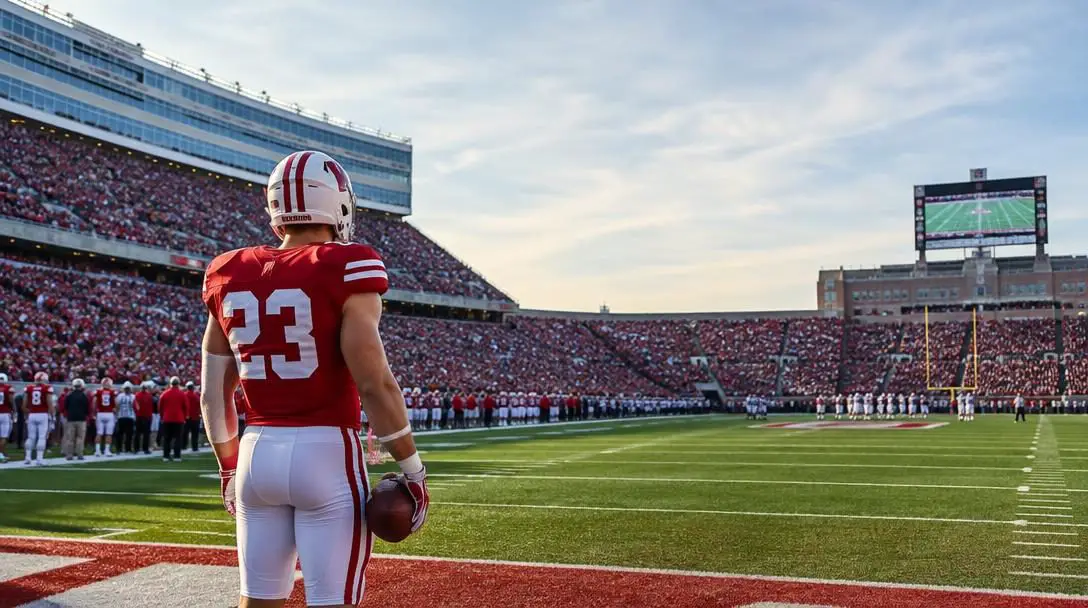
The University of Wisconsin holds a storied standing as one of the cornerstone institutions in the Big Ten Conference, establishing a century-spanning reputation for developing gritty, disciplined, and fundamentally sound football players. While competing annually against the nation's premier collegiate powerhouses in Madison, the Badgers have built a reliable talent pipeline to the professional ranks. From crushing interior linemen to dynamic playmakers on the perimeter, Wisconsin alumni have shaped eras of professional football, earning spots in Canton and rewriting league record books.
Evaluating the greatest professional achievements among former Badgers highlights the program's unique football culture. While dozens of alumni have carved out meaningful roles in the National Football League, a small fraternity of elite performers ascended to the pinnacle of individual honors, statistical records, and championships. Examining these careers reveals not only personal greatness, but also how Wisconsin's developmental philosophy translates seamlessly to the sport's highest stage.
Key takeaways
- Wisconsin's premier NFL exports feature multiple Defensive Player of the Year recipients, record-setting iron men, and Super Bowl champions.
- Brothers J.J. Watt and T.J. Watt both developed into transcendent NFL pass rushers after refining their disruptive skill sets in Madison.
- Legendary offensive linemen Mike Webster and Joe Thomas set historic benchmarks for durability, individual accolades, and positional excellence.
- Russell Wilson demonstrated that Wisconsin's pro-style framework could mold a dynamic quarterback into an immediate, championship-winning NFL starter.
The Honorable Mentions: Sustained Excellence at the Pro Level
Before examining the top tier of Wisconsin alumni, several standout contributors deserve acknowledgment for their longevity and elite accomplishments in the professional ranks. These players formed the bedrock of their respective NFL franchises and established reputations that elevated the university's national profile.
Among defensive standouts, cornerback Troy Vincent and defensive lineman Tim Krumrie spent over a decade apiece competing at the highest level, providing exceptional leadership and physical play. On the offensive side of the ball, wide receiver Chris Chambers delivered dynamic perimeter playmaking, while offensive linemen Paul Gruber and Travis Frederick continued Wisconsin's renowned tradition of anchoring NFL offensive fronts. Frederick quickly blossomed into an All-Pro center, while Gruber served as an indispensable pillar at offensive tackle throughout his professional tenure. Although these standouts narrowly missed the top five, their sustained production underlines the depth of Wisconsin's professional heritage.
The 5 Best NFL Careers by Former Wisconsin Badgers
Ranking the greatest professional football careers demands balancing sustained dominance, individual honors, durability, and championship contributions. These five players represent the standard of excellence among former Badgers.
5. T.J. Watt
- NFL Position: Outside Linebacker
- Draft Selection: 2017 NFL Draft, Round 1, Pick 30
- Primary Franchise: Pittsburgh Steelers
- Signature Honor: 2021 NFL Defensive Player of the Year
The younger of the two Watt brothers featured on this list, T.J. Watt spent four productive seasons in Madison honing his craft on the edge. After transitioning into an every-down disruptive force, his senior campaign culminated in First-Team All-Big Ten and All-American honors. Even with that decorated collegiate resume, some draft evaluators raised concerns about his frame and positional translation. Those hesitations allowed the Pittsburgh Steelers to secure Watt near the end of the opening round of the 2017 draft with the 30th overall pick.
Watt wasted little time making draft analysts regret their reservations. Stepping directly into Pittsburgh's tradition-rich defensive scheme, he rapidly evolved into a perennial First-Team All-Pro selection. His motor, bend, and pass-rushing instincts reached a historic high point during the 2021 campaign, when he tied the NFL single-season record by registering 22.5 sacks. That historic season earned him the 2021 NFL Defensive Player of the Year award. Because Watt is still in the prime of his active playing career, his resume continues to expand, giving him an opportunity to challenge the historical standing of any defender in modern league history.
4. Mike Webster
- NFL Position: Center
- Draft Selection: 1974 NFL Draft, Round 5, Pick 125
- Primary Franchise: Pittsburgh Steelers
- Signature Honor: 4-time Super Bowl Champion, 9-time All-Pro
Hailing from Rhinelander, Wisconsin, Mike Webster arrived at the University of Wisconsin in the early 1970s and served as the physical anchor of the Badgers' offensive line through 1974. A two-time All-Big Ten performer, Webster showcased exceptional balance and technique, though interior linemen were frequently overlooked in that era's draft process. The Pittsburgh Steelers ultimately selected him in the fifth round of the 1974 NFL Draft, completing what many historians consider the greatest draft class ever assembled by a single organization.
Over a remarkable 17-season professional journey—the vast majority spent commanding the line of scrimmage in Pittsburgh—Webster earned the nickname "Iron Mike." He anchored the offensive line for four Super Bowl championship teams, providing the blocking integrity that powered a dynasty. Webster earned nine All-Pro selections throughout his career, cementing his reputation as one of the greatest interior linemen to ever play the game. His lasting impact on the sport was formalized with selections to two separate NFL All-Decade Teams and a permanent place on Pittsburgh's All-Time Team.
3. Joe Thomas
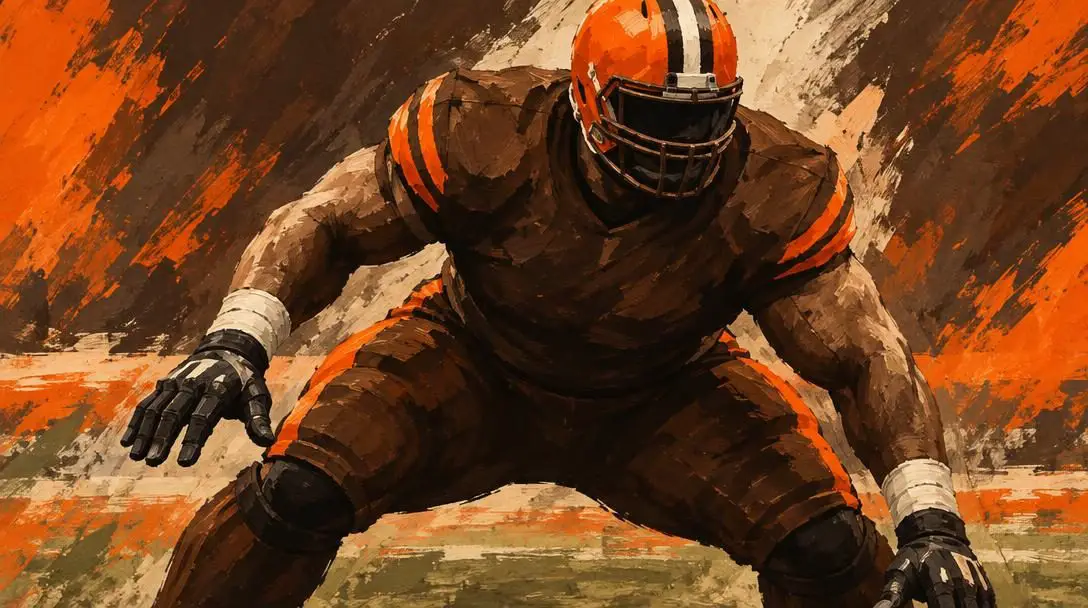
- NFL Position: Offensive Tackle
- Draft Selection: 2007 NFL Draft, Round 1, Pick 3
- Primary Franchise: Cleveland Browns
- Signature Honor: 10 Pro Bowls, 8 All-Pro Selections
As the highest collegiate recruit on this list to complete his entire amateur journey in Madison, Joe Thomas established himself as a generational talent from his first snap at Camp Randall Stadium. During his collegiate tenure, Thomas garnered two First-Team All-American selections and took home the prestigious Outland Trophy as a senior, recognized as the nation's premier interior lineman. His polish in pass protection and aggressive zone blocking made him the consensus top offensive line prospect in the 2007 draft class, leading the Cleveland Browns to draft him third overall.
In the NFL, Thomas set a standard for professional consistency and durability that may never be matched. He established an extraordinary league record by playing 10,363 consecutive snaps, never missing an offensive play due to injury or benching across more than a decade of action. Despite competing on struggling rosters that never reached the postseason, Thomas earned 10 Pro Bowl berths and eight All-Pro honors. Opposing pass rushers universally lauded his textbook footwork and hand placement, cementing his legacy as one of the purest pass protectors in NFL history.
Joe Thomas redefined professional durability by establishing an unprecedented record for consecutive snaps played while performing at an All-Pro standard on every single down.
2. Russell Wilson

- NFL Position: Quarterback
- Draft Selection: 2012 NFL Draft, Round 3, Pick 75
- Primary Franchise: Seattle Seahawks
- Signature Honor: Super Bowl XLVIII Champion, 9 Pro Bowls
While Russell Wilson spent only one autumn in Madison as a graduate transfer, that single campaign was historic. Wilson piloted the Badgers to a Big Ten Championship, claiming First-Team All-Big Ten recognition alongside the Griese-Brees Quarterback of the Year award. In spite of his record-setting efficiency, conventional draft wisdom regarding height limitations pushed him into the third round of the 2012 NFL Draft, where the Seattle Seahawks selected him with the 75th pick to serve as a reserve behind high-profile free-agent addition Matt Flynn.
Wilson quickly upended the team's depth chart during his rookie training camp, winning the starting job and launching a decade of franchise dominance in the Pacific Northwest. Across 10 seasons with Seattle, Wilson led the franchise to an extraordinary 104-53-1 regular-season record. He amassed 37,059 passing yards, 292 passing touchdowns, and just 87 interceptions, while his elite escapability added 4,689 rushing yards and 23 ground scores. A nine-time Pro Bowl selection, Wilson guided the Seahawks to two consecutive Super Bowl appearances, capturing the Lombardi Trophy in Super Bowl XLVIII.
1. J.J. Watt
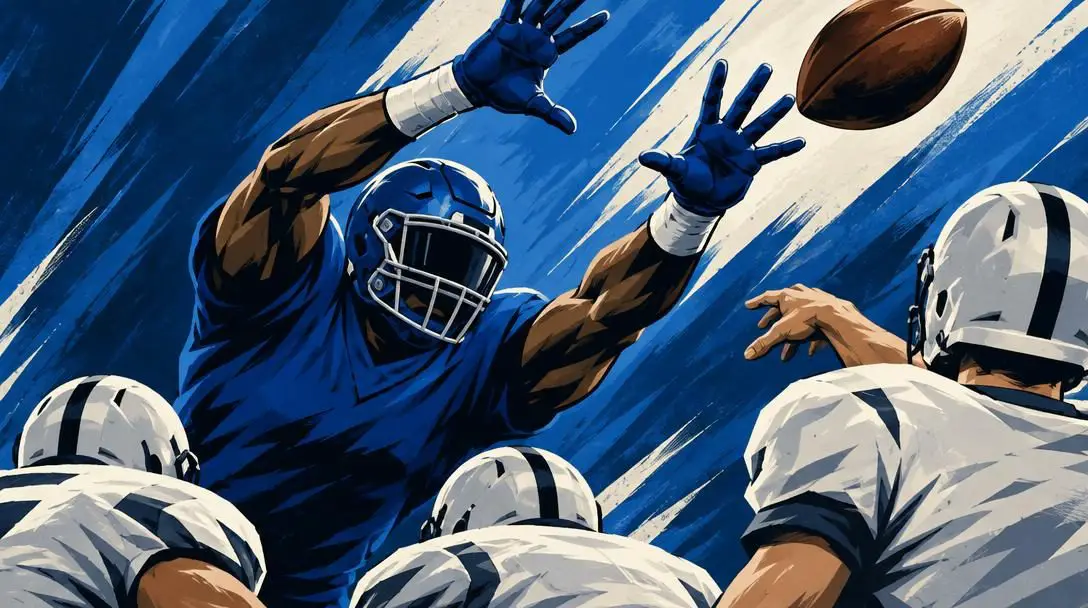
- NFL Position: Defensive End
- Draft Selection: 2011 NFL Draft, Round 1, Pick 11
- Primary Franchise: Houston Texans
- Signature Honor: 3-time NFL Defensive Player of the Year, 6-time All-Pro
The journey of J.J. Watt from small-town Wisconsin to global sports icon remains one of football's most inspiring development stories. A native of Pewaukee, Watt originally enrolled as a tight end at Central Michigan University. Convinced his potential lay elsewhere, he relinquished his scholarship after one season to walk on at the University of Wisconsin. Switching to defensive end, Watt transformed himself into a dominant collegiate force, capturing the Lott Trophy and First-Team All-American honors before the Houston Texans selected him 11th overall in 2011.
Over the following decade in Houston, Watt produced a peak of defensive dominance rivaled only by the most iconic defenders in league history. He joined an elite fraternity by winning the NFL Defensive Player of the Year award three separate times (2012, 2014, and 2015), routinely terrorizing opposing backfields with unmatched lateral quickness, power, and batted passes. Watt collected six All-Pro selections, recorded 101 sacks during his tenure in Houston, and earned the 2017 Walter Payton NFL Man of the Year award for his philanthropic leadership before concluding his career with the Arizona Cardinals.
At a Glance: Comparing Wisconsin's NFL Legends
Comparing these five legends side-by-side demonstrates the range of accolades, draft slots, and positional excellence produced by the Wisconsin football program.
| Player | Primary Position | Draft Round & Pick | First-Team All-Pro / All-Pro | Major Career Milestones |
|---|---|---|---|---|
| J.J. Watt | Defensive End | Round 1, Pick 11 | 6 Selections | 3x Defensive Player of the Year; 101 sacks in Houston; Walter Payton Man of the Year |
| Russell Wilson | Quarterback | Round 3, Pick 75 | All-Pro Honoree | Super Bowl XLVIII Champion; 9x Pro Bowler; 104 regular-season wins in Seattle |
| Joe Thomas | Offensive Tackle | Round 1, Pick 3 | 8 Selections | 10,363 consecutive snaps played; 10x Pro Bowler; Outland Trophy winner |
| Mike Webster | Center | Round 5, Pick 125 | 9 Selections | 4x Super Bowl Champion; 2 NFL All-Decade Teams; 17-season NFL career |
| T.J. Watt | Outside Linebacker | Round 1, Pick 30 | Multi-time Selection | 2021 Defensive Player of the Year; Tied NFL single-season sack record (22.5) |
How Wisconsin's Program Culture Translates to NFL Success
The consistent success of Wisconsin alumni in the NFL is not an accident of recruiting; it is the natural byproduct of a distinct developmental environment. By examining the attributes shared across these standout careers, coaches and analysts can identify how college systems successfully prepare athletes for professional demands.
- Dominance in the Trenches: Wisconsin has long prioritized line play over perimeter flash. Linemen like Mike Webster and Joe Thomas spent years perfecting hand placement, pad level, and hip leverage against physical Big Ten fronts, allowing them to withstand the rigorous wear of 16- and 17-game NFL schedules.
- Pro-Style Tactical Alignment: Historically, the Badgers utilized offensive and defensive schemes that mirror professional concepts. Offensive linemen master complex zone- and power-blocking assignments, while quarterbacks like Russell Wilson operate under center, make full-field progressions, and manage huddles.
- Developmental Resilience: Many of Wisconsin's premier stars arrived on campus with modest recruiting profiles. J.J. Watt began as a walk-on, while players like T.J. Watt converted positions during their collegiate careers. That culture of accountability helps players navigate early professional depth charts.
A Step-by-Step Framework for Evaluating Historical NFL Careers
Debating historical sports rankings requires an objective, repeatable methodology to avoid recency bias or overvaluing team championships at the expense of individual brilliance. Use the following structured approach when evaluating the professional legacies of collegiate alumni.
- Measure Peak Dominance: Identify a player's best three- to five-year window. Tally individual accolades decided by analytical panels, such as First-Team All-Pro honors, major seasonal awards (e.g., Defensive Player of the Year), and league-leading statistical totals.
- Assess Career Longevity and Durability: Weigh elite production against sheer career volume. Examine total starts, career games played, and rare durability metrics, such as Joe Thomas's consecutive snaps streak or Mike Webster's 17 seasons in the trenches.
- Contextualize Team Success and Role: Distinguish between quarterback play—which heavily influences winning—and positional roles like tackle or edge defender. Value Super Bowl titles appropriately without disqualifying legendary players who competed on rebuilding rosters.
- Examine Collegiate Lineage and Development: Trace the arc between college preparation and pro outcomes. Note whether an athlete was a multi-year product of the university's developmental pipeline or made an instantaneous impact as an upperclassman transfer.
Common Mistakes When Comparing NFL Legacies
When sports enthusiasts and commentators compare professional football careers, discussions frequently devolve into flawed comparisons. Avoid these recurring analytical pitfalls when constructing historical rankings:
- Overvaluing Pro Bowl Berths Relative to All-Pro Teams: Pro Bowl voting includes fan ballots and frequently relies on alternate selections when starters drop out due to postseason play or injuries. All-Pro teams are voted on strictly by informed writers and reflect true positional superiority.
- Penalizing Non-Quarterbacks for Subpar Team Records: Unlike basketball, where a single superstar can carry a roster, football requires 53 active contributors. Holding a lack of playoff victories against an individual tackle like Joe Thomas ignores the realities of team construction.
- Neglecting Era Adjustments: Directly comparing raw statistics from 1970s players like Mike Webster to modern athletes like T.J. Watt fails to account for rule changes, modern training modalities, and expanded passing volumes.
- Confusing College Production with Professional Impact: A collegiate superstar does not automatically become an NFL legend, nor does a three-star recruit face a lower ceiling in the pros. Career rankings must evaluate professional output rather than amateur reputations.
What to Consider Next
The ranking of Wisconsin's greatest professional football alumni is not static. Several emerging factors across the NFL and college football landscapes will reshape these assessments over the coming decade:
Active career trajectories will directly challenge current rankings. T.J. Watt continues to assemble an All-Pro resume with the Pittsburgh Steelers; should he add further seasonal awards, sack milestones, or a championship ring, his historical placement could challenge his older brother for the top spot. Furthermore, the modern transfer portal means future Badgers may mirror Russell Wilson's single-season path to professional greatness, forcing analysts to reconsider how much time on campus is required to represent a program's legacy.
Frequently asked questions
Who is the greatest NFL player to play college football at Wisconsin?
J.J. Watt is widely regarded as the greatest NFL player from Wisconsin, having won three NFL Defensive Player of the Year awards, earned six All-Pro honors, and collected over 100 career sacks during a dominant decade with the Houston Texans.
Did Russell Wilson play his entire college career at Wisconsin?
No. Russell Wilson played his final collegiate season in 2011 as a graduate transfer with the Badgers after spending his previous collegiate campaigns with North Carolina State. In his lone season in Madison, he won a Big Ten Championship and the Griese-Brees Quarterback of the Year award.
How many Super Bowls did Mike Webster win with the Pittsburgh Steelers?
Mike Webster won four Super Bowl championships as the starting center for the Pittsburgh Steelers during their dominant dynasty in the 1970s.
What is Joe Thomas's most famous NFL record?
Joe Thomas holds the NFL record for the most consecutive snaps played, logging an extraordinary 10,363 consecutive offensive snaps without missing a single play due to injury or benching between 2007 and 2017.
Are both Watt brothers on this list related?
Yes. J.J. Watt and T.J. Watt are brothers who both played defensive positions for the Wisconsin Badgers before becoming NFL Defensive Player of the Year winners.
The Bottom Line
The University of Wisconsin's football heritage is defined by a commitment to physical dominance, disciplined development, and positional mastery. From early trench warriors like Mike Webster to contemporary pass rushers like J.J. and T.J. Watt, the Badgers have consistently produced athletes capable of dominating the highest level of American sports. As active stars continue to build their legacies and future draft classes enter the league, Wisconsin's reputation as a premier NFL development program remains firmly intact.