5 Most Surprising NHL Relocations
When an expansion franchise enters a major professional sports league, the local community almost always welcomes the new arrival with open arms. Modern additions in cities like Las Vegas and Seattle proved how swiftly an untapped market can fall in love with ice hockey when granted a clean slate, a unique local identity, and a place on the highest athletic stage. Expansion celebrates civic pride and broadens the league's cultural footprint without tearing at existing loyalties.
Franchise relocation, on the other hand, tells a far more complicated story. When an established club packs its bags and leaves town, the move fractures a community of dedicated supporters and leaves an emotional void. The incoming city often endures an awkward transition period, conscious that its newfound joy arrived at the expense of a heartbroken hometown elsewhere. Over its long history, the National Hockey League has witnessed several dramatic departures that reshuffled traditional hockey geography and produced lasting shockwaves across North American sports.
Key takeaways
- Economic distress, outdated arena amenities, and the pursuit of expansive media markets serve as the primary catalysts driving NHL franchise moves.
- Iconic franchises with dedicated followings, including the Hartford Whalers and Quebec Nordiques, could not withstand the financial realities of small-market operations.
- Relocations require extensive league oversight, including Board of Governors approval, lease settlements, and logistical realignments.
- Some departed hockey cities eventually earned a second chance, while others saw their beloved teams win championships immediately after departing.
At a glance: Five landmark franchise shifts
The following table summarizes the five most surprising relocations in league history, tracking where these storied franchises originated, where they landed, and the conditions surrounding their departures.
| Original Franchise | Destination Market | Tenure Before Move | Primary Move Catalyst |
|---|---|---|---|
| Minnesota North Stars | Dallas Stars | Over 25 seasons | Ownership targeting larger media markets after California plans fell through |
| Hartford Whalers | Carolina Hurricanes | 18 NHL seasons | Small-market financial limitations and inability to secure a modern arena |
| Winnipeg Jets (Original) | Phoenix/Arizona Coyotes | Founded 1972 (WHA/NHL) | Ownership sale seeking a substantially larger southern media market |
| Quebec Nordiques | Colorado Avalanche | 16 NHL seasons | Severe financial hardship leading to sale to out-of-market investors |
| Atlanta (Flames & Thrashers) | Calgary & Winnipeg | 8 seasons (Flames) / 11 seasons (Thrashers) | Repeated financial struggles forcing franchise sales to Canadian markets |
The five most shocking relocations in NHL history
Each of the following moves disrupted traditional hockey culture, trading historic cold-weather environments or passionate regional followings for high-growth metropolitan centers across the southern and western United States—and in some instances, sending teams back across the northern border.
Minnesota to Dallas
- Original Market: Bloomington/Minneapolis-Saint Paul, Minnesota
- New Destination: Dallas, Texas
- Departure Year: 1993
- Local Tenure: More than a quarter of a century
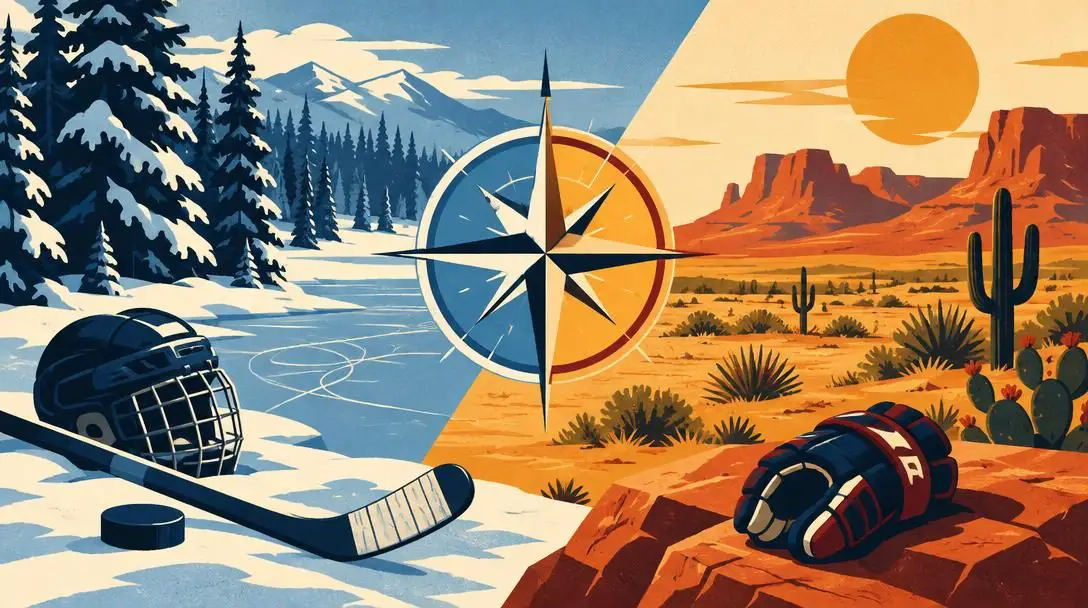
Minnesota holds an almost undisputed claim as the grassroots capital of American hockey. Its icy winters, celebrated pond-hockey heritage, and passionate high school tournaments make the state an organic extension of traditional hockey heartlands. For more than twenty-five years, the Minnesota North Stars served as the premier civic symbol of that winter culture, building deep community roots and a devoted statewide following.
Despite this storied foundation, the business landscape unraveled in 1993. Team ownership initially explored relocating the franchise out west to Anaheim, California. That pathway closed when The Walt Disney Company stepped ahead in line to establish the expansion Mighty Ducks. Blocked from Southern California, ownership pivoted to Texas, transporting a franchise steeped in snow and pond ice straight into the southern heat of Dallas. The shift remains one of the most astonishing geographic pivots in the sport's modern era.
Hartford to Carolina

- Original Market: Hartford, Connecticut
- New Destination: Raleigh, North Carolina
- League Tenure: 18 NHL seasons (following WHA roots)
- Signature Tradition: "Brass Bonanza" goal song
The Hartford Whalers enjoyed a status unlike any other franchise in professional hockey. Entering the NHL following the landmark merger with the World Hockey Association, the team carved out an enduring pop-culture identity. Sporting one of the most brilliant visual logos in athletic design, the Whalers played inside an arena uniquely attached to a bustling downtown shopping mall and celebrated every score with the infectious melody of "Brass Bonanza."

However, Hartford's distinctive quirks could not insulate the team from economic realities. Operating inside a compact media market wedged between dominant sporting hubs in New York and Boston, the franchise struggled to generate sustainable commercial revenue. After failing to secure public funding or approval for a modernized venue, the team left Connecticut after 18 NHL seasons. The organization relocated south to Raleigh, transforming into the Carolina Hurricanes and slowly converting a traditional college basketball territory into a viable southern hockey base.
Winnipeg to Arizona

- Original Market: Winnipeg, Manitoba, Canada
- New Destination: Phoenix, Arizona
- Origin: Founded in 1972 (World Hockey Association)
- Outcome: Franchise returned to Winnipeg 15 years later
Before the mid-1990s, the concept of ice hockey thriving in the desert was virtually unthinkable to traditionalists. Canada was universally viewed as the spiritual home of the sport, and the Winnipeg Jets were among the central pillars of that regional devotion. Like the Whalers and Nordiques, the Jets brought an established fan culture into the NHL through the 1979 merger with the WHA.
As operating costs escalated and player payrolls swelled across the sports landscape, small Canadian markets faced extraordinary fiscal head winds. When the Jets were acquired by an ownership group eager to capture an emerging Sun Belt metropolis, the franchise was dispatched to Phoenix to become the Coyotes. The relocation shattered the local sporting community in Manitoba. Yet, in a rare turn of historical justice, Winnipeg would ultimately wait fifteen years before a second relocation from another struggling market returned top-flight hockey to the city.
Quebec to Colorado

- Original Market: Quebec City, Quebec, Canada
- New Destination: Denver, Colorado
- NHL Tenure: 16 seasons
- Notable Fact: Won the Stanley Cup in first season after moving
The Quebec Nordiques were far more than a sporting club; they were the sole major professional sports franchise in Quebec City, proudly representing French-Canadian athletic pride. Boasting iconic fleur-de-lis sweaters recognized as some of the most aesthetic uniforms in hockey lore, the club developed legendary rivalries and an intense following throughout its sixteen NHL campaigns.
By the mid-1990s, however, mounting debt, exchange-rate difficulties, and the absence of a modern facility left ownership with limited alternatives. The team was sold to an investment group in Denver, prompting a swift transition to become the Colorado Avalanche. In what stands as the ultimate sports heartbreak for Quebec supporters, the loaded roster that had been painstakingly assembled in Canada captured the Stanley Cup immediately upon arriving in Denver, highlighting the painful timing inherent to corporate franchise relocation.
Nothing cuts deeper for a relocated fan base than watching the roster it patiently supported hoist a championship trophy in another city just months after departure.
Atlanta (Twice)
- First Incarnation: Atlanta Flames (departed 1980 to Calgary)
- Second Incarnation: Atlanta Thrashers (departed 2011 to Winnipeg)
- Duration: 8 seasons (Flames), 11 seasons (Thrashers)
- Shared Fate: Both teams moved north to Canada
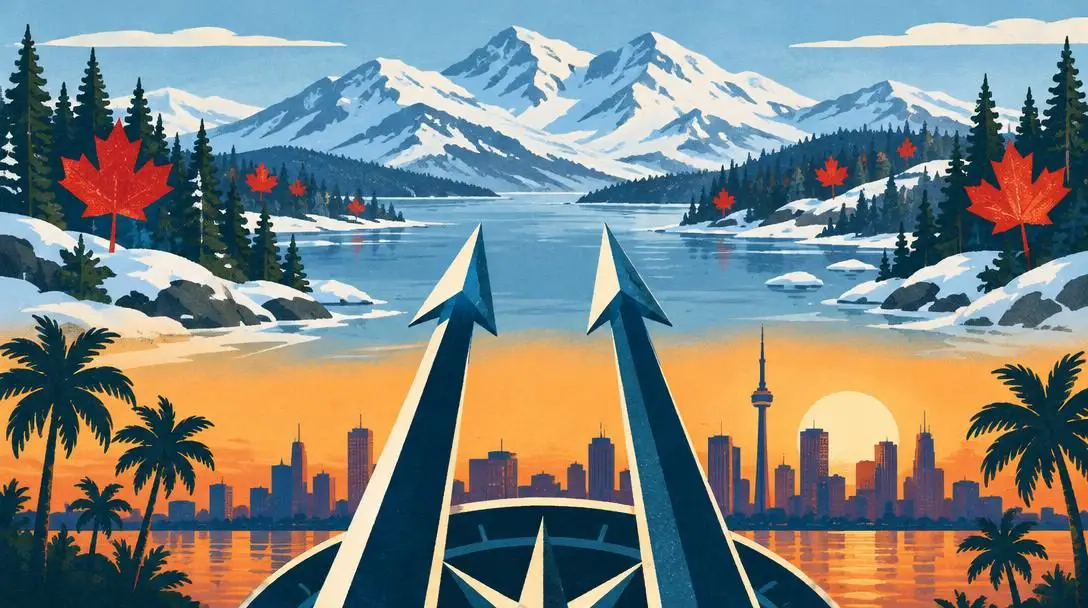
Atlanta occupies a truly unique, frustrating place in hockey history as the only metropolitan area to lose two separate NHL franchises to Canadian destinations. The city first entered the league with the Atlanta Flames, a team named to reflect the regional climate and local history. Despite genuine fan enthusiasm, compounding monetary losses over eight campaigns prompted ownership to sell the organization to Canadian buyers, who transported the club north to become the Calgary Flames in 1980.
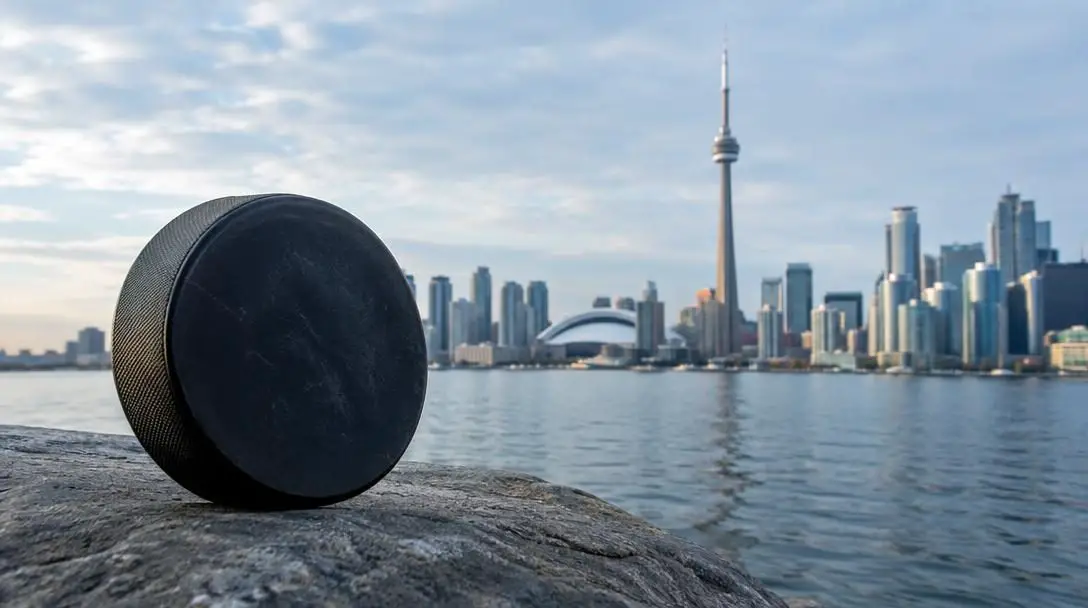
Almost two decades later, the NHL gave Georgia another opportunity by launching the expansion Atlanta Thrashers. The modern attempt mirrored the original outcome with startling precision. Facing internal ownership conflict, declining turnstile figures, and persistent financial instability, the Thrashers lasted only eleven seasons before being sold and moved to Manitoba to establish the modern Winnipeg Jets. Atlanta's repeated failures underscore the delicate balance required between market size and sustainable ownership stability.
Behind the scenes: How an NHL relocation unfolds
Franchise relocation is rarely an impulsive choice; it represents the culmination of prolonged municipal standoffs, corporate calculations, and administrative approvals. Moving an established athletic brand requires clearing several intricate operational hurdles.
- Market and venue evaluation: The front office evaluates current arena revenues against potential earnings in prospective cities, focusing heavily on premium seating, corporate luxury suites, and long-term lease parameters.
- Ownership transactions: Relocations frequently coincide with team sales. Out-of-market purchasers negotiate acquisition terms that are explicitly contingent on receiving league permission to transport operations elsewhere.
- Formal league petitioning: The ownership group submits an exhaustive relocation application to NHL headquarters, supplying broadcast data, demographic projections, facility agreements, and travel logistics.
- Board of Governors vote: Existing NHL team owners review the proposal. A relocation requires formal approval from the Board of Governors, who weigh whether the move benefits the collective league business model without infringing on regional broadcast territories.
- Lease termination and legal resolution: The organization must resolve ongoing contracts with its current host city, often negotiating complex exit settlements or paying penalties for breaking municipal lease agreements.
- Rebranding and schedule realignment: League officials realign regional divisions to preserve balanced travel schedules, while the club either retains its historic intellectual property or commissions new uniforms, marks, and colors.
Navigating the move: Fan strategies and municipal mistakes
When a team contemplates departure, the resulting turmoil affects civic leaders, season-ticket holders, and local economies. Understanding constructive ways to react—and recognizing missteps to avoid—can minimize long-term community damage.
Supporters facing the potential loss of their team can adopt specific practical approaches to manage the emotional transition:
- Preserve community archives: Independent booster clubs and historical societies often preserve game footage, programs, and memorabilia, ensuring local sporting milestones remain celebrated long after corporate entities depart.
- Clarify personal fandom: Supporters must determine whether their allegiance follows individual players to the new destination or remains rooted strictly in civic identity. Many opt to switch their backing to regional minor-league or collegiate squads.
- Invest in grassroots athletic programs: Channeling ticket money toward community ice rinks, youth development programs, and high school leagues preserves the local sporting ecosystem regardless of top-tier professional movement.
- Organize collective civic advocacy: Active fan associations can attend municipal council meetings and demonstrate collective economic support, pressuring public officials and team executives to seek viable compromises.
Conversely, municipal authorities and departing organizations regularly commit several recurring errors during these transitions:
- Treating relocation threats as idle bluffs: Civic authorities often dismiss arena demands as posturing, only to realize too late that ownership groups have legitimate options waiting in competing markets.
- Neglecting local heritage: New operators that abruptly abandon retired numbers, franchise scoring records, and team traditions risk alienating lifelong fans while confusing their incoming customer base.
- Ignoring introductory market education: Transplanting a team into an emerging region without investing heavily in youth hockey and public outreach leads to sluggish merchandise sales and poor early attendance.
- Accepting inadequate venue compromises: Hurrying into ill-suited or retrofitted facilities creates poor viewing angles and scheduling conflicts, replicating the exact financial strains the organization sought to escape.
Frequently asked questions
Why did the Quebec Nordiques move right before winning a championship?
Despite boasting a talented roster, the Nordiques struggled under heavy financial losses, favorable foreign exchange rates elsewhere, and the absence of a modern arena with premium seating. Ownership was sold to an investment group in Denver, where the team rebranded as the Colorado Avalanche and won the Stanley Cup in its inaugural 1995-96 campaign.
Has Atlanta ever managed to keep an NHL team?
No. Both of Atlanta's NHL franchises were forced to relocate to Canada due to financial difficulties. The Atlanta Flames moved to Calgary in 1980 after eight seasons, and the Atlanta Thrashers moved to Winnipeg in 2011 after eleven seasons.
Why did the Minnesota North Stars choose Dallas over California?
North Stars ownership initially explored relocating the franchise to Anaheim, California. However, when The Walt Disney Company was granted an expansion franchise (the Mighty Ducks of Anaheim), Minnesota ownership redirected its efforts toward Texas, relocating the team to Dallas in 1993.
What made the Hartford Whalers arena unique among NHL rinks?
The Hartford Whalers played their home games inside the Hartford Civic Center, an arena directly integrated into a commercial shopping mall. The venue provided a distinct game-day atmosphere characterized by the playing of the iconic brass theme song "Brass Bonanza" following every home goal.
How did the original Winnipeg Jets return to Canada?
The original Jets moved to Phoenix, Arizona, in 1996 to become the Coyotes. Fifteen years later, Winnipeg regained an NHL franchise when the struggling Atlanta Thrashers were purchased and relocated north to Manitoba, adopting the historic Jets moniker.
The bottom line
Professional hockey relocations illustrate the delicate tension between corporate commerce and athletic tradition. While expansion allows leagues to cultivate new territories organically, moving an existing franchise always exacts a heavy toll on the community left behind. The moves that carried teams out of Minnesota, Hartford, Winnipeg, Quebec, and Atlanta reshaped the NHL's continental map, demonstrating that within the business of modern sports, even beloved regional icons remain vulnerable when financial realities shift.