5 Best NHL Venues That Were Shut Down
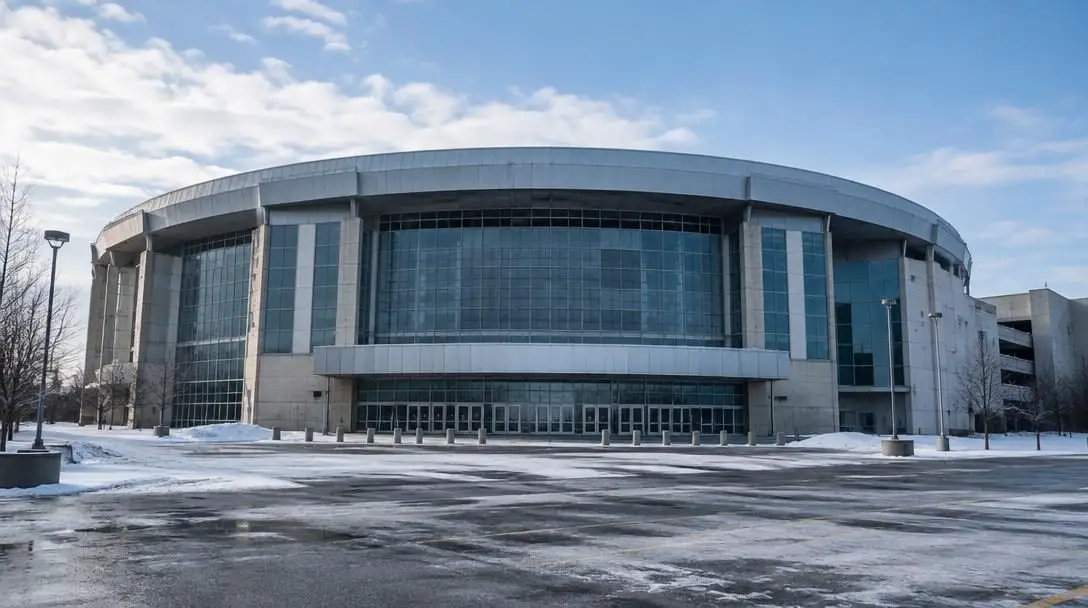
Professional hockey has evolved dramatically from its early twentieth-century roots, and nowhere is that physical transformation more apparent than in the architecture of its classic arenas. During the golden era of North American sports, venues were constructed as durable, permanent landmarks embedded directly into the urban fabric of major metropolitan centers. These cathedral-like buildings sat prominently along streetcar routes and dense downtown avenues, allowing thousands of neighborhood spectators to walk through turnstiles after gathering on foot or via bustling mass transit lines.
Over the decades, the rapid commercialization and economic demands of elite professional sports redefined the operational lifespan of major athletic buildings. Modern National Hockey League franchises routinely abandon their historic homes after only a few decades of use, favoring billion-dollar entertainment complexes loaded with expansive luxury suites, corporate hospitality lounges, and cavernous concourses. While these state-of-the-art facilities offer contemporary comforts, their rise required leaving behind some of the most storied rinks in hockey lore. Across North America, five shut-down NHL venues stand out above all others for the unforgettable history they created before closing their doors.
Key takeaways
- Most historic NHL venues faced total demolition to make way for high-rises or parking lots, but two iconic buildings—the Montreal Forum and Maple Leaf Gardens—survived through adaptive reuse.
- Historic hockey barns were frequently designed for diverse events, such as boxing or municipal exhibitions, rather than winter sports alone.
- Quirks like off-center penalty boxes, steep seating bowls, and legacy analog timing systems gave early twentieth-century arenas unmatched acoustic and physical character.
- Exploring these legendary sites today requires distinguishing between successor buildings and original footprints while checking for preserved artifacts like faceoff dots or commemorative markers.
The golden era of classic hockey architecture
The arenas built between the 1920s and early 1930s represented a quantum leap forward from the modest rinks of hockey's earliest years. Municipalities and ambitious sports entrepreneurs realized that indoor ice hockey could draw immense, passionate crowds if housed in ambitious, permanent structures. These venues developed a legendary status not only because of the world championships won across their sheets of ice, but because of their unique structural intimacy. Fans sat right on top of the playing surface, sightlines were tight and steep, and the roar of the crowd resonated within massive steel rafters.
Yet as the twenty-first century approached, the very qualities that made classic barns beloved by fans made them economically obsolete in the eyes of league executives. Tight hallways, inadequate electrical grids, lack of luxury seating tiers, and limited concession spaces prompted team owners to seek replacement venues. When the final horns sounded, these historic temples faced vastly different fates, ranging from the wrecking ball to radical interior reinventions.
| Venue | Location | Opened | Final NHL Game | Current Site Status |
|---|---|---|---|---|
| Montreal Forum | Montreal, QC | 1924 | 1996 | Standing (repurposed as AMC theater and entertainment complex) |
| Detroit Olympia | Detroit, MI | 1927 | 1979 | Demolished in 1986 |
| Boston Garden | Boston, MA | 1928 | 1995 | Demolished (now a commercial high-rise district) |
| Chicago Stadium | Chicago, IL | 1929 | 1994 | Demolished in March 1995 (now United Center parking) |
| Maple Leaf Gardens | Toronto, ON | 1931 | 1999 | Standing (repurposed as multi-purpose shopping center) |
The top five shut-down NHL venues
While numerous historic buildings once hosted professional hockey franchises, these five venues shaped the game's cultural identity and hosted generations of devoted supporters through decades of unforgettable competition.
5. Boston Garden
- Opened: 1928
- Primary NHL Tenant: Boston Bruins (1928–1995)
- Original Purpose: Boxing arena
- Demolition Year: 1998
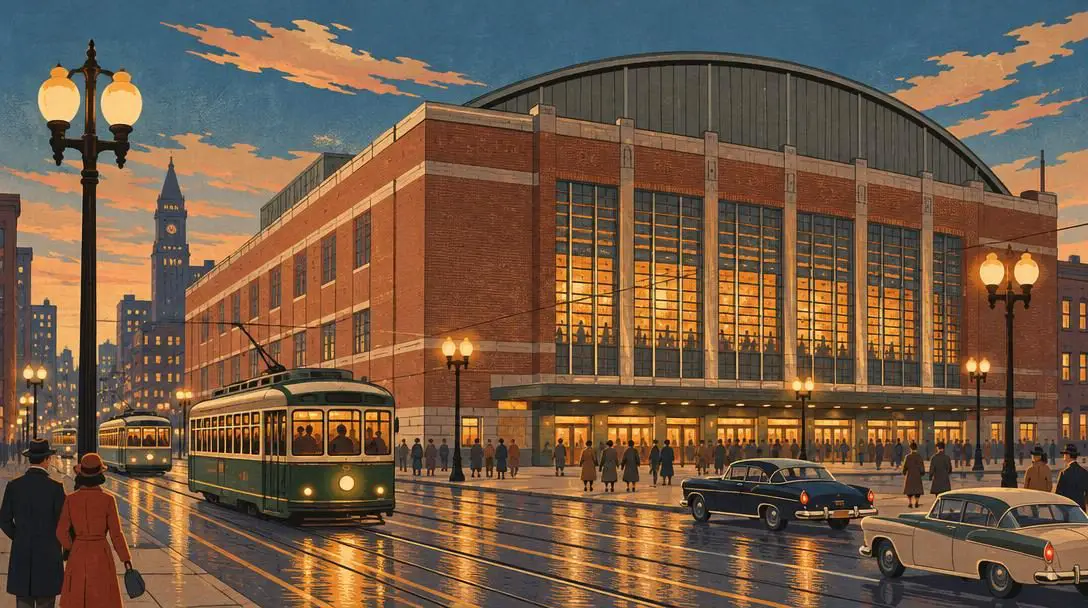
While New York City enjoyed international fame with its Madison Square Garden, the city of Boston created its own beloved counterpart, originally designated as Boston Madison Square Garden. Built initially with boxing matches in mind rather than winter athletics, the arena nevertheless grew into one of the most revered athletic cathedrals in North America. The NHL's Boston Bruins claimed the ice as their primary home base from 1928 all the way through 1995, sharing the space with the NBA's Boston Celtics.
The building earned legendary status as much for its structural eccentricities as for the championships celebrated under its roof. Boston Garden was celebrated for unusual architectural quirks, including odd configurations for its team benches and penalty boxes that broke every modern convention of arena design. Despite—or perhaps because of—these physical flaws, the venue possessed an overwhelming aura that intimidated visiting squads. When modernization became unavoidable, the Bruins and Celtics crossed over to the adjacent TD Garden, and historic Boston Garden was torn down. Today, its footprint has been absorbed into a dense commercial district featuring some of the tallest buildings in Boston.
4. Chicago Stadium
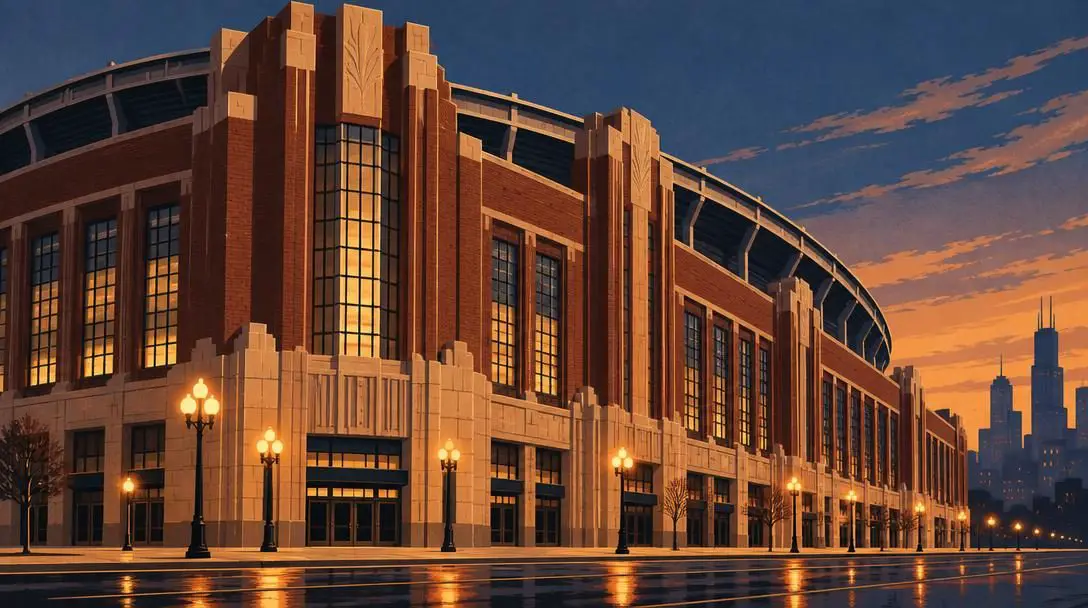
- Opened: 1929
- Primary NHL Tenant: Chicago Blackhawks (1929–1994)
- Famous Nickname: The Madhouse on Madison
- Demolition Date: March 1995
Located on West Madison Street in Chicago, Chicago Stadium was widely hailed as the original Madhouse on Madison. The venue opened its doors in 1929, prompting the Chicago Blackhawks to migrate their operations over from their inaugural home at the Chicago Coliseum. With its massive Barton pipe organ and steep, stacked balcony tiers, the Stadium was known for generating deafening acoustic volume that overwhelmed opposing teams during the Stanley Cup playoffs.
The venue possessed a stubborn devotion to vintage hockey traditions. Over its long tenure, Chicago Stadium was celebrated for keeping its traditional analog game clock far longer than any other arena in the league, finally relenting and adopting an electronic digital clock in 1975. Both the Blackhawks and the NBA's Chicago Bulls eventually relocated directly across the street into the modern United Center. Following that move, Chicago Stadium was torn down in March 1995. Today, its former footprint serves as an asphalt parking lot for the United Center, marked by a commemorative bronze plaque. However, an elite relic of the stadium survives in private hands: basketball icon Michael Jordan preserved the building's original center court floor wood inside his personal residence.
3. Maple Leaf Gardens
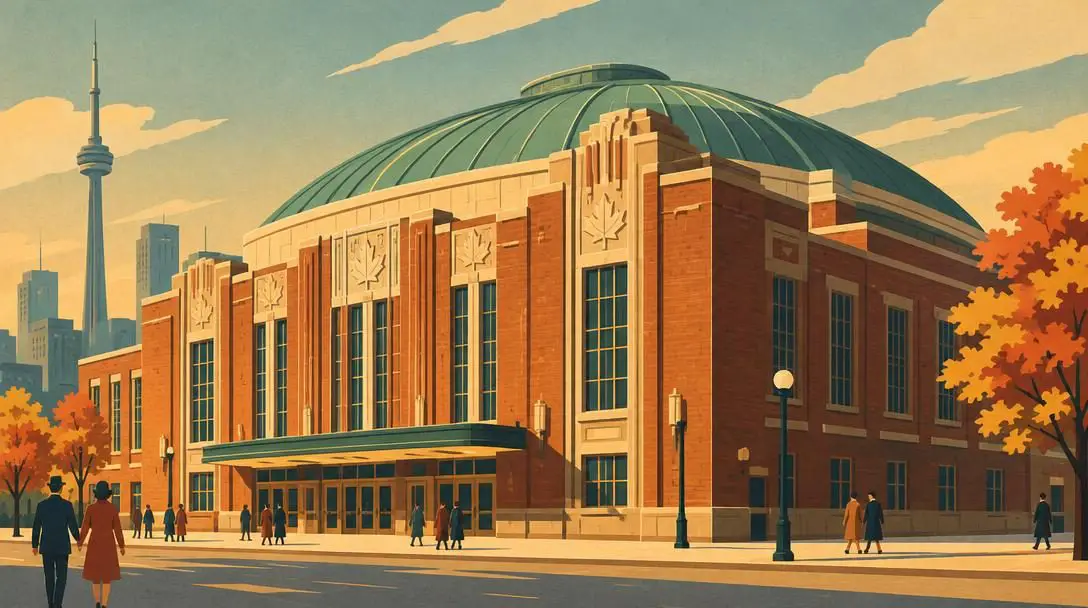
- Opened: 1931
- Primary NHL Tenant: Toronto Maple Leafs (1931–1999)
- Famous Nickname: The Church of Hockey
- Current Status: Preserved and repurposed
Maple Leaf Gardens holds the proud distinction of being one of only two buildings on this list that escaped total destruction. Revered across the globe by hockey enthusiasts as The Church of Hockey, the majestic brick structure opened in 1931. Prior to its construction, the Toronto Maple Leafs played their home games at Arena Gardens, but surging ticket demand and rapid league expansion necessitated a grand, modern venue capable of handling large crowds.
Under the stewardship of Conn Smythe, the building served as the spiritual and physical home of the Maple Leafs until 1999, operating as an international Mecca for winter sports. When the Leafs departed for modern digs, the facility experienced several years of deep uncertainty while local preservationists and real estate developers debated how to handle the landmark. Ultimately, the property avoided the wrecking ball when it was purchased and transformed into a multi-purpose retail facility housing a major shopping center and university sports facilities. Today, significant aspects of the venue's athletic past remain intact, including the exact location of the historic center ice faceoff dot, embedded directly into the floor for visitors to explore.
2. Detroit Olympia
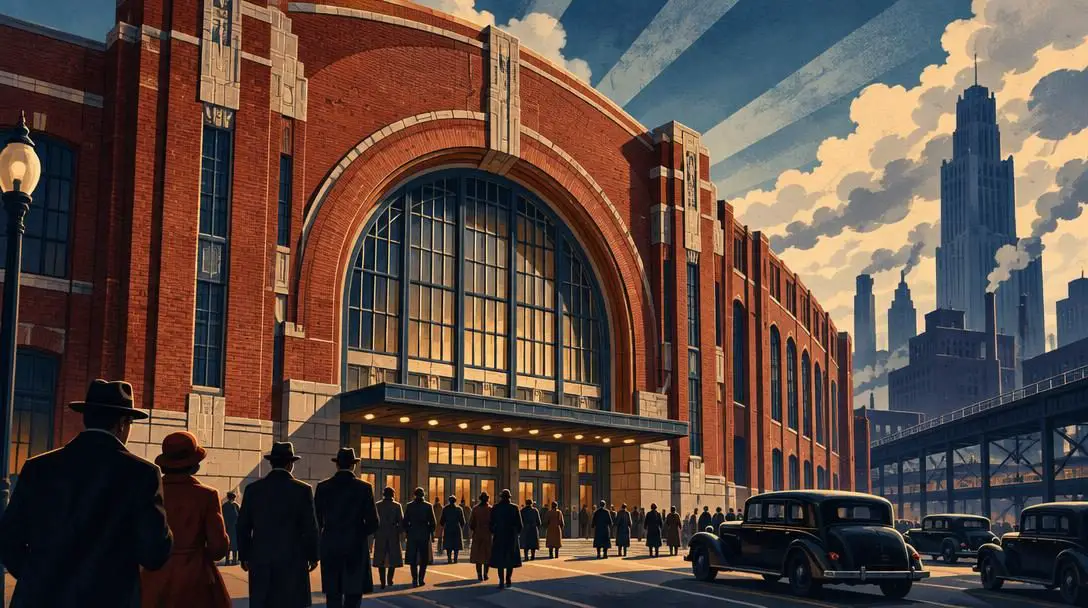
- Opened: 1927
- Primary NHL Tenant: Detroit Red Wings (1927–1979)
- Capacity at Opening: 15,000 spectators
- Demolition Year: 1986
Celebrated for its majestic red-brick exterior and vaulted interior, the Detroit Olympia served as the legendary home of the Detroit Red Wings from 1927 until 1979. When its doors opened in the late 1920s, the Olympia ranked among the largest indoor athletic facilities in the world, capable of seating 15,000 roaring Red Wings fans. Beyond hockey, it stood as a cultural cornerstone for Michigan, hosting high-profile boxing cards, political rallies, and the biggest musical acts traveling through the Motor City.
Over the decades, however, the surrounding urban neighborhood suffered economic downturns, and the building began to show its advanced age. Seeking modernized amenities and better corporate infrastructure, the Red Wings departed the Olympia for the downtown riverfront, taking up residence at Joe Louis Arena alongside Cobo Hall. Following the team's departure, the magnificent arena sat dark and isolated until it was completely torn down in 1986. Decades later, Joe Louis Arena met the same fate; it was demolished following the Red Wings' move into Little Caesars Arena in 2017.
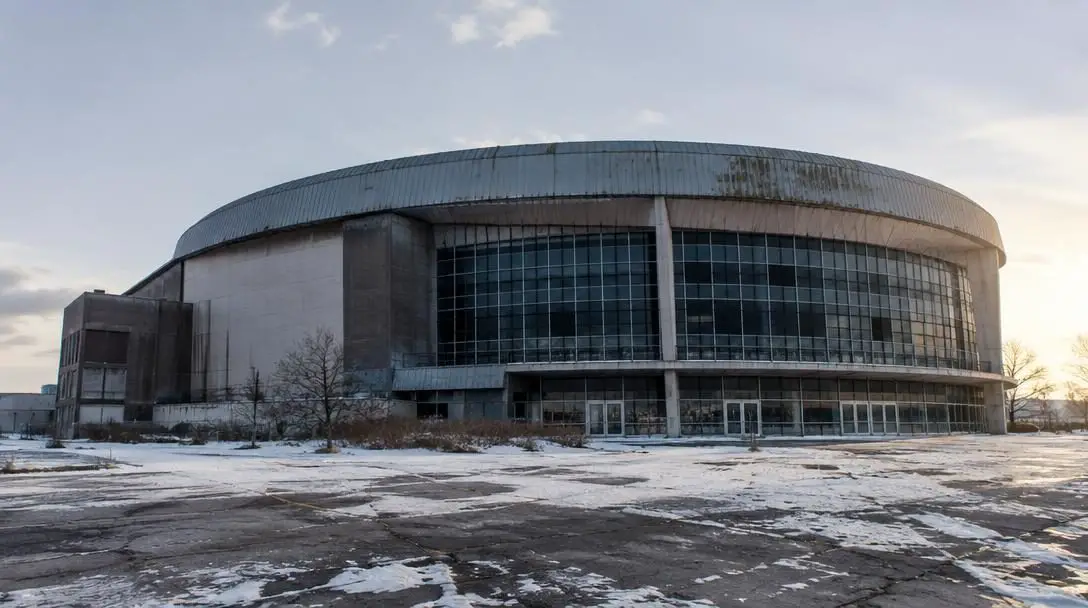
These classic arenas were built as lasting municipal monuments, yet their ultimate survival depended entirely on modern economic utility.
1. Montreal Forum
- Opened: 1924
- Primary NHL Tenant: Montreal Canadiens (1926–1996)
- Original Tenant: Montreal Maroons (1924–1938)
- Current Status: Preserved and operating as an entertainment complex
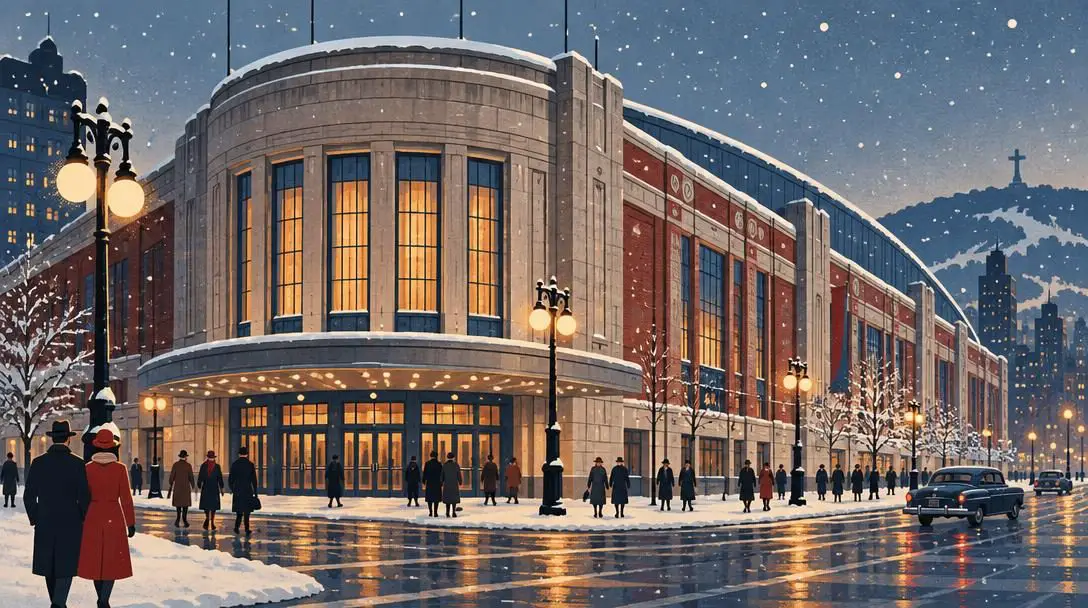
Standing alongside Maple Leaf Gardens, the Montreal Forum is the only other legendary hockey cathedral that managed to avoid total demolition. Opening in 1924, the arena was originally commissioned as the home rink for the NHL's Montreal Maroons. The Montreal Canadiens began sharing the building shortly thereafter in 1926. While the Maroons folded during the late 1930s, the Canadiens remained, turning the Forum into the most successful sports venue in North American hockey history through 1996.
Throughout its seven decades of operational service, the Forum was repeatedly renovated, expanded, and modernized to squeeze in growing generations of fans. Yet by the 1990s, the Canadiens required modern luxury suites and updated broadcast capabilities, prompting the construction of the Bell Centre (originally known as the Molson Centre). Rather than razing the building, developers executed a comprehensive interior overhaul while preserving the exterior facade. Today, the legendary building functions as an active entertainment destination and movie theater complex owned and operated by AMC, ensuring that its physical shell remains part of the Montreal cityscape.
How sports arenas experience lifecycle transitions
Understanding how a world-class arena goes from an active temple of sports history to an empty lot, retail mall, or entertainment center requires looking at the typical operational stages of sports architecture:
- Initial development and opening: Venues are built to resolve the capacity bottlenecks of older halls, introducing large-span roofs, steep bowl layouts, and multi-purpose floors configured for winter sports, boxing, and stage entertainment.
- Long-term operational adaptation: Over several decades, operators continuously alter the building. This includes adding upper balcony seats, replacing analog clocks with digital timing boards, upgrading lighting rigs, and reconfiguring concourses for modern broadcast media.
- Economic and structural obsolescence: Eventually, structural realities collide with league business models. Older arenas cannot accommodate the weight, wiring, or square footage necessary for corporate suites, broad concourses, and dedicated merchandise superstores.
- Decommissioning and migration: The sports franchise plays a final, nostalgic game, closes turnstiles to fans, and removes operational hardware, historical banners, and team archives to relocate into a billion-dollar successor arena.
- Demolition or adaptive reuse: The vacant venue is either demolished to clear room for parking lots or commercial high-rises, or purchased by commercial developers who gut the interior while preserving the historic masonry facade.
Practical steps for exploring historic arena sites today
For sports enthusiasts, architectural historians, and traveling fans eager to reconnect with these legendary NHL sites, finding what remains requires careful planning. Follow these practical steps to uncover history on the ground:
- Verify whether the original structure still stands: Before booking travel, confirm whether the arena exists in repurposed form or was completely razed. Maple Leaf Gardens and the Montreal Forum are standing commercial structures, whereas Boston Garden, Chicago Stadium, and Detroit Olympia exist only as historic footprints.
- Locate preserved interior markers: When visiting surviving properties like Maple Leaf Gardens, search the retail floor for preserved historical points of interest, such as the exact floor marker designating the original center ice faceoff dot.
- Inspect exterior grounds for commemorative plaques: If visiting demolished sites like Chicago Stadium, walk the public parking grounds of the successor arena (such as the United Center) to view official commemorative plaques installed where the historic walls once stood.
- Explore commercial successor developments: In places like Boston, explore the commercial hub surrounding TD Garden to see how the previous arena's physical footprint was redeveloped into high-rise office towers and commercial transit spaces.
- Visit local sports archives and successor arenas: Because team memorabilia was relocated during decommissioning, visit team halls of fame inside modern venues—such as the Bell Centre, TD Garden, or Little Caesars Arena—where vintage fixtures, penalty box benches, and historic banners are maintained on display.
Common mistakes when studying classic arenas
Researching early sports venues often leads to historical confusion due to shared names, overlapping team timelines, and commercial developments. Avoid these common misconceptions:
- Assuming all classic hockey barns were torn down: Many casual fans assume that modern expansion erased every early twentieth-century arena. Both the Montreal Forum and Maple Leaf Gardens were preserved through massive adaptive reuse projects that saved their historic exterior shells.
- Confusing predecessor locations with modern facilities: Modern venues often sit near or share names with original buildings. For example, TD Garden sits adjacent to the old Boston Garden site, but does not share its original structural foundation. Similarly, Little Caesars Arena replaced Joe Louis Arena, which had previously replaced the Detroit Olympia.
- Believing classic barns were built solely for ice hockey: Early arenas were multi-sport venues. Boston Garden was originally conceived and financed as a premier boxing auditorium, while venues like Chicago Stadium and Boston Garden hosted iconic NBA franchises for decades alongside NHL teams.
- Expecting intact arena bowls in preserved structures: Travelers visiting Maple Leaf Gardens or the Montreal Forum often mistakenly anticipate finding vintage wooden arena seating and open rinks. In reality, both buildings underwent profound interior gutting to become multi-level shopping centers, retail stores, and cinema complexes.
Frequently asked questions
Which classic Original Six arena was the first to be demolished?
Among the classic venues on this list, the Detroit Olympia was the first to be demolished, meeting the wrecking ball in 1986 after sitting vacant for several years following the Red Wings' relocation to Joe Louis Arena.
Can you still visit the ice surface inside Maple Leaf Gardens?
While the original ice sheet no longer exists in its traditional form, the building operates as a multi-purpose retail center and athletic facility. You can walk the shopping floors and view the precise location of the historic center ice faceoff dot preserved directly on the ground.
What happened to the site where Chicago Stadium once stood?
Following its demolition in March 1995, the site of Chicago Stadium was leveled and paved over. Today, the footprint functions as an official parking lot serving the adjacent United Center, complete with a commemorative bronze plaque marking the venue's legacy.
Why did the Montreal Forum retain its exterior while losing its interior?
Developers recognized the immense cultural and architectural significance of the Forum's external facade. By preserving the perimeter structure while reconfiguring the interior into an AMC theater and commercial complex, they maintained the landmark's urban identity while adapting to modern economic realities.
Why did classic arenas have smaller ice sheets and odd bench layouts?
Many classic arenas were built before strict league-wide standardized architectural dimensions were established. Furthermore, buildings like Boston Garden were primarily tailored for boxing and indoor spectacles, forcing hockey rinks to fit into quirky structural footprints with irregular bench configurations.
The bottom line
The shuttering of historic venues like Boston Garden, Chicago Stadium, the Detroit Olympia, Maple Leaf Gardens, and the Montreal Forum marked the conclusion of an era defined by architectural individuality. While modern venues provide unmatched spectator comforts, technological amenities, and lucrative corporate revenue streams, they rarely capture the gritty acoustic intimacy of these early twentieth-century barns. Whether preserved as bustling retail centers or commemorated by simple bronze plaques in parking lots, these five venues remain the foundational cathedrals of modern hockey history.