5 Best Players in Spurs History
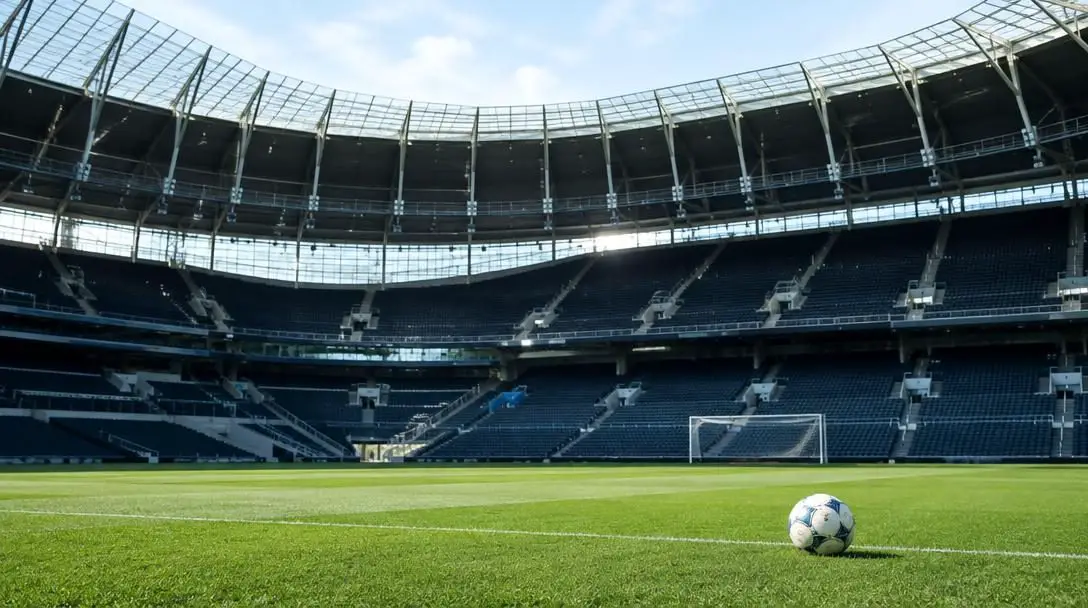
Tottenham Hotspur Football Club has undergone a dramatic transformation over its long existence. While earlier eras saw the North London side fluctuate between mid-table finishes and glorious cup runs, the 21st century established Spurs as a modern heavyweight with substantial financial clout, world-class facilities, and international reach. This modern status has enabled the club to attract and develop exceptional football talent, standing side by side with the historic legends who established the club's proud traditions decades ago.
Identifying the absolute greatest figures in club history requires looking across generations. Before celebrating the top five icons, several standout individuals deserve an honorable mention for their extraordinary contributions in lilywhite: Gareth Bale, Ledley King, Paul Gascoigne, Gary Lineker, and Robbie Keane. Each left an indelible mark in North London. However, the five players who stand at the pinnacle of Tottenham history are separated by their longevity, record-breaking achievements, silverware, and enduring influence across different eras of English and world football.
Key takeaways
- Jimmy Greaves and Harry Kane sit jointly at the top of Tottenham's all-time scoring charts with 268 goals apiece.
- Mid-20th-century leaders Danny Blanchflower and Dave Mackay formed the backbone of Tottenham's title-winning and multi-FA Cup glory years.
- Son Heung-min stands as an international trailblazer, having scored over 140 goals while collecting multiple individual honours in North London.
- Evaluating historical greats requires balancing raw scoring efficiency, domestic silverware, and overall tactical leadership across differing eras.
Comparing Tottenham Hotspur's legendary figures
To understand how Tottenham's all-time greats compare across distinct eras, looking at their primary accomplishments, roles, and scoring figures provides a clear statistical foundation.
| Player | Primary Era | Total Spurs Goals | Key Collective Silverware | Notable Individual Recognitions |
|---|---|---|---|---|
| Jimmy Greaves | 1960s | 268 | 2 FA Cups | Ballon d'Or Top 3 (1963) |
| Harry Kane | 2010s–2020s | 268 | Champions League & EFL Cup Finalist | 2x England Player of the Year |
| Danny Blanchflower | 1950s–1960s | N/A (Midfield) | First Division Title, 2 FA Cups | 2x Footballer of the Year, Hall of Fame |
| Dave Mackay | 1950s–1960s | N/A (Midfield/Defense) | First Division Title, 3 FA Cups | Consistent top club performer |
| Son Heung-min | 2010s–Present | Over 140 | Champions League & EFL Cup Finalist | 3x Spurs Player of the Season, Goal of the Decade |
The 5 best players in Spurs history
Spanning from the dominant mid-century squads to the modern global game, these five players represent the very best of Tottenham Hotspur.
Jimmy Greaves
- Tottenham Appearances: 381 matches
- Tottenham Goals: 268 goals
- Scoring Efficiency: 0.70 goals per match
- Major Honours: 2 FA Cups, 1963 Ballon d'Or Top 3
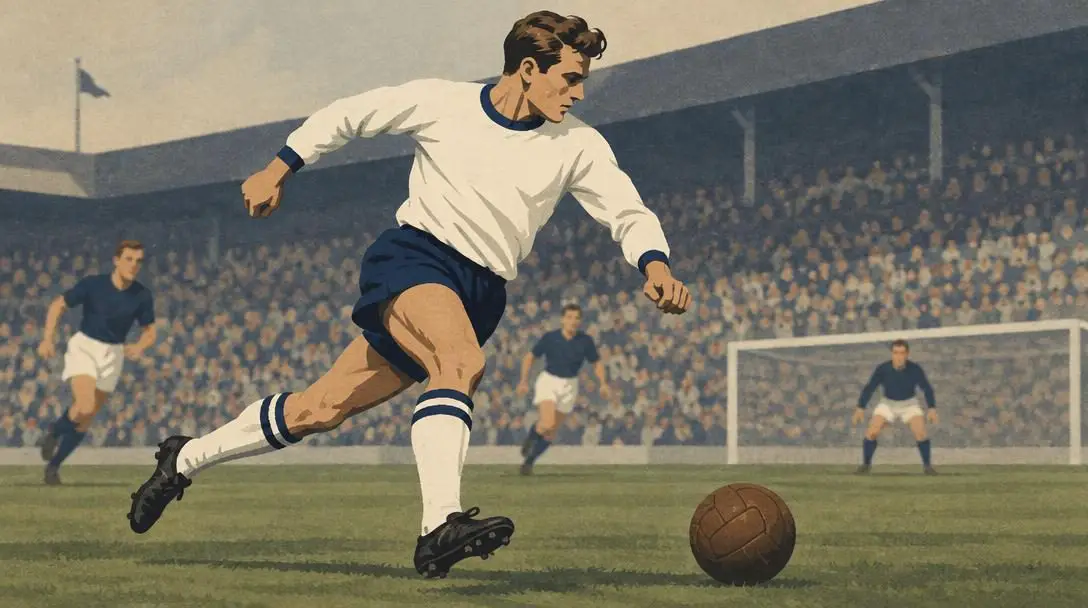
While historical rankings often spark endless debate among supporters, Jimmy Greaves stands as the ultimate benchmark for attacking brilliance in North London. Greaves initially entered professional football with Chelsea in the late 1950s and enjoyed a brief stint with Italian giants AC Milan before arriving at Tottenham, where he spent almost the entirety of the 1960s redefining goalscoring standards.
Greaves ranks close to the club's top 10 of all time in competitive appearances with 381 matches, but it was his supreme efficiency inside the penalty area that cemented his legacy. He shares the club's all-time scoring record with 268 goals, yet he reached that total in 39 fewer matches than anyone else, maintaining an astonishing strike rate of 0.70 goals per match. A pivotal figure in securing two FA Cups for Spurs, Greaves achieved widespread continental acclaim when he finished in the top three of the Ballon d'Or voting in 1963.
Harry Kane

- Tottenham Appearances: 420 matches
- Tottenham Goals: 268 goals
- Scoring Efficiency: 0.64 goals per match
- Major Honours: 2x England Player of the Year
Hailing from Walthamstow, Harry Kane experienced an unconventional path to stardom. He spent time across five different youth programs—including Watford and North London rivals Arsenal—before arriving at Tottenham in 2004. After making his senior debut five years later in 2009, Kane honed his craft during loan spells with several clubs, including Leicester City, before solidifying his place in Tottenham's starting lineup.

Once established, Kane developed into one of the most prolific, complete forwards in world football. Over 420 appearances for Spurs, he equaled Jimmy Greaves' club record of 268 goals, recording an impressive average of 0.64 goals per game. A two-time winner of the England Player of the Year award, Kane served as the centerpiece of Tottenham's modern era, spearheading runs to the finals of both the UEFA Champions League and the EFL Cup.
Danny Blanchflower
- Tottenham Career: 1954–1964
- Career Trajectory: Glentoran, Barnsley, Aston Villa, Spurs, Durban City
- Major Honours: First Division Title, 2 FA Cups
- Individual Accolades: 2x Footballer of the Year, English Football Hall of Fame (2003)
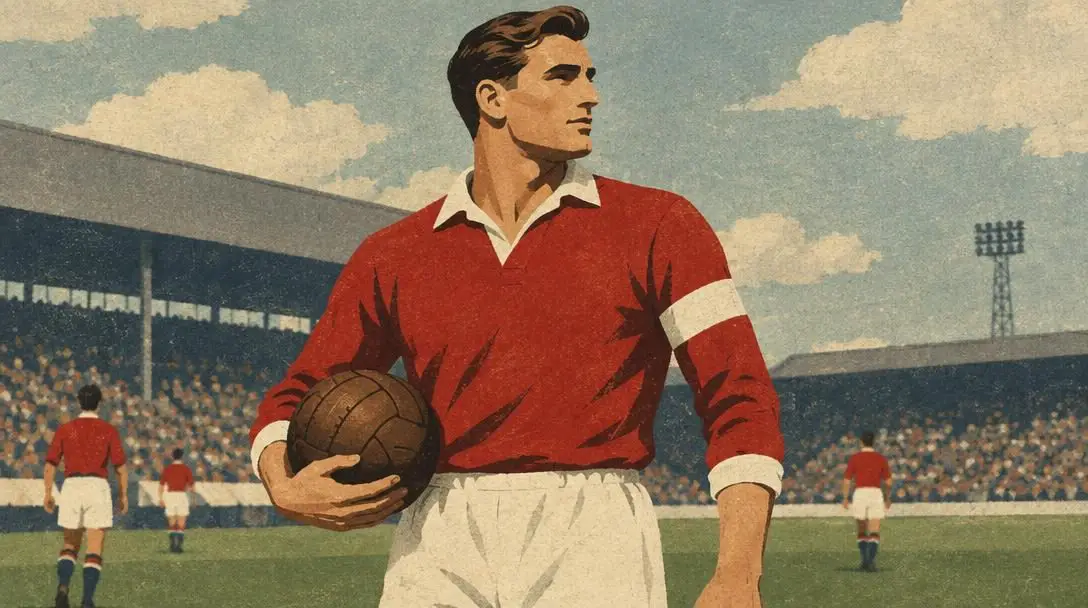
Born in Belfast, Danny Blanchflower was already an experienced professional when he arrived at White Hart Lane. Blanchflower launched his career following World War II with Glentoran before moving to English football with Barnsley and Aston Villa. By the time Tottenham acquired his services in 1954, Blanchflower had already accumulated more than 300 professional matches.
He spent the next decade orchestrating Tottenham's golden era. Blanchflower does not feature among the top ten goalscorers or appearance makers in club history, but his tactical command, vision, and inspirational leadership were unmatched. He captained Spurs to a historic First Division league title and two FA Cup victories. Inducted into the English Football Hall of Fame in 2003, Blanchflower was twice named the Footballer of the Year, capping an illustrious career that concluded with a short three-match run for Durban City in 1965.
True greatness at Tottenham Hotspur is defined not just by raw numbers on a scoresheet, but by the ability to elevate the club to silverware and sustained competitive brilliance.
Dave Mackay
- Tottenham Career: 1959–1968
- Appearances Milestone: 100+ matches for three different clubs
- Major Honours: First Division Title, 3 FA Cups
- Subsequent Clubs: Derby County, Swindon Town
An Edinburgh native whose fierce competitiveness became legendary, Dave Mackay began his career with hometown club Heart of Midlothian in the early 1950s. Mackay joined Tottenham in 1959 and spent just under a decade dominating the pitch from midfield and defense, establishing himself as the heart and soul of the squad throughout the club's greatest era.
Mackay may not hold the longest tenure or the highest goal tallies among Spurs icons, but he was widely viewed as the squad's most consistent and influential performer season after season. During his time at Tottenham, Mackay helped guide the team to a First Division title and three FA Cup trophies. He continued playing into the early 1970s with Derby County and Swindon Town, finishing his storied career having surpassed 100 appearances for three different teams.
Son Heung-min

- Tottenham Arrival: 2015
- Tottenham Goals: Over 140 goals
- Previous Clubs: Hamburger SV, Bayer Leverkusen
- Individual Accolades: 3x Tottenham Player of the Season, Goal of the Decade
Widely regarded as the finest footballer ever produced by South Korea, Son Heung-min has thrilled supporters throughout his European career. After moving to Germany in the late 2000s to join Hamburger SV, Son transferred to Bayer Leverkusen in 2013. In 2015, he took a monumental step toward global superstardom by signing with Tottenham Hotspur.
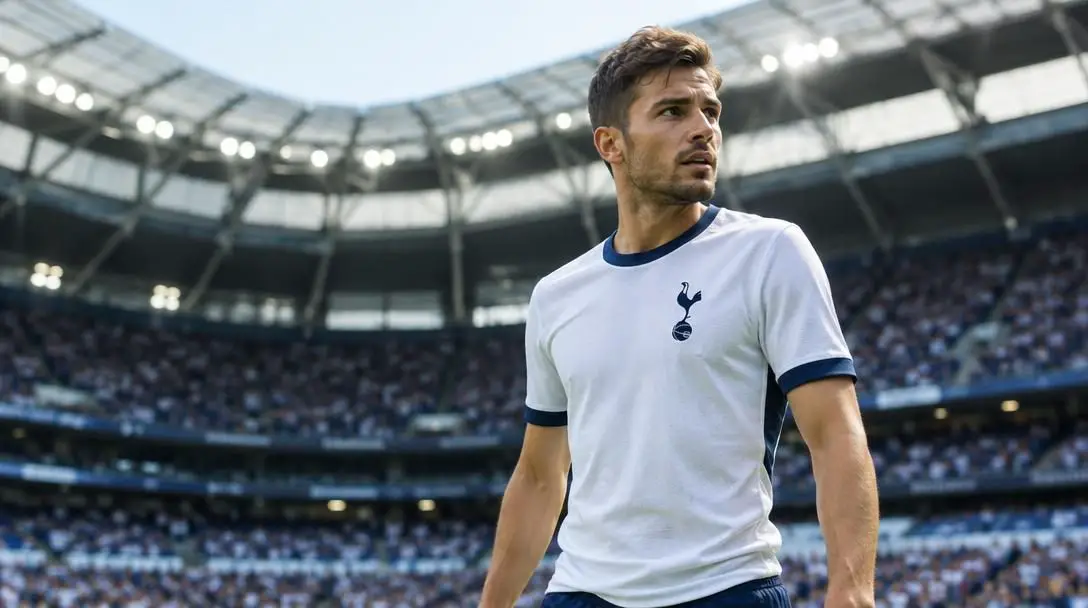
Since his arrival, Son has established himself as one of the most reliable and clinical finishers in Spurs history, surpassing 140 goals in all competitions with a penchant for delivering in high-stakes situations. A consistent winner of the Best Footballer in Asia award, Son has collected three Tottenham Player of the Season honours and was recognized for the Premier League Goal of the Decade during the 2010s, all while helping the side reach major European and domestic finals.
Contextualising historical eras at Tottenham
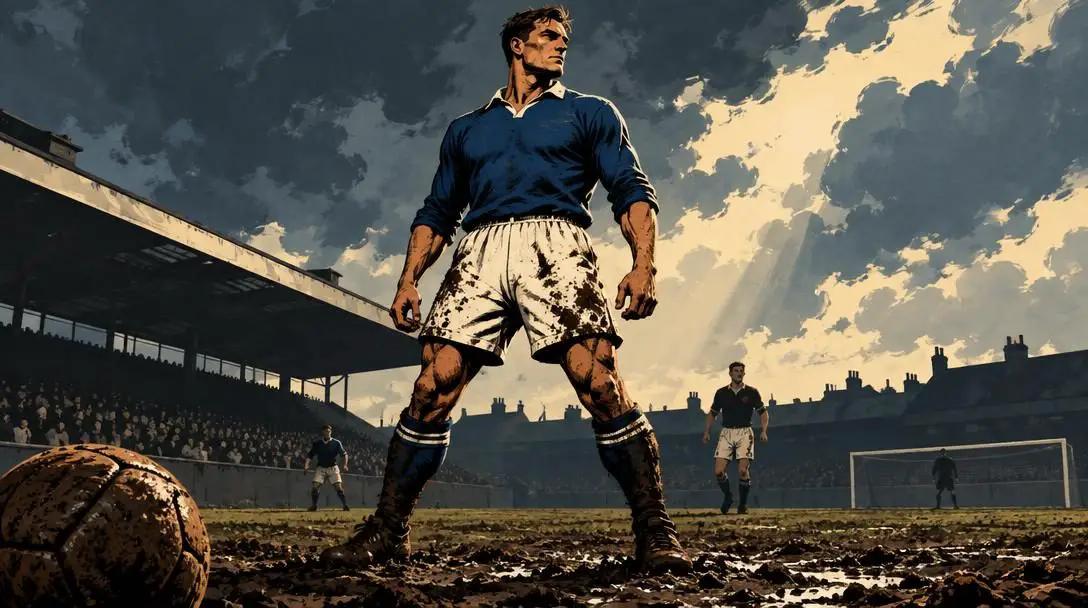
Appreciating the achievements of these five figures requires understanding the shifting competitive landscape of English football across decades. Mid-20th-century football, navigated by Danny Blanchflower and Dave Mackay, was heavily focused on the domestic arena. Matches were played on heavy pitches with unforgiving leather balls, and success was defined almost exclusively by English First Division titles and FA Cup triumphs.
By the time Jimmy Greaves starred in the 1960s, following domestic and European campaigns with Chelsea and AC Milan, continental prestige was gaining broader recognition, as evidenced by his high finish in the Ballon d'Or voting. In contrast, the modern era inhabited by Harry Kane and Son Heung-min operates in a 21st-century global marketplace. High revenue, international scouting pipelines, and the massive worldwide reach of the Premier League and the UEFA Champions League have created an entirely different standard of pressure and visibility.
Methodology: How to research and evaluate football legends
Comparing players across distinct generations requires an objective and multifaceted approach. Football historians use a structured set of research steps to separate short-lived form from historic greatness:
- Examine verified match and scoring statistics: Start with official league and club archives to gather exact match appearances, goals, and goals-per-game ratios across all competitive fixtures.
- Audit team silverware and milestones: Identify the trophies won during the player's tenure, separating primary league titles and major domestic cups from secondary cup runs and continental finals.
- Collect individual honours: Research contemporary recognition, such as Footballer of the Year awards, continental honors, club Player of the Season titles, and hall of fame inductions.
- Map the complete career arc: Review the player's developmental journey, including youth academies, developmental loan spells, and their longevity at the top level.
- Evaluate positional responsibilities: Ensure non-striking players are judged on tactical control, defensive solidity, and leadership rather than scoring volume alone.
Common mistakes when comparing football legends
When fans debate all-time lists, discussions frequently fall victim to analytical pitfalls. Avoiding these common mistakes produces far more accurate evaluations:
- Over-indexing on goal counts: Focusing purely on goals disadvantages midfielders and defenders like Blanchflower and Mackay, who served as the primary catalysts for Tottenham's greatest trophy-winning sides.
- Disregarding match frequency: Past eras featured fewer regular fixtures than modern seasons. Comparing goals per match alongside total goals prevents mid-century legends from being penalized for playing in shorter fixture calendars.
- Assuming elite talents develop instantly: Icons such as Harry Kane spent years across multiple youth setups and loan spells before solidifying their status, illustrating that early career development paths vary wildly.
- Confusing team trophies with individual quality: Playing in highly competitive contemporary tournaments means world-class stars can reach major finals without lifting trophies, yet their personal excellence remains historically elite.
Frequently asked questions
Who is Tottenham Hotspur's all-time top goalscorer?
Jimmy Greaves and Harry Kane are tied for the all-time club record with 268 goals each in competitive fixtures. Greaves accomplished the milestone in 381 matches, while Kane matched the tally across 420 appearances.
Which player won the most silverware with Tottenham among the top five?
Dave Mackay earned four major domestic honours with Tottenham, consisting of one First Division league championship and three FA Cup titles during his tenure between 1959 and 1968.
What youth academy did Harry Kane attend before joining Tottenham?
Before entering Tottenham's youth setup in 2004, Harry Kane spent time developing in five different youth systems, including spells with Watford and North London rivals Arsenal.
How many goals has Son Heung-min scored for Spurs?
Son Heung-min has scored over 140 goals for Tottenham Hotspur across all competitions since arriving from German club Bayer Leverkusen in 2015.
When was Danny Blanchflower inducted into the English Football Hall of Fame?
Danny Blanchflower was officially inducted into the English Football Hall of Fame in 2003, honouring a career that featured two Footballer of the Year awards and captaining Tottenham to domestic dominance.
The bottom line
Tottenham Hotspur's rich history is defined by athletes who combined immense technical ability with enduring dedication. While Jimmy Greaves and Harry Kane established unmatched standards of penalty-box efficiency, Danny Blanchflower and Dave Mackay provided the leadership and steel necessary to deliver the club's greatest domestic triumphs. Meanwhile, Son Heung-min continues to bridge eras as an international icon whose impact in North London stands firmly alongside the club's foundational legends. As Tottenham continues to evolve on the global stage, these five players remain the standard against which all future Spurs stars will be judged.