5 Best Professional Tennis Venues
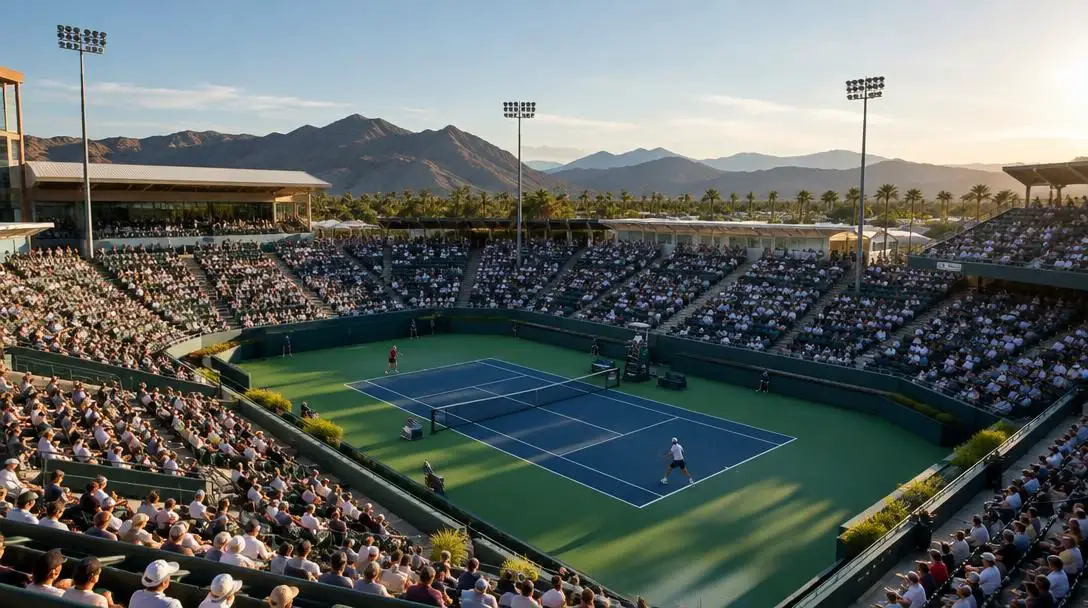
For everyday tennis enthusiasts, a neighborhood court with a flat surface and an intact perimeter fence is plenty to enjoy a competitive match. However, the world of elite professional tennis demands architectural marvels capable of hosting global audiences, high-definition television broadcasts, and the best athletes on Earth. Over the decades, the sport has migrated from modest local clubs to massive, technologically sophisticated stadiums designed specifically to withstand weather disruptions and seat thousands of energetic fans.
The transformation of tennis facilities reflects the growing commercialization, athletic demands, and international prestige of the sport. Modern venues must combine high-capacity seating with intimate sightlines, all while protecting schedules from the elements using retractable roofs. The five venues highlighted here represent the peak of tennis engineering, history, and international competition, serving as the battlegrounds for the most prestigious tournaments on the international calendar.
Key takeaways
- Arthur Ashe Stadium stands as the largest tennis-focused stadium in the world, holding nearly 24,000 spectators.
- Wimbledon Centre Court and Court Philippe Chatrier represent the oldest historic showgrounds among premier Grand Slam facilities.
- Modern venue design relies heavily on motorized retractable roofs to prevent scheduling disruptions caused by rain and extreme weather.
- Louis Armstrong Stadium is the newest venue on the list, featuring a modern design completed in 2018 with dual-tier spectator seating.
At a glance: Comparing the premier tennis arenas
While all five venues host the sport's highest level of competition, their construction eras, court surfaces, and capacities vary significantly across the Grand Slam calendar.
| Venue | Location | Opened / Rebuilt | Seating Capacity | Playing Surface |
|---|---|---|---|---|
| Wimbledon Centre Court | London, England | 1922 (modern footprint) | More than 15,000 | Natural grass |
| Court Philippe Chatrier | Paris, France | 1928 | 15,000 | Crushed red brick clay |
| Arthur Ashe Stadium | Queens, New York | 1997 | Nearly 24,000 | DecoTurf hard court |
| Louis Armstrong Stadium | Queens, New York | 2018 (rebuilt) | More than 14,000 | DecoTurf hard court |
| Rod Laver Arena | Melbourne, Australia | 1988 | High-capacity multipurpose | Synthetic hard court |
The top five professional tennis venues
Among the countless courts across the globe, these five stadiums stand out for their historic significance, sheer scale, and architectural innovation.
Rod Laver Arena
- Opened: January 1988
- Tournament: Australian Open
- Original Name: National Tennis Centre at Flinders Park
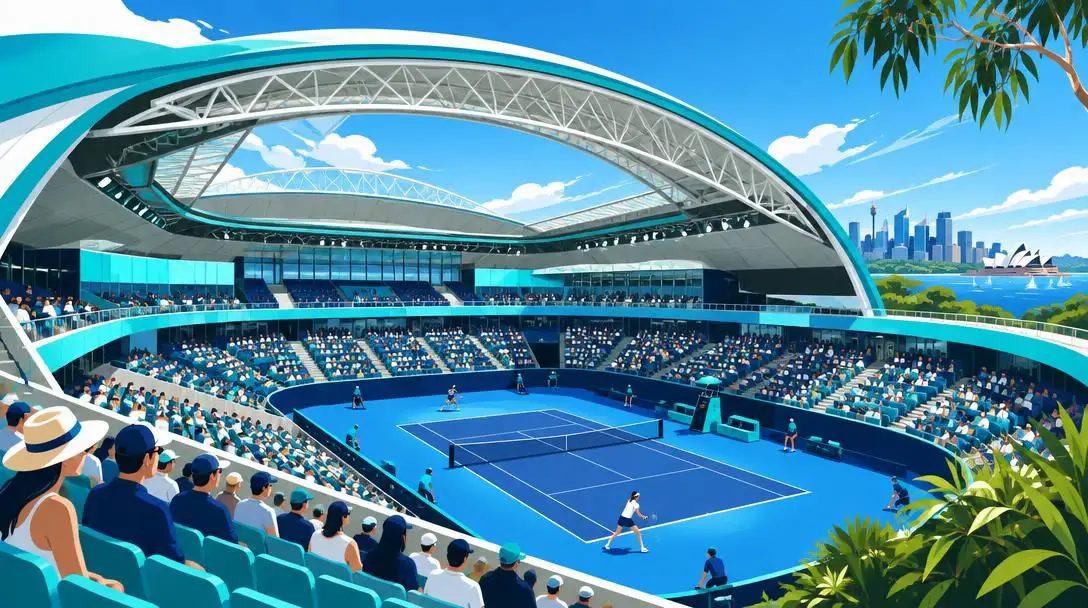
Rod Laver Arena is surprisingly one of the older major facilities among the premier venues, having broken ground in 1985 before officially opening its doors in January 1988. While constructed as a multipurpose venue capable of handling various sporting and entertainment spectacles, it is recognized internationally as the beating heart of the Australian Open, the first Grand Slam tournament of the calendar year. Prior to its construction, Kooyong Stadium served as the main venue for the tournament, but its advancing age and limited infrastructure prompted the need for a modern replacement.
Originally referred to as the National Tennis Centre at Flinders Park, the total construction cost ran more than a quarter billion in today's money. The arena was a pioneer in stadium engineering, becoming one of the earliest Grand Slam venues to incorporate a functioning retractable roof to combat extreme Australian heat and sudden downpours. Today, the facility bears the name of Australian tennis icon Rod Laver, who famously captured three Australian Open titles during his legendary career.
Louis Armstrong Stadium
- Opened: 2018 (new stadium)
- Capacity: More than 14,000
- Architect: Rossetti Architects
- Surface: DecoTurf
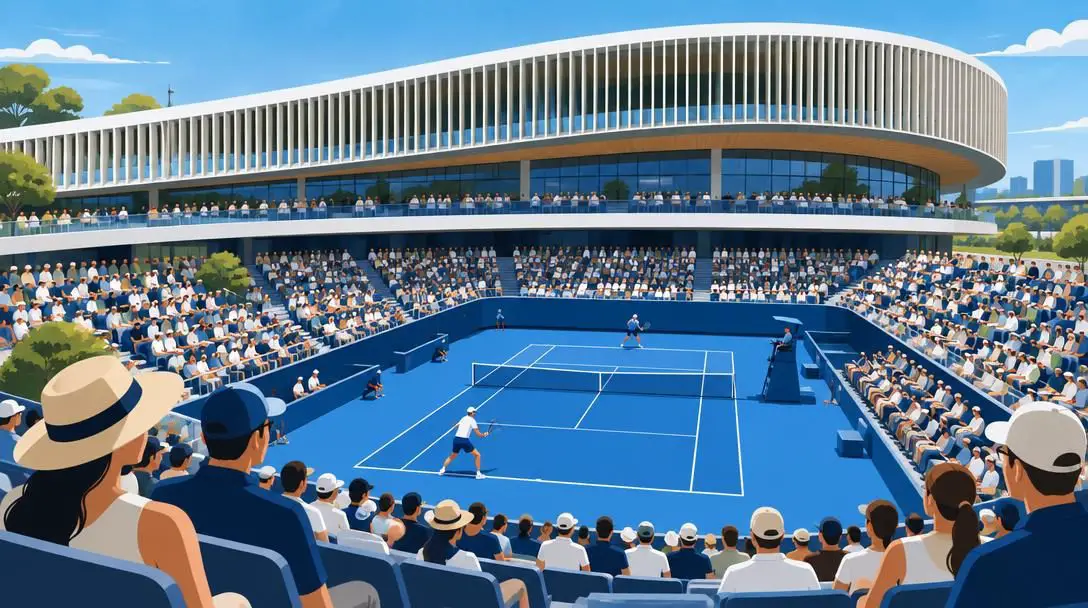
Located in Queens, New York, within the grounds of the Billie Jean King National Tennis Center, Louis Armstrong Stadium honors the legendary American musician of the same name. Designed by Rossetti Architects, this facility is the youngest venue on the list. The original structure carrying the name was demolished in 2016, making way for a newly built, state-of-the-art stadium that opened to the public in 2018.

Holding more than 14,000 spectators across lower and upper decks that are split almost evenly, it stands as one of the largest tennis venues on Earth equipped with a retractable roof. Featuring a high-performance DecoTurf playing surface, the stadium debuted with instant drama during the 2018 US Open: its very first official match saw WTA world number one Simona Halep fall in the opening round, marking the first time a top-seeded women's player lost in the first round of the tournament.
Arthur Ashe Stadium
- Opened: 1997
- Capacity: Nearly 24,000
- Distinction: Largest tennis-focused stadium in the world
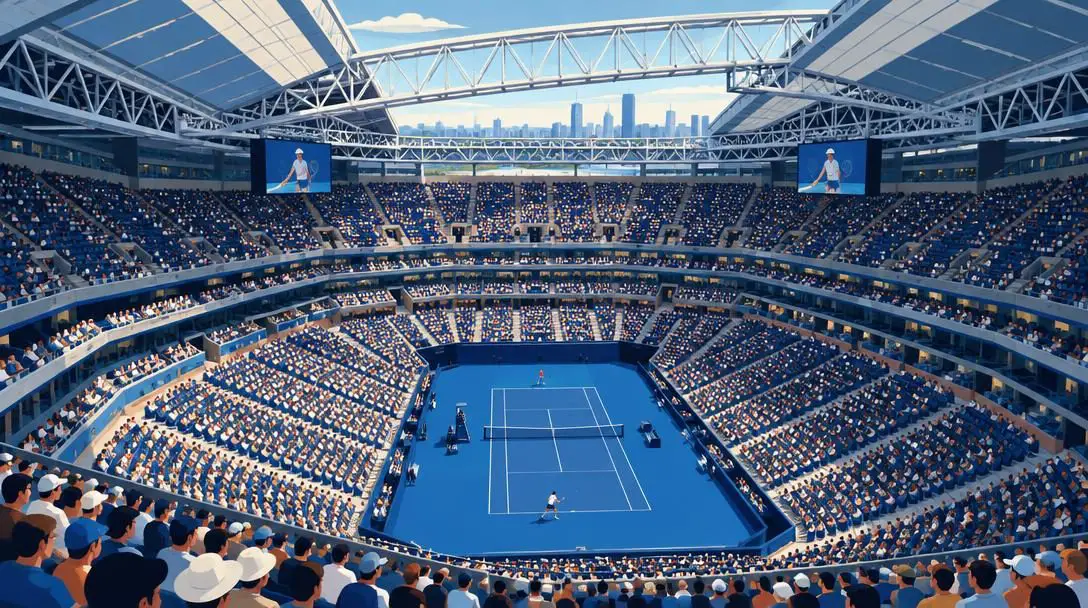
Also situated at the Billie Jean King National Tennis Center in New York, Arthur Ashe Stadium honors another iconic American, celebrated for his monumental impact on both tennis and society. First opened in 1997, it serves as the primary show court where the US Open championship matches take place. It is recognized as the largest tennis-focused stadium in the world, boasting an immense capacity of nearly 24,000 spectators.
Over the years, the venue underwent a massive structural renovation to integrate a lightweight retractable roof, ensuring that play continues uninterrupted regardless of sudden downpours. While it has hosted several non-tennis events throughout its lifespan, the stadium is best known for staging some of the most memorable and dramatic evening sessions in United States sports history, characterized by its electric New York crowd energy.
Court Philippe Chatrier

- Opened: 1928
- Capacity: 15,000
- Complex: Stade Roland Garros (34 acres, 20 courts)
Stade Roland Garros in Paris, France, remains a dream destination for professional players aiming to conquer the grueling red clay of the French Open. As the second-oldest venue on the list, Roland Garros initially opened in 1928 and has served as the continuous home of the clay-court Grand Slam ever since. The expansive complex spans 34 acres and contains 20 total courts, which include three full-sized stadiums.
The centerpiece of the grounds is Court Philippe Chatrier, a 15,000-seat stadium named after the influential leader of the French Tennis Federation who played an essential role in keeping tennis in the Olympic Games. A recent comprehensive renovation revitalized the facility, outfitting the historical arena with modern amenities and a state-of-the-art retractable roof while preserving an intimate layout where spectators feel right on top of the sliding clay-court action.
Wimbledon Centre Court
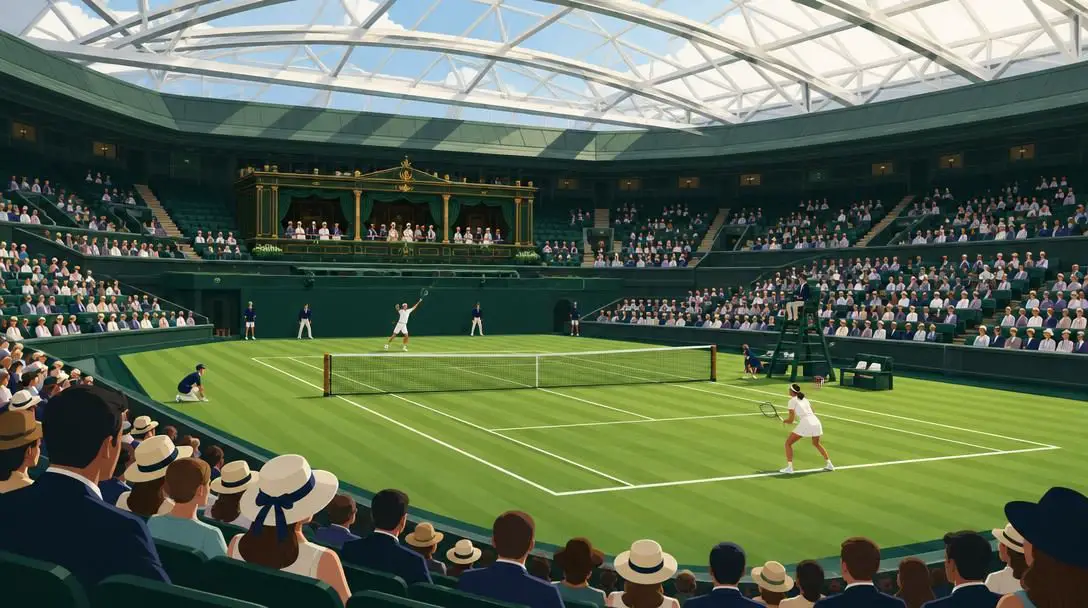
- Modern Footprint: 1922
- Capacity: More than 15,000
- Roof Installed: 2009
- Surface: Natural grass
Unquestionably the most famous tennis venue in the world, Centre Court resides at the All England Lawn Tennis and Croquet Club, the home of Wimbledon. When original construction began in the late 19th century, the court featured only a couple of rows of basic seating for observers. The venue's modern footprint was finalized in 1922, and today it comfortably accommodates more than 15,000 spectators on immaculate natural grass.

In 2009, a high-tech retractable roof was installed across the historic arena, enabling matches to continue late into the night without rain delays altering the tight schedule. The venue has staged many of the sport's greatest historical milestones, attracting international dignitaries and the British Royal Family, who attend annually and view the tournament from their dedicated Royal Box, enjoying the finest sightlines in the arena.
Modern venues must combine high-capacity seating with intimate sightlines, all while protecting schedules from the elements using retractable roofs.
Engineering and architecture: How elite arenas operate
Operating a premier tennis venue involves balancing structural engineering, spectator sightlines, and surface maintenance. Here is how these elite grounds function behind the scenes:
- Retractable roof engineering: Large venues like Arthur Ashe Stadium, Louis Armstrong Stadium, Centre Court, and Rod Laver Arena utilize complex motorized roofs. These can open or close depending on rain or extreme heat, protecting athletes and preventing scheduling bottlenecks.
- Specialized playing surfaces: Stadiums feature distinct playing textures that directly affect the pace and height of the ball bounce. Venues like Louis Armstrong Stadium use synthetic hard courts like DecoTurf, Roland Garros uses crushed red brick clay, and Wimbledon maintains traditional natural lawn grass.
- High-capacity crowd management: Venues must direct thousands of spectators safely. Arthur Ashe Stadium, for example, accommodates nearly 24,000 attendees, requiring multi-level concourses, precise ticketing logistics, and divided upper and lower decks to ensure steady pedestrian flow.
- Acoustic and visual intimacy: Despite massive capacities, architectural configurations are angled steeply downward, as seen in Court Philippe Chatrier, to ensure fans feel intimately connected to the play while maintaining player concentration.
A spectator's guide: Steps for attending a Grand Slam match
Visiting these world-class tennis venues requires thoughtful preparation. Because Grand Slam events draw global crowds, following structured steps can make the experience far more rewarding.
- Understand the facility layout: Review the complex map prior to arrival. For instance, knowing that Roland Garros covers 34 acres with 20 courts helps in planning walking routes and travel times between auxiliary grounds and primary stadiums like Court Philippe Chatrier.
- Check the roof policy: If bad weather is forecast, confirm whether your ticket is for a stadium with a retractable cover. Tickets for show courts such as Centre Court, Arthur Ashe Stadium, or Louis Armstrong Stadium guarantee that your match will not be canceled due to rain.
- Research venue history: Learning about the namesakes of these stadiums—such as tennis champions Rod Laver and Arthur Ashe, musician Louis Armstrong, or administrator Philippe Chatrier—enriches the overall experience of walking through the gates.
- Plan seating preferences: Depending on the arena, seats may be split across multiple levels. For example, Louis Armstrong Stadium features seating divided almost equally between lower and upper tiers, giving fans choices between court-level proximity and broader tactical views from above.
- Arrive early for atmosphere: Entering early allows time to explore historical displays, observe practice sessions on secondary courts, and find your seat without navigating heavy tournament crowds.
Common spectator mistakes to avoid
Attending a high-level tennis tournament comes with specific sports etiquette and logistics. Spectators should keep these common missteps in mind before stepping on site:
- Moving during active play: Unlike team sports, tennis requires spectators to remain seated during rallies. Walking into aisles during active points disrupts both the players and other fans. Movement is only permitted during player changeovers.
- Assuming all courts have roofs: While primary venues like Centre Court, Rod Laver Arena, and Arthur Ashe Stadium feature retractable roofs, outer auxiliary courts do not. Relying entirely on outdoor schedules can lead to disappointment during sudden weather changes.
- Underestimating venue scale: Large complexes require significant walking. Traversing extensive grounds like Roland Garros without comfortable footwear can make exploring multiple courts difficult.
- Ignoring surface differences: Expecting every stadium to produce the same style of match overlooks the influence of court materials. Hard courts like DecoTurf play differently than natural grass at Wimbledon or clay at Court Philippe Chatrier, altering ball bounce and rally duration.
- Neglecting session times: Tournaments often divide tickets into distinct day and night sessions, particularly at venues like Arthur Ashe Stadium and Centre Court. Missing your assigned session window can leave you unable to access the grounds.
What to consider next
Whether you are planning a trip to a Grand Slam or simply studying the evolution of modern sports venues, several avenues can deepen your appreciation of tennis architecture:
- Explore tournament calendars: Track the progression of the tennis season, starting with Rod Laver Arena at the Australian Open in January, moving to Court Philippe Chatrier for the French Open in late spring, continuing to Wimbledon Centre Court, and finishing the major calendar at Arthur Ashe Stadium and Louis Armstrong Stadium in late summer.
- Study stadium renovations: Look into how classic facilities modernize without losing character, such as the structural additions of retractable roofs on historic courts like Centre Court and Arthur Ashe Stadium.
- Compare court materials: Learn how specific court surfaces—from synthetic DecoTurf to classic lawn grass—affect athletic movement, ball speed, and the overall tournament experience for players and spectators alike.
Frequently asked questions
Which tennis stadium has the largest seating capacity?
Arthur Ashe Stadium, located at the Billie Jean King National Tennis Center in Queens, New York, holds the title of the largest tennis-focused stadium in the world, with a seating capacity of nearly 24,000 spectators.
When did Wimbledon Centre Court add its retractable roof?
A high-tech retractable roof was officially installed over Wimbledon Centre Court in 2009, enabling play to proceed uninterrupted during rain delays and extend late into the evening.
Who was Court Philippe Chatrier named after?
The main stadium at Roland Garros is named after Philippe Chatrier, an influential president of the French Tennis Federation who played an essential role in keeping tennis as a medal sport in the Olympic Games.
What historic milestone occurred in the opening match at the new Louis Armstrong Stadium?
When the rebuilt Louis Armstrong Stadium debuted in 2018, WTA world number one Simona Halep lost her opening-round match, marking the first time in US Open history that a top-seeded women's player fell in the first round.
What was Rod Laver Arena originally called when it opened in 1988?
Before being named in honor of Australian tennis icon Rod Laver, the facility was originally known as the National Tennis Centre at Flinders Park when it opened in January 1988 to replace Kooyong Stadium.
The bottom line
Professional tennis stadiums have evolved far beyond basic recreational courts, standing today as monuments to architectural innovation, engineering, and athletic history. From the manicured lawns of Wimbledon Centre Court to the cavernous heights of Arthur Ashe Stadium, each premier venue delivers a distinct atmosphere shaped by its unique surface, historical heritage, and cutting-edge spectator amenities.