5 Best Trades in Chicago Cubs History
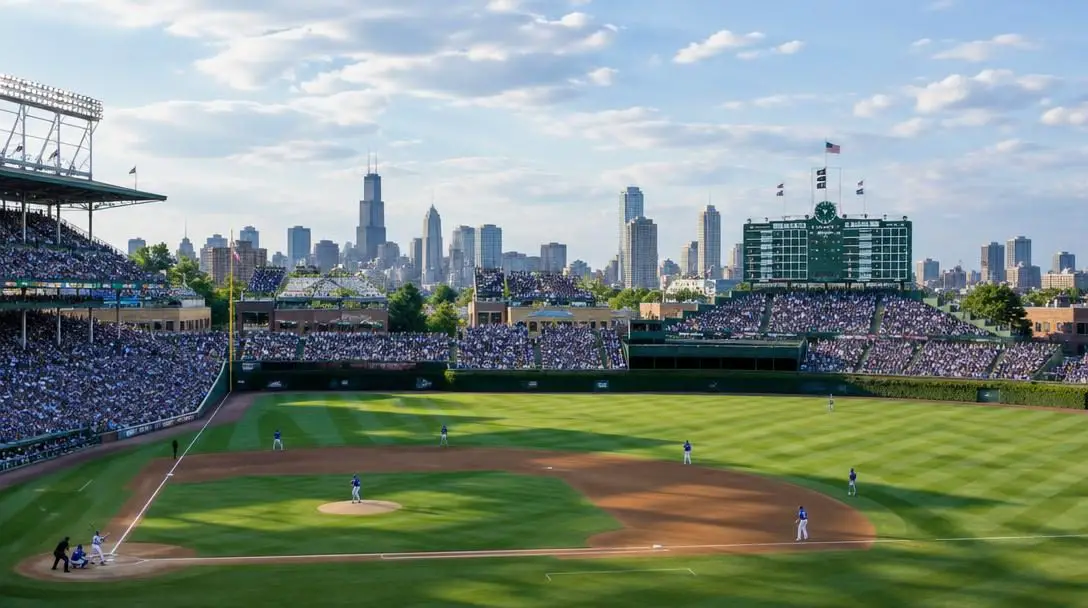
The Chicago Cubs have experienced periods of roster frustration throughout their long history, but their front office has also orchestrated trades that altered the destiny of the entire franchise. Navigating the trade market in professional sports carries substantial risk, particularly when a front office wagers future assets or relies on young, unproven prospects to revitalize an organization. When executed with vision and precision, a single trade can define a team for over a decade, providing championship leadership, historic offensive milestones, and Hall of Fame pitching.
Across the extended history of the North Siders at Wrigley Field, several pivotal transactions completely transformed the organization's trajectory. From acquiring future National League Most Valuable Players to securing the cornerstone captain of an elusive World Series title, the best swaps in Cubs history demonstrate how shrewd player evaluation can reshape baseball history.
Key takeaways
- Strategic trade acquisitions provided the Cubs with generational cornerstones, including Hall of Fame icons Ryne Sandberg and Fergie Jenkins.
- Trading for Anthony Rizzo supplied the leadership, defensive excellence, and offensive production necessary to secure the 2016 World Series championship.
- Major blockbuster moves, such as acquiring Sammy Sosa from the crosstown White Sox and landing Aramis Ramirez from Pittsburgh, reshaped the North Side offense for years.
- Successful front offices evaluate long-term upside rather than immediate needs alone, often identifying superstar talent packaged as secondary pieces.
The Five Greatest Swaps in North Side History
Whether navigating an impending postseason run or embarking on a comprehensive organizational rebuild, the Cubs have pulled off trades that yielded decades of production. The following table summarizes the five most impactful trades in franchise history, highlighting the key players acquired, the compensation surrendered, and the long-term impact on the team.
| Player Acquired | Acquired From | Key Assets Surrendered | Primary Cubs Accomplishments |
|---|---|---|---|
| Aramis Ramirez | Pittsburgh Pirates | Bobby Hill, Matt Bruback | 9 seasons, 239 HR, .294 AVG |
| Anthony Rizzo | San Diego Padres | Andrew Cashner, Kyung-Min Na | 2016 World Series title, 3x All-Star, 242 HR |
| Ryne Sandberg | Philadelphia Phillies | Ivan DeJesus (for Larry Bowa & Sandberg) | Hall of Fame, 1984 NL MVP, 10x All-Star, 282 HR |
| Fergie Jenkins | Philadelphia Phillies | Larry Jackson, Bob Buhl | Hall of Fame, 1971 Cy Young, 167 Cubs wins |
| Sammy Sosa | Chicago White Sox | George Bell | 1998 NL MVP, 545 Cubs HR, three 60+ HR seasons |
Aramis Ramirez
- Acquisition Date: 2003 stretch run
- Previous Organization: Pittsburgh Pirates
- Cubs Career Stats: .294 batting average, 239 home runs
- Tenure with Team: 9 seasons
Originally signed out of the Dominican Republic by the Pittsburgh Pirates in 1994, Aramis Ramirez reached the Major Leagues four years later as the youngest active player in baseball. While he flashed clear offensive potential during his early campaigns in Pittsburgh, the Pirates were open to moving veteran pieces. As the Cubs prepared for an intense postseason chase in 2003, the Chicago front office sought a deal that would stabilize the present lineup while securing the future of the hot corner.
The Cubs traded infield prospect Bobby Hill and pitcher Matt Bruback to Pittsburgh, receiving Ramirez alongside established veterans Kenny Lofton and Jose Hernandez. While Lofton and Hernandez provided an immediate spark for the 2003 stretch run, Ramirez evolved into a franchise cornerstone. Over his nine seasons on the North Side, Ramirez posted a .294 batting average and launched 239 home runs, delivering clutch postseason hits and providing elite offensive stability at third base through nearly a decade of competition.
Anthony Rizzo
- Acquisition Date: January 2012
- Previous Organization: San Diego Padres
- Cubs Career Stats: .272 batting average, 242 home runs, 784 RBIs
- Key Accolades: 2016 World Series Champion, Perennial All-Star, Gold Glove Winner
Originally selected in the sixth round of the draft by the Boston Red Sox, Anthony Rizzo was dealt to the San Diego Padres before establishing himself in the majors. When the Cubs front office overhauled their roster in the early 2010s, they identified Rizzo as the foundational centerpiece around which to build a championship culture. The Cubs sent hard-throwing starting pitcher Andrew Cashner along with Kyung-Min Na to San Diego in exchange for the young first baseman.
The trade initially met skepticism from fans who remained enamored with Cashner's draft pedigree as a former first-round pick. Cashner went on to pitch for nearly a decade in the majors, but Rizzo became an immortal figure in Chicago sports history. Over 10 seasons with the Cubs, Rizzo hit .272 with 242 home runs and 784 runs batted in. Serving as team captain, Gold Glove defender, and perennial All-Star, Rizzo caught the final out of the 2016 World Series, ending the franchise's legendary 108-year championship drought.
A single strategic trade can redefine a franchise for a generation by delivering both elite talent and championship leadership.
Ryne Sandberg
- Acquisition Date: January 1982
- Previous Organization: Philadelphia Phillies
- Cubs Career Stats: .285 batting average, 282 home runs
- Key Accolades: National League MVP, 10-time All-Star, Baseball Hall of Fame
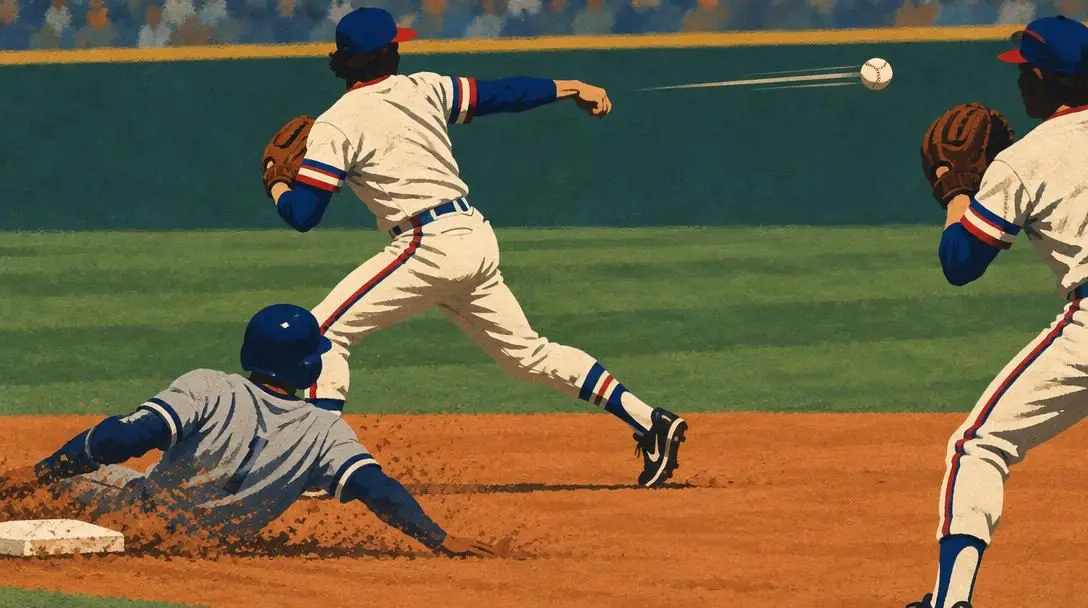
In the early 1980s, veteran shortstop Larry Bowa grew deeply dissatisfied with the Philadelphia Phillies and demanded a trade. The Cubs expressed immediate interest in acquiring Bowa to shore up their infield defense, but the Chicago front office set a strict condition: any agreement had to include an unheralded young player named Ryne Sandberg. Philadelphia viewed Sandberg primarily as an expendable utility prospect and agreed to include him to finalize Bowa's departure.
While Bowa spent a relatively modest stretch in Chicago, Sandberg emerged as one of the greatest second basemen in baseball history. Over a stellar 15-season tenure with the Cubs, "Ryno" earned 10 All-Star selections, captured the 1984 National League Most Valuable Player Award, and belted 282 home runs while batting .285. Sandberg's journey from a secondary trade throw-in to the National Baseball Hall of Fame represents one of the most lopsided transactions in the annals of sports.
Fergie Jenkins
- Acquisition Date: April 1966
- Previous Organization: Philadelphia Phillies
- Cubs Career Stats: 167-132 record, 3.56 ERA
- Key Accolades: 1971 NL Cy Young Award, 3-time All-Star, Hall of Fame (Class of 1991)
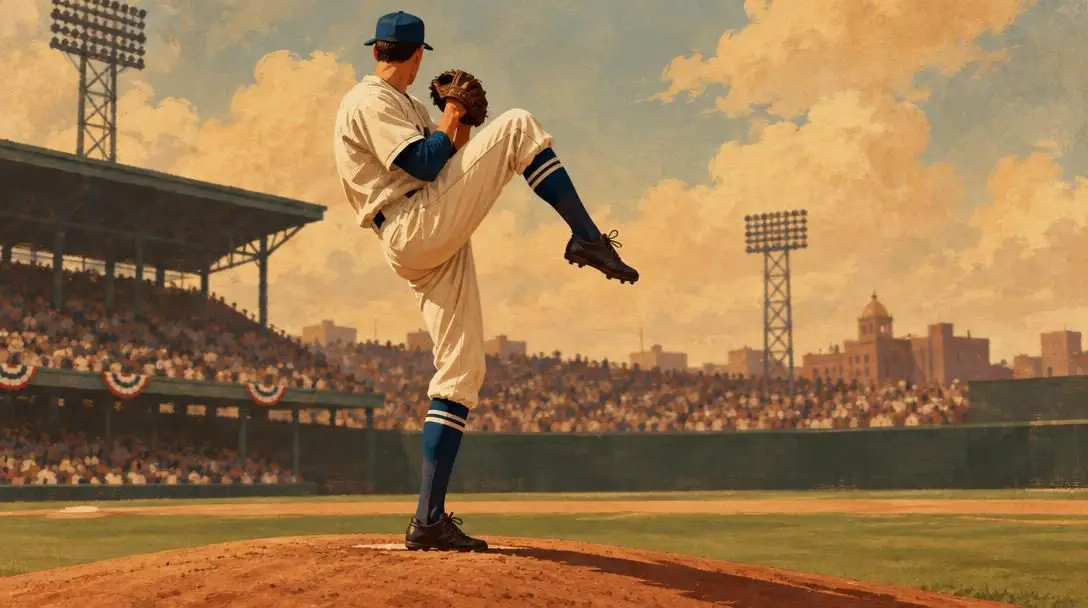
Long before the Ryne Sandberg deal, the Philadelphia Phillies surrendered another future Hall of Fame legend to the Cubs. Fergie Jenkins began his professional career working out of the Phillies' bullpen as a relief pitcher. Seeing untapped potential in the Canadian right-hander, the Cubs acquired Jenkins along with John Morris in exchange for veteran pitchers Larry Jackson and Bob Buhl.
The Cubs immediately transitioned Jenkins into a starting role, unleashing an elite workhorse. Jenkins recorded six consecutive 20-win seasons in Chicago, earned three All-Star selections, and won the 1971 National League Cy Young Award. After intermediate tenures with the Texas Rangers and Boston Red Sox during the late 1970s and early 1980s, Jenkins returned to the Cubs in 1982 to finish his career. He concluded his time in Chicago with 167 wins and a 3.56 earned run average, entering Cooperstown in 1991 wearing a Cubs cap.
Sammy Sosa
- Acquisition Date: March 1992
- Previous Organization: Chicago White Sox
- Cubs Career Stats: 545 home runs, .284 batting average
- Key Accolades: 1998 NL MVP, three 60+ home run seasons
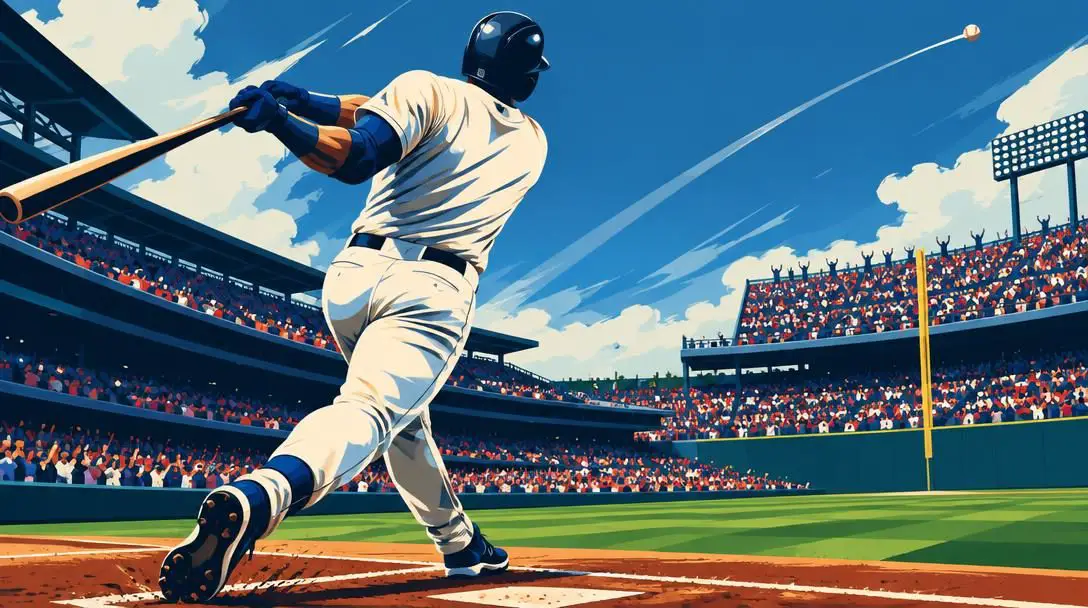
Few transactions altered Chicago baseball culture as dramatically as the 1992 crosstown swap between the Cubs and the White Sox. Sammy Sosa had broken into the majors with the Texas Rangers before landing on the South Side, where he struggled with strikeout rates and offensive inconsistency. Seeking proven offensive punch, the White Sox traded Sosa and relief pitcher Ken Patterson to the North Side in exchange for disgruntled veteran slugger George Bell.
Under the coaching staff at Wrigley Field, Sosa transformed his swing and unlocked historic power. Over his Cubs career, Sosa smashed 545 home runs, maintained a .284 batting average, and secured the 1998 National League Most Valuable Player Award during an iconic summer home run chase. By exceeding 60 home runs in three distinct campaigns, Sosa became an international icon and revitalized baseball attendance throughout the North Side.
The Evolution of Major League Trades
Player movement has served as a foundational element of baseball operations since the late nineteenth century. In baseball's early eras, trades were predominantly direct, cash-heavy transactions or straightforward player-for-player swaps intended to address glaring roster holes or settle bitter contract squabbles. Modern trades, however, operate within a multifaceted web of minor league development ladders, service-time structures, financial obligations, and analytical projections.
Front offices constantly alternate between two operational postures: contending windows and rebuilding cycles. During contending windows, general managers often trade future potential for immediate veteran impact, exactly as the Cubs did when bringing in Kenny Lofton alongside Aramis Ramirez to capture a division crown. Conversely, rebuilding teams prioritize young talent, high-upside prospects, and undervalued assets who have not yet reached their major league ceiling, as demonstrated when the Cubs targeted Anthony Rizzo from San Diego.
How Front Offices Execute Blockbuster Deals
Executing an impactful trade requires a comprehensive understanding of player valuation, medical clearance, and organizational depth. Modern baseball operations departments follow a multi-step sequence to ensure that every transaction advances their long-term competitive timeline.
- Define the Organizational Timeline: Front offices evaluate their major league roster to determine whether the team is in a championship contention window or an asset-accumulation cycle.
- Identify Undervalued Roster Assets: Pro scouting and quantitative analysis departments target players on rival rosters who are suffering from bad luck, poor mechanical habits, or reduced playing time.
- Establish Trade Negotiations: Front offices exchange player lists, negotiate salary retentions, and structure prospective prospect packages with opposing general managers.
- Conduct Medical and Physical Reviews: Team orthopedic specialists examine comprehensive medical charts, diagnostic imaging, and injury histories to ensure player durability before finalizing terms.
- Secure League Approval: Major League Baseball and the commissioner's office verify that all service time rules, roster limitations, and financial considerations comply with league regulations.
Costly Traps Front Offices Face in Player Negotiations
While the Cubs have enjoyed franchise-defining triumphs on the trade market, baseball history is littered with catastrophic deals. Teams frequently surrender valuable long-term assets by making fundamental strategic errors during trade negotiations:
- Overvaluing Short-Term Rentals: Surrendering elite minor league prospects for a veteran who leaves in free agency after two months can empty a farm system without securing sustainable success.
- Trading Disgruntled Assets in Haste: Front offices that rush to trade unhappy veterans often accept diminished returns rather than methodically waiting for optimal value.
- Ignoring Secondary Package Pieces: Dismissing secondary players as minor throw-ins can prove disastrous, as shown when Philadelphia treated Ryne Sandberg as an afterthought.
- Clinging to Draft Pedigree: Refusing to trade a declining player simply because they were a high first-round pick prevents front offices from acquiring superior emerging talent.
- Neglecting Clubhouse Culture: Acquiring talented statistical contributors who fail to mesh with team leadership can fracture clubhouse dynamics and derail postseason ambitions.
Frequently asked questions
What was the best trade in Chicago Cubs history?
While Anthony Rizzo brought a World Series championship to Chicago in 2016, the trade for Ryne Sandberg is widely considered the best transaction in team history. Acquired alongside Larry Bowa as an unheralded prospect, Sandberg developed into a National League MVP and first-ballot Hall of Famer.
Who did the Cubs give up to acquire Anthony Rizzo?
The Cubs traded starting pitcher Andrew Cashner and outfielder Kyung-Min Na to the San Diego Padres in January 2012 to acquire Anthony Rizzo. Cashner pitched nearly a decade in the majors, but Rizzo became a perennial All-Star and World Series-winning captain.
Why did the Phillies include Ryne Sandberg in the Larry Bowa trade?
Larry Bowa demanded a trade from the Phillies following contract disputes in the early 1980s. The Cubs agreed to take on Bowa's contract only if Philadelphia included Ryne Sandberg, whom the Phillies viewed as an expendable utility player.
What did the Cubs give up to trade for Sammy Sosa?
The Cubs acquired Sammy Sosa along with pitcher Ken Patterson from the crosstown Chicago White Sox in 1992 in exchange for veteran outfielder George Bell, who was unhappy with his role on the South Side.
Did Fergie Jenkins start his career as a starting pitcher?
No, Fergie Jenkins began his Major League career as a relief pitcher for the Philadelphia Phillies before being traded to the Cubs in 1966. Chicago converted him into a starter, leading to six consecutive 20-win seasons and a Cy Young Award.
The Bottom Line
Constructing a championship roster in Major League Baseball requires balanced vision, disciplined player development, and the courage to execute aggressive trades. The Chicago Cubs' most celebrated acquisitions—Aramis Ramirez, Anthony Rizzo, Ryne Sandberg, Fergie Jenkins, and Sammy Sosa—illustrate how transformative a single roster swap can be. By identifying hidden talent, capitalizing on distressed situations, and holding out for high-upside secondary prospects, the Cubs reshaped their franchise identity and created memories that will endure at Wrigley Field for generations.