5 Best Whatsapp Alternatives
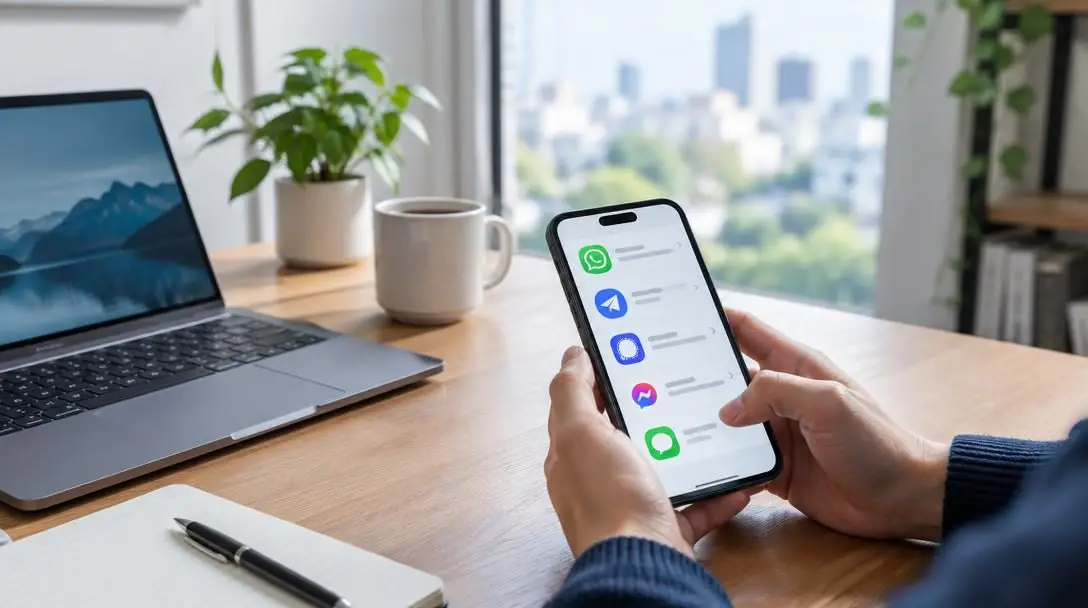
Modern mobile communication relies heavily on instant messaging platforms to connect families, friends, and professional teams across continents. There are more than 2 billion people around the world that use WhatsApp, cementing its status as an undisputed titan in global digital connectivity. However, this vast user base is heavily clustered in specific regions, with nearly a quarter of all users located in India and Brazil alone. For individuals living in or communicating with nations where WhatsApp is not the dominant standard, relying solely on this single platform can create unexpected barriers to staying in touch.
Beyond geographic availability, growing public interest in personal data protection has prompted many people to re-examine their daily messaging habits. Privacy-conscious users frequently express concern regarding how large network providers handle their personal records, messaging habits, and conversational metadata. For these reasons, WhatsApp may not be the optimal messaging tool for every user. Fortunately, the mobile software ecosystem offers a wide variety of competitive alternatives that deliver reliable communication, regional popularity, and specialized safety options designed to meet distinct user priorities.
Key takeaways
- WhatsApp boasts over 2 billion users globally, yet nearly a quarter of that audience is concentrated in India and Brazil.
- Security-first platforms like Signal provide robust message encryption and device-level privacy protections to keep conversations private.
- Feature-rich alternatives like Telegram and Viber deliver specialized tools such as 1.5GB file transfers and unlimited group chat capacities.
- Account models vary dramatically, ranging from total anonymity without phone numbers on Kik to identity-tied networks like Facebook Messenger.
- Selecting the best chat alternative requires balancing your social circle's regional habits against your technical requirements for encryption and privacy.
At a glance: The top WhatsApp alternatives compared
| Application | Developer / Parent | Release Year | Standout Feature | Privacy Consideration |
|---|---|---|---|---|
| Signal | Signal Technology Foundation | 2018 | Encrypted text, audio, and video calling | Third parties cannot access content; local lock tools |
| Telegram | Nikolai and Pavel Durov | 2013 | File sharing support up to 1.5GB | Private, encrypted platform; over 12 languages |
| Facebook Messenger | Meta (Facebook) | 2011 (Standalone) | Screen sharing and payments; 100+ languages | Does not offer user anonymity; secret chats optional |
| Viber | Rakuten (originally Viber Media) | 2010 | Unlimited group chat members and PC desktop app | Encrypted messaging; includes paid calling options |
| Kik Messenger | MediaLab AI, Inc. | 2010 | No phone number required; SafePhoto system | Logs user IP addresses; does not offer encryption |
Detailed reviews of the 5 best WhatsApp alternatives
Whether you need a chat app that matches the regional communication preferences of your contacts or desire hardened security tools, these five established communication services represent the most capable alternatives available today.
Signal

- Founders: Moxie Marlinspike and Brian Acton
- Parent Organization: Signal Technology Foundation
- Launch Year: 2018
- Core Strengths: Absolute data protection and local chat concealment
The Signal messaging app was developed by the Signal Technology Foundation in 2018, following the creation of the non-profit organization by founders Moxie Marlinspike and Brian Acton in that same year. The application was built from the ground up to offer a safer, encrypted, global form of digital interaction. Just like WhatsApp, users can connect with peers across the globe through standard text messages, clear audio calls, and high-definition video calls. The platform is entirely free to download and operate, establishing an uncompromised environment centered on conversational privacy.
Security remains the primary feature of Signal. Outside third parties cannot gain access to the data transmitted across the service, ensuring that your conversations remain strictly confidential between the sender and the designated recipient. Beyond its network protections, Signal includes built-in software tools that allow users to hide active conversations from colleagues, acquaintances, or anyone else who might gain physical possession of their unlocked mobile device.
Telegram

- Developers: Nikolai and Pavel Durov
- Initial Release: 2013 (iOS and Android)
- User Scale: Over 1 billion downloads; 50+ million active users (as of 2021)
- Maximum File Size: Up to 1.5GB per transfer
Telegram is an expansive, free-to-use communication client that offers services comparable to WhatsApp while excelling at high-capacity multimedia distribution. Originally released for iOS and Android in 2013 after being engineered by brothers Nikolai and Pavel Durov, Telegram has evolved into one of the most widely adopted secure messaging suites in the world. By 2021, the application had already achieved more than 1 billion downloads alongside an active user community exceeding 50 million individuals.
The service delivers a private, encrypted, and safer space for individual text chats, voice calls, and real-time video connections. A primary functional strength that distinguishes Telegram from its competitors is its massive file-sharing ceiling of up to 1.5GB. This generous threshold enables users to distribute high-resolution videos, large document archives, and software packages without aggressive compression. To serve its international user base, Telegram natively supports communication across at least 12 distinct languages.
Facebook Messenger

- Parent Company: Facebook (Meta)
- App Launch: 2011 (Standalone); 2008 (Website chat)
- Key Feature Additions: Audio and video calling added in 2018
- Language Support: Over 100 languages
Facebook Messenger operates as the official messaging client for the broader Facebook ecosystem and currently stands as the most popular messenger app across North America. The tool has a long developmental history: it originated in 2008 as a lightweight web chat widget integrated directly into the Facebook desktop site. In 2011, it was separated into an independent mobile client for iOS and Android, later receiving native audio and video calling functionality in 2018.
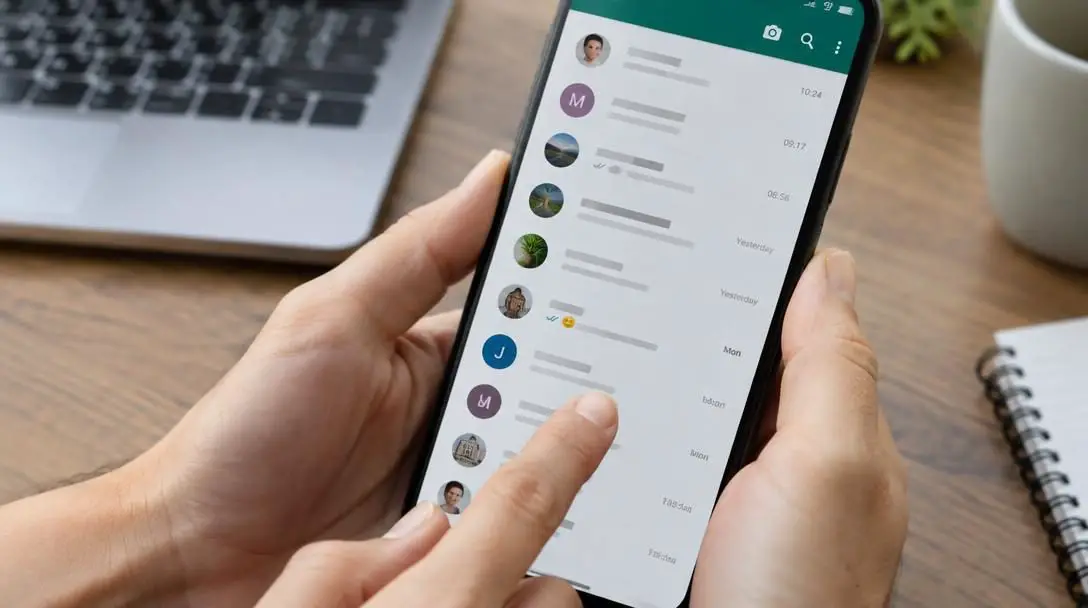
The application is packed with interactive utility. Users can exchange funds directly within the interface, capture and share multimedia, engage in real-time screen sharing during live group calls, and communicate with any profile across the wider social network. To support cross-border interactions, the software features native localization in more than 100 languages. However, prospective users should recognize that Facebook Messenger does not offer anonymity, as user profiles remain tightly integrated with personal network identities.
Viber

- Original Developer: Viber Media (Released in 2010)
- Acquisition Price: $900 million by Rakuten in 2014
- Platforms Supported: iOS, Android, and PC desktop
- Group Capacity: Unlimited members per group chat
Viber, widely recognized in the marketplace as Rakuten Viber, provides a versatile communications framework across mobile and desktop environments, including iOS, Android, and PC desktop operating systems. Originally designed and launched by Viber Media in 2010, the platform was acquired in 2014 by Japanese commerce giant Rakuten for $900 million. Viber functions primarily as a free communication application for routine digital conversations, while providing paid calling features for dialing traditional external phone numbers worldwide.
Within the Viber client, individuals can share encrypted text messages, place audio calls, start video conferences, and send photos. For team leaders, community organizers, and large organizations, Viber stands out by supporting group chats with unlimited members. This virtually limitless group capacity is supported by an extensive suite of administrative moderation tools, allowing managers to direct conversations, regulate posting privileges, and organize large digital communities efficiently.
Kik Messenger

- Current Owner: MediaLab AI, Inc.
- Initial Release: 2010
- Demographic Reach: Used by roughly 40% of American teenagers in 2016
- Safety Tooling: SafePhoto image protection technology
Kik Messenger is a free chat application currently owned and managed by MediaLab AI, Inc. Following its introduction to app stores in 2010, Kik experienced rapid adoption among younger mobile audiences; by 2016, approximately 40% of teenagers were actively using the service. The platform's defining design element is its low barrier to entry: registration requires only a preferred username or email address, a birthdate, and an account password. Because full cellular phone numbers are not mandatory, the platform enables total anonymity during daily messaging.
Users on Kik can exchange global texts, start voice and video chats, transmit photos, and discover group community hubs built around specific hobbies or personal interests. To mitigate digital harm, Kik utilizes SafePhoto, an automated monitoring tool engineered to detect, report, and delete child exploitative imagery. Despite its convenience, users must remain mindful that Kik does not provide end-to-end message encryption and routinely logs user IP addresses.
Choosing the ideal messaging client requires balancing feature versatility against your strict personal requirements for data encryption and privacy.
How alternative messaging systems work
Understanding the internal mechanisms that power modern chat clients makes it much simpler to identify the right tool for your specific threat model and daily workflow. Messaging apps rely on distinct architectures to manage identities, route media, and safeguard conversational content.
Digital communication networks typically rely on several core technical components:
- Identity verification models: Many platforms require a verified cellular phone number to open an account and scan the address book of your device, binding your digital profile directly to your physical SIM card. In contrast, services like Kik decouple personal profiles from telecom records by using unique usernames and email addresses, allowing users to converse without revealing personal identities.
- Cryptographic encryption protocols: Hardened security apps like Signal ensure that cryptographic keys remain stored exclusively on client endpoints. As a result, network intermediaries, internet service providers, and third parties cannot inspect transit text. Applications operating without native encryption allow conversational data to pass across central servers in accessible formats, prioritizing easy synchronization over strict confidentiality.
- Data storage and routing architecture: Services handle message histories through contrasting infrastructure models. Telegram implements cloud-based routing to support massive media transfers up to 1.5GB across multiple linked devices, whereas privacy-oriented systems store files locally on user hardware to prevent unauthorized server access.
- Multimedia transmission frameworks: Modern applications convert real-time voice, video, and screen-sharing feeds into digital packets via voice-over-IP architectures. These packets travel across public internet backbones and wireless connections, delivering high-speed voice and video streams across international borders.
Practical steps for switching to a new messenger
Transitioning from WhatsApp to an alternative chat client requires deliberate preparation to preserve your existing relationships and avoid losing valuable digital records. Following a structured migration sequence ensures an orderly changeover.
- Audit your personal communication needs: Determine your underlying reasons for departing WhatsApp. If uncompromised privacy is your chief goal, select Signal. If your routine requires sharing huge data archives, choose Telegram. For connecting with North American audiences without exchanging mobile numbers, consider Facebook Messenger or Kik.
- Download software from verified sources: Always acquire client software through authorized app stores on iOS and Android, or obtain desktop packages directly from the official developer websites to avoid installing counterfeit or compromised software packages.
- Complete account setup: Register using the designated credentials required by your chosen service, such as a telephone number, username, email address, and birthdate. Establish your display name and review account authorization controls.
- Configure security preferences: Tailor your app parameters to maximize safety. On Signal, activate on-device privacy protections to hide conversations from nearby observers; on Facebook Messenger, locate and enable secret messaging tools whenever you require added conversational protection.
- Inform your contact network: Notify your frequent contacts, family groups, and professional partners regarding your migration. Distribute your new profile identifier, username, or contact handle so associates can reach you without delay.
- Archive critical historical data: Before terminating older accounts, manually export important documents, key contact details, and meaningful photographs to ensure you retain access to crucial conversational records.
Common communication mistakes to avoid
Adopting an unfamiliar messaging client often introduces confusion regarding settings, features, and underlying privacy safeguards. Steering clear of these frequent mistakes will keep your communications smooth and secure.
- Confusing user anonymity with data encryption: A software platform can offer user anonymity while lacking data encryption. Kik Messenger provides anonymity by avoiding phone number registration, yet it logs user IP addresses and leaves message content unencrypted. Always check the specific cryptographic protections of an app before transmitting sensitive information.
- Assuming default settings provide peak privacy: Many mainstream applications keep their most advanced privacy features tucked behind secondary menus. On Facebook Messenger, basic chats do not automatically run through secret messaging protocols; users must consciously engage those options for sensitive exchanges.
- Ignoring functional platform constraints: Messaging architectures vary in their operational boundaries. Attempting to send large video portfolios through apps optimized for basic text will produce errors, while assuming every client supports mass participation can stall group growth. Conversely, Viber effortlessly manages unlimited chat participants.
- Overlooking regional adoption trends: Choosing an exceptional messenger that none of your personal contacts use leads to digital isolation. Although WhatsApp serves more than 2 billion users globally, North American networks rely heavily on Facebook Messenger. Verify where your key personal and business contacts maintain active accounts before moving.
What to consider next
Selecting an effective digital messaging platform is not a permanent, one-time decision. Software providers regularly update their terms of service, technical features, and encryption implementations, which means your choice of tool must adapt alongside your changing communication habits.
Begin by evaluating how your primary social and business contacts interact. While an application like Signal delivers industry-leading resistance against outside interception, its day-to-day utility depends on whether your peers are willing to install and communicate through it. If your network demands rich media integration, active channels, or hobby-focused communities, Telegram's large file transfer capabilities or Kik's public groups may prove significantly more practical.
Next, weigh convenience against your baseline privacy expectations. Comprehensive tools like Facebook Messenger deliver immense convenience through screen sharing, integrated payments, and localization in over 100 languages, yet they require you to surrender anonymity. In contrast, services supported by the Signal Technology Foundation focus entirely on confidentiality, while platforms like Rakuten Viber balance PC desktop flexibility with unlimited-member groups. Continually assessing these distinct models ensures your communication software remains safe, convenient, and aligned with your daily routines.
Frequently asked questions
Why are so many users looking for WhatsApp alternatives?
Although WhatsApp connects over 2 billion people worldwide, its heavy geographical clustering in places like India and Brazil means it is not universally adopted in every region, including North America. Furthermore, privacy-minded individuals often seek alternatives to avoid having their conversational metadata, usage habits, and personal records stored by large network providers.
Which messaging alternative provides the strongest privacy features?
Signal is widely considered the strongest privacy alternative. Backed by the non-profit Signal Technology Foundation, the application prevents outside third parties from reading your communications and offers on-device controls to hide active conversations from anyone handling your phone.
Can I send large documents and videos on Telegram?
Yes. One of Telegram's premier functional advantages is its generous file-sharing ceiling, which lets users send documents, media files, and compressed archives up to 1.5GB in size across its cloud-based network.
Does Kik Messenger offer end-to-end encryption?
No. While Kik allows users to register anonymously using just an email, birthdate, and username without a mobile number, it does not provide message encryption and logs user IP addresses on its servers.
How many people can join a single Viber group chat?
Viber allows users to host group chats with unlimited members. The application also provides an extensive set of administrative moderation features to help manage and direct discussions within these expansive communities.
The bottom line
No single communication service fits every user perfectly. While WhatsApp remains a dominant global standard for hundreds of millions of people, specialized alternatives provide powerful solutions tailored to specific regional habits and privacy priorities. Whether you prioritize the strict cryptographic protections of Signal, the expansive 1.5GB file transfers of Telegram, the deep social connectivity of Facebook Messenger, the unlimited group capacity of Rakuten Viber, or the phone-free anonymity of Kik, identifying your personal communication priorities will guide you to the right mobile messenger.