5 Biggest MLB Contracts That Were Traded Away

Major League Baseball features some of the most lucrative player commitments in professional sports. Unlike leagues with strict salary caps, baseball allows franchises to negotiate expansive deals with top talent. Many of the largest agreements are established between players and the organizations that originally drafted them, as front offices work aggressively to prevent franchise cornerstones from reaching unrestricted free agency. Massive agreements also emerge when elite athletes reach the open market, sparking competitive bidding wars between rival clubs seeking an immediate competitive advantage.
Despite the immense optimism surrounding the signing of these mega-deals, situations arise where players are traded away long before their commitments expire. Front offices occasionally carry lengthy, expensive agreements that no longer align with the club's competitive trajectory, particularly when an organization shifts its focus toward a rebuild. While modern front offices have grown increasingly wary of absorbing massive external obligations, blockbuster transactions involving enormous sums still reshape rosters and entire divisions.
Key takeaways
- Giancarlo Stanton's 13-year, $325 million contract stands as the largest agreement ever traded in Major League Baseball history.
- Trading teams frequently use heavy cash subsidies, such as Colorado covering $51 million for Nolan Arenado, to make high-dollar commitments palatable to acquiring clubs.
- Full and partial no-trade clauses provide marquee players with critical veto power over potential destinations during trade discussions.
- Franchises seeking urgent salary relief often bundle other premier talent into a swap, as Boston did by pairing Mookie Betts with David Price.
The 5 biggest MLB contracts traded in baseball history
When clubs decide to exchange high-profile players attached to substantial financial commitments, the transactions send shockwaves through the league. Below is an overview of the five largest contracts in baseball history that were moved to another franchise.
| Player | Original Contract Value | Original Team | Acquiring Team | Contract Length |
|---|---|---|---|---|
| Giancarlo Stanton | $325 million | Miami Marlins | New York Yankees | 13 years |
| Nolan Arenado | $260 million | Colorado Rockies | St. Louis Cardinals | 8 years |
| David Price | $217 million | Boston Red Sox | Los Angeles Dodgers | 7 years |
| Eric Hosmer | $144 million | San Diego Padres | Boston Red Sox | 8 years |
| Yu Darvish | $126 million | Chicago Cubs | San Diego Padres | 6 years |
Yu Darvish

- Contract Terms: Six years, $126 million
- Original Team: Chicago Cubs
- Acquiring Team: San Diego Padres
- Key Pieces Returned: Zach Davies and four prospects
Yu Darvish originally signed a six-year agreement valued at $126 million with the Chicago Cubs ahead of the 2018 campaign. At the time of the signing, the Cubs were consistent postseason contenders aiming to capture a second World Series championship during the 2010s. The organization believed adding Darvish to the starting rotation would push them over the top and sustain their competitive window atop the National League Central.
Over time, the Cubs shifted their organizational direction away from immediate championship contention and embarked on a comprehensive roster rebuild. Darvish completed half of his contract in Chicago, but his sizable remaining salary lingered on the team ledger as the front office prioritized younger depth. To achieve financial flexibility and reset the roster, Chicago dealt Darvish to the San Diego Padres. In exchange for the veteran pitcher, the Cubs acquired major league starter Zach Davies alongside four prospects, allowing San Diego to bolster its rotation while Chicago shed significant payroll.
Eric Hosmer

- Contract Terms: Eight years, $144 million
- Original Team: San Diego Padres
- Acquiring Team: Boston Red Sox
- Key Pieces Returned: Two Minor League players
Eric Hosmer entered professional baseball as the third overall draft pick in 2008 and reached the majors with the Kansas City Royals in May of 2011. During his tenure in Kansas City, Hosmer developed into a premier first baseman, earning an All-Star nod and winning four Gold Glove Awards while anchoring a title-winning core. Following the 2017 season, Hosmer tested unrestricted free agency, where the San Diego Padres pursued him vigorously.

Believing Hosmer represented one of the final pieces required to construct a World Series-caliber roster, San Diego signed him to an eight-year contract worth $144 million. However, Hosmer struggled to live up to the lofty expectations of that investment. The Padres eventually sought to trade him to the Washington Nationals as part of an agreement for superstar Juan Soto. Hosmer utilized his contract rights and invoked his no-trade clause to prevent a move to Washington. Blocked from sending him to the Nationals, San Diego pivoted and moved Hosmer to the Boston Red Sox in exchange for a pair of Minor Leaguers.
David Price
- Contract Terms: Seven years, $217 million
- Original Team: Boston Red Sox
- Acquiring Team: Los Angeles Dodgers
- Key Pieces Returned: Alex Verdugo, Jeter Downs, and Connor Wong
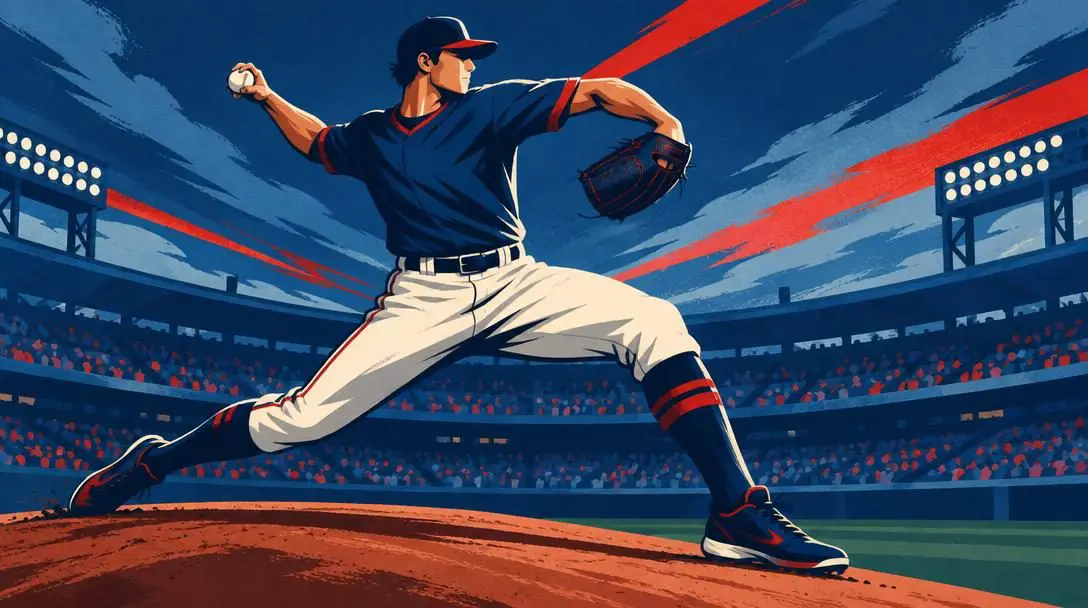
Left-handed ace David Price established his dominant reputation with the Tampa Bay Rays, earning the American League Cy Young Award in 2012. He continued his top-tier performance during the 2014 season with the Detroit Tigers and split 2015 between Detroit and the Toronto Blue Jays. When Price reached unrestricted free agency, intense market competition ensued among pitching-needy contenders across the league.
The Boston Red Sox won the high-stakes bidding war, agreeing to a massive seven-year, $217 million contract with the pitcher. Price remained in Boston for four seasons, though his overall availability was frequently limited by physical injuries. Seeking to clear substantial payroll commitments and acquire younger talent, the Red Sox orchestrated a blockbuster trade sending Price to the Los Angeles Dodgers alongside star outfielder Mookie Betts. In return for the tandem, Boston acquired Alex Verdugo, Jeter Downs, and Connor Wong.
Acquiring clubs jump at the opportunity to add established star power, while trading franchises accept the chance to shed long-term payroll and retool their depth.
Nolan Arenado
- Contract Terms: Eight years, $260 million
- Original Team: Colorado Rockies
- Acquiring Team: St. Louis Cardinals
- Financial Subsidies: Colorado paid $51 million
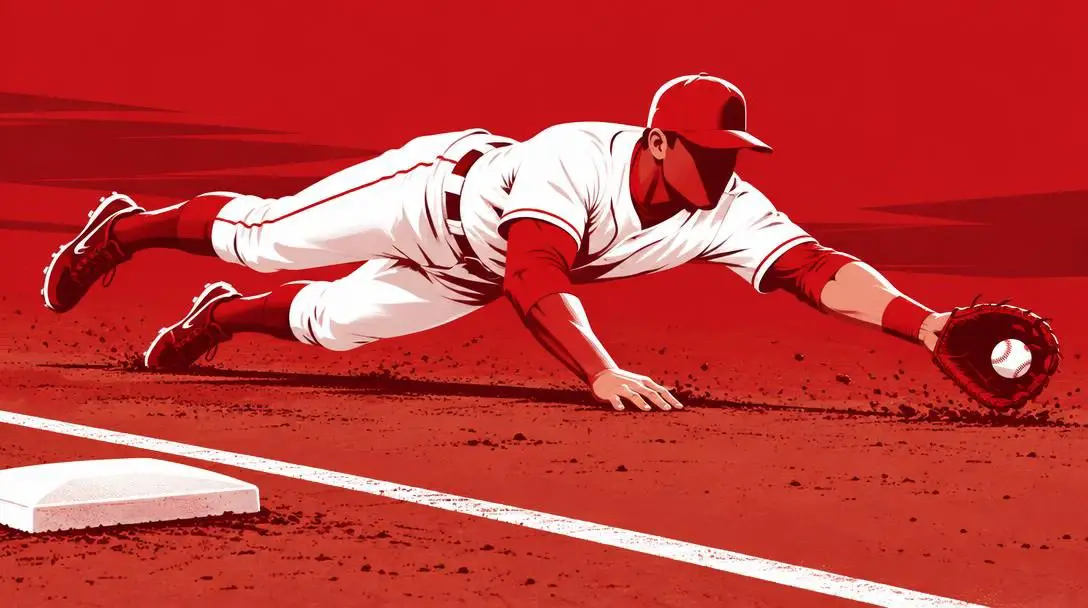
Drafted by the Colorado Rockies in 2009, third baseman Nolan Arenado broke into the big leagues in 2013 at the age of 22. Arenado confirmed his status as an elite infielder, becoming a centerpiece of the organization while earning five All-Star appearances and widespread acclaim for his defensive brilliance. Rewarding their homegrown superstar, Colorado signed Arenado to an eight-year, $260 million extension in 2019 to secure his peak years.
Despite the extension, relations between the star infielder and the franchise deteriorated, leaving Arenado disgruntled with the front office's competitive direction. Capitalizing on the fracture, the St. Louis Cardinals pulled off a massive acquisition by agreeing to take on Arenado from the Rockies in exchange for a package of five players. As part of the negotiation, Colorado agreed to pay $51 million of the remaining financial commitment to bridge the gap. Arenado made an immediate impact in St. Louis, earning a Gold Glove, securing an All-Star selection, and hitting 34 home runs in his debut season with the Cardinals.
Giancarlo Stanton
- Contract Terms: 13 years, $325 million
- Original Team: Miami Marlins
- Acquiring Team: New York Yankees
- Key Pieces Returned: Starlin Castro, cash considerations, and two minor leaguers
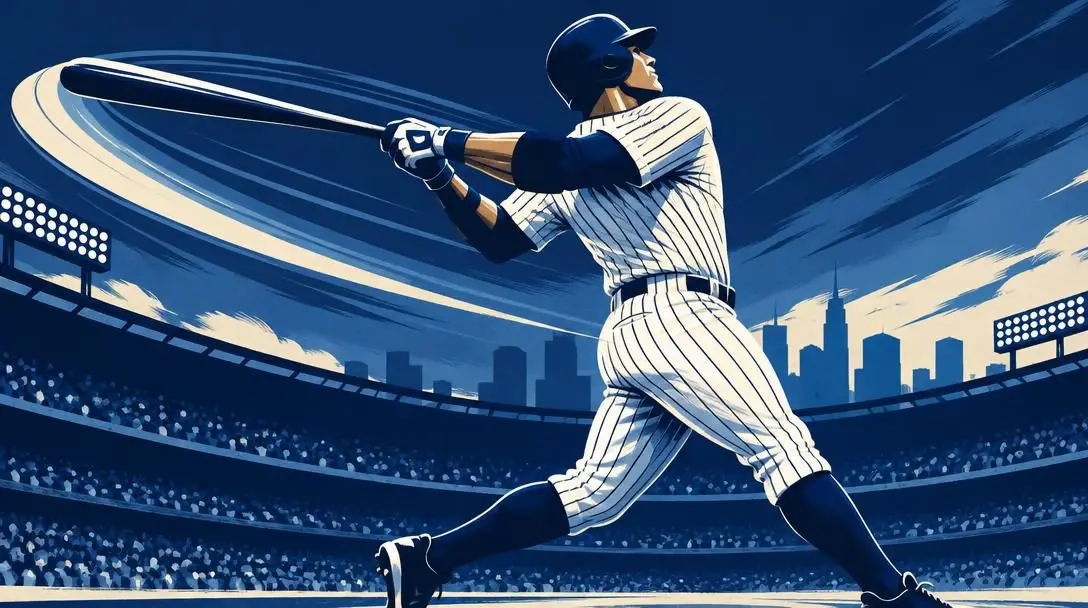
Originally known by the name Mike, Giancarlo Stanton climbed the ranks of the Miami Marlins organization to establish himself as one of the premier sluggers in the sport. During his time in Miami, Stanton led the National League in home runs twice and earned four All-Star selections. In 2015, the Marlins locked up their slugger with a record-setting 13-year contract worth $325 million designed to keep him in Miami through the 2027 season.

The franchise changed hands in 2017 when a new ownership group bought the team. Setting their sights on a thorough rebuilding process, the new leadership team made shedding the $325 million commitment an organizational priority. Fresh off an MVP-winning campaign, Stanton was traded to the New York Yankees. In return, the Marlins received Starlin Castro, cash considerations, and a pair of Minor League players. When healthy, Stanton has delivered significant value and power to the middle of the New York lineup.
How mega-contract trades work in Major League Baseball
Executing a trade involving a massive agreement is far more complex than a standard minor-league swap or low-salary transaction. Several key structural elements dictate whether a blockbuster deal can cross the finish line:
- Salary Relief vs. Prospect Value: When an organization prioritizes immediate salary relief, it frequently sacrifices the quality of return talent. If a trading team insists on having the acquiring club absorb the entirety of a contract, the returning trade package often consists of secondary prospects or mid-tier major league assets rather than blue-chip talent.
- Cash Considerations: In many blockbusters, the trading team agrees to subsidize a portion of the athlete's remaining salary. As demonstrated in the Nolan Arenado deal, where Colorado agreed to send $51 million to St. Louis, cash inclusions help bridge the valuation gap when an acquiring team refuses to pay the full market rate.
- Contractual Veto Power: High-profile free agent signings and franchise extensions often include full or partial no-trade clauses. These mechanisms give players authority over their destinations. A player can block a trade entirely, as Eric Hosmer did when San Diego attempted to send him to Washington, forcing teams to explore alternative partners.
- Bundling Star Talent: Clubs trying to unload high-salary commitments may package other elite players into the transaction to entice partners. Boston included Mookie Betts alongside David Price to motivate the Los Angeles Dodgers to accept Price's remaining financial obligations.
Practical steps front offices follow when moving massive salaries
Front offices undertake an extensive, structured process before parting ways with an expensive player. This systematic approach ensures the organization protects its long-term financial health and competitive outlook:
- Evaluate competitive windows: Team executives review the roster to determine whether the club is entering a multi-year rebuild or actively competing for a championship. If the competitive window has closed, maintaining an expensive veteran may hinder long-term progress.
- Audit player contracts and clauses: Front offices examine the precise terms of the player's agreement, checking for no-trade clauses, deferred compensation, and future option years that could limit potential trading partners.
- Assess market demand: The front office contacts potential buyers across the league to gauge interest, determining which franchises have the budget space and roster need for a high-salary star.
- Negotiate financial subsidies: If market demand is constrained by the size of the agreement, the trading team calculates how much cash it can reasonably contribute to make the acquisition viable for the acquiring team.
- Target organizational needs in return: The front office identifies specific assets to demand in return, whether that means established young major leaguers, a collection of minor league prospects, or immediate luxury tax relief.
Common mistakes teams make when managing high-priced assets
Navigating the trade market with large commitments is fraught with risk. Front offices frequently encounter pitfalls that damage their organizational depth or public standing:
- Holding on too long: Teams often wait until a player's production declines significantly or injury issues emerge before seeking a trade. Waiting too long eliminates positive trade value and forces the team to accept lesser returns.
- Underestimating player leverage: Franchises sometimes finalize trade frameworks without fully accounting for the player's contractual rights. A sudden refusal via a no-trade clause can disrupt complex multi-team transactions and damage workplace relationships.
- Overpaying without return protection: In deals where substantial cash is sent to the acquiring club, trading organizations risk watching the star flourish elsewhere while paying their salary, receiving little meaningful player talent in return.
- Rushing into salary dumps: New ownership groups or front offices eager to clear books sometimes execute trades too quickly, accepting modest minor leaguers instead of patiently waiting for a competitive market to develop.
Frequently asked questions
What is the largest contract ever traded in Major League Baseball?
Giancarlo Stanton's 13-year, $325 million contract with the Miami Marlins represents the largest agreement ever traded in MLB history. He was traded to the New York Yankees ahead of the 2018 season following an MVP-winning campaign.
Why do trading teams send cash along with a traded player?
Trading franchises include cash considerations to bridge the gap between a player's salary and what the acquiring team is willing to pay. For example, the Colorado Rockies sent $51 million to the St. Louis Cardinals to complete the trade for Nolan Arenado.
How do no-trade clauses impact blockbuster trades?
A no-trade clause gives a player contractual veto power over specific trade destinations. Eric Hosmer used his clause to block a trade from the San Diego Padres to the Washington Nationals, prompting San Diego to trade him to the Boston Red Sox instead.
Why did Boston package Mookie Betts with David Price?
Boston bundled Mookie Betts with David Price to incentivize the Los Angeles Dodgers to take on Price's substantial remaining contract, allowing the Red Sox to clear significant payroll commitments and receive young players in return.
The bottom line
As contract figures continue to escalate throughout Major League Baseball, trades involving mega-deals will remain an essential mechanism for roster construction. Front offices must continually weigh the benefits of immediate payroll relief against the talent forfeited in trade packages. Whether executing trades to reset payroll during a franchise rebuild or spending prospect capital to acquire an established superstar, moving colossal commitments alters the competitive landscape of the sport for years to come.