5 Boxers Who Are Excellent Male Role Models
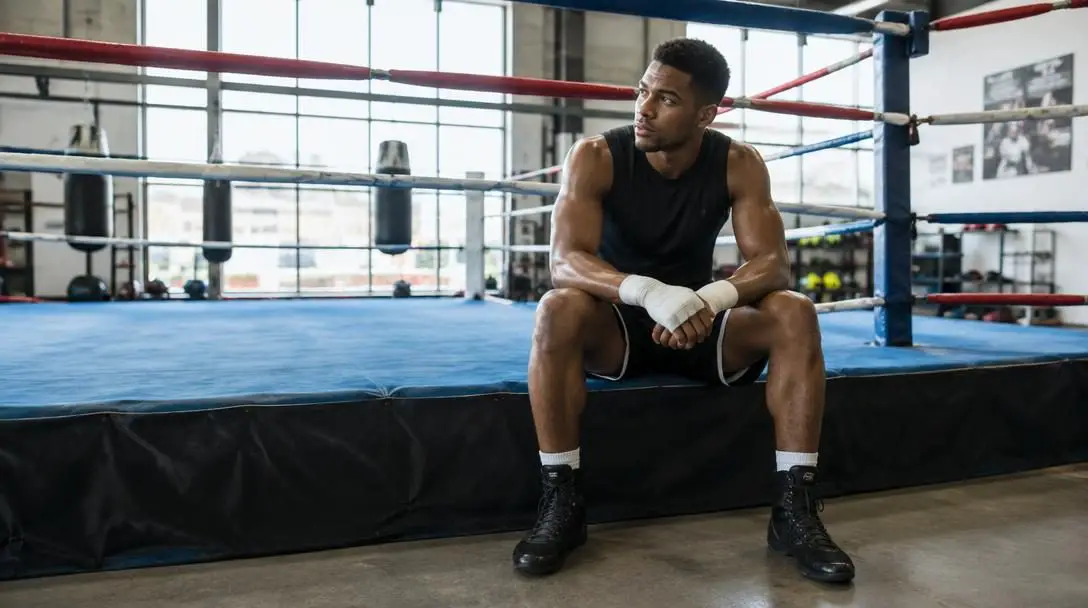
Professional boxing has long been celebrated as one of the most physically unforgiving and mentally taxing pursuits in competitive sports. Traditionally, an athlete's standing was measured almost exclusively within the confines of the ring: championship belts collected, knockout percentages maintained, and pay-per-view revenues generated. Once the final bell sounded, a fighter's legacy was frequently perceived as complete, immortalized strictly by punch statistics and title defenses.
Yet across combat sports history, a transformative group of elite competitors has altered that narrative entirely. Recognizing that their international prominence offers an extraordinary platform for systemic reform, these fighters have chosen to channel their wealth, fame, and physical discipline into humanitarian missions, grassroots community development, and civil rights leadership. In doing so, they provide a powerful blueprint for compassionate, responsible male leadership that extends far beyond athletic victory.
Key takeaways
- Championship fighters have increasingly transformed their sporting visibility into enduring social influence, direct humanitarian aid, and civic philanthropy.
- Iconic boxers use structured charitable foundations and personal wealth to build schools, fund cancer treatment centers, construct permanent housing, and feed displaced populations.
- Personal emergency interventions, such as quietly covering medical bills and funeral expenses for families in crisis, show the deep emotional resonance of athlete philanthropy.
- Effective male role models align public rhetoric with moral courage, taking concrete risks to advocate for civil rights, peace negotiations, and equitable community resources.
The evolution of combat sports athletes as civic leaders
Historically, the path to elite boxing status demanded ruthless physical conditioning, severe mental isolation, and the acceptance of extreme personal danger. For decades, athletes could reasonably treat combat sports as a purely transactional endeavor: enter the squared circle, secure victory, claim the prize purse, and leave the public square behind. In that conventional paradigm, sportsmanship began and ended with a post-fight glove touch.
However, boxing possesses cultural roots that are deeply intertwined with working-class struggles, marginalized neighborhoods, and communities grappling with deep economic hardship. When an individual emerges from those challenging conditions to capture a world championship, they carry an enduring cultural bond with the people and neighborhoods that shaped them. Rather than retreating into insulated luxury, exceptional champions recognize that the global spotlight offers a unique vehicle to confront systemic disadvantages and provide structural relief.
A fighter's most meaningful victories often take place far away from the canvas.
Stepping forward as an authentic role model requires understanding that sporting prominence brings a moral obligation to uplift others. Whether funding neighborhood educational institutions, coordinating overseas food convoys, or speaking truth to political power, the most respected fighters demonstrate that authentic masculine strength is defined by empathy, reliability, and selfless service to those who cannot fight for themselves.
Five champions who redefined what it means to be a role model
While hundreds of combat athletes have earned championship status, five individuals distinguish themselves by directing their career achievements toward global humanitarianism, localized community development, and moral advocacy.
| Athlete | Key Ring Achievements | Core Philanthropic Focus | Notable Initiatives |
|---|---|---|---|
| Muhammad Ali | Iconic Heavyweight World Champion; Tactical innovator | Civil rights, international diplomacy, human rights | The Longest Walk (1978); Iraq hostage negotiations; UN goodwill missions |
| Oscar De La Hoya | Olympic Gold Medalist; 10-time World Champion | Youth empowerment, public education, community healthcare | Oscar De La Hoya Foundation; Charter school; Community youth & cancer centers |
| Manny Pacquiao | Historic 8-division World Champion | Poverty eradication, permanent housing, public governance | Manny Pacquiao Foundation; Funded 1,000+ homes; 2022 Presidential campaign |
| Floyd Mayweather | Undefeated champion; Over $1 billion career earnings | Crisis intervention, hunger alleviation, emergency expenses | Floyd Mayweather Jr. Foundation; Paid funerals for George Floyd and peers |
| Badou Jack | 2008 Olympian; Multi-division World Champion | Refugee relief, international medical missions, child welfare | Badou Jack Foundation; Fed 80,000+ Zataari refugees; Gambia relief missions |
Muhammad Ali

- Signature Ring Tactics: Floating like a butterfly, stinging like a bee, and the rope-a-dope
- Key Civil Rights Event: The Longest Walk protest (1978)
- Diplomatic Missions: Medical relief to Cuba; Hostage negotiations in Iraq; United Nations goodwill partnerships
Muhammad Ali remains an unmatched cultural titan whose societal influence stretched far beyond the parameters of the athletic world. Inside the ring, his iconic phrasing to float like a butterfly and sting like a bee captured his peerless physical artistry, while tactical masterclasses such as the rope-a-dope proved his strategic intellect. Yet his most defining battles took place entirely outside the ropes.
Ali leveraged his international platform to speak out fearlessly against systemic racism, political disenfranchisement, and social injustice. In 1978, he showcased his active commitment to human dignity by walking in support of Native American rights during The Longest Walk protest. His global humanitarian reach was just as profound: he coordinated the shipment of vital medical aid to Cuba, journeyed directly to Iraq to assist in negotiating the release of American hostages, and worked alongside the United Nations on numerous goodwill missions designed to foster international peace and protect vulnerable populations.
Oscar De La Hoya
- Ring Accolades: Olympic Gold Medalist and 10-time World Champion
- Philanthropic Vehicle: The Oscar De La Hoya Foundation
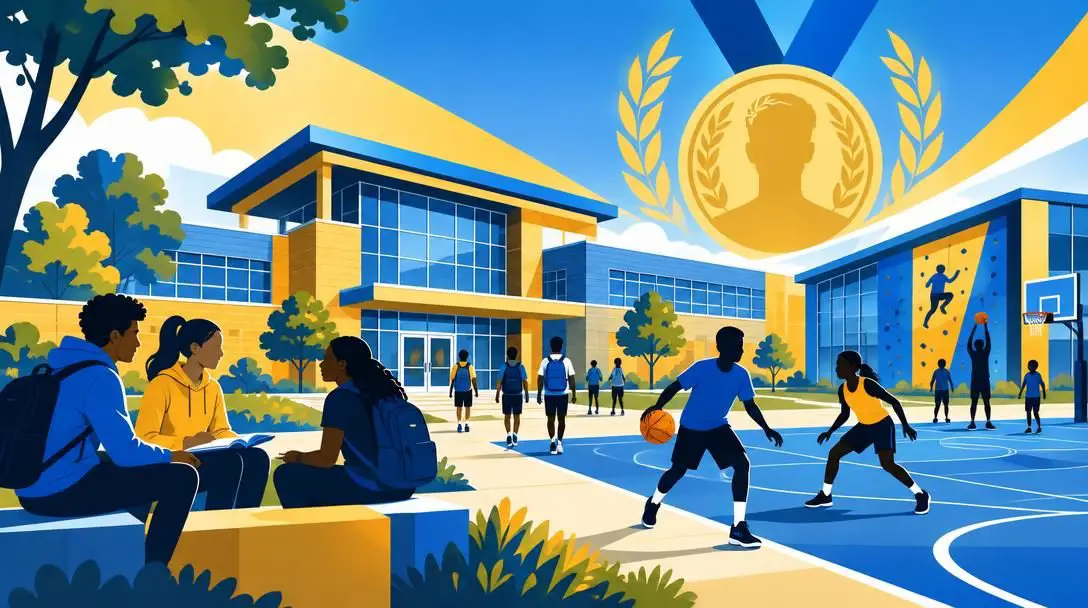
- Community Assets: Dedicated youth center, charter school, and local cancer center
Earning an Olympic gold medal before capturing world titles across ten distinct championship reigns, Oscar De La Hoya built one of modern boxing's most commercially and athletically triumphant resumes. Even from his early years under the bright lights, De La Hoya openly articulated an ambition to serve as an enduring, trustworthy role model for young people, especially those navigating the economic barriers of neglected neighborhoods.
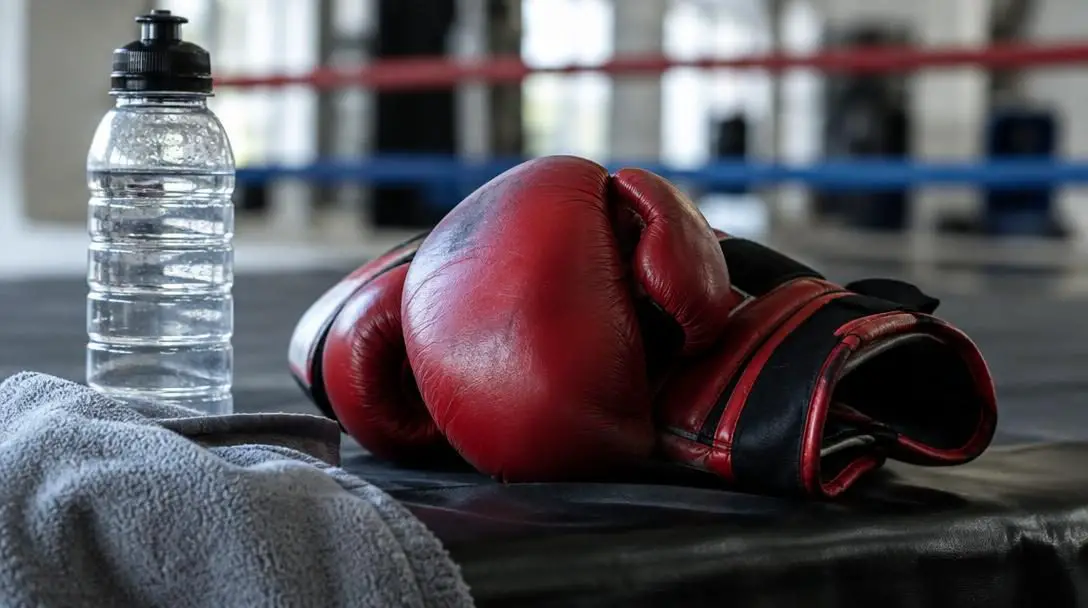
Rather than letting that aspiration remain mere sentiment, he created the Oscar De La Hoya Foundation to provide concrete institutional resources for underserved communities. Through his foundation, De La Hoya built and opened a state-of-the-art youth center to give teenagers athletic and social alternatives to neighborhood violence. He also established a public charter school focused on delivering high-caliber educational resources to underprivileged students and stepped in with critical financing to support a local cancer center, addressing community wellness from multiple angles.
Manny Pacquiao

- Historic Milestone: Only fighter to win world championships in eight weight divisions
- Electoral Career: National politician; 2022 Philippine Presidential candidate
- Direct Aid: Personally financed over 1,000 permanent homes for unhoused families
Rising from absolute poverty to become the only competitor in combat sports history to win world titles across eight separate weight divisions, Manny Pacquiao stood for years among the highest-paid professional athletes on earth. However, his enduring popularity stems far more from his persistent commitment to uplifting his home country than from his ring purses.
Pacquiao channeled his domestic acclaim into formal public service, serving as a national legislator and launching a campaign for President of the Philippines in 2022, a race ultimately won by Bongbong Marcos. Outside the political arena, he mobilized the Manny Pacquiao Foundation to combat extreme poverty directly. Among his most impactful housing initiatives, Pacquiao personally covered the financial costs to build more than 1,000 sturdy, permanent homes, gifting unhoused families a safe environment and a foundation from which to rebuild their lives.
Floyd Mayweather
- Career Monikers: The Best Ever (TBE) and Money
- Financial Milestone: Accumulated over $1 billion in career earnings
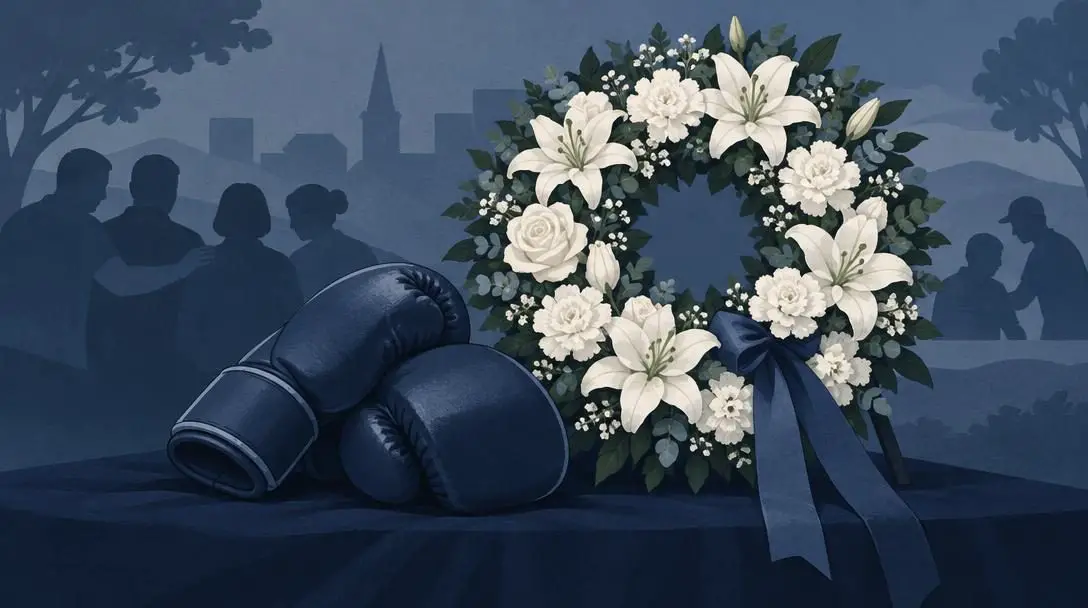
- Key Philanthropic Cause: Covering complete funeral costs for individuals and boxing legends in crisis
Renowned for his defensive mastery and unblemished professional record, Floyd Mayweather earned the self-assigned moniker The Best Ever (TBE), alongside his famous nickname "Money." Over a legendary career that generated more than $1 billion in gross earnings, Mayweather's public profile was frequently characterized by displays of extravagant personal wealth. Beneath that media persona, however, sits an extensive record of targeted, quiet philanthropy directed at families facing acute hardship.
Mayweather instituted the Floyd Mayweather Jr. Foundation to provide regular food relief for the unhoused, assist low-income households with emergency financial strains, and finance expensive medical care for vulnerable individuals. Moreover, he has repeatedly stepped forward to privately pay for complete funeral and memorial services for individuals in crisis and bereaved families. His direct financial interventions paid for the final arrangements of George Floyd, heavyweight legend Joe Frazier, his former ring rival Genaro Hernandez, and numerous others who lacked the resources for a dignified farewell.
Badou Jack
- Early Career Honor: Swedish Boxing Federation Boxer of the Year (2007) and 2008 Olympian
- World Championships: Titles in super-middleweight and light-heavyweight divisions
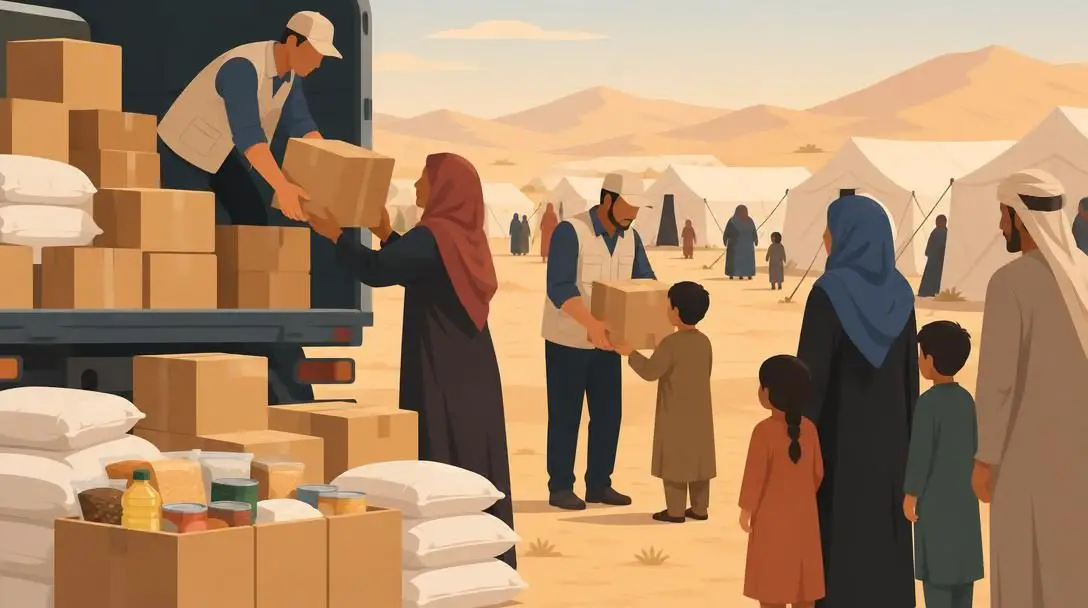
- Global Relief Milestones: Fed over 80,000 refugees at Zataari Camp; active missions in Gambia
Recognized by the Swedish Boxing Federation as Boxer of the Year in 2007, Badou Jack represented his nation at the 2008 Olympic Games before capturing world titles in both the super-middleweight and light-heavyweight divisions. Alongside his elite athletic credentials, Jack has constructed an extraordinary legacy centered on international refugee assistance and grassroots relief missions across multiple continents.
Operating through the Badou Jack Foundation, he brings humanitarian aid directly to conflict zones and refugee encampments. A landmark initiative saw his organization distribute nutritious, life-sustaining meals to more than 80,000 displaced people living in the Zataari Refugee Camp. Furthermore, Jack regularly organizes and funds medical supply missions and economic empowerment drives across Gambia and other regions enduring political instability, demonstrating how athletic platforms can address international human rights crises.
How athlete philanthropy turns prize purses into lasting institutions
The philanthropic structures built by top-tier fighters reveal why certain charitable initiatives create permanent social change while others evaporate as soon as an athlete hangs up their gloves. Authentic community impact relies on deliberate organizational strategies rather than sporadic publicity stunts.
Fighters who establish sustained community legacies frequently rely on four distinct operational models:
- Independent Non-Profit Foundations: Establishing dedicated 501(c)(3) entities or international charities ensures that fundraising, administrative oversight, and community grant distributions continue uninterrupted throughout grueling training camps and post-retirement years.
- Immediate Crisis Relief: Direct cash disbursements for medical emergencies, unpaid bills, and bereavement expenses provide swift support without subjecting families in shock to cumbersome bureaucratic hurdles.
- Permanent Physical Infrastructure: Investing directly in physical hardware—such as Manny Pacquiao's community housing projects, Oscar De La Hoya's charter schools, or specialized cancer wings—creates community resources that benefit thousands of residents across multiple decades.
- Strategic Moral Advocacy: Using hard-won personal visibility to march, negotiate, and speak openly against injustice exerts institutional pressure on governments and international bodies, proving that personal presence can be as impactful as financial donations.
Actionable steps to model leadership and community service in everyday life
You do not need an Olympic gold medal, millions in fight earnings, or an international platform to exercise positive male leadership. The accountability, compassion, and discipline exhibited by elite champions can be scaled effectively into daily personal and professional life.
- Align personal conduct with moral integrity: Ensure your daily treatment of peers, partners, and coworkers matches your stated ethical beliefs. True role models operate with the same honesty in private spaces as they do in public settings.
- Invest directly in youth mentorship: Dedicate regular hours to younger generations by volunteering as a youth sports coach, providing free academic tutoring, or guiding young people through challenging professional transitions.
- Support emergency food and shelter programs: Contribute practical resources to neighborhood food shelves, support local homeless shelters with seasonal supplies, or volunteer with home rebuilding initiatives that offer families secure living conditions.
- Step forward during personal emergencies: When friends, colleagues, or neighbors face sudden bereavement or debilitating illness, take the initiative to coordinate meals, cover practical expenses, or manage logistical tasks to ease their immediate burdens.
- Advocate fearlessly against unfairness: Stand in solidarity with vulnerable or marginalized individuals in your workplace and neighborhood. Use your voice to challenge unfair behavior, defend those who cannot protect themselves, and draw attention to neglected causes.
Mistakes to avoid when engaging in community leadership
Aspiring mentors and community leaders often start with commendable intentions, yet fall into habits that weaken their effectiveness or unintentionally disempower the individuals they want to serve.
- Treating community support as a public relations vehicle: Launching service projects solely for personal recognition or social media validation yields superficial results. Authentic leaders work consistently behind the scenes without demanding praise.
- Focusing exclusively on short-term handouts: While emergency food and financial relief are critical during unexpected crises, sustainable community transformation requires backing long-term solutions like vocational training, education, and safe housing.
- Failing to listen to local community members: Assuming you know what an underserved neighborhood needs without consulting longtime residents creates misguided programs. Impactful service begins by listening to local organizers.
- Inconsistent or abandoned commitments: Announcing an ambitious initiative only to step away once original enthusiasm cools harms the people who relied on that support. True leadership requires multi-year consistency.
Sustaining long-term community impact for the future
Translating inspiration into lasting social progress begins with an honest evaluation of your personal strengths, unique professional capabilities, and available hours. You do not need to launch an international foundation to effect genuine progress; localized contributions make an immediate, tangible difference.
Consider how your current talents align with existing local needs:
- Financial literacy and career guidance: If you have experience in accounting, banking, or business management, you can conduct weekend financial education workshops for young adults entering the workforce.
- Practical trades and technical skills: If you possess carpentry, electrical, or plumbing skills, you can volunteer with grassroots initiatives that perform essential home repairs for low-income seniors and struggling families.
- Logistical and direct care support: If you have organizing capacity and time, volunteering with community clinics, refugee resettlement programs, or meal delivery networks directly stabilizes vulnerable households.
Furthermore, studying the infrastructure built by groups like the Oscar De La Hoya Foundation and the Badou Jack Foundation offers valuable lessons in how to organize teams, structure volunteer networks, and manage resources efficiently over long horizons.
Frequently asked questions
Why are combat sports athletes often drawn to community philanthropy?
Many professional boxers originate from economically disadvantaged and marginalized communities. When they rise to global prominence and accumulate wealth, they often feel a deep personal responsibility to invest back into the neighborhoods and social groups they came from.
Which boxer financed the construction of over 1,000 homes for unhoused families?
Eight-division world champion Manny Pacquiao personally paid for the construction of more than 1,000 permanent homes for unhoused families in the Philippines through his dedicated philanthropic foundation.
How did Muhammad Ali contribute to humanitarian efforts beyond the boxing ring?
Muhammad Ali participated in civil rights initiatives like The Longest Walk protest in 1978, helped deliver medical supplies directly to Cuba, traveled to Iraq to assist in negotiating the release of American hostages, and served on global goodwill missions for the United Nations.
What specific community facilities did Oscar De La Hoya establish?
Through the Oscar De La Hoya Foundation, he established a community youth center to support vulnerable teens, built a public charter school for underserved students, and provided funding for a local cancer treatment center.
What major refugee relief milestone was achieved by Badou Jack's foundation?
The Badou Jack Foundation successfully delivered nutritious, life-sustaining meals to more than 80,000 displaced refugees residing at the Zataari Refugee Camp, alongside medical and financial relief missions in Gambia.
The bottom line
The lives and careers of Muhammad Ali, Oscar De La Hoya, Manny Pacquiao, Floyd Mayweather, and Badou Jack illustrate that elite male role models are not forged through physical dominance alone. While their historic athletic achievements cemented their places in combat sports history, their true greatness lies in their willingness to share their resources, confront injustice, and uplift vulnerable communities.
By translating individual victories into collective progress, these five champions demonstrated that true strength is measured by the burdens we lift for others. Their enduring humanitarian commitments provide a timeless model for community leadership, proving that any individual—regardless of profession or wealth—can build a legacy of compassion, responsibility, and lasting social impact.