5 Boxers Who Made Serious Money Outside Of Boxing
Professional sports provide some of the most visible displays of extreme wealth in modern culture. In team leagues such as basketball and baseball, franchise superstars routinely secure massive nine-figure contracts, but these blockbuster commitments are typically disbursed gradually across a full decade of regular play. Elite professional boxing operates on a dramatically different economic model. For an ultra-high-profile prizefight with enormous pay-per-view demand, a top-tier fighter can generate upwards of $100 million across a single evening inside the ropes.
However, pure in-ring compensation presents acute structural limitations. Athletic careers are inherently compressed by biological aging, physical attrition, and the ever-present hazard of injury. Because prizefighting cannot continue indefinitely, elite combatants must deploy their temporary celebrity and accumulated purses into long-term commercial assets. By establishing private equity positions, founding promotional stables, and launching consumer retail products, high-profile fighters can create self-sustaining wealth that endures long after their final match.
Key takeaways
- Prizefighters face condensed physical career spans, making outside business diversification essential for lasting financial solvency.
- Equity ownership and intellectual property licensing yield significantly greater long-term returns than conventional single-payment endorsement deals.
- Self-promotion allows elite athletes to eliminate corporate intermediaries and retain live gate, venue, and broadcast proceeds.
- Successful commercial transitions depend on strategic partnerships with established industry operators rather than solo management.
At a glance: Champions who built fortunes beyond the ring
While many prizefighters have ventured into commercial enterprise, a select group converted athletic notoriety into multi-industry business empires. The table below outlines the core financial metrics and signature off-canvas investments of the sport's most successful entrepreneurs.
| Fighter | Estimated net worth | Signature business ventures | Key financial milestone |
|---|---|---|---|
| Floyd Mayweather | $450 million | Mayweather Promotions, roller skating rink, gentleman's club, professional racing team | Earned $180 million for the Manny Pacquiao bout alone |
| George Foreman | $300 million | George Foreman Grill, consumer product licensing | Sold appliance rights for nearly $140 million after 100M+ units sold |
| Conor McGregor | $200 million | Proper No. Twelve Irish whiskey, brand partnerships | Sold majority whiskey stake to Proximo Spirits in 2021 for $150 million |
| Oscar De La Hoya | $170 million | Golden Boy Promotions, BurgerFi, MLS franchise stake, tequila brand | Built an enduring promotional firm handling headline pay-per-view bouts |
| Vitali Klitschko | $100 million | Klitschko Ventures, private-sector strategic investments | Competed in 15 world heavyweight title bouts before funding institutional ventures |
The top five prizefighters who conquered commerce
Transforming athletic fame into commercial capital requires distinct commercial approaches, spanning direct retail licensing, private investment funds, and hospitality holdings.
Floyd Mayweather

- Estimated net worth: $450 million
- Single-fight purse record: $180 million (vs. Manny Pacquiao)
- Headquarters: Las Vegas, Nevada
- Key holdings: Promotional company, racing team, roller skating rink, gentleman's club
Undefeated champion Floyd Mayweather holds the record for the most lucrative single-night paydays in boxing history. His 2015 bout against Manny Pacquiao generated a personal purse of $180 million, serving as the financial foundation for an overall net worth estimated at roughly $450 million. Rather than dispersing his capital across disjointed global holdings, Mayweather anchored his commercial operations within Las Vegas, the desert city that hosted his most profitable career showdowns.
Mayweather formed his own promotional outfit to capture ancillary broadcast and ticket revenues from his bouts, cutting out traditional third-party promoters. Outside combat sports, he assembled a diverse commercial footprint in southern Nevada, acquiring a professional auto racing team, operating a roller skating venue, and running a premier gentleman's club. By recycling his fight proceeds into local entertainment and lifestyle real estate, Mayweather continues generating sustained cash flow independent of sanctioning bodies.
Conor McGregor
- Estimated net worth: $200 million
- Boxing record: 0-1 (10th-round TKO loss to Floyd Mayweather)
- Brand sponsors: Reebok, Beats by Dre, Bud Light
- Spirits transaction: $150 million equity sale to Proximo Spirits (2021)
Although he gained international acclaim inside mixed martial arts, Conor McGregor secured one of the richest single paydays in sports history during his 2017 crossover boxing clash with Floyd Mayweather. McGregor lost the bout by technical knockout in the tenth round, but the spectacle cemented his mainstream commercial identity and vaulted his total personal net worth to approximately $200 million.
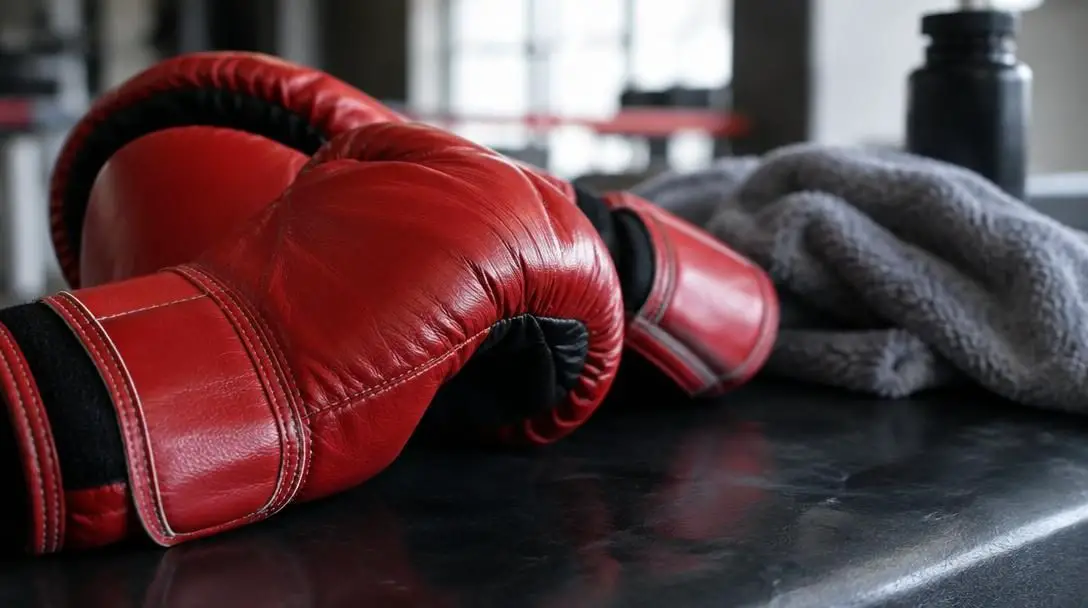
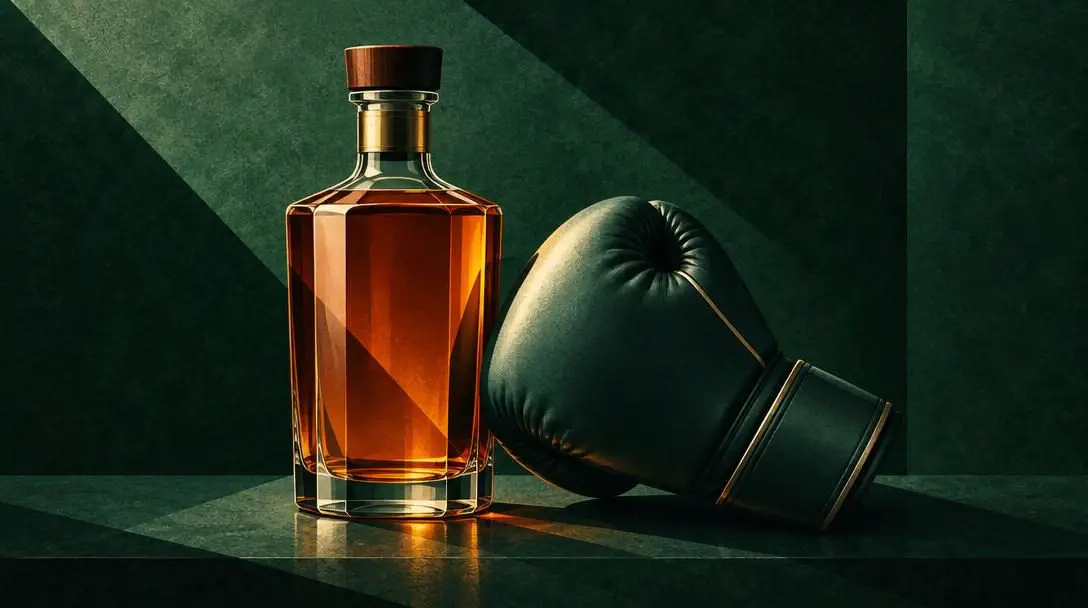
McGregor monetized his global notoriety through high-value corporate sponsorships with international brands including Reebok, Beats by Dre, and Bud Light. His most transformative financial triumph, however, arrived via direct equity in the beverage industry. As co-founder and majority owner of Proper No. Twelve Irish whiskey, McGregor built rapid retail momentum across multiple continents. In 2021, he finalized an agreement to sell his majority equity stake to Proximo Spirits in an arrangement worth $150 million, exemplifying the value of enterprise ownership over standard endorsement fees.
Vitali Klitschko

- Estimated net worth: Nearly $100 million
- Championship pedigree: 15 bouts with a world heavyweight title at stake
- Commercial vehicle: Klitschko Ventures
- Public office: City mayor
Former heavyweight kingpin Vitali Klitschko retired as one of the division's most commanding titleholders, having contested 15 world heavyweight championship matches throughout his storied athletic career. Klitschko transitioned into public governance following his ring retirement, eventually serving as mayor. Yet, his nearly $100 million fortune was not derived from civil service, but from structured private enterprise.
Klitschko organized his post-athletic business affairs through his dedicated investment vehicle, Klitschko Ventures, deploying capital into private-sector ventures alongside specialized corporate partners. Klitschko summarized his commercial outlook by noting, "My experience has shown me that I can achieve more with good partners by my side and reach my goal more quickly. That is why I live according to this principle and let others share my knowledge." This approach allowed him to institutionalize his earnings without assuming unilateral managerial risk.
Oscar De La Hoya

- Estimated net worth: $170 million
- Moniker: "The Golden Boy"
- Core business: Golden Boy Promotions
- Portfolio assets: BurgerFi, Major League Soccer franchise stake, tequila brand
Celebrated globally as "The Golden Boy," Oscar De La Hoya built a mainstream commercial identity that outlasted his competitive career, assembling a fortune totaling $170 million. Recognizing the extractive nature of traditional boxing agreements, De La Hoya established Golden Boy Promotions while still actively fighting, giving him structural control over high-profile pay-per-view cards and retaining revenue that routinely flows to outside corporate matchmakers.
Beyond the fight game, De La Hoya diversified his personal capital across broader consumer sectors. His commercial holdings have included an investment stake in the fast-casual dining chain BurgerFi, ownership equity in a Major League Soccer club, and the launch of his own proprietary tequila label. This multi-sector approach provided consistent commercial exposure and diversified his revenue across hospitality, professional sports, and retail food services.
George Foreman
- Estimated net worth: $300 million
- Career record: 76 victories in 81 professional bouts
- Appliance distribution: Over 100 million grill units sold globally
- Rights buyout: Nearly $140 million
Olympic champion and two-time heavyweight titleholder George Foreman achieved hall-of-fame status by securing 76 wins across 81 professional fights, regaining world titles across distinct competitive eras. After retiring from the ring, Foreman embarked on what remains the most lucrative retail licensing venture in athletic history, compiling an overall net worth of roughly $300 million.

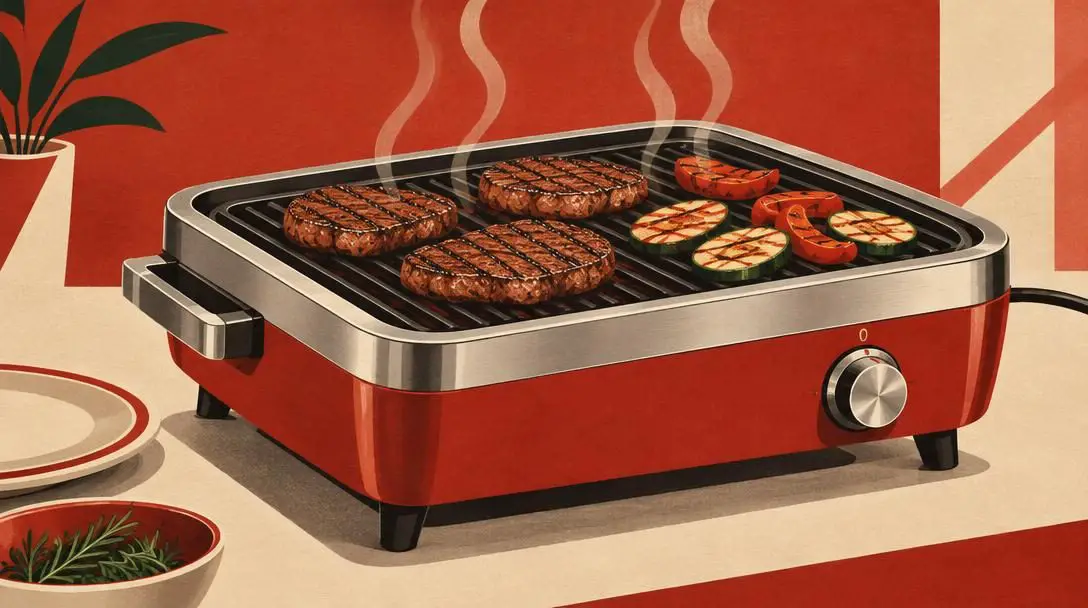
Foreman partnered with inventors Michael Boehm and Robert Johnson to promote their novel indoor fat-reducing cooking appliance, commercially christened the George Foreman Grill. By lending his recognizable persona, name, and likeness to the kitchen product, Foreman catalyzed a global retail sensation that surpassed 100 million total units sold. When Foreman subsequently negotiated a buyout to sell his commercial rights to the appliance line, the transaction earned him nearly $140 million.
Pairing a trusted, recognizable public persona with a functional consumer good can capture substantial market share and build multi-decade wealth.
How prizefighters convert athletic notoriety into business equity
The financial longevity achieved by these five fighters relies on foundational principles of intellectual property, promotional leverage, and strategic corporate structuring. Analyzing these mechanisms demonstrates how individual athletic profiles are transformed into durable commercial assets.
- Name and likeness commercialization: Fighters own distinct rights to their public identities. By licensing their persona to functional consumer goods—as Foreman demonstrated with indoor kitchen hardware—athletes capture deep retail market penetration without manufacturing the items themselves.
- Corporate endorsements: Global brands pay high-profile athletes substantial fees to direct consumer attention toward specific product lines. McGregor's commercial partnerships with Beats by Dre, Bud Light, and Reebok provided steady cash inflows without exposing him to corporate supply-chain liabilities.
- Direct equity ownership: Instead of collecting static compensation, forward-thinking athletes negotiate for substantial equity percentages in early-stage or growing brands. McGregor's majority ownership in Proper No. Twelve yielded a massive windfall upon its institutional acquisition by Proximo Spirits.
- Promotional autonomy: By founding independent promotional companies like Golden Boy Promotions and Mayweather Promotions, fighters capture arena ticket receipts, domestic pay-per-view margins, and international media rights that traditionally enrich outside promoters.
- Institutional investment vehicles: Through formalized entities like Klitschko Ventures, athletes systematically allocate fight purses into third-party private businesses, commercial developments, and emerging private-equity opportunities.
A roadmap for athletes building outside wealth
Transitioning from performance-based athletic compensation to a durable corporate portfolio requires disciplined preparation. High-earning individuals can implement a structured series of practical steps to preserve their capital and establish reliable commercial enterprises.
- Retain independent fiduciary advisors: Assemble legal, tax, and investment counsel whose fees are disconnected from transaction commissions, insulating your career earnings from conflicted guidance.
- Audit audience alignment: Evaluate your core demographic appeal to select compatible industries. While Mayweather's luxury-focused audience supported high-end nightlife and auto racing, Foreman's broad, approachable persona aligned seamlessly with household consumer hardware.
- Structure equity-heavy contracts: Prioritize commercial arrangements that offer equity, gross revenue participation, or intellectual property rights over short-term lump-sum cash retainers.
- Partner with veteran operational executives: Follow Vitali Klitschko's model by pairing your marketing power and capital with established industry operators who possess proven supply-chain and logistical experience.
- Systematically reallocate liquid purses: Transfer large, irregular prizefighting payouts into liquid investments, multi-unit franchises, or established sports teams, mitigating concentration risk in combat sports.
Commercial pitfalls that derail athlete fortunes
Despite the immense financial potential of athletic notoriety, many prizefighters face severe financial strain once their physical careers conclude. Avoiding standard commercial errors protects capital from rapid depletion.
- Overestimating brand transferability: Assuming public popularity will automatically drive consumer purchases for unexceptional products or poorly positioned restaurants.
- Passive operational oversight: Allocating seed capital to third-party ventures without auditing internal balance sheets, establishing corporate governance, or reviewing contractual agreements.
- Concentration in volatile sectors: Allocating excessive percentages of liquid net worth into speculative lifestyle venues, volatile hospitality concepts, or unvetted private companies.
- Spending against prospective earnings: Acquiring substantial personal overhead on the assumption that future high-value prizefights or sponsorship agreements will reliably materialize.
- Commingling individual and corporate funds: Failing to clearly isolate personal household spending from business accounts, which triggers severe tax issues and destroys corporate liability shields.
Frequently asked questions
Which boxer made the most money from a single consumer product?
George Foreman achieved the largest individual product payout when he sold the commercial rights to the George Foreman Grill for nearly $140 million, following a retail run that moved over 100 million units globally.
How much did Conor McGregor earn from selling his whiskey brand?
Conor McGregor earned $150 million in 2021 when he and his business partners sold their majority equity stake in Proper No. Twelve Irish whiskey to spirits conglomerate Proximo Spirits.
Why do fighters like Floyd Mayweather and Oscar De La Hoya start promotional firms?
Establishing firms like Mayweather Promotions and Golden Boy Promotions allows elite fighters to retain the gate proceeds, closed-circuit television fees, and pay-per-view revenues that traditional corporate promoters routinely deduct from total event earnings.
Did Vitali Klitschko accumulate his fortune through his political career?
No. While Vitali Klitschko transitioned into politics and became mayor, his estimated fortune of nearly $100 million was built through his dominance in 15 world heavyweight title bouts and his corporate investment firm, Klitschko Ventures.
What businesses does Floyd Mayweather operate in Las Vegas?
Floyd Mayweather owns and operates a variety of local commercial enterprises in the Las Vegas area, including his promotional firm, a premier gentleman's club, a commercial roller skating rink, and an auto racing team.
The bottom line
The extraordinary commercial earnings achieved by Floyd Mayweather, Conor McGregor, Vitali Klitschko, Oscar De La Hoya, and George Foreman demonstrate that athletic prowess can serve as the launchpad for lasting generational wealth. Prizefighting is inherently finite, defined by physical wear and brief performance windows. By taking control of their intellectual property, capturing direct equity in consumer goods, and partnering with experienced industry operators, these champions proved that the savviest strategic maneuvers often happen outside the ropes.