5 Boxers Who Took Fights Way Too Personally
Professional boxing has always stood apart from other athletic disciplines because victory depends as much on mental stability and emotional composure as it does on aerobic stamina and punching technique. Stepping across the ropes into the ring requires extraordinary confidence, leading fighters to intentionally use psychological warfare to rattle their adversaries, disrupt carefully formulated game plans, and bait rivals into an uncontrolled, reckless style of engagement. Promoters and competitors understand that bad blood commands international attention and elevates commercial interest, yet the threshold separating promotional bravado from authentic hostility remains razor thin.
When theatrical posturing transforms into deep-seated animosity, insults inevitably bypass athletic credentials to target character, family members, physical dignity, and personal honor. Internalizing these attacks alters a combatant's nervous system, replacing calculated strategy with volatile anger that often leads to exhausted stamina, severe technical errors, or rule violations. Examining historic matchups where rivalries crossed the line demonstrates the sheer weight of psychological pressure at the elite level and reveals how personal vendettas fundamentally alter combat inside the squared circle.
Key takeaways
- Psychological warfare is designed to dismantle an opponent's emotional stability, but taking pre-fight attacks personally frequently undermines strategic ring discipline.
- Personal grudges regularly boil over during public press tours, resulting in physical altercations, severe fines, and physical injuries before the bout even starts.
- Emotional volatility triggers premature adrenaline spikes that leave fighters drained of energy well before the championship rounds.
- Unchecked animosity increases the likelihood of egregious fouls, intentional headbutts, biting, and disqualifications.
- Separating theatrical promotion from personal worth allows elite combatants to remain analytical, composed, and defensively sound.
At a Glance: Iconic Clashes Defined by Bad Blood
While hundreds of fights feature loud promotional banter, certain rivalries escalate into genuine personal hatred. The table below details five historic bouts where mutual resentment dominated the narrative and altered the competition.
| Matchup | Key Year | Source of Hostility | Decisive In-Ring Outcome |
|---|---|---|---|
| Manny Pacquiao vs. Floyd Mayweather | 2015 | Accusations of record-padding, ducking fights, and insults toward family cornermen | Mayweather secured victory by decision |
| Muhammad Ali vs. Anyone | 1964 | Relentless verbal demeaning of physical appearance, dignity, and championship status | Ali dismantled Liston's composure and claimed the crown |
| Dereck Chisora vs. David Haye | 2012 | Post-fight press room brawl, verbal insults, and death threats | Haye won by technical knockout in the fifth round |
| Canelo Alvarez vs. Caleb Plant | 2021 | Persistent verbal disrespect, stage fistfights, and PED allegations | Alvarez claimed victory via technical knockout in round 11 |
| Mike Tyson vs. Evander Holyfield | 1997 | Unchecked rage, inability to execute tactics, and extreme emotional breakdown | Holyfield emerged victorious following Tyson's ear-biting disqualification |
Five Historic Matches Where Rivalries Turned Deeply Personal
Boxing history contains several marquee clashes where the physical contest became secondary to unresolved personal hostility. In these landmark instances, verbal sparring degraded into genuine bitterness, altering the behavior of the fighters both on stage and under the arena lights.
Manny Pacquiao vs. Floyd Mayweather
- Year: 2015
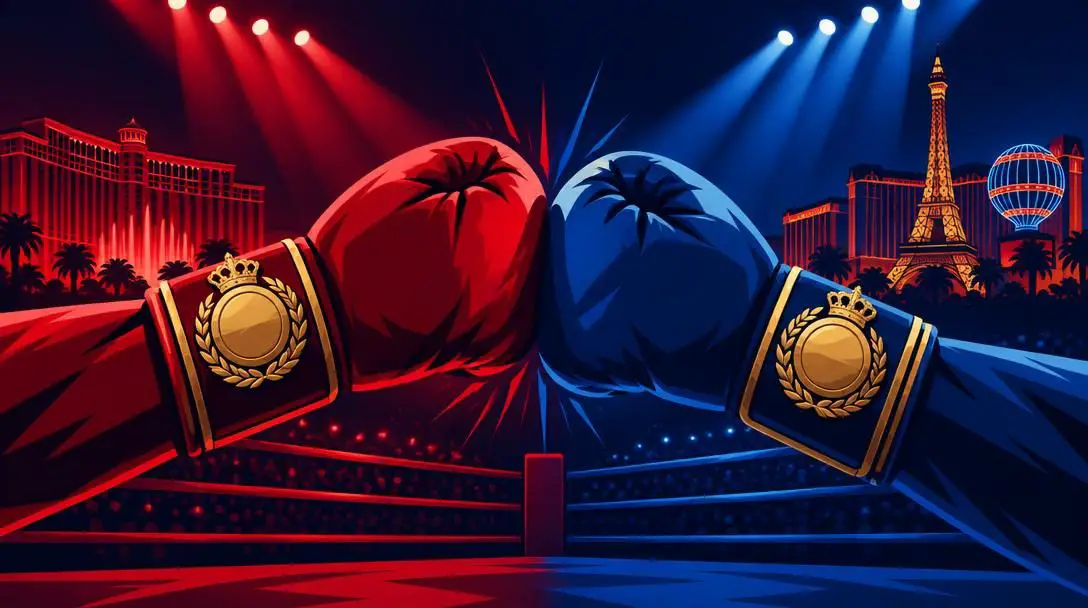
- Venue: MGM Grand Garden Arena, Las Vegas
- Core Controversy: Allegations of avoiding the matchup and insults toward corner personnel
- Final Result: Mayweather victory
The 2015 showdown between Manny Pacquiao and Floyd Mayweather at the MGM Grand Garden Arena in Las Vegas arrived carrying years of built-up frustration between two generational icons. Although the action inside the ropes left many observers wanting more, the promotional buildup featured relentless, bitter barbs across multiple international press events. Mayweather took direct aim at Pacquiao's resume, openly asserting that the Filipino sensation deliberately scheduled lower-tier opponents to pad his record and secure straightforward wins while Mayweather faced elite competition.
Pacquiao's camp responded with equal venom, branding Mayweather as shady and arguing that the American had systematically avoided their showdown for years out of fear. The bad blood escalated further when Pacquiao's corner launched direct attacks against Mayweather's family, explicitly arguing that Mayweather's father was an incompetent cornerman. Although Mayweather secured the victory in their encounter, the bad blood ran so deep that talk of a potential rematch continued to surface between the camps long after the final bell.
Muhammad Ali vs. Anyone
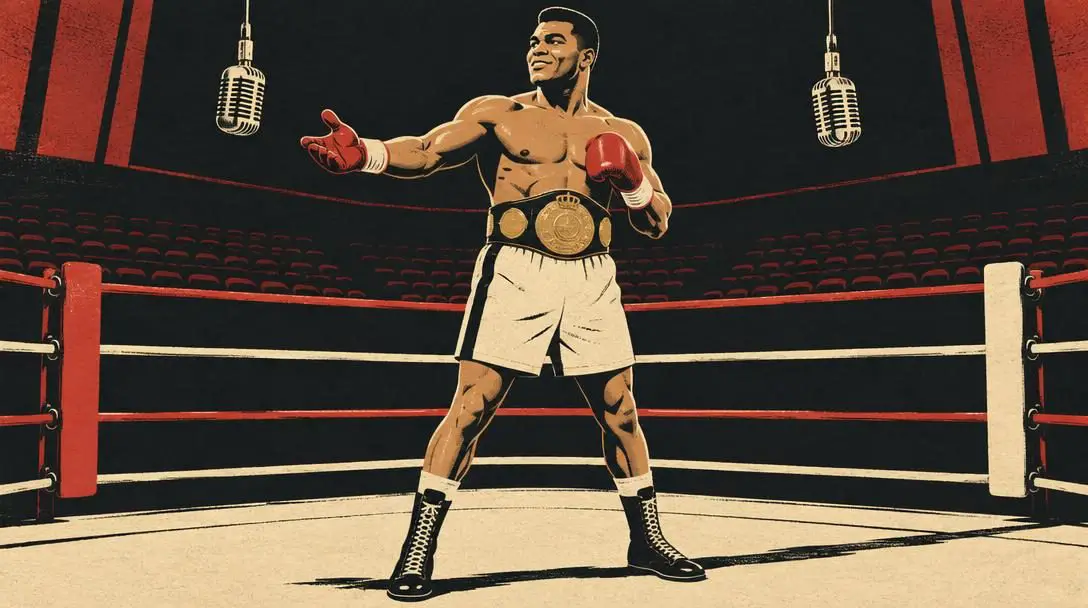
- Key Era: 1960s–1970s Heavyweight Division
- Primary Opponents: Sonny Liston, Joe Frazier, George Foreman
- Core Strategy: Relentless psychological deconstruction of an opponent's pride
- Signature Tactic: Public taunts targeting looks and boxing credibility
Muhammad Ali fundamentally reshaped psychological warfare in professional sports, operating with the belief that no prizefight was purely business. For Ali, every contest was intensely personal, and he deliberately crossed conventional boundaries to ensure adversaries felt humiliated long before entering the ring. Heavyweights like Joe Frazier and George Foreman experienced Ali's relentless personal attacks, but Sonny Liston endured some of his most blistering psychological abuse ahead of their 1964 world championship showdown.
Ali made a deliberate effort to diminish Liston's dignity, calling him ugly and claiming that a world champion must possess striking physical charm like his own. By constantly questioning Liston's intelligence, aura, and standing as a fighter, Ali transformed their championship encounter into an emotional spectacle that completely disrupted the intimidating champion's mental balance before the opening bell sounded.
Dereck Chisora vs. David Haye
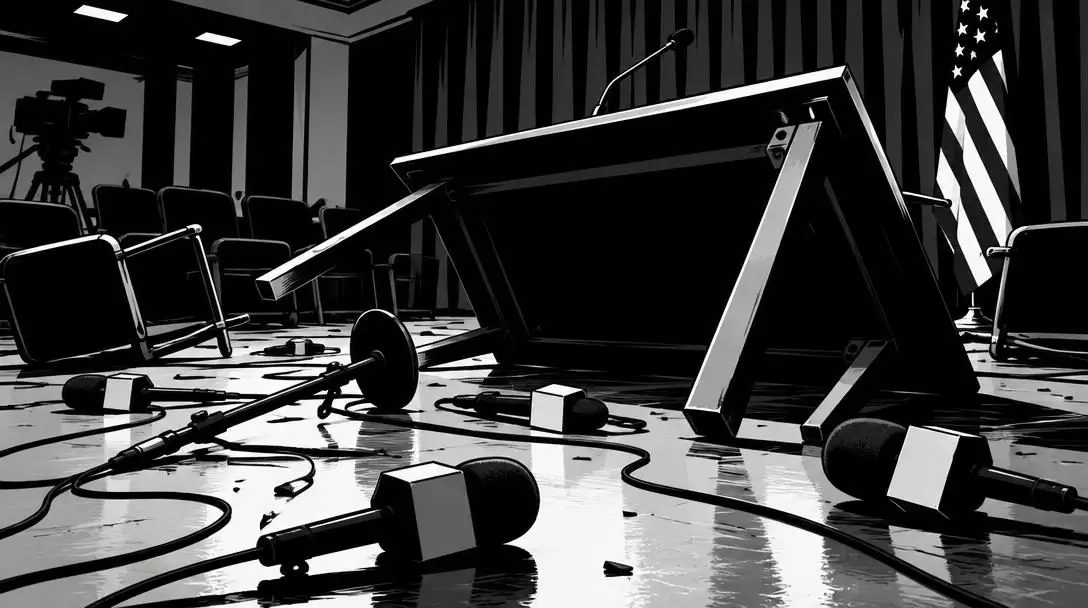
- Year of Sanctioned Bout: 2012
- Catalyst Event: Post-fight media conference altercation
- Extreme Conduct: Threatening physical violence and armed retaliation
- Bout Resolution: Haye via fifth-round technical knockout
While promotional squabbles are often discarded once the opening bell chimes, the bitter feud between Dereck Chisora and David Haye originated outside the ring and was fueled by genuine animosity. Chisora had just defeated Vitali Klitschko in an emotionally charged clash, but the post-fight press conference descended into absolute chaos when Haye appeared in the media room to challenge Klitschko directly from the media gallery. Chisora viewed the sudden intrusion as an unacceptable personal slight that overshadowed his performance.
Chisora quickly left the podium to confront Haye directly, calling him an embarrassment to the sport of boxing. The heated exchange instantly erupted into a physical brawl involving camera equipment and entourages, during which Chisora explicitly threatened to shoot Haye. Promoters capitalized on the genuine hatred by organizing an officially sanctioned match later that year, where Haye settled the personal score inside the ring by stopping Chisora via technical knockout in the fifth round.
Canelo Alvarez vs. Caleb Plant
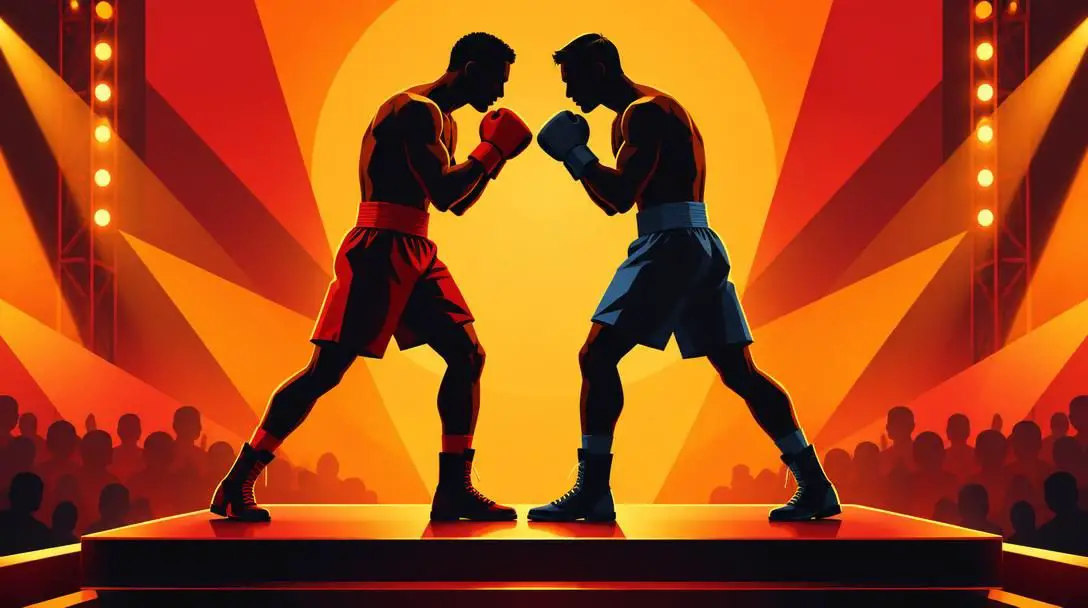
- Year: 2021
- Weight Class: Super Middleweight
- Location: Las Vegas, Nevada
- Climax: Alvarez technical knockout in round 11
The 2021 super middleweight unification between Mexican icon Canelo Alvarez and American titleholder Caleb Plant highlighted how quickly professional pride can devolve into unyielding personal fury. Alvarez is famous for maintaining an ice-cold, methodical demeanor during promotional cycles, but Plant's aggressive verbal barrages pushed the Mexican champion out of his usual comfort zone. Plant's comments prompted Alvarez to declare publicly that their upcoming encounter had become deeply personal.
The tension exploded into open violence during a promotional press event in Las Vegas two months before fight night. An intense face-off resulted in shoves and wild punches on stage, leaving both athletes bloodied from facial abrasions before security could intervene. Alvarez leveled further accusations at Plant regarding performance-enhancing drugs, intensifying the bad blood. However, once inside the ring, Alvarez translated that fury into a ruthless, patient offensive, systematically breaking down Plant before securing an 11th-round technical knockout.
Mike Tyson vs. Evander Holyfield
- Match Era: Late 1990s Heavyweight Championship
- Central Dynamic: Uncontrollable rage versus absolute emotional detachment
- Defining Incident: Ear bite disqualification
- Post-Career Status: Long-term mutual reconciliation and friendship
The rivalry between Mike Tyson and Evander Holyfield produced one of the most shocking moments in sports history, illustrating the stark difference between emotional volatility and mental fortitude. Across their matchups, Holyfield remained composed and spiritually centered, refusing to be drawn into hostile exchanges. Tyson, struggling to implement his offensive game plan against Holyfield's physical strength and defensive timing, allowed intense frustration and bad blood to overtake his discipline.
Unable to regulate his anger, Tyson committed an unprecedented foul by biting off a piece of Holyfield's ear, resulting in his immediate disqualification. Years later, after reflecting on the incident, Tyson admitted that Holyfield never spoke ill of him, confessing that his own miserable remarks stemmed entirely from personal hostility. Holyfield attributed his composure to understanding that Tyson was younger and lacked emotional perspective, allowing him to absorb the verbal onslaught without responding in anger.
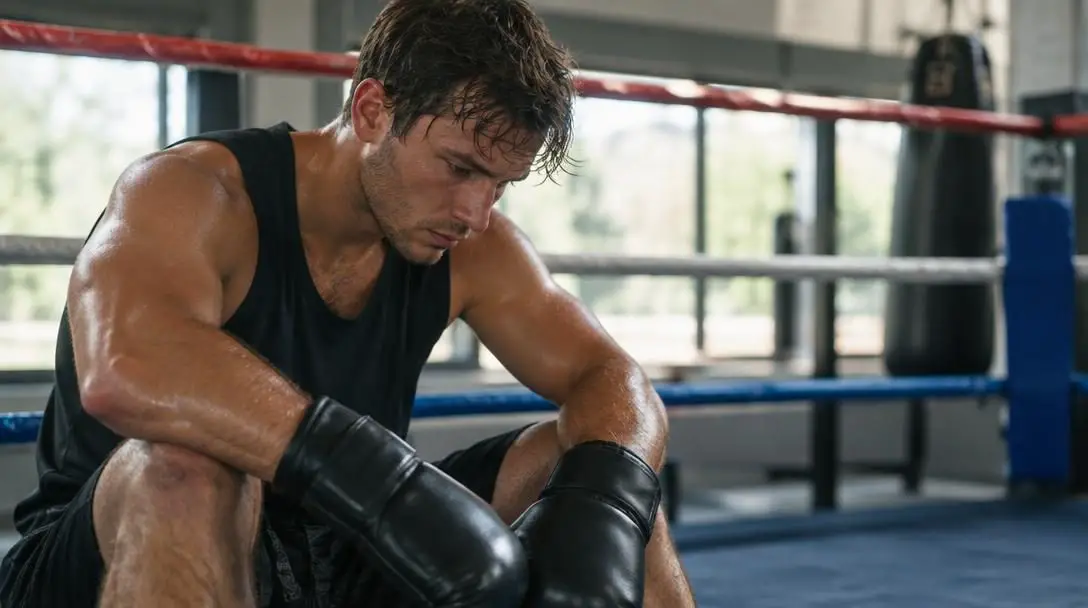
When unbridled rage replaces calculated boxing strategy, even the most formidable power puncher becomes predictable, exhausted, and vulnerable to catastrophic defeat.
The Hidden Cost: How Intense Resentment Alters In-Ring Execution
Emotional stability directly governs a fighter's motor skills, decision-making speed, and defensive vigilance. When personal resentment takes precedence over athletic preparation, the human nervous system reacts in predictable ways that consistently degrade ring performance.
- Loss of strategic discipline: Fighters invest months developing tactical plans to counter their opponent's tendencies. When motivated by intense personal hatred, boxers often abandon their jabs, neglect head movement, and hunt exclusively for a highlight-reel knockout punch that leaves them defensively exposed.
- Premature energy depletion: High emotional stress triggers an uncontrolled release of adrenaline hours before the fight. Athletes who dwell on personal insults suffer severe adrenaline crashes, leading to sluggish legs, heavy arms, and sudden cardiovascular exhaustion midway through the bout.
- Increased susceptibility to counterattacks: An angry competitor lunges forward without establishing proper distance or setting up angles. Elite counterpunchers effortlessly read these overcommitted, telegraphed strikes, landing damaging counterpunches against a reckless opponent.
- Severe risk of fouls and disqualification: Intense animosity erodes self-control under adversity. When a fighter realizes their emotional rage is failing to yield a knockout, they frequently resort to intentional fouls such as rabbit punches, headbutts, low blows, or severe physical misconduct that leads to point deductions and disqualification.
Strategic Mental Conditioning: How Boxers Retain Composure
Navigating the psychological minefield of professional boxing requires deliberate conditioning. Top-tier athletes rely on structured routines to insulate themselves from malicious personal attacks and execute their game plans cleanly.
- Separate entertainment marketing from self-worth: Acknowledge that the vast majority of pre-fight insults are theatrical devices deployed to maximize pay-per-view sales, rather than legitimate assessments of personal character.
- Establish the corner as an objective buffer: Lean heavily on trusted trainers and cornermen to filter out noise, demand emotional neutrality, and direct all focus toward mechanical execution and conditioning.
- Deploy mental visualization and reset cues: Mentally rehearse hostile weigh-ins and aggressive press conferences beforehand, establishing a physical anchor—such as a deep breath or adjusting hand wraps—to instantly regain emotional control.
- Channel volatile aggression into physical output: Reframe anger away from public arguments and direct it into early morning roadwork, sparring rounds, and strength sessions, converting raw emotion into athletic endurance.
Crucial Pitfalls When Rivalries Spin Out of Control
When professional combatants fail to manage personal friction, they repeatedly commit basic strategic blunders that undermine their physical safety, financial security, and athletic legacy.
- Brawling during promotional appearances: Throwing bare-knuckle punches on media stages risks broken hand bones, facial lacerations, and costly legal penalties, jeopardizing the sanctioned contest entirely.
- Attacking strictly off-limits subjects: Insulting an adversary's family, culture, or personal life rarely intimidates them; instead, it often galvanizes the opponent, providing them with immense psychological focus and training discipline.
- Permitting wounded pride to determine tempo: Boxers who feel disrespected frequently rush into hazardous inside brawls to demonstrate masculine toughness, walking directly into the traps of heavy hitters.
- Panicking when an adversary shows zero reaction: Fighters who depend on psychological intimidation often unravel mentally when their opponent remains stoic, leading to deep frustration and reckless in-ring decisions.
Analytical Framework: How to Evaluate Modern Grudge Matches
Evaluating upcoming grudge matches requires looking beyond the loud press conference soundbites to identify whether personal bad blood will benefit or derail a competitor on fight night. Analysts and fight fans should weigh several distinct factors before making predictions.
First, analyze an athlete's historical response to pressure. Some combatants thrive within chaotic environments, harnessing adrenaline to sharpen their reflexes, whereas technical tacticians frequently falter when forced out of an analytical mindset. Second, evaluate the nature of the pre-fight accusations. Arguments centered around training ethics, weight cuts, or corner loyalty typically produce different ring behavior than deep moral grievances or personal slurs. Finally, recognize the reality of post-career reconciliations. As demonstrated by Tyson and Holyfield, the raw, unyielding hostility forged in the heat of world championship competition frequently softens into enduring mutual respect once athletes hang up their gloves and evaluate their history objectively.
Frequently asked questions
Why do boxing rivalries become so intensely personal?
Boxing rivalries often turn deeply personal because fighters routinely target sensitive subjects like family, integrity, and physical dignity to gain a psychological edge. When insults move beyond technical criticism into character assassination, athletes take the confrontation to heart, blurring the line between promotion and real hostility.
Does getting angry in the ring help a boxer fight better?
Controlled aggression can provide explosive power, but genuine uncontrolled anger almost always harms a fighter's performance. Raging boxers frequently abandon defensive fundamentals, telegraph their offensive attacks, and suffer severe cardiovascular exhaustion due to early adrenaline crashes.
What caused Mike Tyson to bite Evander Holyfield's ear?
Tyson's actions in their 1997 rematch stemmed from a total breakdown in emotional composure. Struggling against Holyfield's disciplined inside fighting, physical strength, and calm demeanor, Tyson allowed frustration to turn into unmanaged hostility, ultimately resorting to biting his opponent's ear and getting disqualified.
Can pre-fight press conference brawls cancel a bout?
Yes. Unsanctioned scuffles on promotional stages frequently lead to cuts, broken bones, severe regulatory fines, and athletic commission suspensions that can immediately delay or cancel a multimillion-dollar championship fight.
How did David Haye and Dereck Chisora resolve their bad blood?
Following an unsanctioned brawl at a media press conference where Chisora threatened Haye, promoters organized an officially sanctioned bout later that same year in 2012. Haye settled their bitter feud inside the ring by stopping Chisora via technical knockout in the fifth round.
The Bottom Line
Psychological hostility remains one of boxing's most captivating elements, transforming conventional athletic contests into high-stakes human drama. However, history conclusively shows that prizefighting rewards emotional discipline far more than fiery rage. The combatants who manage to isolate promotional hyperbole from genuine self-worth retain the focus, stamina, and strategic execution necessary to prevail, while those who allow personal resentment to dictate their actions pay a heavy physical and professional price inside the ropes.