5 Cities That Should Host an Olympics
Ever since the Olympic Games began rotating among host cities at the beginning of the 20th century, the International Olympic Committee has repeatedly turned to premier cultural capitals, historic metropolises, and commercial hubs to stage the Summer and Winter competitions. Yet despite boasting economic prowess, immense populations, and deep traditions of athletic excellence, several of the world's most influential cities have never had the opportunity to light the Olympic cauldron.
A survey of international sports geography reveals conspicuous gaps where prominent global capitals have been continually bypassed. While candidates such as Chicago in the United States, Auckland in New Zealand, Brussels in Belgium, and Cairo in Egypt narrowly missed our main selection, five standout global hubs represent the most notable omissions from Olympic hosting history: Toronto, New York City, Madrid, Delhi, and Buenos Aires.
Key takeaways
- Several of the world's most populous and economically dominant metropolises have never hosted an Olympic Games.
- Canada, the United States, and Spain have repeatedly staged the games in secondary cities while bypassing their largest urban centers.
- Infrastructure readiness, high urban density, and competing national priorities like the World Cup have repeatedly altered bidding outcomes.
- Prospective host cities are recalibrating their approaches, shifting toward long-term developmental timelines and potential joint candidacies.
At a glance: Five world cities missing from the Olympic roster
Although each of these metropolises commands immense international prestige, their historical bidding campaigns and future timelines vary dramatically across regions.
| City | Country | Past Bids Documented | Current Stance and Future Outlook |
|---|---|---|---|
| Toronto | Canada | 1960, 1964, 1976, 1996, 2008 | Cooling interest due to the administrative demands of bidding |
| New York City | United States | 2012 (lost to London) | Ramping up exploratory momentum for a potential 2036 campaign |
| Madrid | Spain | 2012 and every consecutive Summer cycle since | Pausing continuous campaigns to prepare a consolidated, all-in bid |
| Delhi | India | None successful to date | Targeting infrastructure modernization for a potential 2048 bid |
| Buenos Aires | Argentina | Exploratory discussions only | Evaluating joint bids while prioritizing an upcoming World Cup host campaign |
The top five global metropolises awaiting an Olympic Games
Each of these five candidate cities presents a distinct blend of athletic legacy, urban scale, and complex civic history that explains both their Olympic absence and their enduring potential as future hosts.
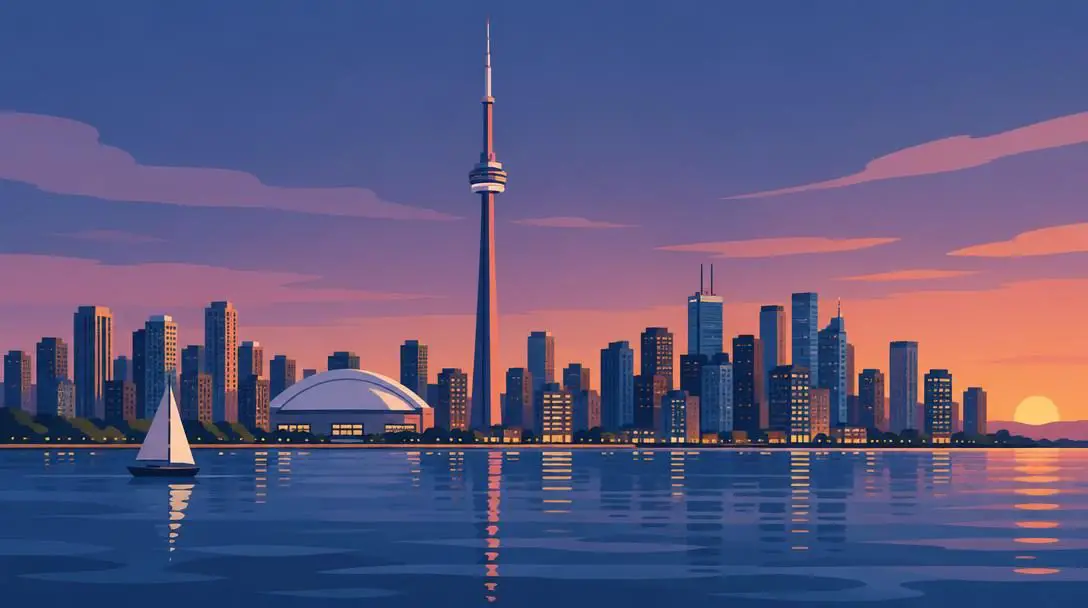
Toronto
- Country: Canada
- Past Summer Bids: 1960, 1964, 1976, 1996, 2008
- National Olympic History: Montreal 1976, Calgary 1988, Vancouver 2010
Canada has welcomed the Olympic Games on three separate occasions across two sporting seasons. Montreal hosted the nation's inaugural Summer Games in 1976, Calgary delivered the country's first Winter Olympics in 1988, and Vancouver served as the second Canadian Winter host in 2010. In contrast, Toronto remains Canada's largest city without a single hosting credit in either seasonal edition.
This absence has not stemmed from a lack of effort. Toronto first entered the international bidding race for the 1960 Games, ultimately losing the vote to Rome. Undeterred, municipal organizers submitted proposals for the 1964, 1976, 1996, and 2008 Summer Games, yet the city was passed over in every single cycle. Following decades of rejection, municipal appetite has cooled significantly. Civic leaders have stated that dedicating immense resources to a full-scale bid and catering to the strict demands of the International Olympic Committee no longer ranks at the top of their priorities.
New York City
- Country: United States
- Closest Regional Games: Lake Placid 1980 (Winter)
- Most Prominent Modern Bid: 2012 Summer Games
- Future Target: 2036 Summer Games
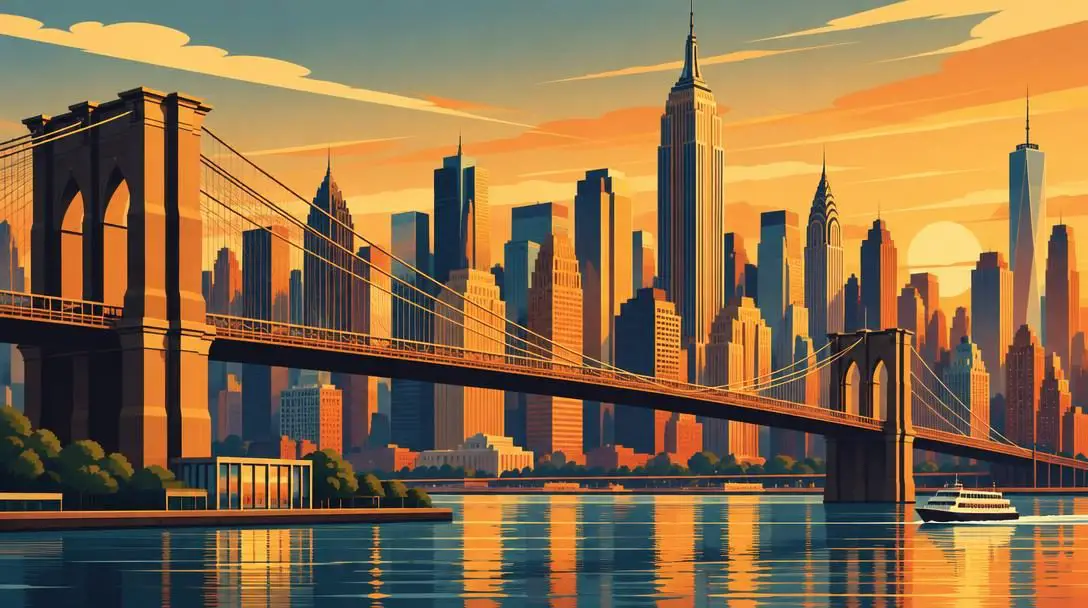
The United States has hosted the Olympic Games more times than any other nation in modern history, yet its most populous metropolis has never held the event. For many international observers, this omission is baffling, especially given that New York City maintains the vast infrastructure, hospitality inventory, and media presence needed to stage an international mega-event.
The nearest the Olympic flame has ever come to the five boroughs occurred when the 1980 Winter Olympics were staged upstate in Lake Placid. New York City mounted an aggressive campaign to secure the 2012 Summer Games, reaching the final stages before the International Olympic Committee chose London instead. Critics have often suggested that the metropolis is simply too dense and congested to accommodate an event of this magnitude, though other densely populated urban capitals have managed the burden before. The window remains open, as civic interest has begun ramping up around a prospective bid for the 2036 Summer Games.
Madrid
- Country: Spain
- Sole National Games: Barcelona 1992 (Summer)
- Bidding Sequence: 2012 and every consecutive Summer cycle
- Strategic Position: Pausing to assemble an all-in campaign
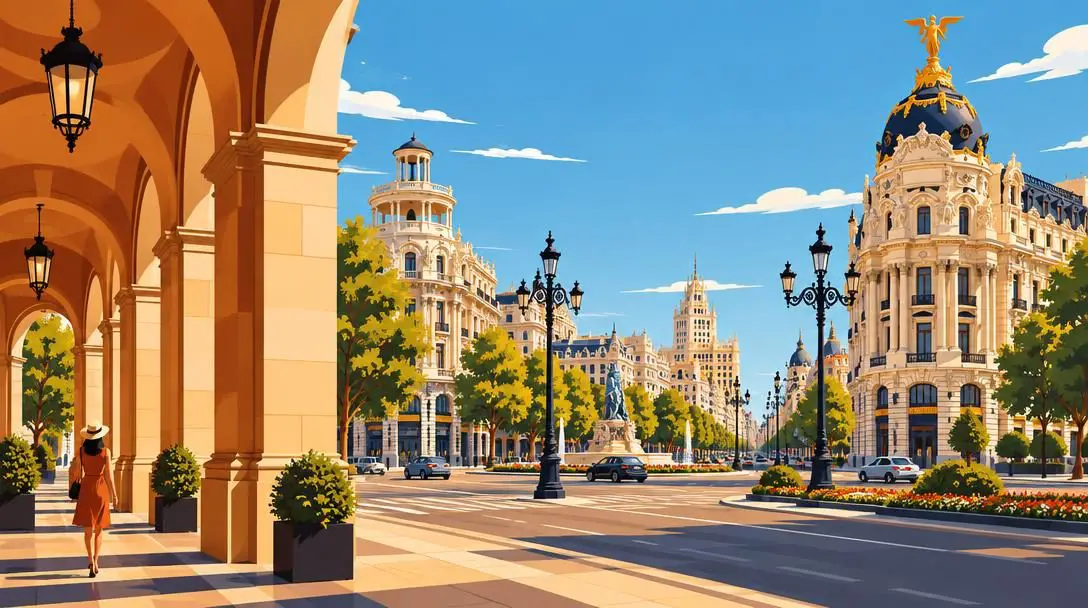
Spain ranks among the most visited and culturally influential destinations in the world, yet it has only hosted the Olympic Games once. That sole event took place during the 1992 Summer Games, but the celebration was staged in Barcelona rather than the Spanish capital. Barcelona's triumph proved that Spain could successfully organize a global sporting spectacle, leading many to believe that Madrid would inevitably receive its turn.
Madrid has pursued that goal with notable persistence. Beginning with the 2012 race, the Spanish capital submitted bids for every consecutive Summer Olympiad. However, suffering continuous defeats over multiple selection cycles took an administrative toll. Confronting repeated disappointment, city officials have discussed stepping back temporarily to recharge their resources, with the intention of later assembling an all-in bid capable of finally bringing the Summer Games to the capital.
Delhi
- Country: India
- Metro Population: More than 28.5 million
- Comparative Scale: Nearly 3 million larger than Shanghai; 7 million larger than São Paulo
- Targeted Edition: 2048 Summer Games
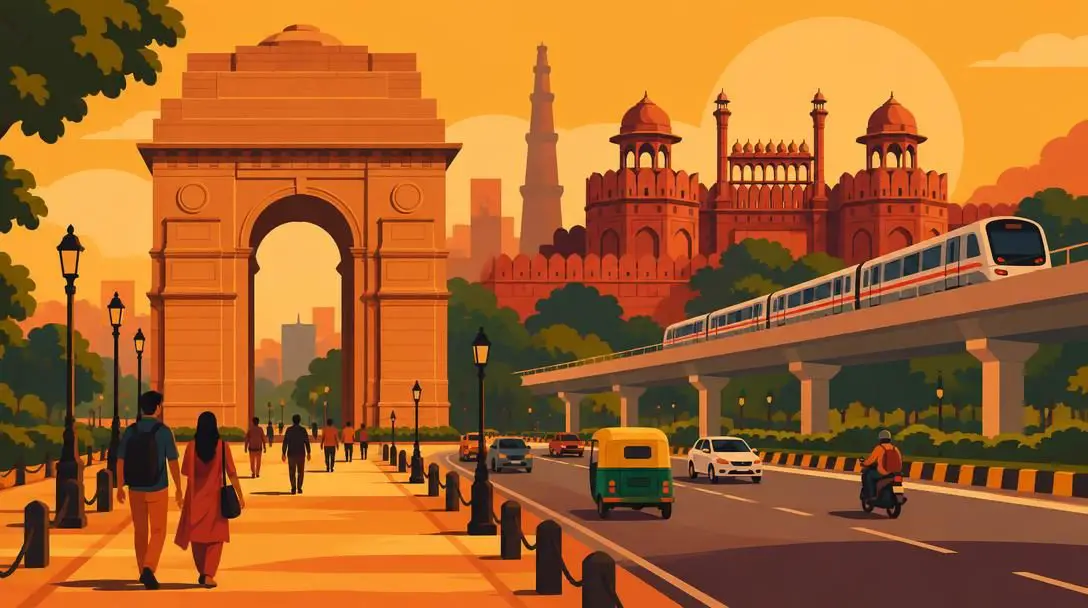
While the world's most populous metropolis, Tokyo, has staged multiple Olympic Games, the planet's second-largest urban center has never come close to doing so. With a population exceeding 28.5 million people, Delhi surpasses other megacities by substantial margins, containing nearly 3 million more residents than third-place Shanghai and roughly 7 million more than fourth-place São Paulo.
The primary barrier preventing Delhi from hosting the Olympic Games has been baseline infrastructure. To address this historical gap, municipal and national officials have initiated phased civic upgrades. Organizers understand that athletic facilities must meet contemporary international standards and that regional transport networks must allow seamless transit for visitors. Driven by these modernizing initiatives, Delhi has established high hopes of hosting the 2048 Olympic Games, which would mark the first Olympiad ever staged in India.
Buenos Aires
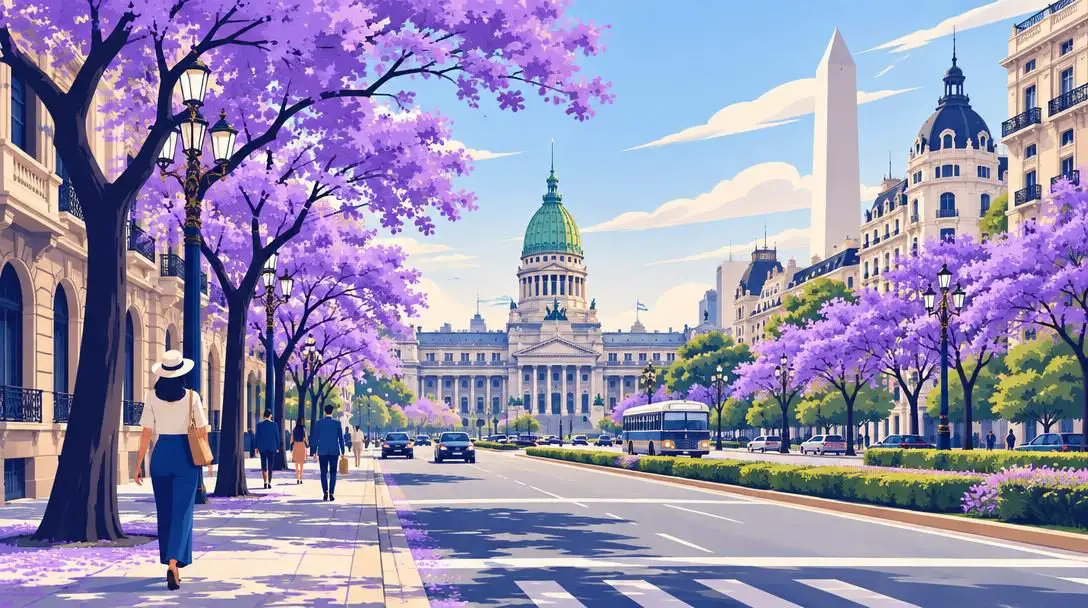
- Country: Argentina
- Continental Context: South America has hosted only once (Rio de Janeiro 2016)
- Alternative Sporting Priority: Hosting an upcoming FIFA World Cup
- Bidding Approach: Exploring joint multi-country candidacies
Argentina boasts a celebrated soccer history and an intensely passionate sports culture, yet it has never staged the Olympic Games. Across the entire continent of South America, the event has taken place only once, when Rio de Janeiro hosted the Summer Games in 2016. For many analysts, Argentina represents the logical next destination for the Olympic movement in South America, with its capital city of Buenos Aires serving as the prime candidate.
Buenos Aires has not yet filed a formal, dedicated bid of its own. Instead, regional sports authorities have explored potential joint bids in collaboration with neighboring nations to share the structural burden. However, progress remains constrained because Argentina has focused its primary sporting and governmental attention on securing another FIFA World Cup. Consequently, any serious Olympic campaign from Buenos Aires may remain on the horizon for some time.
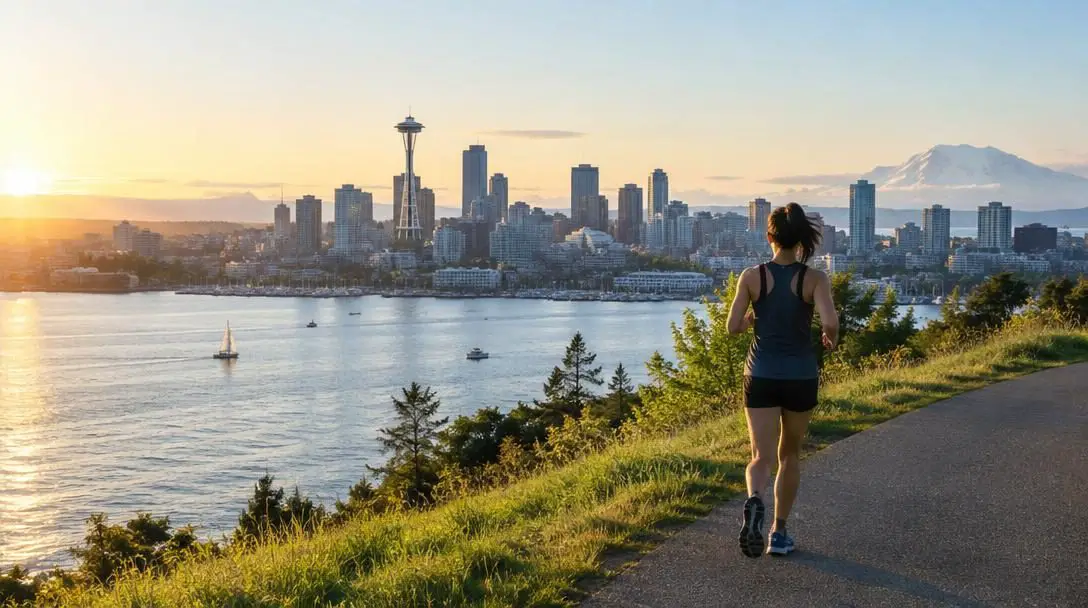
A massive urban population and global cultural renown are never enough on their own to guarantee an Olympic selection.
How Olympic host selection works
Securing the right to host the Olympic Games is an intricate, multi-year administrative journey that blends municipal planning, national politics, and international diplomacy. Understanding the formal bidding framework clarifies why prominent metropolises often stumble along the path.
- Securing Domestic Endorsement: A city must first gain the official blessing of its home territory's National Olympic Committee, beating out domestic rival cities before entering the global arena.
- Entering Continuous Dialogue: The candidate city engages in formal technical consultations with the International Olympic Committee to analyze existing hotel capacity, transportation grids, and venue footprints.
- Providing Financial and Legal Guarantees: Local, regional, and national governments must submit binding financial guarantees committing state resources to cover operational budgets, venue construction, and comprehensive security operations.
- Undergoing Site Inspections and Final Selection: International evaluation commissions conduct detailed technical reviews of the prospective host, culminating in an official vote or targeted selection by the governing committee.
Mistakes cities make when bidding for the Games
A global reputation alone does not guarantee a successful bid. Over the decades, candidate metropolises have repeated several critical missteps that damaged their chances before selection commissions:
- Underestimating Urban Congestion: Relying on existing density without building dedicated transit bypasses causes logistical friction, a recurring concern raised during New York City's Olympic discussions.
- Splitting National Focus Across Mega-Events: Committing financial and organizational capital to competing sports competitions dilutes focus, as seen in Argentina prioritizing a World Cup bid ahead of Buenos Aires' Olympic ambitions.
- Exhausting Public Goodwill: Subjecting local populations to consecutive, expensive bid rejections can trigger severe civic backlash, leading Toronto to step away from active campaigning.
- Premature Bidding Without Infrastructure: Entering the race before transit arteries and competition venues are fully realized leads to early elimination, a reality that prompted Delhi to set a distant target date of 2048.
The evolution of Olympic host selection
The geography of the modern Olympic Games has reflected the shifting political and financial realities of the past century. During the earliest editions, hosting choices were heavily concentrated across Western Europe and North America, frequently decided by informal consensus among committee founders. Over the ensuing decades, the selection process grew into a high-stakes commercial and geopolitical competition.
This shifting landscape produced distinct geographic anomalies. Countries like Canada and the United States saw their hosting opportunities distributed across multiple cities, yet their most prominent financial capitals—Toronto and New York City—were consistently passed over. In Spain, developmental and regional priorities elevated Barcelona in 1992, leaving the capital of Madrid to spend subsequent decades seeking an Olympiad of its own.
At the same time, vast areas of the globe have seen very few Games. South America's representation remains limited entirely to Rio de Janeiro's 2016 staging, while South Asia has never hosted an edition despite housing some of the largest populations in human history. Addressing these historical exclusions remains one of the central challenges facing the future of the Olympic movement.
Frequently asked questions
Why has Toronto abandoned its Olympic bidding efforts?
Toronto submitted bids for the 1960, 1964, 1976, 1996, and 2008 Games without success. Following these repeated rejections, city leadership determined that assembling expensive bid packages to satisfy International Olympic Committee requirements was no longer a civic priority.
Why did New York City fail to win the 2012 Summer Olympics?
New York City mounted a major campaign for the 2012 Summer Games, but the International Olympic Committee ultimately awarded the event to London. Lingering concerns regarding urban congestion, high density, and complex venue logistics played a role in the decision.
What is preventing Delhi from hosting the Games in the near future?
Despite possessing a population of more than 28.5 million residents, Delhi has historically lacked the modernized sporting venues and accessibility infrastructure required by the Olympic Games. City officials are currently implementing upgrades with an eye toward a 2048 bid.
Has South America ever hosted an Olympic Games?
South America has hosted the Olympic Games only once, when Rio de Janeiro, Brazil staged the Summer Games in 2016. Argentina has never hosted the event, though Buenos Aires has explored the concept of submitting a joint bid with neighboring nations.
Why hasn't Madrid hosted the Games despite Spain's previous success?
Spain held a widely acclaimed Summer Olympics in 1992, but the event took place in Barcelona. Madrid launched consecutive bids starting with the 2012 cycle, but after repeated defeats, officials decided to pause and prepare an all-in bid for a future cycle.
The bottom line
The roster of past Olympic hosts includes some of the world's most recognizable cultural centers, yet noticeable geographical oversights remain. Whether due to municipal fatigue in Toronto, logistical hurdles in New York City, strategic pauses in Madrid, developmental delays in Delhi, or competing football priorities in Buenos Aires, each of these five metropolises has legitimate claims to host the Games. As the International Olympic Committee seeks greater geographic balance and sustainable urban models, bringing the Olympic torch to these overlooked capitals could redefine the next century of global athletic competition.