5 Most Memorable NFL Stadiums No Longer in Use
The landscape of professional football has transformed dramatically over the past several decades, especially when evaluating the architectural settings where iconic gridiron battles occurred. While modern franchise operations frequently champion newer facilities as inherently superior, countless spectators, players, and sports historians look back with deep affection on the historic grounds that once anchored the National Football League. These beloved venues showcased an unmistakable grit, unique structural eccentricities, and deep community bonds that today's multi-billion-dollar complexes often struggle to replicate.
Contemporary football arenas are frequently criticized for feeling sterile, corporate, and interchangeable across different television markets. By contrast, classic mid-twentieth-century stadiums developed rich personalities shaped by raucous crowds, unpredictable field conditions, and foundational franchise triumphs. Exploring five of the most memorable lost NFL venues reveals why these decommissioned cathedrals continue to hold such a powerful grip on the football community's collective imagination.
Key takeaways
- Historic NFL venues possessed distinctive structural personalities and intense home-field advantages that modern corporate stadiums struggle to duplicate.
- Iconic venues like the Orange Bowl and Giants Stadium served multiple teams, enduring historic workloads and hosting legendary championship events.
- Shifting economic priorities, luxury suite demands, and evolving safety standards ultimately led to the replacement and demolition of these classic facilities.
- Fans and historians can keep stadium memories alive through archival broadcasts, physical memorabilia, municipal records, and commemorative site visits.
At a glance: Five legendary venues lost to time
Before examining each stadium in depth, this comparison outlines the core operational history, tenant relationships, and eventual fates of these five historic football monuments.
| Stadium | Location | Primary NFL Tenant(s) | NFL Operating Years | Demolition Year |
|---|---|---|---|---|
| Miami Orange Bowl | Miami, Florida | Miami Dolphins | 1966–1986 | 2008 |
| RFK Stadium | Washington, D.C. | Washington Redskins | 1961–1996 | Demolition planned years later |
| Giants Stadium | East Rutherford, New Jersey | New York Giants, New York Jets | 1976–2009 | 2010 |
| Mile High Stadium | Denver, Colorado | Denver Broncos | 1960–2000 | 2002 |
| Pontiac Silverdome | Pontiac, Michigan | Detroit Lions | 1975–2001 | 2018 |
Five iconic NFL stadiums that defined an era
Each of the following venues offered a truly singular home-field atmosphere, leaving behind rich historical footprints long after their grandstands were demolished.
Miami Orange Bowl
- Location: Miami, Florida
- NFL Tenant: Miami Dolphins (1966–1986)
- Super Bowls Hosted: 5 (including 3 of the first 5 and 4 of the first 10)
- Year Demolished: 2008
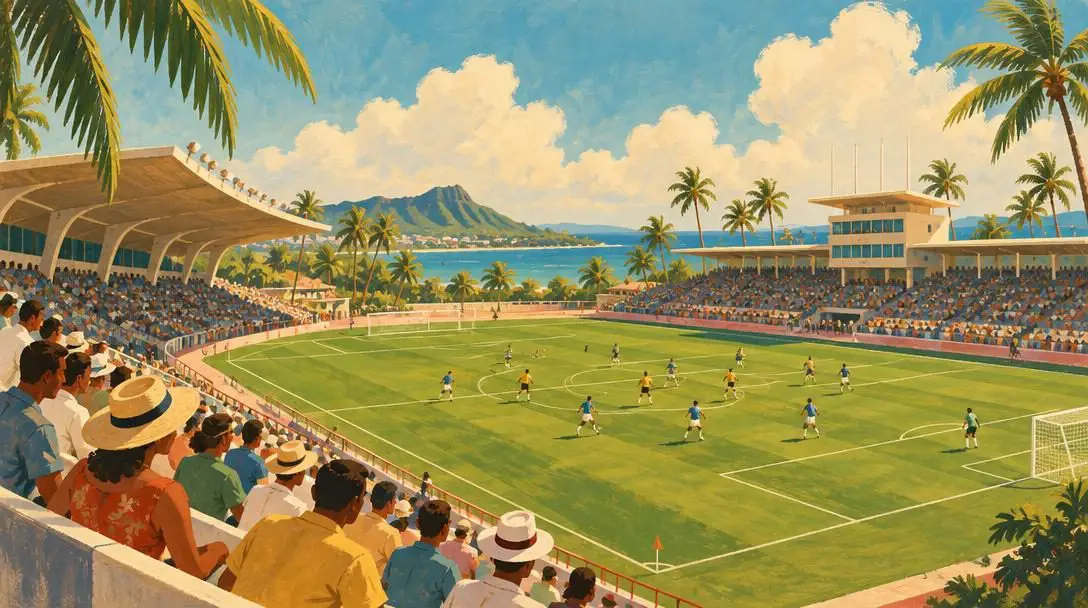
Situated directly inside the municipal limits of Miami, the Miami Orange Bowl occupied a sacred position in both collegiate and professional football lore. While college football enthusiasts revered the venue as the home of the University of Miami Hurricanes from 1937 through 2007, it was equally instrumental in establishing professional football's footprint in South Florida. The Miami Dolphins moved in for their inaugural 1966 season and remained until concluding their home slate in 1986.
The Orange Bowl was steeped in unmistakable tropical quirks. During the middle years of the Dolphins' tenure, fans were delighted by the presence of a live dolphin housed in an end zone tank during home games. The venue also established itself as the league's primary showcase for ultimate supremacy, hosting five Super Bowls, including three of the initial five contests and four of the first ten. Despite decades of historic football, the venue was demolished in 2008 after the Hurricanes vacated the facility to join the Dolphins at Hard Rock Stadium.
RFK Stadium
- Location: Washington, D.C.
- NFL Tenant: Washington Redskins (1961–1996)
- Championships Won On-Site: 3 Super Bowl titles, 5 NFC titles
- Secondary Tenant: Washington Nationals (3 seasons)
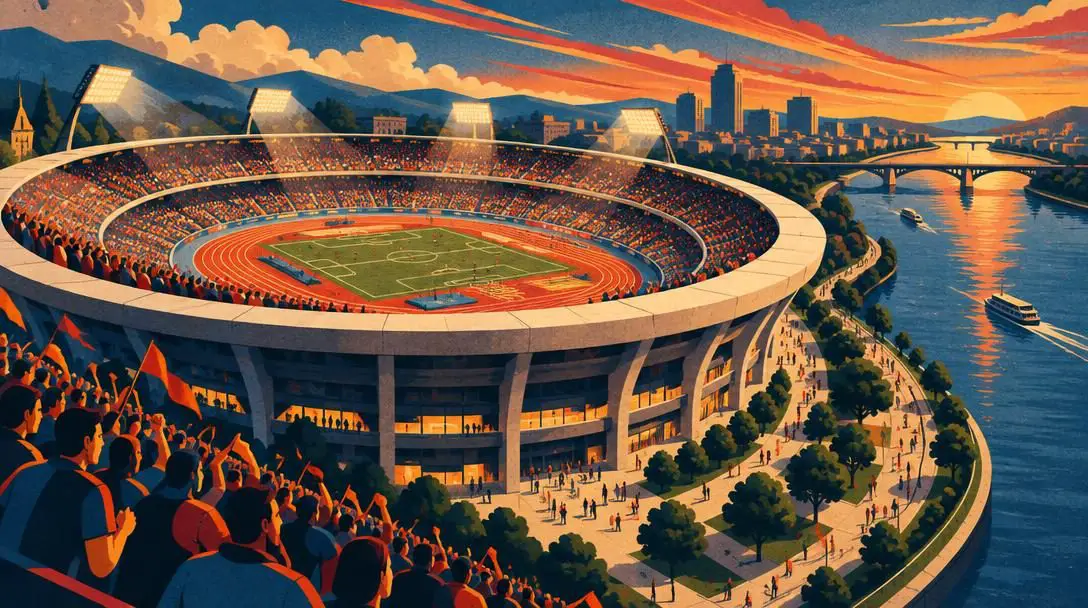
Positioned along the Anacostia River in the nation's capital, RFK Stadium stood as one of the most hostile road venues in professional sports. Although the franchise now competing as the Washington Commanders has struggled to achieve steady success since leaving for FedEx Field in 1997, its run at RFK from 1961 through 1996 marked one of the NFL's premier power dynasties.
Visiting opponents dreaded entering RFK because the impassioned, raucous crowd could transform the physical venue itself into an active weapon. During monumental regular-season clashes and playoff battles, the stands vibrated so intensely that the stadium would literally shake beneath the spectators' feet. That home-field advantage propelled Washington to three Super Bowl championships and five NFC titles during their stay. Following the football team's exit, the venue temporarily housed Major League Baseball's Washington Nationals for three seasons after their move from Montreal, before comprehensive demolition plans were scheduled years later.
Giants Stadium
- Location: East Rutherford, New Jersey
- NFL Tenants: New York Giants (1976–2009), New York Jets (1984–2009)
- Final NFL Game: End of the 2009 NFL season
- Year Demolished: August 2010
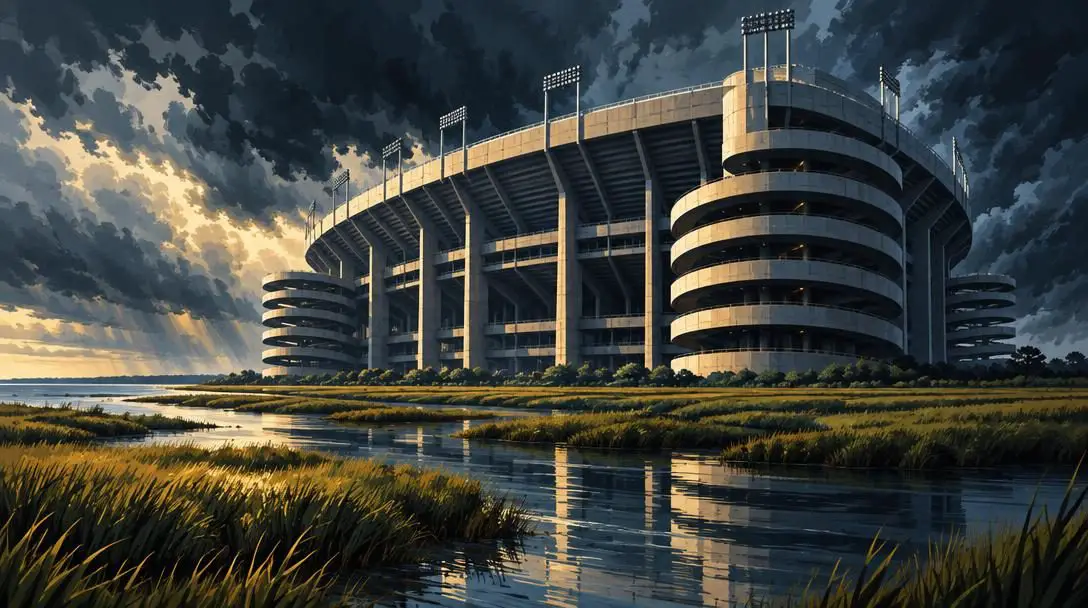
Rising out of the Meadowlands marshes in East Rutherford, New Jersey, Giants Stadium functioned as a towering regional cathedral for tri-state football fans. The New York Giants first opened the venue in 1976, establishing an imposing home base. The building's workload doubled in 1984 when the New York Jets migrated from Queens to share the facility with their crosstown rivals.
Because it supported two different NFL franchises across multiple decades, Giants Stadium hosted far more NFL contests than any other venue in the sport's history by a wide margin. That constant exposure turned its spiraling concrete ramps and wind-swept end zones into iconic backdrops for historic triumphs, bitter weather, and fierce AFC and NFC rivalries. The building's long run finally ceased with the conclusion of the 2009 NFL regular season. Demolition crews arrived shortly thereafter, bringing the massive structure down in August 2010 to make room for adjacent MetLife Stadium.
Older grounds possessed an unmistakable grit and community-centered identity that modern multi-billion-dollar structures frequently struggle to replicate.
Mile High Stadium
- Location: Denver, Colorado
- NFL Tenant: Denver Broncos (1960–2000)
- Peak Seating Capacity: Exceeded 76,000 seats
- Year Demolished: 2002
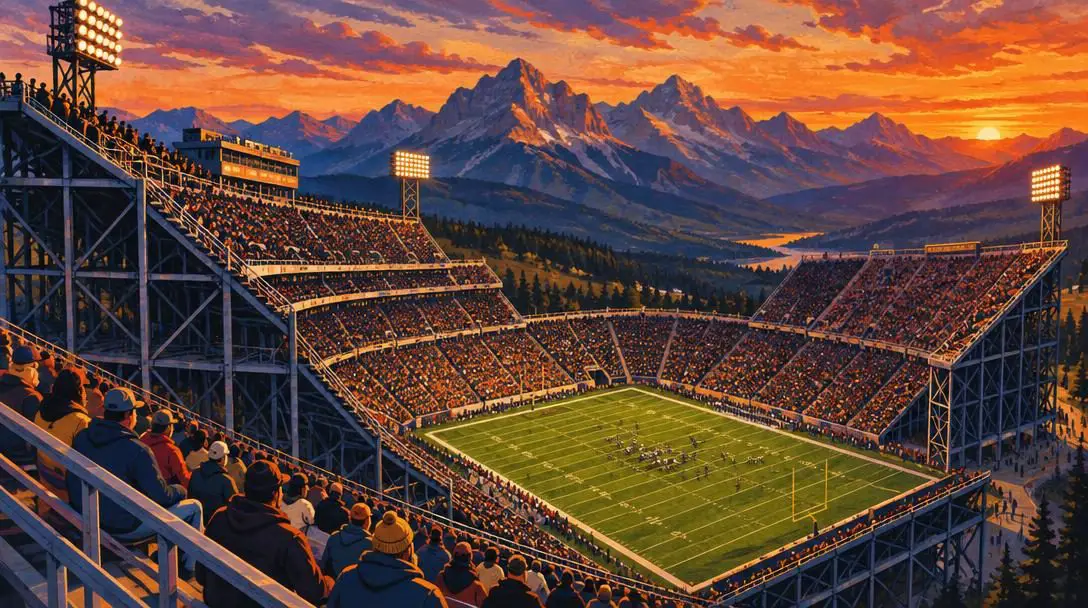
Few grounds presented as formidable a physical and mental test for visiting rosters as Denver's Mile High Stadium. Celebrated for its deafening atmosphere during the championship runs of the 1990s—when John Elway spearheaded offensive masterclasses and players popularized the iconic Mile High Salute after scoring touchdowns—the stadium originated from humble roots. The facility initially opened in 1948 as an 18,000-seat minor league baseball park constructed atop an abandoned landfill.
When the Denver Broncos joined the American Football League and later the NFL in 1960, the venue initiated a series of structural overhauls. Major expansions throughout the 1970s and 1980s pushed its capacity past 76,000 seats, turning metal bleachers into thunderous noisemakers as fans stomped during crucial defensive stops. Mile High housed the franchise through the 2000 season before the team transitioned in 2001 to a modern facility whose corporate naming rights have rotated multiple times. The original Mile High Stadium was demolished in 2002.
Pontiac Silverdome
- Location: Pontiac, Michigan
- NFL Tenant: Detroit Lions (1975–2001)
- Notable Non-NFL Events: WrestleMania III, 1994 World Cup, 1979 NBA All-Star Game
- Year Demolished: March 2018
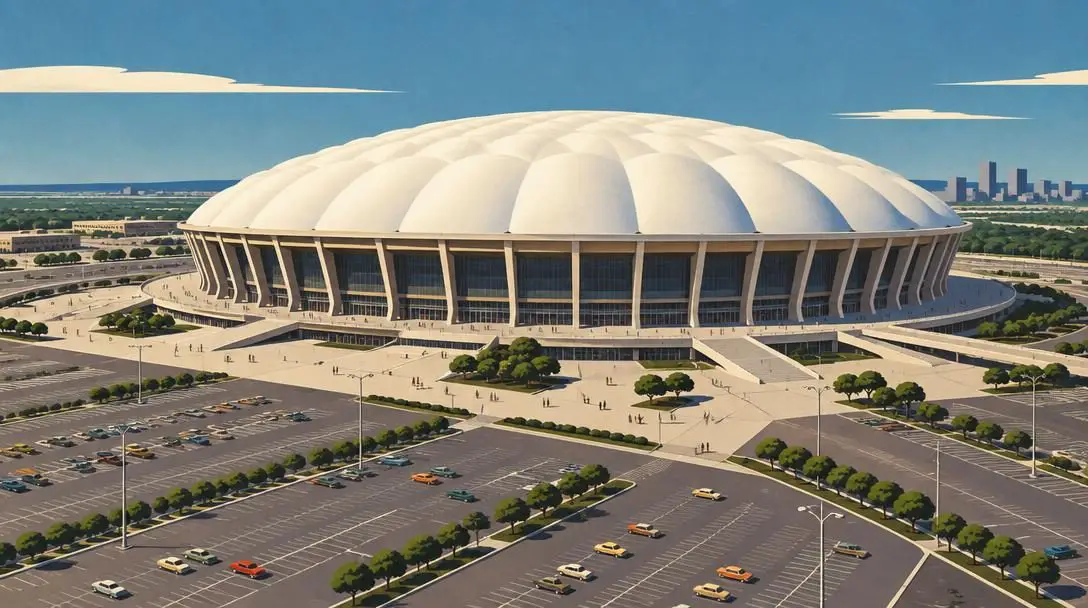
Representing the peak of mid-1970s dome engineering, Michigan's Pontiac Silverdome stood out primarily for its cavernous size. Opening in 1975 to serve as the new home of the Detroit Lions, the fiberglass-roofed dome sat a noticeable distance outside downtown Detroit in suburban Oakland County, yet it anchored the regional sports community for decades. For an extended period, the Silverdome held the distinction of being the largest operating venue in the entire NFL.
Beyond hosting legendary running back performances on fall Sundays, the dome proved adaptable enough to stage landmark global entertainment. It welcomed massive crowds for WrestleMania III, historic international fixtures during the 1994 FIFA World Cup, and the 1979 NBA All-Star Game. However, as the Lions sought modern amenities, they relocated to Ford Field, moving into a noticeably smaller, downtown venue. Left behind without permanent anchor tenants, the vacant dome sat silent for years until a series of fumbled demolition attempts was finally completed in March 2018.
The lifecycle and demolition of historic football grounds
Major professional football stadiums do not disappear overnight. Instead, they progress through a distinct structural, commercial, and operational lifecycle that dictates when their useful lifespan has reached its end.
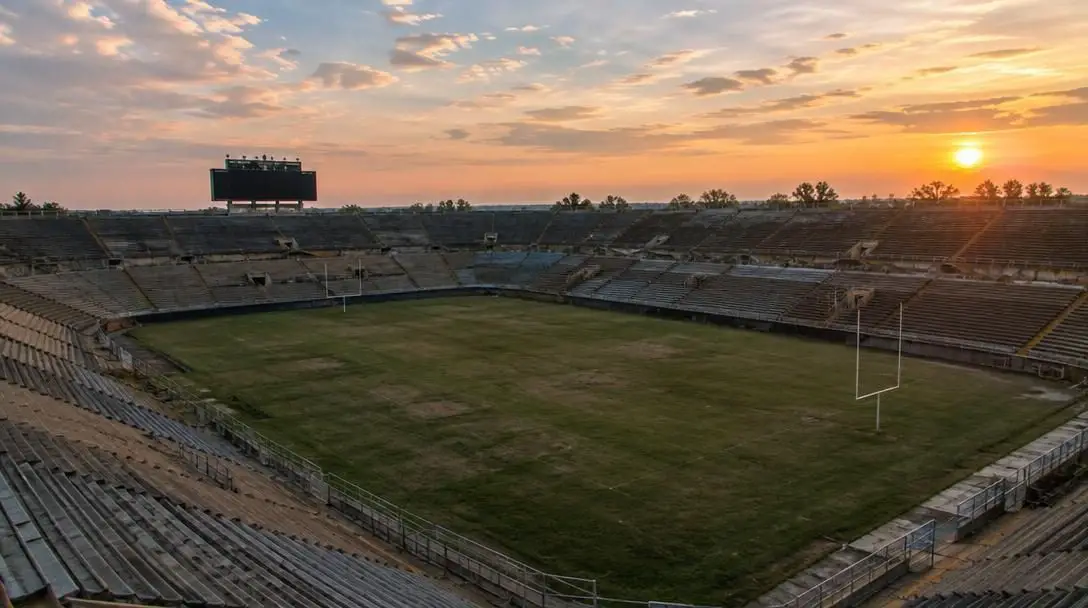
- Initial Construction and Multi-Sport Planning: Mid-century venues were frequently commissioned as multi-purpose facilities designed to satisfy both baseball and football configurations. Prioritizing sightline flexibility and vast bleacher space, stadiums like Mile High and RFK accommodated diverse athletic formats with basic patron accommodations.
- Capacity Expansions and Renovations: When the NFL exploded in television and gate popularity through the 1970s and 1980s, clubs enlarged their seating bowls. Venues like Mile High scaled from compact minor-league roots into towering municipal bowls seating more than 76,000 people.
- High-Density Scheduling and Wear: Stadiums that hosted heavy traffic experienced accelerated physical degradation. Giants Stadium, bearing the dual workloads of both the Giants and the Jets for decades, handled unprecedented regular-season and playoff scheduling that placed immense strain on playing surfaces and foundational infrastructure.
- Obsolescence Driven by Luxury Demands: By the 1990s, modern leagues demanded dedicated luxury suites, specialized club lounges, and integrated retail concourses. Because older concrete bowls could not easily retrofit these revenue-generating spaces, teams chose to build anew, prompting moves like the Lions trading the Silverdome for Ford Field.
- Decommissioning, Transition, and Razing: Once teams departed, venues either hosted transitional tenants—such as the Washington Nationals playing at RFK for three seasons—or sat derelict. Demolition was carried out rapidly in some instances, like Giants Stadium falling in August 2010, while other structures like the Silverdome lingered through failed implosion attempts before final leveling.
How fans and historians can preserve lost stadium heritage
Although these five iconic structures have vanished from the horizon, sports historians, archivists, and fans can take concrete steps to document, celebrate, and preserve their cultural contributions.
- Visit Commemorative Markers and Footprints: Many modern replacement facilities sit directly adjacent to or atop historical sites. Exploring historical plaques, team heritage walls, and stadium footprint markers in Miami, Denver, and East Rutherford links modern visits directly to the past.
- Review Archival Broadcasts and Film: Re-watching vintage game film provides firsthand exposure to the raw acoustic profiles, unique camera angles, and passionate crowd behaviors that defined landmarks like the Orange Bowl's Super Bowls or Elway's late-game drives at Mile High.
- Examine Municipal Redevelopment Archives: City council filings and municipal planning documents in Washington, D.C., Pontiac, and Miami detail the intricate zoning, environmental remediation, and urban planning steps involved when massive sports properties transition to parks or commercial areas.
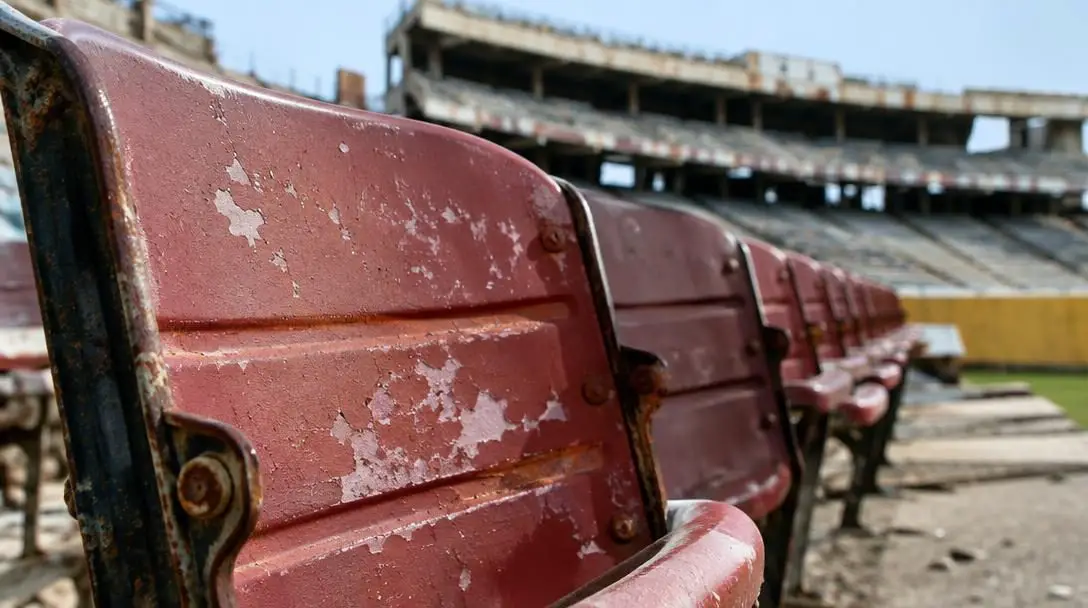
- Collect and Conserve Authentic Artifacts: Physical relics such as original wooden or plastic stadium seats, printed game day programs, turnstiles, and authentic photography serve as tangible historical records that warrant proper environmental preservation.
- Support Regional Sports Historical Societies: State and local archives across Florida, Michigan, Colorado, New Jersey, and Washington, D.C., maintain architectural blueprints, oral recordings, and photo negatives that document the cultural heritage of these landmark venues.
Common misconceptions when comparing vintage and modern arenas
Discussions regarding historic sports arenas frequently tilt toward either romanticized nostalgia or unfair dismissal. Analyzing these venues objectively requires understanding the realities behind several common misconceptions.
- Equating Raw Size with Superior Atmosphere: Having more seats does not automatically produce a superior fan experience. The Pontiac Silverdome was the largest stadium in the league, yet the Lions willingly traded that massive capacity for Ford Field, a significantly smaller venue that created a more modern, downtown-focused dynamic.
- Overlooking Structural and Safety Deficiencies: While the kinetic energy of RFK Stadium bouncing under the feet of cheering fans is fondly remembered, older concrete bowl designs often struggled to satisfy modern accessibility requirements, building codes, and egress logistics.
- Assuming Demolitions Happen Quickly: A stadium does not simply vanish once the final whistle blows. RFK Stadium remained standing for years while demolition planning dragged out, and the Pontiac Silverdome stood abandoned through multiple fumbled demolition attempts before finally coming down in March 2018.
- Ignoring Dual-Tenant Logistical Wear: Fans frequently celebrate Giants Stadium for hosting more games than any other venue without recognizing the operational stress involved. Managing two full NFL schedules inside one building created brutal wear on turf and support areas that modern stadium operators avoid whenever possible.
- Believing Modern Venues Lack Real Utility: While modern stadiums are often criticized for their corporate aesthetics, they provide improved mass transit connections, superior climate control, elevated patron comfort, and year-round multi-use operations that vintage grounds, often built on suburban sites or old landfills, rarely provided.
Looking ahead: The future of football stadium architecture
As the National Football League continues to build the next generation of athletic venues, the lessons learned from the lifecycles of the Orange Bowl, RFK Stadium, Giants Stadium, Mile High, and the Pontiac Silverdome remain profoundly relevant.
Sustainable decommissioning has become an industry requirement. Rather than relying on sudden explosive implosions, modern municipalities and developers prioritize systematic deconstruction. Materials such as concrete, steel rebar, and specialized wiring are increasingly salvaged and repurposed to reduce the environmental footprint left when a multi-ton stadium is retired.
Furthermore, urban integration has replaced suburban isolation. The contrast between the Pontiac Silverdome, stranded amid miles of parking lots in suburban Oakland County, and Ford Field in downtown Detroit demonstrates the value of municipal transit links and walkable restaurant districts. Modern teams recognize that an arena must connect seamlessly with its surrounding neighborhoods.
Finally, modern venue architects must continue solving the challenge of genuine atmosphere. While expansive VIP lounges and cutting-edge digital boards generate essential revenue, stadiums ultimately endure in public memory because of their energy. By engineering steeper grandstands, reflective roof panels, and intimate bowl sightlines, contemporary planners strive to recapture the roaring, ground-shaking acoustics that once made these five lost venues unforgettable.
Frequently asked questions
Which historic NFL stadium hosted the most games in league history?
Giants Stadium hosted far more NFL contests than any other venue by a wide margin. Because it served as the shared home stadium for both the New York Giants beginning in 1976 and the New York Jets starting in 1984, the facility endured an unprecedented double schedule for decades before closing after the 2009 NFL season.
Why did the stands shake during games at RFK Stadium?
During the Washington franchise's dominant run from 1961 through 1996, the crowd was exceptionally impassioned and rowdy. The physical structure featured flexible grandstands originally engineered for baseball conversions, which allowed the stands to literally vibrate and bounce when fans jumped together in unison.
How many Super Bowls were played at the Miami Orange Bowl?
The Miami Orange Bowl hosted five Super Bowl games throughout its operational lifespan. This included hosting three of the first five Super Bowls ever played, as well as four of the first ten championship matchups.
What was Mile High Stadium before the Denver Broncos played there?
Mile High Stadium originally opened in 1948 as an 18,000-seat minor league baseball park constructed over a former landfill. It was expanded significantly after the Broncos began play there in 1960, eventually growing into a massive football venue holding more than 76,000 spectators.
Why was the Pontiac Silverdome demolished after sitting vacant?
The Detroit Lions vacated the Pontiac Silverdome after the 2001 season to relocate to Ford Field, a modern venue in downtown Detroit. After sitting vacant without a primary tenant, the aging dome became economically obsolete and was torn down in March 2018 following multiple failed demolition attempts.
The bottom line
The Miami Orange Bowl, RFK Stadium, Giants Stadium, Mile High Stadium, and the Pontiac Silverdome each played an indispensable role in shaping modern football history. While shifting commercial expectations, corporate suite economics, and changing municipal preferences ultimately led to their demolition, these classic venues left an indelible mark on the sport. By studying their lifecycles, preserving their physical artifacts, and remembering the roaring atmospheres that defined them, football fans ensure that the grit, character, and soul of these iconic grounds will never be forgotten.