5 Common Foods That Cause Indigestion
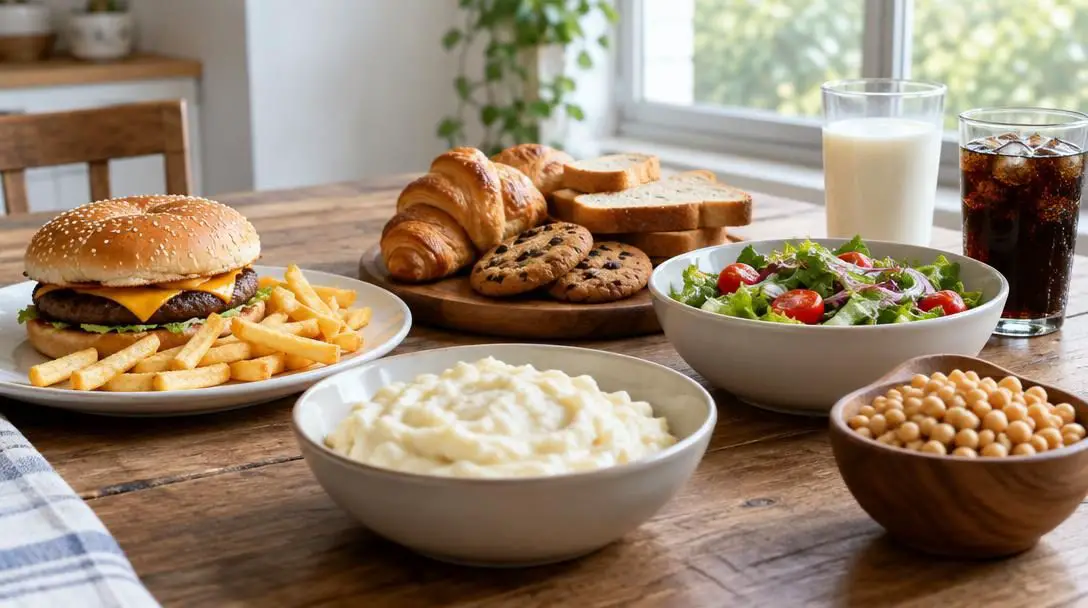
Indigestion is recognized globally as one of the most widespread physical ailments, disrupting daily life regardless of cultural background, geography, or age. In the United States alone, roughly 25 percent of the population experiences regular bouts of digestive distress each year. This persistent condition can transform ordinary meals into an experience marked by abdominal distension, sharp tummy pain, excessive gas, and acid reflux.
While recurring stomach troubles are frequently exacerbated by external influences such as chronic psychological stress, tobacco smoking, alcohol intake, and underlying medical disorders, daily nutritional choices remain the primary catalyst for gastrointestinal friction. When the digestive tract encounters ingredients that resist smooth processing, the resulting strain impairs physical comfort, productivity, and everyday well-being. Identifying which foods consistently provoke symptoms is the most dependable path toward restoring balance.
Key takeaways
- Roughly one-quarter of the American population experiences regular indigestion each year, with dietary choices acting as the primary trigger.
- High-fat items like cheese, greasy meats, and commercial chips delay stomach emptying and trigger reflux by increasing intragastric pressure.
- Spicy seasonings can irritate the delicate protective mucous lining of the gut, provoking rapid cramping and abdominal swelling.
- Beans trigger severe bloating because human physiology lacks the specific enzymes needed to break down complex oligosaccharide sugars in the small intestine.
At a glance: Common dietary triggers and alternatives
| Food Category | Primary Problem Compound | Typical Symptoms | Smarter Culinary Alternatives |
|---|---|---|---|
| Cheese | High saturated fat content | Bloating, gas, tummy discomfort, acid reflux | Minimal portions used strictly as flavor accents |
| Fatty Meats | Dense animal fats | Prolonged heaviness, reflux, stomach distress | Turkey bacon, chicken bacon, turkey sausage, white poultry |
| Spicy Foods | Pungent, mucosal-irritating compounds | Mucosal inflammation, burning, bloating, cramping | Gentle, aromatic herbs and non-peppery spices |
| Chips | Concentrated fat (often over 12g per serving) | Rapid bloating, heavy fullness, gastric strain | Baked chips, popcorn, pop chips, seaweed or rice cake chips |
| Beans | Indigestible oligosaccharide sugars | Severe gas, sharp lower tummy pain, distension | Smaller portions, OTC digestive enzyme aids |
The 5 common culprits behind digestive distress
Although individual biological tolerances and food sensitivities vary, clinical observation and nutritional research point to a consistent group of foods that routinely provoke stomach upset. Recognizing these common triggers allows you to make deliberate adjustments without sacrificing meal satisfaction.
Cheese

Cheese remains a beloved staple across global culinary traditions, offering genuine nutritional advantages like high concentrations of calcium and a solid supply of dietary protein. Despite these positive attributes, eating cheese in generous portions frequently results in an aggravated digestive system. The core physiological issue lies in its high concentration of saturated fats.
Foods rich in dense fats require tremendous metabolic work and extended enzymatic breakdown. When digested in substantial volumes, cheese frequently incites symptoms such as severe bloating, excess gas, localized tummy discomfort, and acid reflux. To prevent this dairy product from overwhelming your stomach, it should be enjoyed sparingly as an occasional flavor accent rather than the centerpiece of a meal.
Fatty Meats
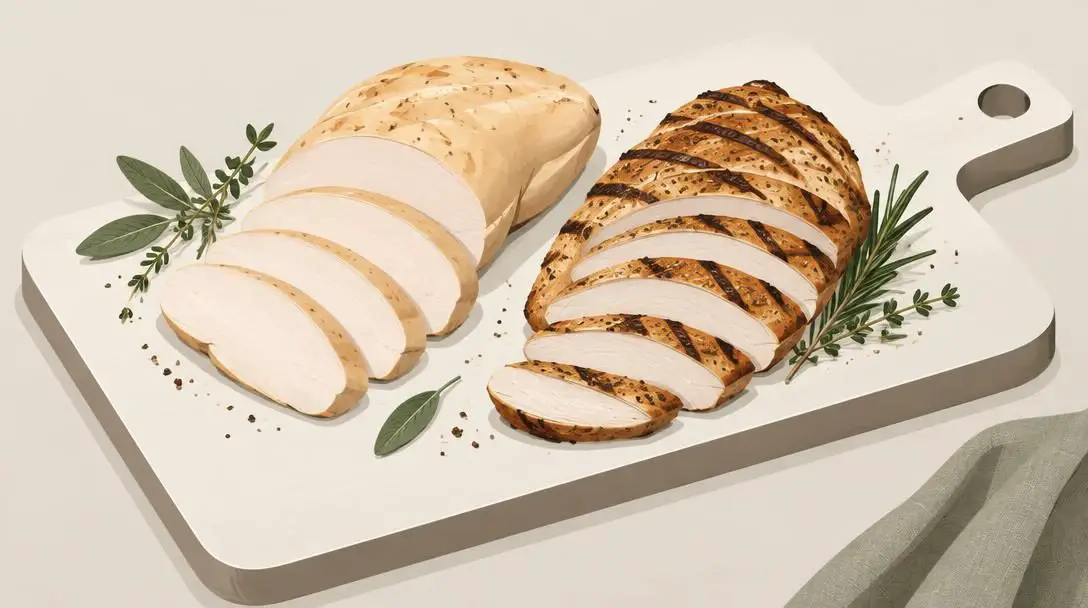
Heavy, fat-laden meats represent another major dietary group responsible for frequent gastrointestinal distress. Nutritional science demonstrates that dense animal fats place immense metabolic stress upon the digestive tract. Specific culinary examples that routinely instigate physical discomfort include traditional pork bacon, heavily marbled steaks, pork sausages, beef sausages, and ground beef blends prepared with a high fat-to-lean ratio.
These hefty proteins linger within the stomach cavity for an extended duration, exhausting gastric mechanisms and provoking noticeable physical strain. Fortunately, you do not need to cut satisfying proteins from your diet entirely. Leaner options provide clean protein without the digestive penalty, including turkey bacon, chicken bacon, lean poultry cuts, turkey sausage, leaner cuts of beef, and extra-lean ground meats.
Spicy Foods
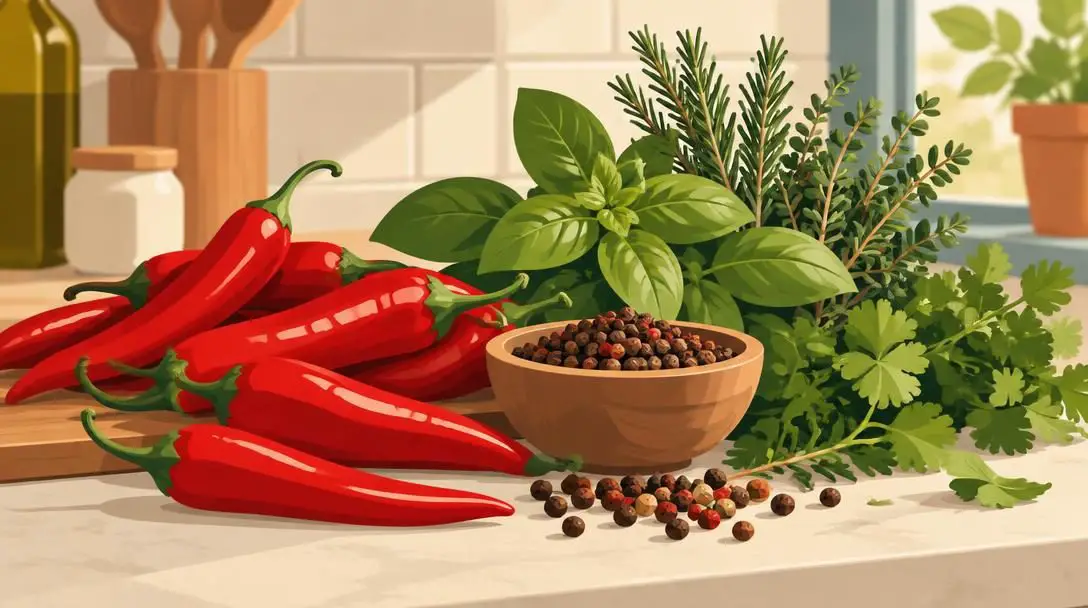
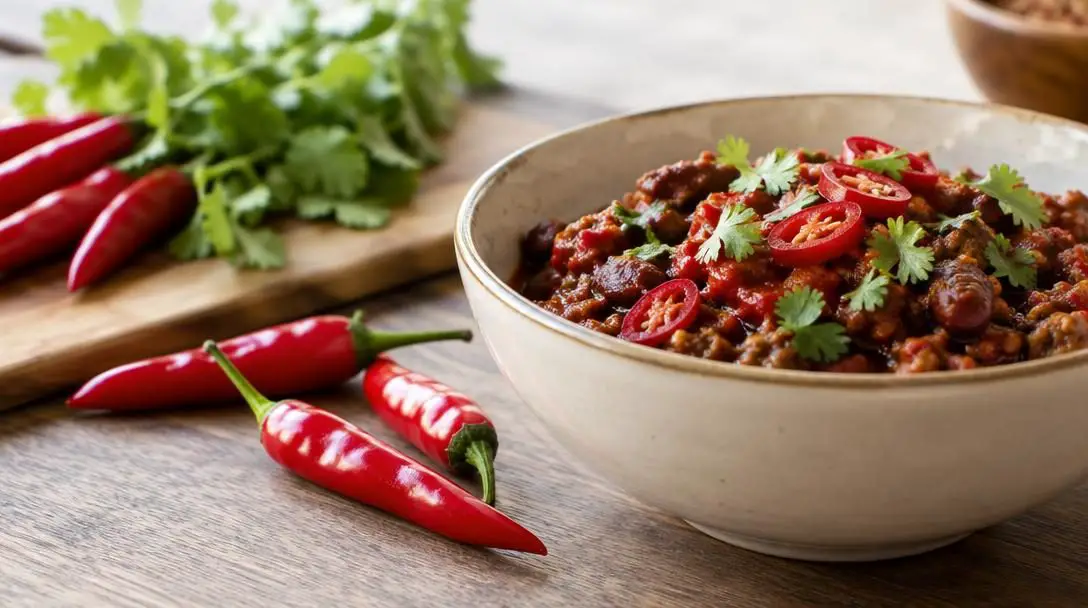
Spicy ingredients are celebrated across the world for their vibrant culinary profiles, yet they remain a primary trigger for individuals prone to gastrointestinal irritation. Fiery seasonings can directly inflame the delicate mucous lining shielding the stomach and intestinal tract, rapidly instigating painful abdominal bloating and generalized tummy distress.
Offenders within this culinary group include cayenne pepper, chili powder, black pepper, white pepper, buffalo sauces, fiery bottled hot sauces, and diverse spicy pepper varieties. If you appreciate bold flavors but have a sensitive stomach, moderation is essential. Dynamic, flavorful meals can still be crafted by swapping out fiery peppers for robust, non-irritating herbs and gentle spices that lend depth without burning the gut lining.
Chips
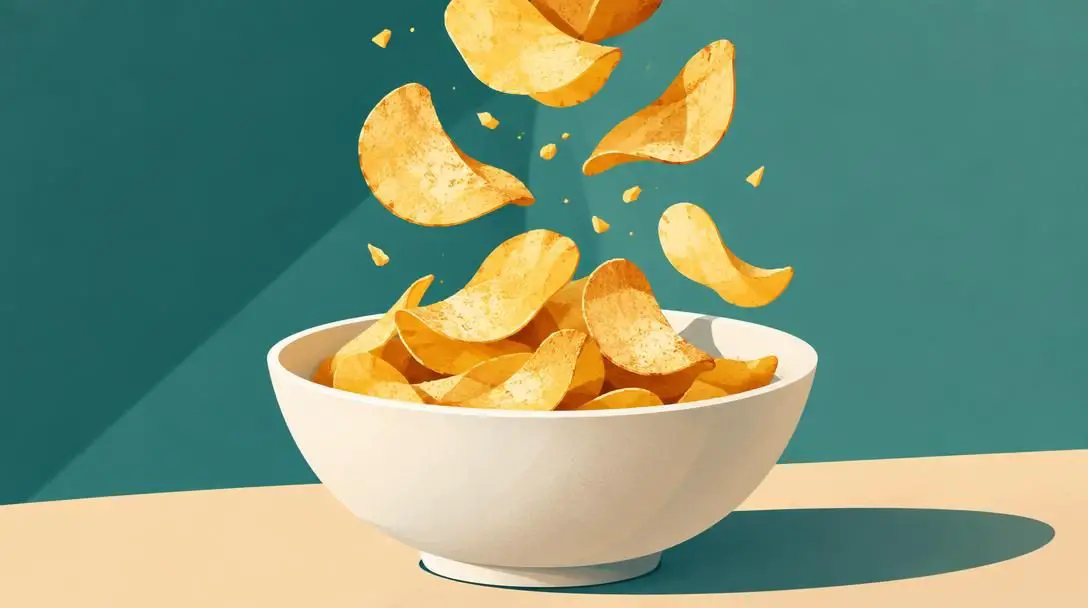
Packaged chips are among the most popular snack foods worldwide, prized for their salty flavor and crisp texture. However, conventional fried chips create severe hurdles for balanced gastrointestinal function. The primary concern is their dense fat concentration: a standard single serving of traditional chips often delivers over 12g of fat.
This nutritional density is made worse by hyper-palatability, which makes portion control remarkably difficult. Eating several servings in one sitting causes a sudden, concentrated load of fat to hit the stomach, triggering profound bloating and heaviness. To enjoy a satisfying crunch without gastrointestinal distress, look to widely available low-fat alternatives such as baked chips, air-popped popcorn, pop chips, seaweed snacks, or rice cake chips.
Despite the influence of lifestyle factors and medical conditions, what you eat remains the most common reason for indigestion.
Beans

Beans are frequently celebrated by nutritionists for their rich nutritional density, delivering abundant dietary fiber alongside healthy plant-based protein. Despite this healthy reputation, legumes are notorious for sparking severe bouts of indigestion marked by sharp tummy discomfort, severe gas, and visible abdominal swelling.
This physical reaction is not an allergic response, but a straightforward biological inevitability rooted in complex carbohydrate chemistry. Beans contain large amounts of a complex sugar molecule known as an oligosaccharide. The human digestive tract naturally lacks the specialized enzyme required to cleave and absorb these sugars in the small intestine. Consequently, the intact sugars travel directly into the lower gastrointestinal tract, where bacterial fermentation produces significant gas.
How indigestion works in the body
Gaining an understanding of the physiological pathways that activate after consuming problem foods helps clarify why particular meals trigger distress. Natural digestion relies on an organized sequence of smooth muscle contractions, targeted enzymatic secretions, and balanced gastric acid levels. When challenging foods enter this environment, the digestive process is disrupted in distinct ways depending on the chemical structure of the ingredients.
High-fat foods like full-fat cheeses, fatty meat cuts, and oil-fried chips require prolonged biochemical breakdown. Fat naturally delays gastric emptying, forcing food to remain within the stomach chamber far longer than lighter fare. This delay generates mounting internal pressure as the stomach distends, yielding feelings of prolonged fullness and tummy distress. At the same time, this elevated intragastric pressure can force open the lower esophageal sphincter, permitting harsh stomach acid to flow upward into the esophagus and trigger acid reflux.
In contrast, spicy meals create physical discomfort through direct chemical irritation. The pungent compounds found in cayenne, chili powder, and hot sauces irritate the sensitive mucosal barrier lining the stomach walls. This direct contact provokes localized inflammation, rapid fluid shifts, and muscle spasms that register as sharp cramps and bloating.
The digestive challenge posed by beans follows an entirely different mechanism driven by bacterial fermentation. Because the human small intestine does not produce the specific enzyme needed to break down oligosaccharides, these intact sugars pass unabsorbed into the colon. There, resident gut bacteria consume the carbohydrates through anaerobic fermentation, releasing large volumes of gas as a metabolic byproduct. This gas rapidly inflates the intestinal walls, leading to painful pressure and distension.

Practical steps to manage food-related indigestion
Taking control of regular digestive flare-ups requires adopting methodical routines for shopping, cooking, and dining. Implementing these simple adjustments can soothe the digestive tract while preserving nutritional balance.
- Keep a detailed dietary journal: Note everything you eat, drink, and season your food with, recording any subsequent gas, bloating, or heartburn to pinpoint your specific food triggers.
- Transition to lean proteins: Replace marbled beef, pork bacon, and greasy sausages with lighter choices like turkey bacon, chicken bacon, turkey sausage, white meat poultry, and lean ground beef.
- Select low-fat crunchy snacks: Swap out traditional fried chips with baked chips, seasoned popcorn, pop chips, seaweed crisps, or rice cake chips to avoid consuming excessive fats in a single sitting.
- Flavor dishes with gentle seasonings: Rely on aromatic herbs and mild spices to provide culinary depth without the mucosal irritation brought on by hot sauces, chili powders, and cayenne.
- Control dairy portions: Treat rich items like full-fat cheese as light accents or garnishes rather than primary courses to keep saturated fat intake low.
- Use targeted enzyme aids for legumes: When eating beans, take over-the-counter digestive enzymes designed to split oligosaccharides before they reach the colon.
- Pace your eating speed: Chew thoroughly and opt for smaller, more frequent meals to prevent physical stomach distension and reduce pressure on the lower esophageal sphincter.
Common dietary pitfalls to avoid
When attempting to eliminate persistent stomach troubles, people often fall into faulty habits that inadvertently prolong their discomfort. Avoiding these common mistakes can accelerate your path to digestive ease:
- Assuming healthy foods cannot provoke symptoms: Highly nutritious choices like beans and calcium-dense cheeses are common causes of severe gas and bloating due to their natural sugar and fat profiles.
- Overeating low-fat alternatives: Consuming oversized portions of light snacks or lean meats still physically stretches the stomach walls, triggering mechanical indigestion and acid reflux.
- Overlooking nutritional labels: Many snackers do not realize a single serving of traditional chips can contain over 12g of fat, leading to accidental fat overload over the course of the day.
- Stripping all flavor from your cooking: Digestive wellness does not require eating bland dishes; you can freely use non-spicy herbs and aromatic spices in place of burning chili peppers and hot sauces.
- Expecting your body to adapt to bean sugars: The human digestive system simply lacks the biological machinery to synthesize oligosaccharide-cleaving enzymes, meaning moderation or digestive aids are always necessary.
- Ignoring lifestyle habits: Diet is the primary driver of digestive trouble, but unmanaged psychological stress, tobacco use, and excessive alcohol consumption will continually undermine your stomach's recovery.
When dietary adjustments are not enough
If you have systematically removed common triggers, reduced your fat intake, controlled portion sizes, minimized spicy sauces, and swapped out heavy snack foods without achieving lasting relief, it is necessary to examine the broader picture. While digestive trouble affects an estimated 25 percent of the American public annually, regular discomfort should never be treated as an acceptable reality.
Consider habits beyond the kitchen table. Chronic emotional stress significantly alters gut motility, disrupts digestive secretions, and heightens the nervous system's perception of pain. In addition, habits like tobacco smoking and routine alcohol consumption directly irritate the digestive tract and must be addressed when seeking sustainable recovery.
Most importantly, while modifying your dietary intake brings substantial relief for the vast majority of people, persistent or worsening indigestion can occasionally indicate an underlying medical condition. If dedicated dietary adjustments and lifestyle modifications fail to calm your stomach, scheduling an evaluation with a qualified healthcare provider is the best course of action.
Frequently asked questions
Why do fatty foods like cheese and greasy meats cause acid reflux?
High-fat foods delay gastric emptying, causing meals to remain in the stomach for an extended period. This delay builds up internal stomach pressure, which can force open the lower esophageal sphincter and allow acidic stomach contents to escape upward into the esophagus.
Can I continue eating beans if they consistently give me gas and bloating?
Yes. You can manage bean-induced gas by reducing portion sizes or by taking targeted over-the-counter enzyme supplements. These supplements provide the specific enzyme the human body lacks, helping break down complex oligosaccharide sugars before they can ferment in the large intestine.
Are baked chips genuinely better for preventing indigestion than regular chips?
Yes. Traditional packaged chips often supply more than 12g of fat per serving, placing a heavy metabolic burden on the stomach. Baked chips contain significantly less fat, which helps prevent delayed stomach emptying and subsequent bloating.
What seasonings can I use if spicy foods upset my stomach?
You can replace mucosal irritants like cayenne pepper, chili powder, and fiery hot sauces with flavorful, non-peppery herbs and gentle spices. Fresh or dried herbs like basil, oregano, thyme, and rosemary provide rich flavor without irritating the digestive lining.
When should I consult a doctor about recurring indigestion?
You should consult a healthcare professional if your digestive symptoms persist despite thorough dietary changes, portion control, and lifestyle improvements. A doctor can evaluate your condition to rule out more serious underlying medical issues.
The bottom line
Indigestion is a remarkably common condition, but it is rarely random. In most instances, persistent bloating, gas, and reflux are direct physiological reactions to foods that strain your gastrointestinal system. By recognizing the mechanics behind heavy saturated fats in cheese, dense lipids in fatty meats, mucosal irritants in spicy dishes, concentrated oils in chips, and complex oligosaccharides in beans, you can take practical control over how your body feels after eating.
Calming your digestive system does not mean abandoning flavorful or nutritious food. Simple culinary substitutions—such as choosing lean poultry and turkey bacon, opting for baked crunchy snacks, seasoning with gentle aromatic herbs, and using digestive enzyme aids for legumes—allow you to eat well without discomfort. Paired with mindful eating speeds and attention to stress levels, these strategic changes pave the way for lasting digestive health.