The Best Recipes for Cooking with Cauliflower
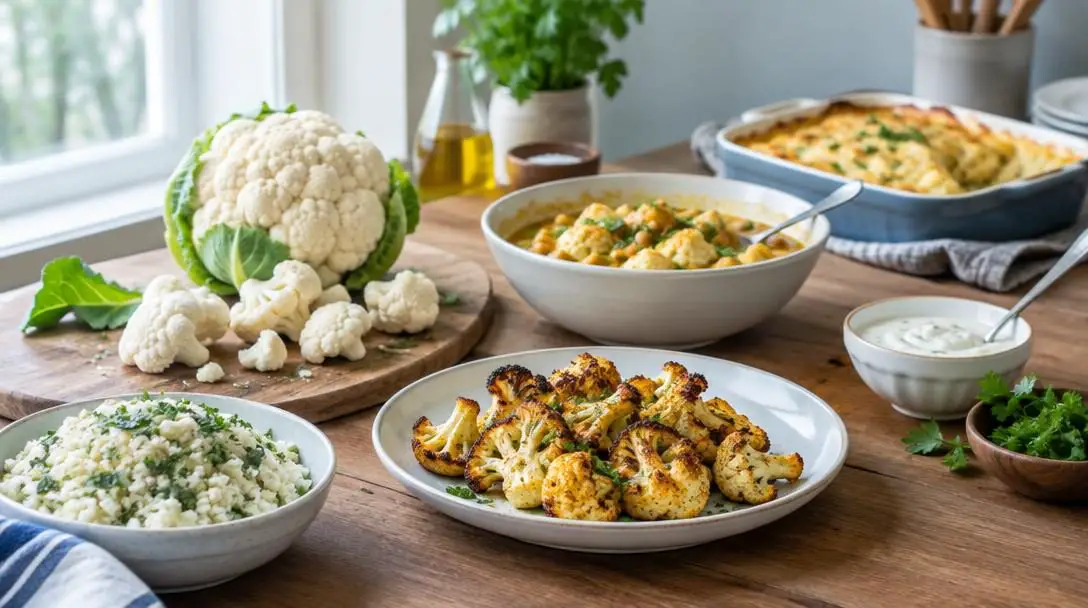
Once relegated to the margins of dinner plates as a bland, watery side dish, cauliflower has undergone a remarkable culinary renaissance. Today, it stands as one of the most versatile and functional vegetables in home kitchens, serving as a low-calorie, nutrient-dense canvas that effortlessly adapts to an expansive spectrum of cooking techniques and global flavor profiles.
The secret behind cauliflower's rise lies in its mild, earthy flavor and structural adaptability. High in dietary fiber and essential vitamins while remaining naturally low in carbohydrates, it possesses the rare ability to mimic starches, absorb bold marinades, caramelize under intense heat, or puree into velvety soups and sauces without demanding heavy starches or thickeners.
Key takeaways
- Cauliflower's neutral baseline flavor allows it to absorb complex spices, fats, and sauces without imparting bitter or sulfurous notes.
- High-heat roasting promotes rapid moisture evaporation and sugar caramelization, yielding nutty, browned florets with crisp edges.
- Wet cooking methods like steaming and simmering break down structural fibers, creating smooth, rich purees and thick soup bases without added flour.
- Managing internal water content through salting, steaming, and wringing is essential for structural recipes like pizza crusts, tots, and fritters.
- Riced cauliflower cooks within minutes, serving as a quick, gluten-free grain alternative that readily adopts adjacent pan flavors.
The Science of Transforming Cauliflower Through Heat and Moisture
To cook cauliflower successfully, one must understand how temperature and moisture dictate its texture and chemical composition. As a member of the brassica family, raw cauliflower contains sulfur-containing compounds and natural sugars encased in dense cellular walls. Applying heat fundamentally reconfigures these elements, and selecting the right method determines whether the result is crisp, tender, or completely velvety.
Dry-heat cooking, particularly roasting between 400°F and 450°F, initiates the Maillard reaction alongside sugar caramelization. As water evaporates from the exterior curds, natural sugars concentrate, counteracting raw bitterness and generating rich, hazelnut-like aromas. Conversely, wet cooking techniques dissolve pectin and soften fibrous cell walls. Because cauliflower contains high concentrations of moisture, boiling or steaming requires careful monitoring; unchecked moisture retention quickly degrades crispness into sogginess.
| Cooking Method | Primary Heat Mechanism | Resulting Texture | Moisture Management Strategy | Ideal Culinary Applications |
|---|---|---|---|---|
| High-Heat Roasting | Dry radiant heat | Crispy exterior, tender and nutty interior | Thorough surface drying; uncrowded sheet pans | Spiced side dishes, buffalo bites, popcorn florets |
| Pan Sautéing | Direct conductive heat | Fluffy, distinct grains with slight tooth | Flash-cooking small grains; brief skillet time | Low-carb rice pilafs, fried rice bases |
| Steaming & Simmering | Moist convective heat | Completely tender, soft cell walls | Cooking until knife-tender; draining thoroughly | Creamy purees, loaded mashes, blended soups |
| Baking & Binding | Enclosed dry heat | Firm, sliceable, or cohesive finger foods | Pre-cooking and vigorously wringing out liquid | Pizza crusts, vegetable tots, pan fritters |
Flavorful Roasted Cauliflower Recipes
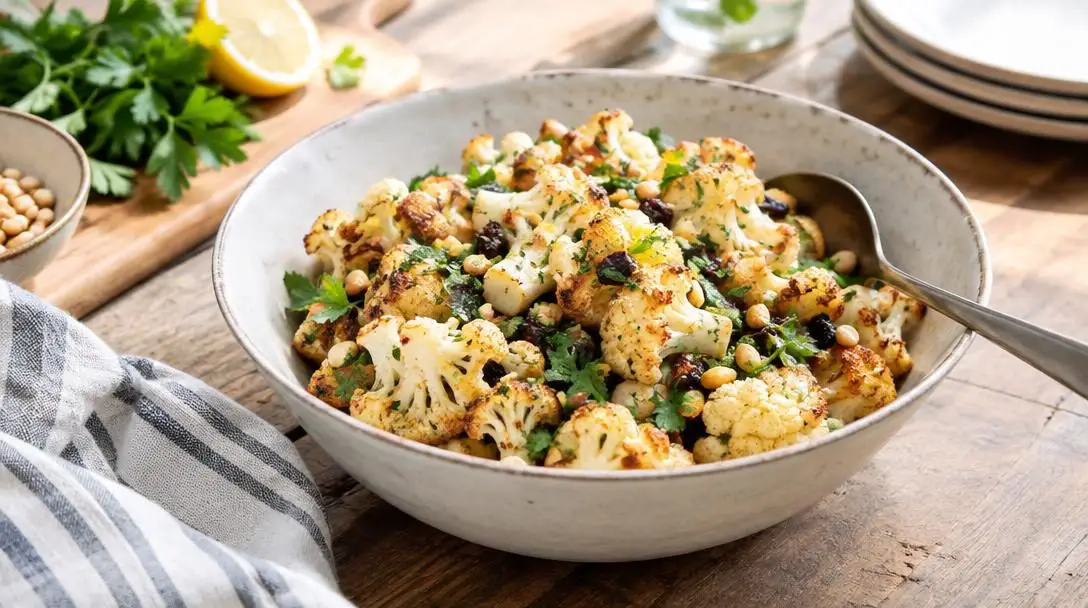
Roasting cauliflower at elevated temperatures concentrates its natural sugars and produces delightful caramelized edges. Whether coated in rich fats or tossed with vibrant spices, oven-roasted florets offer depth and satisfying crunch.
High-heat roasting evaporates surface moisture to unlock deep, nutty sweetness and irresistible caramelized edges.
Roasted Garlic Cauliflower
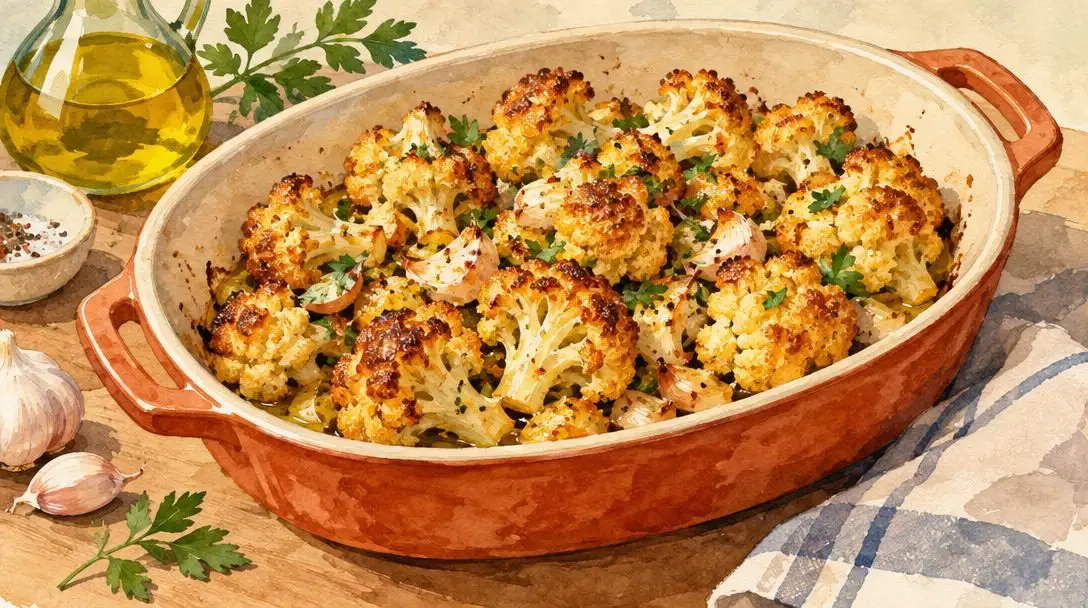
This preparation elevates the vegetable's natural sweetness through gentle allium infusion. Fresh florets are tossed thoroughly with extra virgin olive oil, fine sea salt, and generous amounts of finely minced garlic. When spread evenly on a hot baking sheet, the garlic mellows and infuses the oil while the florets roast until fork-tender with golden-brown florets.
Spicy Roasted Cauliflower
A bold dry rub of ground cumin, earthy coriander, smoked paprika, and fiery chili powder coats cauliflower florets tossed in oil. The intense heat of the oven activates the fat-soluble spices, toasting them directly on the surface of the vegetable. The result is a smoky, pungent, and crispy bite that works exceptionally well in grain bowls or alongside cooling yogurt sauces.
Parmesan Roasted Cauliflower
Finely grated parmesan cheese creates a delicate, savory crust when baked onto cauliflower. Florets are lightly coated in oil, seasoned with salt and cracked black pepper, and dusted with grated cheese before heading into the oven. As the cheese melts, it pools around the base of the florets, browning into crispy, umami-rich edges that contrast the tender interior.
Curried Roasted Cauliflower
Vibrant ground turmeric, warm cumin, aromatic coriander, and fragrant curry powder give this dish an arresting golden hue and deeply warming aromatics. Tossed with oil and roasted until tender-crisp, the earthy spice blend permeates the cauliflower curds, making it a reliable centerpiece for vegetarian feasts and meal-prep containers alike.
Low-Carb Cauliflower Rice Creations
Reducing raw cauliflower heads into petite, grain-sized pearls provides a rapid-cooking, nutrient-dense foundation for grain-free dining. Because cauliflower lacks dense starches, these dishes cook in a fraction of the time needed for traditional grains.
Basic Cauliflower Rice
Prepared by grating fresh cauliflower through a box grater or pulsing it in a food processor, this foundational recipe takes only minutes. The grains are sautéed in a wide skillet with a touch of olive oil, salt, and freshly ground black pepper until heated through and tender, yielding a fluffy texture that serves as a neutral base for stews and curries.
Fried Rice with Cauliflower
A nutrient-packed rendition of the classic takeout staple, this dish features riced cauliflower stir-fried over high heat alongside diced carrots, sweet green peas, and chopped yellow onions. Soft-scrambled eggs and a splash of savory soy sauce bring moisture, protein, and authentic flavor without softening the vegetable grains into mush.
Cauliflower Sushi Rolls
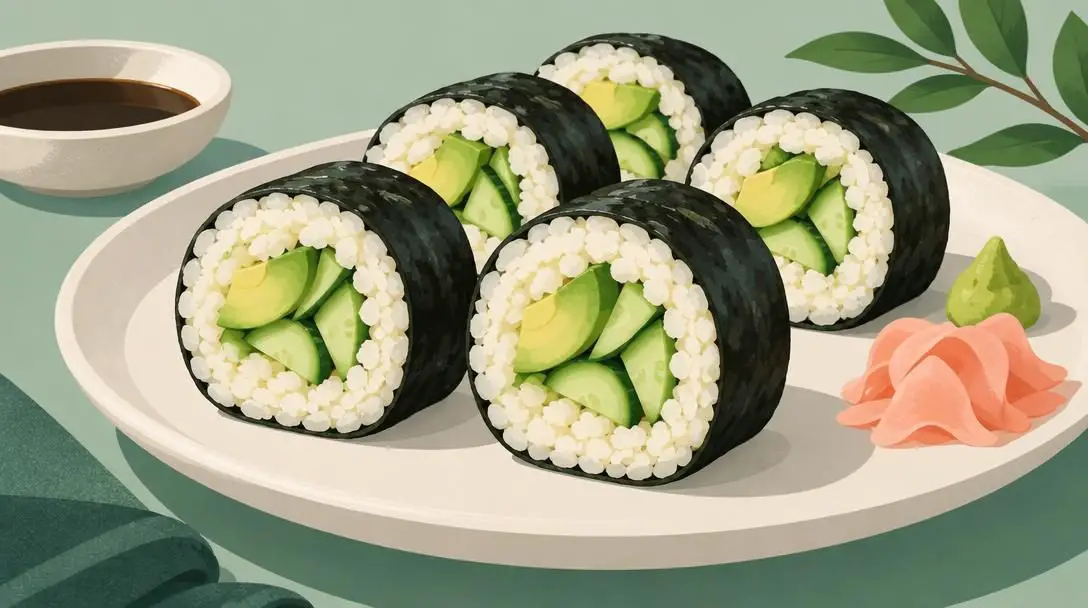
Raw riced cauliflower serves as a refreshing, grain-free binder for handmade sushi rolls. Spread in an even layer across sheets of dried nori seaweed, the lightly pressed cauliflower holds strips of creamy avocado, crisp cucumber matchsticks, and sweet crab meat before being rolled tightly and sliced into clean, vibrant rounds.
Cauliflower Pizza Crust

To create a sturdy, grain-free pizza base, riced cauliflower is thoroughly cooked, squeezed entirely dry of moisture, and combined with shredded mozzarella, a beaten egg, and dried Italian herbs. Pressed thin onto parchment paper and baked until deeply golden, this crust becomes crisp enough to slice and hold traditional sauce, cheese, and toppings.
Comforting Mashed Cauliflower Alternatives
Steaming cauliflower completely breaks down its cellular structure, allowing it to be mashed into a comforting texture that rivals classic mashed potatoes while retaining a light, vitamin-rich profile.
Classic Mashed Cauliflower
A simple side dish that prioritizes pure comfort. Fresh florets are steamed until completely soft and pierced without resistance, then mashed alongside salted butter, sea salt, and freshly cracked black pepper. The residual heat melts the butter into the soft curds, producing a velvety, spoonable texture.
Garlic and Herb Mashed Cauliflower
This aromatic mash incorporates minced fresh garlic, a splash of warm milk for silkiness, and a blend of finely chopped fresh herbs such as chives, parsley, and thyme. Mashing the hot cauliflower releases the essential oils of the herbs, lending a bright garden flavor to the rich, smooth vegetable base.
Creamy Cauliflower Mash
For an ultra-luxurious side dish reminiscent of restaurant-quality purees, tender steamed cauliflower is transferred to a food processor or blender. Processed alongside tangy cream cheese, rich sour cream, and unsalted butter, the mixture whips into an impeccably smooth, decadent puree free of any graininess.
Loaded Cauliflower Mash

Transforming vegetable mash into indulgent pub-style comfort food, this preparation takes classic mashed cauliflower and folds in sharp shredded cheddar cheese. Finished with a crown of sizzling, crispy bacon crumbles and thinly sliced scallions, it offers full-bodied indulgence with significantly fewer carbohydrates.
Velvety Cauliflower Soups
When simmered in seasoned broths, cauliflower softens to the point where simple blending yields thick, velvety soups without requiring roux, cornstarch, or heavy thickeners.
Creamy Cauliflower Soup
Cauliflower florets are simmered in savory chicken broth alongside sautéed yellow onions and garlic cloves until fragile. Blending the contents with a splash of heavy cream and finely grated parmesan cheese creates an elegant, satin-smooth soup that coats the back of a spoon with balanced savory richness.
Spicy Cauliflower Soup
Built upon a fragrant base of diced jalapeño peppers and onions, this vibrant soup simmers cauliflower in rich vegetable broth and creamy coconut milk. The high fat content of the coconut milk tempers the fiery heat of the chili peppers while emulsifying the softened cauliflower into a fiery, warming bowl.
Cauliflower and Cheese Soup
A vegetable-forward answer to classic broccoli-cheddar soup. Tender simmered cauliflower is blended with whole milk, savory onion powder, and generous handfuls of sharp cheddar cheese. The natural vegetable body stabilizes the melted cheese, preventing separation and delivering a rich, cohesive comfort meal.
Curried Cauliflower Soup
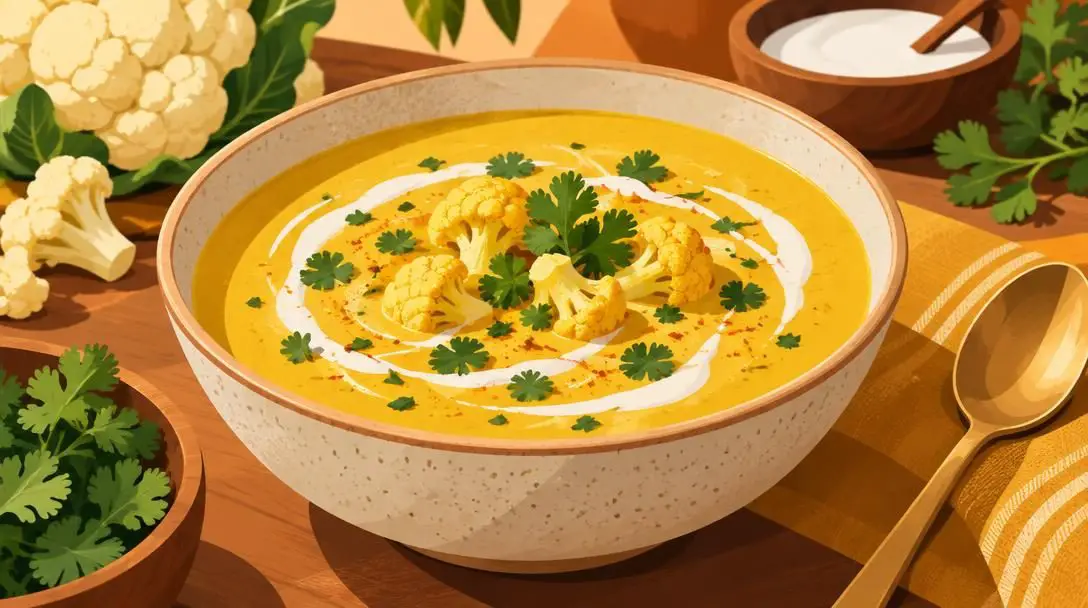
Featuring warming aromatics like ground curry powder, freshly grated ginger, and garlic, this soup simmers cauliflower florets directly in rich coconut milk and vegetable stock. Pureed until frothy and smooth, the soup balances exotic spice notes with gentle sweetness and earthy undertones.
Creative Cauliflower Snacks and Finger Foods
Thanks to its dense interior and rough exterior, cauliflower holds breading, batter, and glaze exceptionally well, making it ideal for finger foods and party appetizers.
Cauliflower Buffalo Wings

A popular game-day appetizer, florets are dredged in a light flour and garlic powder batter before baking until crisp. Once hot, they are generously tossed in a classic tangy hot sauce glaze and returned to the oven, resulting in a spicy, saucy finger food that mimics traditional chicken wings.
Cauliflower Tots

These bite-sized snacks combine dry riced cauliflower, sharp shredded cheddar cheese, beaten egg, and seasoned breadcrumbs into a cohesive mixture. Formed into classic cylindrical shapes and baked at high heat, they achieve a deep golden-brown, crispy shell that encases a soft, cheesy interior.
Cauliflower Popcorn
Cut into miniature, bite-sized florets, cauliflower is tossed with extra virgin olive oil, sea salt, and savory nutritional yeast. Roasted at high heat until deeply browned and thoroughly crisp, the florets shrink into savory, snackable bites that satisfy cravings for salty, crunchy nibbles.
Cauliflower Fritters

Finely grated raw cauliflower is combined with flour, whisked egg, and a blend of aromatic spices to create a thick batter. Dropped into a shallow skillet of shimmering oil, the fritters are pan-fried until crisp and golden on both sides, pairing seamlessly with cool sour cream, garlic aioli, or herb dips.
Step-by-Step Preparation and Moisture Control
Executing restaurant-quality cauliflower dishes at home requires an orderly approach to washing, cutting, and handling the vegetable's natural water content.
- Select and inspect the head: Choose a cauliflower head that feels heavy, dense, and firm, with pristine cream-white curds tightly clustered together and crisp green leaves hugging the base.
- Wash and dry thoroughly: Rinse the whole head under cold running water to remove debris. Vigorously pat the head completely dry with clean kitchen towels, as excess exterior moisture inhibits browning.
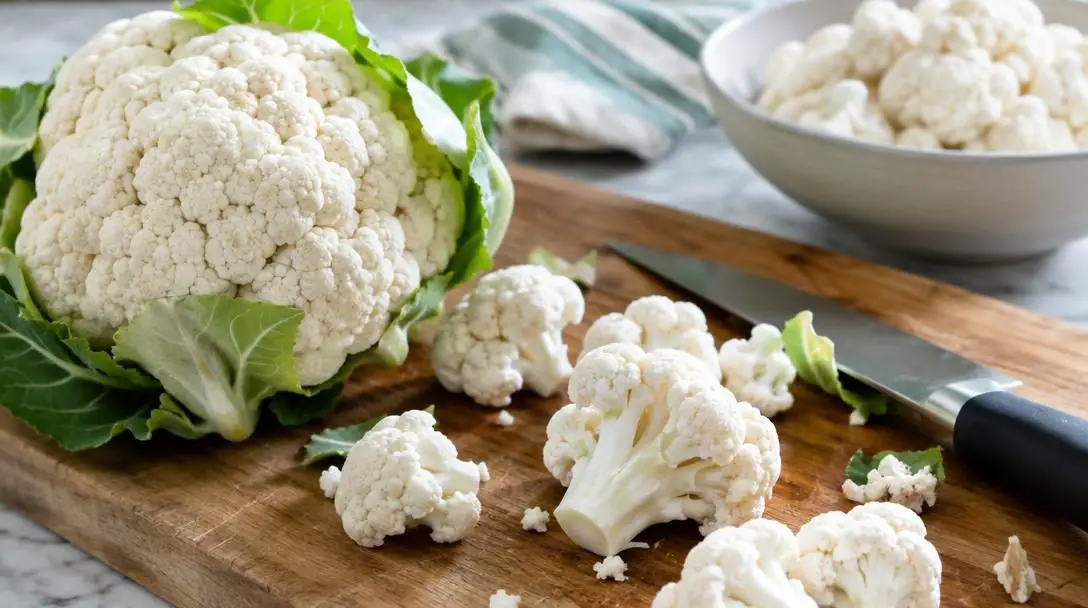
- Trim and core: Strip away the outer green leaves and slice off the bottom stem. Angle a sharp paring knife around the central core to sever the stems and release florets cleanly without shredding the curds.
- Uniform sizing: Cut larger florets into halves or quarters so all pieces are relatively equal in mass. Uniformity prevents smaller pieces from burning while larger stems remain undercooked.
- Process for ricing or binding: If making rice, crusts, or tots, pulse trimmed florets in short bursts using a food processor until grain-sized. Avoid continuous processing, which produces a wet puree.
- Expel internal water: For crusts and shaped snacks, lightly microwave or steam the riced vegetable, cool, wrap in a lint-free towel, and forcefully twist and squeeze until no further water drains.
Common Mistakes That Ruin Cauliflower Dishes
While cauliflower is forgiving, a few recurring kitchen missteps can ruin the texture and flavor of an otherwise delicious meal.
- Overcrowding the roasting pan: Piling florets on top of one another traps steam against the baking sheet, boiling the vegetable rather than roasting it and producing soggy, grey curds instead of browned edges.
- Skipping the surface-drying phase: Tossing wet cauliflower florets into oil creates an emulsion barrier that delays browning and prevents seasonings from adhering properly.
- Overcooking riced cauliflower: Because raw cauliflower pearls have negligible starch and thin cellular walls, cooking them beyond four to five minutes in a skillet causes them to turn mushy and waterlogged.
- Pureeing firm, undercooked stems: Attempting to blend cauliflower for soups or mashes before the fibrous stems are soft results in a grainy, watery mixture filled with hard, unpalatable granules.
- Omitting seasoning layers: Cauliflower's mild flavor profile demands adequate salt and acid; failing to season throughout each cooking step can leave the core of the vegetable tasting bland.
Frequently asked questions
How can I prevent roasted cauliflower from becoming mushy?
To keep roasted cauliflower crispy, ensure florets are completely dry after washing, toss them in sufficient oil to coat the surface, and arrange them in a single layer with ample space between pieces on a hot baking sheet (400°F to 450°F) so moisture evaporates freely.
Can I freeze homemade cauliflower rice for meal prep?
Yes, raw riced cauliflower freezes well. Spread the riced grains onto a parchment-lined baking sheet to freeze individually before transferring them to airtight bags. Cook directly from frozen in a hot, lightly oiled skillet without thawing first to prevent excess water release.
Why does boiled cauliflower sometimes smell strong or unpleasant?
Cauliflower contains natural sulfur compounds that release pungent aromas when cooked in boiling water for prolonged periods. To minimize this, cook florets only until knife-tender, or switch to dry-heat techniques like roasting, which caramelizes sugars and softens sulfur notes.
What is the secret to a cauliflower pizza crust that holds together?
The single most important step is aggressively wringing out water after cooking the riced cauliflower. Squeezing out the liquid using a cheesecloth or kitchen towel ensures that the cheese and egg binders can form a cohesive, sliceable crust during baking.
How long can cooked cauliflower dishes be stored in the refrigerator?
Cooked cauliflower dishes, including mashes, soups, and roasted florets, generally keep well in airtight containers for three to five days. To revive crispness in roasted florets or snacks, reheat them in a toaster oven or hot skillet rather than a microwave.
The bottom line
Cauliflower has earned its place as an indispensable modern pantry staple by bridging the gap between nutrition and culinary indulgence. By adjusting the cooking mechanism—harnessing radiant dry heat for caramelized crunch, moist heat for rich purees, or fast pan searing for light grains—home cooks can continuously reinvent this humble vegetable into flavorful, comforting, and wholesome meals.