5 Top Foods to Boost Your Respiratory and Lung Health
The human respiratory system works continuously, delivering life-sustaining oxygen to every cell in the body while clearing metabolic waste in the form of carbon dioxide. Because our airways are in direct contact with the external atmosphere, they face constant exposure to environmental challenges, including industrial pollution, traffic exhaust, particulate matter, chemical irritants, and tobacco smoke. Over time, these airborne exposures trigger cellular oxidation and persistent irritation within the delicate linings of the bronchial tubes and alveoli.
While environmental air quality is often beyond individual control, daily dietary choices provide an accessible, proactive defense. When we digest nutrient-dense whole foods, their bioactive constituents enter the bloodstream and travel directly to pulmonary tissues. By understanding the targeted mechanisms through which micronutrients, healthy lipids, and plant compounds combat oxidative stress and tissue inflammation, we can assemble an everyday menu designed to protect lung capacity and sustain long-term respiratory resilience.
Key takeaways
- Nutrients delivered via the bloodstream help protect respiratory tissues from airborne toxins, cellular oxidation, and chronic swelling.
- Antioxidants such as carotenoids, flavonoids, and vitamins C and E defend delicate bronchial membranes against free radical degradation.
- Healthy fats and functional spices offer natural anti-inflammatory and mucolytic actions that help keep breathing pathways clear and flexible.
- A dietary approach to lung health works best alongside consistent hydration, regular physical activity, and strict avoidance of inhaled smoke.
How dietary nutrients protect respiratory tissues
Nutrients do not come into direct physical contact with our lungs through breathing; rather, their therapeutic influence is exerted systemically. Once absorbed through the gastrointestinal tract, vitamins, minerals, and bioactive phytochemicals circulate through pulmonary capillary networks to nourish bronchial architecture. These compounds reinforce the structural integrity of cell walls, modulate the immune system's localized behavior, and assist the respiratory tract in regulating its natural protective secretions.
The primary battle within stressed airways involves chronic inflammation. When bronchial passages remain irritated, localized blood vessels dilate, mucosal tissues swell, and smooth muscle structures contract, significantly narrowing the functional path for airflow. Nutrients rich in omega-3 fatty acids, polyphenols, and specialized plant compounds downregulate inflammatory signaling cascades, allowing airways to relax and maintain healthy diameters.
Simultaneously, dietary antioxidants counter the relentless burden of oxidative stress caused by inhaled environmental toxins. Reactive oxygen species strip electrons from vulnerable cellular structures, degrading membrane lipids and impairing normal gas exchange. By donating electrons to unstable free radicals, protective dietary compounds neutralize airborne threats before structural damage occurs. Furthermore, specific culinary compounds provide natural mucolytic action, thinning dense mucosal secretions so the respiratory system's ciliated epithelial cells can readily sweep away trapped particulates and microbial invaders.
Targeted dietary nutrients circulate through pulmonary capillary beds to quiet chronic airway inflammation and neutralize inhaled environmental toxins.
Top 5 foods to support lung and airway wellness
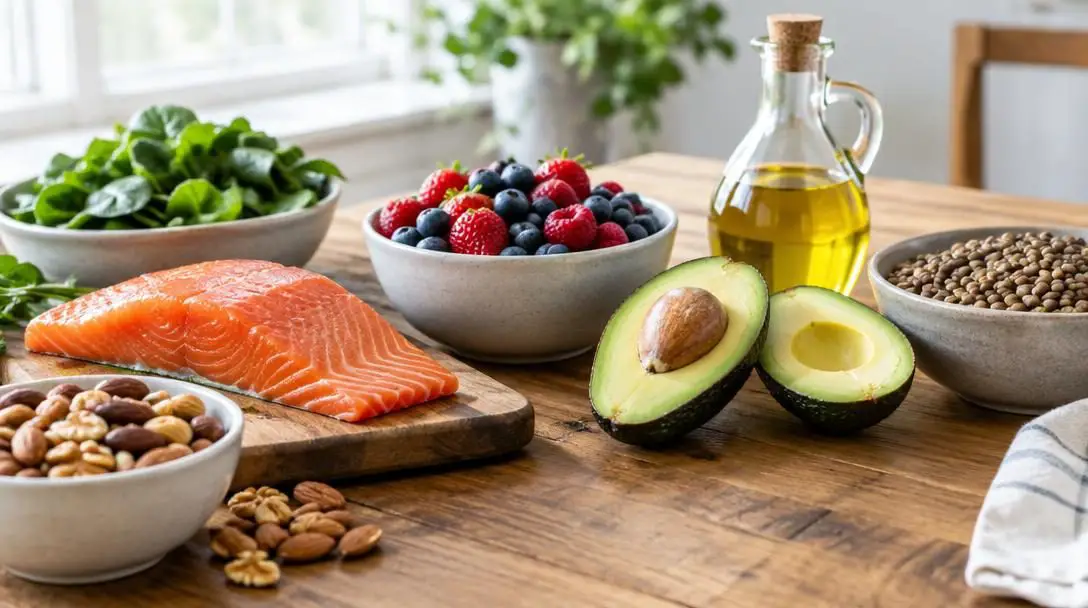
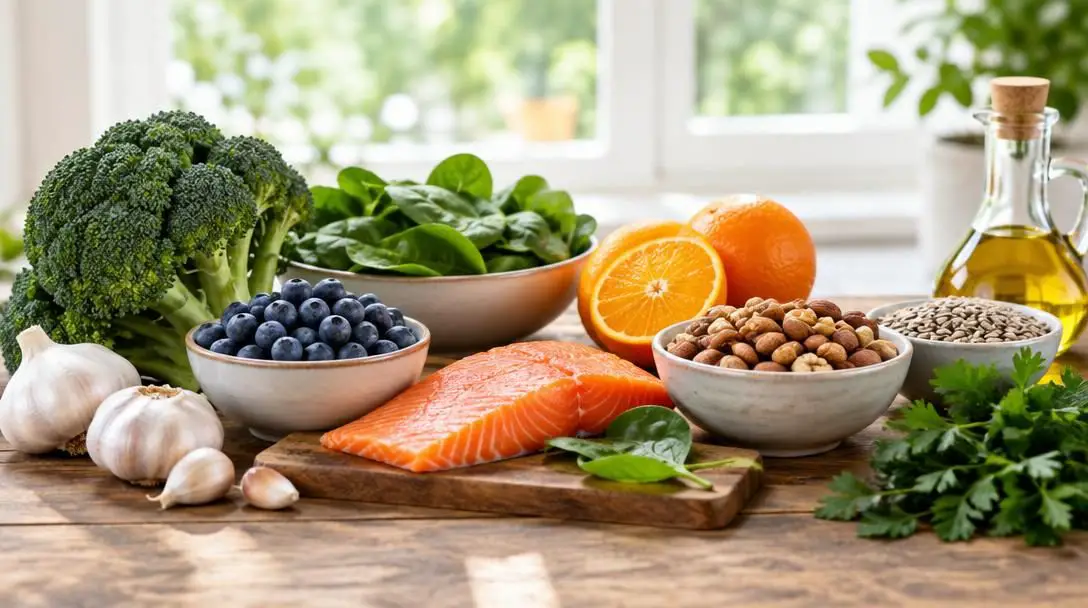
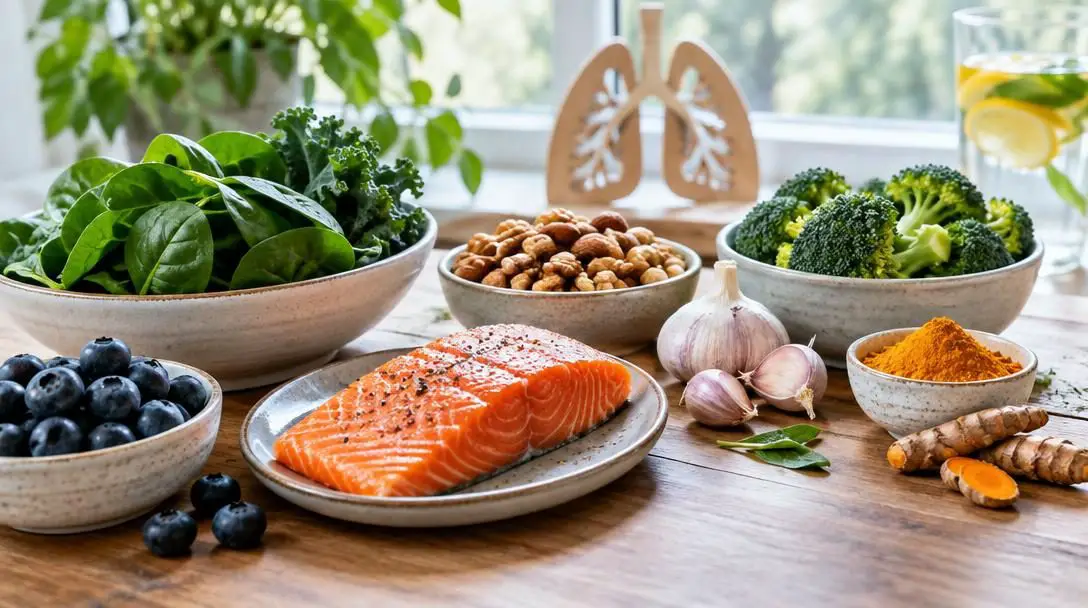
A balanced, whole-food eating pattern offers deep physiological support for pulmonary health. The following five food categories supply the critical vitamins, healthy fats, and functional phytonutrients required to maintain strong respiratory defenses.
Leafy Greens and Cruciferous Vegetables

- Key Varieties: Kale, spinach, broccoli, cabbage
- Active Compounds: Carotenoids, vitamin C, vitamin K, folic acid
- Primary Benefit: Cellular protection and reduced airway inflammation
Leafy greens and cruciferous vegetables, such as kale, spinach, broccoli, and cabbage, are exceptionally rich in antioxidants and anti-inflammatory compounds that reduce lung inflammation and sustain overall pulmonary wellness. These vegetables serve as nutritional cornerstones for safeguarding respiratory passages against ongoing atmospheric stressors. Their dense concentration of micronutrients supports tissue repair and enhances the body's baseline resistance against environmental degradation.
A central benefit of these hardy vegetables is their high concentration of carotenoids, natural plant pigments associated with improved lung function and a lower risk of lung cancer. Carotenoids embed themselves into the lipid layers of bronchial cells, acting as resilient shields against oxidative damage. Beyond carotenoids, cruciferous vegetables and dark greens deliver generous amounts of vitamin C, vitamin K, and folic acid, micronutrients that fortify systemic immunity and soothe chronic inflammatory cascades throughout the entire respiratory tree.
Berries and Citrus Fruits

- Key Varieties: Blueberries, strawberries, raspberries, oranges, lemons, grapefruit
- Active Compounds: Vitamin C, flavonoids, bioflavonoids
- Primary Benefit: Enhanced mucosal barrier defense and infection resistance
Berries and citrus fruits are packed with potent antioxidants, especially vitamin C, which is indispensable for respiratory health. The epithelial lining fluid that coats the respiratory tract relies on sufficient circulating levels of vitamin C to maintain a protective barrier against particulate pollutants, ozone, and microbial pathogens. Maintaining robust vitamin C reserves helps protect lung tissue from toxic environmental incursions and lowers the likelihood of respiratory infections by supporting innate immune defenses.
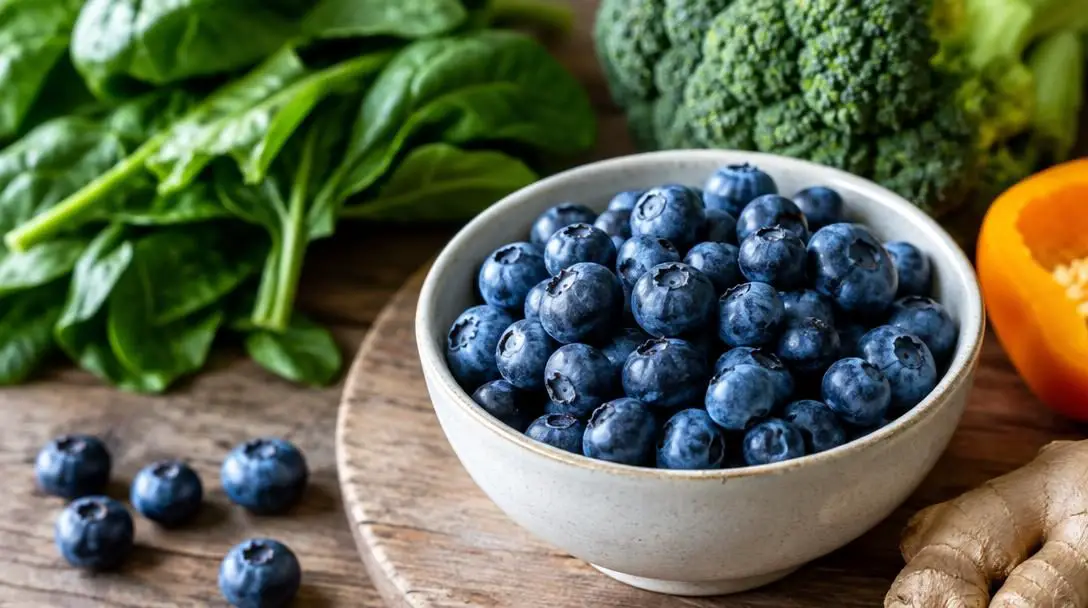
Darkly pigmented berries, including blueberries, raspberries, and strawberries, derive their vivid colors from specialized flavonoids. These plant polyphenols exert potent anti-inflammatory effects that mitigate irritation across delicate airway tissues. Meanwhile, citrus fruits such as oranges, lemons, and grapefruit contribute generous supplies of citrus bioflavonoids. Working in synergy with ascorbic acid, these bioflavonoids help elevate lung function, protect capillary walls, and decrease the risk of long-term respiratory diseases.
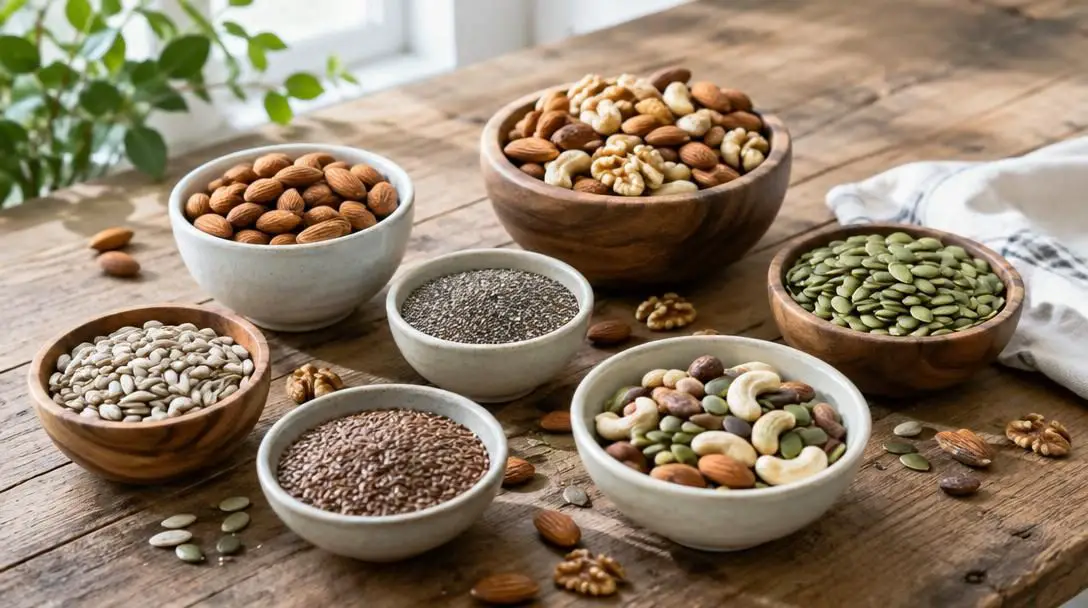
Nuts and Seeds
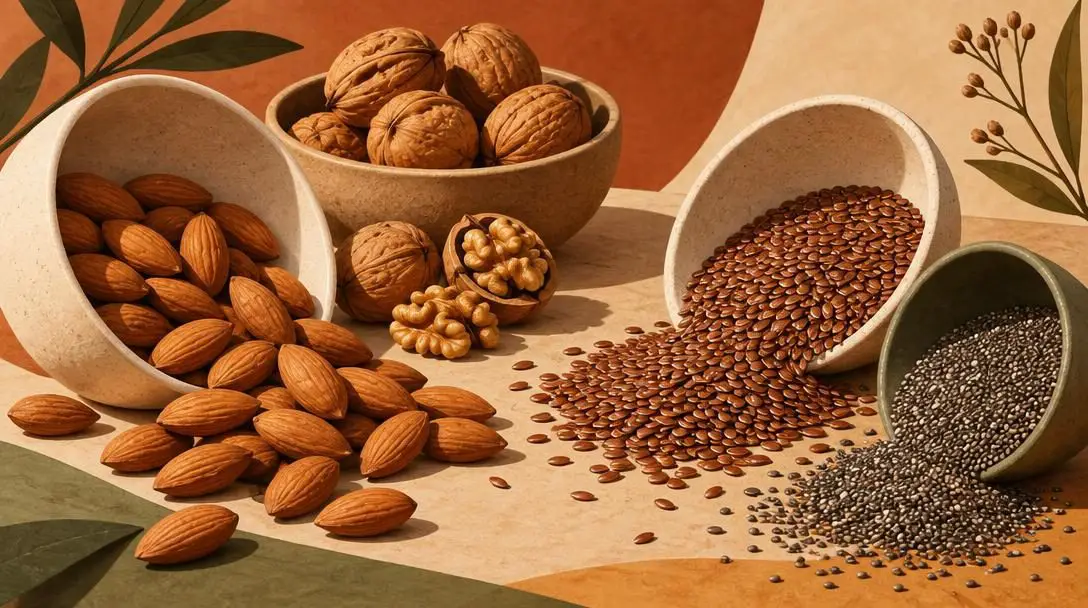
- Key Varieties: Almonds, walnuts, peanuts, flaxseeds, chia seeds
- Active Compounds: Vitamin E, plant omega-3 fatty acids, magnesium
- Primary Benefit: Bronchial muscle relaxation and cellular membrane defense
Nuts and seeds deliver a dense combination of healthy fats, essential minerals, and protective antioxidants that improve lung performance and protect against chronic pulmonary illness. Because cellular membranes in the respiratory tract are composed largely of vulnerable fatty acids, the lipophilic nutrients found in seeds and tree nuts provide vital structural reinforcement against lipid peroxidation caused by environmental smog and tobacco smoke.
Almonds, walnuts, and peanuts are particularly high in vitamin E, a fat-soluble antioxidant proven to decrease inflammatory responses in lung tissues and bolster respiratory ease. Small seeds like flaxseeds and chia seeds supply plant-derived omega-3 fatty acids, which actively calm systemic and pulmonary swelling. Additionally, nuts and seeds are rich in magnesium, a mineral that directly supports healthy respiration by encouraging the smooth muscle tissue surrounding bronchial tubes to relax, preventing unwanted airway constriction.
Turmeric and Ginger

- Key Varieties: Fresh or ground turmeric root, fresh or dried ginger root
- Active Compounds: Curcumin, gingerols
- Primary Benefit: Mucolytic clearance and airway passage relaxation
Turmeric and ginger are revered botanical spices that have been utilized for centuries in traditional wellness practices. In the context of modern respiratory care, their value lies in their remarkable anti-inflammatory and natural mucolytic properties. By actively breaking down and thinning excessive, viscous mucus within the respiratory passages, these culinary roots assist the lungs in clearing foreign irritants, easing congestion, and promoting effortless airflow.
Turmeric owes its vibrant golden hue and biological efficacy to curcumin, a polyphenol extensively documented for its capacity to suppress inflammatory pathways in lung tissues and improve pulmonary function. Ginger complements this action through its active constituents, known as gingerols. Gingerols help calm hyperreactive airways, relax smooth muscle bands along bronchial tracts, and promote natural pulmonary cleansing, making both spices exceptional allies during seasonal respiratory challenges.
Oily Fish

- Key Varieties: Salmon, tuna, sardines
- Active Compounds: Marine omega-3 fatty acids, vitamin D
- Primary Benefit: Resolution of inflammation and reduced airway hyperreactivity
Oily fish, including salmon, tuna, and sardines, represent one of the most potent dietary sources of long-chain omega-3 fatty acids. Unlike plant-based precursors, the marine-sourced omega-3 fats found in cold-water oily fish are readily converted by human cells into bioactive signaling molecules that actively resolve ongoing inflammation. Regular intake helps dampen extreme airway hyperreactivity, lowering the frequency of asthma flares and bolstering defense against respiratory infections.
In addition to their anti-inflammatory lipid profile, oily fish are among the few natural dietary sources of vitamin D. Vitamin D is essential for regulating pulmonary immune responses. It stimulates the production of antimicrobial proteins in airway epithelial cells while concurrently restraining runaway inflammatory reactions, preserving delicate alveolar structures from unnecessary tissue damage.
At a glance: comparing top respiratory foods
Each food category supports respiratory function through distinct active compounds and physiological pathways. Incorporating diverse sources ensures complete nutritional coverage for your lungs.
| Food Category | Primary Active Nutrients | Main Lung Health Mechanism | Culinary Examples |
|---|---|---|---|
| Leafy Greens & Cruciferous | Carotenoids, Vitamins C & K, Folate | Cellular defense, systemic anti-inflammatory support | Kale, spinach, broccoli, cabbage |
| Berries & Citrus | Vitamin C, Flavonoids, Bioflavonoids | Epithelial barrier protection, pathogen defense | Blueberries, strawberries, oranges, lemons |
| Nuts & Seeds | Vitamin E, Magnesium, Plant Omega-3s | Lipid membrane defense, bronchial muscle relaxation | Almonds, walnuts, chia seeds, flaxseeds |
| Turmeric & Ginger | Curcumin, Gingerols | Mucus thinning, molecular anti-inflammatory signaling | Turmeric tea, fresh ginger root, culinary curries |
| Oily Fish | Marine Omega-3s, Vitamin D | Airway hyperreactivity control, immune regulation | Wild salmon, albacore tuna, sardines |
Practical steps to incorporate lung-supporting foods
Adopting a lung-supportive diet does not necessitate dramatic or unsustainable lifestyle changes. Consistent, manageable additions of protective whole foods will gradually enhance your respiratory resilience over weeks and months.
- Upgrade your breakfast: Blend raw spinach or tender kale into your morning smoothie alongside frozen blueberries, fresh strawberries, and a generous squeeze of fresh citrus juice.
- Incorporate smart midday snacks: Keep a sealed container of raw almonds, walnuts, and shelled peanuts at your workspace to provide an accessible afternoon source of vitamin E and magnesium.
- Boost daily fiber and healthy fats: Stir two tablespoons of freshly ground flaxseeds or whole chia seeds into morning oatmeal, unsweetened yogurt, or lunch grain bowls.
- Infuse beverages and evening meals with spices: Simmer thinly sliced fresh ginger root in hot water for a warming tea, and whisk ground turmeric with black pepper into broths, soups, and roasted vegetable marinades.
- Plan regular seafood dinners: Schedule two to three meals per week centered on wild-caught salmon, light tuna, or canned sardines paired with steamed broccoli or roasted cabbage.
Mistakes that undermine dietary lung support
Even the most nutrient-dense eating plan can be hindered by common lifestyle oversights. Avoid these frequent mistakes to maximize the respiratory benefits of your nutritional efforts:
- Relying on diet to offset tobacco use: Consuming antioxidant-rich produce cannot neutralize the profound cellular damage, tar deposition, and carcinogenic load delivered by active smoking or persistent secondhand smoke.
- Choosing sweetened fruit products over whole produce: Processed fruit juices, sweetened jams, and commercial smoothies strip away beneficial dietary fiber while flooding the body with refined sugar, fostering systemic inflammation.
- Subjecting delicate omega-3 fats to high cooking heat: Heating flaxseeds, chia seeds, or delicate nut oils to extreme temperatures causes thermal oxidation of fragile fatty acid bonds, degrading their protective benefits.
- Expecting immediate symptomatic cures: Micronutrient therapy operates incrementally by mitigating cellular oxidation and tissue inflammation over time; it is a preventive habit rather than an instant replacement for rescue inhalers or clinical medications.
- Approaching consumption erratically: Eating a single serving of salmon or cruciferous greens once a month yields negligible long-term cellular protection; regular, weekly consistency is required for noticeable health outcomes.
Comprehensive lifestyle habits for clear breathing
Dietary optimization serves as a vital pillar of respiratory care, but its benefits are amplified when coupled with broader lifestyle modifications. Creating a lung-friendly internal and external environment requires an integrated routine.
First, reduce systemic inflammatory triggers by minimizing the intake of heavily processed convenience foods, refined carbohydrates, and excess sodium. Elevate your dietary variety further by incorporating auxiliary sources of vitamins C and E, such as sliced bell peppers, fresh kiwifruit, and raw sunflower seeds.
Hydration is equally critical for pulmonary biomechanics. Drinking ample water throughout the day ensures that the respiratory tract's mucosal membranes remain thin, pliable, and moist. Properly hydrated mucus is vital for the mucociliary escalator to trap and expel inhaled dust, pollutants, and environmental debris efficiently.
Finally, engage in regular cardiovascular exercise to challenge and strengthen diaphragm and intercostal muscle fibers. Physical training expands vital lung capacity, improves peripheral oxygen extraction efficiency, and promotes deeper ventilation throughout the lower lobes of the lungs.
Frequently asked questions
Can eating these foods reverse established lung damage from smoking?
Dietary nutrients cannot repair structural lung damage, such as destroyed alveoli or scar tissue, caused by long-term smoking. However, the antioxidants and anti-inflammatory compounds in leafy greens, berries, nuts, and oily fish can help soothe remaining tissues, lower ongoing oxidative stress, and assist the immune system in maintaining surrounding functional airway capacity.
How much oily fish should I consume each week for respiratory support?
Consuming two to three servings of oily fish per week, such as wild salmon, tuna, or sardines, provides an adequate intake of marine omega-3 fatty acids and vitamin D to help moderate airway hyperreactivity and quiet chronic pulmonary inflammation.
Why is magnesium in nuts and seeds helpful for breathing?
Magnesium acts as an intracellular calcium channel blocker in muscle tissue, promoting the relaxation of the smooth muscle bands that wrap around the bronchial tubes. This relaxing action helps prevent airway spasms and supports unrestricted airflow.
Are fruit juices as effective as whole berries and citrus fruits?
Whole fruits are superior because they contain intact dietary fiber that moderates sugar absorption and prevents inflammatory blood sugar spikes. Juices frequently concentrate sugars and lose delicate antioxidant compounds during commercial processing and pasteurization.
What makes turmeric and ginger particularly useful for heavy mucus?
Both spices contain natural mucolytic compounds alongside their primary anti-inflammatory agents (curcumin and gingerols). These compounds help thin dense, sticky secretions within the bronchial tree, enabling the respiratory system to expel accumulated mucus and trapped particles more easily.
The bottom line
Respiratory wellness is an ongoing, lifelong commitment that depends heavily on the internal biochemical environment we cultivate every day. By consistently incorporating leafy greens, colorful berries, citrus fruits, nuts, seeds, culinary spices like turmeric and ginger, and cold-water oily fish into your meals, you supply your airways with the foundational nutrients needed to resist environmental toxins and quiet chronic irritation.
Pair these targeted nutritional habits with clean indoor air, proper hydration, smoking cessation, and routine aerobic conditioning to maximize your pulmonary stamina. If you experience persistent shortness of breath, chronic cough, wheezing, or frequent chest infections, always consult a qualified medical professional for an individualized evaluation and treatment plan.