The Top 5 Foods for a Healthy Heart
The human heart serves as the central pump of the entire cardiovascular system, driving oxygenated blood, vital hormones, and essential nutrients to trillions of cells across every organ and tissue. Because everyday physical endurance, mental acuity, and long-term vitality depend directly on an uninterrupted circulatory cycle, prioritizing cardiovascular wellness is essential for maintaining sustained health across the lifespan. When arterial pathways become compromised by plaque accumulation, stiffness, or chronic inflammation, the heart muscle must exert far greater mechanical effort to circulate blood, gradually elevating systemic risk.
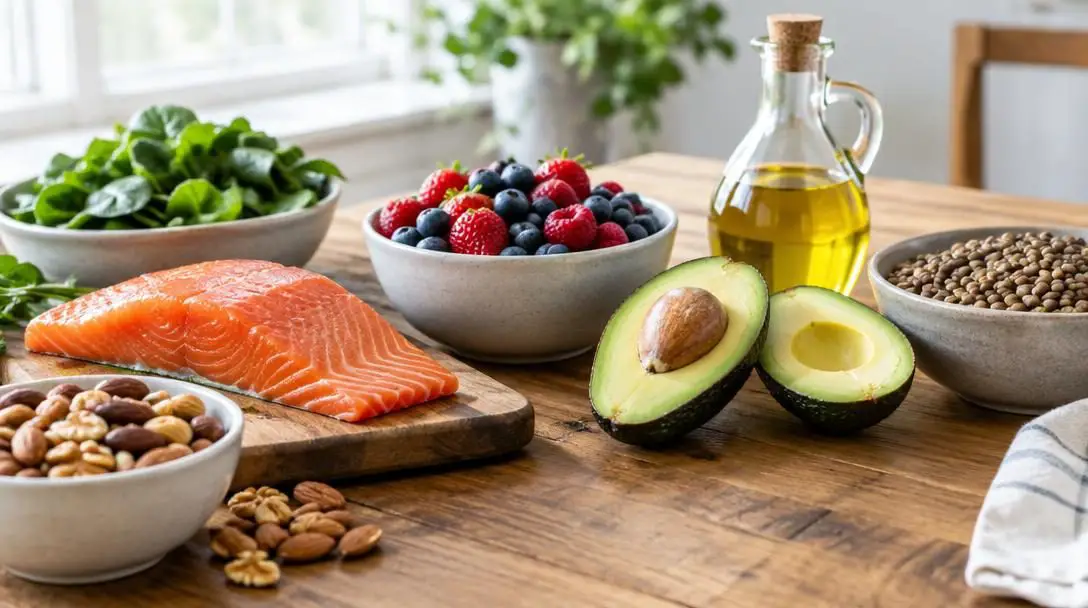
Dietary choices represent one of the most direct, accessible, and powerful tools available for safeguarding this delicate vascular network. The foods consumed each day supply the specific biochemical building blocks that either reinforce blood vessel elasticity and optimize lipid profiles or accelerate vascular wear and tear. By adopting an intentional nutritional framework centered on whole, unrefined foods, individuals can proactively nurture their cardiovascular system, fortify arterial walls, and foster resilience against chronic illness.
Key takeaways
- Consuming at least two servings of fatty fish weekly supplies crucial omega-3 fatty acids that combat arterial inflammation and support blood vessel function.
- Nuts, berries, and whole grains deliver potent dietary fiber and protective antioxidants that actively reduce harmful circulating cholesterol and preserve vascular flexibility.
- Vegetables, especially deep leafy greens like kale and spinach, provide essential micronutrients and plant pigments that sustain healthy blood vessel performance.
- A multi-targeted eating pattern produces synergistic cardiovascular defenses by concurrently lowering blood pressure, reducing vascular inflammation, and clearing excess cholesterol.
- Simple lifestyle adaptations, such as portioning nutrient-dense nuts and incorporating frozen unsweetened berries, ensure consistent, affordable long-term cardioprotection.
How Diet Influences Cardiovascular Wellness
Cardiovascular health is governed by the structural integrity of the vascular system and the compositional quality of circulating blood. Blood vessels are lined by a delicate layer of endothelial cells that actively regulate vascular tension, blood flow velocity, and inflammatory signaling. When daily dietary habits lean heavily toward refined carbohydrates, oxidized lipids, and nutrient-deficient products, the vascular lining experiences repeated oxidative stress and low-grade inflammation. Over months and years, these biochemical insults can stiffen vessel walls, foster arterial plaque deposits, and disrupt the natural equilibrium between low-density and high-density lipoproteins.
Conversely, consuming a regular variety of unrefined, cardioprotective whole foods provides the body with continuous defensive support. Dietary antioxidants neutralize damaging free radicals before they can degrade vascular membranes, while soluble and insoluble fibers bind digestive bile acids to promote natural cholesterol elimination. Furthermore, essential unsaturated fats reinforce the lipid bilayers of cellular membranes, ensuring that blood vessels maintain the supple elasticity required to dilate and constrict smoothly in response to changing physical demands. Establishing a cardiovascular-focused plate is therefore not an exercise in extreme restriction, but rather a long-term investment in vascular preservation.
A structured, intentional approach to eating whole foods builds an accessible, long-term foundation that protects the body's vascular network naturally over decades.
Top Cardioprotective Foods: At a Glance
Scientific studies and clinical observations consistently highlight several foundational food groups that deliver concentrated cardioprotective compounds. The table below outlines how these primary food categories support cardiovascular vitality through distinct physiological pathways.
| Food Category | Key Nutrients | Cardiovascular Target | Recommended Examples |
|---|---|---|---|
| Fatty Fish | Omega-3 fatty acids, high-quality protein | Lowers inflammation and improves vessel function | Salmon, tuna, mackerel |
| Nuts | Monounsaturated fats, dietary fiber, plant protein | Decreases circulating cholesterol levels | Almonds, walnuts, pistachios |
| Berries | Polyphenol antioxidants, soluble fiber | Protects vascular lining from oxidative damage | Blueberries, strawberries, raspberries |
| Whole Grains | Complex carbohydrates, dietary fiber, minerals | Assists in blood pressure and cholesterol regulation | Oats, brown rice, quinoa |
| Vegetables | Micronutrients, dietary fiber, phytonutrients | Maintains arterial compliance and vessel performance | Kale, spinach, vibrant mixed vegetables |
The Top 5 Foods for a Healthy Heart
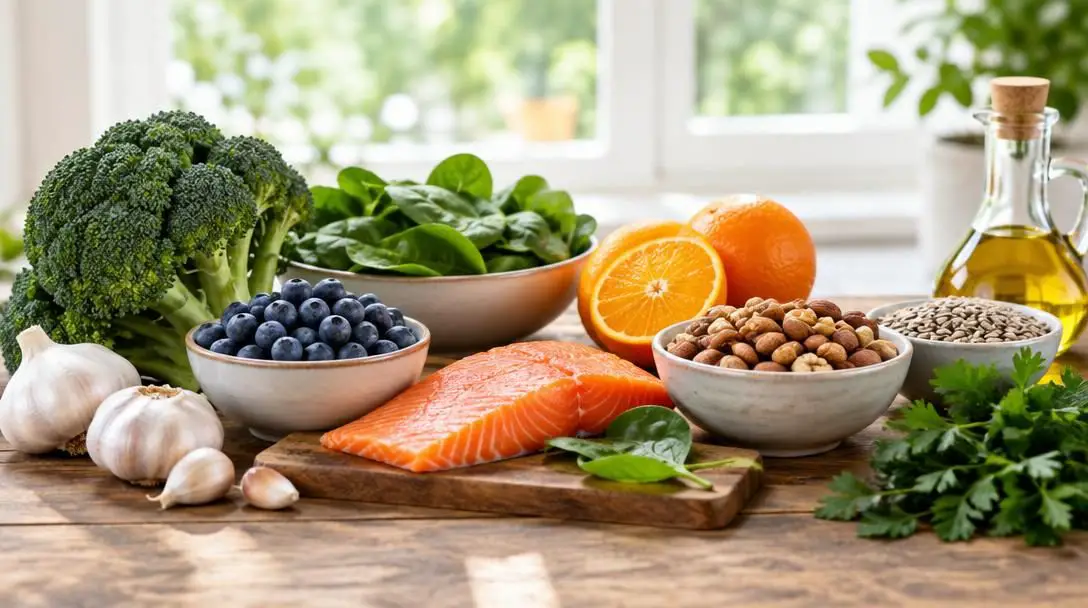
Integrating specific whole foods into everyday eating establishes a robust structural defense for the circulatory system. Decades of nutritional research indicate that the following five food categories offer extraordinary benefits for sustained heart health.
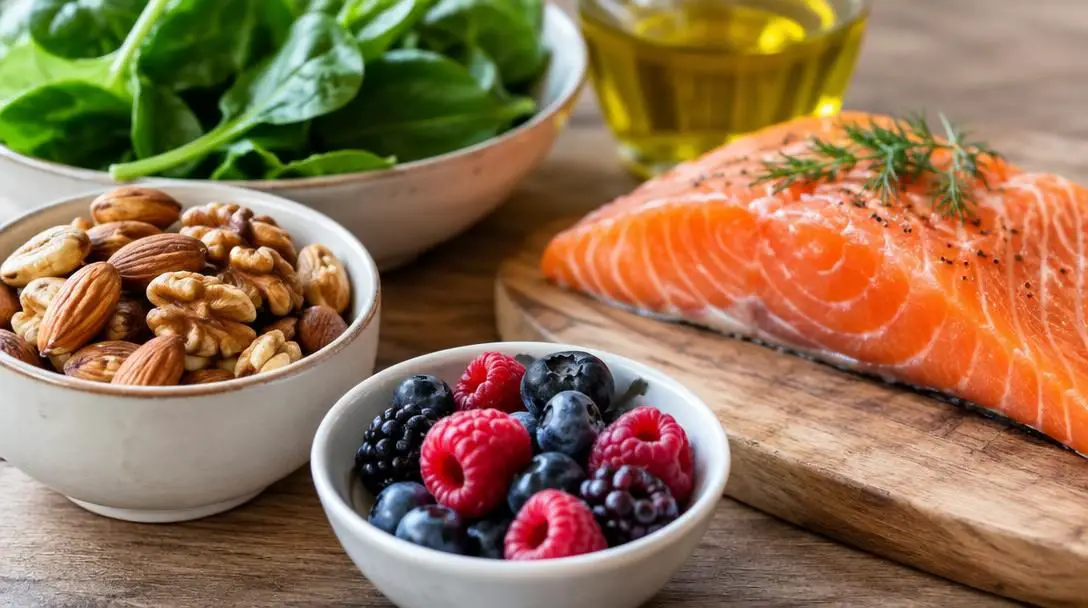
Fatty Fish
- Key Nutrients: Omega-3 fatty acids, complete proteins
- Recommended Intake: At least two servings per week
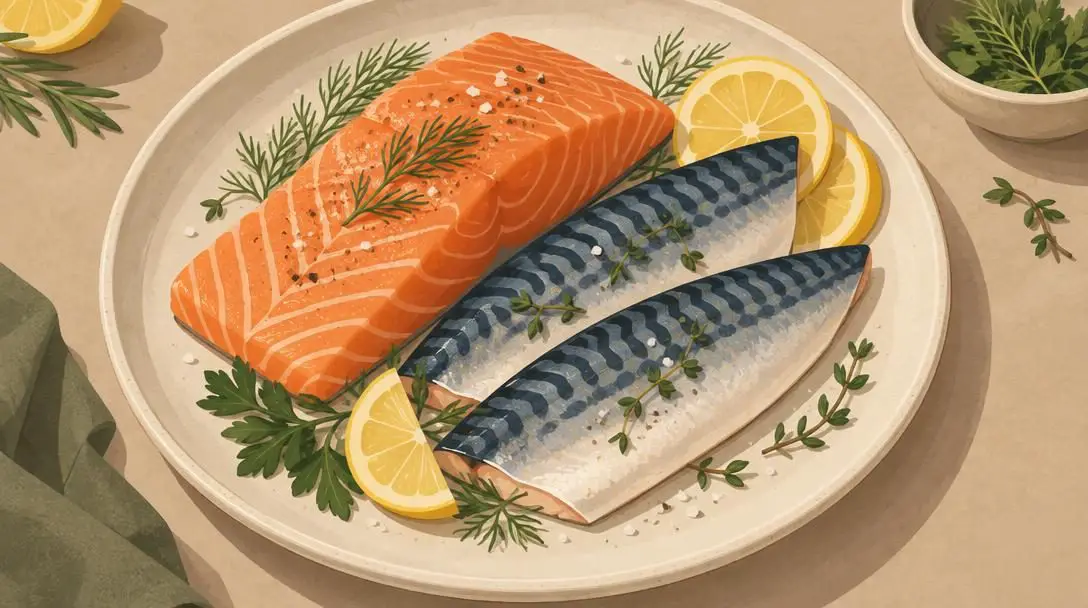
- Primary Examples: Salmon, tuna, mackerel
- Cooking Methods: Baking, grilling, pan-searing
Fatty fish represent the gold standard dietary source for omega-3 fatty acids, a class of essential polyunsaturated fats that the human body is incapable of synthesizing on its own. Because these vital fatty acids cannot be manufactured internally, they must be consistently acquired through dietary sources. When incorporated into daily tissue structures, omega-3 fatty acids actively mitigate systemic inflammation, helping to calm inflammatory cascades that otherwise induce vessel wall degradation and accelerate arterial stiffening.
Clinical studies demonstrate that regular intake of fatty fish improves overall endothelial function, enabling blood vessels to expand and contract with minimal mechanical resistance. Health guidelines recommend consuming at least two servings of fatty fish each week to ensure adequate tissue saturation of protective marine fats. Preparing species such as salmon, tuna, or mackerel through gentle cooking techniques like baking, grilling, or light pan-searing preserves their delicate fatty acid profiles without introducing degraded cooking oils. Pairing a pan-seared fillet with a side of steamed vegetables and an unrefined grain creates a nutritionally complete, cardioprotective meal.
Nuts
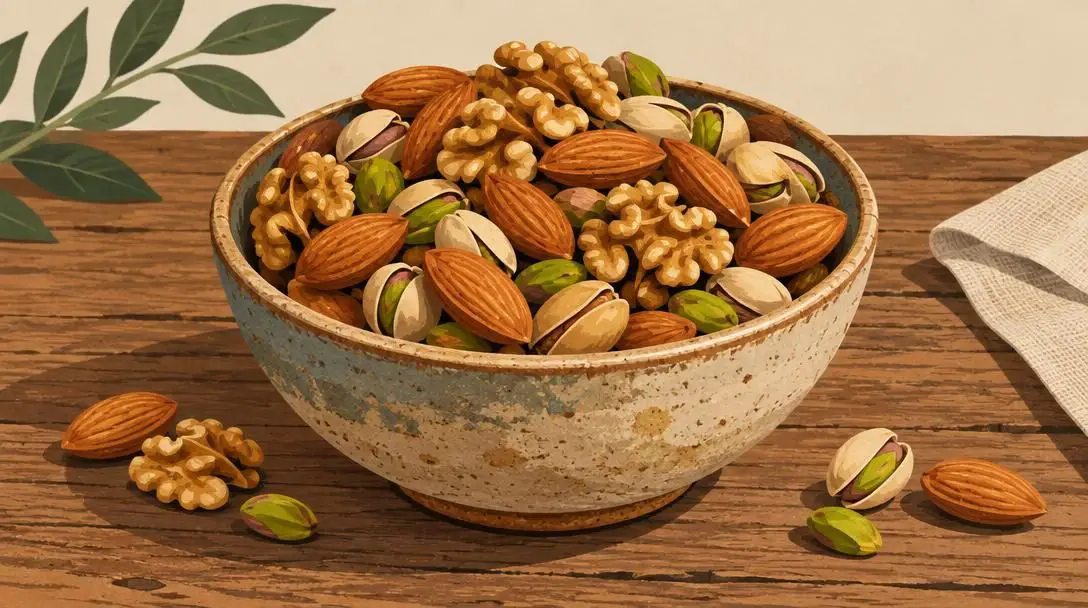
- Key Nutrients: Healthy fats, dietary fiber, plant protein
- Primary Examples: Almonds, walnuts, pistachios
- Primary Benefit: Cholesterol reduction and heart disease prevention
- Preparation Styles: Raw, dry-roasted, meal toppings
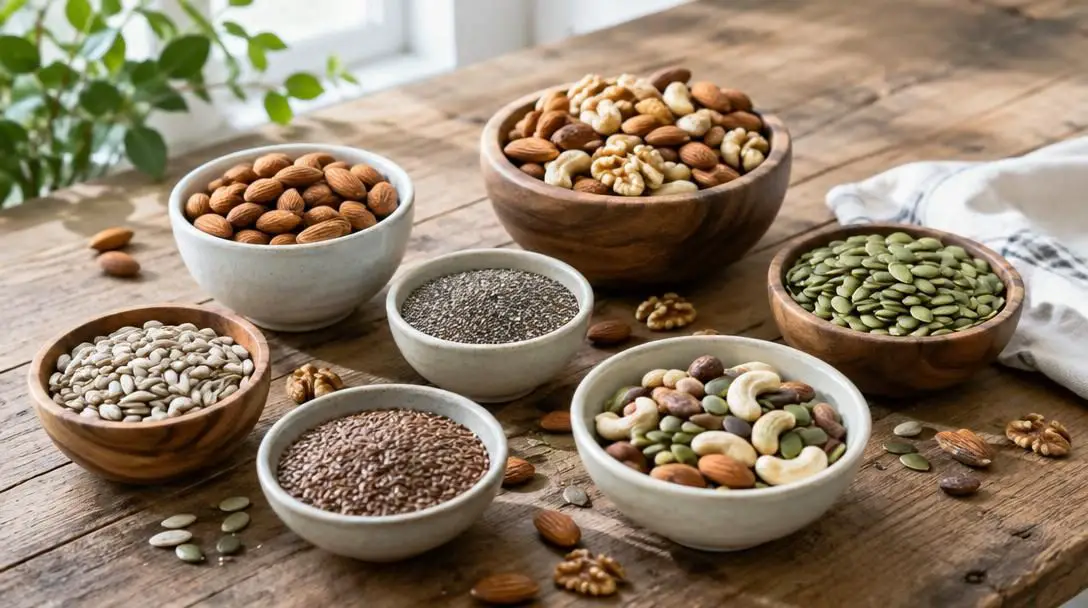
Nuts provide a remarkably dense combination of heart-healthy unsaturated fats, plant-derived proteins, and dietary fiber. Research has repeatedly demonstrated that incorporating nuts into a balanced diet assists in lowering total and LDL cholesterol, which directly correlates with a reduced risk of cardiovascular disease. Varieties such as almonds, walnuts, and pistachios stand out for their ability to deliver sustained vascular benefits while encouraging prolonged satiety between meals.
The natural fiber found in tree nuts assists the gastrointestinal tract in managing lipid processing, while their plant-based fats help maintain optimal vascular tone. Nuts can be incorporated effortlessly into daily eating patterns: they serve as a portable standalone snack, provide texture when tossed into fresh green salads and stir-fries, or act as a crunchy garnish over morning oatmeal or unsweetened yogurt.
Berries

- Key Nutrients: Polyphenol antioxidants, dietary fiber
- Primary Examples: Blueberries, strawberries, raspberries
- Primary Benefit: Reduces vascular inflammation and oxidative damage
- Storage Options: Fresh or frozen
Berries stand as one of nature's most concentrated sources of dietary antioxidants, offering deep pigments that neutralize reactive oxygen species within the bloodstream. Everyday metabolic processes and environmental stressors continuously generate oxidative byproducts that can damage the delicate inner lining of the vascular network. The protective compounds concentrated within blueberries, strawberries, and raspberries shield arterial tissues from this ongoing oxidative wear, helping to preserve long-term vascular flexibility and endothelial responsiveness.
In addition to their antioxidant richness, berries supply substantial amounts of dietary fiber, which actively supports healthy cholesterol clearance through natural digestive pathways. They can be enjoyed fresh as a midday snack, blended into breakfast smoothies, stirred into warm whole oats, or served over yogurt. Frozen berries provide identical nutritional potency and antioxidant value compared to fresh produce, making them an accessible, budget-friendly staple throughout every season of the year.
Whole Grains
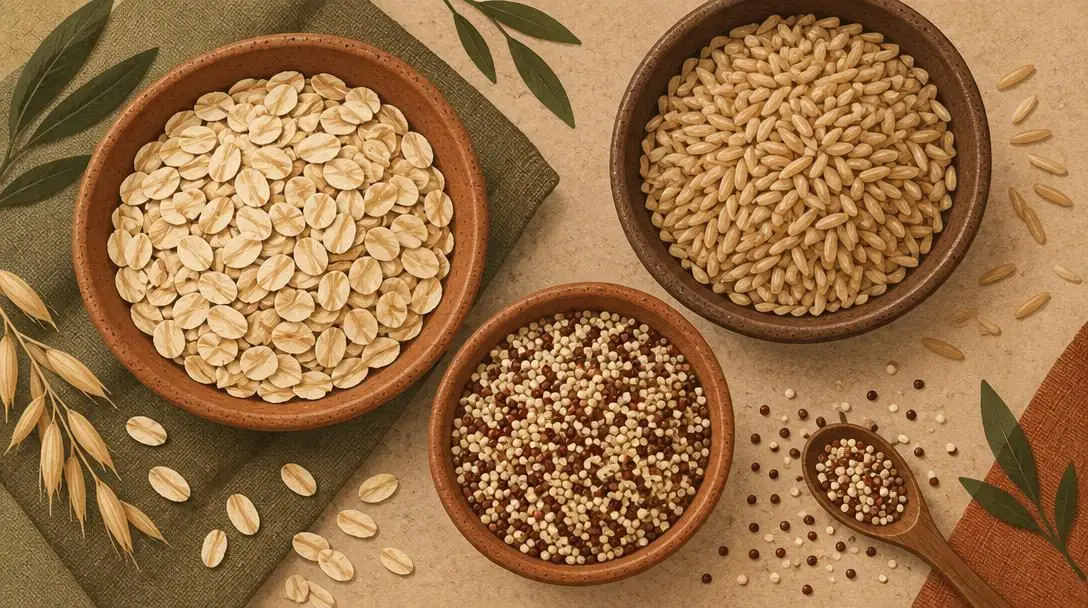
- Key Nutrients: Soluble and insoluble fiber, complex carbohydrates
- Primary Examples: Oats, brown rice, quinoa
- Primary Benefit: Cholesterol reduction and blood pressure support
- Refined Alternatives to Avoid: White bread, white pasta
Whole grains deliver a complete nutritional matrix that heavily processed grains lack. True whole grains—such as rolled oats, brown rice, and quinoa—retain all three anatomical components of the original seed: the fiber-rich outer bran, the nutrient-dense germ, and the starchy endosperm. This intact anatomical architecture provides complex carbohydrates that break down gradually during digestion, supporting steady energy delivery and avoiding rapid spikes in circulating blood sugar.
Comprehensive dietary research confirms that consistent consumption of whole grains helps lower blood pressure, reduce circulating cholesterol levels, and decrease overall heart disease risk. In contrast, refined grains such as white flour, white sandwich bread, and standard pasta have had their bran and germ mechanically stripped away, eliminating the valuable dietary fiber and micronutrients that defend cardiovascular tissue. Whole grains can form the hearty base of warm grain bowls, serve as nourishing sides alongside lean proteins, or provide a rich, warming breakfast in the form of cooked oatmeal.
Vegetables
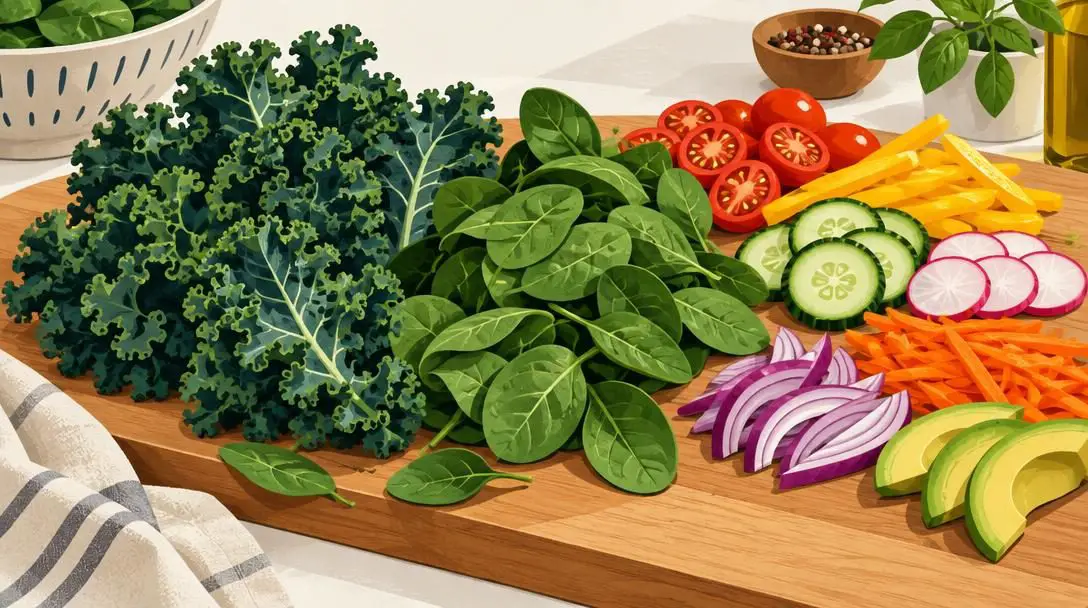
- Key Nutrients: Essential vitamins, minerals, dietary fiber
- Primary Examples: Kale, spinach, colorful garden vegetables
- Primary Benefit: Promotes vascular performance at low caloric density
- Culinary Uses: Raw salads, soups, casseroles, stir-fries
Vegetables constitute the structural foundation of any cardioprotective eating plan. Naturally low in calories yet exceptionally rich in dietary fiber, vitamins, and minerals, vegetables deliver the micronutrients required for optimal cellular signaling and arterial performance. Studies consistently verify that diets abundant in diverse vegetables correlate with significantly lower rates of cardiovascular complications, primarily because these plant foods supply the biochemical cofactors that keep vessel walls flexible and resilient.
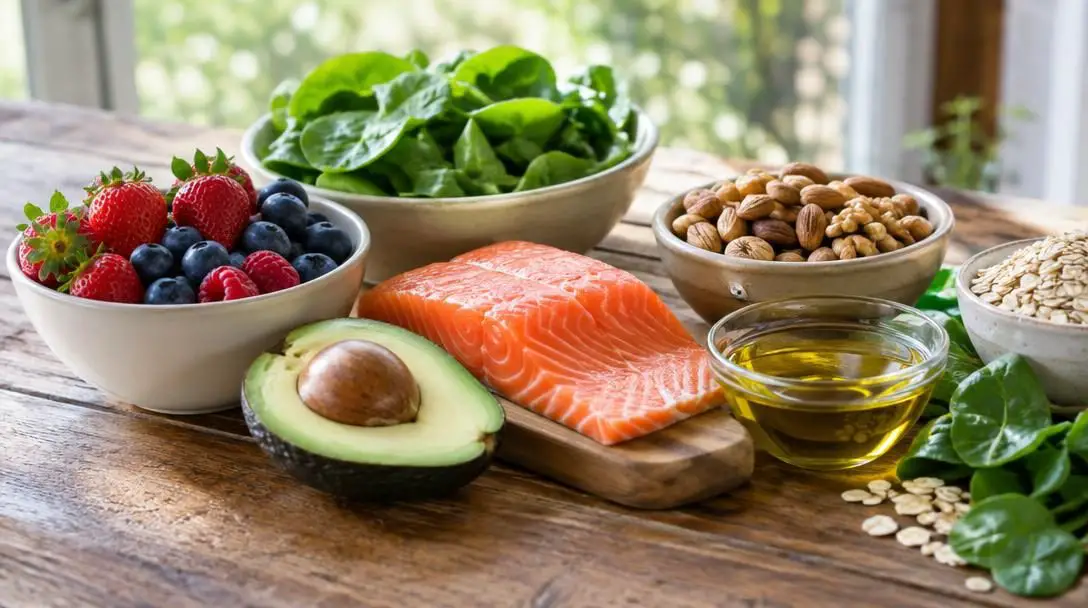
To capture the widest spectrum of protective compounds, it is beneficial to select vegetables representing a broad palette of colors, as differing natural pigments signal the presence of distinct protective phytonutrients. Dark leafy greens, most notably kale and spinach, are especially advantageous for cardiovascular health due to their concentrated micronutrient density. Vegetables offer remarkable culinary versatility: they can be enjoyed raw in crunchy salads, lightly steamed or roasted as side dishes, or incorporated directly into hearty soups, baked casseroles, and vegetable-rich stir-fries.
How These Foods Work Together to Protect the Heart
The true power of a heart-healthy diet emerges when these five nutritional categories are consumed as an interrelated, harmonious pattern rather than isolated superfoods. Cardiovascular decline is rarely driven by a single biological failure; rather, it stems from a combination of chronic arterial inflammation, lipid imbalances, elevated hydrostatic pressure, and oxidative tissue damage. A multi-ingredient whole-food diet addresses each of these physiological vulnerabilities simultaneously.
- Vascular Lining Protection: The concentrated antioxidants supplied by colorful berries and leafy green vegetables continuously patrol the bloodstream, neutralizing oxidative compounds and preventing damage to the delicate endothelial cells lining arterial pathways.
- Systemic Inflammation Reduction: Marine omega-3 fatty acids from fatty fish work in tandem with the phytonutrients found in leafy greens to dial down chronic internal inflammatory pathways, shielding arteries from stiffening and structural breakdown.
- Active Cholesterol Regulation: Soluble and insoluble fibers sourced generously from whole grains, tree nuts, vegetables, and fresh berries bind digestive bile and excess lipids, facilitating their natural elimination and reducing circulating blood cholesterol concentrations.
- Blood Pressure Normalization: The abundant minerals and unrefined fibers present in whole grains and diverse vegetables support balanced fluid dynamics and blood vessel relaxation, easing the mechanical workload placed upon the heart muscle during every contraction.
Practical Steps for Daily Meal Planning
Transitioning toward a cardioprotective diet does not require drastic restrictions or intimidating kitchen routines. Making deliberate, incremental adjustments to daily grocery shopping and meal preparation allows anyone to build lasting cardiovascular habits. The following structured sequence outlines how to seamlessly weave these five vital foods into everyday routines.
- Audit Weekly Protein Sources: Designate two specific days each week to replace standard meats with fatty fish options such as salmon, tuna, or mackerel. Utilize gentle cooking techniques like baking, broiling, or pan-searing with minimal added fats to protect their beneficial fatty acid structures.
- Upgrade the Morning Grain Base: Replace refined breakfast cereals, pastries, or white toast with unrefined whole grains. Prepare a warm bowl of rolled oats and enhance its nutritional density by folding in a measured handful of chopped walnuts or almonds alongside fresh or frozen blueberries.
- Incorporate Pre-Portioned Snacks: Remove ultra-processed snack items from daily routines by preparing convenient whole-food alternatives. Pre-portion small servings of pistachios or almonds into reusable containers, pairing them with fresh strawberries or raspberries for balanced midday energy.
- Diversify the Lunch and Dinner Plate: Visually assess your meal plates and ensure that vegetables occupy at least half of the total surface area. Incorporate vibrant leafy greens like spinach or kale alongside other colorful vegetables, preparing them raw in mixed salads or lightly sautéed in stir-fries.
- Transition to Whole Grains for Sides: Gradually phase out white pasta and white rice from dinner menus. Substitute them with complex carbohydrate alternatives like nutty brown rice or tender quinoa to serve as the functional foundation for family meals.
Common Nutritional Mistakes to Avoid
Even individuals with sincere health goals can encounter common dietary pitfalls that unintentionally weaken their cardiovascular benefits. Staying mindful of these practical missteps ensures that your meals deliver their full protective potential.
- Neglecting Portion Control with Nuts: Because almonds, walnuts, and pistachios are exceptionally calorie-dense, mindless snacking directly from large bulk bags can quickly contribute to unexpected caloric excesses despite their wholesome fat profile.
- Relying on Refined Grains Under Healthy Guises: Assuming that white breads, white pastas, or processed grain snacks offer the same biological advantages as genuine whole grains like oats and brown rice is a frequent error that deprives the body of essential dietary fiber.
- Overcooking or Smothering Vegetables: Prolonged boiling can leach water-soluble micronutrients out of fresh vegetables, while drenching nutrient-dense greens like kale and spinach in heavy, saturated-fat sauces counteracts their natural vascular benefits.
- Avoiding Frozen Produce Out of Season: Believing that only costly, fresh-picked berries and vegetables possess nutritional value frequently leads people to abandon them during winter months, overlooking the fact that unsweetened frozen produce provides identical cardioprotective nutrients.
- Treating Fish Consumption as an Occasional Event: Consuming fatty fish only once every few months fails to provide the consistent cellular supply of omega-3 fatty acids required to systematically suppress arterial inflammation over time.
Frequently asked questions
How many times per week should I eat fatty fish for heart health?
Scientific dietary guidelines recommend consuming at least two servings of fatty fish per week. Species like salmon, tuna, and mackerel deliver concentrated omega-3 fatty acids that help decrease vascular inflammation and maintain arterial elasticity.
Are frozen berries as nutritious for the heart as fresh berries?
Yes. Frozen berries retain an identical nutritional and antioxidant profile compared to fresh berries. They are flash-frozen shortly after harvest, preserving their dietary fiber and polyphenol antioxidants, making them a cost-effective, convenient option year-round.
Why are whole grains better for cardiovascular health than refined grains?
Whole grains retain all three original structural layers: the bran, germ, and endosperm. This provides complex carbohydrates and abundant dietary fiber that actively lower cholesterol levels and blood pressure, whereas refined grains have their fiber and essential micronutrients stripped away during milling.
Can eating too many nuts harm cardiovascular progress?
While nuts provide monounsaturated fats, plant proteins, and fiber that lower cholesterol, they are also exceptionally calorie-dense. Consuming them in unmeasured, excessive quantities can lead to unwanted weight gain, so enjoying them in moderate, measured portions is recommended.
What makes leafy green vegetables like kale and spinach uniquely beneficial?
Leafy greens deliver an exceptional density of essential vitamins, minerals, and plant pigments at very low caloric levels. These micronutrients directly support healthy blood vessel performance and lower the overall risk of heart disease.
The bottom line
Nurturing cardiovascular vitality does not demand complicated medical interventions or punishing nutritional regimens. By deliberately orienting regular meals around fatty fish, nutrient-packed tree nuts, antioxidant-rich berries, intact whole grains, and a colorful array of vegetables, you construct an enduring biological shield for your arterial network. These whole foods work collaboratively to keep blood vessels elastic, soothe internal inflammation, regulate blood pressure, and maintain optimal cholesterol balance throughout every decade of life.
Ultimately, lasting heart health thrives when a nutrient-rich eating pattern is reinforced by broader lifestyle fundamentals. Pairing your daily dietary improvements with routine physical activity, adequate hydration, restorative sleep, stress mitigation, and periodic medical checkups ensures comprehensive protection for your cardiovascular system. Start by implementing small, manageable upgrades—such as swapping a refined side for brown rice or adding walnuts to your morning oatmeal—and allow those intentional habits to compound into a lifetime of vitality.