The Health Benefits of Eating Nuts and Seeds
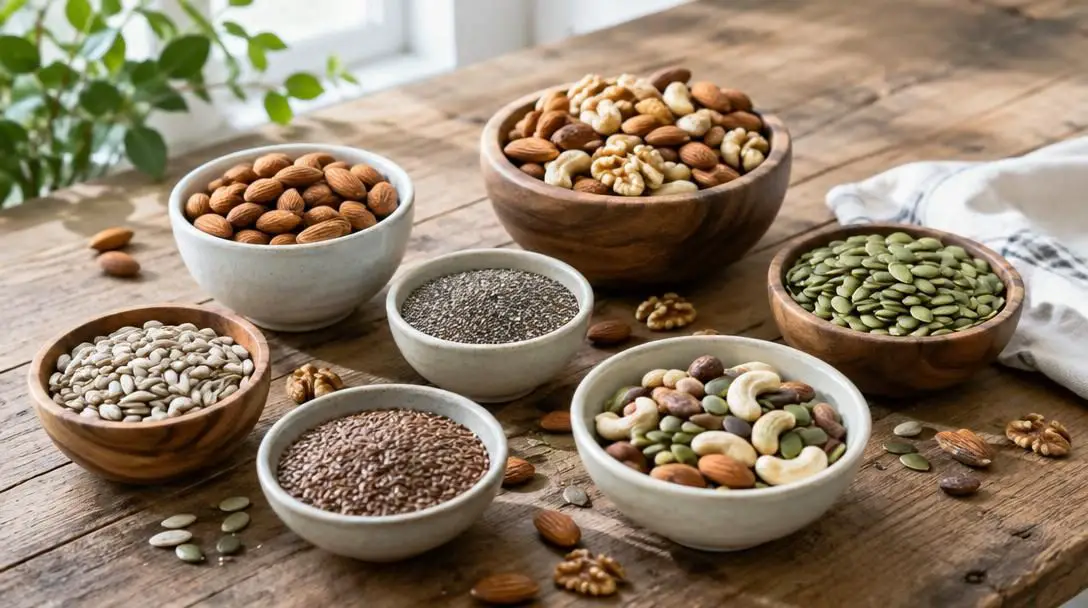
For generations, botanical reproductive units such as nuts and seeds have formed an indispensable part of human diets worldwide. Because these plant structures are designed by nature to nurture and sustain new life, they hold a remarkably dense concentration of energy, structural compounds, and protective micronutrients. While modern grocery aisles are dominated by heavily processed snacks that cause rapid spikes and crashes in blood glucose, returning to whole plant foods offers a practical way to achieve lasting satiety and vital nutrient intake.
Far from being mere dietary garnishes, tree nuts, peanuts, and edible seeds deliver a potent combination of unsaturated fats, plant proteins, dietary fiber, and essential minerals. Whether blended into morning spreads, stirred into grain dishes, or eaten by the handful, understanding the nutritional profiles and physical mechanisms of these foods allows anyone to maximize their broad health benefits safely and effectively.
Key takeaways
- Nuts and seeds provide concentrated amounts of dietary fiber, plant protein, healthy fats, vitamins, and antioxidants.
- The unsaturated fatty acids in nuts and seeds help lower cholesterol levels to protect cardiovascular health.
- High fiber and protein content slows gastric digestion, helping control appetite and manage body weight.
- Specific varieties offer specialized nutrient profiles, ranging from bone-supporting minerals to anti-inflammatory omega-3 fatty acids.
- Gradual dietary integration and careful portion control prevent digestive upset and unintentional excess calorie intake.
The Biological and Nutritional Power of Plant Seeds
Every nut and seed is a self-contained biological powerhouse. In botanical terms, these foods are the reproductive units of flowering plants and trees, built to safeguard and nourish an embryo until it can establish roots and gather fuel from the sun and soil. To accomplish this biological goal, plants concentrate an extraordinary array of proteins, structural lipids, and defensive phytochemicals into every hull and shell.
In contrast to ultra-processed convenience items, nuts and seeds qualify as true nutrient-dense whole foods. A single serving delivers far more than simple calories; it provides structural building blocks that human cells require to repair tissues, synthesize hormones, and regulate cellular stress. When eaten in their whole form, nuts and seeds retain their intact cellular matrix and dietary fiber, slowing the rate at which the body absorbs energy and preventing sharp fluctuations in blood sugar.
Standout Varieties and Their Nutrient Profiles
While all edible kernels share fundamental nutritional similarities, individual varieties feature distinct micronutrient and lipid distributions. Rotating a diverse selection through your meals guarantees a balanced intake of vital minerals and plant compounds.
Almonds
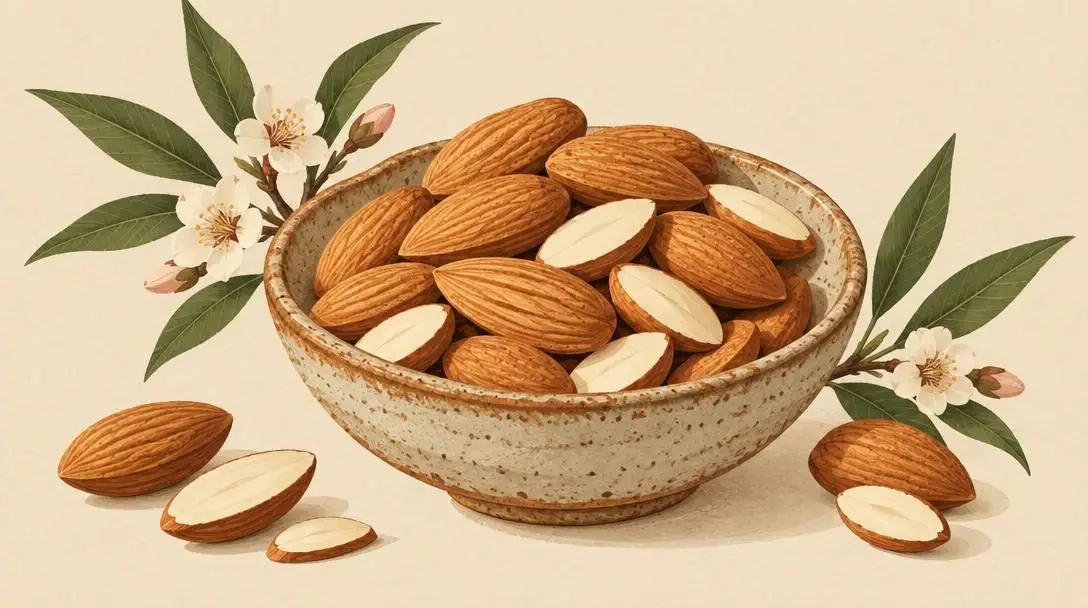
- Key Micronutrients: Calcium, magnesium, and vitamin E
- Primary Fats: Monounsaturated and polyunsaturated fats
- Common Culinary Forms: Sliced, whole, dry-roasted, or ground into butter
Almonds stand out primarily for their wealth of structural minerals and lipid-soluble vitamins. They serve as an exceptional plant-based source of calcium and magnesium, two essential minerals that support bone density, muscular relaxation, and neuromuscular signaling. Furthermore, almonds are rich in vitamin E, an essential fat-soluble antioxidant that protects cellular membranes against destructive oxidative damage.
Sunflower Seeds
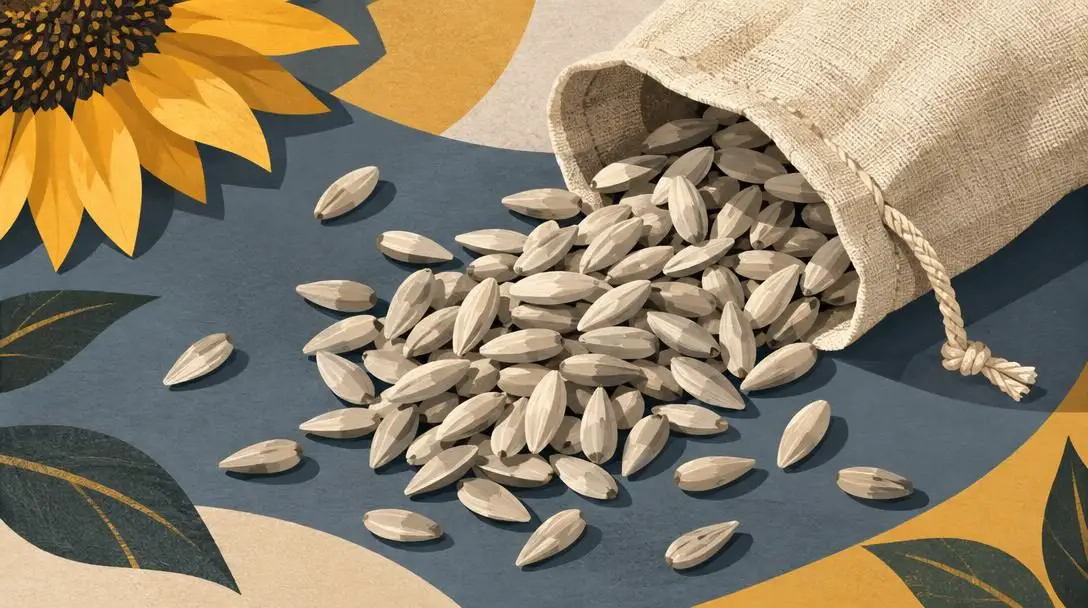
- Key Micronutrients: Vitamin B6, iron, and zinc
- Botanical Origin: Harvested from the center of mature sunflower blooms
- Culinary Role: Texture builder for salads, doughs, and breakfast bowls
Harvested from the flowering head of the sunflower plant, sunflower seeds provide an accessible, mineral-dense addition to daily cooking. These seeds are notably high in vitamin B6, an indispensable coenzyme involved in energy metabolism and neurotransmitter production. They also deliver appreciable amounts of iron, which supports red blood cell production, and zinc, an essential mineral for cellular division and immune system performance.
Walnuts
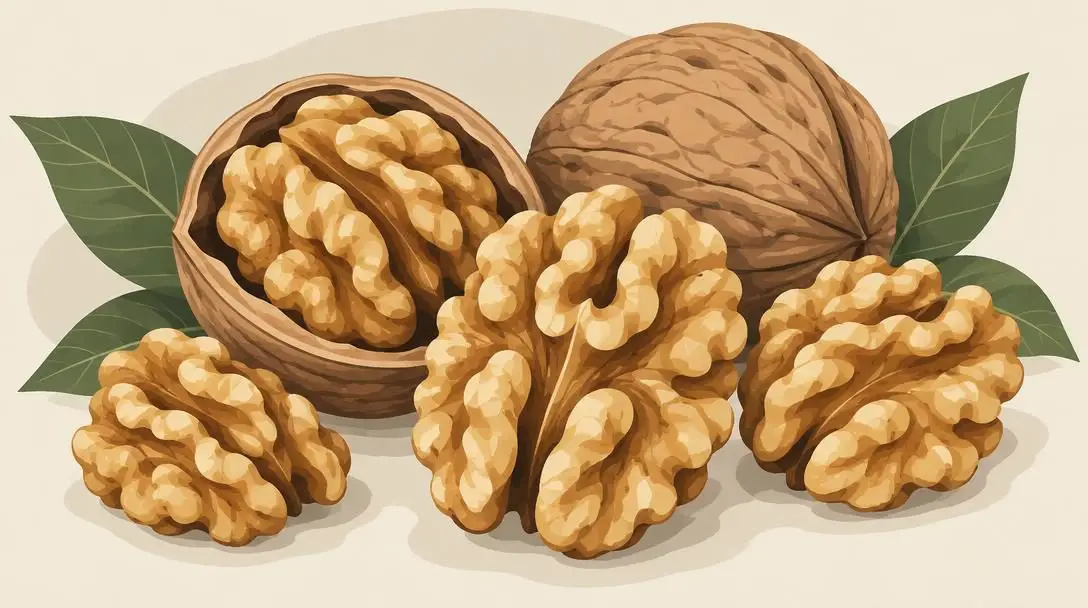
- Key Healthy Fat: High in omega-3 fatty acids
- Physical Characteristic: Lobed kernel resembling the human brain
- Primary Health Focus: Cognitive function and cardiovascular support
Walnuts occupy a distinctive nutritional category due to their exceptional concentration of polyunsaturated fats, specifically alpha-linolenic acid, a plant-based omega-3 fatty acid. These essential fatty acids serve as vital structural components in neural tissue and cardiovascular endothelium. Consuming walnuts regularly provides the necessary biological substrates to reduce systemic inflammation and support flexible vascular walls.
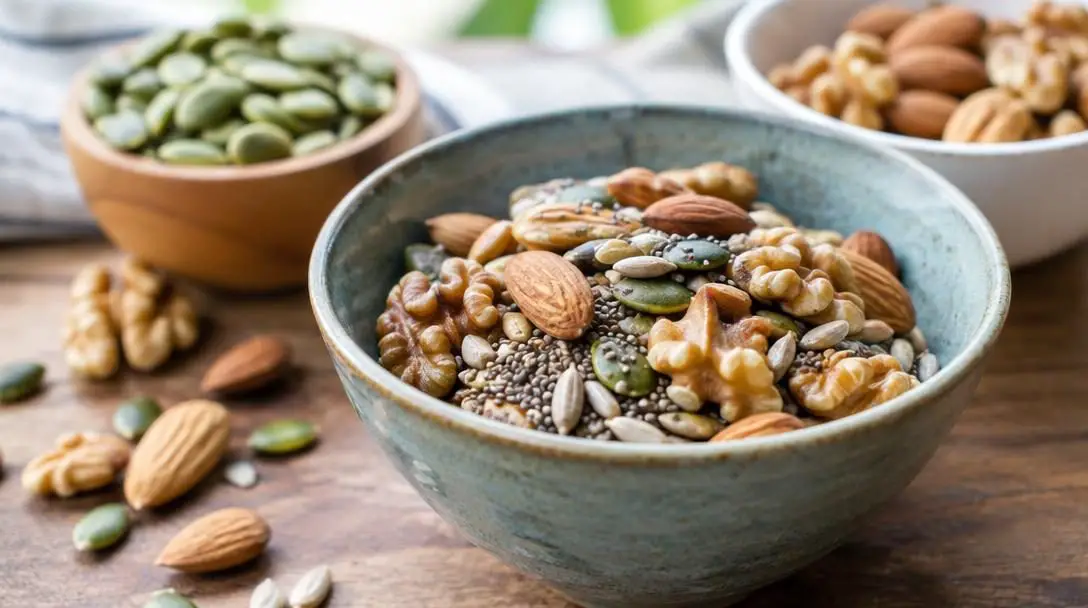
Pumpkin Seeds
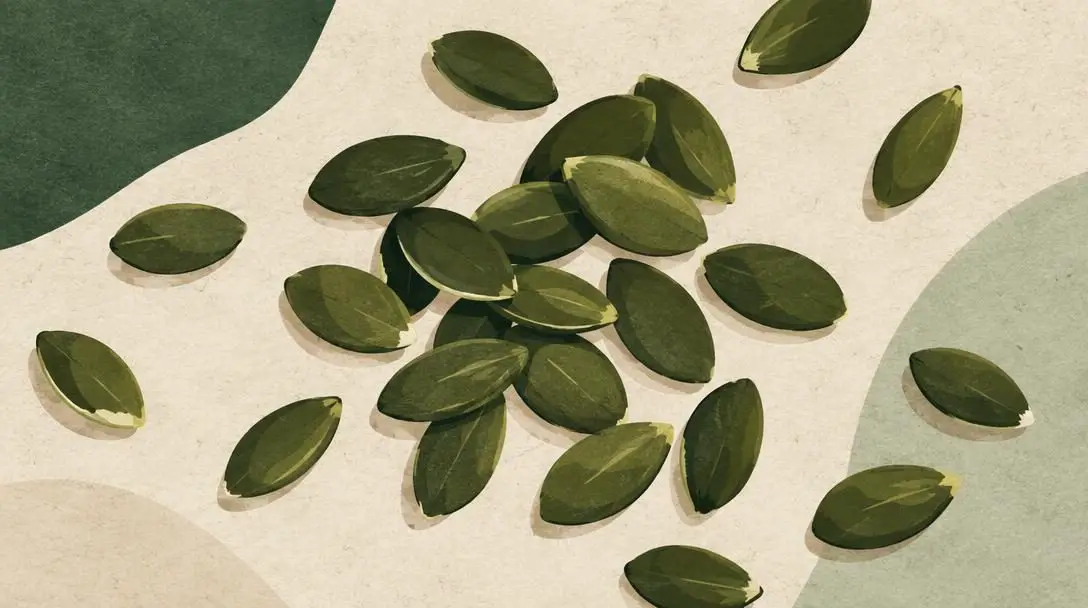
- Standout Compounds: High levels of antioxidants
- Texture and Color: Flat, dark green, nutrient-dense kernels
- Culinary Function: Crunchy garnish for warm soups, grains, and salads
Pumpkin seeds, also known in many culinary traditions as pepitas, are concentrated packets of protective plant compounds. Alongside healthy fats and protein, pumpkin seeds feature remarkably high levels of antioxidants that actively hunt and neutralize circulating free radicals. Their intense green color reflects a dense distribution of phytochemicals that shield tissues against metabolic stress.
Nutritional Profiles at a Glance
Different nuts and seeds complement each other by offering unique micronutrients and protective compounds. The following table highlights the standout nutritional strengths and ideal culinary uses for each major variety.
| Nut or Seed | Core Micronutrient Strengths | Standout Healthy Fat or Compound | Ideal Everyday Culinary Application |
|---|---|---|---|
| Almonds | Calcium, magnesium, vitamin E | Monounsaturated fats | Breakfast bowls, yogurt toppings, nut butter |
| Sunflower Seeds | Vitamin B6, iron, zinc | Polyunsaturated fats | Tossed green salads, trail mixes, savory breads |
| Walnuts | Vitamins and trace minerals | Omega-3 fatty acids | Oatmeal garnish, baked loaves, grain bowls |
| Pumpkin Seeds | Essential trace minerals | High antioxidant content | Roasted soup garnishes, vegetable toppings |
Physiological Mechanisms: How Nuts and Seeds Act in the Body
The health benefits associated with eating nuts and seeds stem from distinct physiological actions within the cardiovascular, gastrointestinal, and cellular systems.
Within the cardiovascular system, the healthy fats found in nuts and seeds—predominantly monounsaturated and polyunsaturated fats, alongside omega-3 fatty acids—play an active role in regulating circulating cholesterol levels. Excess low-density cholesterol in the bloodstream is prone to oxidation, which triggers arterial plaque formation. By replacing saturated lipids with unsaturated plant fats, the body more efficiently processes circulating cholesterol, lowering arterial buildup and supporting long-term vascular flexibility.
Digestive mechanics illustrate why nuts and seeds are so effective for controlling hunger. Their dietary fiber passes largely untouched through the stomach and into the intestines. Soluble fiber binds with water to create a viscous gel that slows gastric emptying, while insoluble fiber adds physical bulk to support regular bowel elimination. Combined with plant protein, this slow transit prevents rapid spikes in blood glucose and subsequent insulin surges, keeping you satisfied between meals.
Replacing empty snack calories with the dense fiber and unsaturated fats of whole seeds directly shields vascular pathways and dampens persistent internal inflammation.
At the cellular level, metabolic processes continuously generate free radicals—unstable molecules that damage cell walls, enzymes, and DNA. Over time, unchecked oxidative stress produces chronic low-grade inflammation. The diverse antioxidants, vitamin E, and natural anti-inflammatory agents in nuts and seeds intercept these reactive compounds, neutralizing them before they can inflict lasting harm on vascular linings and delicate brain cells.
Documented Health Benefits of Regular Consumption
Decades of nutritional research indicate that making nuts and seeds a consistent component of daily meal planning delivers broad systemic benefits across several vital areas of health.
- Cardiovascular Health: Regular intake helps lower blood cholesterol levels, reducing the risk of developing serious cardiovascular disease, stroke, and arterial stiffness.
- Appetite Regulation and Weight Management: The concentrated combination of protein and dietary fiber delays digestion, curb cravings, and naturally lowers total calorie consumption throughout the day.
- Reduced Systemic Inflammation: Potent anti-inflammatory properties and antioxidants help suppress the chronic internal inflammation linked to type 2 diabetes, heart conditions, and certain cancers.
- Enhanced Brain Function: High concentrations of vitamin E and omega-3 fatty acids preserve neural membranes, supporting cognitive function and lowering the long-term risk of neurodegenerative conditions such as Alzheimer's disease.
- Metabolic Support: High dietary fiber intake helps buffer carbohydrate absorption, aiding in the prevention and management of type 2 diabetes.
Practical Steps to Integrate Nuts and Seeds into Daily Meals
You do not need complicated recipes or extensive kitchen preparation to make nuts and seeds an everyday habit. Applying these simple steps will seamlessly elevate the nutrient density of your daily meals.
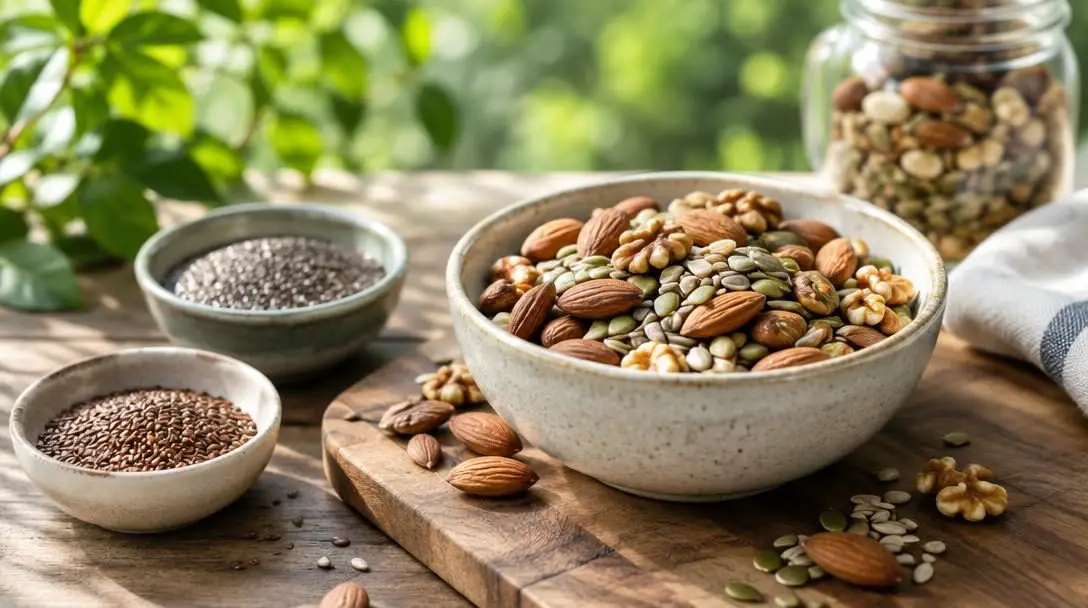
- Fortify morning cereals and yogurts: Add a tablespoon of sunflower seeds, pumpkin seeds, or sliced almonds to cold cereal, warm oatmeal, or plain yogurt for immediate texture and protein.
- Incorporate pure nut butters: Spread natural peanut butter or almond butter across whole-grain toast, sliced apples, or crackers as a steadying afternoon snack.
- Blend into breakfast smoothies: Drop a spoonful of whole seeds or a scoop of nut butter into fruit and vegetable smoothies to add healthy fats that create a rich, creamy consistency.
- Elevate salads and vegetable bowls: Sprinkle chopped walnuts, almonds, or toasted sunflower seeds over raw greens, grain bowls, and roasted root vegetables for satisfying crunch.
- Enrich homemade baked goods: Fold raw seeds and crushed nuts directly into whole-grain muffin batters, quick breads, and homemade snack bars prior to baking.
- Garnish hot savory dishes: Lightly toast pumpkin seeds or slivered almonds in a dry skillet, then scatter them across evening stir-fries, soups, and grain dishes right before serving.
Common Mistakes That Diminish Nutritional Value
Even wholesome whole foods can lose their nutritional value if prepared, handled, or consumed improperly. Watch out for these frequent mistakes to ensure your dietary habits remain beneficial:
- Purchasing sugar-coated or deep-fried varieties: Commercial nuts glazed in sugar, honey, or hydrogenated oils add unnecessary empty calories and trans fats that counteract their cardiovascular benefits. Choose raw or dry-roasted versions instead.
- Improper storage leading to rancidity: Because nuts and seeds are rich in delicate polyunsaturated and omega-3 fats, exposure to heat, light, and oxygen can cause rapid oxidation. Store them in airtight containers in a cool, dark cabinet, or keep them in the refrigerator or freezer for long-term freshness.
- Sticking to a single variety: Relying solely on one item, such as only eating almonds, prevents you from absorbing the unique micronutrients present in other varieties, such as the zinc in sunflower seeds or the omega-3s in walnuts.
- Mindless snacking directly from bulk containers: Because these foods are naturally energy-dense, eating directly from large bags can easily result in consuming multiple servings without realizing it. Measure out a single handful before eating.
Important Precautions and Health Considerations
While nuts and seeds are widely praised as nutritional powerhouses, individual physiology dictates how they should be approached. Certain health conditions and medical regimens require careful oversight.
Allergies represent the most serious concern. Tree nuts and peanuts are among the most prevalent food allergens worldwide, capable of producing severe immune reactions. Anyone who experiences sudden hives, facial swelling, itchy lips, or breathing difficulties after eating nuts or seeds must seek emergency medical intervention immediately.
Energy density also warrants mindful eating. Because nuts and seeds store high levels of plant fats, they carry a high calorie-to-weight ratio. Although these fats support cardiovascular and metabolic health, consistently consuming them in excessive quantities without accounting for total caloric intake can lead to unintended weight gain.
Finally, digestive tolerance must be considered. Individuals who currently eat a low-fiber diet may experience intestinal gas, bloating, or stomach cramps if they suddenly introduce large quantities of raw nuts and seeds. Introducing them in small, incremental portions over two to three weeks allows gastrointestinal enzymes and the gut microbiome to adjust comfortably.
Frequently asked questions
How many nuts and seeds should I eat each day?
A standard daily serving is generally one small handful, or about one ounce (28 grams). This portion provides substantial amounts of healthy fats, protein, and minerals while keeping total calorie intake balanced.
Are raw nuts healthier than roasted nuts?
Raw and dry-roasted nuts share very similar nutrient contents, fiber, and protein. However, raw or unflavored dry-roasted options avoid the excess sodium, refined sugars, and hydrogenated oils commonly found in commercially fried or glazed nuts.
Can eating nuts and seeds help me lose weight?
Yes, when used to replace ultra-processed snacks. The high fiber and protein content delays gastric emptying, promoting long-lasting satiety that naturally curbs hunger and reduces total daily calorie consumption.
Why do nuts and seeds spoil, and how should they be kept?
The unsaturated fats and omega-3s in nuts and seeds oxidize when exposed to warm air, light, and humidity. To prevent rancidity, store them in airtight glass or plastic containers in a cool pantry, or refrigerate them for extended shelf life.
Do nuts interact with prescription blood thinners?
Certain nuts, particularly cashews, contain vitamin K, which plays a central role in blood coagulation. Individuals taking blood-thinning medications should consult their physician before significantly increasing their intake of vitamin K-rich nuts.
The Bottom Line
Nuts and seeds offer one of the simplest, most versatile ways to upgrade your everyday nutrition. By delivering sustained plant protein, digestive fiber, vital minerals, and heart-protective fats, these natural plant units support long-term cardiovascular health, assist with weight management, and help protect the body from chronic systemic inflammation.
Begin by assessing your kitchen pantry and replacing processed, sugary snacks with plain, raw, or dry-roasted options like almonds, walnuts, sunflower seeds, and pumpkin seeds. As you gradually work them into your breakfast bowls, lunchtime salads, and evening dishes, keep an eye on portion sizes and ensure proper airtight storage. Embracing a diverse mix of these nutrient-rich seeds and nuts will provide your body with reliable, whole-food nourishment for years to come.