5 Countries That Could Host a Fifth Tennis Major
Professional tennis is defined by its deep traditions, yet the sport has never remained entirely static. The advent of the Open Era proved that foundational structural changes are possible, transforming tennis from fragmented amateur contests into a unified global enterprise. Today, the sport's pinnacle rests upon four grand slam tournaments: the Australian Open, the French Open, Wimbledon, and the US Open. These four marquee events command the largest audiences, generate the highest revenues, and award the most coveted titles in the sport.
While the four-tournament model seems immutable to many fans, international interest and elite infrastructure continue to expand far beyond the borders of the current host nations. Although adding a fifth major tournament would redefine the traditional grand slam concept, several countries possess the historic pedigree, financial resources, and stadium capacity needed to stage a competition of that magnitude.
Key takeaways
- The four existing grand slam tournaments represent the highest competitive tier, but several non-major nations already operate world-class tennis venues and elite tournaments.
- Canada and Spain possess storied ATP Masters 1000 competitions, though Canada faces severe calendar restrictions due to northern weather patterns.
- Italy and China feature Olympic-scale infrastructure, with Turin's Pala Alpitour and Beijing's National Tennis Stadium ranking among the world's ten largest tennis venues.
- The Netherlands demonstrates that a nation without an active ATP Masters 1000 event can still boast world-class scale, home to the massive Rotterdam Ahoy.
- Upgrading any event to major status requires resolving intense calendar congestion, extending tournament draws to 128 players, and accommodating grueling multi-week schedules.
The Structure of the Professional Tennis Calendar
To evaluate how an additional major could fit into the modern game, one must first examine the tiered governing framework of the professional tour. The competitive calendar is tightly scheduled, balancing player recovery, surface transitions, and commercial commitments across several established tournament levels:
- Grand Slam Events: The four traditional pillars—the Australian Open, the French Open, Wimbledon, and the US Open. These events run independently across multi-week fortnights, accommodating 128-player fields, best-of-five set matches in men's play, the highest ranking point allocations, and the largest prize pools.
- ATP Tour Masters 1000 Tournaments: The elite tier immediately below the majors. These high-profile events bring together the top-ranked players in the world and require significant venue footprints, operational budgets, and broadcast capabilities.
- ATP 500 and ATP 250 Tournaments: Vital regional and mid-tier stops that fill the rest of the global season. These competitions allow players to accumulate ranking points and build form while providing host nations around the globe regular access to professional talent.
- Season-Ending Finals: The concluding marquee showcases, such as the ATP Finals, which assemble only the season's elite performers inside world-class indoor arenas.
Because the current calendar is already crowded, any potential upgrade to major status would cause significant ripple effects. Players must transition between hard courts, clay, and grass within tight windows, making geographical location and seasonal weather essential variables in any expansion debate.
Five Candidates for a Hypothetical Fifth Major
If governing bodies ever decided to expand the premier tier beyond its historic borders, five nations stand out for their exceptional facilities, tournament organizing experience, and tennis culture.
| Country | Flagship Tournament | Notable Stadium Venue | Global Venue Scale | Masters 1000 Status |
|---|---|---|---|---|
| Canada | Canadian Open | Montreal / Toronto Stadiums | Multi-court dual-city network | Yes |
| Italy | Italian Open | Pala Alpitour (Turin) | 6th-largest tennis venue worldwide | Yes |
| Netherlands | Rotterdam Open | Rotterdam Ahoy | 5th-largest tennis venue worldwide | No |
| China | Shanghai Masters / China Open | National Tennis Stadium (Beijing) | Top-10 venue worldwide | Yes |
| Spain | Madrid Open | Caja Mágica (Madrid) | 12,500-seat primary stadium | Yes |
Canada
- Flagship Event: Canadian Open
- Inaugural Year: 1881
- Current Status: ATP Tour Masters 1000
- Primary Host Cities: Montreal and Toronto
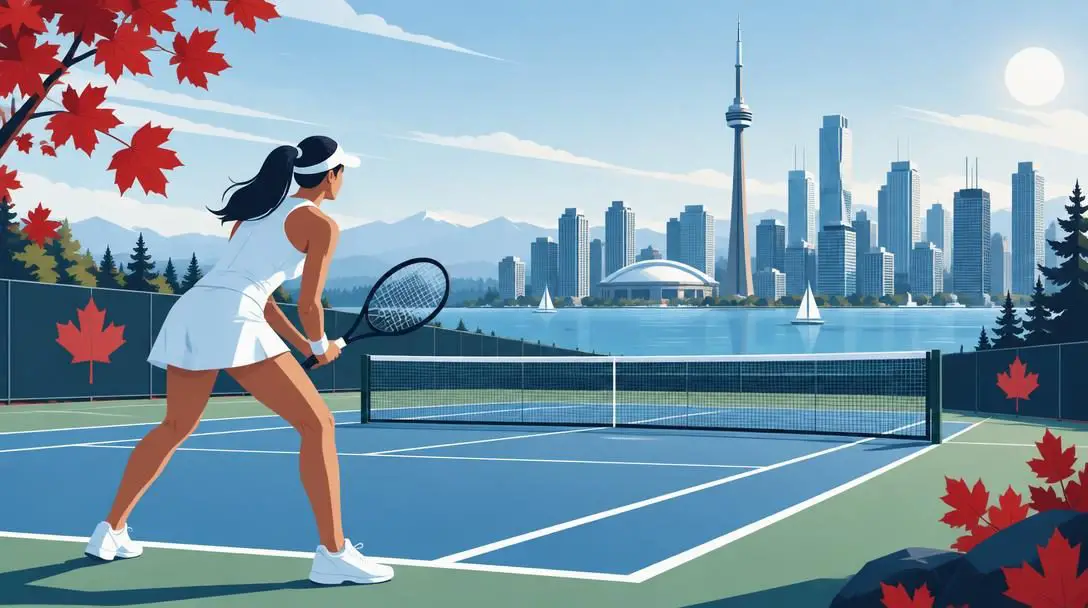
North America has an extensive tennis legacy, though international audiences frequently focus on the United States. Canada represents an outstanding candidate for major status, anchored by the Canadian Open, which began competition in 1881. As one of the oldest active tournaments in the world, the event alternates hosting duties each year between Montreal and Toronto, proving its capability to manage dual-city logistics at an elite ATP Tour Masters 1000 level.
Beyond Montreal and Toronto, metropolitan centers such as Vancouver and Ottawa have the municipal foundations to support marquee international athletics. However, Canada faces a distinct obstacle: climatic limitations. To ensure outdoor play, a Canadian major must take place in the narrow window between May and August. Inserting a two-week major into this timeframe presents an intense scheduling conflict with established European clay events, Wimbledon, and the US Open.
Italy

- Flagship Event: Italian Open
- Inaugural Year: 1930
- Current Status: ATP Tour Masters 1000
- Key Venues: Rome and Pala Alpitour (Turin)
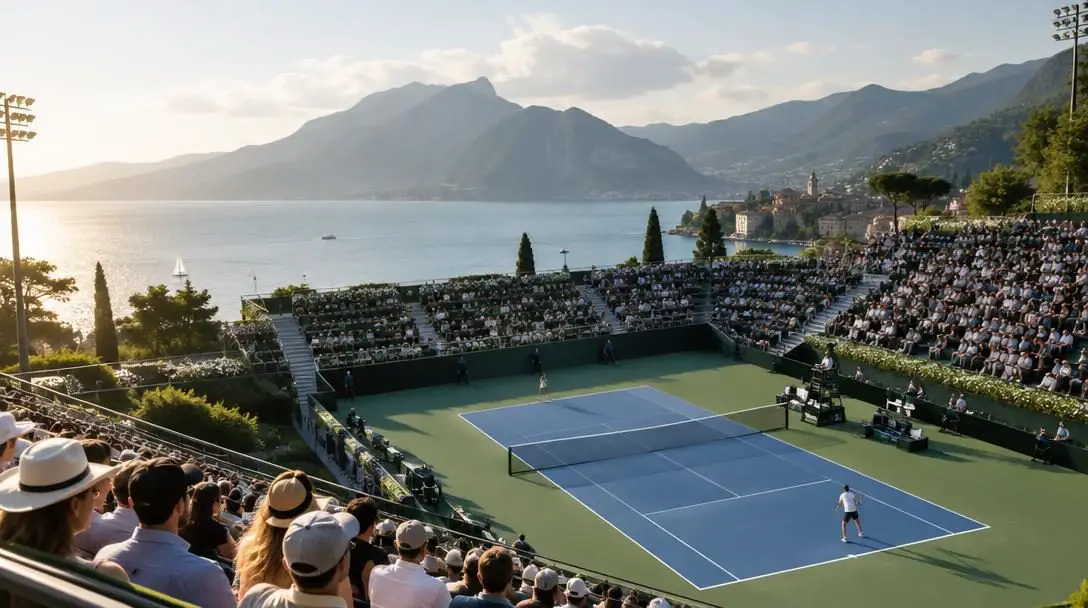
Italy holds an exceptional position in European tennis, operating the historic Italian Open in Rome since 1930. The nation has elevated its profile by serving as the host of the prestigious season-ending ATP Finals in Turin. Both Rome and Turin possess a proven track record of managing global athletic showcases, having previously staged the Summer and Winter Olympic Games, respectively.
The crown jewel of Italy's indoor sports infrastructure is the Pala Alpitour in Turin. Originally constructed for the Winter Olympics, the venue was repurposed for tennis and secured by the ATP Finals on a long-term contract. Ranked as the sixth-largest tennis venue in the world, Pala Alpitour provides the high-capacity, state-of-the-art environment demanded by modern major competitions.
Netherlands

- Notable Legends: Tom Okker, Kea Bouman, Betty Stove
- Premier Venue: Rotterdam Ahoy
- Global Venue Rank: 5th-largest tennis venue in the world
- Current Tournament Tiers: ATP 250 and ATP 500
The Netherlands has produced elite tennis champions throughout the sport's history, including Tom Okker, Kea Bouman, and Betty Stove. Unlike other European contenders, the country has never hosted an ATP Masters 1000 tournament, even while neighboring nations like Germany and Sweden previously held spots on that calendar. Despite this historical omission, Dutch sports facilities rival any in the world.
The premier venue in the Netherlands is Rotterdam Ahoy, which stands as the fifth-largest tennis venue in the world. The country already hosts popular ATP 250 and 500 competitions and possesses the transit, lodging, and hospitality infrastructure necessary to handle hundreds of thousands of international visitors across a multi-week event. Upgrading to a major would mark a significant step upward, but the venue capacity is already operational.
China
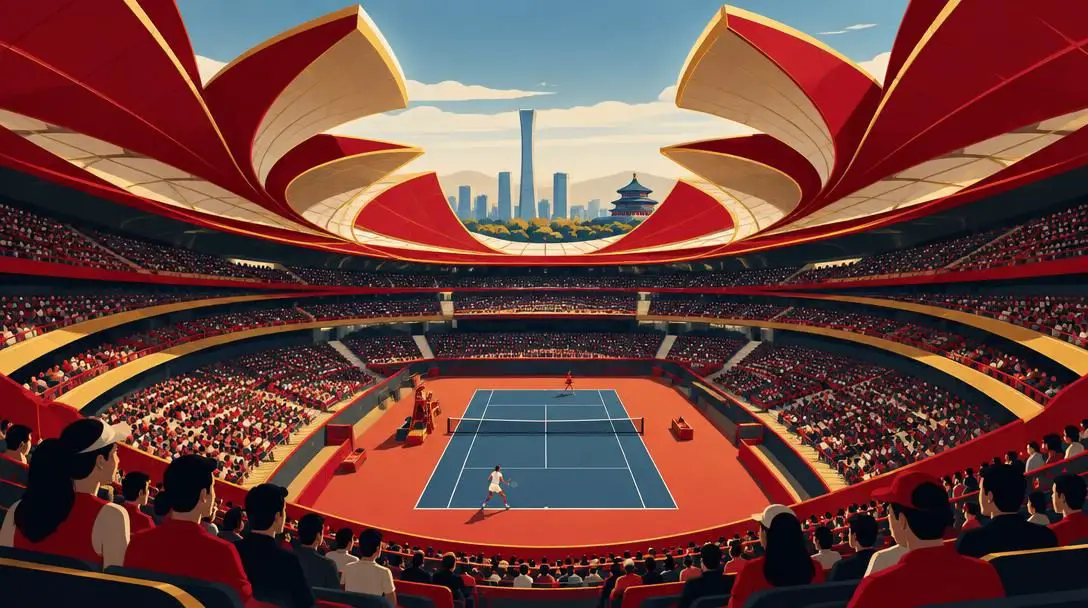
- Flagship Event: Shanghai Masters
- Inaugural Year: 2009
- Signature Arenas: Qizhong Forest Sports City Arena and Beijing's National Tennis Stadium
- Current Status: ATP Tour Masters 1000
China represents the most expansive non-Western tennis market, highlighted by the Shanghai Masters. Debuting in 2009 at the Qizhong Forest Sports City Arena, the tournament quickly established itself as one of the tour's premier venues. Even after global travel restrictions temporarily disrupted the Shanghai Masters during the COVID-19 pandemic, the ATP reiterated its long-term investment in Chinese tennis infrastructure.
China's capabilities extend well past Shanghai. Following multiple Olympic Games hosted during the 21st century, the nation developed an extensive network of athletic complexes. The National Tennis Stadium in Beijing, home to the China Open since 2011, ranks among the ten largest tennis stadiums in the world. With multiple world-class venues already constructed, China possesses the rare physical capability to run a full 128-player major draw with minimal facility upgrades.
Spain
- Flagship Event: Madrid Open
- Inaugural Year: 2002
- Primary Stadium: Caja Mágica
- Stadium Capacity: 12,500 seats
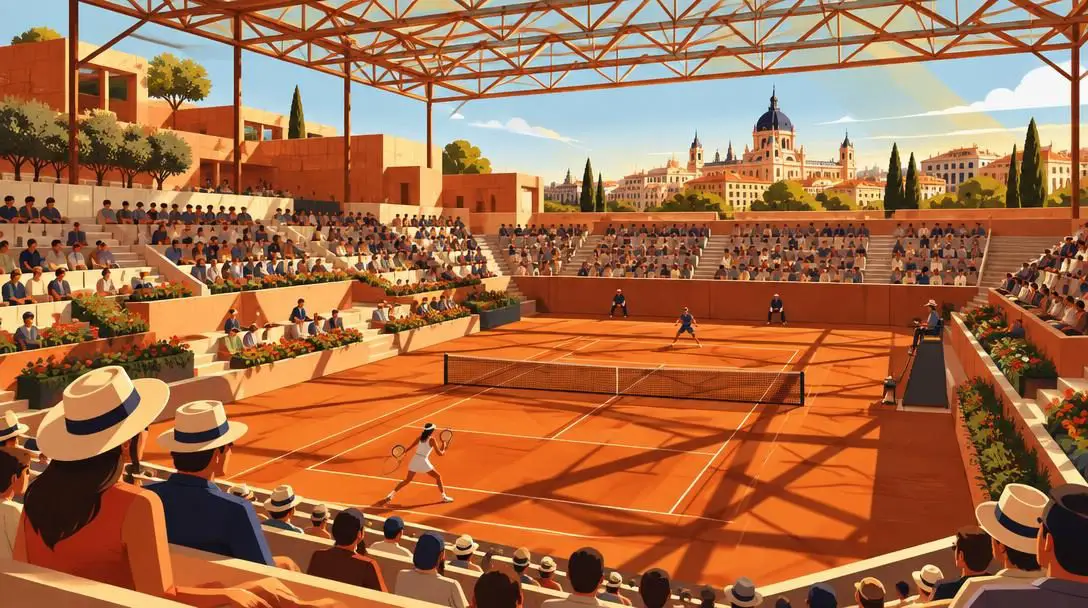
Few nations match the deep sporting culture and sustained professional excellence of Spain. In addition to staging several ATP tournaments across various surfaces, the country hosts the Madrid Open, an ATP Masters 1000 tournament established in 2002. Spain's rich tennis history makes it an instinctive candidate for a major championship.
From an infrastructural perspective, Spain's primary venue at the Madrid Masters accommodates 12,500 spectators. While this capacity is somewhat smaller than the mega-arenas found in Turin, Rotterdam, or Beijing, Spain offsets this limitation with climatic versatility. The country features temperate southern and coastal regions that do not suffer from severe winter conditions, giving tennis organizers remarkable scheduling flexibility throughout the year.
Adding a fifth major would fundamentally alter the geometry of the tennis season, challenging a hierarchy that has governed the sport for decades.
Logistical Steps for Elevating a Tournament to Major Status
Transforming an existing tournament or launching a new event to match the status of the Australian Open, the French Open, Wimbledon, and the US Open requires complex international negotiations and extensive logistical upgrades.
- Securing Broad International Agreement: Organizers must align the conflicting interests of the ATP, WTA, International Tennis Federation, national governing bodies, and player associations to carve out dedicated dates on an already packed schedule.
- Upgrading Stadium Facilities: A candidate site must build or repurpose a centerpiece arena alongside multiple covered show courts and practice facilities capable of handling massive daily spectator flows.
- Expanding Schedule Durations: The event must transition from a single-week format into a multi-week fortnight capable of staging 128-player draws and endurance-testing best-of-five set matches.
- Aligning Surface and Climatic Conditions: The host nation must identify an optimal seasonal window that suits its regional climate without causing direct competition with established major championships.
- Optimizing Regional Hospitality and Transit: Municipal leaders must guarantee hotel capacity, rail connections, and airport links able to welcome hundreds of thousands of international visitors smoothly.
Common Pitfalls When Evaluating Potential Host Nations
Discussions regarding new tennis majors often rely on romantic tradition rather than logistical realities. When analysts and fans debate potential host countries, several common misconceptions routinely arise:
- Overlooking Venue Scale: Assuming that tennis tradition compensates for small stadium footprints. Spain possesses world-class talent and widespread fan interest, yet its primary Madrid venue seats 12,500 fans—far smaller than dedicated mega-venues like Pala Alpitour in Turin or Beijing's National Tennis Stadium.
- Ignoring Seasonal Clashes: Forgetting that local weather dictates viable scheduling windows. Canada boasts historic venues across Montreal, Toronto, Vancouver, and Ottawa, but outdoor matches are only practical between May and August, placing the event in direct conflict with Wimbledon and the US Open.
- Confusing Tournament Tier History: Believing a country must currently hold an ATP Masters 1000 event to possess major-caliber infrastructure. The Netherlands has never hosted a Masters 1000 tournament, yet Rotterdam Ahoy is the fifth-largest tennis venue in the world.
- Dismissing Repurposed Olympic Infrastructure: Overlooking how multi-sport investments can match purpose-built tennis clubs. Turin converted its Winter Olympic arena into the sixth-largest tennis venue in the world to secure the ATP Finals, while Beijing transformed its 21st-century Olympic venues into permanent fixtures for the China Open.
Frequently asked questions
Why are there only four grand slam tournaments?
The four grand slam events—the Australian Open, the French Open, Wimbledon, and the US Open—earned their preeminent status through more than a century of historical tradition, national federation support, and global prestige. Together, they established the premier benchmark for singles and doubles competition during the transition into the Open Era.
Could a fifth major tournament be officially called a grand slam?
Technically, winning the "Grand Slam" refers to sweeping the four historic championships in a single calendar year. If an additional premier event were elevated to that competitive tier, the sport's governing bodies would need to rebrand the seasonal sweep or classify the event as a fifth standalone major championship.
What is the largest tennis venue among the five candidate countries?
Among the candidate nations, the Netherlands features the largest single indoor arena with Rotterdam Ahoy, which ranks as the fifth-largest tennis venue in the world. Turin's Pala Alpitour follows closely as the sixth-largest venue worldwide, while Beijing's National Tennis Stadium also ranks among the global top ten.
Why is scheduling such a significant obstacle for Canada?
Due to cold weather conditions across Canadian metropolitan areas during the autumn, winter, and early spring, an outdoor major would need to occur between May and August. This timeframe is already filled by the European clay-court swing, Roland Garros, Wimbledon, and the lead-up tournaments to the US Open.
Has the Netherlands ever hosted an ATP Tour Masters 1000 tournament?
No. While other European nations such as Germany and Sweden have previously hosted Masters 1000 events, the Netherlands has never held a tournament at that tier, despite operating ATP 250 and 500 events and owning one of the world's largest indoor venues.
The bottom line
The debate surrounding an expanded major tournament tier reflects the commercial strength and international breadth of modern professional tennis. While traditionalists maintain that the four founding grand slams provide the perfect seasonal narrative, nations like Canada, Italy, the Netherlands, China, and Spain prove that elite infrastructure and passionate fanbases exist across the globe.
Any future structural shift will ultimately require delicate compromises. Governing bodies would need to resolve severe calendar congestion, balance indoor and outdoor surface allocations, and safeguard player health. Until those logistical hurdles are solved, the existing four grand slams will retain their exclusive status—even as prospective hosts stand ready with world-class arenas.