5 Countries That Should Host the World Cup
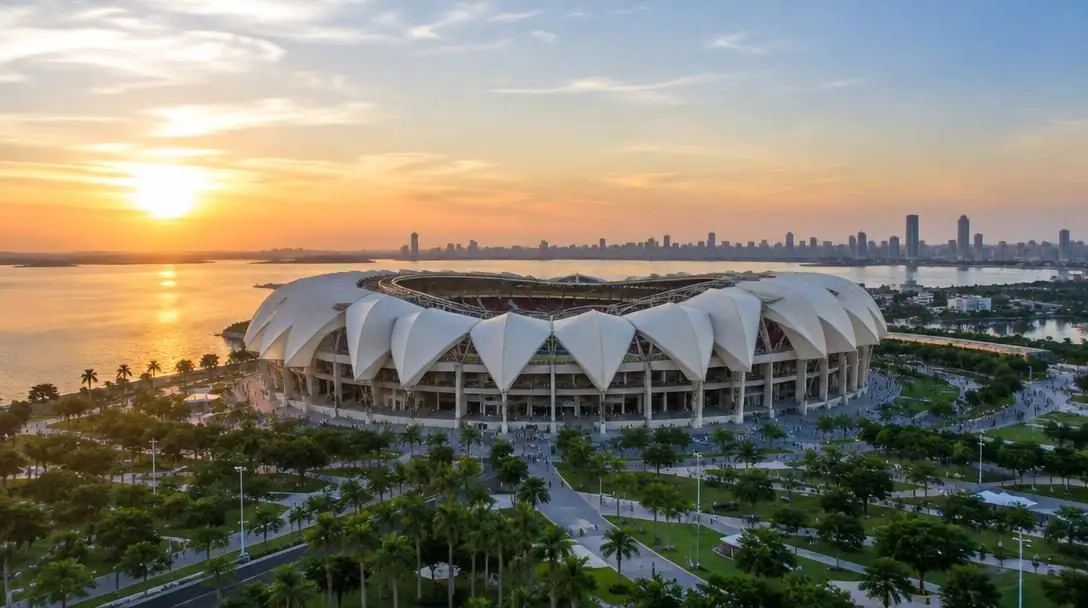
Since the inaugural tournament kicked off in Uruguay in 1930, the FIFA World Cup has evolved into the most watched sporting spectacle on the planet. Over nearly a century of competition, the privilege of staging the games has reflected the changing dynamics of global sporting administration. While early competitions favored traditional football superpowers across South America and Western Europe, recent decades have seen the tournament visit emerging regions including South Africa, Russia, and Qatar. This gradual expansion has stimulated local economies, generated state-of-the-art civic transit, and cultivated fresh generations of players worldwide.
As the international governing body prepares for future cycles—with the 2026 edition set to be shared across North America by Canada, Mexico, and the United States—the race among prospective future hosts has grown significantly more competitive. Successful bids demand far more than competitive passion; they require extensive stadium capacity, sophisticated transit grids, and reliable domestic hospitality networks. Evaluating countries that have never served as the primary tournament host reveals several compelling candidates ready to claim their turn in the global spotlight.
Key takeaways
- The Netherlands and Portugal boast elite international tournament pedigrees but remain constrained by a lack of multiple ultra-high-capacity stadiums.
- Paraguay offers rich South American heritage and prominent domestic venues, but would realistically require a joint regional bid alongside neighboring nations to host a modern-format tournament.
- Morocco pairs recent tournament success with an impressive collection of large modern arenas across Casablanca, Tanger, and Rabat.
- Australia possesses proven mega-event infrastructure demonstrated by the 2000 Summer Olympics and massive facilities like the 88,000-seat Melbourne Cricket Ground.
The Evolution of World Cup Hosting Traditions
For the vast majority of the twentieth century, tournament hosting duties alternated between established football hubs. Nations like England, Brazil, and Argentina were natural picks because they possessed entrenched football cultures, established stadiums, and domestic leagues capable of filling terraces for routine club fixtures. The international governing body could rely on guaranteed ticket revenue, deeply ingrained sporting fervor, and preexisting urban foundations without requiring host nations to build entire athletic networks from the ground up.
In modern tournament cycles, however, governing authorities have consciously embraced geographic diversity. Bringing the competition to non-traditional hosts such as South Africa in 2010 and Qatar in 2022 signaled a structural pivot toward broadening football's global footprint. These tournaments catalyzed widespread urban regeneration, introduced cutting-edge training centers, and demonstrated that smaller or non-traditional nations could organize flawless logistical events. As the competition format continues to expand to accommodate larger fields of participating nations, future selection procedures must weigh historical competitive pedigree against modern infrastructural capacity.
Five Candidate Nations Primed to Host
Beyond traditional hosts and confirmed organizers, several countries present compelling arguments for staging future editions of the tournament. The following overview contrasts their headline venues and logistical realities.
| Nation | Primary Venue | Capacity | Key Infrastructure Profile |
|---|---|---|---|
| The Netherlands | Johan Cruijff ArenA | 55,600 | Advanced urban transit; shortage of venues exceeding 35,000 seats |
| Paraguay | Estadio General Pablo Rojas | 51,000+ | Deep continental heritage; limited venue count favors a joint bid |
| Morocco | Stade Mohamed V | 67,000 | Multiple venues holding 60,000+; historic 2022 semifinal run |
| Portugal | Estadio da Luz | 64,000 | Premier global tourist hub; only one ground exceeding 50,000 seats |
| Australia | Melbourne Cricket Ground | 88,000 | Olympic-tested infrastructure; consistent qualification since 2006 |
The Netherlands

- World Cup Final Appearances: 3
- Largest Venue: Johan Cruijff ArenA (55,600 capacity)
- Secondary Venue: De Kuip (35,000+ capacity)
The Netherlands represents one of the most remarkable anomalies in international football governance: despite reaching the World Cup final on three separate occasions and producing some of the greatest tactical innovators in the sport, the country has never hosted the event. From an administrative and municipal standpoint, the nation is remarkably prepared to handle the intense logistical footprint of an international tournament. Major hubs such as Amsterdam routinely stage premier corporate conferences, major entertainment gatherings, and European club finals, supported by exceptional rail corridors and a densely organized international transit network.
The principal barrier preventing a solo Dutch bid remains pure stadium volume. Unlike the United Kingdom or the United States, the country possesses a relatively modest inventory of mega-stadiums. Beyond the flagship Johan Cruijff ArenA, the historic De Kuip stands as the only other domestic venue with a capacity exceeding 35,000 spectators. Without undertaking costly temporary expansions or building additional massive grounds that would risk remaining underused in domestic league play, an independent Dutch staging presents notable venue constraints.
Paraguay

- Regional Precedents: Brazil, Chile, and Argentina
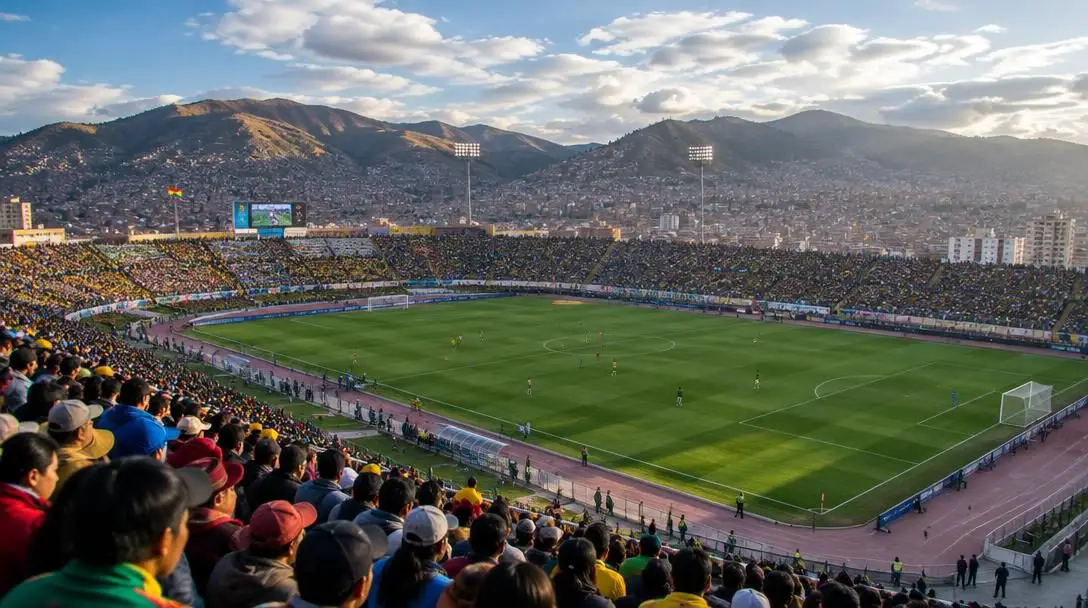
- Largest Venue: Estadio General Pablo Rojas (51,000+ capacity)
- Historic Venue: Estadio Defensores del Chaco (42,000+ capacity)
Rooted in South American sporting lore, Paraguay evokes the very beginnings of international tournament football. Its regional neighbor Uruguay famously hosted the inaugural 1930 competition, and subsequent South American editions were held across regional powers such as Brazil, Chile, and Argentina. While Paraguay has historically fielded competitive national sides capable of testing elite opposition, the country has never enjoyed the privilege of organizing the tournament on home soil.

Because the modern tournament features expanded team rosters and vast traveling contingents, Paraguay's geographic and infrastructural size means a solo bid is practically unfeasible. The country currently counts only two stadiums with a seating capacity greater than 24,000: Estadio General Pablo Rojas, which accommodates just over 51,000 attendees, and Estadio Defensores del Chaco, accommodating upwards of 42,000 spectators. To overcome this limitation, Paraguay's most viable route to hosting involves uniting with regional allies such as Argentina, Uruguay, or Chile in a collaborative cross-border arrangement that splits the financial and construction responsibilities.
Morocco
- Peak Tournament Finish: 2022 World Cup Semifinalist
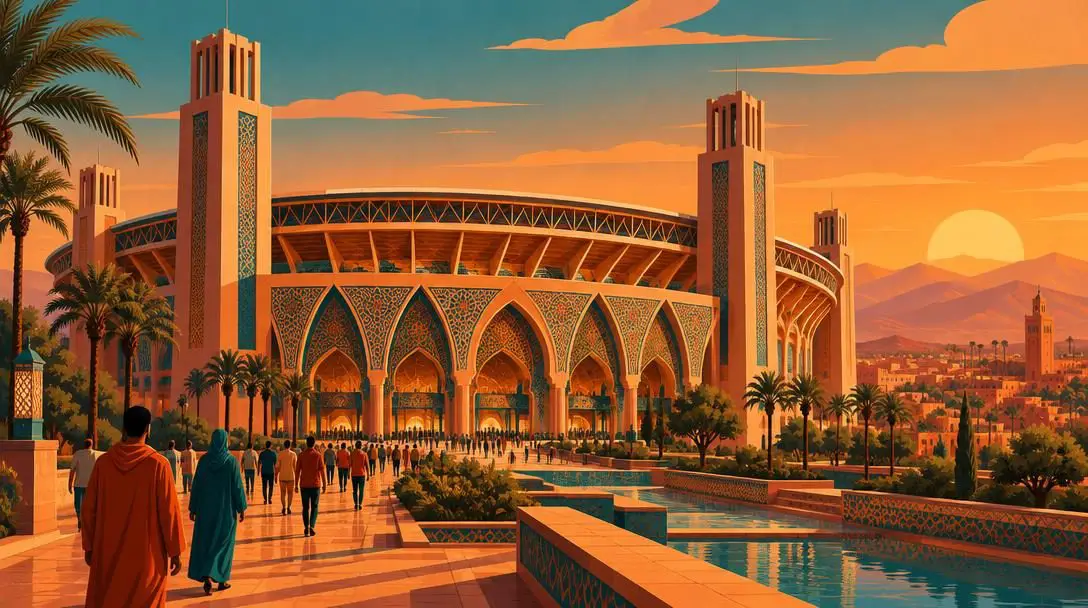
- Casablanca Venue: Stade Mohamed V (67,000 capacity, opened 1955)
- Tanger Venue: Ibn Batouta Stadium (65,000 capacity)
- Rabat Venue: Prince Moulay Abdellah Stadium (60,000 capacity)
Morocco has demonstrated an extraordinary commitment to positioning itself as a premier destination for global football. That vision reached an unforgettable athletic climax at the 2022 World Cup in Qatar, where the Atlas Lions broke historic ground by becoming the first African nation to reach the tournament semifinals. That on-pitch achievement validated decades of steady investment into training academies, sporting diplomacy, and modern public works.
Although Morocco sits among the lower ranks regarding historical appearances among prospective hosts, its domestic stadium architecture is remarkably robust. In Casablanca, the storied Stade Mohamed V offers a seating capacity of 67,000 fans. In Tanger, the modern Ibn Batouta Stadium holds 65,000 spectators, while the capital city of Rabat boasts the Prince Moulay Abdellah Stadium, capable of accommodating 60,000 supporters. This combination of geographic proximity to European fan bases and an existing core of 60,000-plus capacity grounds gives Morocco a uniquely formidable foundation for tournament evaluation.
Portugal
- Signature Football Icon: Cristiano Ronaldo
- Neighboring Host History: Spain (1982)
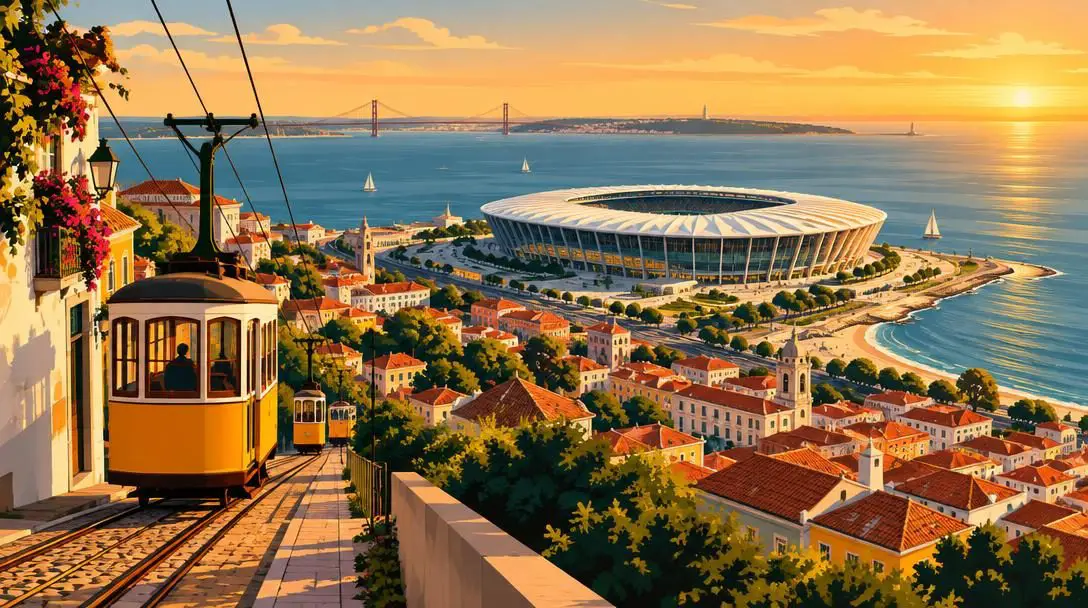
- Largest Venue: Estadio da Luz (64,000 capacity)
In modern football lore, Portugal is indelibly linked with global superstar Cristiano Ronaldo, whose international career helped cement the country as an undisputed titan of the modern game. Portugal has repeatedly produced deep tournament runs, yet it has never staged the global championship itself. This remains a striking gap, especially given that its Iberian neighbor Spain hosted the competition in 1982.
Portugal stands out as a world-renowned travel hub with seasoned hospitality services, high safety ratings, and modern highways connecting its primary urban centers. However, stadium distribution remains an operational obstacle for an independent bid. The nation's crown jewel, Estadio da Luz in Lisbon, seats 64,000 attendees, but no other sports venue within the country currently exceeds the 50,000-seat threshold. Meeting modern governing capacity demands across an entire multi-week tournament would require Portugal to either build fresh grounds or pursue collaborative joint ventures with neighboring federations.
Australia

- FIFA Affiliation: Joined in the 1960s
- Milestone Qualification: Single qualification between 1966 and 2006
- Modern Consistency: Qualified for every World Cup since 2006
- Flagship Ground: Melbourne Cricket Ground (88,000 capacity)
Australia presents an entirely different trajectory compared to traditional European or South American football centers. After officially joining the international governing body in the 1960s, Australia qualified for the finals only once between its first year of eligibility in 1966 and the 2006 edition. Since that breakthrough 2006 tournament, however, the Socceroos have demonstrated remarkable consistency by qualifying for every single World Cup and progressing into the knockout phase on multiple occasions.
Beyond competitive progress, Australia offers proven organizational credentials on the biggest global stage. The country proved its civic, municipal, and crowd-control capabilities during the widely praised 2000 Summer Olympics in Sydney. Its athletic venues are among the largest in the sporting world, spearheaded by the cavernous Melbourne Cricket Ground with its 88,000-seat capacity, alongside world-class multi-purpose facilities like Stadium Australia and Perth Stadium. With vast physical space and advanced hospitality sectors, Australia represents an ideal turn-key candidate in the Asia-Pacific region.

Multi-nation joint proposals have transitioned from an experimental concept into a primary operational framework for hosting the expanded global tournament.
How the Host Selection Process Works
Securing hosting privileges for the world's most popular sporting event requires navigating an exhaustive, multi-year bidding procedure managed by international sports authorities. Prospective nations must clear stringent technical benchmarks long before formal voting begins.
- Bidding invitation and registration: The global governing body formally opens the hosting window for a designated tournament cycle, inviting member associations to file binding expressions of interest within a set administrative timeline.
- Technical evaluation and assessment: Candidate nations receive detailed hosting criteria outlining mandatory specifications for playing field dimensions, broadcast centers, team base camps, urban transit connections, and minimum stadium capacities for each tournament stage.
- Site inspections: Technical evaluation committees conduct rigorous on-site inspections of bidding countries, auditing existing stadiums, hotel inventory, airport transit capacities, and travel times between designated host cities.
- Risk and feasibility reporting: The inspection team publishes an extensive evaluation dossier that assigns scores to each bid across technical, operational, and commercial metrics, identifying potential logistical or financial vulnerabilities.
- Formal voting: Eligible member associations or governing council representatives review the final inspection reports and cast their official ballots to award hosting rights to the winning nation or joint partnership.
Essential Strategy: How Aspiring Hosts Prepare
Turning an ambitious bid into an operational reality demands comprehensive long-term planning and deliberate civic coordination. Successful prospective hosts generally execute a clear strategic playbook:
- Audit existing venue capacities: Evaluating active sports grounds against international size standards allows planners to identify which facilities can be renovated and where temporary or modular structures can fill venue deficits.
- Expand public transportation networks: Upgrading municipal light rail lines, interstate high-speed rail, and airport passenger terminals ensures host cities can manage massive game-day influxes without paralyzing domestic commerce.
- Form strategic regional partnerships: Smaller countries or nations with fewer large stadiums can partner with neighboring associations, distributing capital costs and staging matches across complementary regional hubs.
- Secure formal government guarantees: Bid committees must coordinate with central authorities to guarantee visa exemptions, legal protections, stadium security oversight, and favorable tax frameworks demanded by the governing body.
- Host preparatory test events: Staging regional championships, youth tournaments, or continental club finals allows local organizing committees to stress-test transport corridors, ticketing systems, and match-day crowd management.
Critical Pitfalls to Avoid in World Cup Bidding
The prestige associated with staging a global tournament can often blind bid committees to severe economic and civic risks. Learning from past tournament cycles helps prevent costly mistakes that can strain local finances for decades.
Organizing committees frequently encounter several common operational errors during the bidding and development cycle:
- Underestimating peak transit requirements: Relying on standard daily transit lines without aggressive supplemental investment leads to congested arterial highways, missed kickoffs, and frustrated international visitors.
- Overlooking affordable fan lodging: Failing to plan for varied accommodation tiers allows commercial hotels to inflate rates to unsustainable levels, pricing out core supporters and straining tourist infrastructure.
- Exceeding municipal budget limits: Underestimating complex construction timelines and material costs forces civic leaders to divert critical municipal funding away from local services to finish sports venues before opening day.
- Ignoring post-tournament athletic legacies: Concentrating solely on the four-week tournament window without building grassroots sporting programs leaves local communities without tangible sporting benefits once international attention departs.
Frequently asked questions
Has the Netherlands ever hosted the FIFA World Cup?
No, the Netherlands has never hosted the World Cup, despite having reached the tournament final three separate times. Its primary obstacle remains a shortage of large domestic venues; only the Johan Cruijff ArenA (55,600) and De Kuip (over 35,000) meet significant international capacity thresholds.
Why would Paraguay need a joint bid to stage the tournament?
Paraguay is a smaller nation with limited venue inventory suited for an expanded modern tournament. Currently, only Estadio General Pablo Rojas (over 51,000) and Estadio Defensores del Chaco (over 42,000) hold more than 24,000 fans, meaning a joint bid with regional neighbors like Argentina, Uruguay, or Chile is necessary to satisfy venue requirements.
What makes Morocco's stadium infrastructure so competitive?
Morocco boasts several modern, high-capacity venues across key urban centers. These include the 67,000-seat Stade Mohamed V in Casablanca, the 65,000-capacity Ibn Batouta Stadium in Tanger, and the 60,000-seat Prince Moulay Abdellah Stadium in Rabat, providing an existing network of large-scale facilities.
Which major stadium could headline an Australian World Cup bid?
The Melbourne Cricket Ground serves as Australia's marquee sporting venue, offering a massive seating capacity of 88,000. Australia also features other major venues like Stadium Australia and Perth Stadium, supported by transit infrastructure proven during the 2000 Summer Olympics.
Why hasn't Portugal hosted the tournament on its own?
While Portugal is an established global tourist destination and home to legendary football figures like Cristiano Ronaldo, it faces stadium size limitations. Its largest venue, Estadio da Luz, holds 64,000 fans, but no other domestic ground exceeds 50,000 seats, necessitating substantial stadium construction or a joint bid with neighboring nations.
The bottom line
As the international tournament landscape continues to expand, host selection will increasingly balance competitive tradition against practical infrastructural readiness. Nations like the Netherlands and Portugal bring unmatched football heritage and first-rate hospitality networks, but require either targeted stadium construction or shared regional hosting models to handle modern operational requirements. Meanwhile, candidates such as Morocco and Australia demonstrate that established stadium scale and municipal experience can position non-traditional contenders as viable solo or lead hosts.
Collaborative multi-nation bids will likely define future cycles, providing smaller football powerhouses like Paraguay with a feasible pathway to welcome the world. By aligning ambitious civic investments with long-term domestic needs and avoiding the trap of underutilized venues, prospective host nations can deliver unforgettable global tournaments while creating durable community legacies that endure well after the final whistle.