5 Dangers of Sitting Too Much: How Sedentary Behavior Affects Your Health

Sitting for extended periods has become an unavoidable feature of modern daily life. Across contemporary workplaces and households, physical labor has largely given way to computer-based desk jobs, while digital entertainment options like streaming television and social media keep people stationary during their evening hours. Consequently, millions of individuals complete full workdays and leisure routines without engaging in any meaningful physical exertion.
While sitting down feels relaxing and remains socially routine, prolonged sedentary behavior carries severe, compounding risks for both the body and mind. Defined as any waking activity that involves sitting, reclining, or lying down with minimal physical effort, sedentary habits quietly degrade physiological health long before obvious symptoms or chronic medical diagnoses appear. Understanding how prolonged immobility disrupts the human body is essential for building sustainable daily habits.
Key takeaways
- Sedentary behavior significantly increases the risk of severe cardiovascular conditions, including heart attacks and stroke, by impairing normal blood circulation.
- Deactivating the body's largest lower-body muscle groups halts calorie burning, elevating the likelihood of obesity and type 2 diabetes.
- A lack of regular physical movement disrupts neurochemistry by reducing endorphin production, which can contribute to depression and anxiety.
- Extended periods in a seated posture place continuous pressure on the spine, straining surrounding muscles and producing chronic back and neck pain.
- Taking intentional movement breaks, using ergonomic adjustments, and walking throughout the day counteract the harmful physical effects of sitting.
The Five Major Health Dangers of Prolonged Sitting
Extensive observation and medical research show that remaining parked in chairs or on couches for hours generates widespread physiological disruption. These impacts span cardiovascular efficiency, metabolic regulation, psychological equilibrium, and physical alignment.
| Health Threat | Primary Bodily System Affected | Direct Physical Cause | Associated Complications |
|---|---|---|---|
| Cardiovascular Disease | Circulatory system and heart | Decreased blood flow and loss of muscle pumping action | Heart attack, stroke, vascular strain |
| Obesity | Metabolic and adipose systems | Halted calorie burn and surplus energy storage | Excess body fat accumulation, reduced mobility |
| Type 2 Diabetes | Endocrine and glucose regulation | Insulin management problems and cellular resistance | Elevated blood sugar, chronic metabolic disease |
| Mental Health Challenges | Neurological and emotional systems | Reduced endorphin release and passive isolation | Symptoms of anxiety, depression, lower mood |
| Muscular Pain and Structural Strain | Musculoskeletal system and spine | Continuous spinal compression and core deactivation | Chronic neck pain, lower back discomfort, muscle tension |
Cardiovascular Disease
Remaining seated for extended intervals leads directly to decreased blood flow throughout the body, including to the heart muscle itself. Under active conditions, the contraction of lower-body muscles functions as a mechanical pump that assists the veins in returning blood upward against gravity. When a person remains seated for hours, that mechanical support disappears, causing circulation to slow down and blood to pool in the lower extremities.
This impaired circulation forces the entire vascular network to operate under suboptimal conditions. Over prolonged periods of inactivity, the vascular system loses its natural elasticity and regular stimulation, placing chronic strain on blood vessel walls and the heart. Over time, this sluggish circulation can contribute significantly to the onset of cardiovascular disease, leading to severe outcomes such as heart attacks and stroke.
Obesity
Sedentary behavior is a principal driver of unwanted weight gain and long-term obesity. The act of sitting requires negligible muscular effort, which causes baseline energy expenditure to plummet compared to standing, walking, or engaging in light chores. When energy expenditure drops so drastically, calories consumed throughout the day remain unspent.
Because these surplus calories are not burned to fuel physical activity, the body converts and stores them as adipose tissue. Over weeks, months, and years, this continuous imbalance between caloric intake and minimal output produces an accumulation of excess body fat. Once established, this excess weight becomes increasingly stubborn and difficult to reverse without deliberate, sustained lifestyle modifications.
Type 2 Diabetes
Directly linked to excessive weight gain and prolonged physical immobility, long-term sitting is an influential contributor to systemic metabolic dysfunction. When large skeletal muscles remain passive for consecutive hours, their cellular machinery changes, directly worsening the body's capacity for effective insulin management.
Resting muscle tissues become noticeably less responsive to circulating insulin, impairing the uptake of glucose from the bloodstream. When cells resist insulin, blood sugar levels remain elevated, forcing the pancreas to work harder. The combination of accumulated body fat and insulin resistance creates prime conditions for the emergence of type 2 diabetes and chronic metabolic disease.
Mental Health Challenges
The consequences of sedentary living extend well beyond physical anatomy into psychological well-being. Individuals who sit for long, uninterrupted stretches are significantly more prone to experiencing symptoms of depression and chronic anxiety. Physical movement is a primary trigger for the release of endorphins—neurotransmitters in the brain that foster feelings of happiness, calm, and emotional resilience.
When daily life lacks regular movement, endorphin production declines, leaving individuals vulnerable to mood instability and negative emotional states. Furthermore, prolonged sitting often coincides with social detachment. Spending leisure time in passive digital consumption rather than participating in active social recreation limits meaningful interaction with friends and family, compounding emotional distress and feelings of isolation.
Muscular Pain and Structural Strain
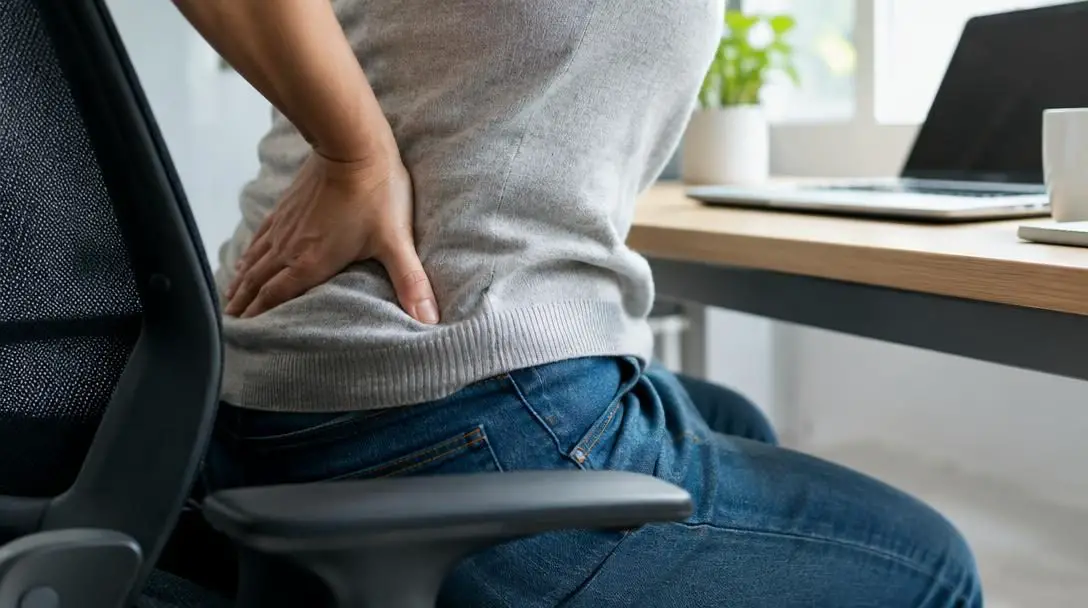
Among the most immediate complaints associated with prolonged sitting is persistent musculoskeletal pain. Human anatomy is optimized for upright movement and balance; seated postures concentrate a tremendous amount of continuous mechanical pressure on the lower back and pelvic region. Instead of distributing mass evenly through the feet, legs, and stabilizing core muscles, sitting loads the lumbar spine.
Over time, seated posture causes key supporting muscles in the hips and core to weaken, while the muscles of the upper back, shoulders, and neck become chronically strained and overworked from leaning forward toward screens. Unsupported postures compress intervertebral spinal components and pull soft tissues out of natural alignment, culminating in chronic back pain, tension headaches, and persistent neck stiffness.
Biological Mechanisms: What Happens When the Body Remains Motionless
To recognize why sitting produces such diverse complications across multiple bodily systems, it is helpful to examine the mechanical and chemical shifts that occur when muscular contractions cease. The human body requires dynamic motion—walking, lifting, bending, and reaching—to regulate fundamental metabolic processes.
The moment an individual sits down, the large, power-generating muscle groups of the lower body—including the quadriceps, hamstrings, and gluteal muscles—shut down their active contractions. Because these massive muscles account for a substantial percentage of total daily caloric expenditure, metabolism immediately decelerates. Circulating blood fats and sugars are no longer drawn into muscle tissue to serve as immediate fuel. Instead, unused energy remains in the bloodstream or converts into body fat.

The human body is naturally constructed to support dynamic motion, and when muscles remain passive for hours on end, biological activity changes dramatically.
Simultaneously, the vascular system experiences mechanical compromise. In an upright, moving body, the muscular contractions of the calves and thighs compress deep veins, propelling venous blood back toward the cardiopulmonary system. Prolonged sitting halts this natural pumping action. Blood pools in the lower extremities, increasing venous pressure, impairing overall circulation, and depriving tissues of swift oxygen delivery.
On a neurological level, the absence of muscular engagement suppresses the regular synthesis and release of endorphins. Without these chemical buffers, the nervous system struggles to regulate everyday stress and emotional fatigue. When combined with diminished office productivity and restricted social interactions, chronic sedentary routines create a cycle of physical stiffness and psychological burnout.
Everyday Action Plan to Counteract Sedentary Habits
Counteracting the hazards of sedentary living does not require quitting an office job or abandoning computer-based activities. Meaningful protection comes from breaking up continuous bouts of chair time with consistent, purposeful movements integrated throughout the day.
- Conduct a daily sitting audit: Track how many total hours you spend seated each day, factoring in desk work, commuting, meals, and evening television or phone screen time, to identify key opportunities for movement.
- Set recurring hourly alarms: Use a computer prompt, watch alert, or phone timer to interrupt seated focus every sixty minutes without fail.
- Execute short walking intervals: Spend two to three minutes pacing the room, grabbing water, or walking down the hallway to reactivate your leg muscles and clear pooled venous blood.
- Adjust your workspace ergonomically: Position your chair, keyboard, and screen so that your spine is upright, your neck remains neutral, and your lower back receives direct lumbar support.
- Substitute passive habits with active choices: Opt for stairs over elevators, stand up while taking phone calls, and schedule walking meetings or active outdoor recreation with friends.
Workspace adjustments are particularly critical for alleviating localized musculoskeletal tension. An ergonomic chair that provides firm lumbar support distributes body weight across the pelvis and thighs, preventing concentrated pressure on the lower back. Computer monitors should be elevated so that eyes naturally align with the top third of the screen, preventing the head from craning forward and sparing neck muscles from excessive strain.
Common Pitfalls When Transitioning Away from Sitting
When people recognize the substantial dangers of sedentary habits, they often attempt swift behavioral changes. However, several common mistakes can undermine these positive intentions or introduce new physical discomforts.
- Relying solely on a single workout session: Many assume that thirty to sixty minutes of morning or evening exercise gives them a pass to remain motionless for the remaining fourteen to fifteen waking hours. While concentrated exercise improves fitness, it cannot completely undo the metabolic slowing and circulatory stagnation caused by ten or twelve hours of uninterrupted sitting. Frequent micro-breaks throughout the day remain non-negotiable.
- Standing for excessive periods all at once: In an effort to avoid chairs, some individuals attempt to stand still at a standing desk for full eight-hour shifts. Standing motionless on hard flooring causes blood to pool in the feet and strains knee, hip, and lumbar joints. The healthiest approach is dynamic balance—alternating between supported sitting, standing, and moving around.
- Neglecting posture when using ergonomic furniture: Purchasing an expensive ergonomic chair or standing converter does not automatically correct poor biomechanics. Slouching, crossing legs awkwardly, or hunching toward the monitor inside an ergonomic chair still produces severe spinal tension. Ergonomic tools only assist good posture; conscious alignment is still required.
- Ignoring social and emotional movement opportunities: Viewing movement purely as an isolated physical chore causes people to miss out on the emotional benefits of activity. Replacing passive screen time with social walks, recreational sports, or active hobbies boosts endorphins and combats both physical stiffness and social detachment.
Frequently asked questions
Can a daily 30-minute workout undo the damage of sitting all day?
A single focused workout provides significant cardiovascular and muscular benefits, but it does not fully neutralize the negative effects of sitting for eight to twelve hours. Prolonged immobility continuously shuts down metabolic enzyme activity and impairs blood circulation throughout the day, which means regular movement breaks during working hours are still essential.
How often should I stand up during an office workday?
You should aim to interrupt your sitting at least once every hour. Standing up, stretching, or walking for just two to five minutes reactivates the large muscles of your lower body, stimulates circulation, and relieves pressure on the spinal column.
Is using a standing desk all day better than sitting?
Standing still all day introduces its own set of musculoskeletal problems, including joint strain, foot fatigue, and lower back soreness. The optimal strategy is alternating between supported, ergonomic sitting and standing, combined with active walking intervals.
Why does sitting cause neck and lower back pain?
Sitting concentrates upper body weight onto the lumbar spine rather than distributing it through the feet and legs. Furthermore, slouching or leaning forward toward monitors overworks neck and shoulder muscles while weakening core stabilizers, creating muscle imbalances and spinal compression.
How does prolonged sitting impact mental well-being?
Physical inactivity reduces the natural release of mood-enhancing endorphins in the brain, increasing susceptibility to anxiety and depression. Additionally, sedentary lifestyles often lead to social isolation and reduced productivity, further harming emotional health.
The bottom line
The shift toward automated, screen-centered modern life has made prolonged sitting an everyday reality, but our bodies remain biologically engineered for continuous motion. When we sit for hours on end, large muscle groups shut down, circulation slows, calorie consumption flatlines, mood-regulating endorphins dwindle, and structural strain accumulates along the spine. These factors collectively elevate the risk of life-threatening conditions like cardiovascular disease, type 2 diabetes, obesity, and chronic musculoskeletal pain.
Protecting your health does not demand radical lifestyle disruptions. By remaining conscious of daily chair time, setting hourly reminders to move, adopting ergonomic workstation habits, and incorporating active recreation into your social life, you can effectively counteract the hazards of a sedentary environment and preserve your long-term vitality.