5 Easy Ways To Eat More Vegetables
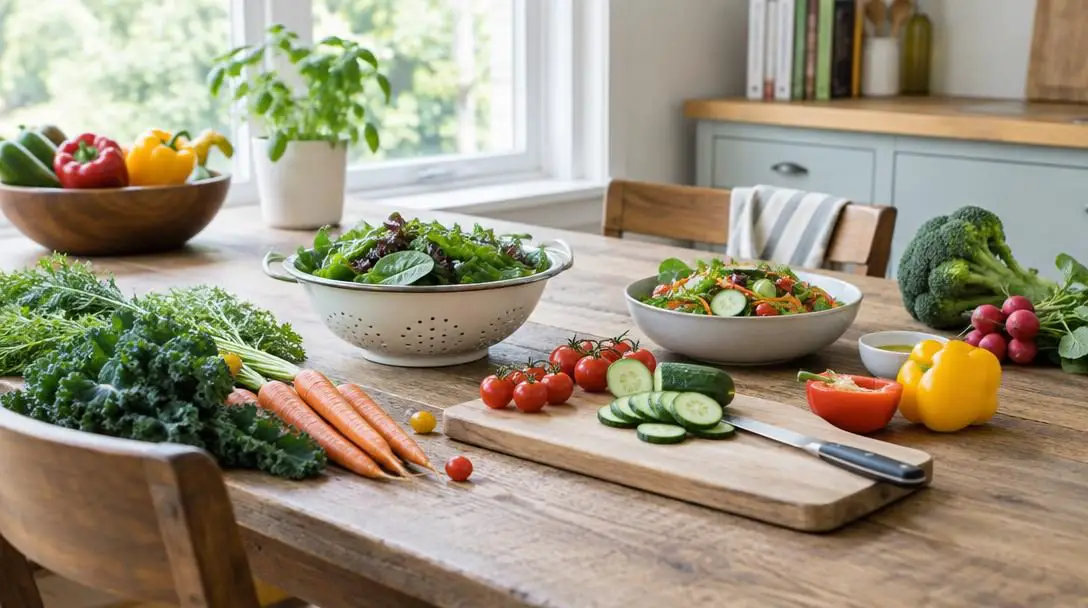
Nutritionists recommend consuming between two to three cups of vegetables every single day to support optimal health and well-being. Despite this straightforward guidance, national studies consistently show that roughly 90 percent of Americans fail to meet these daily targets. This massive intake gap stems from practical, everyday hurdles: many people view fresh produce as time-consuming to prepare, difficult to store without spoilage, or simply bland and uninspired compared to heavily processed convenience foods.
Bridging this vegetable deficit does not require a dramatic, punishing overhaul of your diet. By leveraging culinary techniques such as high-heat caramelization, mechanical blending, and thoughtful ingredient pairings, you can transform ordinary plant foods into deeply flavorful, satisfying staples. Expanding your intake is largely a matter of technique and habit design rather than sheer willpower.
Key takeaways
- Roughly 90 percent of people in the United States fail to consume the recommended two to three cups of vegetables each day.
- High-heat cooking methods like grilling unlock natural sweetness through caramelization and alter tough cellular walls to create tender textures.
- Blending vegetables into morning drinks or smooth soups breaks down fiber mechanically, allowing you to consume several servings rapidly without nutrient loss.
- Swapping out fried chips for crunchy vegetables like broccoli, carrots, and celery lets you enjoy savory dips while eliminating empty calories.
- Pre-washing, portioning produce ahead of time, and planning specific prep days are essential strategies for avoiding spoilage and building a lasting routine.
The science of transforming vegetable flavor and texture
The primary barrier keeping people from eating enough produce is flavor perception. When vegetables are served completely plain, boiled in excess water, or eaten raw without seasoning, they often fail to stimulate the appetite. Understanding how heat and mechanical action alter plant chemistry makes it possible to overcome this sensory hurdle with minimal effort.
When vegetables such as sweet onions, bell peppers, and fresh corn encounter intense, dry heat, their naturally occurring sugars undergo caramelization and the Maillard reaction. This chemical change produces rich, complex flavor compounds with noticeable smokiness and deep umami undertones that boiling or steaming simply cannot replicate. Simultaneously, heat softens the rigid cellular matrix composed of cellulose and hemicellulose, turning tough, stringy fibers into tender bites while keeping essential moisture trapped inside.
Mechanical processing offers a complementary culinary solution. When whole vegetables pass through the blades of a high-speed blender, their fibrous cell walls rupture, liberating internal juices and soluble fiber. In soups, this process produces a creamy, velvety suspension that coats the tongue luxuriously without requiring heavy cream, butter, or flour thickeners. In beverages, blending disguises fibrous textures entirely, proving that thoughtful preparation is the ultimate antidote to vegetable aversion.
Transforming ordinary plant foods into deeply satisfying staples is a matter of smart kitchen technique rather than sheer culinary willpower.
Five practical ways to increase your daily vegetable intake
Reaching your daily target of two to three cups becomes far simpler when you break the goal down across various meals and snacks. The following five methods highlight different culinary approaches, ranging from outdoor grilling to morning blending, giving you versatile options to match any schedule or palate.
| Strategy | Primary Kitchen Technique | Key Sensory Benefit | Ideal Vegetables |
|---|---|---|---|
| Fire Up the Grill | High-heat dry roasting | Charred, smoky, caramelized notes | Bell peppers, sweet onions, corn, mushrooms |
| Upgrade Snacking Habits | Pre-cut raw storage | Instant crispness and hydration | Baby carrots, celery stalks, sliced peppers |
| Simmer a Big Batch of Soup | Low-heat water or broth extraction | Comforting warmth and nutrient-dense broth | Root vegetables, squash, leafy greens, onions |
| Use Veggies as Vessels | Raw pairing with savory dips | Satisfying crunch paired with bold flavor | Broccoli florets, carrot sticks, celery spears |
| Blend Morning Smoothies | High-speed mechanical breakdown | Velvety texture with masked vegetable flavors | Spinach, kale, cucumber, zucchini |
Fire Up the Grill
If unseasoned or steamed produce leaves you underwhelmed, direct-heat grilling is one of the quickest ways to build complex, craveable flavor profiles. Exposing vegetables to a barbecue grill or an indoor cast-iron grill pan coaxes out natural sweetness through caramelization while imparting a pleasant, smoky char that pairs effortlessly with savory seasonings.
There are several distinct methods to incorporate grilling into your regular cooking:
- Grilled vegetable kebabs: Skewer alternating chunks of thick sweet peppers, red onions, button mushrooms, and corn segments. Kebabs cook evenly, look vibrant on the plate, and work equally well as an entree centerpiece or a hearty side dish.
- Direct grate placement: Place whole sweet corn ears or halved bell peppers directly onto clean, oiled grill grates over medium-high heat. The intense contact creates deep blister marks and softens dense flesh quickly.
- Grill baskets and perforated pans: Small or slender vegetables like sliced onions, mushrooms, and diced zucchini can slip through traditional grates. Using a perforated stainless steel grill basket allows smoke and flame to circulate while keeping bite-sized pieces contained.
Upgrade Your Daily Snacking Habits
Midday hunger frequently leads to impulsive food choices, where heavily processed chips, crackers, and sweets take center stage. These convenience foods deliver concentrated calories with negligible micro-nutritional value. Swapping conventional packaged snacks for raw produce provides immediate satiety through dietary fiber and high water content, keeping your energy stable throughout the afternoon.
Establishing an effortless raw snacking habit requires removing friction in the kitchen:
- Keep ready-to-eat baby carrots visible: Store bags or transparent containers of crisp baby carrots at eye level in the refrigerator so they become your instinctive first choice when opening the door.
- Slice crisp celery batons: Cut whole stalks of celery into handheld, uniform sticks immediately after shopping. Keeping them submerged in a sealed container of cold water preserves their signature snap for days.
- Assemble portioned grab-and-go packs: Divide raw produce into single-serving containers or reusable bags at the beginning of the week. When heading out the door for work or running errands, grabbing a vegetable pack takes no longer than grabbing a bag of processed snacks.
Simmer a Big Batch of Soup
Soup serves as an exceptional nutritional vehicle, delivering broad spectrums of vitamins, minerals, and phytonutrients in an easily digestible, deeply hydrating format. Clinical observations show that consuming broth-based soups prior to or as part of a meal can help reduce total caloric consumption while increasing meal satisfaction. Preparing a generous pot over the weekend simplifies weekday eating significantly.
Cooking produce in soup offers several distinct nutritional and practical advantages:
- Complete nutrient retention: When vegetables are boiled in plain water and drained, water-soluble micronutrients like vitamin C and B vitamins are poured down the sink. In a soup, every trace of extracted nutrients remains suspended directly in the savory broth.
- Limitless ingredient versatility: A stockpot welcomes miscellaneous odds and ends from your crisper drawer. Leftover half-onions, wilting greens, celery tops, and stray carrots can all be combined with fragrant herbs to build an aromatic foundation.
- Textural customization via pureeing: If cooked vegetable chunks do not appeal to your palate or your family's preferences, run an immersion blender through the pot. Root vegetables, winter squashes, and alliums yield an ultra-creamy, velvety texture without adding milk, butter, or flour.
Use Veggies as Condiment Vessels
The human craving for creamy, tangy, and savory dressings like buttermilk ranch, blue cheese, garlic aioli, or hummus is powerful. Rather than attempting to eliminate satisfying condiments entirely, substitute starchy dipping vehicles with rigid fresh vegetables. This simple swap preserves the sensory pleasure of enjoying your favorite sauces while drastically elevating your daily vegetable count.
Certain produce varieties are built specifically by nature to hold dips:
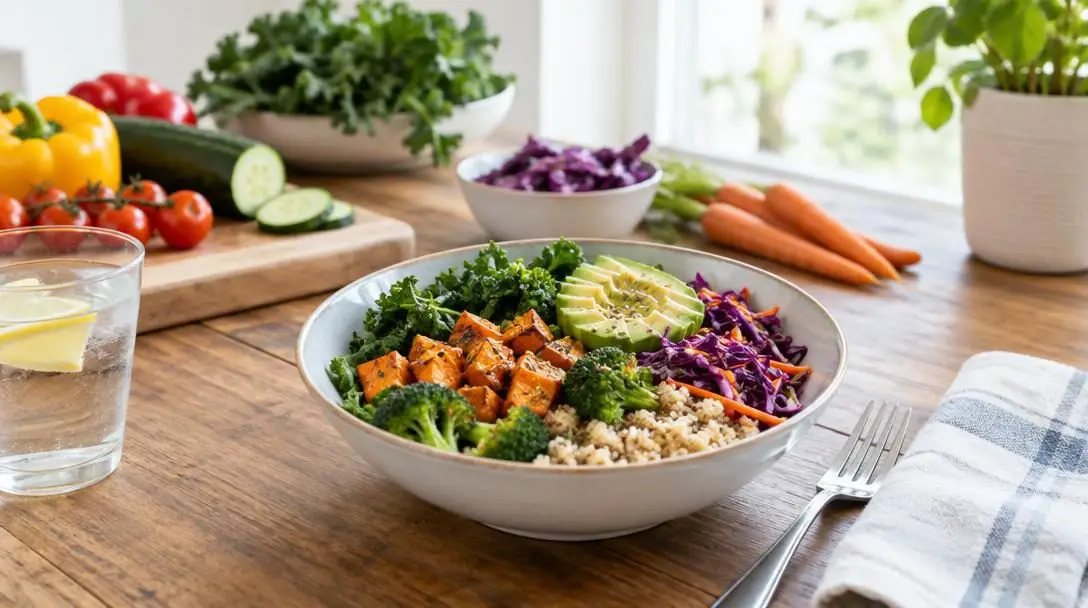
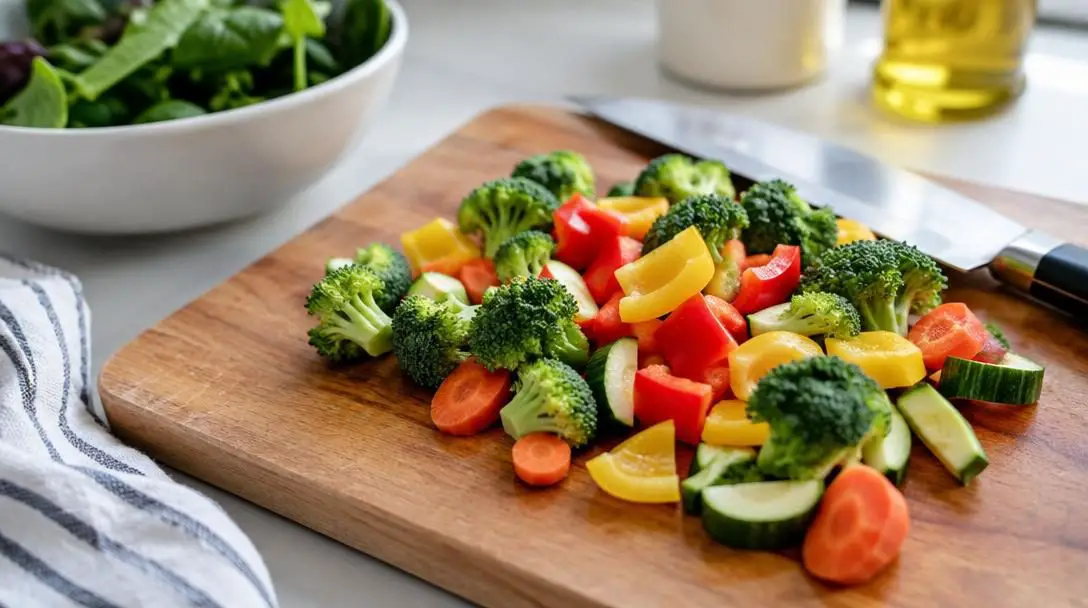
- Broccoli florets: The dense, tightly clustered buds on broccoli tops function like natural flavor sponges. They capture and trap creamy dressings within their tiny crevices, delivering substantial crunch alongside rich flavor.
- Carrot and celery spears: The rigid physical structure of thick carrot spears and grooved celery ribs provides outstanding mechanical support, allowing you to scoop up thick dips like hummus or bean purees without breaking.
- Bell pepper wedges: Slicing crisp bell peppers into wide, scoop-shaped boats creates durable vessels that easily hold chunky salsas, guacamole, or Greek yogurt spreads.
Blend Veggies into Morning Smoothies
Chewing through voluminous raw salads multiple times a day requires significant time and jaw fatigue. Blending circumvents this obstacle by reducing whole, nutrient-dense produce into a convenient liquid format. Incorporating vegetables into your breakfast smoothie knocks out one or two full servings of produce before your morning routine is even complete.
Mastering the blended approach involves balancing textures and flavor profiles:
- Rapid kitchen workflow: Tossing fresh or frozen vegetables directly into a high-powered blender cup requires less than two minutes of assembly, followed by thirty seconds of blending and minimal cleanup.
- Complete fiber retention: Unlike mechanical juicing, which strips away the insoluble plant cell walls and leaves behind mostly liquid sugars, whole-food blending keeps all the satiating dietary fiber intact.
- Flavor harmony and masking: Mild greens like baby spinach, peeled cucumbers, or frozen zucchini blend smoothly without overpowering your beverage. When combined with whole fruit or tart berries, the earthy vegetable taste fades entirely into the background.
Step-by-step guide to establishing a sustainable vegetable routine
Adopting any new dietary behavior requires structured planning and intentional environmental cues. Trying to jump straight from minimal vegetable consumption to three full cups overnight without a strategy usually ends in forgotten produce rotting in the crisper drawer. Follow this structured roadmap to build a lasting, effortless habit.
- Audit your current intake: Track everything you eat over three typical days without altering your normal choices. Identify the meal slots where produce is completely absent—most commonly breakfast and midday snacks.
- Stock versatile baseline staples: Build your grocery cart around multi-use vegetables that thrive across different cooking methods. Carrots, celery, bell peppers, yellow onions, and sturdy greens like spinach provide the ideal foundation for roasting, dipping, simmering, and blending.
- Batch-prep immediately after purchasing: Do not store your groceries in the crisper drawer unwashed. Dedicate twenty minutes after returning from the store to wash, peel, slice, and pack your snacking produce into clear containers placed on accessible refrigerator shelves.
- Designate specific kitchen preparation blocks: Choose one or two evenings or a weekend afternoon to tackle high-yield cooking. Roast a large sheet pan of seasoned vegetables, grill a batch of skewers, or simmer a multi-serving pot of vegetable soup for the days ahead.
- Automate your breakfast or snack routine: Make a produce-heavy morning smoothie or a vegetable snack pack your default option. By checking off at least one serving early in the day, reaching the daily recommendation of two to three cups feels far less daunting.
- Track and iterate: Assess your weekly consistency. If you notice a particular item spoiling repeatedly before you can cook it, pivot toward frozen alternatives or switch to a preparation method that better fits your actual schedule.
Common mistakes that derail vegetable consumption
Increasing plant consumption should feel energizing and sustainable, yet many well-intentioned individuals encounter avoidable pitfalls that derail their momentum. Staying mindful of these common traps will protect both your grocery budget and your nutritional progress.
- Overbuying perishable produce: Filling an entire shopping cart with delicate leafy greens, tender herbs, and ripe vegetables without an explicit meal plan is a recipe for food waste. When produce spoils, it generates frustration and guilt. Purchase only what you have scheduled into meals for the next three to four days.
- Drowning healthy vegetables in high-calorie condiments: Using produce as a dip vehicle is an effective bridge habit, but submerging delicate vegetables in massive pools of commercial dressings can offset your health goals by introducing excessive saturated fat and sodium. Keep dips measured and intentional.
- Forcing yourself to eat preparations you dislike: Eating should be an enjoyable sensory experience. If cold, unseasoned salads or plain steamed cauliflower taste unpleasant to you, stop forcing yourself to eat them. Lean into grilling, velvety pureed soups, or smoothies until you find textures you genuinely look forward to eating.
- Neglecting culinary variety: Eating raw baby carrots and steamed broccoli every day inevitably breeds palate exhaustion. Rotate across different color spectrums—deep purples, bright oranges, vibrant reds, and earthy greens—and alternate between crisp, tender, roasted, and pureed textures to maintain long-term enthusiasm.
- Failing to prep in advance: Fresh produce naturally demands more physical preparation—washing, peeling, trimming, and chopping—than packaged convenience items. If you wait until you are ravenously hungry to begin cutting vegetables, convenience foods will win almost every time.
Frequently asked questions
How many cups of vegetables should I be eating each day?
Nutritionists recommend consuming between two to three cups of vegetables per day for optimal health. Despite this recommendation, national studies reveal that roughly 90 percent of people in the United States fail to reach this baseline target.
Why does grilling make vegetables taste so much better than boiling?
Grilling applies intense, dry heat directly to plant foods, which caramelizes naturally occurring sugars and triggers the Maillard reaction. This process creates rich, smoky, and complex savory notes while softening tough cell walls, whereas boiling can wash away flavor compounds and water-soluble nutrients.
Does blending vegetables destroy their nutritional value?
No. High-speed blending mechanically breaks down cellular walls, releasing juices while keeping all the valuable dietary fiber intact. Unlike juicing, which removes insoluble plant pulp, blending delivers the entire nutritional profile of the vegetable in an easily drinkable format.
How can I enjoy rich dips without consuming too many calories?
Substitute fried chips and crackers with rigid, raw vegetables such as broccoli florets, celery stalks, and carrot spears. To keep overall calories moderate, portion your dip into a separate small dish rather than eating straight out of a large commercial container.
What is the best way to prevent fresh vegetables from spoiling in the fridge?
Avoid buying large quantities of produce without a defined plan. Prep, wash, and cut your vegetables immediately after grocery shopping, store them in clear, airtight containers at eye level, or incorporate surplus ingredients into batch-cooked soups and freezer-friendly meals.
The bottom line
Closing the widespread vegetable intake gap does not require extreme diet protocols, complicated culinary training, or force-feeding yourself plain, unseasoned greens. The secret to long-term success lies in matching your preferred flavor profiles and daily schedule with practical kitchen techniques. Whether you prefer the caramelized char of a hot grill, the comforting warmth of a blended soup, the quick crunch of pre-cut vegetables with dip, or the swift efficiency of a morning smoothie, versatile options exist for every lifestyle.
Start by choosing one or two strategies that feel the most accessible to your current routine. As these techniques become second nature, prepping and enjoying fresh produce will shift from a dreaded dietary obligation into a deeply satisfying, automatic daily habit that supports your lifelong vitality.