5 Football Clubs With Truly Fanatical Support
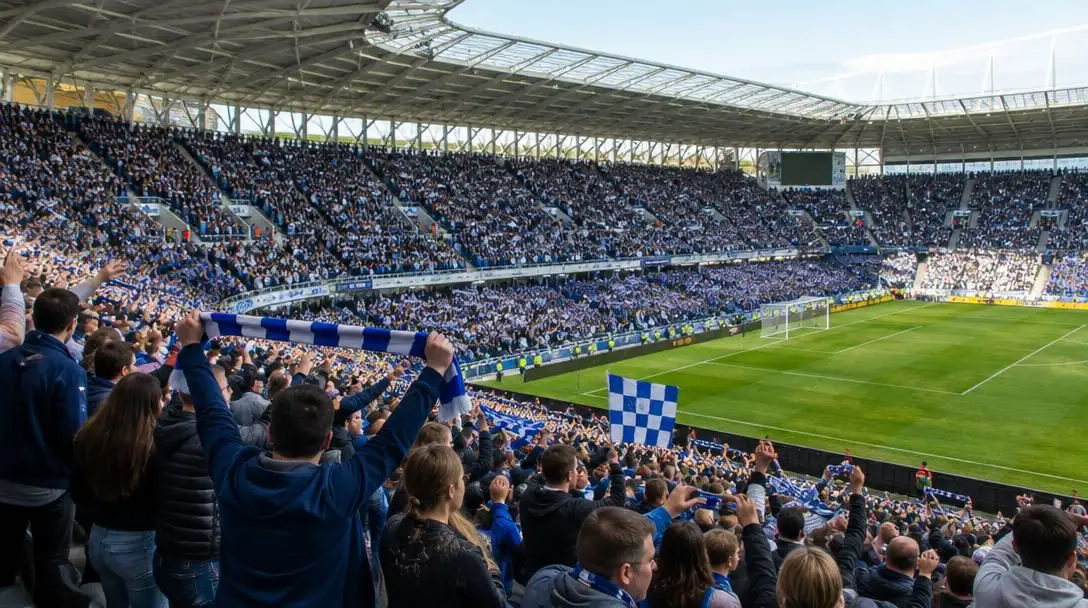
Football inspires profound emotional investment across the globe, but select institutions command a level of loyalty that transcends ordinary sports entertainment. For millions of dedicated supporters, following a football club is an essential anchor of personal identity, communal solidarity, multi-generational heritage, and lifelong commitment.
From awe-inspiring stadium choreographies to volatile protests against executive leadership, certain fan communities continually push devotion to unprecedented extremes. These five legendary European clubs showcase the remarkable heights—and occasional hazards—of truly fanatical football support.
Key takeaways
- Supporter culture transforms football clubs from athletic teams into multi-generational cultural institutions and community focal points.
- Manchester United and Real Madrid supporters have shown a willingness to confront owners and players directly when team standards slip.
- Liverpool and Chelsea fan bases demonstrate dedication through intricate stadium mosaics and grueling cross-continental travel.
- Barcelona commands Europe's largest verified fan base, maintaining fierce loyalty that can turn intensely personal during player departures.
At a glance: Comparing five legendary fan communities
While every elite European club enjoys global visibility, the character of supporter devotion varies dramatically depending on regional history, stadium rituals, and past controversies.
| Football Club | Prominent Monikers | Key Stadium or Home Ground | Defining Supporter Display | Documented Extreme Incident |
|---|---|---|---|---|
| Manchester United | The Red Devils | Old Trafford | Founding breakaway club FC United of Manchester | Pitch invasion causing match cancellation against Liverpool |
| Liverpool | The Reds | Anfield | Full-stand living crowd mosaics | Intense multi-generational chorus and coordinated displays |
| Chelsea | The Blues, The Pensioners | Stamford Bridge | Massive blue flag displays and persistent vocal chants | Threats driving referee Anders Frisk into retirement |
| Barcelona | Blaugrana, Culés | Camp Nou | Massive continental followings across Europe | Hurling a severed pig's head at Luis Figo |
| Real Madrid | Los Blancos | Santiago Bernabéu | Tens of thousands assembling outside the stadium | Vandalism and physical attack on Gareth Bale's car |
Five clubs defined by relentless supporter commitment
The following clubs illustrate how organized supporter culture shapes the identity, politics, and daily operations of world football.
Manchester United
- Club Moniker: The Red Devils
- Home Ground: Old Trafford
- Breakaway Institution: FC United of Manchester
- Ownership Opposition Target: The Glazer family
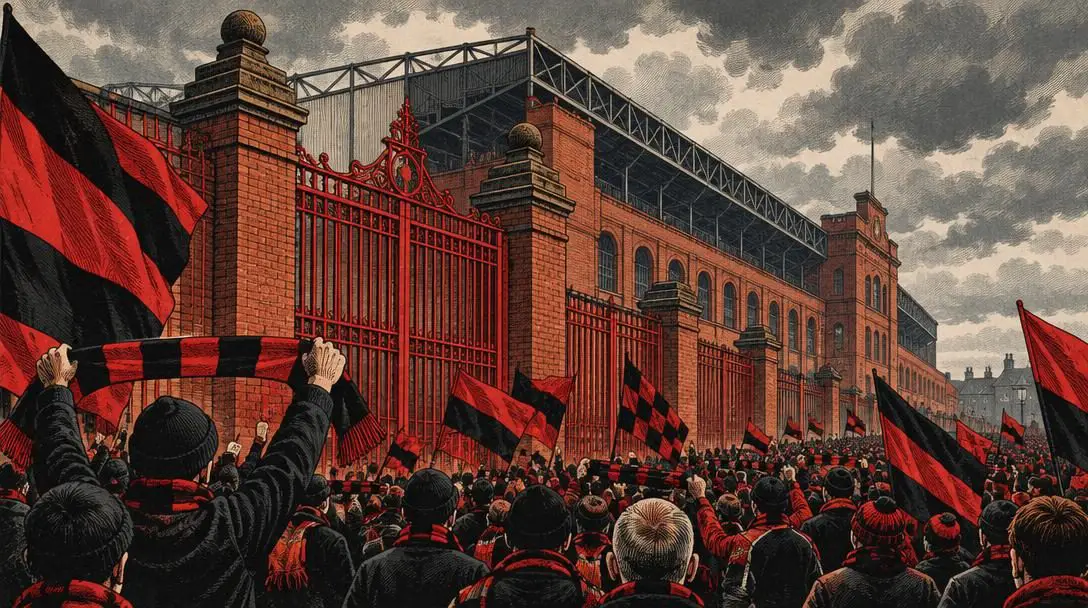
Manchester United commands an enduring, generational fan loyalty that survives shifts in domestic dominance. While rival clubs may capture recent league silverware, the Red Devils maintain a historical legacy that supporters view as unmatched. However, this deep devotion does not translate into unquestioning compliance with team executives.
Supporters have spent years staging forceful public demonstrations opposing the club's controlling owners, the Glazer family. These tensions escalated dramatically when protestors breached security and surged onto the Old Trafford pitch prior to a scheduled fixture against Liverpool, forcing authorities to postpone the contest on safety grounds. Disillusionment with ownership runs so deep that an impassioned faction completely severed ties to establish their own breakaway club, FC United of Manchester, while others publicly petitioned billionaire Elon Musk to redirect his 41-billion-dollar Twitter acquisition fund toward purchasing the club.
Liverpool
- Club Venue: Anfield
- Choreography Pioneer: Andy Knott
- Signature Visual: Coordinated stadium-wide crowd mosaics
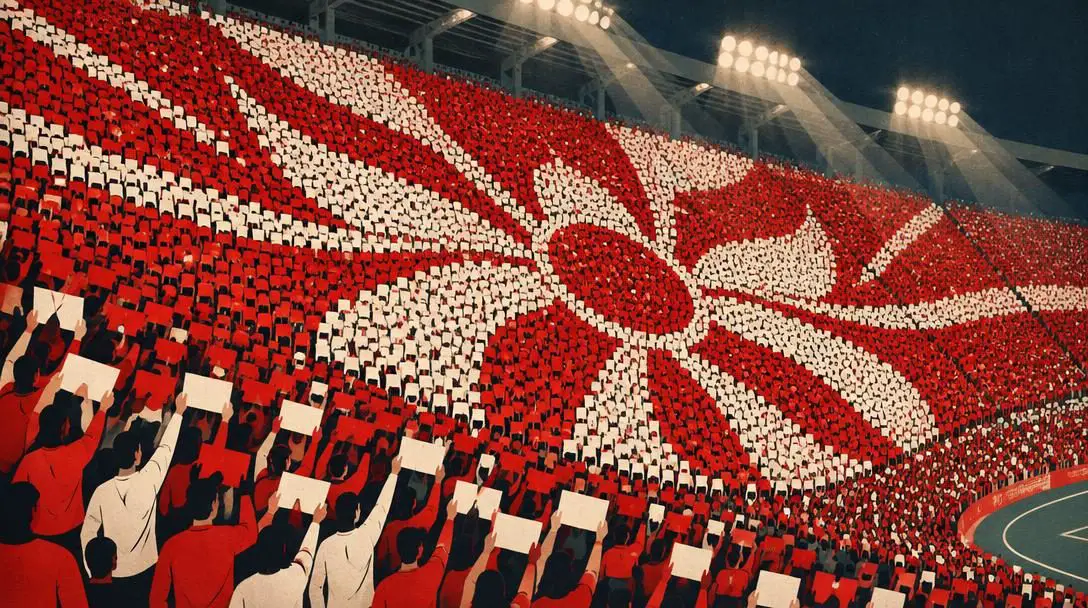
Liverpool supporters are recognized across world sports for their immense creative energy and stadium solidarity. When entering Anfield on matchday, spectators encounter awe-inspiring crowd mosaics that convert entire spectator terraces into cohesive, living works of visual art. Originally devised by longtime super-fan Andy Knott, these synchronized demonstrations require thousands of independent match-goers to lift individual color boards simultaneously.
Executing these massive stadium displays represents a genuine labor of love, demanding meticulous planning, unified physical execution, and generational trust among supporters. The visual spectacles provide a communal medium through which generations of match attendees honor historical club milestones and reinforce the collective emotional bond shared across the historic grounds.
Chelsea
- Club Monikers: The Blues, The Pensioners
- Notable Journey: Eight days across four flights, a train, and a taxi
- Official Disruption: 2005 retirement of referee Anders Frisk
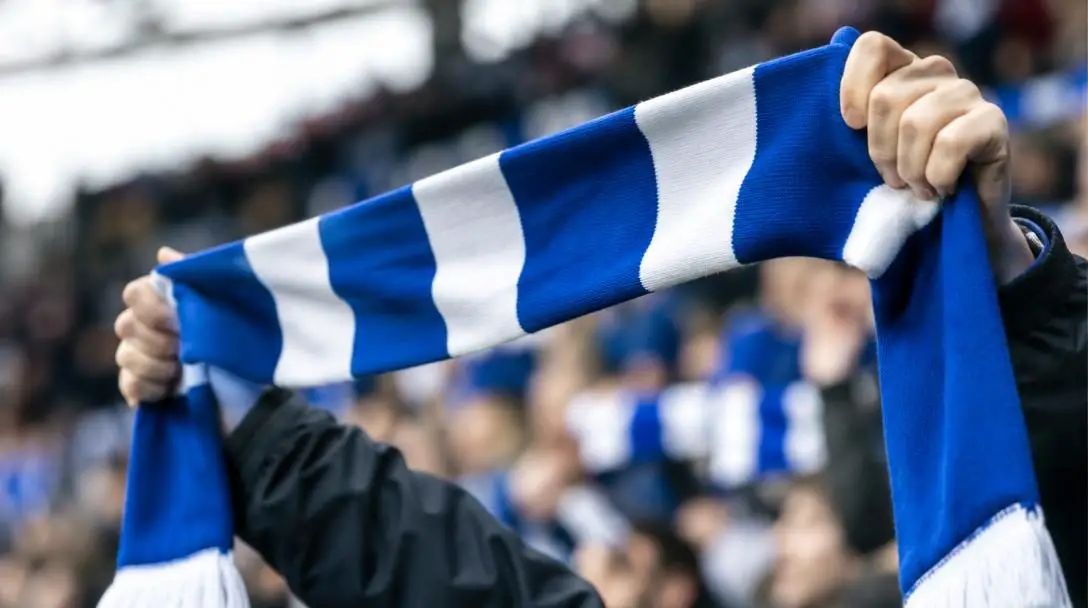
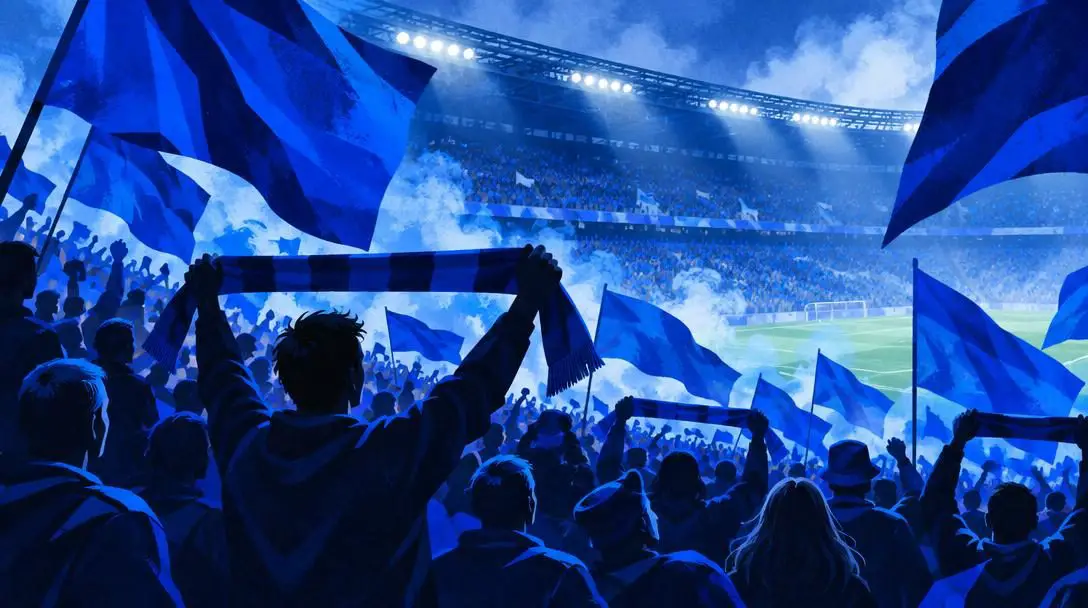
Chelsea Football Club boasts a ferocious supporter culture centered around non-stop vocal support and vibrant matchday pageantry. Whether at home or abroad, followers back the team with persistent singing, booming chants, and surging seas of blue flags that create an intimidating backdrop for visiting squads.
Supporters routinely take extraordinary measures to follow their team into continental fixtures. In 2019, two fans embarked on an arduous eight-day travel odyssey—navigating four separate flights, a train journey, and a taxi ride—simply to attend the Euro final. However, this fervent dedication has also manifested in severe hostility. In 2005, prominent international referee Anders Frisk chose to prematurely retire from professional officiating after he and his family faced a torrent of death threats from Chelsea supporters following a contentious match.
True supporter devotion is demonstrated not just by the distance fans travel to celebrate their team, but by the personal sacrifices they make to protect their club's legacy.
Barcelona
- Club Identity: Culés, Blaugrana
- European Standing: Ranked largest fan base in Europe by Sport+Markt
- Memorabilia Benchmark: 3,500 dollars for Lionel Messi's 2009 shirt on eBay
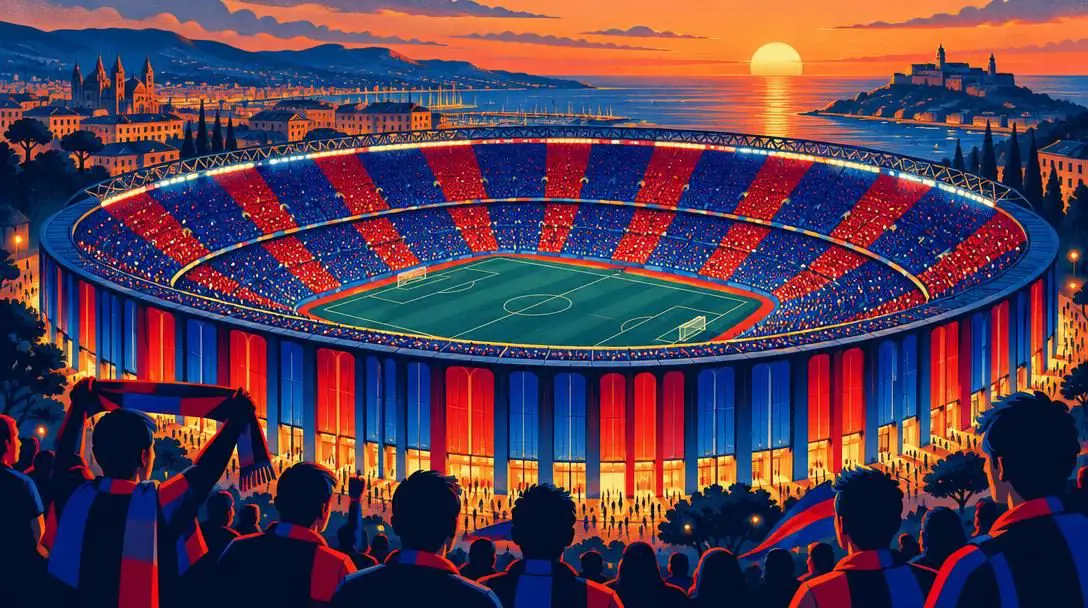
Known universally as Culés, Barcelona's supporter contingent represents the gold standard of European fandom. A comprehensive study by research group Sport+Markt determined that the Blaugrana maintains the largest supporter network in Europe, possessing nearly double the continental fan base of domestic rival Real Madrid.
The intensity of Barcelona fandom is visible in the commercial value attached to club artifacts; on the tenth anniversary of their Champions League triumph against Cristiano Ronaldo's Manchester United, the match shirt worn by Lionel Messi when netting the decisive second goal commanded 3,500 dollars on eBay. Yet this reverence can rapidly convert into fury when players breach the club's trust. When former captain Luis Figo transferred directly to Real Madrid, visiting fans at Camp Nou expressed their outrage in 2002 by hurling projectiles at him during a corner kick, including the severed head of a pig.
Real Madrid
- Club Moniker: Los Blancos
- Home Ground: Santiago Bernabéu
- Domestic Standing: Top-ranked supporter base within Spain
- 2015 Disciplinary Action: Fans fined and banned for attacking Gareth Bale's car
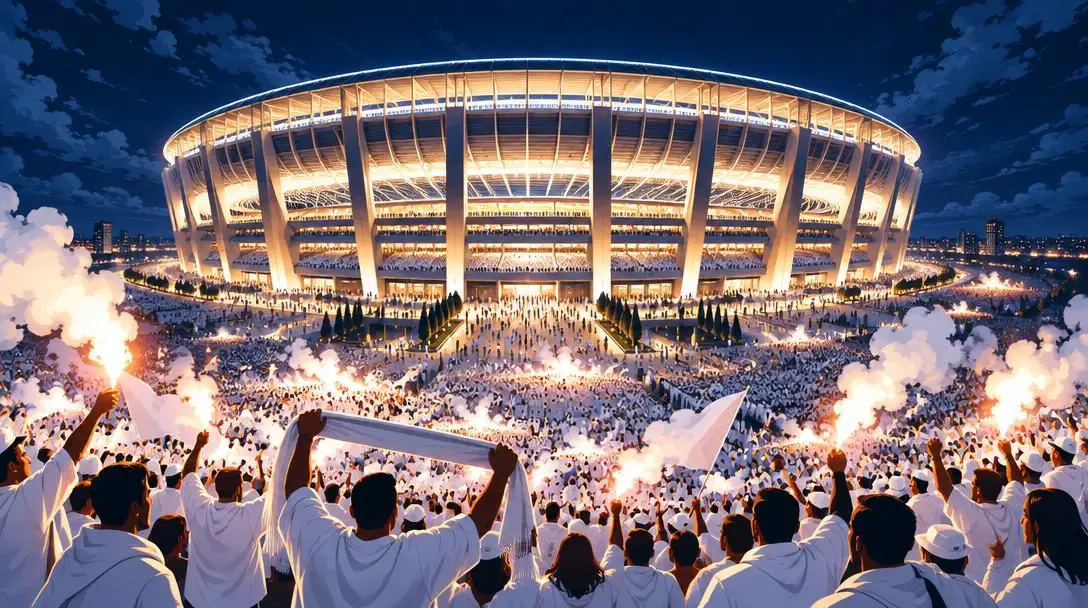
While Barcelona claims wider continental numbers, Real Madrid reigns undisputed as the most widely supported club within Spain. Tens of thousands of impassioned followers routinely flood the streets surrounding the Santiago Bernabéu hours before major fixtures, creating a raucous gauntlet of flares, songs, and cheers to greet the team bus ahead of European knockout fixtures, such as their dramatic Champions League semi-final against Manchester City.
When Los Blancos secured that semi-final victory in extra time, the stadium and city exploded into euphoric celebration. Conversely, supporter dissatisfaction can trigger aggressive confrontations. Following a painful defeat against Barcelona in 2015, three frustrated supporters intercepted and attacked Gareth Bale's vehicle outside club facilities, resulting in swift fines and official stadium suspensions from the organization.
Historical foundations of European supporter culture
The intense loyalties witnessed at Old Trafford, Anfield, and the Bernabéu did not emerge spontaneously. Modern supporter culture is rooted in European industrial history, civic identity, and traditional community structures established over a century ago.
- Civic and Industrial Roots: Most elite football clubs originated as neighborhood societies, trade union groups, church collectives, or municipal worker sports clubs. Terraces served as vital weekly gathering hubs for working-class populations.
- Inherited Family Allegiances: Team loyalties functioned as inherited cultural traditions. Supporters were introduced to their local grounds by parents and grandparents, making a change of football allegiance socially unacceptable.
- Continental Battlegrounds: As regional teams progressed into UEFA European tournaments, local sporting rivalries took on national significance, amplifying the emotional stakes of domestic fixtures.
- Global Accessibility: Modern satellite television and digital communications introduced worldwide audiences to historic terrace anthems, allowing remote international supporters to build deep personal connections to historic teams.
The core mechanisms of football fandom
Fervent supporter commitment is maintained through shared social behaviors, spatial rituals, and coordinated physical actions that convert independent attendees into a collective force.
Stadium venues serve as sacred geographic spaces where regular match-goers claim collective ownership. Within these grounds, vocal chants, coordinated rhythmic clapping, and synchronized flag routines generate an intimidating psychological wall for opposing players while propelling the home side forward during critical moments.
Furthermore, supporter groups operate as vital democratic and protective bodies. When corporate decisions, ownership sales, or excessive ticketing costs threaten the community's welfare, organized supporter groups coordinate pitch demonstrations, consumer boycotts, or executive lobbying campaigns to ensure the club's founding values remain intact.
How to participate in matchday culture responsibly
Attending a high-stakes fixture in Europe offers an electrifying cultural experience, but entering these charged stadium environments requires thorough planning and situational awareness.
- Study historic club traditions and chants: Research the anthems, visual history, and traditional club songs prior to matchday so you can participate naturally in terrace rituals.
- Acquire tickets exclusively through official channels: Avoid unauthorized street scalpers and black-market digital brokers by using official team membership allocations or certified ticketing portals.
- Review local stadium safety regulations: Familiarize yourself with ground rules regarding prohibited items, terrace behavior, alcohol consumption, and movement inside spectator concourses.
- Arrive at the stadium district several hours early: Give yourself ample time to navigate security checkpoints, witness traditional team bus arrivals, and soak in pre-match neighborhood gatherings safely.
- Maintain courtesy toward neighboring communities: Respect residential streets surrounding historic urban stadiums by adhering to waste guidelines, following transit directions, and avoiding confrontations with opposing fans.
Common mistakes to avoid in intense football environments
Navigating historic grounds requires basic cultural common sense. Neglecting stadium norms can expose visitors to personal risk and compromise matchday operations.
- Wearing opposing colors in home terrace sections: Displaying visiting team shirts, scarves, or merchandise in designated home sections is strictly prohibited by ground regulations and incites direct conflict.
- Crossing the boundary from vocal passion to personal abuse: Loud cheering and witty chanting are celebrated, but issuing personal threats to players or officials—such as the hostility aimed at Anders Frisk—is illegal and unethical.
- Damaging private or municipal property: Channeling sporting disappointment into vandalism, such as the assault on Gareth Bale's vehicle, results in criminal prosecution, heavy financial restitution, and lifetime bans.
- Underestimating cross-border transit logistics: Traveling across borders for international fixtures requires robust contingency planning; poorly budgeted itineraries can lead to missed matches or travel delays.
- Treating the match purely as a social media backdrop: Historic fan bases value active vocal involvement and respect for club traditions far more than superficial personal documentation.
Frequently asked questions
Which European football club has the largest total fan base?
According to research conducted by the sports market consultancy Sport+Markt, Barcelona holds the largest overall supporter base in Europe, possessing nearly double the continental followers of Spanish rival Real Madrid.
Why did Manchester United supporters create FC United of Manchester?
Disaffected Manchester United supporters founded FC United of Manchester as a direct protest against the Glazer family's leveraged buyout of the club, creating an independent, fan-owned team to preserve their core football values.
What caused international referee Anders Frisk to retire in 2005?
Swedish referee Anders Frisk decided to end his officiating career prematurely after receiving intense hostility, including direct death threats directed at himself and his family, from disgruntled Chelsea supporters.
Who initiated the famous crowd mosaics at Liverpool's Anfield stadium?
The coordinated crowd mosaic displays at Anfield were the creation of longtime Liverpool super-fan Andy Knott, who organized thousands of match-goers to lift colored boards in unison to construct large living artworks.
Why was a pig's head thrown at Luis Figo during a match in 2002?
Barcelona supporters hurled a severed pig's head at Luis Figo when he returned to Camp Nou as a Real Madrid player, expressing deep betrayal over his direct transfer to their fiercest domestic adversary.
The bottom line
The extraordinary supporter cultures surrounding Manchester United, Liverpool, Chelsea, Barcelona, and Real Madrid illustrate why football remains the world's most compelling sporting theater. These fan communities are not merely paying customers; they are the permanent cultural caretakers of their respective institutions.
While unregulated fanaticism can occasionally spill over into unacceptable hostility or vandalism, the true essence of supporter commitment lies in positive solidarity. Through stunning choreographies, vocal dedication across exhausting journeys, and the courage to hold executive leadership accountable, dedicated football supporters ensure their clubs remain vibrant community institutions for future generations.