5 Fundamentals of Horseback Riding
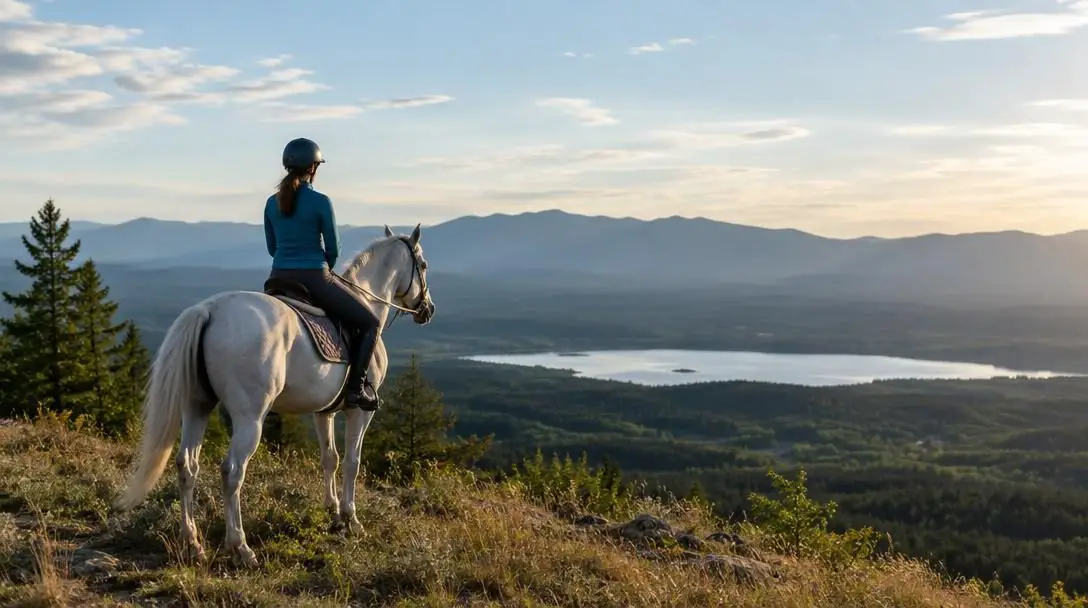
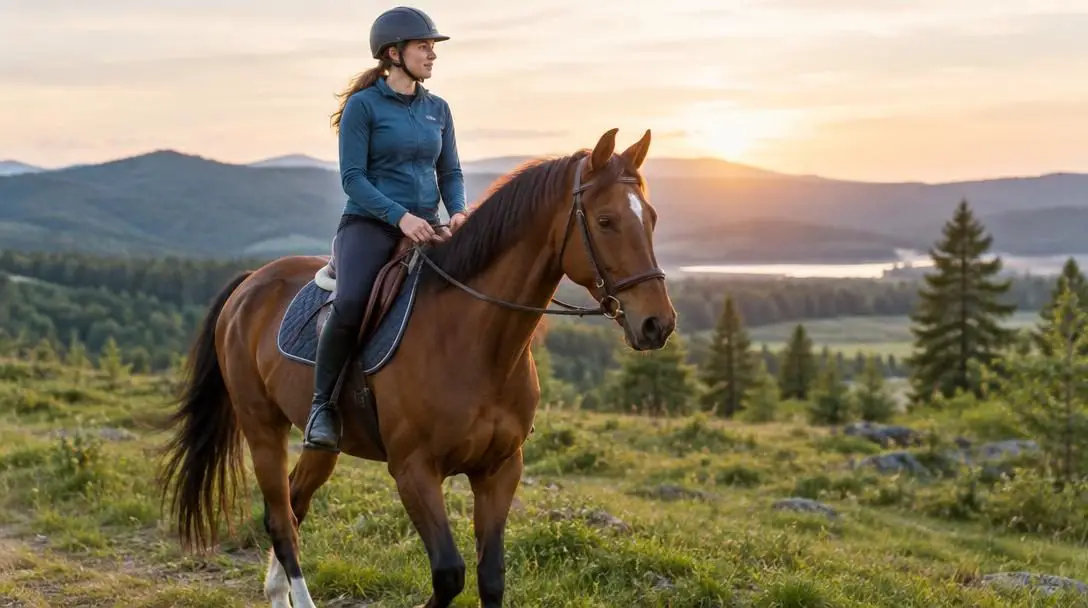
When practiced properly, horseback riding is an exhilarating, deeply rewarding partnership that unites horse and rider in fluid motion. Moving in unison with a powerful creature weighing over a thousand pounds creates a connection unlike any other athletic pursuit. Yet taking the wrong approach can lead to hazardous situations, abruptly sending a rider flying through the air while eroding the animal's willingness to cooperate.
Despite the apparent complexity of guiding such a massive animal, equestrian sport is not rocket science. It hinges upon consistent communication, rigorous safety protocols, and deep mutual respect. To master the craft, one must first recognize that horses are fundamentally prey animals driven by an evolutionary instinct for flight, meaning sudden visual changes, barking dogs, or a flapping plastic bag can instantly trigger a panic response. Navigating this mindset requires riders to remain patient, attentive, and grounded in core equestrian fundamentals.
Key takeaways
- Horses are massive prey animals weighing upwards of a thousand pounds whose natural flight instinct can be triggered by seemingly harmless distractions like butterflies or fluttering bags.
- Mounting requires a controlled, athletic elevation of approximately five feet so you settle gently onto the horse's back without slamming into its spine.
- Halting relies on a multi-part cue involving balanced posture, stabilizing leg tension, the vocal command "Whoa there," and gentle rein pressure that releases immediately once stopped.
- Progressing through forward gaits from walk to trot, canter, and gallop demands deliberate leg pressure and appropriate, even terrain.
- A complete post-ride routine of dismounting, un-tacking, cooling down on a lead rope, grooming, and pasture turnout is essential for the animal's physical recovery.
Understanding Equine Nature and the Flight Instinct
Before stepping foot into a stable or arena, every rider must understand the evolutionary biology that dictates how horses perceive the world. Even though domestic horses are majestic and exceptionally muscular creatures, their instincts are those of a hunted herbivore. Unlike predatory animals that examine unexpected stimuli with curiosity or aggression, a horse's primary survival mechanism is immediate, rapid evasion.
Because they are flighty by nature and easily spooked, horses can panic over environmental factors that humans barely register. A sudden breeze catching a discarded plastic bag, a fluttering butterfly crossing their path, or a distant barking dog can be interpreted as a mortal threat. When riders understand that this behavior is rooted in self-preservation rather than stubbornness, they become proactive rather than reactive, continually assessing their surroundings to maintain a calm, secure environment.
Riding a horse involves a continuous dialogue between your body and the horse's instincts.
The Five Core Fundamentals of Horsemanship
Developing proficiency in the saddle requires breaking the riding experience down into five structured, reliable components. These pillars govern everything from pre-ride preparation to the restorative care you offer after a rigorous workout.
Fundamental 1: Safety First at All Times
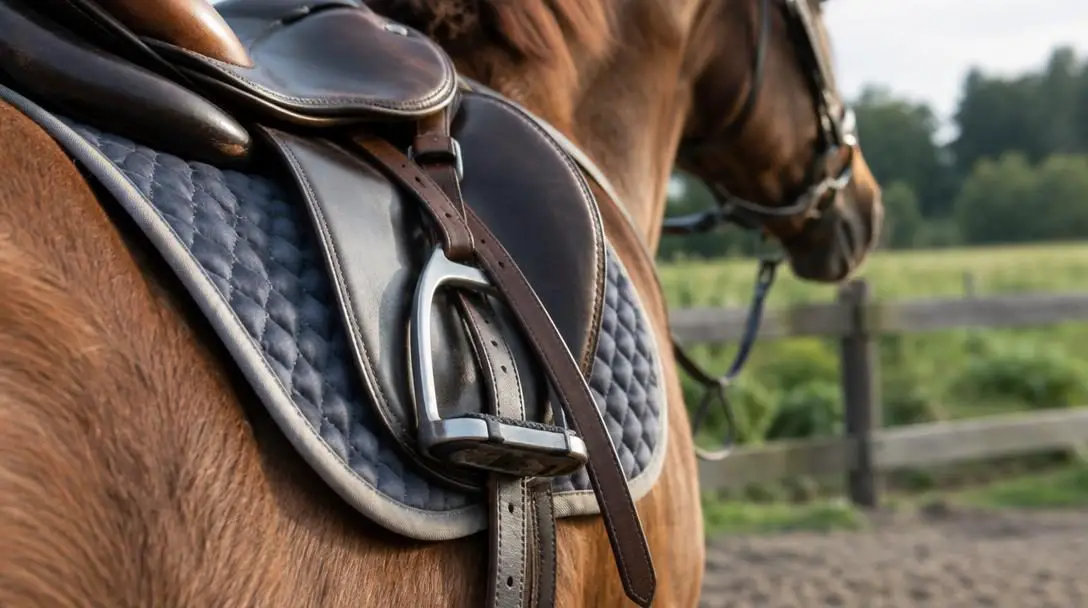
Preparation begins long before swinging into the saddle. Equipping yourself with a well-fitted equestrian helmet protects against traumatic head injuries in the event of an unexpected fall or sudden bolt. Purpose-built riding boots are equally vital, shielding your feet while working on the ground and preventing your footwear from slipping dangerously through the stirrup irons. Taking time to properly inspect and fit your tack ensures that every strap, cinch, and buckle is secured without pinching the horse's skin or loosening mid-stride. Concurrently, riders must actively monitor their riding ring to spot potential spook triggers before the horse notices them.
Fundamental 2: Mounting with Care
Mounting represents your first physical interaction in the saddle and sets the emotional tone for the entire session. Elevating yourself roughly five feet off the ground requires leverage and smooth coordination rather than brute force. Dropping your full body weight forcefully onto the horse's back can compress the spine, cause discomfort, and provoke the animal to step out or bolt. The objective is an upward spring followed by a soft, weightless descent onto the saddle seat.
Fundamental 3: Halting ("Whoa There")
Horses are sensitive living animals, not motorized vehicles with mechanical brake pads. Coming to a complete stop demands clear, coordinated aids that give the animal time to balance its hindquarters. Effective halting combines postural balance, leg stabilization, gentle rein resistance, and the calm verbal cue "Whoa there." Pulling violently on the reins triggers defensive resistance, whereas a measured request encourages a square, relaxed halt.
Fundamental 4: Controlling Forward Gaits
Controlling forward momentum involves rhythmic physical cues delivered through your seat, calves, and heels. Rather than rushing blindly into high speeds, riders methodically advance from a four-beat walk to a bouncy two-beat trot, an energetic three-beat canter, and ultimately a full gallop. Each upward transition requires intentional heel squeezes, balanced posture, and constant assessment of the arena footing to prevent slips or loss of control.
Fundamental 5: Giving Back to Your Horse
A rider's obligation does not end when the riding session wraps up. Demanding physical exertion elevates the horse's heart rate, creates muscle tension, and leaves sweat trapped beneath saddle pads. Concluding a ride involves hand-walking to normalize respiration, removing all gear, grooming away dried sweat and dirt, and turning the horse out into a grassy pasture where it can graze, roll, and relax.
At a Glance: Navigating the Four Riding Gaits
Progressing through the gears of equestrian movement requires an understanding of how each gait functions, the cues required to ask for it, and the conditions needed to execute it responsibly.
| Gait | Speed Order | Primary Rider Cue | Footing & Spatial Requirement | Key Focus |
|---|---|---|---|---|
| Walk | Initial gait | Even heel squeeze with centered stirrups | Any standard arena or level pathway | Establishing forward rhythm and relaxation |
| Trot | Second gait | Deliberate squeeze from a steady walk | Standard arena with sound footing | Absorbing two-beat bounce and steering |
| Canter | Third gait | Focused heel pressure from the trot | Open arena or clear, predictable track | Maintaining hip fluidity and balance |
| Gallop | Fastest gait | Forward release and leg commitment | Extensive open space with even terrain | Absolute control, open sightlines, and firm footing |
Step-by-Step Guide to a Structured Riding Session
Executing a safe, productive ride relies on following a sequential pattern every time you work with your horse. Adhering to these practical steps builds confidence and clear habits for both partners.
- Equip yourself with safety gear: Put on supportive riding boots before entering the barn aisle, and securely fasten a properly fitted helmet on your head before handling your mount.
- Tack up methodically: Position the saddle pad, saddle, and bridle carefully, ensuring every buckle is fastened correctly, the girth is adequately snug without pinching, and all straps lie flat.
- Scan the arena: Survey the riding enclosure for visual distractions, sudden movements, barking dogs, or loose objects like flapping plastic bags that could trigger a flight response.
- Position the horse for mounting: Secure the animal by having an assistant hold the lead or by tying the reins securely to a sturdy fence post. Stand on the horse's left side, facing slightly toward the saddle or rear.
- Mount smoothly: Place your left foot firmly into the stirrup iron, push upward off the ball of your foot, swing your right leg cleanly over the hindquarters without kicking the horse, and sit down gently into the saddle. If you misjudge the lift, step down, pat your horse, and try again.
- Cue the forward walk: Center both feet in the stirrup irons, relax your hips, and apply a quick, firm squeeze with your heels. If the horse hesitates, repeat the signal or provide light heel bumps.
- Progress through the gaits: Once the horse walks with purpose, apply another deliberate squeeze to transition into a trot. Squeeze again to ask for a brisk canter, saving the full gallop strictly for wide, open spaces with even, dependable ground.
- Execute the halt: Anticipate your stopping point well in advance. Lean your upper body slightly back into the saddle, tense your leg muscles to brace gently against the horse's sides, say "Whoa there" in a calm voice, and exert gentle backward pressure on the reins. Release all rein tension the moment the horse stops.
- Dismount and strip gear: Remove both feet from the stirrup irons, lean forward, swing your right leg over the rear, and slide lightly down to the ground. Remove the saddle, girth, pads, and bridle.
- Cool down and restore: Fit a comfortable halter and lead rope to walk the horse around the ring until its breathing and temperature return to resting levels. Thoroughly brush away dirt and sweat before turning the horse out into the pasture to rest and snack.
Common Mistakes to Avoid in the Saddle
Riding errors can quickly confuse a horse, compromise rider balance, or create dangerous physical strain. Identifying and avoiding these frequent pitfalls preserves trust and protects your safety.
- Rushing the tack setup: Hastily buckling girths or bridles can pinch tender skin, leave equipment dangerously loose, and irritate the animal before the ride even starts.
- Crashing into the saddle: Dropping your dead weight directly onto the horse's spine while mounting causes sharp discomfort, creates sour attitudes, and may prompt the horse to bolt forward.
- Yanking on the reins: Pulling harshly on the bit or using the reins as balancing handles causes severe oral pain, triggering head-tossing, rearing, or sudden defensive reactions that unseat the rider.
- Expecting instant mechanical stops: Demanding an immediate halt without using body weight or verbal aids confuses the horse and prevents it from shifting its balance to stop cleanly.
- Advancing gaits too quickly: Jumping straight from a walk to a gallop without testing steering, rhythm, and brakes at the trot and canter invites runaway accidents.
- Galloping on dangerous ground: Running horses over rocky, uneven, slippery, or confined ground risks catastrophic tripping injuries for both horse and rider.
- Skipping the post-ride routine: Returning a hot, sweaty horse directly to a closed stall without walking, un-tacking, and grooming causes severe muscle tightness and behavioral resistance.
Long-Term Skill Development and Rider Conditioning
Horsemanship is a progressive art that evolves over months and years of mindful practice. As your body adapts to the movement of the saddle, controlling your posture and interpreting the subtle cues of your mount will become second nature. However, continuous improvement requires intentional physical and observational conditioning away from active riding.
Developing personal fitness, particularly core strength and lower-body flexibility, significantly enhances your control in the saddle. A strong core allows you to absorb the bouncing motion of the trot, remain balanced during sudden gait shifts, and mount effortlessly without dragging on the horse's spine. Supple hip flexors and ankles help your legs rest softly against the horse's barrel, delivering precise heel signals without tension.
Equally valuable is spending time observing equine behavior from the ground. Watching horses interact naturally in a pasture reveals their subtle body language, ear positions, and herd dynamics. By studying how they respond to sudden noises, unfamiliar objects, and each other, you sharpen your ability to predict their reactions under saddle, ensuring every ride remains safe, constructive, and enjoyable.
Frequently asked questions
Why do horses spook at harmless things like butterflies or plastic bags?
Horses are prey animals whose primary evolutionary survival mechanism is flight. Because their instincts prioritize immediate escape from perceived predators, sudden movements, unexpected sounds, or unfamiliar floating objects like plastic bags can trigger an instinctual panic response before they have time to evaluate whether the object is truly dangerous.
From which side should you mount a horse?
Riders traditionally mount from the left side of the horse, facing slightly toward the saddle or rear. You place your left foot into the stirrup iron, push up smoothly, and swing your right leg completely over the horse's hindquarters to sit down gently.
How do you stop a horse without hurting its mouth?
Stopping a horse cleanly requires a coordinated combination of aids rather than pulling hard on the reins. You should anticipate your stopping point early, lean your upper body slightly back, tense your leg muscles against the horse's sides, speak the verbal cue "Whoa there" in a calm voice, and apply gentle backward rein pressure, releasing all tension the instant the horse halts.
When is it safe to gallop a horse?
You should only gallop after confirming complete control at the walk, trot, and canter, and only when riding on an even, firm surface with ample open space. Galloping over rocky, uneven, or confined terrain puts both horse and rider at severe risk of tripping and falling.
Why is it necessary to walk a horse after a ride?
Walking a horse on a lead rope after removing its saddle and bridle allows its elevated heart rate, breathing, and body temperature to return gradually to normal resting levels. This prevents muscle cramping, supports post-workout recovery, and keeps the animal comfortable before it is groomed and turned out.
The bottom line
Horseback riding represents a unique physical partnership that thrives on clear boundaries, continuous communication, and mutual respect. When you respect the reality that you are guiding an animal weighing over a thousand pounds with ingrained prey instincts, you quickly realize that patience and preparation are your greatest assets. Shortcuts in safety gear, aggressive rein handling, or careless mounting will invariably compromise your safety and damage the horse's trust.
By mastering the five core fundamentals—rigorous pre-ride safety, smooth mounting, balanced halting, orderly gait transitions, and dedicated post-ride recovery—you build a stable foundation for lifelong equestrian enjoyment. Treat every session as an ongoing conversation with your mount, honor their physical and mental needs, and enjoy the unparalleled sensation of riding forward in complete harmony.