5 Greatest Coaches in Montana Grizzlies Football History
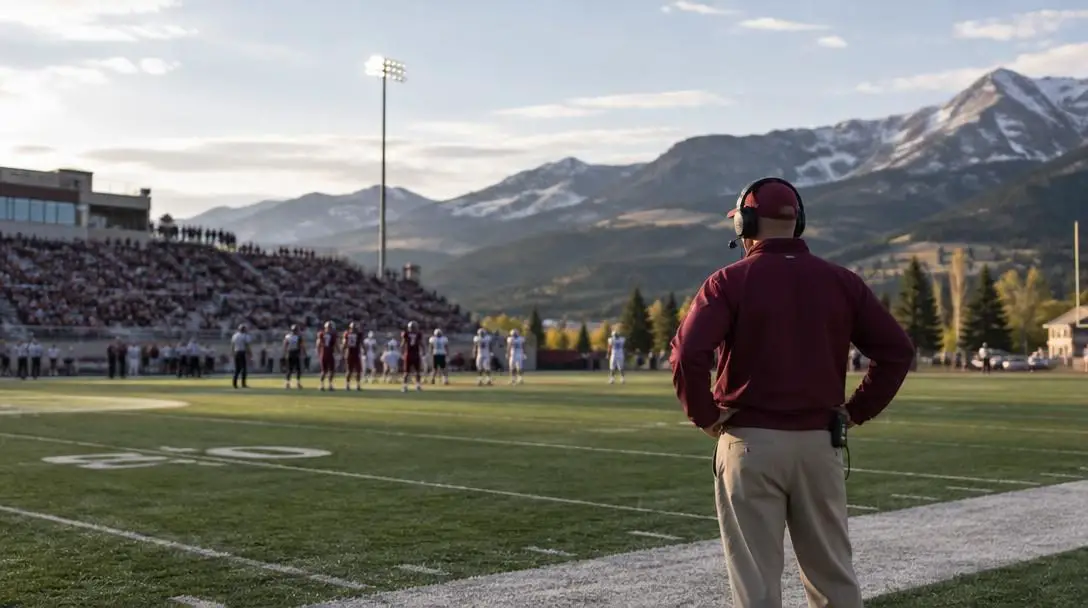
The University of Montana Grizzlies football program represents one of the most storied traditions in NCAA Division I-AA and Football Championship Subdivision history. Based in Missoula, Montana, the program has experienced significant competitive swings across its long timeline. During the opening half of the twentieth century, the Grizzlies suffered through severe dry spells under leaders such as Dewitt Peck and Clyde Carpenter, who combined for an 0-11 record. Yet those difficult eras eventually gave way to sustained conference supremacy, deep postseason runs, and national championship celebrations.
At the center of Montana's transformation into a collegiate powerhouse are five iconic head coaches: Jack Swarthout, Mick Dennehy, Bobby Hauck, Joe Glenn, and Don Read. Together, these tacticians established winning standards, captured numerous Big Sky Conference championships, and brought home two national championship trophies. Reviewing their paths, records, and legacies illustrates how leadership choices define the trajectory of a college football program.
Key takeaways
- Don Read engineered Montana's golden era, culminating in the school's first national championship victory over Marshall in 1995.
- Joe Glenn achieved one of the highest winning percentages in program history, going 39-6 across three seasons with a national title in 2001.
- Bobby Hauck demonstrated sustained regular-season excellence by winning seven consecutive Big Sky Conference championships during his first tenure.
- Both Jack Swarthout and Mick Dennehy translated their experiences as former Grizzlies players into championship-level coaching tenures.
- Coaching transitions at Montana highlight the dual pathways of promoting internal coordinators and hiring proven head coaches from other programs.
The 5 Greatest Head Coaches in Montana Football History
Evaluating the top head coaches in Montana history requires looking at how each leader met the challenges of their era, developed student-athletes, and performed on the national playoff stage. These five coaches established the modern standard of excellence in Missoula.
| Coach | Tenure at Montana | Overall Record | Big Sky Titles | National Championship Outcomes |
|---|---|---|---|---|
| Jack Swarthout | 1967–1975 | 51-41-1 | 2 | Pre-modern FCS tournament format |
| Mick Dennehy | 1996–1999 | 39-12 | 3 | 1996 National Finalist (Runner-up) |
| Bobby Hauck | 2003–2009; 2018–present | Active across two stints | 7 consecutive (first stint) | Multiple national title game appearances |
| Joe Glenn | 2000–2002 | 39-6 | 3 | 2001 National Champion; 2000 Runner-up |
| Don Read | 1986–1995 | 85-36 | Multiple | 1995 National Champion |
5. Jack Swarthout
- Tenure: 1967–1975
- Career Record: 51-41-1
- Conference Honors: 2 Big Sky Conference Titles, 3-time Big Sky Coach of the Year
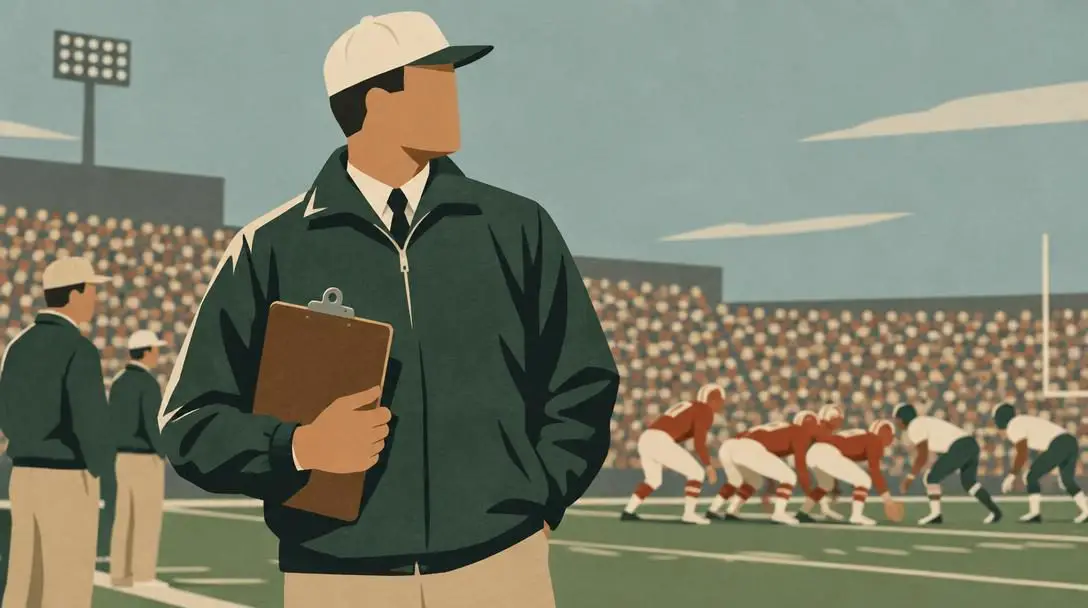
The late Jack Swarthout was deeply tied to the University of Montana long before he ever stood on the sidelines holding a play sheet. During his own collegiate days in Missoula, Swarthout competed as both a quarterback and a halfback. That dual-threat versatility on offense provided him with a comprehensive technical understanding of football schemes and player dynamics within the program.
Swarthout honed his craft through high school coaching ranks before taking an assistant coaching role at the University of Texas. When he returned to Missoula as head coach in 1967, he energized the roster. Over his nine seasons at the helm, Swarthout compiled a 51-41-1 record, secured two Big Sky Conference championships, and collected three Big Sky Coach of the Year selections. Following the 1975 season, he returned to coaching at the high school level and retired from the sport in the mid-1980s.
4. Mick Dennehy
- Tenure: 1996–1999
- Career Record: 39-12
- Postseason Record: 4 NCAA Division I-AA playoff berths, 1 title game appearance
Mick Dennehy brought a rugged defensive mindset to the Montana program, having played safety for the Grizzlies during the 1971 and 1972 seasons. That firsthand experience gave him deep insight into the culture and defensive standards required to succeed in Missoula. Following his playing career, Dennehy worked extensively in the high school coaching ranks and served on the staff at Montana Western.
In 1991, Dennehy joined Montana's staff as offensive coordinator, a role he commanded for five seasons. When promoted to head coach in 1996, he maintained the team's national momentum immediately. Across four seasons, Dennehy generated a 39-12 record, guiding the Grizzlies to the NCAA Division I-AA playoffs in every single campaign. In his rookie year as head coach in 1996, he marched Montana straight to the national championship game before falling to Marshall.
3. Bobby Hauck
- Tenure: 2003–2009; 2018–present
- Hometown: Missoula, Montana
- Signature Feat: 7 consecutive Big Sky Conference titles (2003–2009)
Unlike many football leaders, Missoula native Bobby Hauck did not play college football for the Grizzlies. Instead, he attended the University of Montana as a track and field athlete. After finishing his degree, Hauck joined the Grizzlies football staff as an assistant coach, beginning an extensive coaching journey that featured stops at UCLA, within the Pac-12, and at Northern Arizona as a coordinator.
Hauck took over the Grizzlies as head coach in 2003 and embarked on a historic run of regional dominance, winning seven consecutive Big Sky Conference titles. After the 2009 season, he accepted the head coaching role at UNLV, spending five seasons in Las Vegas before serving as the special teams coordinator at San Diego State. In 2018, Hauck returned home to Missoula for a second stint as head coach, continuing his legacy of tough, disciplined football.
2. Joe Glenn

- Tenure: 2000–2002
- Career Record: 39-6
- Major Accomplishments: 2001 NCAA Division I-AA National Championship, 3 Big Sky Titles
A native of Nebraska who played college football at the University of South Dakota, Joe Glenn made every single season count during his brief three-year stay in Missoula. Glenn had previously served as head coach at Doane, worked as an assistant at Montana in the early 1980s, and captured national attention while serving as head coach at Northern Colorado. When he returned to lead Montana in 2000, his impact was immediate and historic.
Over his three seasons, the Grizzlies compiled an astonishing 39-6 record and captured the Big Sky Conference crown every single year. In 2000, Glenn took Montana to the NCAA Division I-AA national championship game, finishing as runners-up to Georgia Southern. In 2001, his squad reached the summit, defeating Furman to win the national championship. Following a third consecutive conference title in 2002, Glenn departed to become the head coach at the University of Wyoming.
Don Read turned a losing prior record into an era of national supremacy, securing Montana's first football national title.
1. Don Read
- Tenure: 1986–1995
- Career Record at Montana: 85-36
- Championship Hardware: 1995 NCAA Division I-AA National Championship
Don Read stands as the architect of modern Montana football dominance. A former player at Sacramento State, Read spent years coaching at the high school level before securing his first collegiate head coaching position at Portland State. Over the 1970s and early 1980s, Read built an extensive coaching résumé that included stops at Oregon Tech, a return to Portland State, and time with the Oregon Ducks. Despite holding a losing career record when he was hired in Missoula, Read transformed the Grizzlies into a national brand.
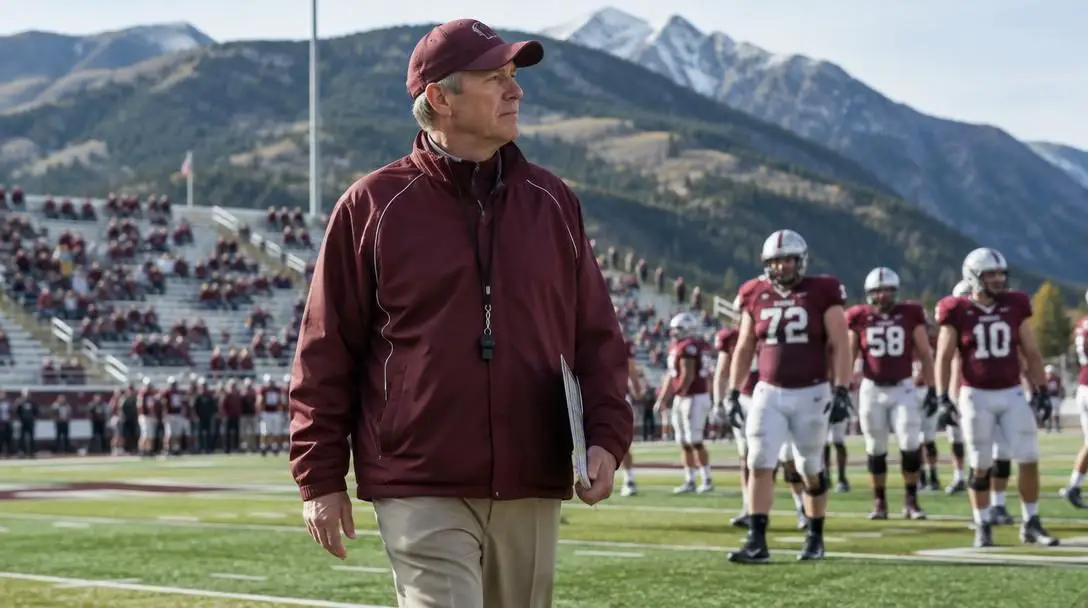
From 1986 through 1995, Read directed Montana to an 85-36 record. His teams posted four double-digit win seasons and earned five trips to the NCAA Division I-AA playoffs. The pinnacle of his career came in 1995, his final season before retirement. Read guided the Grizzlies to the national championship game, where they defeated Marshall to claim the first football national title in school history.
How College Football Head Coaching Transitions Work
The success achieved by leaders like Read, Glenn, and Hauck illustrates the high stakes involved in collegiate head coaching transitions. Athletic departments follow strategic organizational processes when selecting and supporting head coaches:
- Identifying Program Needs: Following a coaching departure, university leaders evaluate whether the roster requires a wholesale culture change, technical modernization, or tactical continuity.
- Promoting Internal Staff vs. Outside Searches: Athletic directors decide between maintaining established culture by promoting successful coordinators, as seen when Montana elevated Mick Dennehy, or conducting nationwide searches to bring in established head coaches like Don Read.
- Contractual Negotiations: Agreements balance head coaching salaries, performance-based championship incentives, assistant coach salary pools, and buyout obligations governing potential departures.
- Roster and Culture Management: New coaches must retain current players, manage recruiting pipelines, and build trust with alumni, university boosters, and regional high school coaching associations.
- Managing Career Advancements: Successful mid-major and FCS coaches frequently attract attention from higher-tier FBS programs, as demonstrated by Joe Glenn's move to Wyoming and Bobby Hauck's departure for UNLV.
Practical Steps for Evaluating a Head Coach's Legacy
Fans and sports historians often debate coaching legacies using personal memories, but objective analysis requires a structured methodology. Evaluating any head coach's tenure can be accomplished through five concrete steps:
- Calculate Overall and Conference Winning Percentages: Measure a coach's consistency against recurring conference rivals and out-of-conference opponents.
- Tally Championship Hardware: Count conference titles and national championships, which provide tangible evidence of elite performance.
- Track Postseason Appearances and Success: Review how frequently the coach earned playoff berths and whether they advanced past early rounds into title contention.
- Measure Roster and Program Trajectory: Compare the condition of the roster and facilities inherited at hiring against the foundation left behind upon departure.
- Assess Adaptability Over Time: Review a coach's ability to replace departing coordinators, adapt schemes to new rules, and maintain standards across multiple recruiting cycles.
Common Mistakes When Comparing Coaches Across Different Eras
Evaluating coaches across different decades can lead to inaccurate conclusions if structural differences are ignored. Analysts should avoid several common analytical errors:
- Ignoring Differences in Postseason Formats: Earlier leaders like Jack Swarthout operated in an era with limited or nonexistent playoff brackets, whereas modern coaches compete in expanded national tournaments.
- Dismissing Short Coaching Tenures: Brief stays can still be historically dominant. Joe Glenn coached only three seasons at Montana but produced three league crowns and a national title.
- Overweighting Prior Records: Assuming an incoming coach will fail due to past records overlooks institutional fit. Don Read held a losing career mark before engineering Montana's greatest turnaround.
- Disregarding Conference Strength: Raw victory totals must be evaluated within the context of how competitive the Big Sky Conference was during that particular decade.
- Overvaluing Playing Background: Assuming great coaches must have been star college football players is misleading; Bobby Hauck competed in college track before winning seven consecutive league titles.
Frequently asked questions
Which Montana Grizzlies head coach won the school's first national championship?
Don Read led the Montana Grizzlies to their first NCAA Division I-AA national championship in 1995, capping off an 85-36 tenure by defeating Marshall in his final game before retirement.
How many Big Sky Conference titles did Bobby Hauck win during his first coaching stint?
Bobby Hauck guided the Grizzlies to seven consecutive Big Sky Conference championships from 2003 through 2009 before taking the head coaching position at UNLV.
What was Joe Glenn's record during his three years at Montana?
Joe Glenn achieved an overall record of 39-6 from 2000 through 2002, winning the Big Sky Conference title every season and capturing the 2001 NCAA Division I-AA national title over Furman.
Did any of Montana's top coaches play football for the Grizzlies?
Yes. Jack Swarthout played both quarterback and halfback for Montana, while Mick Dennehy played safety for the Grizzlies in 1971 and 1972.
Where did Mick Dennehy coach before becoming Montana's head coach?
Dennehy coached high school football, worked at Montana Western, and served five seasons as Montana's offensive coordinator starting in 1991 before his promotion to head coach in 1996.
The bottom line
The rise of Montana Grizzlies football from early struggles under Peck and Carpenter to national dominance illustrates the power of exemplary sideline leadership. Jack Swarthout and Mick Dennehy brought former-player devotion to their tenures, Bobby Hauck produced unprecedented league consistency, Joe Glenn delivered rapid championship perfection, and Don Read built the championship foundation that established the Grizzlies as an enduring power.