5 Greatest Filipino Basketball Players
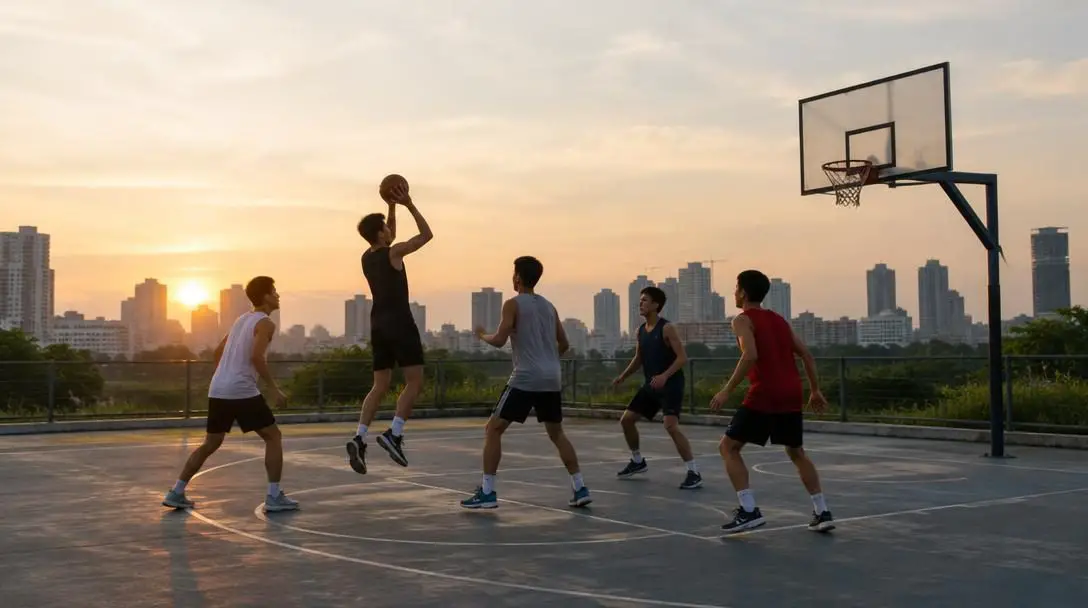
When sports enthusiasts discuss international basketball powerhouses, nations such as Spain, Australia, and Argentina usually headline the debate. Yet the Philippines maintains one of the world's most impassioned and enduring basketball cultures, cultivating elite talent that has repeatedly achieved milestones on native hardwood and global stages alike. From dominating the local professional circuit to breaking ground in North American collegiate leagues and the National Basketball Association (NBA), athletes of Filipino heritage have established an indelible legacy in the sport.
Assessing the greatest Filipino basketball players requires examining two distinct arenas: the home-grown icons who defined the domestic standard within the Philippine Basketball Association (PBA) and international FIBA tournaments, and the trailblazing diaspora athletes who competed at the highest levels of professional basketball in the United States. Across multiple eras, these five competitors proved that relentless grit, tactical mastery, sharp floor vision, and elite shot-making can overcome steep odds and physical disadvantages against world-class opposition.
Key takeaways
- The legacy of Filipino basketball encompasses domestic PBA legends alongside pioneering Filipino-American athletes who achieved elite status in the NBA.
- Jordan Clarkson holds the premier position among modern players, highlighted by his selection as the 2021 NBA Sixth Man of the Year.
- Historic trailblazer Raymond Townsend became the first player of Filipino descent to enter the NBA after being drafted out of UCLA in 1978.
- Domestic icons Robert Jaworski and Johnny Abarrientos demonstrated sustained excellence through their transitions from championship players to title-winning coaches.
At a glance: The top five Filipino basketball icons
| Player | Primary Era | Key Teams | Signature Achievements |
|---|---|---|---|
| Jordan Clarkson | 2010s–Present | Los Angeles Lakers, Utah Jazz | 2021 NBA Sixth Man of the Year, NBA All-Rookie First Team |
| Jalen Green | 2020s–Present | Houston Rockets, NBA G League Ignite | No. 2 overall NBA Draft pick, NBA All-Rookie First Team |
| Johnny Abarrientos | 1990s–2000s | Alaska Aces, Magnolia Hotshots | 1996 PBA MVP, 12x PBA Champion, 5x PBA All-Defensive Team |
| Raymond Townsend | 1970s–1980s | Golden State Warriors, Indiana Pacers | First Filipino-American in the NBA, 1984 FIBA Intercontinental Cup |
| Robert Jaworski | 1960s–1990s | Toyota, Ginebra San Miguel | Multiple FIBA Asia gold medals, historic PBA player-coach icon |
The 5 greatest Filipino basketball players of all time
1. Jordan Clarkson
- Draft Position: 46th overall (2014 NBA Draft)
- Collegiate Programs: Tulsa, Missouri
- Key NBA Accolade: 2021 NBA Sixth Man of the Year
- Award-Season Production: 18.4 PPG, 4.0 RPG
Raised in a household where his mother came from the Philippines while his father served in the United States Air Force, Jordan Clarkson ascended to the premier spot among modern Filipino basketball stars through dynamic scoring and adaptability. Clarkson first showcased his scoring instincts at Wagner High School in San Antonio, Texas, before advancing through college basketball programs at both Tulsa and Missouri. Entering professional basketball, he was chosen with the 46th overall pick in the 2014 NBA Draft by the Washington Wizards before being acquired to launch his career with the Los Angeles Lakers.
Clarkson validated his selection immediately by earning a spot on the NBA All-Rookie First Team. Over the course of his professional tenure, he developed into one of the league's most lethal off-the-bench sparks, playing for multiple franchises. His career reached historic heights when he secured the 2021 NBA Sixth Man of the Year award, generating 18.4 points and 4.0 rebounds per game during that signature campaign. Beyond his individual scoring firepower, Clarkson has represented his heritage on the international stage, anchoring national interest and cementing his status as an elite offensive playmaker.
2. Jalen Green
- Draft Position: 2nd overall (2021 NBA Draft)
- Pre-Draft Path: NBA G League
- Rookie Numbers: 17.3 PPG, 3.4 RPG, 2.6 APG
- Key Distinction: Third player of Filipino descent in NBA history
Born in Merced, California, Jalen Green developed into one of the most explosive and dynamic scoring talents in modern basketball. After finishing his prep career as the consensus top-ranked shooting guard in the nation, Green opted out of the traditional NCAA collegiate path, choosing instead to hone his professional skills in the NBA G League. That decision paid immediate dividends when the Houston Rockets selected him with the second overall selection in the 2021 NBA Draft, making him the highest-drafted player of Filipino heritage in basketball history.
Green quickly lived up to the billing, earning selection to the NBA All-Rookie First Team behind averages of 17.3 points, 3.4 rebounds, and 2.6 assists per contest. Although he competes for the United States in international play, his Filipino lineage is a source of immense pride across the diaspora. His high-flying transition finishes, rapid first step, and perimeter creation establish him as a foundational talent capable of resetting scoring benchmarks for years to come.
3. Johnny Abarrientos
- PBA Championships: 12 as a player, 6 as an assistant coach
- Individual Honors: 1996 PBA MVP, 8x PBA All-Star
- Defensive Milestone: 5x PBA All-Defensive Team selections
- Collegiate Coaching: Far East University Tamaraws
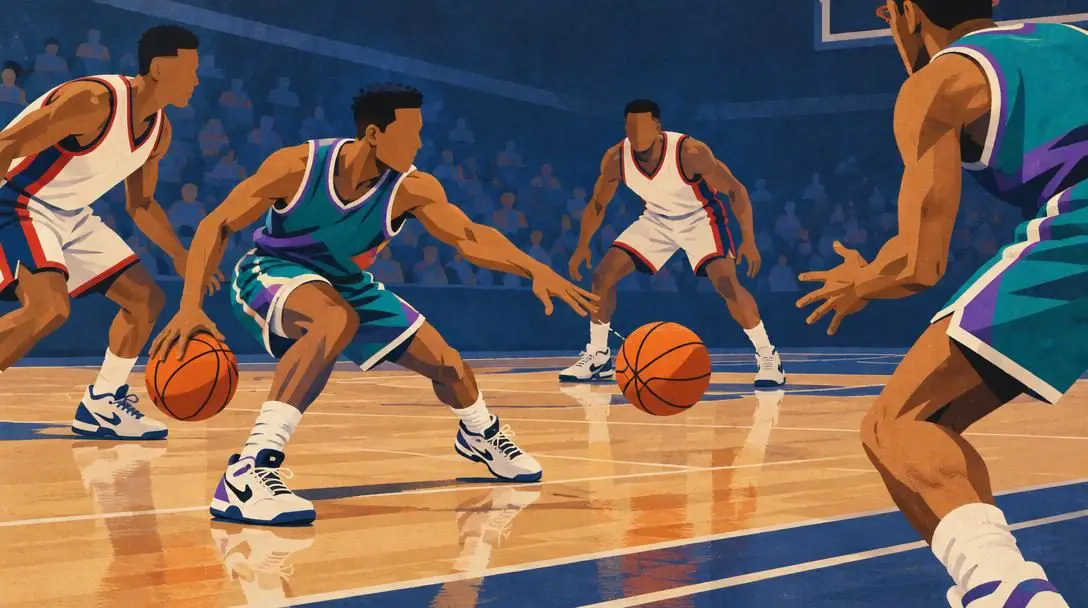
Affectionately remembered as one of the craftiest floor generals in Asian basketball history, Johnny Abarrientos proved emphatically that pure height is not a prerequisite for sustained basketball dominance. Thriving throughout the 1990s and 2000s, Abarrientos commanded the point guard position across the Philippine Basketball Association, capturing twelve PBA championships over his active playing career. His crowning individual moment arrived in 1996, when he took home the PBA Most Valuable Player award, pairing offensive playmaking with relentless perimeter defense that yielded five All-Defensive Team selections alongside eight PBA All-Star appearances.
Abarrientos broadened his impact after stepping off the court. Transitioning toward coaching during the twilight of his playing days, he joined the staff of the Far East University Tamaraws to instruct the next generation of collegiate prospects. Concurrently, his presence on the sidelines with the Magnolia Hotshots produced six additional PBA championships as an assistant coach, establishing an enduring championship legacy that spanned decades of competitive basketball.
Tenacity, court vision, ball handling, and relentless effort can conquer challenges against much larger competition.
4. Raymond Townsend
- Draft Year: 1978 NBA Draft
- Alma Mater: UCLA (under John Wooden)
- NBA Franchises: Golden State Warriors, Indiana Pacers
- International Honor: 1984 FIBA Intercontinental Cup
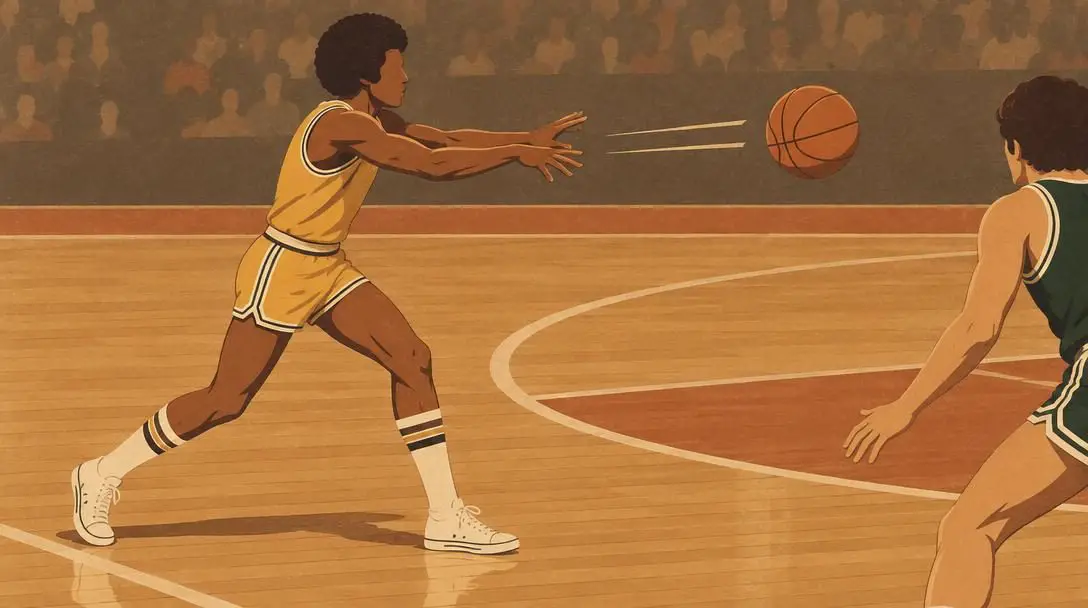
A true pioneer of the sport, Raymond Townsend holds a singular place in basketball history as the first Filipino-American to reach the NBA. Born in San Jose, California, Townsend established his collegiate foundation at UCLA, gaining high-level tactical development while playing under legendary head coach John Wooden. His consistent execution in the backcourt resulted in his selection at the tail end of the 1978 NBA Draft.
Over a multi-year NBA career representing both the Golden State Warriors and the Indiana Pacers, Townsend registered career averages of 4.8 points, 1.0 rebounds, and 1.4 assists per game. He later expanded his professional horizons overseas, competing in Canada, Brazil, and Italy, where he captured the prestigious FIBA Intercontinental Cup in 1984. Basketball pedigree ran throughout his family; his brother Kurtis Townsend built an extensive legacy of his own by becoming an established coach in the NCAA collegiate ranks.
5. Robert Jaworski
- Career Start: 1967 (YCO Painters)
- Key Domestic Franchises: Toyota, Ginebra San Miguel
- FIBA Asia Medals: 2 Gold, 1 Silver, 1 Bronze
- Asian Games Coaching Honor: Silver Medal (1990 Beijing Games)
Regarded as the spiritual architect of Philippine basketball passion, Robert Jaworski was born in Baguio and spent decades popularizing the sport domestically. He began his amateur journey in 1967 with the YCO Painters before spending a brief window with Meralco. Jaworski subsequently formed the bedrock of the Philippine Basketball Association's golden era, authoring legendary team rivalries while suiting up for Toyota and later Ginebra San Miguel.
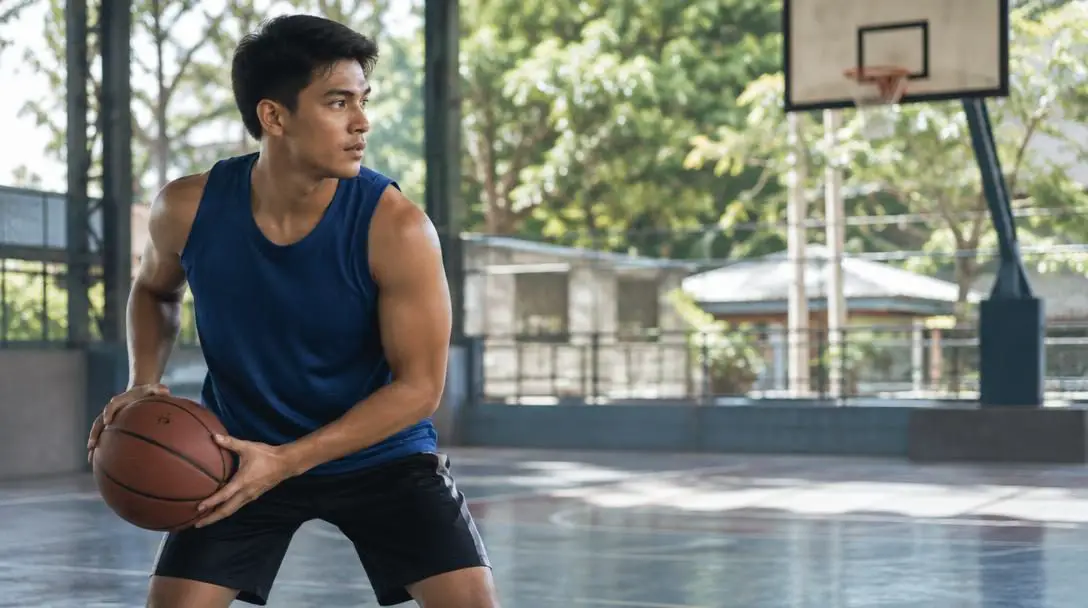
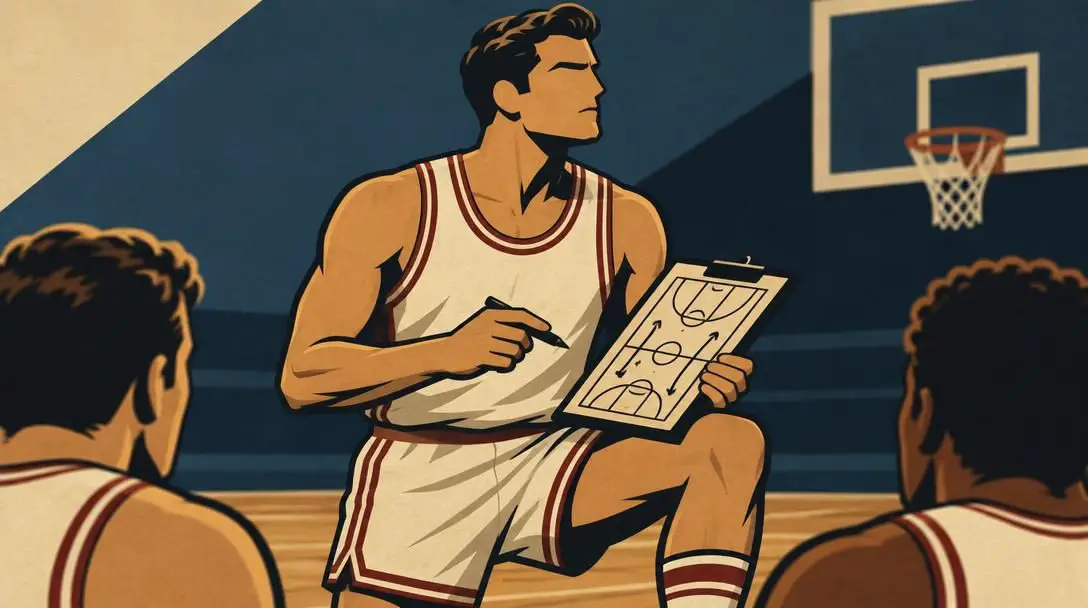
What separated Jaworski from his peers was his dual authority: for nearly the entirety of his iconic stint with Ginebra San Miguel, he functioned as a player-coach, directing tactical systems from the bench while stepping onto the floor to control tempo and spark morale. His international resume was just as formidable, earning two gold medals, a silver, and a bronze at the FIBA Asia Championship as a player. Jaworski later translated those leadership skills to the international sideline, coaching the Philippine national squad to a silver medal at the 1990 Beijing Asian Games.
Player evaluation and selection pathways in elite basketball
Assessing the achievements of athletes across eras, positions, and geographic regions requires an understanding of how professional basketball scouts evaluate talent. The varied careers of these five players illustrate distinct player evaluation models:
- Developmental Pathways: While domestic icons such as Jaworski and Abarrientos advanced through local amateur leagues, collegiate circuits, and the PBA draft, modern prospects utilize diverse international routes. These range from major NCAA Division I programs like Tulsa, Missouri, and UCLA to modern professional pipelines like the NBA G League.
- Draft Dynamics: Scouting departments weigh physical measurements, developmental ceiling, and role suitability. This dynamic explains how prospects can be prioritized with top picks—exemplified by Jalen Green going second overall—or uncovered as high-value developmental selections, such as Jordan Clarkson at pick 46 or Raymond Townsend near the conclusion of the 1978 draft.
- Archetype Adaptation: Physical stature does not dictate a player's functional ceiling. While explosive scoring guards like Green showcase elite rim pressure, undersized point guards like Johnny Abarrientos dictate games through floor vision, perimeter defensive disruption, and playmaking instincts.
- Tactical Longevity: High basketball IQ often outlasts physical prime. Players who understand spacing, pace, and match-ups regularly transition into influential sideline leadership, whether serving as active player-coaches like Jaworski or transitioning to long-term bench staffs like Abarrientos and Kurtis Townsend.
How to study Filipino basketball history
For sports analysts, historians, and enthusiasts looking to explore the tactical evolution of Filipino basketball, following a structured study process yields clear insights into how these pioneers developed their games.
- Examine Domestic PBA Archives: Review vintage match recordings from the Philippine Basketball Association across the 1970s through the 2000s, paying specific attention to the historic rivalry games featuring Toyota, Ginebra San Miguel, and the dominant Alaska Aces.
- Track International Tournament Footage: Study game film from the FIBA Asia Championship and the Asian Games to observe how smaller Filipino squads implemented rapid ball movement and pressure defense against larger continental competitors.
- Analyze NBA Development Trends: Trace the developmental evolution from Raymond Townsend's transition in the late 1970s through to Jordan Clarkson's Sixth Man of the Year season and Jalen Green's perimeter scoring metrics.
- Break Down Fundamental Guard Play: Study instructional breakdowns of Johnny Abarrientos to examine how lateral quickness, low center of gravity, and passing vision can dismantle full-court pressure.
- Evaluate Bench and Role Utilization: Review modern NBA game logs to understand how sixth-man contributors like Clarkson change offensive tempo and exploit secondary defensive matchups.
Analytical pitfalls to avoid when assessing cross-era talent
Evaluating international basketball figures across half a century requires rigorous analytical discipline. Misjudgments often occur when observers apply modern assumptions to historical careers:
- Equating Height with Defensive Value: Assuming smaller guards cannot anchor an elite defense ignores evidence like Johnny Abarrientos earning five PBA All-Defensive Team selections while disrupting passing lanes.
- Disregarding Historical Era Context: Analyzing early pioneers like Raymond Townsend purely through modern efficiency metrics ignores the tactical constraints and limited opportunities available to minority athletes in the late 1970s.
- Confusing National Affiliation with Lineage: Assuming that an athlete must play for a national team to be part of an ethnic lineage is incorrect. Jalen Green represents the United States in international play while remaining the third NBA player of Filipino heritage.
- Dismissing Non-Starting Roles: Treating reserve players as secondary contributors overlooks how dynamic scorers like Jordan Clarkson provide elite scoring output and close games for high-caliber franchises.
Frequently asked questions
Who was the first player of Filipino descent to play in the NBA?
Raymond Townsend holds this historic distinction. He played collegiate basketball at UCLA under coach John Wooden and entered the NBA after being selected in the 1978 NBA Draft, later competing for the Golden State Warriors and Indiana Pacers.
Has any Filipino basketball player won a major individual NBA award?
Yes. Jordan Clarkson won the NBA Sixth Man of the Year award for the 2020–2021 season, averaging 18.4 points and 4.0 rebounds per game while serving as a primary scoring option off the bench.
How many championships did Johnny Abarrientos win during his career?
Johnny Abarrientos won twelve PBA championships during his active playing career, along with the 1996 PBA MVP award. He later added six more PBA championships as an assistant coach with the Magnolia Hotshots.
What unique role did Robert Jaworski fulfill at Ginebra San Miguel?
Robert Jaworski served as a player-coach for nearly his entire tenure with Ginebra San Miguel, simultaneously executing game strategy from the bench while entering the game as an active on-court floor general.
What route did Jalen Green take to the NBA?
Jalen Green bypassed the traditional NCAA collegiate basketball route after high school, opting instead to play professionally in the NBA G League before being drafted second overall by the Houston Rockets in 2021.
The bottom line
The history of Filipino basketball reveals an inspiring blend of domestic cultural passion and expanding international success. From Robert Jaworski laying the foundations of Philippine fan devotion and Johnny Abarrientos demonstrating how precision guard play can conquer physical limitations, to Raymond Townsend breaking barriers in 1978, the past laid a durable platform for modern excellence. Today, dynamic athletes such as Jordan Clarkson and Jalen Green prove that basketball competitors of Filipino descent can compete at the very pinnacle of professional sports. As modern development programs continue to expand globally, the enduring impact of these five icons will continue to shape and inspire the next wave of basketball talent across the Philippines and around the world.