5 Greatest Orioles of All Time
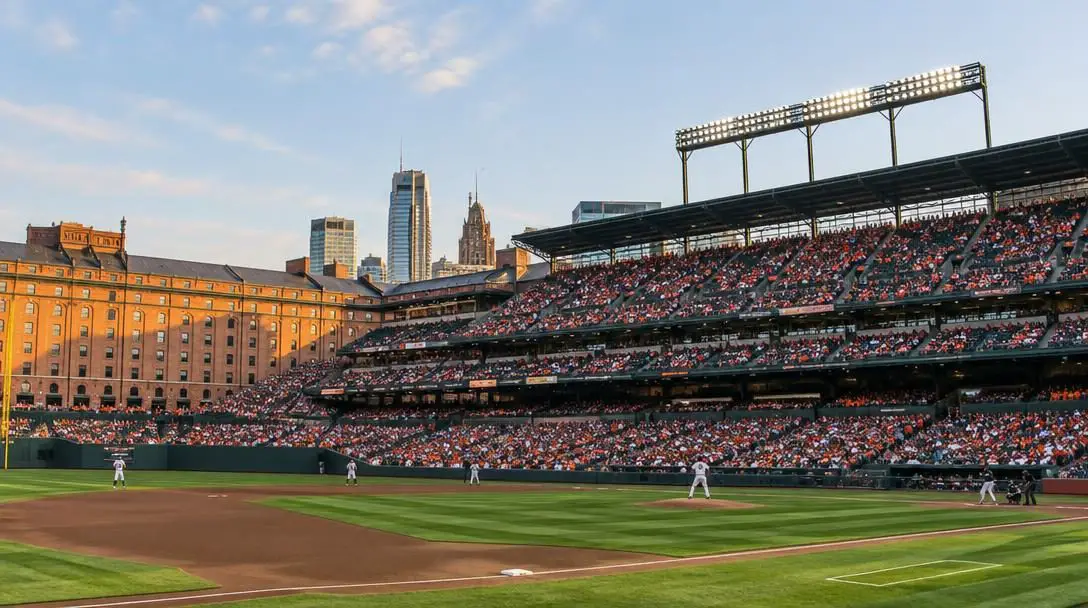
The Baltimore Orioles boast one of the most celebrated traditions in professional baseball, with franchise roots stretching all the way back to the late 19th century. Although the club has captured three World Series championships across its long lifespan, its true legacy is defined by the extraordinary individual legends who have worn the uniform. From early dead-ball pioneers to modern icons of endurance, the organization has served as the home for some of the most dominant athletes in Major League Baseball history.
Identifying the absolute greatest players in franchise history means looking beyond surface statistics to appreciate longevity, positional dominance, defensive artistry, and clutch performance. While longtime fans will readily recognize the legend who claims the top spot, the rankings leading up to number one showcase an astonishing concentration of elite talent across multiple eras of the game.
Key takeaways
- Cal Ripken Jr. claims the top ranking thanks to two MVP Awards, 21 seasons with the club, and an unbreakable consecutive games played record.
- Brooks Robinson redefined defensive excellence at third base by winning 16 Gold Glove Awards and the 1964 American League MVP Award.
- Jim Palmer anchors the pitching staff as a three-time Cy Young Award winner who spent his entire career in Baltimore.
- Eddie Murray provided exceptional switch-hitting consistency over two stints with the Orioles, totaling 363 franchise home runs and 1,224 RBIs.
- George Sisler established early franchise greatness during 12 seasons with the St. Louis Browns, compiling a .344 batting average and winning the 1922 MVP Award.
At a glance: Baltimore's all-time greatest players
Comparing players across different eras requires evaluating their peak accomplishments alongside their sustained value to the organization. The following table provides an overview of the five iconic players who define the pinnacle of Orioles history.
| Player | Primary Position | Franchise Era | Major Accolades | Hall of Fame Year |
|---|---|---|---|---|
| Cal Ripken Jr. | Shortstop | 21 seasons | 2x AL MVP, 19x All-Star, 8x Silver Slugger, 2x Gold Glove, Rookie of the Year | 2007 (First ballot) |
| Brooks Robinson | Third Base | 1955–1977 | 1964 AL MVP, 16x Gold Glove, 18x All-Star | 1983 (First ballot) |
| Jim Palmer | Starting Pitcher | 1968–1984 | 3x AL Cy Young, 6x All-Star, 4x Gold Glove, 3x AL wins leader | 1990 (First ballot) |
| Eddie Murray | First Base | 1977–1988, 1996 | 1977 Rookie of the Year, 7x All-Star with Orioles | 2003 (First ballot) |
| George Sisler | First Base | 1915–1927 (Browns) | 1922 AL MVP, 2x AL Batting Champion | 1939 |
The top five players in Orioles franchise history
From the franchise's formative decades in the Midwest to its championship triumphs on the Chesapeake Bay, these five athletes set the definitive standard for excellence on the baseball diamond.
5. George Sisler
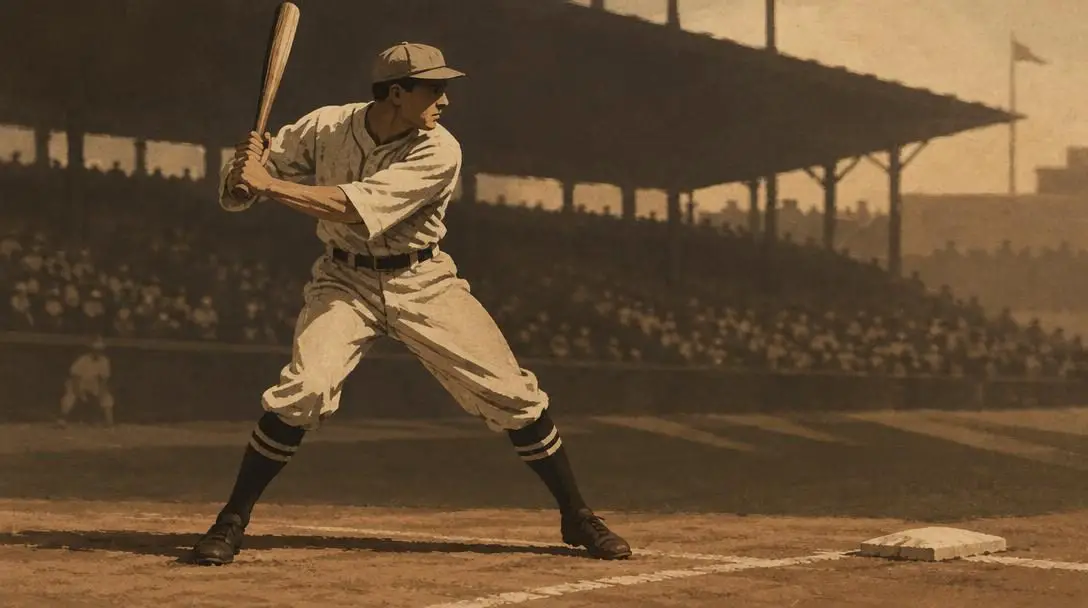
- Franchise tenure: 12 seasons with the St. Louis Browns
- Career franchise batting average: .344
- Key milestone: 1922 American League MVP Award
- Hall of Fame induction: Class of 1939
Kicking off the countdown is George Sisler, an offensive marvel who launched his major league journey in 1915. Long before the franchise relocated to Maryland to become the modern Baltimore Orioles, the club operated as the St. Louis Browns. Sisler was the undisputed face of the Browns for a dozen seasons, establishing himself as one of the purest contact hitters in the annals of baseball. Over the course of his Browns tenure, he compiled a remarkable .344 batting average, swatted 93 home runs, drove in 962 runs, and captured two American League batting championships.
Sisler's masterpiece arrived during the 1922 season, when he captured the American League MVP Award while putting on a masterclass in hitting and base running. That season, he swiped a career-high 51 stolen bases and maintained a pace that terrified opposing pitchers. His bat control was so elite that he held the American League single-season record for total hits for decades, an iconic mark that remained untouched until Ichiro Suzuki finally surpassed it in the 2000s. Sisler also took on managerial duties for the Browns across three campaigns, cementing a legacy that culminated in his 1939 induction into the National Baseball Hall of Fame.
4. Eddie Murray
- Franchise stints: 1977–1988 and 1996
- Orioles offensive totals: 363 home runs, 1,224 RBIs, .294 batting average
- Signature recognition: Number 33 retired by the Orioles
- Hall of Fame induction: Class of 2003 (First ballot)
Earning his moniker through relentlessly dependable production, "Steady" Eddie Murray stands as one of the most prolific switch-hitters to ever play the sport. He belongs to one of baseball's most exclusive statistical fraternities, being one of only a select few players in major league history to collect both 3,000 career hits and 500 career home runs. Murray experienced two separate stints in an Orioles uniform, anchoring the lineup from 1977 through 1988 before making an emotional, celebrated return to Baltimore for the 1996 campaign.
From his earliest days on the field, Murray was an offensive force. He captured the American League Rookie of the Year Award by batting .283 with 27 home runs, setting the tone for a career characterized by icy composure in high-leverage situations. During his time in Baltimore, Murray was selected to seven All-Star teams while accumulating 363 home runs, 1,224 runs batted in, and an overall .294 batting mark. His immense standing with the franchise resulted in an induction into the Orioles Hall of Fame, the formal retirement of his jersey number 33, and a first-ballot election into the National Baseball Hall of Fame in 2003.
3. Jim Palmer
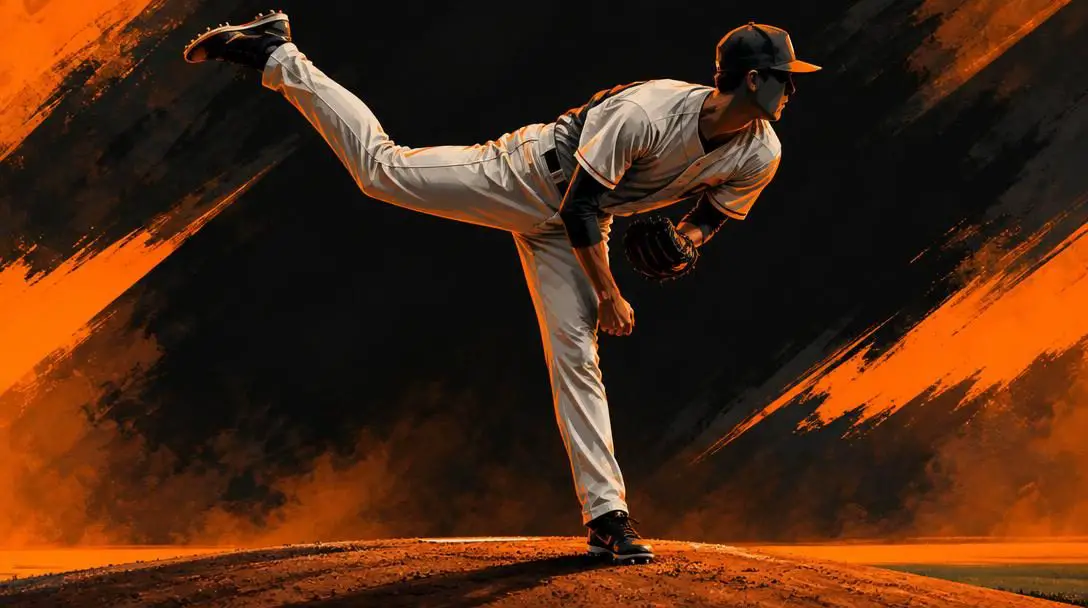
- Franchise tenure: 1968–1984 (entire career with Orioles)
- Individual honors: 3 AL Cy Young Awards (1973, 1975, 1976)
- Fielding accolades: 4 Gold Glove Awards
- Hall of Fame induction: Class of 1990 (First ballot)
As the sole pitcher to make the all-time top five, Jim Palmer represents the absolute zenith of Baltimore pitching tradition. Palmer spent his entire big-league career with the Orioles organization between 1968 and 1984, taking off only the 1968 campaign. Tall, athletic, and possessed of a devastating fastball and sharp breaking ball, Palmer developed a reputation for combining workhorse durability with overpowering command, serving as the rotational anchor through Baltimore's greatest competitive era.
Palmer earned six American League All-Star selections and displayed outstanding defensive instincts on the mound, taking home four Gold Glove Awards. His peak dominance occurred during the mid-1970s, when he led the American League in pitching victories for three consecutive seasons from 1975 to 1977. The defining pinnacle of his career came in the form of three American League Cy Young Awards, which he won in 1973, 1975, and 1976. When his playing days ended in 1984, Palmer was rewarded with first-ballot entry into the Hall of Fame in 1990, an induction into the Orioles Hall of Fame, and the permanent retirement of his number 22 jersey.
Jim Palmer's three Cy Young Awards and consecutive league-leading win totals established the gold standard for starting pitchers in Baltimore franchise history.
2. Brooks Robinson
- Franchise tenure: 1955–1977 (23 seasons)
- Defensive legacy: 16 Gold Glove Awards
- Peak season: 1964 AL MVP (.317 BA, 28 HR, 118 RBI)
- Hall of Fame induction: Class of 1983 (First ballot)
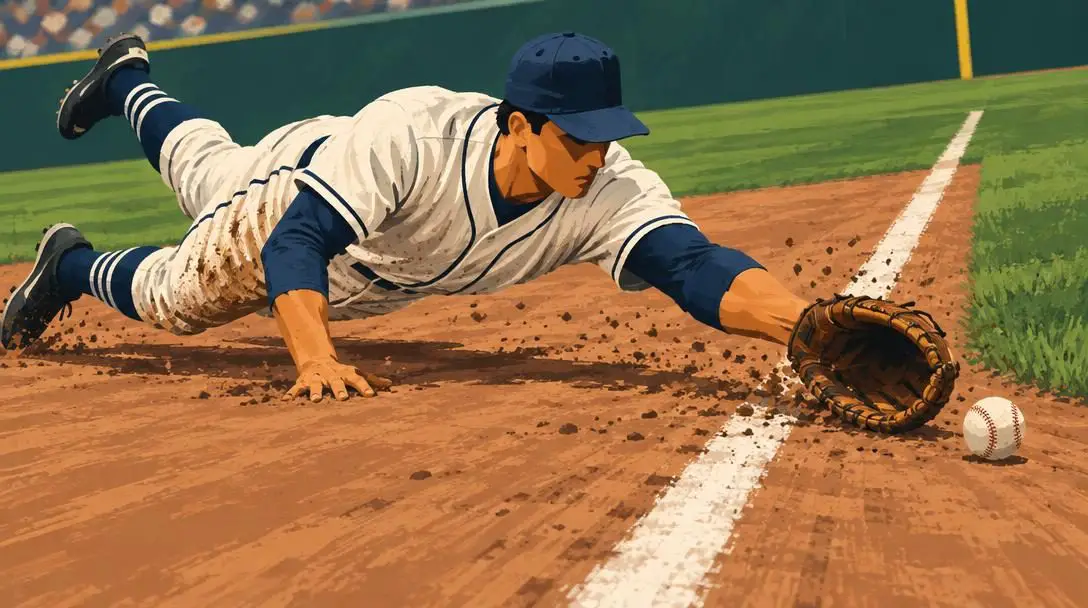
Widely regarded as the premier defensive third baseman in baseball history, Brooks Robinson earned the nickname "The Human Vacuum Cleaner" for his uncanny ability to swallow up ground balls and make impossible throws from the hot corner. Robinson spent his entire 23-season major league career in Baltimore, donning the uniform from 1955 through 1977. His 16 Gold Glove Awards represent the highest total ever achieved by a non-pitcher, highlighting an era of defensive supremacy that turned the third-base line into a virtual no-fly zone.
Robinson was far more than just a defensive specialist; he was also a premier middle-of-the-order producer. Over his career, he earned 18 American League All-Star selections and took home the 1964 American League MVP Award after turning in a stellar campaign with a .317 batting average, 28 home runs, and 118 RBIs. Robinson's beloved standing within the sport made him an easy choice for first-ballot induction into Cooperstown in 1983, and the Orioles ensured his legacy would endure forever by officially retiring his iconic number five.
1. Cal Ripken Jr.
- Franchise tenure: 21 seasons (entire career with Orioles)
- Major honors: 2 AL MVP Awards (1983, 1991), 19-time All-Star
- Offensive achievements: 8 Silver Slugger Awards, Rookie of the Year
- Hall of Fame induction: Class of 2007 (Nearly unanimous, first ballot)
Securing the undisputed top position on this list is Cal Ripken Jr., an iconic figure whose impact transformed the expectations of the shortstop position and captivated the sporting world. Ripken played all 21 of his Major League Baseball seasons in Baltimore, building an unmatched legacy of work ethic, athletic leadership, and day-in, day-out dependability. While he established numerous offensive standards for shortstops, he will forever be revered for his legendary consecutive games played streak, a milestone of physical resilience that baseball observers agree will almost certainly never be broken.
A former Rookie of the Year, Ripken completely revolutionized the shortstop position by showing that a tall, powerful player could handle defensive duties with poise while putting up middle-of-the-order power numbers. Over his 21 seasons, Ripken collected 19 All-Star selections, won two Gold Glove Awards for his steady fielding, and took home eight Silver Slugger Awards as the top-hitting shortstop in baseball. He captured two American League MVP Awards, winning the first during Baltimore's 1983 championship season and the second in 1991. Ripken was elected to the Hall of Fame on his first ballot in 2007 in near-unanimous fashion, and his number eight jersey has been retired permanently by the club.
Franchise evolution: from the St. Louis Browns to Baltimore
To fully appreciate how these five extraordinary athletes fit together into a unified organizational tapestry, one must understand the complex origins of the Baltimore franchise. The club traces its historical roots back to the late 19th century, undergoing significant organizational transformations before establishing its modern identity.
Before settling in Maryland, the franchise built decades of baseball tradition while playing as the St. Louis Browns. It was in St. Louis that George Sisler forged an elite standard of offensive production, giving the early franchise a nationally recognized superstar. When the club relocated eastward to Baltimore in the 1950s and adopted the Orioles moniker, it launched a new era dedicated to pitching excellence, sharp defensive execution, and high on-base percentages.

The golden era of the club blossomed rapidly around the dual presence of Brooks Robinson and Jim Palmer, whose combined defensive and pitching brilliance anchored multiple pennant races and championship celebrations. That foundation of homegrown greatness carried smoothly into the late 1970s, 1980s, and 1990s, when Eddie Murray and Cal Ripken Jr. shouldered the offensive leadership of the franchise. Understanding this continuous chain of stars illustrates how the organization evolved from its midwestern origins into one of the most culturally significant franchises in the American League.
How historical baseball greatness is measured
Evaluating players who competed across different decades requires a balanced, multifaceted framework. Baseball in the 1920s dead-ball transition looked vastly different from the pitching-heavy environment of the late 1960s or the offensive surge of the 1990s. When compiling all-time rankings, historians weigh four major components:
- Franchise longevity: The overall amount of time an athlete committed to the organization. Players like Cal Ripken Jr., Brooks Robinson, and Jim Palmer spent all or virtually all of their careers in Baltimore, cultivating deep cultural and statistical roots.
- Peak performance and accolades: The major hardware won while wearing the franchise uniform. Earning MVP Awards, Cy Young trophies, Gold Gloves, Silver Sluggers, and All-Star nods proves a player was the best at their craft during their peak.
- League-wide significance: Achievements that transcend local team fandom. Feats like Sisler's hits record, Murray joining the 500-home run and 3,000-hit club, and Ripken's consecutive games streak altered baseball history on a national scale.
- Post-career recognition: The ultimate consensus reached by peers and historians. First-ballot election into the National Baseball Hall of Fame, entry into the Orioles Hall of Fame, and retired jersey numbers signal undeniable, permanent status.
Step-by-step guide to evaluating all-time franchise greats
If you want to construct your own historical rankings for any major league club, utilizing a standardized, transparent method ensures your selections remain grounded in baseball reality. Follow these analytical steps to evaluate candidates objectively:
- Define the franchise scope: Determine whether your ranking accounts for the entire corporate lineage of the club, including prior cities and nicknames. For the Orioles, this requires deciding whether to factor in achievements from the St. Louis Browns era, which brings George Sisler into the conversation.
- Examine peak seasons: Identify each player's highest heights by examining league-leading totals and major individual awards, such as Sisler's 1922 MVP run or Palmer's stretch of leading the American League in wins from 1975 through 1977.
- Evaluate two-way contributions: Balance offensive production with defensive value. A player like Brooks Robinson gains enormous ranking leverage because his 16 Gold Glove Awards provided continuous run prevention at a critical defensive position.
- Measure franchise-specific totals: Filter out statistics accumulated while playing for secondary teams. Focus strictly on the home runs, hits, batting averages, or pitching wins earned while wearing the specific franchise's uniform.
- Check balloting consensus and jersey retirements: Review how sportswriters, teammates, and front offices honored the player. First-ballot Hall of Fame status and retired uniform numbers provide clear evidence of legendary status.
Common analytical mistakes when comparing eras
Navigating more than a century of professional baseball statistics can easily lead analysts into misleading comparisons. To maintain an accurate perspective on player value, be sure to avoid these frequent analytical traps:
- Ignoring pre-relocation history: Disregarding a franchise's earlier geographic chapters creates major historical blind spots. Skipping the St. Louis Browns era completely erases George Sisler's batting titles, hits record, and Hall of Fame output.
- Overlooking defensive impact: Relying exclusively on home runs, batting averages, and slugging numbers discounts defensive masters. Brooks Robinson's historical ranking relies heavily on his 16 Gold Gloves and unmatched fielding prowess at third base.
- Downplaying pitching contributions: Position players generate daily counting stats, which sometimes leads analysts to undervalue starting pitchers. Jim Palmer's three Cy Young Awards and run-suppression abilities were just as vital to Baltimore's pennants as any offensive bat.
- Neglecting durability and consistency: Elevating short, spectacular bursts of three or four strong seasons over sustained superstar performance misjudges true franchise value. Eddie Murray and Cal Ripken Jr. earned their legendary reputations by showing up and producing year after year.
Strategic areas for further baseball research
Exploring the storied lineage of the Baltimore Orioles provides a fantastic springboard into broader topics in baseball history. For enthusiasts eager to deepen their appreciation for the sport's heritage, several specific areas offer rich ground for investigation:
- The lineage of Baltimore pitching: Study how the organization developed a perennial pitching powerhouse throughout the 1970s, using Jim Palmer's three Cy Young campaigns as the standard for rotational dominance.
- The legacy of retired numbers: Research the full registry of numbers retired by the franchise, analyzing what future stars will need to accomplish to hang alongside 5, 8, 22, and 33.
- The unbreakable streak: Examine the unprecedented physical conditioning, mental discipline, and sheer luck that allowed Cal Ripken Jr. to establish his historic consecutive games played record across two decades.
- Historical record chases: Follow how modern hitters compare against the single-season contact benchmarks set by George Sisler and the career production milestones achieved by Eddie Murray.
Frequently asked questions
Why is George Sisler included on an all-time Baltimore Orioles list?
George Sisler is included because the Baltimore Orioles franchise originated as the St. Louis Browns before relocating east in the 1950s. Sisler played 12 seasons for the Browns, where he won the 1922 American League MVP Award, batted .344, and established enduring franchise hitting records.
Which Baltimore Orioles player has won the most Gold Glove Awards?
Brooks Robinson holds the franchise record and the all-time Major League Baseball record for a non-pitcher with 16 Gold Glove Awards, winning them consecutively at third base during his 23-season tenure with the Orioles.
How many Cy Young Awards did Jim Palmer win with the Orioles?
Jim Palmer won three American League Cy Young Awards, taking home the honor in 1973, 1975, and 1976. He also led the American League in wins for three straight seasons from 1975 to 1977.
What major offensive club did Eddie Murray join during his career?
Eddie Murray is one of only a select few players in Major League Baseball history to achieve both 500 career home runs and 3,000 career hits, compiling 363 home runs and 1,224 RBIs specifically during his time with Baltimore.
Why is Cal Ripken Jr. ranked as the greatest player in franchise history?
Cal Ripken Jr. spent all 21 of his major league seasons with Baltimore, capturing two AL MVP Awards, 19 All-Star selections, and eight Silver Slugger Awards, while establishing the iconic consecutive games played streak that is widely considered unbreakable.
The bottom line
The Baltimore Orioles have maintained a special place in the landscape of professional baseball for well over a century, producing legendary figures who reshaped the sport both at the plate and in the field. From the bat-to-ball genius of George Sisler in the Browns era to the steady brilliance of Eddie Murray, the pitching mastery of Jim Palmer, and the defensive perfection of Brooks Robinson, the franchise's heritage is steeped in athletic greatness.
Above them all stands Cal Ripken Jr., whose two decades of everyday excellence, offensive dominance at shortstop, and record-setting durability embody everything the Baltimore fanbase cherishes. As the franchise continues to add new chapters to its history, the standard set by these five Cooperstown legends remains the ultimate benchmark for baseball immortality.