5 Hobby Microscopes for Beginners
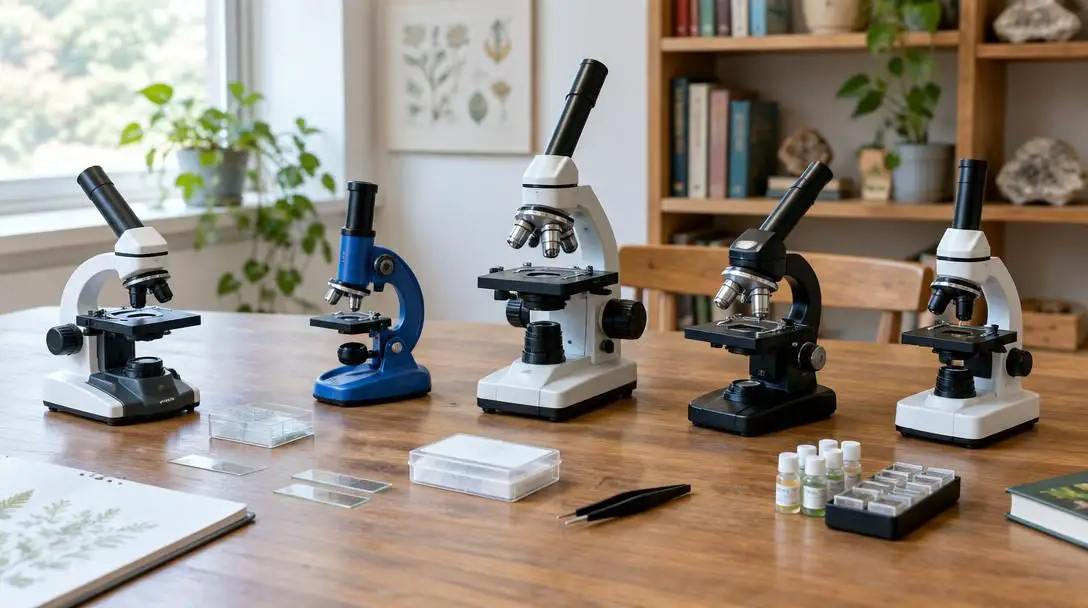
Entering the fascinating world of microscopy offers students, hobbyists, and families an unprecedented window into the natural world. Whether you need an instrument to complete school biology assignments or simply want to explore tiny specimens as a weekend pastime, choosing the correct device makes the difference between an engaging scientific journey and an exercise in optical frustration. Beginners often discover that entry-level equipment spans a vast spectrum, ranging from fragile, plastic-molded novelty items to serious scientific instruments scaled for home use.
Many first-time buyers assume that any instrument bearing lenses will satisfy their curiosity, only to find that their purchase produces blurry visuals or cannot focus on the items they hoped to explore. By understanding the fundamental designs of modern instruments, the physics governing optical magnification, and the practical demands of specimen preparation, you can confidently invest in a tool that provides sharp, clear images and years of intellectual discovery.
Key takeaways
- Stereo microscopes utilize low magnification and top-down lighting to inspect whole, three-dimensional everyday objects without slide preparation.
- Compound microscopes achieve high magnification up to 1000x to reveal cellular details by passing light upward through thinly sliced, transparent specimens.
- Digital options simplify group viewing and documentation by sending live imagery directly to external displays, tablets, or computer monitors.
- Chasing excessive magnification ratings beyond 1000x on budget instruments generally leads to dim, blurry images rather than clearer views.
- Investing in a hefty frame with metal components and smooth mechanical adjustments provides greater longevity and value than novelty toy sets.
Choosing the Right Instrument: Stereo, Compound, or Digital
Selecting an initial instrument requires matching optical capabilities with your specific observational goals. Optical instruments designed for beginners generally fall into distinct categories defined by their optical paths, magnification potential, and how they illuminate a specimen.
Stereo Microscopes
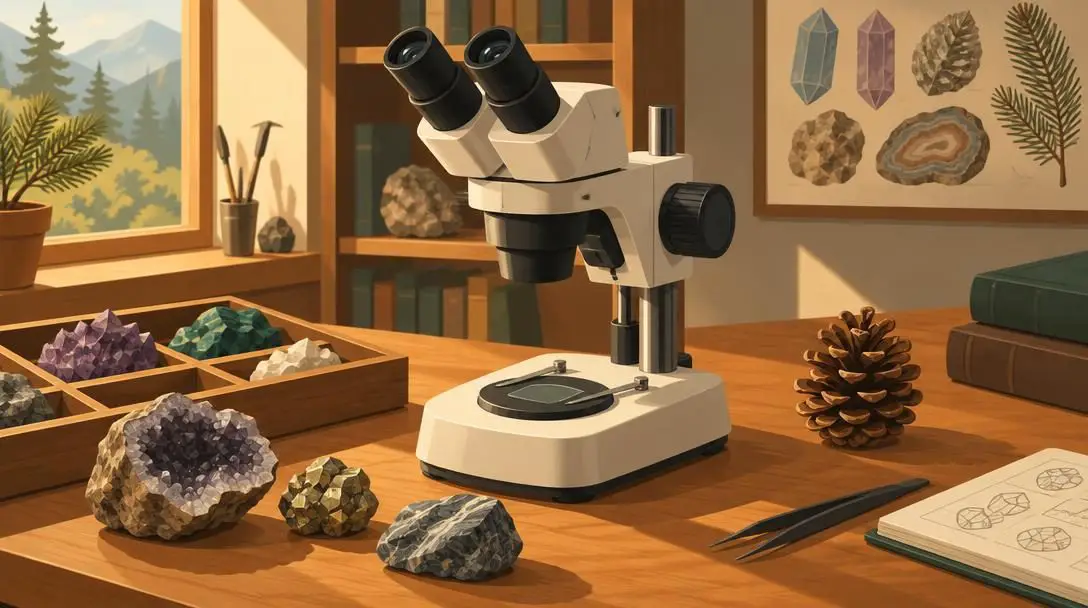
Often referred to as dissecting scopes, stereo microscopes provide low-power magnification typically ranging between 10x and 40x. Rather than viewing microscopic cellular components, stereo models excel at magnifying tangible, three-dimensional items up to 30 times their actual size or more. Because these units provide separate optical paths for each eyepiece, the observer sees genuine depth perception and rich physical texture.
A stereo model is the best option for curious children and adult naturalists who want to explore immediately without mastering delicate specimen preparation. Learners can place unprocessed items directly onto the stage platform, including mineral samples, garden soil, insect wings, circuit boards, coins, and flower blossoms. Solid objects fit comfortably under the broad working distance between the objective lens and the stage plate, providing instant visual payoff.
Compound Microscopes
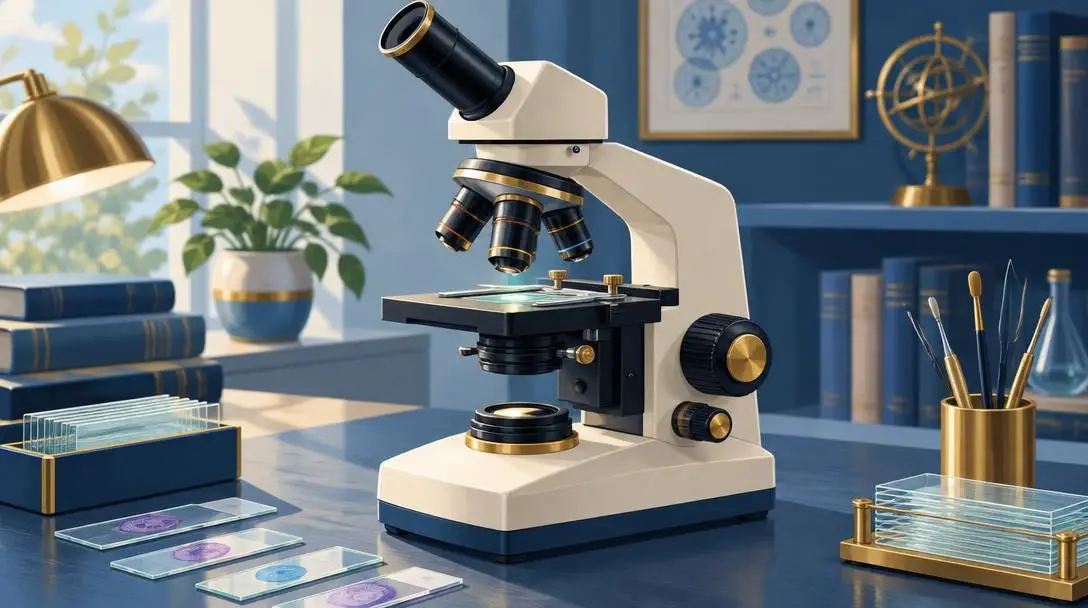
When most people envision a laboratory instrument, they are picturing a compound microscope. These devices are designed to examine minute specimens mounted on transparent glass slides, achieving high magnification levels that routinely reach 400x to 1000x. Compound models use multiple high-powered lenses aligned in a straight optical axis to resolve bacteria, plant cells, blood smears, and pond water organisms.
Because the light must travel directly through the specimen from below, compound microscopy requires samples to be translucent and sliced extraordinarily thin. For middle school, high school, or introductory college biology courses, a compound design is indispensable. It teaches the fundamentals of scientific slide preparation, liquid wet mounts, staining techniques, and cellular analysis.
Digital Microscopes
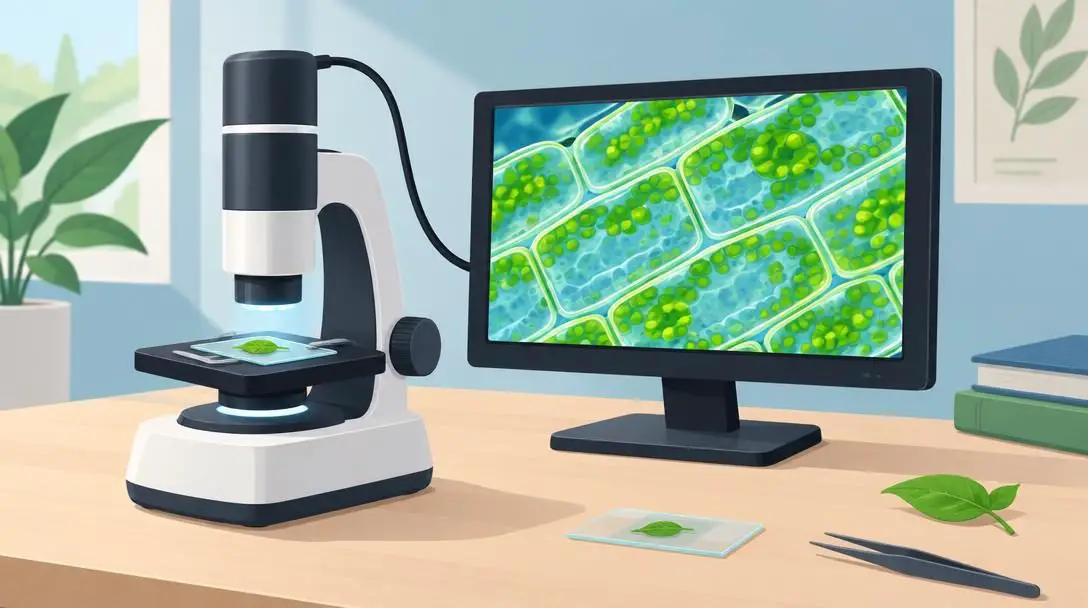
Incorporating modern imaging technology, digital microscopes swap or supplement standard optical eyepieces with digital image sensors. These sensors project live, magnified video feeds onto an integrated LCD screen or export the signal to a personal computer, tablet, or smartphone via USB or wireless connections.
Digital setups eliminate the visual strain that young children often experience when attempting to close one eye or center their pupil over a narrow glass ocular lens. Furthermore, digital displays transform solitary viewing into a collaborative group activity. Classrooms, study partners, and families can examine specimens simultaneously, capture high-resolution still photographs for science fair displays, and record video footage of moving microscopic protozoa.
| Microscope Type | Magnification Range | Primary Specimen Types | Illumination Direction | Best Suited For |
|---|---|---|---|---|
| Stereo Microscope | 10x to 40x | Solid, 3D objects (coins, rocks, insects) | Top-down (reflected light) | Young explorers, hobbyists, macro inspection |
| Compound Microscope | 40x to 1000x | Thinly sliced specimens on glass slides | Bottom-up (transmitted light) | Biology students, cellular study, wet mounts |
| Digital Microscope | Varies (10x to 1000x+) | Slides or solid items depending on optical head | Top, bottom, or ring lighting | Group study, documentation, image capture |
The Science of Magnification and Optical Mechanics
Understanding the internal mechanics of optical instruments removes much of the guesswork from focusing and specimen illumination. In any traditional optical system, light gathers information from the sample and carries it through a series of precision glass lenses that bend the light rays outward, presenting an enlarged visual field to the human eye.
In a compound instrument, magnification is achieved in two successive stages. The primary enlargement occurs at the objective lens, which sits directly above the specimen stage. The secondary enlargement happens inside the eyepiece lens (also known as the ocular lens) at the top of the viewing tube. Calculating total magnification requires multiplying these two values together:
- A 4x scanning objective paired with a 10x eyepiece yields 40x total magnification.
- A 10x low-power objective paired with a 10x eyepiece yields 100x total magnification.
- A 40x high-power objective paired with a 10x eyepiece yields 400x total magnification.
- A 100x objective paired with a 10x eyepiece yields 1000x total magnification.
Illumination style also fundamentally changes how samples appear. Compound instruments utilize transmitted light, directing illumination upward through an iris diaphragm that controls the angle and intensity of the beam before it penetrates the slide. In contrast, stereo instruments rely on reflected light bouncing downward off the exterior surface of an opaque subject, revealing exterior relief, cracks, and color patterns without backlighting.
A functional, well-built instrument opens doors to understanding biology, material science, and the micro-details of everyday household objects.
Step-by-Step Guide to Operating a Beginner Microscope
Operating a precision optical instrument demands a methodical routine. Rushing through focusing dials or misaligning light sources leads to eye fatigue and poor image resolution. Follow these sequential steps to ensure clear observations during every session.
- Set up a stable workspace: Place the instrument firmly on a level, solid surface. Ensure power cords are situated safely to prevent accidental snagging, and position your chair so you can look comfortably into the eyepiece without slouching.
- Engage the lowest magnification objective: Rotate the revolving nosepiece until the shortest lens (typically 4x) clicks firmly into place. Starting at low power provides the widest possible field of view, making specimen location simple.
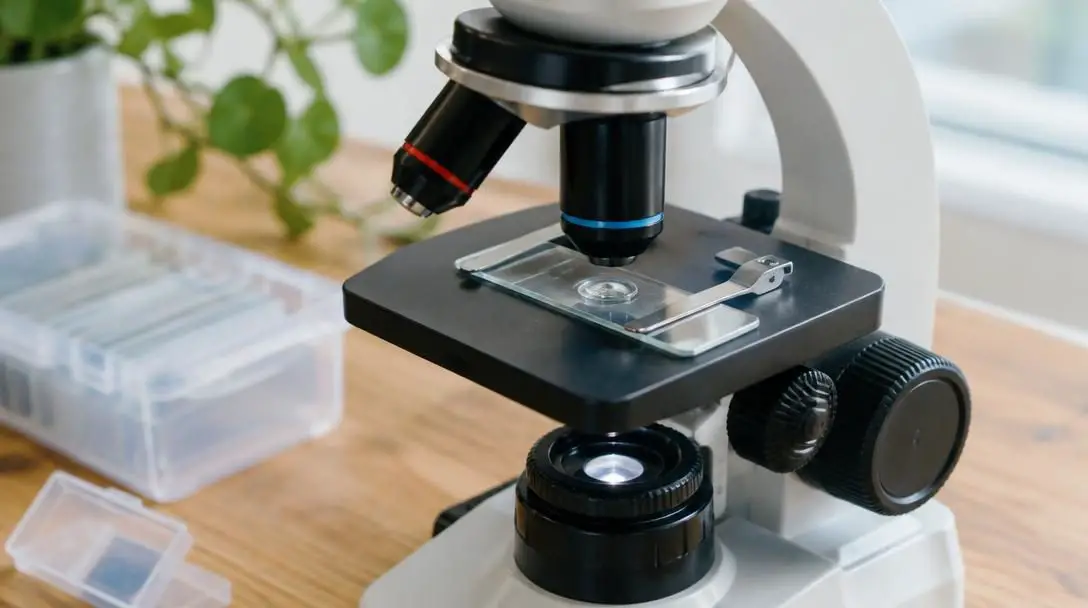
- Secure and align the specimen: Set your slide on the mechanical stage and secure it with the stage clips. If you are operating a compound unit, align the cover glass directly over the center of the illuminated stage opening; if using a stereo scope, place your item flat on the contrast plate.
- Calibrate the illumination: Switch on the light source and rotate the substage diaphragm disc. Adjust the opening until the field of view is bright and evenly lit without producing blinding glare that obscures delicate cellular outlines.
- Establish initial focus: Look at the stage from the side with your naked eye. Turn the coarse focus knob to bring the slide close to the objective lens without touching it. Next, look through the ocular lens and slowly rotate the focus knob in reverse, moving the lens away from the glass until the subject emerges, refining clarity with the fine focus dial.
- Step up magnification progressively: Center the exact structure you wish to inspect in the middle of your visual field. Rotate the nosepiece to the next objective lens and use only the fine adjustment knob to snap the image back into sharp resolution.
Five Critical Pitfalls to Avoid as a Beginner
Many newcomers to microscopy encounter hurdles that lead to damaged equipment or optical disappointment. Avoiding these common missteps will protect your investment and ensure rewarding explorations.
Starting on Maximum Magnification
Searching for a microscopic subject while the highest-power objective is clicked into place is almost impossible. High-power lenses isolate a tiny pinprick area of your slide. If your target specimen sits even a fraction of a millimeter off-center, you will see nothing but an empty, bright blur. Always begin searching at the lowest objective power to locate and center the specimen before stepping up through the magnification sequence.
Cracking Slides with the Objective Lens
High-magnification objectives have extremely short focal lengths, meaning the glass tip sits fractions of a millimeter away from the specimen. If a user peers through the eyepiece while aggressively turning the coarse adjustment knob forward, the heavy metal lens housing can crash directly into the glass slide. This mistake shatters prepared cover slips, ruins fragile specimens, and risks chipping or scratching the expensive front element of the objective lens.
Selecting Flimsy Toy Models
Microscopes packaged as plastic children's toys frequently cost as much as functional, entry-level scientific gear, yet they offer none of the optical performance. Lightweight plastic frames shake uncontrollably whenever a hand touches the focus dial, and cheap plastic lenses introduce severe color distortion and chromatic aberration around image edges. Models branded with cartoon characters or movie themes are almost invariably novelty items incapable of delivering sharp, educational views.
Chasing Unrealistic Magnification Numbers
Novices often fall victim to marketing hype advertising entry-level instruments with claims of 1200x, 1600x, or 2000x magnification. On budget optical hardware, numbers exceeding 1000x represent empty magnification—they make an image larger without resolving any additional detail, resulting in a dark, muddy, and useless picture. True high-magnification resolving power requires specialized immersion oils, matched Abbe condensers, and costly optical engineering rarely found on introductory scopes.
Neglecting Delicate Lens Care
Microscope optics are treated with microscopic chemical coatings designed to reduce internal glare and maximize light transmission. Wiping away dust or mounting fluid with coarse paper products, denim, or rough cotton cloths leaves permanent hairline scratches on the glass. Optical components should only ever be cleaned using specialized lint-free lens paper or clean optical microfiber cloths dampened with approved lens cleaning fluids.
Important Buying Factors Beyond the Spec Sheet
When you are ready to choose an entry-level instrument, looking beyond raw magnification figures ensures you get an instrument that remains durable, versatile, and comfortable to operate over time.
First, inspect the structural build quality. High-quality hobby microscopes feature cast-metal bases and structural arms. A heavy frame adds essential mass to the workstation, dampening accidental bumps and preventing the viewing field from shaking out of focus when you turn adjustment dials. Mechanical gears should move with smooth, controlled resistance rather than loose, sloppy play.
Second, review the included accessories and toolkit components. A complete starter package should provide practical utility right out of the box. Look for packages that bundle useful laboratory sundries such as:
- Pre-cleaned blank glass slides and thin cover slips.
- Non-toxic biological stains (such as methylene blue) to highlight transparent cell walls and nuclei.
- Precision metal forceps, plastic pipettes, and dissecting probes.
- A selection of professionally prepared slides containing botanical, insect, and mammalian tissue sections.
- Reversible black and white stage plates for stereo scopes to provide high contrast under both dark and light specimens.
Finally, evaluate the instrument's educational longevity. While a stereo microscope may delight a primary school student looking at backyard garden finds, an older student preparing for secondary biology will quickly outgrow its low-magnification boundaries. Investing in a solidly constructed compound microscope with standard optical sizes allows you to swap in higher-grade eyepieces, attach mechanical stage clips, or insert a digital camera eyepiece as your observational ambitions expand.
Frequently asked questions
Can I look at living bacteria with a beginner compound microscope?
Yes, but with realistic expectations. At 400x to 1000x magnification, larger bacterial forms such as bacilli (rods) and spirilla can be detected as moving specks or chains, especially when stained or viewed under careful contrast adjustment. However, resolving fine internal bacterial anatomy requires professional electron or research-grade oil-immersion scopes.
Why does everything look black or blurry when I switch to the highest power?
Higher-power objective lenses have much smaller apertures, gathering substantially less light than wide, low-power lenses. When stepping up to high magnification, open the substage iris diaphragm to let in more light, verify your specimen is precisely centered, and use only the fine focus knob to dial in clarity.
Is a stereo microscope better than a compound microscope for young children?
In most cases, yes. Stereo microscopes do not require slicing specimens into tissue-thin layers or preparing glass slides with liquids and cover slips. Children can immediately inspect everyday objects like stamps, dead insects, bark, and fabric, providing instant engagement without frustrating prep work.
Can I convert a standard optical microscope into a digital one later?
Many traditional optical microscopes feature removable ocular lenses that accommodate standard drop-in digital eyepiece cameras. These USB cameras slide directly into the viewing tube in place of the standard glass ocular, allowing you to stream images to a computer while retaining the instrument's original optical build.
What is the difference between coarse and fine focus knobs?
The coarse focus knob moves the stage rapidly over large distances to quickly establish general focus under low-power objective lenses. The fine focus knob shifts the stage in microscopic increments, allowing you to critically sharpen the image at higher magnifications without the danger of colliding the lens into the slide.
The Bottom Line
Embarking on microscopy does not require thousands of dollars in professional laboratory gear, but it does require selecting an instrument matched to your curiosities. Choosing between the low-power physical relief of a stereo scope and the high-magnification cellular window of a compound unit represents the most vital initial decision. By avoiding flimsy novelty toys, prioritizing solid metal frames with smooth adjustments, and mastering the fundamentals of progressive focusing, beginners of any age can enjoy endless discoveries across the hidden landscapes of the microscopic world.