5 Key Turning Points In The Evolving Representation Of Women In Comic Books
For nearly a century, comic books have occupied an essential space in modern culture, functioning as secular mythology, social commentary, and accessible entertainment. Yet throughout much of the medium's formative history, the creative landscape remained intensely male-dominated. Early comic books were primarily conceived, written, and illustrated by men for a presumed readership of young boys. As a consequence, female characters were regularly relegated to ornamental or functional plot devices—portrayed as damsels in distress, decorative love interests, or interchangeable secretaries whose primary artistic purpose was to highlight a male superhero's bravery and strength.
Over the decades, sweeping cultural shifts, civil rights movements, and artistic rebellions gradually forced the comic industry to reexamine the roles and autonomy of women. The medium did not change overnight, nor did progress happen in a simple, unbroken straight line. Instead, a series of creative breakthroughs, countercultural publications, international imports, and workplace reckonings transformed comic books into dynamic cultural mirrors. Today, graphic storytelling features complex women operating as field commanders, flawed protagonists, moral philosophers, and cultural pioneers across every genre.
Key takeaways
- Wonder Woman introduced an autonomous, intellectually driven female superhero capable of commanding her own title in 1941.
- The underground comix movement of the 1960s and 1970s bypassed corporate gatekeepers to explore real-world female experiences, including motherhood and body image.
- The global rise of manga during the 1980s introduced international readers to multi-genre epics with independently motivated female protagonists.
- Kamala Khan's 2014 debut demonstrated that an intersectional, culturally authentic female lead could anchor a flagship superhero universe.
- The #MeToo movement spurred essential behind-the-scenes equity by prompting publishers to hire more female writers, artists, and editors.
At a glance: Five milestones in female representation
| Milestone | Era / Year | Key Creators / Figures | Primary Breakthrough |
|---|---|---|---|
| Wonder Woman | 1941 | William Moulton Marston | First mainstream female superhero to command equal narrative status to Superman and Batman. |
| Underground Comix | 1960s–1970s | Trina Robbins, Diane Noomin | Uncensored, self-published narratives tackling female sexuality, reproductive health, and personal identity. |
| Global Rise of Manga | 1980s | Various Japanese creators | Popularization of self-determined female protagonists in titles like Sailor Moon and Nausicaä. |
| Kamala Khan (Ms. Marvel) | 2014 | Marvel Comics editorial team | First Muslim-American teenage female heroine to headline a solo Marvel series with personal agency. |
| The #MeToo Movement | 2017–Present | Industry-wide creators, DC Comics | Workplace accountability that led to institutional hiring of female staff and freelance storytellers. |
5 key turning points in graphic literature
The transition from passive secondary characters to nuanced protagonists was driven by distinct creative gambles across multiple eras. These five turning points reshaped how female figures were envisioned on the printed page and produced within the comic book industry.
Wonder Woman
- Debut Year: 1941
- Creator: William Moulton Marston
- Historical Significance: Established the first female superhero icon in mainstream comics
- Core Philosophy: Prioritized intellect, justice, and strength over brute aggression
Before the arrival of Wonder Woman in 1941, female figures in mainstream comic books served almost exclusively as ornamental props designed to be rescued by heroic men. Psychologist and writer William Moulton Marston intentionally challenged this formula by conceiving Diana of Themyscira as an unapologetic feminist icon. Designed to stand beside cultural heavyweights like Superman and Batman as a genuine equal, Wonder Woman fundamentally altered the commercial imagination of the Golden Age.
Rather than relying on unbridled aggression, Wonder Woman’s narrative philosophy emphasized compassionate strength, superior intellect, and moral rectitude. She proved to editors and readers alike that a female lead could anchor her own solo adventures while possessing absolute narrative agency. Her debut permanently broke the assumption that heroism was an exclusively male domain.
Underground Comix
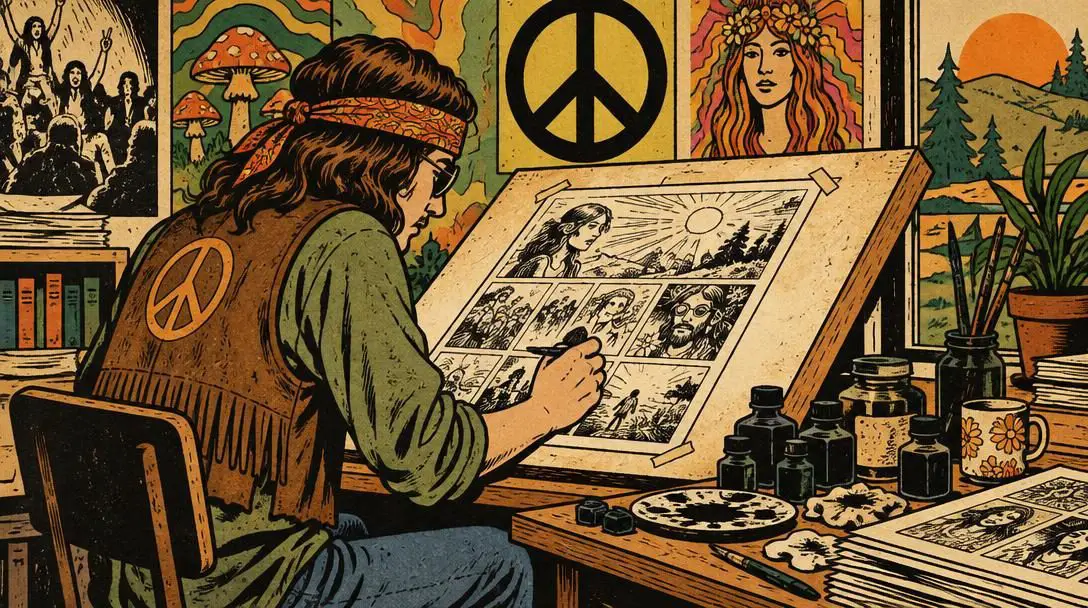
- Era: 1960s–1970s
- Pioneering Creators: Trina Robbins, Diane Noomin
- Distribution Model: Independent, countercultural publishing networks
- Narrative Focus: Uncensored exploration of sexuality, body image, and motherhood
While mainstream superhero comics remained constrained by self-imposed censorship codes throughout the mid-20th century, the underground comix movement carved out a radically alternative creative space during the late 1960s and 1970s. Operating entirely outside commercial newsstand distribution, this countercultural movement created a vital publishing haven for marginalized storytellers, including women, LGBTQ+ creators, and people of color.
Trailblazing cartoonists like Trina Robbins and Diane Noomin bypassed traditional corporate gatekeepers to print unapologetic, autobiographical, and political stories. In their work, women were neither sanitized homemakers nor idealized heroines; they were real human beings wrestling with body image, physical intimacy, reproductive autonomy, and systemic oppression. By taking control of production and printing, these female creators demonstrated that graphic storytelling could address mature, deeply personal women's issues with nuance and unflinching honesty.
Japanese Manga
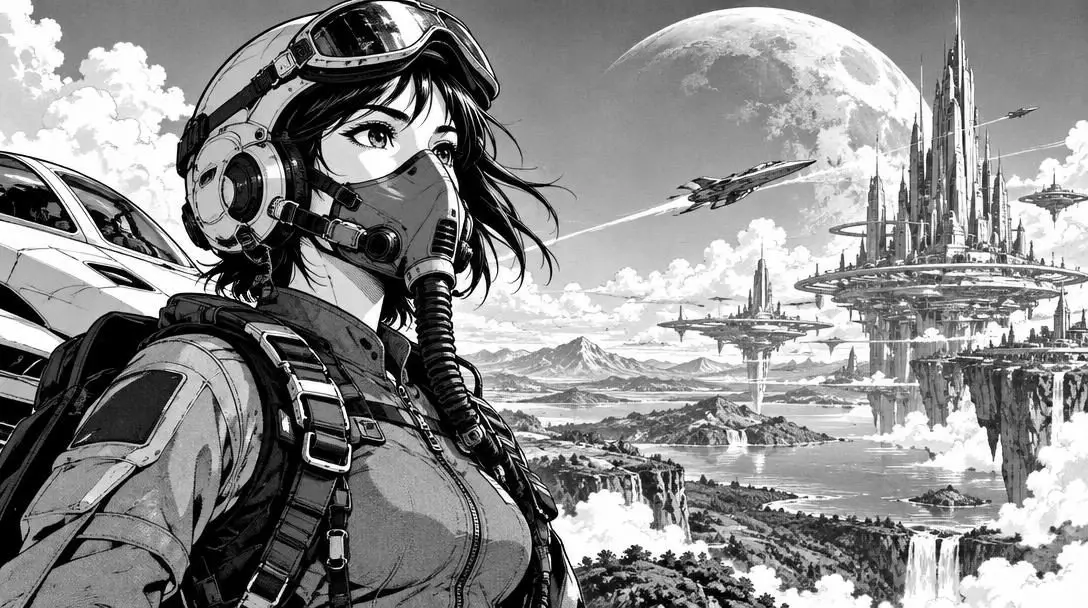
- Global Emergence: 1980s
- Landmark Titles: Sailor Moon, Nausicaä of the Valley of the Wind, Ghost in the Shell
- Key Characteristics: Genre diversity, sustained personal motivations, autonomous leads
- Impact: Demonstrated the commercial viability of expansive, female-led epics
During the 1980s, the surging international popularity of Japanese manga provided Western readers with a fundamentally different approach to character development. Unlike the male-dominated superhero output common in American corporate publishing, manga offered international audiences an expansive spectrum of distinct genres where female protagonists had long flourished.
In celebrated works like Sailor Moon, Nausicaä of the Valley of the Wind, and Ghost in the Shell, female characters were neither afterthoughts nor simple romantic rewards for male protagonists. Nausicaä was a brilliant environmental diplomat and scientific explorer; the soldiers of Sailor Moon balanced deep emotional camaraderie with cosmic responsibility; and Major Motoko Kusanagi navigated complex philosophical questions of transhuman identity. These titles proved on a global stage that female-led narratives could sustain massive commercial success across genres ranging from magical fantasy to high-stakes political science fiction.
Kamala Khan (Ms. Marvel)
- Debut Year: 2014
- Publisher: Marvel Comics
- Identity: Pakistani-American Muslim teenager living in Jersey City, New Jersey
- Narrative Scope: Modern coming-of-age superhero storytelling with authentic cultural grounding
In 2014, Marvel Comics made history by introducing Kamala Khan, a polymorph superhero who took over the historic mantle of Ms. Marvel. As a teenage Muslim girl growing up in New Jersey, Kamala was not introduced as a token novelty or secondary sidekick. Instead, she was placed directly at the center of her own ongoing solo universe, grappling with traditional superhero challenges alongside the real pressures of family expectations, religious practice, and adolescent belonging.
The success of the series showed that modern superhero narratives could balance cosmic heroism with genuine cultural specificity. Kamala’s relatable emotional vulnerability, sharp intellect, and strong personal agency resonated with a new generation of readers, demonstrating that authentic representation from underrepresented backgrounds was both artistically vital and commercially lucrative in mainstream superhero publishing.
The transition from decorative background figures to complex, self-determined protagonists represents one of graphic literature's greatest artistic evolutions.
The #MeToo Movement
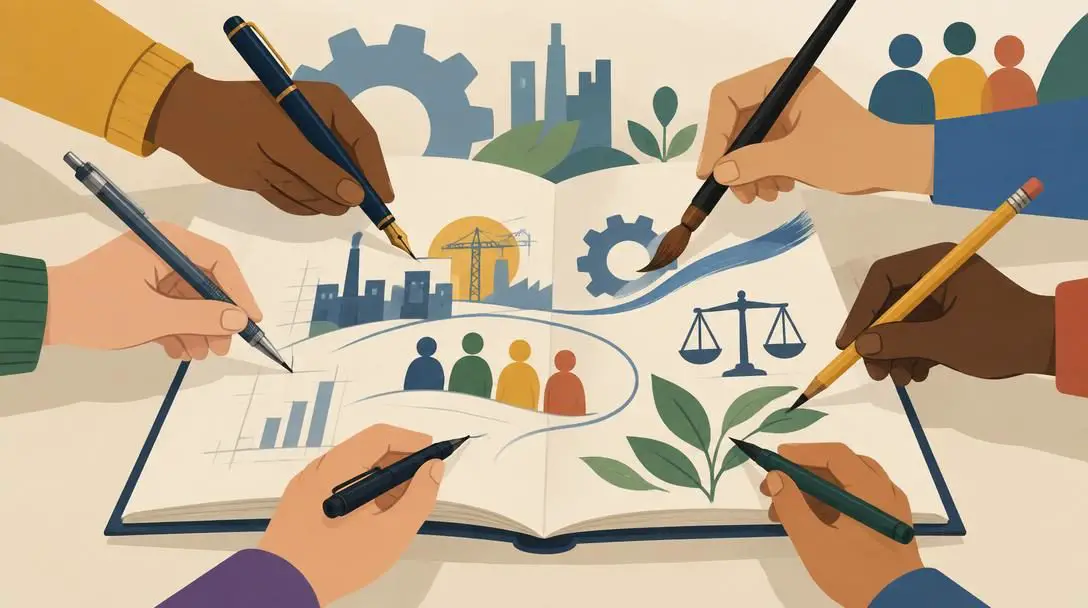
- Timeframe: 2017–Present
- Core Impact: Confronted systemic sexual harassment and workplace inequities in comics
- Institutional Changes: Increased hiring of female staff, editors, and freelance creators
- Participating Publishers: Major corporations including DC Comics
The arrival of the #MeToo movement between 2017 and the modern era forced an urgent reckoning within the comic book industry. Long considered an insular "boys' club," publishing offices and convention circuits were subjected to critical scrutiny regarding persistent allegations of sexual harassment, unequal compensation, and retaliatory gatekeeping.
In response to demands from readers and creative professionals, publishers such as DC Comics initiated visible efforts to clean up corporate culture and actively recruit women into staff editorial positions and high-profile freelance assignments. This systemic shift proved that on-page representation cannot be isolated from workplace fairness. When women are hired to write, illustrate, ink, and edit titles, their lived experiences naturally translate into authentic, three-dimensional characterization on the page.
How narrative evolution operates in graphic fiction
The ongoing maturation of female characters in comic books does not happen by accident. Rather, it reflects an interconnected web of creative philosophy, independent publishing experiments, international exchange, and institutional reform.
- Deliberate subversion of tropes: Genuine artistic shifts occur when creators reject formulaic design. By establishing characters who prioritize wisdom and problem-solving over raw force, storytellers construct new templates for how strength is depicted.
- Alternative distribution: When commercial publishers resist risky storytelling, underground and indie presses step in. Alternative distribution allows marginalized voices to document real social issues without answering to corporate censors.
- Global cross-pollination: The adoption of foreign storytelling traditions, such as Japanese manga, provides domestic publishers with empirical proof that expansive female-driven epics command passionate, paying audiences.
- Reinterpreting legacy mantles: Corporate universes keep their mythologies fresh by handing historic superhero titles to fresh voices, grounding legacy franchises in modern cultural landscapes.
- Editorial hiring parity: Changing what appears on the page ultimately requires diversifying the talent in the boardroom and studio. Directing freelance budgets and editorial oversight to female creators prevents characters from sliding into retrograde tropes.
Engaging with graphic literature: A reader's roadmap
For collectors, students, and readers looking to explore the evolving portrayal of women across different eras of sequential art, building an organized reading strategy provides valuable context.
- Trace historical eras chronologically: Start your journey with foundational Golden Age appearances like early Wonder Woman stories to understand original conventions, then transition into 1970s underground comix, 1980s manga translations, and contemporary runs like Ms. Marvel.
- Explore independent and creator-owned imprints: Do not limit your reading to major superhero universes. Independent graphic novels and small-press collections have historically challenged gender norms decades ahead of corporate superhero lines.
- Follow creative rosters across publishers: Keep track of the writers, artists, colorists, and editors responsible for the stories you enjoy. Supporting female-led creative teams ensures publishers continue to greenlight diverse creative ventures.
- Read curated anthologies and historical reprints: Many foundational independent works—particularly underground comix by Trina Robbins and Diane Noomin—are out of print as individual issues but remain accessible through curated retrospectives and academic collections.
- Connect with community booksellers: Engage with local comic shop owners, graphic novel reading circles, and regional conventions to discover under-the-radar independent books and international titles that prioritize layered character development.
Common misconceptions when reading historical comics
Evaluating vintage and modern comic books requires an understanding of the historical environments in which they were printed. Readers often fall prey to several common assumptions when studying the past.
- Assuming all early female characters were identical: While passive damsels were standard in early pulps, groundbreaking figures like Wonder Woman proved as early as 1941 that intelligent, self-reliant women could thrive in mainstream commercial titles.
- Believing progress has been steady and linear: Representation does not automatically improve with every passing year. The comic industry has experienced periods of conservative backlash, stylistic stagnation, and severe over-sexualization between major creative breakthroughs.
- Overlooking independent movements: Measuring diversity exclusively through commercial corporate superheroes ignores the profound contributions of the underground comix scene, which tackled reproductive freedom, body image, and taboos long before corporate houses dared to touch them.
- Treating international manga as a single style: Viewing manga through a monolithic lens misses its vast demographic diversity. Masterpieces like Ghost in the Shell and Nausicaä of the Valley of the Wind highlight that Japanese comics have long sustained complex female leads across wildly diverse subgenres.
- Divorcing character design from workplace ethics: Analyzing a female character's costume or dialogue without examining the diversity of the editorial room misses the root cause of poor representation. As the #MeToo movement proved, equitable creative workplaces produce superior storytelling.
Frequently asked questions
Why is Wonder Woman considered a foundational milestone for female representation?
Wonder Woman broke the longstanding industry formula that limited women to passive damsels in distress or minor romantic interests. Created by William Moulton Marston in 1941, she was deliberately designed to stand as an equal to iconic figures like Superman and Batman, solving crises with superior intellect, moral courage, and athletic capability while successfully headlining her own long-running solo title.
How did underground comix differ from mainstream superhero books in the 1960s and 1970s?
Underground comix operated outside corporate distribution channels and avoided the self-censoring Comics Code Authority. This independence allowed pioneering creators like Trina Robbins and Diane Noomin to publish raw, uncensored narratives dealing directly with women's lived realities, including sexuality, body image, motherhood, and systemic social issues that mainstream publishers refused to address.
What role did Japanese manga play in reshaping female leads during the 1980s?
The global rise of manga introduced international audiences to an extensive variety of storytelling genres where female protagonists had distinct ambitions and deep internal agency. Works like Sailor Moon, Nausicaä of the Valley of the Wind, and Ghost in the Shell proved that female-led epics could achieve massive critical and commercial success across sci-fi, environmental drama, and fantasy.
Why was Kamala Khan's debut in 2014 considered such a major turning point?
Kamala Khan’s introduction as Ms. Marvel marked the first time an American teenage Muslim girl headlined a solo title in a flagship superhero universe. Her series balanced traditional coming-of-age comic book heroics with authentic cultural and religious experiences, demonstrating that modern readers embraced nuanced, diverse protagonists.
How did the #MeToo movement impact the comic book publishing industry?
Beginning in 2017, the #MeToo movement brought intense scrutiny to persistent workplace harassment, pay disparities, and exclusive male networks within comic publishing. In response, major corporate publishers like DC Comics made deliberate commitments to hire more female writers, illustrators, and editorial executives, directly enriching the range of perspectives represented on the page.
The bottom line
The historical evolution of women in graphic literature reflects a long, continuous journey from decorative accessories to nuanced leaders, thinkers, and complex protagonists. As the industry moves into an era defined by decentralized digital platforms, international creative crossovers, and diverse creative talent, comic books continue to expand the boundaries of who can be a hero. Protecting these hard-won gains requires constant editorial mindfulness, institutional equity behind the scenes, and an engaged readership committed to supporting diverse, uncompromising narrative voices.