From Panels to Screens: The Best Comic Book Adaptations of All Time
It is difficult to imagine the contemporary entertainment landscape without a relentless stream of superhero blockbusters and comic-inspired sagas populating movie theaters and streaming platforms on a near-monthly schedule. Comic book adaptations have evolved from a novelty in cinema into the primary engine of modern entertainment, shaping release calendars, watercooler conversations, and multi-billion-dollar franchise strategies. Both the film and television sectors now routinely turn to sequential art for narrative inspiration, bringing colorful panels to life with cutting-edge visual effects and top-tier creative talent.
While not every project reaches the pinnacle of artistic achievement, the best comic book adaptations represent triumphs of storytelling, performance, and craft. Translating static, illustrated pages into compelling motion pictures demands an intricate understanding of visual pacing, tone, and characterization. Understanding the titles that reshaped the medium illustrates how filmmakers and showrunners overcame technical hurdles and industry skepticism to turn graphic fiction into undisputed cinematic landmarks.
Key takeaways
- Early comic adaptations laid the foundation, but Sam Raimi's 2002 Spider-Man proved that classic comic icons commanded immense global blockbuster potential.
- Critically acclaimed masterpieces like Spider-Man 2, The Dark Knight, and Logan demonstrated that superhero films can match traditional prestige dramas in narrative depth and critical standing.
- Television proved equally viable for independent comic storytelling when Robert Kirkman's The Walking Dead debuted in 2010 and achieved massive mainstream viewership.
- Marvel redefined cinematic universe building through a ten-year progression culminating in the record-breaking dual release of Avengers: Infinity War and Avengers: Endgame.
The cinematic evolution of comic adaptations
Before comic book adaptations took command of mainstream Hollywood, they occupied an intermittent and precarious position across the entertainment sector. Converting illustrated stories into live-action cinema was certainly not unprecedented when the twenty-first century began. Previous generations of moviegoers had encountered eccentric and varied efforts such as Flash Gordon, Masters of the Universe, and Sam Raimi's original antihero vehicle Darkman. However, few of these early productions managed to achieve the level of an undisputed global blockbuster derived directly from an established A-list comic hero.
The turning point arrived in 2002 when Sony Pictures selected filmmaker Sam Raimi to direct Spider-Man, arriving slightly more than a decade after his inventive work on Darkman. The film became an enormous commercial and critical success, establishing a sustainable blueprint for treating comic book mythology with genuine emotional sincerity and technical polish. That single release unlocked unprecedented studio interest, convincing production houses that both globally recognized superheroes and independent graphic novels held enormous financial and artistic promise.
Five landmark adaptations that redefined the genre
Over the decades, a handful of productions have separated themselves from the crowd, setting high standards for performance, box office dominance, and artistic merit across film and episodic television. These five adaptations proved that sequential art could support sophisticated drama, high-stakes ensemble storytelling, and gritty, auteur-driven cinema.
| Adaptation | Key Creative Figures | Format & Year | Box Office / Viewership | Rotten Tomatoes Score |
|---|---|---|---|---|
| Spider-Man 2 | Sam Raimi, Tobey Maguire, Alfred Molina | Theatrical Feature (2004) | Nearly $800 million | Over 90% |
| The Dark Knight | Christopher Nolan, Christian Bale, Heath Ledger | Theatrical Feature (2008) | Just over $1 billion | 94% |
| The Walking Dead | Robert Kirkman (creator) | Television Series (2010–2022) | Millions weekly in early run | Broad critical praise |
| Logan | James Mangold, Hugh Jackman | Theatrical Feature (2017) | Nearly $620 million | 94% |
| Avengers: Infinity War & Endgame | Marvel Cinematic Universe ensemble | Two-Part Feature (2018–2019) | Broke multiple box office records | High critical consensus |
Spider-Man 2
- Director: Sam Raimi
- Starring: Tobey Maguire, Alfred Molina
- Global Box Office: Nearly $800 million
- Rotten Tomatoes: Exceeding 90 percent
While the original 2002 film established the commercial framework for the modern superhero phenomenon, the 2004 sequel is frequently celebrated by viewers and critics as the true benchmark of modern superhero cinema. Helmed once again by Sam Raimi, the feature saw Tobey Maguire reprise his nuanced role as the conflicted Peter Parker. The narrative pitted him against Alfred Molina's Dr. Otto Octavius, known famously as Doc Ock, whose sympathetic descent into madness offered a multi-layered antagonist rarely seen in blockbusters of that era.
The sequel deepened the emotional burden of the superhero identity, forcing Peter Parker to confront personal alienation, academic failure, and romantic heartbreak alongside pulse-pounding action set pieces like the legendary runaway train battle. By balancing grounded human stakes with kinetic spectacle, the film earned nearly $800 million globally and secured an approval rating exceeding 90 percent on Rotten Tomatoes, demonstrating that superhero sequels could surpass their celebrated predecessors.
The Dark Knight
- Director: Christopher Nolan
- Key Cast: Christian Bale, Heath Ledger
- Global Box Office: Just over $1 billion
- Rotten Tomatoes: 94 percent
Director Christopher Nolan and actor Christian Bale initially revitalized Gotham's protector in 2005 with Batman Begins, which generated $373 million worldwide and energized audiences with its tactical, grounded aesthetic. Anticipation grew exponentially for the 2008 follow-up, which fulfilled the tease of introducing the Joker, brought to life in an electrifying performance by the late Heath Ledger. The Dark Knight transcended the superhero label entirely, functioning as a gripping urban crime epic about morality, terror, and institutional decay.
The film achieved historic milestones on every front. It nearly tripled the box office gross of its predecessor by taking in just over $1 billion globally, secured a 94 percent critical score on Rotten Tomatoes, and resulted in a posthumous Academy Award for Heath Ledger's unforgettable portrayal of chaotic villainy. By taking comic book themes seriously and grounding them in real-world anxieties, Nolan set an undisputed standard for dramatic excellence in popular filmmaking.
Great comic book adaptations succeed by respecting the emotional truth of their characters rather than merely copying the illustrations on the page.
The Walking Dead
- Source Creator: Robert Kirkman
- Premiere Date: Halloween 2010 on AMC
- Core Characters: Rick, Shane
- Series Conclusion: Late 2022
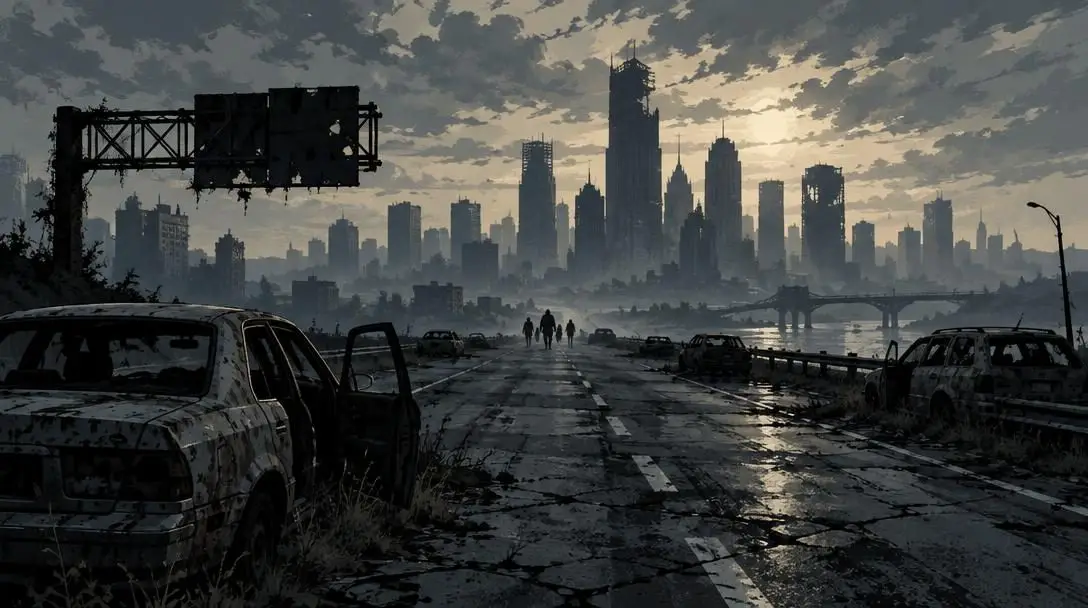
While world-famous icons like Batman and Spider-Man had enjoyed decades of visibility in popular culture, Robert Kirkman's black-and-white comic book series occupied a distinctly niche, creator-owned corner of the market when it debuted in 2003. When AMC premiered the television adaptation on Halloween in 2010, the post-apocalyptic saga expanded rapidly, drawing millions of viewers every single week during its early seasons. The series grounded the horrors of an undead uprising in visceral human conflict, focusing intensely on the moral deterioration of survivors like Rick and Shane.
Although many viewers and critics observed that the show's creative quality fluctuated as the narrative progressed across more than a decade, The Walking Dead maintained an immense audience through its series finale in late 2022. Driven by the raw tension established in its opening chapters, it demonstrated that sequential graphic storytelling was uniquely suited for the serialized television boom, paving the way for non-traditional graphic properties on the small screen.
Logan
- Director: James Mangold
- Lead Actor: Hugh Jackman
- Global Box Office: Nearly $620 million
- Rotten Tomatoes: 94 percent
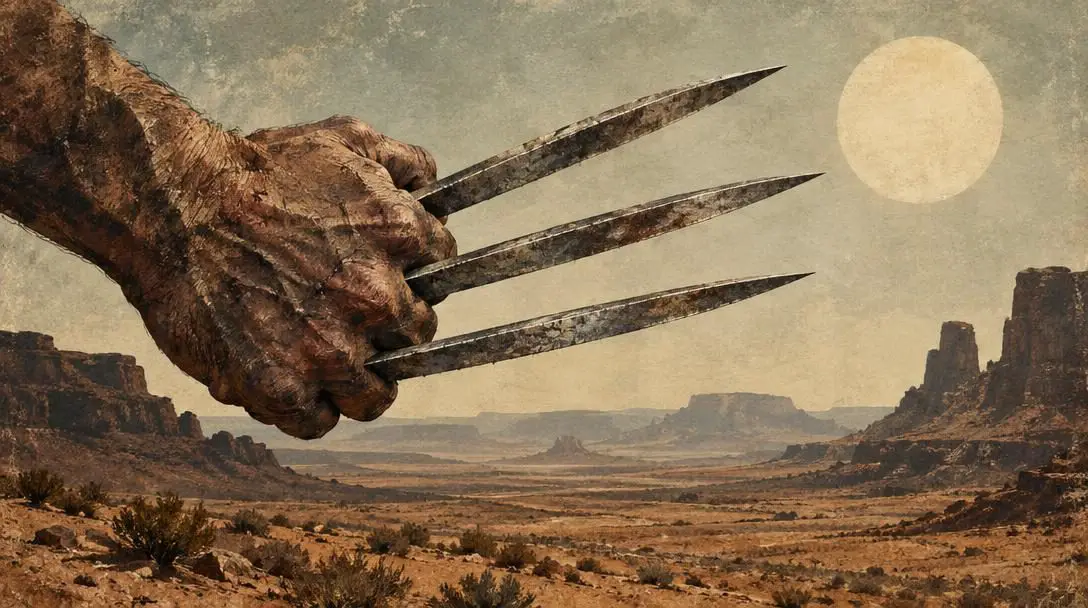
By 2017, the broad X-Men franchise had accumulated an extensive theatrical history that dated back to the earliest high-budget blockbusters of the contemporary superhero era. When director James Mangold tackled Hugh Jackman's farewell outing as Wolverine, he discarded glossy ensemble tropes in favor of a stripped-down, western-inspired character study. Logan presented an aging, weary, and dejected protagonist navigating a world where mutants were largely extinct, pushing himself through physical degradation to shield a new generation of mutant children.
The production departed boldly from standard industry conventions, releasing both full-color and black-and-white editions to emphasize its stark aesthetic. The film embraced visceral violence, earned an R rating, captured an Academy Award nomination, and matched The Dark Knight with a 94 percent score on Rotten Tomatoes while grossing nearly $620 million in worldwide box office receipts. Its success proved that mature, uncompromising storytelling could thrive commercially without relying on broad family-friendly concessions.
Avengers: Infinity War and Avengers: Endgame
- Narrative Scope: Culmination of a decade of Marvel Cinematic Universe films
- Key Predecessor: Iron Man (2008)
- Source Inspiration: The classic Infinity Saga comic storyline
- Box Office Status: Repeatedly shattered worldwide box office records
Operating as an enormous two-part cinematic event, Avengers: Infinity War and Avengers: Endgame served as the grand narrative payoff for a decade of meticulously interconnected storytelling across the Marvel Cinematic Universe. Originating with the 2008 launch of Iron Man, this unprecedented creative experiment unified dozens of character threads into a single cinematic universe. Drawing heavy inspiration from the beloved Infinity Saga comic run, the adaptation altered specific source details to fit modern theatrical pacing while retaining the high-stakes emotional gravity of the original confrontation.
The combined duology shattered multiple international box office records as audiences flocked to see their favorite heroes endure a shocking, catastrophic defeat at the climax of Infinity War, followed by the harrowing and emotionally resonant quest to reverse that loss in Endgame. The two films proved that comic books' longstanding tradition of sprawling crossover continuity could be translated to global moviegoers on an unprecedented scale.
The mechanics of panel-to-screen adaptation
Translating graphic narrative art into motion pictures is a complex endeavor that goes far beyond simply mimicking comic panels with a camera. Sequential art communicates through static compositions, gutter space, text dialogue balloons, and exaggerated visual shorthand. When transferring those concepts to cinema or television, creative teams must make difficult editorial and technical decisions to ensure the story functions within a dynamic audio-visual medium:
Narrative Restructuring: Decades-long comic runs frequently feature contradictory timelines, alternate realities, and hundreds of supporting players. Screenwriters must distill extensive lore into streamlined, self-contained plots that fit a two-hour theatrical runtime or an eight-to-ten-episode television season without losing the emotional essence of the characters.
Visual Tone and Production Design: Designers must decide whether to embrace the bright, four-color saturation of classic comic print or ground costumes, weapons, and cityscapes in realistic textures. Modern adaptations achieve balance by retaining iconic silhouettes while engineering fabrics and armor that look convincing beneath realistic cinematic lighting.
Performance and Characterization: In print, a character's interior thoughts are delivered through narration boxes and still facial expressions. Actors must translate these static concepts into organic physical presence, authentic vocal cadence, and subtle emotional nuance, giving grounded life to personas that might otherwise feel cartoonish.
Pacing and Structural Suspense: While comic issues rely on monthly cliffhangers and dramatic final-page splash art, cinema requires flowing pacing driven by practical camera movement, editing rhythms, sound design, and sweeping musical scores to sustain dramatic engagement over continuous viewing sessions.
How to build a high-quality comic adaptation watchlist
With hundreds of comic book movies and television shows populating digital libraries, creating an engaging viewing plan can feel daunting. Following a deliberate curation method ensures you encounter the most influential and well-crafted projects across the medium.
- Identify your preferred narrative tone: Decide whether your current mood calls for lighthearted adventure, dark psychological realism, or gritty survival action. Viewers seeking solemn, character-driven drama should start with titles like The Dark Knight or Logan, while those desiring grand ensemble spectacle will get more out of the interconnected Marvel sagas.
- Explore franchise foundational milestones: Gain valuable context by starting with the films that started specific trends. Viewing the original 2002 Spider-Man or Batman Begins before watching their celebrated sequels makes the artistic progression of Spider-Man 2 and The Dark Knight far more impactful.
- Sample independent and creator-owned works: Branch out beyond traditional superhero conventions by exploring niche, creator-owned properties. Watching the early seasons of The Walking Dead illustrates how comic storytelling addresses survival horror, social breakdown, and human trauma without a cape in sight.
- Consult audience and critical consensus: Check established aggregators like Rotten Tomatoes to find titles that achieved broad acclaim. Adaptations that achieve approval ratings above 90 percent generally possess strong writing and directing that appeal to general audiences as well as dedicated comic readers.
- Experiment with alternative presentation formats: Seek out special presentation editions when they are available. Comparing the standard theatrical release of Logan with its black-and-white alternate cut provides deep insight into how lighting, contrast, and color grading alter narrative mood.
Common pitfalls when evaluating comic adaptations
Audiences, reviewers, and comic book purists frequently run into analytical traps that distort their appreciation of adapted works. Avoiding these critical missteps allows for a fairer, more nuanced evaluation of comic cinema:
- Demanding exact panel-by-panel fidelity: Assuming an adaptation must copy its source issue word for word ignores the mechanical differences between print and screen. Great projects like Avengers: Infinity War and Endgame made sweeping alterations to the original Infinity Saga storyline precisely so the narrative would function effectively as a visual drama.
- Overlooking early historical foundations: Dismissing pre-modern efforts produces an incomplete picture of cinema history. Works such as Flash Gordon, Masters of the Universe, and Darkman helped test practical visual techniques and established an audience appetite for comic tropes long before digital effects perfected the genre.
- Treating all comic adaptations as a single genre: Grouping all comic adaptations under a monolithic superhero label obscures vital artistic differences. A bleak, R-rated character study like Logan operates under completely different narrative rules and dramatic objectives than a sprawling apocalyptic television series like The Walking Dead.
- Judging entire properties purely on longevity: Dismissing a long-running television show because its later seasons experienced a dip in perceived quality invalidates its groundbreaking achievements. The Walking Dead set historic cable viewership records and reshaped modern television during its early years, regardless of how viewers felt about its final episodes in 2022.
Future directions for comic adaptations
As Hollywood continues to greenlight new adaptations for theatrical distribution and streaming platforms, the strategies governing these releases continue to shift. One clear trend is the industry's willingness to pursue targeted age ratings. The enormous commercial and critical triumph of Logan proved that an R rating does not limit a film's artistic praise or its earning potential, showing that mature character studies can stand alongside family-focused tentpoles.
Furthermore, studios must continually weigh the advantages of interconnected shared universes against focused, director-driven visions. While the expansive decade-long arc bridging Iron Man to Avengers: Endgame delivered unmatched commercial returns, standalone masterworks like Christopher Nolan's The Dark Knight remind us that singular artistic vision remains essential. The future health of the medium will depend on maintaining a healthy balance between large-scale cinematic continuity and focused, independent creative expression.
Frequently asked questions
Which comic book movie was the first to cross $1 billion at the box office?
Christopher Nolan's The Dark Knight (2008) achieved this historic milestone, generating just over $1 billion worldwide and nearly tripling the box office earnings of its 2005 predecessor, Batman Begins.
Can comic book adaptations achieve critical acclaim comparable to traditional prestige dramas?
Yes. Adaptations like Spider-Man 2, The Dark Knight, and Logan have achieved critical approval ratings exceeding 90 to 94 percent on Rotten Tomatoes. In addition, The Dark Knight secured an Academy Award for Heath Ledger's performance, and Logan earned an Oscar nomination for its screenplay.
Why do comic book adaptations often change major details from the source comics?
Comics often feature decades of convoluted storylines, multiple alternate universes, and pacing structured around monthly installments. Filmmakers must streamline, condense, and modernize these storylines—as seen with the adjustments made in Infinity War and Endgame—so the narrative functions coherently within standard feature film runtimes.
How did The Walking Dead differ from traditional comic book adaptations?
Unlike classic mainstream superheroes like Batman or Spider-Man, The Walking Dead originated as a creator-owned, black-and-white comic book series by Robert Kirkman. It focused on survival horror, human moral degradation, and serialized television drama rather than costumed heroics.
What impact did Sam Raimi's 2002 Spider-Man have on modern Hollywood?
Sam Raimi's 2002 Spider-Man proved to major film studios that A-list comic book characters possessed immense, undisputed global blockbuster power, laying the commercial and creative foundation for the superhero film explosion that followed.
The bottom line
The journey of comic book adaptations from niche novelties like Flash Gordon to world-dominating cultural touchstones reflects the maturation of both cinema technology and mainstream storytelling tastes. Groundbreaking achievements such as Spider-Man 2, The Dark Knight, The Walking Dead, Logan, and the two-part Avengers climax proved that graphic fiction can produce nuanced drama, visceral human struggle, and unforgettable spectacle. As the entertainment landscape continues to evolve, the finest adaptations will remain those that balance visual innovation with sincere human drama, honoring the essence of their illustrated origins while forging bold, independent paths on screen.