The Top 5 Comic Book Publishers You Should Know About
While the modern digital landscape allows independent writers and illustrators to publish graphic narratives directly to readers worldwide, understanding the comic industry at scale requires examining the powerhouse companies that dominate global market share. These major publishing houses do far more than print monthly issues; they anchor billion-dollar multimedia franchises, reshape creator contracts, and introduce international art traditions to broader audiences.
Whether you are a devoted collector exploring decades of lore or a newcomer seeking an entry point into visual storytelling, grasping the mechanics and histories of the prominent publishers is invaluable. The modern market is sustained by a diverse mixture of heritage superhero stalwarts, creator-centric independent innovators, and overseas licensing powerhouses that define reading habits around the globe.
Key takeaways
- Viz Media holds the industry's top spot in size and performance through its dominant distribution of mainstream Japanese manga and anime properties.
- Legacy titans DC Comics and Marvel Comics occupy the second and third market positions, respectively, built upon expansive superhero universes with decades of publication history.
- Dark Horse Comics and Image Comics pioneered creator-owned publishing models that grant artists and writers total control over their intellectual properties and associated profits.
- The industry relies on three primary business frameworks: corporate work-for-hire publishing, creator-owned rights partnerships, and international translation licensing.
At a glance: Comparing the top comic book publishers
The comic publishing ecosystem encompasses a wide variety of publishing models, geographic footprints, and narrative specialties. While some entities rely on corporate-owned character stables that span generations, others emphasize creator equity or foreign language localization.
| Publisher | Founded | Primary Publishing Model | Representative Titles and Characters |
|---|---|---|---|
| Viz Media | 1986 | International licensing and manga translation | Dragon Ball, One Piece, Naruto, Bleach, Inuyasha |
| DC Comics | 1934 | Work-for-hire corporate superhero universe | Superman, Batman, Wonder Woman |
| Marvel Comics | 1939 | Work-for-hire corporate superhero universe | Spider-Man, Fantastic Four, X-Men, Iron Man |
| Dark Horse Comics | 1986 | Creator-owned publishing and media licensing | Hellboy, Sin City, The Umbrella Academy, Star Wars |
| Image Comics | 1992 | Creator-owned publishing and studio rights retention | Spawn, Savage Dragon, The Walking Dead, Invincible |
The top five comic book publishers shaping the medium
To grasp the current distribution landscape, readers must look beyond traditional assumptions about American cape-and-cowl comic strips. The industry's current leaders represent vastly different artistic lineages, distinct corporate origins, and unique approaches to creative ownership.
Viz Media
- Founded: 1986
- Headquarters: San Francisco, California
- Market Position: Number one publisher by size and performance
- Annual Revenue: Approximately $60 million
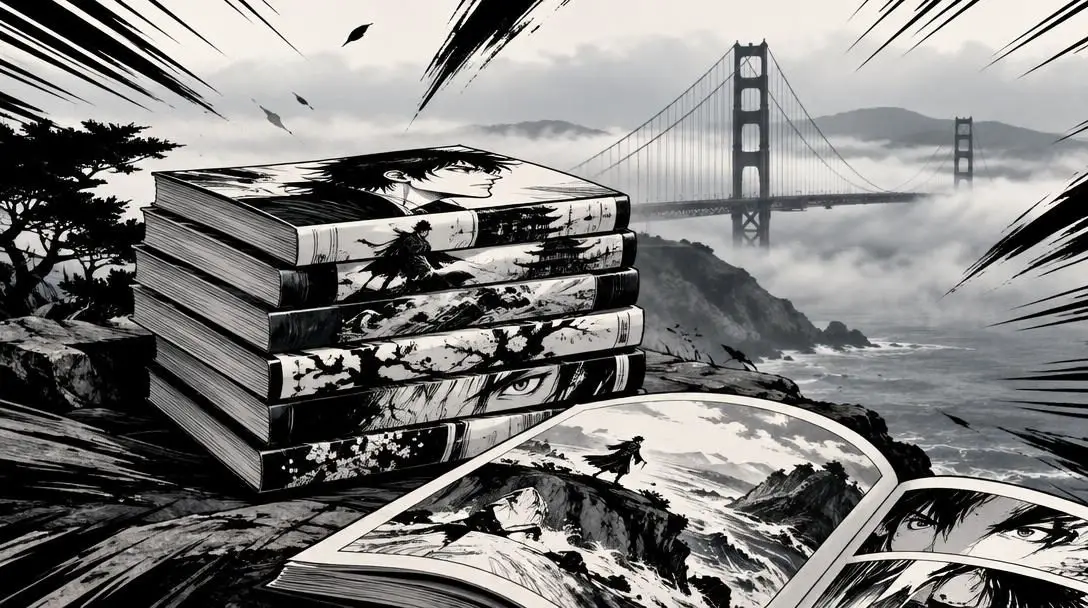
Holding the premier position in terms of commercial size and overall market performance is Viz Media. Established in 1986 and based in San Francisco, California, the company officially launched its dedicated publishing operations in 1987. Its first major breakthrough arrived with the release of the historical ninja manga Legend of Kamui, establishing a foothold for imported Japanese narratives in the domestic market.
Unlike historic American publishing brands that rely heavily on native superhero continuities, Viz centers its corporate model on Japanese manga and anime. For decades, this specialized focus meant that casual American comic fans overlooked the company. However, the twenty-first century has witnessed an extraordinary expansion of mainstream interest in manga, propelling Viz to the top tier of print distribution.
Today, Viz distributes several of the most recognizable global franchises in modern pop culture, including Dragon Ball, One Piece, Bleach, Naruto, and Inuyasha. Many of these serialized epics have been adapted into wildly successful animated television programs, expanding their cultural footprint far beyond the specialty comic shop market. Generating annual revenues around $60 million, Viz sits comfortably at the summit of modern graphic entertainment distribution.
DC Comics
- Founded: 1934
- Headquarters: California
- Founder: Malcolm Wheeler-Nicholson
- Market Position: Second-largest publisher
Founded in 1934 by Malcolm Wheeler-Nicholson under the corporate umbrella of National Comics Publications, DC Comics is one of the historic pillars of the medium. The company underwent various brand transformations, masthead revisions, and organizational restructurings across its first four decades before adopting its consolidated corporate name as DC Comics in 1977. Geographically separated from its longtime East Coast rival, DC operates its publishing enterprise out of California.
DC earned its legendary status by introducing characters that established the bedrock conventions of American superhero mythology. Anchored by its foundational trinity of Superman, Batman, and Wonder Woman, the company formed the structural core of the Golden and Silver ages of comic storytelling. These figures not only established monthly reading habits for generations of readers, but they also defined standard archetypes of justice and heroism.
Beyond the printed page, DC has developed its intellectual properties into a prominent cinematic universe, navigating alternating critical peaks and operational hurdles across theatrical runs. In the modern market hierarchy, DC stands as the second-largest comic book publisher, trailing Viz Media while maintaining a strong operational presence across digital platforms, retail comic shops, and mass-market bookstores.
Marvel Comics
- Founded: 1939
- Headquarters: New York City
- Catalog Size: Nearly 30,000 comic books
- Market Position: Third-largest publisher
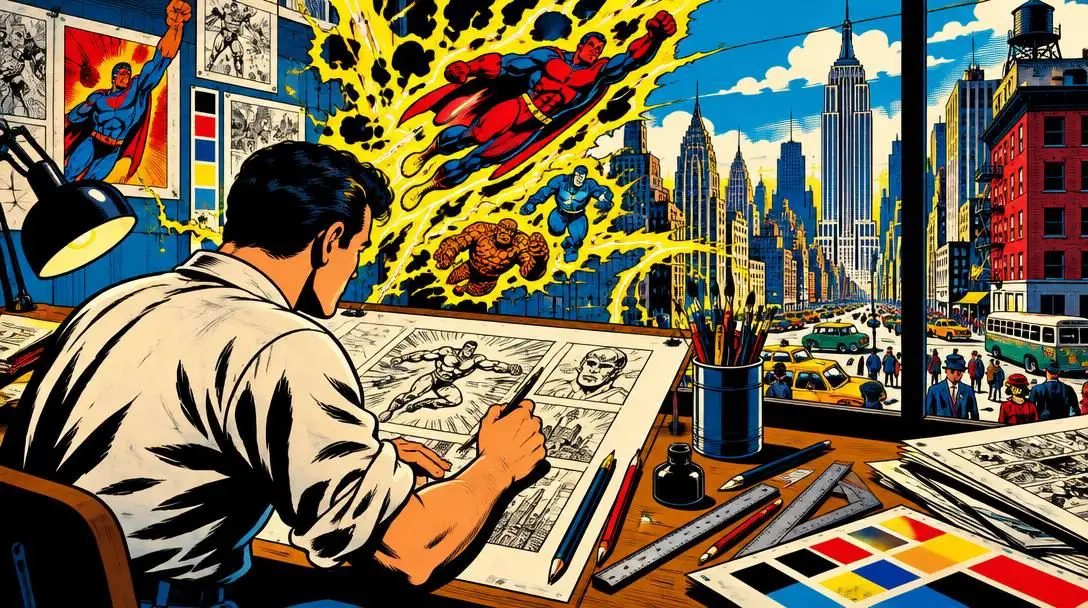
Although widely celebrated today for its expansive cinematic universe launched in 2008, Marvel Comics originated well before the advent of modern blockbuster film continuity. The enterprise began in 1939 under the name Timely Comics, transitioned eight years later into Magazine Management, and ultimately embraced the Marvel Comics brand in 1961. Operating from its headquarters in New York City, the company revolutionized comic storytelling in the early 1960s by introducing flawed, relatable protagonists situated in recognizable urban settings.
This creative renaissance was steered by an iconic trio of innovators: writer-editor Stan Lee and visionary artists Steve Ditko and Jack Kirby. Together, they generated an astonishing array of pop culture mainstays, including Spider-Man, the Fantastic Four, and the X-Men, alongside enduring cinematic icons like Iron Man, Thor, and Captain America. Their collaborative work grounded extraordinary adventures in emotional vulnerability and complex morality, transforming a children's medium into an enduring literary tradition.
Marvel's massive catalog now contains nearly 30,000 individual comic books featuring a dense, interconnected matrix of champions and cosmic threats, such as Loki and Thanos. While Marvel currently ranks as the third-largest publisher in overall market standing—following behind Viz Media and DC Comics—its intellectual properties remain among the most commercially visible and valuable fictional assets in global entertainment.
The biggest publishers do not merely print monthly issues; they drive multi-billion-dollar multimedia franchises, pioneer creator compensation structures, and introduce diverse storytelling traditions from across the globe.
Dark Horse Comics
- Founded: 1986
- Headquarters: Milwaukie, Oregon
- Founder: Mike Richardson
- Original Hits: Hellboy, Sin City, The Umbrella Academy
Established in 1986 by artist and interior designer Mike Richardson, Dark Horse Comics emerged from the retail trenches. Richardson, who had opened his own comic specialty shop in the early 1980s, recognized firsthand the systemic shortcomings of standard industry contracts, which routinely stripped creative talent of ownership over their original concepts. He founded Dark Horse in Milwaukie, Oregon, on a revolutionary foundational premise: allowing financial profits and creative rights to flow directly back to the creators.
This creator-first ethos transformed Dark Horse into an immediate haven for independent artistic expression. Celebrated writers and illustrators brought daring, boundary-pushing projects to the imprint, resulting in singular properties such as Mike Mignola's Hellboy, Frank Miller's Sin City, and Gerard Way's The Umbrella Academy. Each of these non-traditional franchises eventually transitioned into successful film and television adaptations that maintained their dark, stylized aesthetics.
Alongside its creator-owned ventures, Dark Horse established an equally formidable reputation through high-profile entertainment licensing. The publisher demonstrated that comics based on established Hollywood properties could achieve critical acclaim, handling celebrated tie-in runs for Star Wars, Predator, and Indiana Jones throughout key periods of its operational history.
Image Comics
- Founded: 1992
- Key Co-Founders: Todd McFarlane, Erik Larsen
- Business Philosophy: Complete retention of creator ownership
- Historic Titles: Spawn, Savage Dragon, Bone
The youngest enterprise among the top five powerhouses is Image Comics, formed in 1992 during an era of historic industry disruption. The company was founded by a high-profile collective of superstar artists—prominently including Todd McFarlane and Erik Larsen—who chose to depart mainstream corporate publishers at the height of their personal fame. Frustrated by corporate work-for-hire agreements that denied them control over their record-breaking creations, they banded together to form a home where authors and artists maintained total creative and financial sovereignty.
Supported by immense pre-launch anticipation and mainstream attention, Image experienced instant commercial success. Iconic 1990s breakout properties such as McFarlane's Spawn, Larsen's Savage Dragon, and Jeff Smith's indie crossover Bone demonstrated that creator-owned books could outsell corporate legacy heroes on newsstands and specialty store shelves alike.
Over the decades, Image diversified its creative stable into one of the most prestigious narrative catalogs in the medium. Groundbreaking modern releases such as The Walking Dead, Invincible, and Kick-Ass were developed under the Image banner. These properties subsequently evolved into landmark screen adaptations, with Kick-Ass spawning theatrical features, while The Walking Dead and Invincible became critically acclaimed, high-impact television franchises.
Understanding the primary comic book business models
A comic book issue's path from a creative premise to a physical printed product or digital download depends largely on the contractual framework linking the publisher and the creative team. The industry's commercial mechanics generally divide into three fundamental pathways.
- Work-for-hire agreements: Standardized by legacy houses like Marvel and DC, this structure stipulates that the corporate entity retains comprehensive legal ownership of the intellectual property. Freelance creative teams—including writers, pencillers, inkers, colorists, and letterers—are contracted to produce material starring corporate trademarks. While creators receive page rates or set royalties, the publishing company preserves the ultimate authority over multimedia exploitation, reprint syndication, and merchandising.
- Creator-owned imprints: Spearheaded by pioneers like Dark Horse and Image, this publishing setup ensures the originating creative team holds all underlying rights, copyrights, and intellectual property equity. The publisher functions primarily as a distribution, logistical, and marketing channel, collecting a basic operating fee while funneling core profits and outside adaptation revenue directly back to the creators.
- Licensing and localization: Exemplified by global distributors such as Viz Media, this model revolves around securing domestic publishing rights for foreign works. The publishing company manages editorial localization, translation accuracy, panel retouching, typography, and regional bookstore supply chains without generating the underlying creative content from scratch.
Practical steps for navigating major publisher catalogs
Because the top publishing houses maintain catalogs stretching across decades and tens of thousands of individual releases, entering these universes can feel overwhelming. Readers can use a methodical approach to explore these creative libraries efficiently without facing narrative burnout.
- Begin with standalone graphic novels or self-contained miniseries: Rather than attempting to digest continuous monthly series from decades past, select contained story arcs that present an accessible beginning, middle, and end without demanding encyclopedic knowledge of lore.
- Follow specific writers and visual artists: Creators regularly move between publishers throughout their professional careers. Tracking a favorite writer or artist from their mainstream work at DC or Marvel to their creator-owned output at Image or Dark Horse reveals how their creative voice evolves across formats.
- Take advantage of digital subscription services: Both Marvel and DC provide digital reading services that house substantial portions of their historic output, while platforms also provide streamlined access to serialized manga catalogs from Viz. These digital programs offer an affordable way to test different narrative eras.
- Explore independent and local comic book shops: Brick-and-mortar comic retailers curate collections across mainstream superhero releases, imported manga volumes, and indie trade paperbacks. Visiting physical retailers provides the opportunity to examine artwork firsthand and obtain direct recommendations from knowledgeable staff.
- Sample creator-owned introductory trade paperbacks: Publishers like Image and Dark Horse frequently price their initial collection volumes (collecting early story issues) at a very accessible cost, enabling readers to try various genres without large financial commitments.
Common mistakes to avoid when exploring comics
Approaching the modern comic book industry without an understanding of its history and publishing conventions can lead to costly or frustrating experiences. New readers and aspiring creators should keep several common missteps in mind.
- Trying to read universe timelines in strict chronological order: Attempting to read decades of Marvel or DC history starting from the 1930s or 1960s usually leads to exhaustion. Superhero universes are continually constructed with fresh jumping-on points, modern relaunches, and accessible introductory storylines meant for newcomers.
- Assuming the medium is exclusively about superheroes: Although classic superhero adventures account for much of Marvel and DC's historical fame, publishers like Dark Horse, Image, and Viz offer horror, crime, science fiction, historical drama, and autobiographical narratives.
- Expecting comics to match their film adaptations frame-for-frame: Screen adaptations routinely condense, recombine, or entirely invent story elements to fit cinematic running times. Approaching classic source material expecting an exact mirror of a television show or movie often creates confusion.
- Overlooking contract terms when pitching creative projects: Aspiring writers and artists who hope to publish their own work must understand the legal differences between work-for-hire entities and creator-owned partners. Pitching a concept to a corporate publisher may forfeit ownership rights that an independent imprint explicitly protects.
Frequently asked questions
Which comic book publisher holds the largest market share today?
Viz Media holds the number one spot in terms of size and overall commercial market performance, generating approximately $60 million in annual revenue on the strength of its Japanese manga and anime distribution rights.
What makes the business model of Image Comics different from Marvel and DC?
Unlike Marvel and DC, which traditionally utilize a work-for-hire model where the corporation owns all characters and story rights, Image Comics was founded on the principle that creators retain complete ownership, creative control, and financial profits over their original works.
How many comic books are in Marvel's publishing catalog?
Marvel Comics boasts an active catalog of nearly 30,000 comic books featuring its vast roster of superhero and villain characters, accumulated across its history since its founding as Timely Comics in 1939.
What was Dark Horse Comics' original hit licensed adaptation?
Dark Horse built an enduring reputation for Hollywood adaptations by publishing critically praised comic expansions of famous cinematic intellectual properties, including Star Wars, Predator, and Indiana Jones.
When did DC Comics adopt its official consolidated name?
Although founded in 1934 by Malcolm Wheeler-Nicholson as part of National Comics Publications, the publisher operated through several corporate variations before consolidating under the official name DC Comics in 1977.
The bottom line
The comic book industry is far more expansive and operationally multifaceted than the simple hero archetypes often showcased on cinema screens. The medium is sustained by a continuous dialogue between heritage corporate universes like DC and Marvel, creator-liberating alternatives like Dark Horse and Image, and international distribution giants like Viz Media. Each publishing house brings a distinct historical philosophy and distribution framework to the marketplace.
By understanding how these top five entities operate—from corporate work-for-hire agreements to creator-owned equity and cross-cultural localization—readers, collectors, and prospective writers gain a comprehensive view of the medium. As the industry continues to evolve across print formats and digital platforms, these five publishers remain the essential forces driving modern graphical storytelling.