The History of Comic Book Villains: From Lex Luthor to Thanos
Superheroes have captivated readers for generations, but even the most heroic champions are only as compelling as the adversaries they fight. A hero sworn to protect justice needs an opposing force capable of testing their morals, pushing their abilities to the limit, and disrupting the status quo. Across comic book history, the supervillain has evolved from crude, short-lived plot devices into complex, multi-layered icons that often command as much cultural reverence as the heroes themselves.
From the earliest four-color pages of the late 1930s to the billion-dollar cinematic blockbusters of the modern era, the development of comic book antagonists reflects shifts in storytelling, industry changes, and audience appetites. While many readers assume today's most celebrated nemeses were present from the very start, the historical record reveals a dynamic timeline of trial, error, creative breakthroughs, and forgotten experiments.
Key takeaways
- Superman operated for an entire year before facing the Ultra-Humanite, who arrived in June 1939 as comic history's first recognized supervillain.
- The 1940s and the 1960s stand as the two most prolific decades for establishing comic book supervillains that endure today.
- Marvel Comics took longer than DC to build a wide rogue roster, relying primarily on the Red Skull throughout the Golden Age before unleashing a massive wave of classic Silver Age foes.
- Modern comic-to-film adaptations have accelerated villain lifecycles, turning contemporary debuts like Gorr the God Butcher into cinematic headliners in under a decade.
The Golden Age and the birth of the supervillain (1930s–1940s)
When Superman debuted in Action Comics #1, the superhero genre was in its infancy. For the first dozen issues of his run, the Man of Steel fought petty crooks, corrupt officials, and ordinary street-level threats rather than costumed masterminds. That dynamic changed fundamentally in June 1939 with Action Comics #13, introducing the very first comic book supervillain to the medium: the Ultra-Humanite. Created by Jerry Siegel and Joe Shuster, this villain began as Superman's intended chief antagonist before creative directions shifted.
The rest of 1939 saw two more notable villains enter the scene through Batman's pages: Dr. Death and The Monk, both crafted by Bob Kane and Bill Finger. While The Monk quickly faded into obscurity, Dr. Death enjoyed multiple revivals over the decades. As the calendar turned to 1940, the floodgates opened. Batman's rogue gallery expanded dramatically in that single year with the arrivals of Hugo Strange, Catwoman, Clayface, and his ultimate nemesis, the Joker. Soon after, the World War II era brought heavyweights like Scarecrow, Two-Face, Solomon Grundy, and Black Adam, followed later in the Golden Age by Deadshot, Red Hood, Brainiac, Bizarro, and the Riddler.
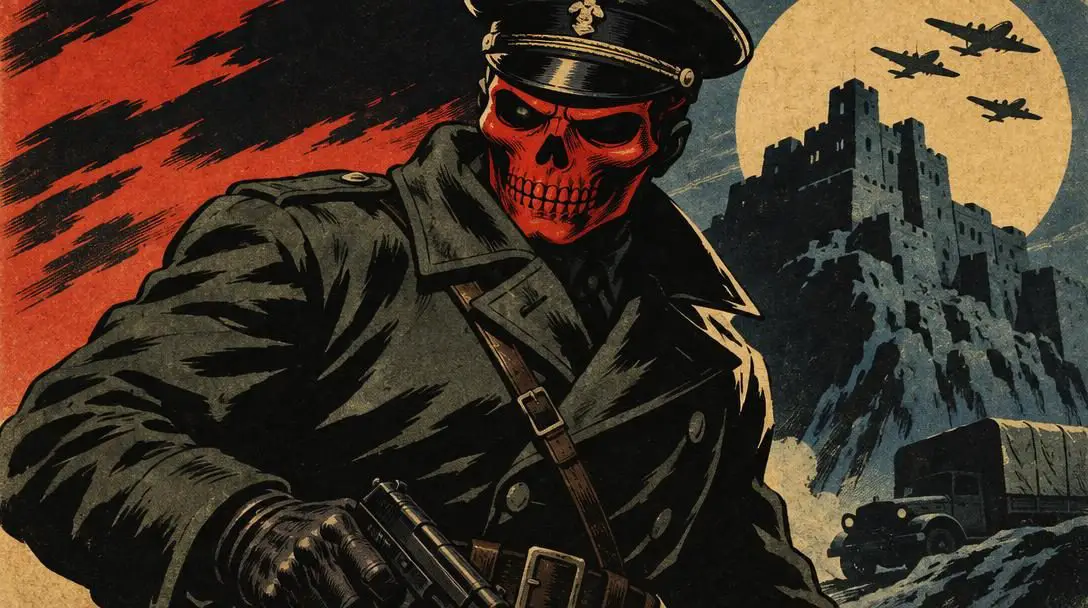
While DC established an army of timeless rogues during the 1940s, Marvel—then operating as Timely Publications under Magazine Management—relied heavily on a single standout creation to match the era's geopolitical tension: the Red Skull, introduced in 1941.
Ultra-Humanite
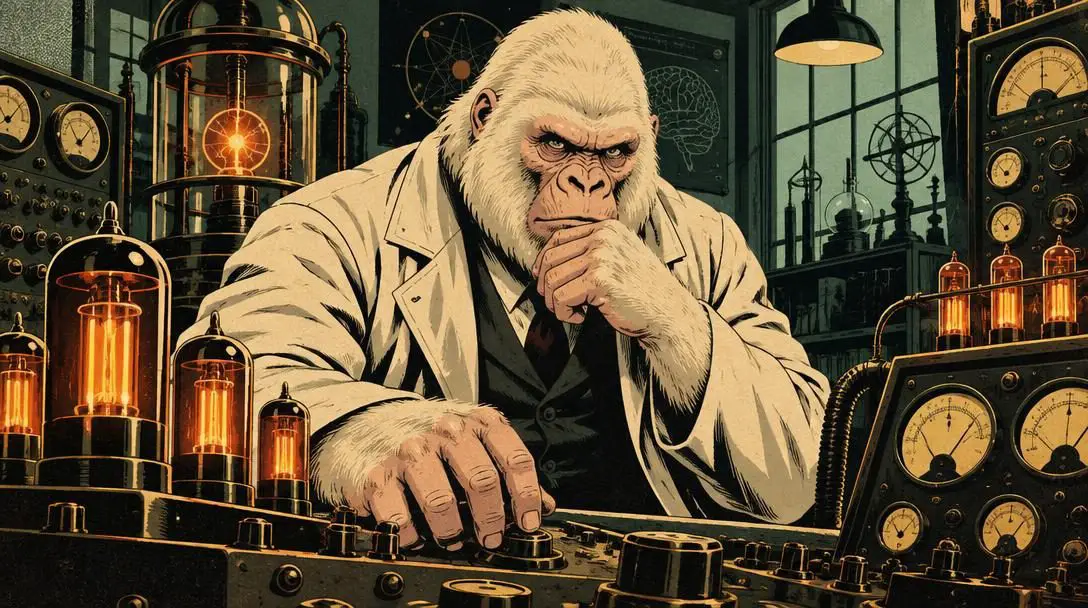
- Debut issue: Action Comics #13
- Debut date: June 1939
- Creators: Jerry Siegel and Joe Shuster
- Historical significance: First recognized supervillain in comic book history
Introduced as a scheming mastermind in the form of a white gorilla, the Ultra-Humanite was originally conceived to serve as Superman's primary foil. Though his role as the premier nemesis was soon eclipsed by human rivals, his debut established the template for serialized villains who commanded superhuman resources and intellect.
Lex Luthor

- First appearance era: Golden Age of Comic Books
- Early alternate persona: Alexei Luthor
- Primary foe: Superman
- Core conflict: Human intellect and narcissism versus ultimate altruistic power
Arriving just a few issues after the Ultra-Humanite, Lex Luthor—originally appearing alongside an alternate counterpart named Alexei Luthor—quickly displaced all early contenders to become Superman's enduring archvillain. Where Superman wielded godlike physical power, Luthor relied on staggering intellect, ruthless corporate ambition, and unyielding vanity, establishing one of fiction's most celebrated thematic contrasts.
The Red Skull
- Debut year: 1941
- Primary publisher: Marvel Comics
- Era: World War II
- Historical role: Marvel's lone breakout villain of the Golden Age
As World War II reshaped global politics, the Red Skull debuted as Captain America's definitive enemy. While DC produced a sprawling pantheon of villains during the 1940s, Red Skull served as Marvel's sole Golden Age antagonist to truly capture reader fascination and maintain long-term relevance across multiple publishing eras.
The Silver Age revolution and Marvel's rogue explosion (1960s)
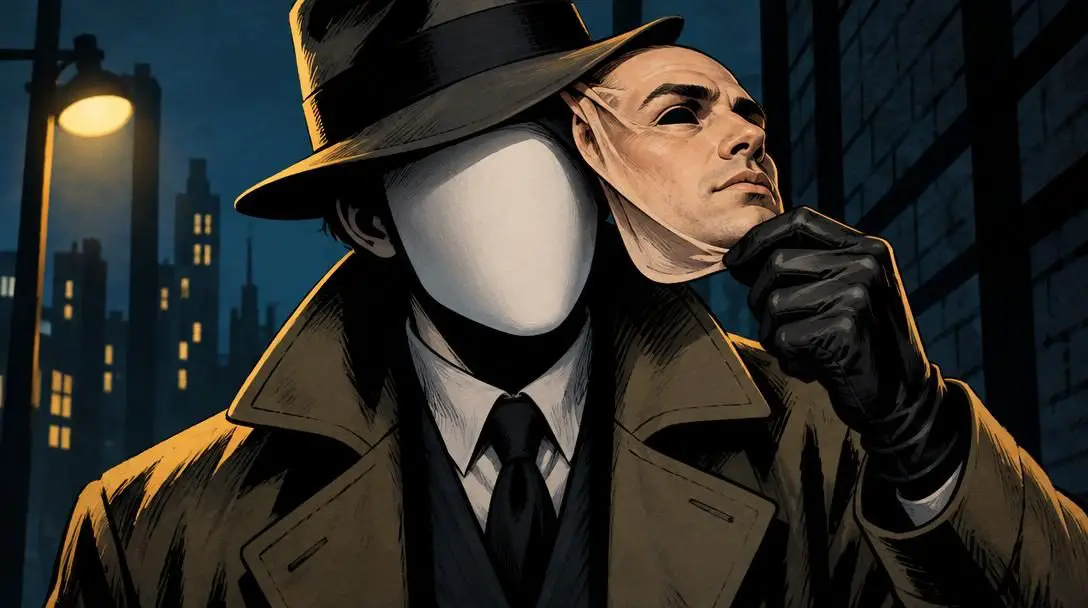
Following a creative lull in the 1950s, the comic industry transformed during the Silver Age of the 1960s. Marvel transitioned from Magazine Management into Marvel Comics and introduced Spider-Man, a development that unleashed one of the greatest rosters of antagonists ever created. In 1963, The Chameleon became the first supervillain to confront Spider-Man. While The Chameleon did not generate overwhelming fanfare initially, he was immediately followed by a breathtaking succession of iconic rogues: The Vulture, Dr. Octopus, Sandman, Lizard, Electro, Mysterio, Green Goblin, and Kraven the Hunter.
These classic adversaries quickly banded together to form the Sinister Six, an alliance that remains a cornerstone of Spider-Man lore. At the same time, Marvel built out the rest of its universe with premier threats such as Dr. Doom, Loki, the Rhino, the Mandarin, and the Scarlet Witch. Alongside the 1940s, the 1960s proved to be the most fertile decade for establishing comic book villainy.
The 1940s and 1960s established a foundational pantheon of supervillains so complete that future generations of writers spent decades working within their shadow.
The Chameleon
- Debut year: 1963
- Primary adversary: Spider-Man
- Distinction: First supervillain introduced in Spider-Man lore
- Legacy: Paved the way for the formation of the Sinister Six
Although The Chameleon did not match the immediate fanfare or sheer popularity of the villains who followed him in subsequent months, his arrival signaled the start of Marvel's revolutionary Silver Age rogue roster. His espionage-focused powers opened the door for more theatrical and monstrous foes to test Peter Parker's dual life.
Doctor Doom
- Debut era: Early 1960s Silver Age
- Primary foes: The Fantastic Four
- Scope: Premier antagonist for the entire Marvel Universe
- Attributes: Master of advanced science and mystical sorcery
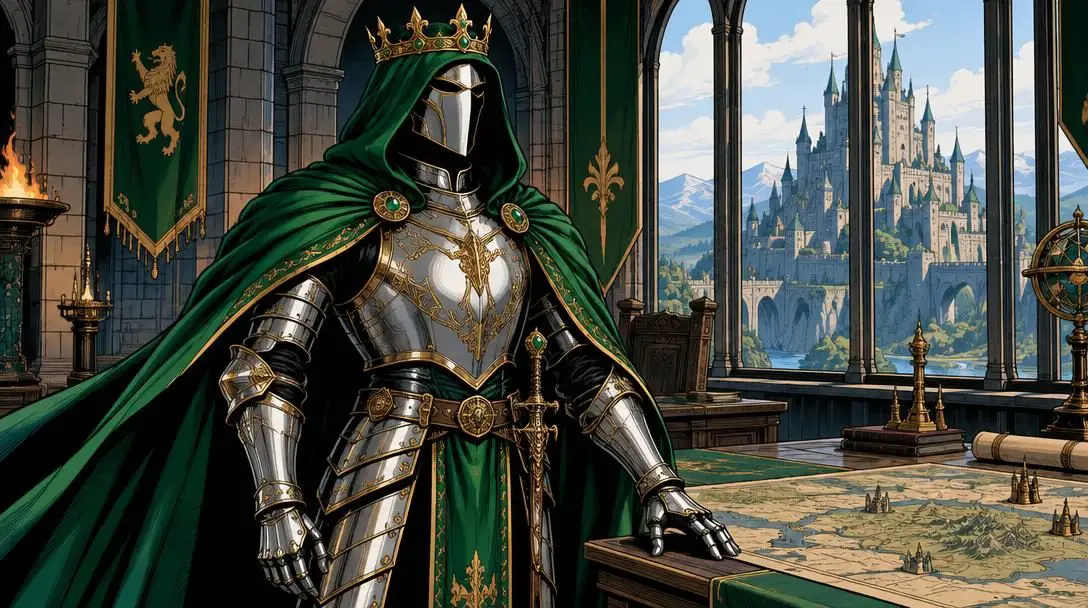
Few characters embody comic book villainy like Doctor Doom. Introduced in the early 1960s, Doom provided the Fantastic Four with an unmatched intellectual and ideological rival, eventually expanding to threaten every major hero in Marvel's catalog through his combination of supreme scientific intellect and iron-willed monarchical rule.
Creative shifts and mixed results (1970s–1980s)
Because the 1940s and 1960s had established so many definitive antagonists, the 1970s and 1980s proved more challenging for creators seeking to leave their mark. Publishers continued introducing new characters, but resonant creations were far harder to come by. For every enduring success like Ra's al Ghul, Thanos, or Sabretooth, publishers introduced obscure or widely ridiculed characters like Egg Fu, the Matador, and Big Wheel.
By the 1980s, DC and Marvel launched fewer new villains overall, concentrating creative energy on refining existing rosters. Nonetheless, the decade produced select winners that became fan favorites, including Batman's monstrous foe Killer Croc, the mysterious Hobgoblin, and Marvel's undisputed villain of the decade, Venom.
Venom
- Debut era: 1980s
- Primary foe: Spider-Man
- Publisher: Marvel Comics
- Status: Ranked as the premier comic villain of the 1980s
Emerging from an alien symbiote storyline, Venom captured the darker, more aggressive tone of late-1980s comics. With powers mirroring Spider-Man's abilities while granting superior brute strength, Venom instantly stood out in an era otherwise characterized by fewer high-impact villain debuts.
The 1990s resurgence and the modern cinematic era
Following two decades of fluctuating creative success, the 1990s marked a major rebound for new comic book antagonists. Writers embraced high-stakes, physically imposing villains capable of breaking heroes physically and psychologically. The decade opened with powerful new threats including Bane, Doomsday, Carnage, and the wildly popular Deadpool. It also saw the comic book introduction of Harley Quinn, who made the rare leap into print continuity after seven years as a television-exclusive character.
In the twenty-first century, superhero films began adapting classic comic storylines at unprecedented speed. Because decades of vintage comic rogues were rapidly utilized across film franchises, Marvel and DC turned to modern print creations. Modern antagonists now experience a drastically compressed timeline from page to screen, exemplified by contemporary powerhouses like Gorr the God Butcher.
Gorr the God Butcher
- Comic debut: 2013
- Cinematic debut: 2022 (Thor: Love and Thunder)
- Primary foe: Thor
- Adaptation timeframe: Adapted to live-action feature film in under a decade
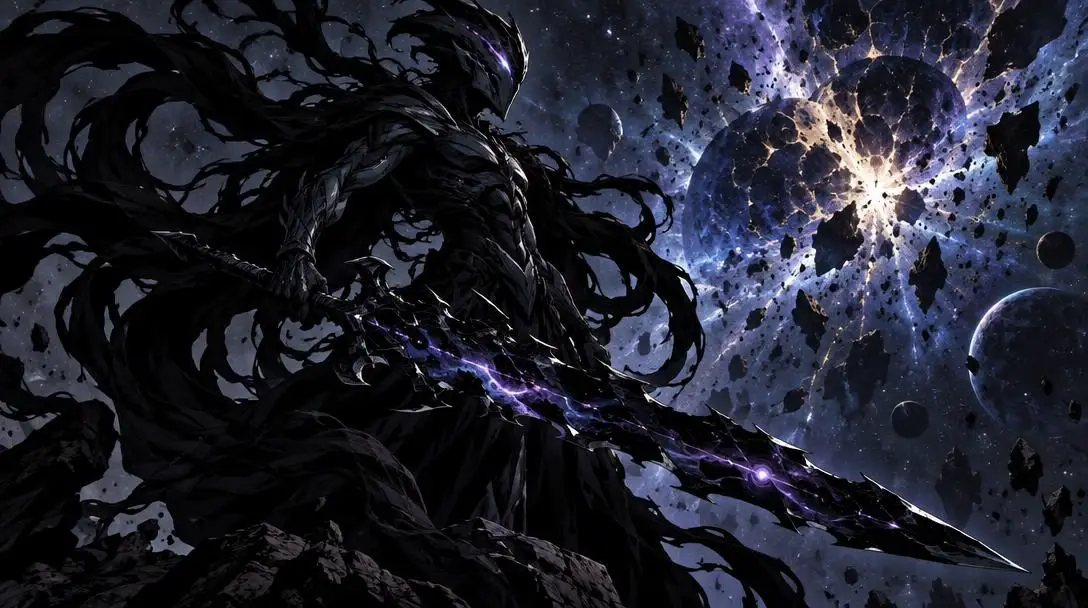
Created in 2013, Gorr the God Butcher demonstrated the rapid lifecycle of contemporary comic book villains. Driven by a deicide crusade against neglectful gods, Gorr transitioned from a fresh comic antagonist into the primary villain of a major Hollywood feature film in less than ten years.
Historical villain eras at a glance
Comparing the historical eras of comic book villains illustrates how industry developments, character archetypes, and longevity evolved over time.
| Era | Standout Antagonists | Signature Strengths | Common Pitfalls |
|---|---|---|---|
| Golden Age (1930s–1940s) | Ultra-Humanite, Lex Luthor, The Joker, Red Skull | Created archetypal rogues; laid foundational narrative themes | Many early villains faded rapidly or suffered from thin characterization |
| Silver Age (1960s) | Doctor Doom, Sinister Six, Loki, Green Goblin | Explosive creativity; dynamic villain alliances like Sinister Six | Roster saturation made it difficult for later decades to compete |
| Bronze & Late 20th Cent. (1970s–1980s) | Thanos, Ra's al Ghul, Sabretooth, Venom | Complex moral codes; darker, psychological depth | Experimental misfires that failed to stick, such as Big Wheel and Egg Fu |
| Modern Era (1990s–Present) | Bane, Doomsday, Carnage, Gorr the God Butcher | High physical stakes; rapid adoption into multimedia and cinema | Fewer enduring villain debuts overall as classic rogues dominate stories |
Core mechanics of comic book villain storytelling
A memorable supervillain functions as more than an obstacle; they serve essential structural duties within serialized graphic fiction. Writers rely on four core storytelling mechanics to build compelling antagonists:
- Thematic Opposition: Effective villains challenge the hero's foundational beliefs. Doctor Doom tests the scientific ethics and familial bond of the Fantastic Four, while Lex Luthor's selfish human ambition directly counters Superman's selfless benevolence.
- Escalating Narrative Stakes: Superheroes rarely initiate major plot developments; they respond to crises initiated by villains. Antagonists disrupt daily life through elaborate schemes, driving dramatic tension.
- Rogue Alliances: When solitary threats become routine, publishers assemble collaborative groups such as the Sinister Six to amplify the hero's vulnerability and expand universe continuity.
- Serial Rejuvenation: Because comics publish continuously without predetermined endings, a villain must possess enough narrative elasticity to survive repeated defeats and return across generations of creative teams.
How to read through supervillain history
Navigating more than eight decades of villain evolution can prove challenging. Readers interested in tracing this development firsthand can follow a structured historical reading plan:
- Start with Foundational Golden Age Debuts: Read Action Comics #13 to see the Ultra-Humanite's historic debut, followed by early issues introducing Alexei and Lex Luthor, alongside Batman's initial encounters with Hugo Strange and the Joker.
- Explore the 1960s Marvel Resurgence: Follow the early run of Spider-Man starting from the 1963 debut of The Chameleon through the rapid arrivals of Doctor Octopus, Green Goblin, and the formation of the Sinister Six, coupled with Doctor Doom's earliest clashes with the Fantastic Four.
- Compare Bronze Age Hits and Misses: Contrast lasting creations like Thanos, Ra's al Ghul, and Sabretooth against idiosyncratic missteps like Egg Fu and Big Wheel, concluding the era with the rise of Hobgoblin and the debut of Venom.
- Examine 1990s Blockbusters and Modern Trends: Dive into the high-octane 1990s introductions of Bane, Doomsday, and Carnage, observe Harley Quinn's migration from screen to page, and finish with modern cinematic catalysts like Gorr the God Butcher.
Common misconceptions when analyzing comic villains
Readers and critics frequently misunderstand how comic villains developed over time. Watching out for these common analytical pitfalls helps clarify historical context:
- Assuming every archvillain debuted in issue #1: Iconic champions rarely met their defining foes in their opening story. Superman spent twelve issues fighting minor threats before encountering the Ultra-Humanite and Lex Luthor.
- Equating longevity with immediate popularity: The Chameleon was Spider-Man's very first villain in 1963, yet he enjoyed significantly less fanfare than Doctor Octopus or the Green Goblin who debuted shortly after.
- Overlooking failed creative experiments: History celebrates Thanos and Sabretooth while ignoring bizarre missteps like Egg Fu, the Matador, or Big Wheel, which skewed the perception of publisher consistency in the 1970s.
- Ignoring medium transitions: Not all iconic comic villains were born on the page. Harley Quinn spent seven years strictly as an animated television character before formally integrating into monthly comic continuity.
Frequently asked questions
Who was the very first supervillain in comic book history?
The Ultra-Humanite is recognized as the first comic book supervillain, debuting in Action Comics #13 in June 1939. Created by Jerry Siegel and Joe Shuster, the character battled Superman as a brilliant scientific mastermind in the form of a white gorilla.
Which decade produced the most enduring comic book villains?
The 1940s and the 1960s are widely considered the two greatest decades for villain debuts. The 1940s established foundational DC icons like the Joker, Lex Luthor, and Catwoman, while the 1960s delivered Marvel classics including Doctor Doom, Green Goblin, and the Sinister Six.
Did Marvel or DC create more villains during World War II?
DC Comics introduced a far larger roster of lasting villains during the World War II era, including Scarecrow, Two-Face, Solomon Grundy, and Black Adam. Marvel, then operating under Magazine Management, primarily relied on the Red Skull as their singular breakout villain of the period.
How did Harley Quinn become a comic book villain?
Harley Quinn did not originate in comic books. She spent seven years as an animated television character before DC Comics officially integrated her into the main print continuity during the late 1990s due to overwhelming fan popularity.
Why did modern comic villains transition to movies so quickly?
Because early superhero films rapidly consumed decades of classic Golden and Silver Age villains, studios and publishers began turning to contemporary source material. Characters like Gorr the God Butcher transitioned from comic print to major live-action cinema in under ten years.
The bottom line
The history of comic book supervillains reveals that creating an enduring antagonist is just as difficult—and just as crucial—as conceiving a legendary hero. While the Golden and Silver Ages laid an unshakeable foundation that still dominates modern entertainment, villains have continuously evolved to reflect changing cultural anxieties, storytelling trends, and multimedia demands. Whether challenging a hero's physical might or subverting their deepest principles, supervillains remain the indispensable engine that drives superhero fiction forward.