5 Most Memorable Games in Cubs History
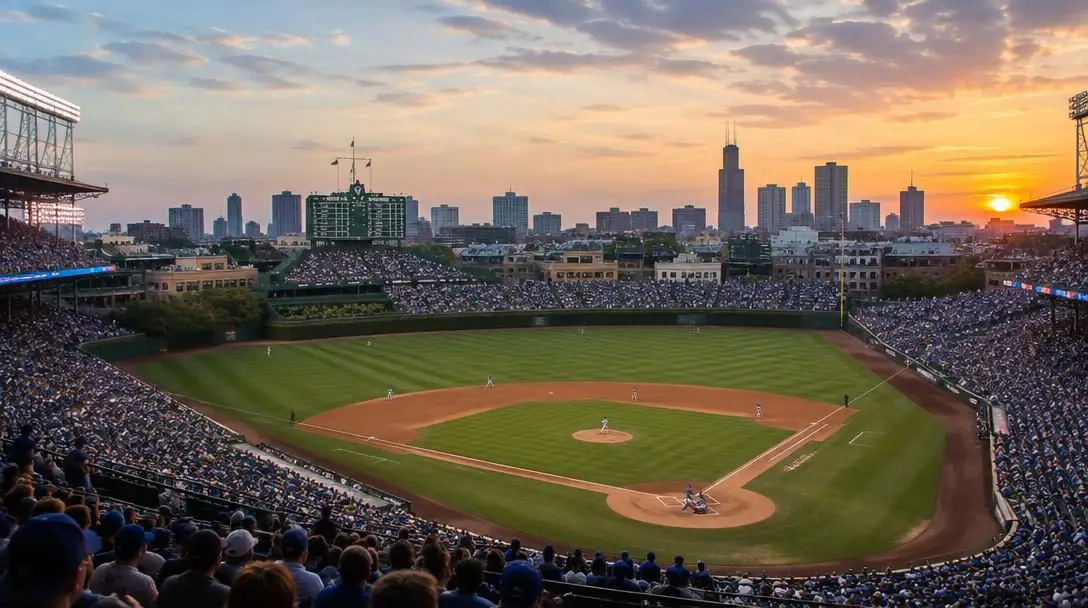
The Chicago Cubs stand as one of the oldest and most storied franchises in Major League Baseball history. Established in the nineteenth century, the ballclub has contested thousands upon thousands of regular-season and postseason matchups across shifting eras of the sport. Because generations of fans endured a legendary 108-year championship drought between 1908 and 2016, singular achievements, regular-season masterpieces, structural milestones, and postseason collapses carry immense emotional weight in the city of Chicago and across the baseball world.
Every era of Cubs baseball has contributed unforgettable afternoons and evenings to the sport's collective memory. From dramatic pitching duels on chilly spring afternoons at Wrigley Field to high-wire extra-inning games that decided world titles, certain contests transcend everyday box scores. Understanding these marquee moments reveals how a franchise defined for decades by patience and heartbreak finally carved its place among the greatest triumphs in sports history.
Key takeaways
- The Chicago Cubs' historic 108-year World Series drought ended with an extra-inning, rain-delayed victory in Game 7 of the 2016 World Series.
- Single-game regular-season milestones, such as Kerry Wood's 20-strikeout game in 1998 and Ryne Sandberg's two game-tying homers in 1984, rank alongside postseason clashes in franchise lore.
- Wrigley Field's first night game in August 1988 marked a fundamental turning point in the ballpark's identity and traditions.
- Heartbreak remains central to the narrative, epitomized by the sudden eighth-inning unraveling during Game 6 of the 2003 NLCS.
At a glance: Five historic Cubs games
While the franchise has produced countless memorable matchups across three different centuries, five games stand out above all others for their dramatic stakes, historical setting, and individual dominance.
| Game | Opponent | Key Setting | Primary Significance |
|---|---|---|---|
| 2016 World Series – Game 7 | Cleveland Indians | Progressive Field | Snaps the 108-year championship drought in extra innings |
| 2003 NLCS – Game 6 | Florida Marlins | Wrigley Field | Eighth-inning collapse halts pennant pursuit |
| The Ryne Sandberg Game (1984) | St. Louis Cardinals | Wrigley Field | Iconic 12-11 comeback featuring two game-tying home runs |
| First Game Under the Lights (1988) | New York Mets | Wrigley Field | Ballpark debuts lights after decades of daytime-only tradition |
| Kerry Wood's 20 Strikeout Game (1998) | Houston Astros | Wrigley Field | Rookie right-hander ties the single-game MLB strikeout record |
The 5 most memorable games in Cubs history
Each of the following five games captures a unique emotional register, from absolute ecstasy to numbing disbelief, forever etching them into the foundation of baseball history.
2016 World Series – Game 7
- Opponent: Cleveland Indians
- Setting: Progressive Field, Cleveland
- Deciding frame: 10th inning (after a rain delay)
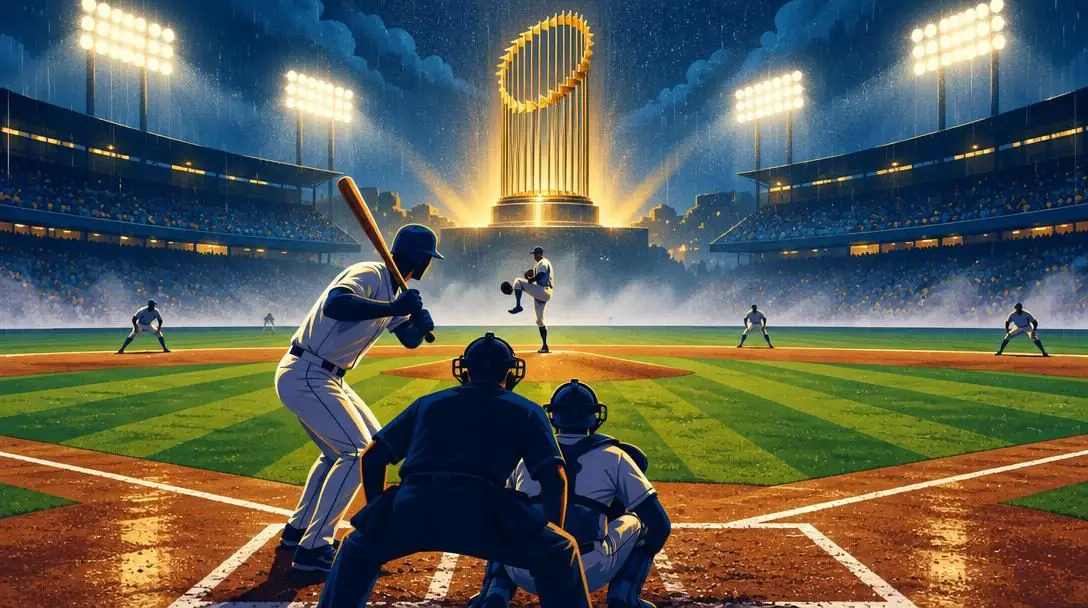
If you ask any Cubs fan where they were during the final contest of the 2016 World Series, they can recount the evening with absolute clarity. The Cubs had clawed back from a daunting 3-1 series deficit against the Cleveland Indians, winning a tense 3-2 game five and rolling to a commanding victory in game six to force the ultimate winner-take-all confrontation. The club's 108-year title drought rested entirely on nine innings—or more—of baseball.
The game opened with an instant jolt when Dexter Fowler belted a leadoff home run, establishing an immediate lead for Chicago. By the bottom of the fifth inning, the Cubs had built a comfortable 5-1 advantage and maintained a 6-3 lead heading into the late frames. However, Cleveland mounted a fierce comeback in the bottom of the eighth inning, tying the score at 6-6 and sending shockwaves of tension through the crowd. When nine innings ended without a victor, a sudden rain delay stalled the start of the 10th inning, giving both clubs a brief window to collect their composure. Once play resumed, the Cubs rallied to plate two runs in the top of the frame, held Cleveland to one run in the bottom half, and secured an 8-7 victory to claim their first World Series crown since 1908.
2003 NLCS – Game 6
- Opponent: Florida Marlins
- Key inning: Top of the 8th inning
- Final score: 8-3 Florida Marlins
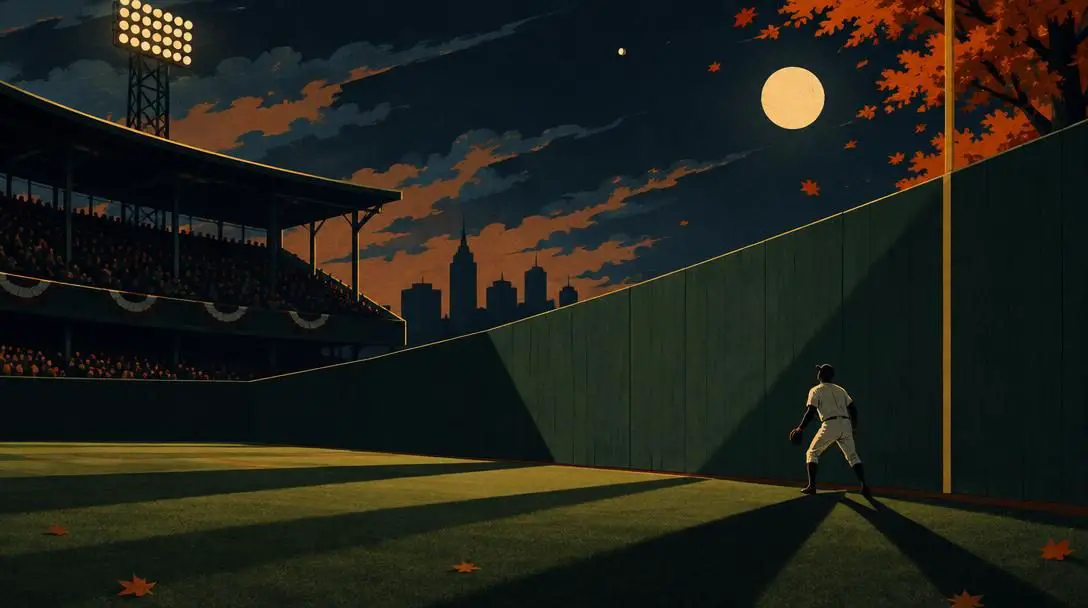
More than a decade before the drought finally dissolved, Chicago found itself on the brink of reaching its first World Series since 1945. Holding a 3-1 series lead over the Florida Marlins in the 2003 National League Championship Series, the Cubs dropped Game 5 in a 4-0 shutout, bringing the series back to Wrigley Field for Game 6. Entering the eighth inning, the Cubs held a commanding 3-0 lead behind ace starter Mark Prior, sitting just five outs away from the National League pennant.
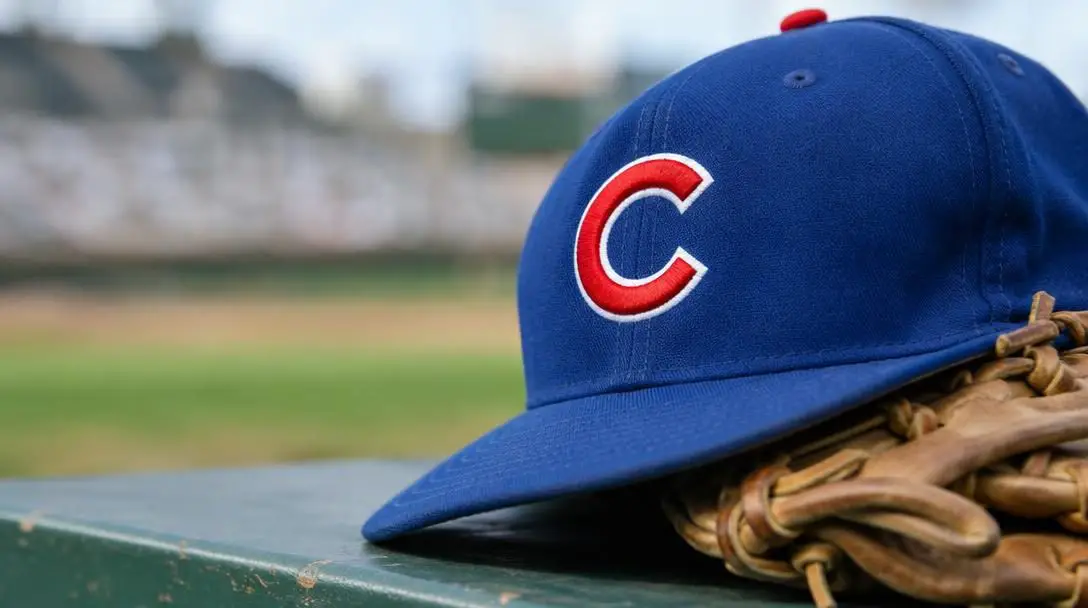
Then, the game unraveled in historic fashion. A foul ball hit toward the left-field stands was deflected away from outfielder Moisés Alou during the infamous Steve Bartman incident, disrupting Chicago's defensive rhythm. A subsequent bobbled ground ball and a barrage of hits completely overwhelmed the team. Mark Prior, Kyle Farnsworth, and Mike Remlinger struggled on the mound to close out the frame, surrendering eight runs before the third out was recorded. The Marlins closed out an 8-3 victory, went on to take Game 7, and left Wrigley Field in stunned disbelief, making Game 6 one of the most painful chapters in Chicago sports history.
The Ryne Sandberg Game
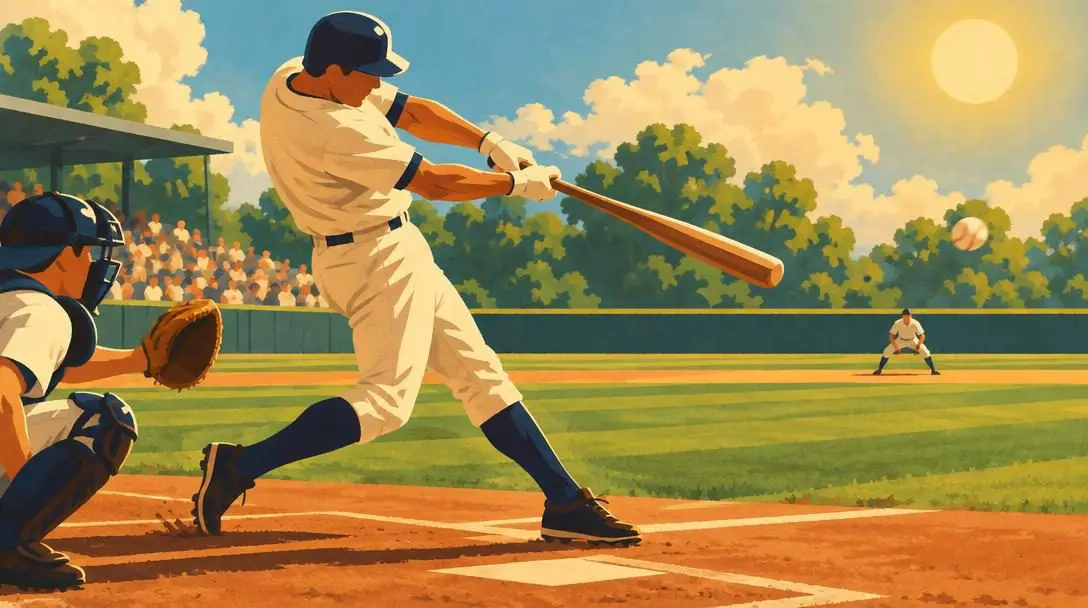
- Date: June 23, 1984
- Opponent: St. Louis Cardinals
- Final score: 12-11 Cubs (11 innings)
- Sandberg's line: 5-for-6, 7 RBIs, 2 home runs
The intense rivalry between the Chicago Cubs and the St. Louis Cardinals represents one of the premier feuds in sports. On June 23, 1984, a routine early-summer Saturday broadcast on national television transformed into a franchise classic thanks to second baseman Ryne Sandberg. The Cardinals jumped out to a dominant 7-1 lead by the end of the fourth inning, but Chicago launched a persistent offensive comeback, eventually leveling the game at 9-9 to push the contest into extra innings.
In the bottom of the ninth and bottom of the tenth innings, Sandberg faced Cardinals relief ace Bruce Sutter, blasting two separate game-tying home runs to keep Chicago alive. Both clubs scored two runs in the 10th frame, setting up an 11th inning where the Cubs walked off with a wild 12-11 victory. Sandberg finished the day going 5-for-6 at the plate with seven runs batted in, an extraordinary performance that catalyzed Chicago's run to the 1984 division title and firmly established his legacy as a franchise icon.
Generations of patience and heartbreak transformed regular-season masterpieces and postseason collapses into monumental cultural moments.
First Game Under the Lights
- Date commenced: August 8, 1988
- First official completion: August 9, 1988
- Opponent: New York Mets
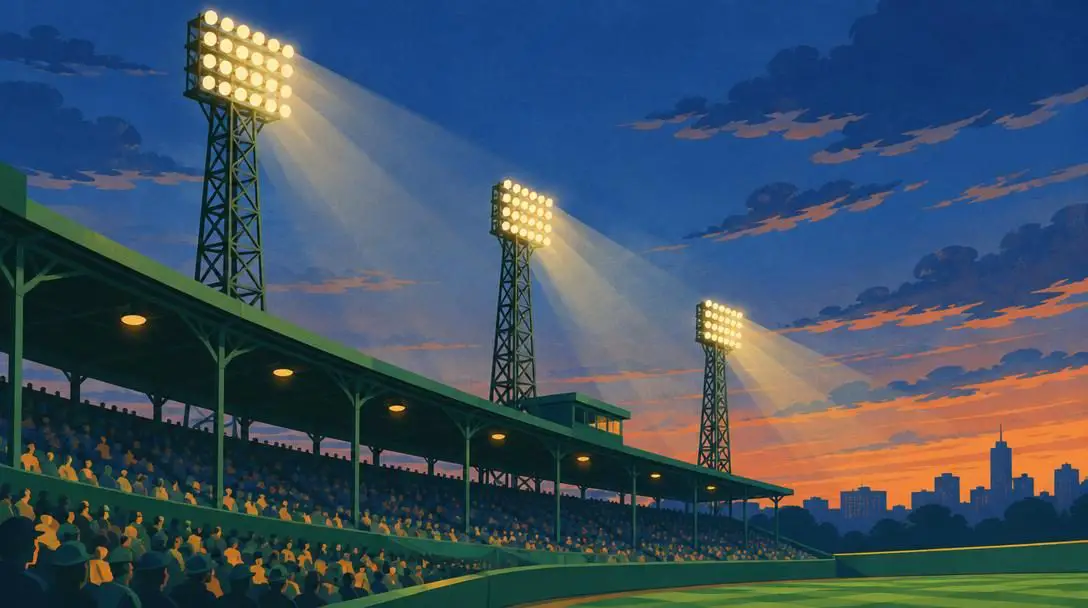
For more than seven decades, Wrigley Field was baseball's undisputed sanctuary of daytime competition. Even as other major league venues adopted floodlights beginning in the 1930s, the Cubs resisted modernization, playing exclusively under natural sunlight. That changed on August 8, 1988, when the lights were illuminated for the very first time as Chicago hosted the New York Mets. The event drew massive national media attention, accompanied by local neighborhood debates between preservationists and proponents of modernization.
The historic debut was cut short by nature. Torrential rain rolled in, forcing the August 8 contest to be officially postponed before five innings could be completed. Despite the rainout, the visual spectacle of the illuminated ballpark against the evening sky marked the dawn of a new era. The following night, on August 9, 1988, the clubs returned to the field to complete the ballpark's first official night game, with the Cubs securing a 6-4 victory over the Mets.
Kerry Wood’s 20 Strikeout Game
- Date: May 6, 1998
- Opponent: Houston Astros
- Final line: 9 innings, 1 hit, 0 walks, 20 strikeouts
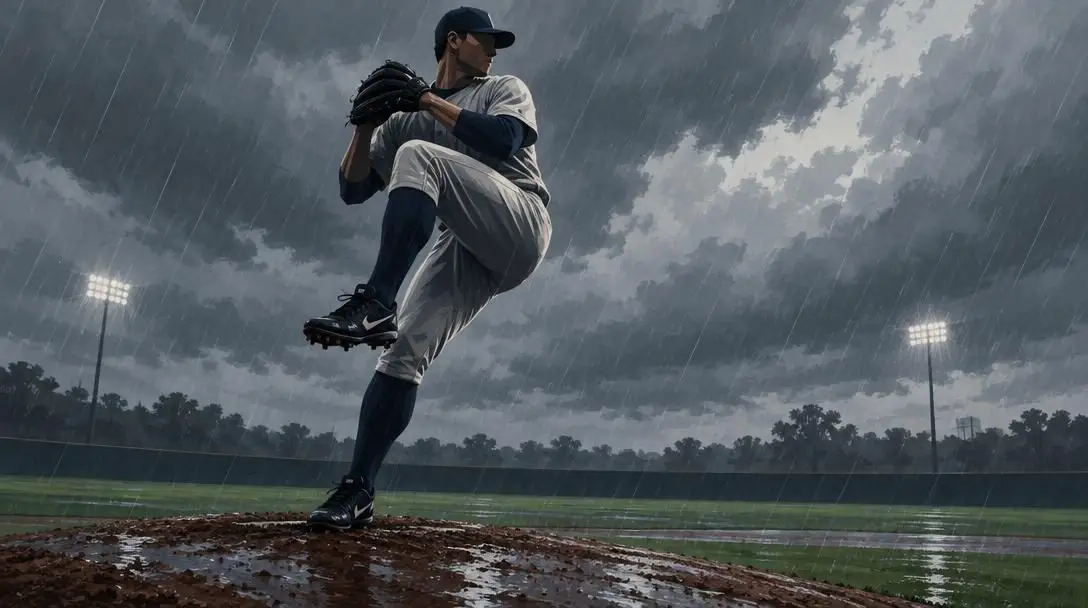
Early in the 1998 campaign, rookie right-hander Kerry Wood took the mound at Wrigley Field on an uninviting, damp, and chilly afternoon. Only a sparse crowd was present to watch Wood make just his fifth career major league start, facing a potent Houston Astros lineup that ranked among the most feared offenses in the National League. What unfolded over the next two hours was arguably the most dominant individual pitching performance in baseball history.
Relying on a devastating fastball and a sharp-breaking slider, Wood overpowered the Astros lineup from the opening frame. He struck out 20 batters across nine shutout innings, matching the major league record for strikeouts in a nine-inning game. Wood surrendered only one base runner on a disputed infield single that many observers argued could have been scored an error. Without that contested ruling, Wood would have authored a perfect game, but his 20-strikeout, zero-walk gem remains an unmatched masterclass in raw pitching dominance.
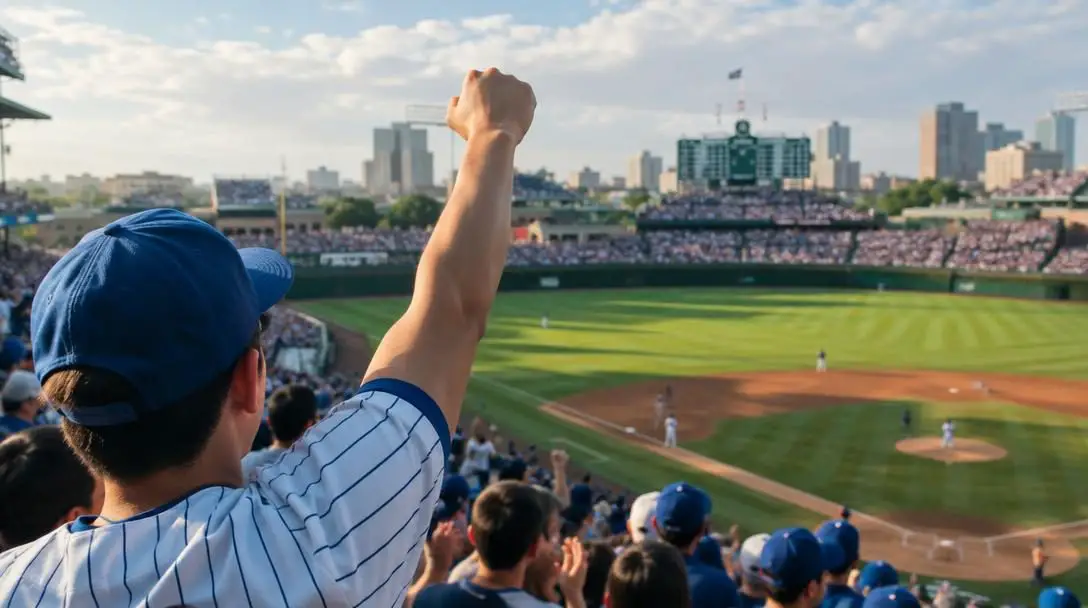
The anatomy of baseball immortality: What makes a game unforgettable?
Thousands of baseball games are played every summer, yet only a tiny fraction endure across generations. Analyzing why specific contests linger in the collective memory reveals four key ingredients that elevate a matchup into sports folklore:
- High narrative stakes: Postseason games naturally possess elevated drama. In Game 7 of the 2016 World Series, more than a century of unfulfilled hopes hung on every pitch, magnifying every play into life-or-death sports drama.
- Cultural symbolism: Some contests matter because they represent a fundamental evolution in baseball culture. Wrigley Field switching on lighting towers in 1988 altered baseball's physical traditions and bridged the sport's vintage past with contemporary scheduling.
- Statistical extremes: An unprecedented individual feat immediately immortalizes an otherwise ordinary regular-season afternoon. Kerry Wood tying the all-time single-game strikeout record against a formidable Astros lineup cemented that game's legendary status.
- Emotional extremes: The matchups fans recall most vividly are those that elicited profound emotional reactions, whether the sheer euphoria of surviving the 10th inning in 2016 or the traumatic disbelief of the eighth inning in the 2003 NLCS.
How to research and revisit classic Cubs games
Baseball boasts the most comprehensive historical record of any major sport. If you want to dive deeper into these classic Chicago Cubs games, follow these practical steps to uncover archival materials:
- Consult official box scores: Start by reviewing the official box score on baseball statistical archives. Trace the pitch counts, line scores, defensive substitutions, and relief pitching sequences that shaped pivotal turning points.
- Examine contemporary newspaper coverage: Search digitized Chicago newspaper archives from the days following the event. Morning-after reporting captures the immediate cultural reaction and locker room atmosphere that box scores cannot convey.
- Seek out preserved radio and television broadcasts: Listen to or watch original broadcasts whenever available. The crowd noise, ambient weather, and commentary from broadcasters provide authentic sensory detail of historic moments.
- Contextualize the game within the broader season: Map how a single contest influenced the team's trajectory. Observe how the 1984 Sandberg game ignited a division championship run or how the 2003 collapse catalyzed organizational shifts that eventually culminated in the 2016 title.
Common mistakes when assessing Cubs lore
When discussing historic Cubs games, sports enthusiasts frequently fall into misconceptions that distort the actual record of events:
- Blaming a single individual for the 2003 collapse: Observers frequently pin the Game 6 defeat entirely on the foul-ball incident in the eighth inning. In reality, the Cubs' pitching staff walked batters, surrendered eight runs, and committed defensive miscues that allowed Florida to mount their massive comeback.
- Confusing the 1988 night games: Fans often assume the widely broadcast evening of August 8, 1988, resulted in an official Cubs win. Heavy rain washed out the contest before it reached five innings, meaning the first official night game occurred the next night on August 9.
- Underestimating Kerry Wood's opposition: Modern viewers sometimes assume Wood achieved his 20 strikeouts against an inferior expansion lineup. In fact, the 1998 Astros featured an elite offense that went on to win 102 games that season.
- Viewing the 2016 Game 7 as an easy win: Because Chicago took early leads of 5-1 and 6-3, casual viewers often forget that Cleveland tied the game in the eighth inning, pushing the Cubs within three outs of a heartbreaking defeat before the rain delay.
Broader horizons: Exploring Chicago's baseball heritage
Examining these landmark games opens the door to deeper topics across Major League Baseball history. Exploring how the architecture of Wrigley Field adapted over time—balancing the preservation of its iconic ivy-covered brick walls with modern video scoreboards—illustrates the delicate balance between tradition and commercial evolution.
Furthermore, studying the inter-era evolution of pitching provides helpful perspective on Wood's 20-strikeout game, as modern bullpen usage makes complete-game, high-strikeout performances increasingly rare. Finally, tracing the psychology behind sustained title droughts offers valuable insight into how sports fandom builds resilient community bonds across generations of heartbreak before ultimate victory.
Frequently asked questions
When was the first official night game completed at Wrigley Field?
The first official completed night game at Wrigley Field took place on August 9, 1988, when the Cubs defeated the New York Mets 6-4. While lights were first switched on the previous evening, August 8, torrential rain caused that contest to be postponed before five innings were played.
Who holds the MLB single-game strikeout record tied by Kerry Wood?
Kerry Wood struck out 20 batters on May 6, 1998, against the Houston Astros, tying the Major League Baseball record for strikeouts in a nine-inning game.
What made the 1984 Ryne Sandberg game so famous?
On June 23, 1984, Ryne Sandberg went 5-for-6 with seven RBIs against the rival St. Louis Cardinals, hitting two separate game-tying home runs in the late innings off star reliever Bruce Sutter to lead the Cubs to a 12-11 walk-off victory in 11 innings.
Why did play stop during the 10th inning of Game 7 in the 2016 World Series?
A brief 17-minute rain delay pushed back the start of the 10th inning, giving the Cubs time to regroup before scoring two runs to take an 8-6 lead and ultimately win the game 8-7.
How many runs did the Cubs allow in the eighth inning of 2003 NLCS Game 6?
The Cubs surrendered eight runs in the top of the eighth inning against the Florida Marlins, transforming a 3-0 Chicago lead into an 8-3 defeat.
The bottom line
The enduring history of the Chicago Cubs cannot be captured by statistics alone. The franchise's journey is defined by deep emotional valleys and euphoric peaks that spanned more than a century of professional baseball. Whether remembering Ryne Sandberg's heroics against the Cardinals, Kerry Wood's masterclass from the mound, the glow of Wrigley Field's first night game, or the hard-fought triumph of the 2016 World Series, these games represent the very best of baseball lore—moments where athletic excellence, drama, and resilience intersected on the diamond.