5 Most Shocking Trades in Sports History
For dedicated sports supporters who invest their emotional energy, personal time, and hard-earned resources into backing an organization, a marquee athlete represents far more than an employee on a payroll. Superstars serve as the living identity of an entire franchise and the cultural anchor of a city, making it almost unthinkable to picture them suiting up in competing colors. Yet professional sports operate first and foremost as high-stakes businesses where front offices must weigh financial sheets, contract cycles, and roster longevity against fan sentiment.
When the commercial reality of competitive sports collides with emotional fan attachments, even generational icons find themselves changing addresses. Across the major global and North American sports leagues, blockbuster trades and shocking departures have periodically altered competitive landscapes overnight. Examining these seismic transactions reveals how front-office calculations, athlete career priorities, and financial mechanics converge to produce moves that once seemed impossible.
Key takeaways
- Franchise cornerstones can be traded or transferred whenever contractual priorities, organizational succession plans, or personal desires diverge from team leadership.
- High-profile megadeals frequently involve sweeping packages of veteran starters, young prospects, draft picks, and substantial sums of cash to balance value.
- Acquiring teams face significant hazards, including athlete wear and tear, locker room chemistry adjustments, and the burden of multi-year financial commitments.
- Superstar relocations often transform the cultural and commercial visibility of an entire market, regardless of short-term championship outcomes.
Five landmark moves that altered sports history
Throughout professional athletic history, a handful of transactions stand apart for their sheer magnitude and the disbelief they caused among fans. These five moves redefined franchises, ignited new eras for their respective leagues, and proved that no superstar is untouchable.
Wilt Chamberlain
- Position and size: 7-foot-1 center
- Key milestones: Rookie MVP winner; averaged over 50 points and 25 rebounds in a single season
- Trade path: San Francisco Warriors to the Philadelphia 76ers (1964–65 season)
- Tenure following move: Three and a half seasons in Philadelphia
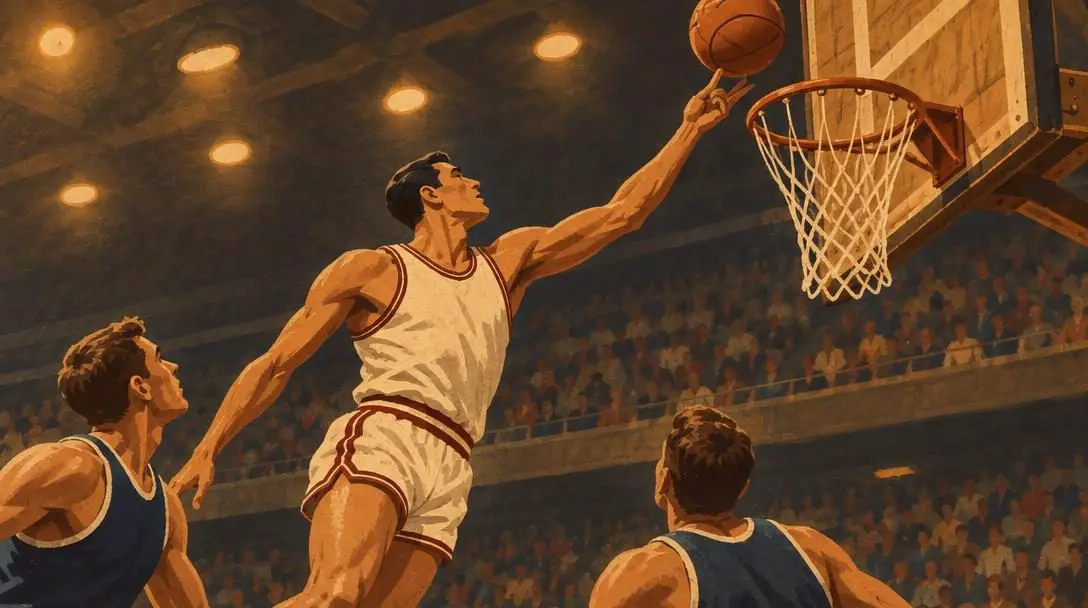
Standing 7-foot-1, Wilt Chamberlain established himself as an unprecedented physical force and the premier basketball talent of his generation while playing for the Philadelphia and San Francisco Warriors. Chamberlain put up statistical lines that remain untouchable in modern records, including single-season outputs where he averaged more than 50 points and 25 rebounds per contest. He captured the league's Most Valuable Player award in his rookie campaign and was pouring in nearly 40 points per game during the 1964–65 season.
Despite his singular dominance, the community in San Francisco never forged the deep personal bond with Chamberlain that had flourished during his early career in Philadelphia. Capitalizing on that disconnect, the franchise orchestrated a stunning mid-season trade sending Chamberlain back home to join the Philadelphia 76ers, an organization that had recently relocated to Pennsylvania from Syracuse, New York. Chamberlain spent three and a half seasons with the 76ers, maintaining his stature as the league's preeminent force while energizing his familiar home market.
Ken Griffey Jr.
- MLB debut: 1989 with the Seattle Mariners
- Trade destination: Cincinnati Reds
- Return package: Mike Cameron, Brett Tomko, and two minor league players
- Contract signed: Nine-year extension
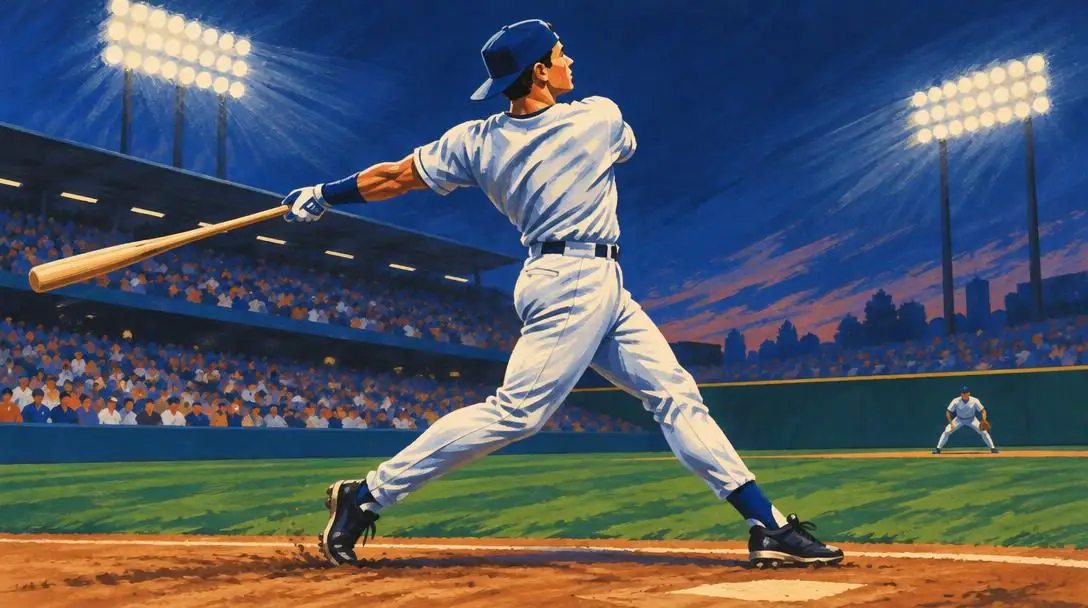
Known affectionately across the sporting landscape as "The Kid," Ken Griffey Jr. burst into Major League Baseball with the Seattle Mariners in 1989 and spent the next decade reigning as the vibrant, backward-cap-wearing face of the sport. His effortless swing, elite outfield defense, and charismatic personality made him the centerpiece of Seattle's baseball renaissance throughout the 1990s. Yet as the decade drew to a close, Griffey expressed a strong personal desire to play closer to his hometown roots in Ohio so he could raise his children surrounded by family.
Honoring his trade request while he remained firmly in the prime of his career, Seattle dealt their beloved icon to the Cincinnati Reds in exchange for outfielder Mike Cameron, pitcher Brett Tomko, and a pair of minor leaguers. Upon his arrival in Cincinnati, Griffey inked a lucrative nine-year contract extension. While his introductory campaign with the Reds proved outstanding, a string of persistent injuries subsequently hindered his durability, leaving him unable to sustain his peak Seattle form throughout the remainder of his long-term deal.
Joe Montana
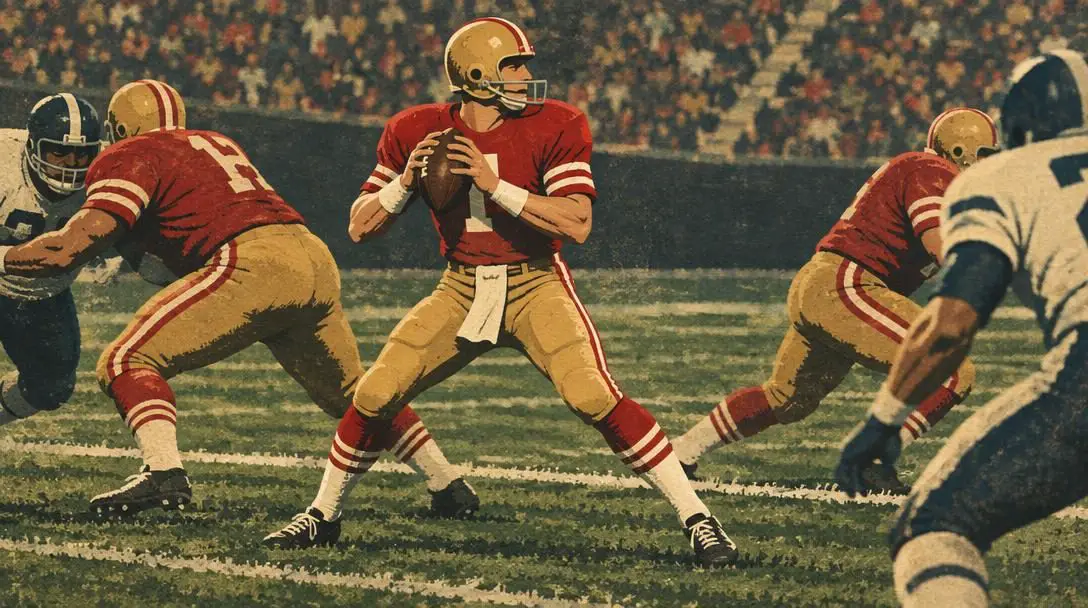
- Draft origin: Third-round selection out of Notre Dame
- San Francisco honors: Four Super Bowl championships and two NFL MVP awards
- Chiefs record: 17-8 record with 5,427 passing yards and a Pro Bowl selection
- Acquisition cost: Traded for a first-round draft pick
Prior to the eras of Tom Brady and Peyton Manning, football historians and fans widely considered Joe Montana to be the greatest quarterback in NFL history. Selected in the third round out of the University of Notre Dame, Montana developed into a calm, surgical pocket passer who guided the San Francisco 49ers to four Super Bowl titles while securing two league Most Valuable Player trophies. However, a severe elbow injury sidelined Montana, opening the door for backup Steve Young to claim the starting role and showcase his own MVP-caliber capabilities.
Confronted with the reality that Young possessed many prime playing years ahead, San Francisco elected to pass the franchise torch and traded Montana to the Kansas City Chiefs following the 1992 season in exchange for a first-round draft selection. Montana agreed to a three-year contract with Kansas City and spent two productive seasons under center before entering retirement. Over those two campaigns, he logged a 17-8 regular-season record, threw for 5,427 passing yards, earned a Pro Bowl nod in his first year, and guided the franchise on memorable playoff runs.

Front offices must balance internal finances, long-term athletic output, roster transitions, and personal desires, meaning no superstar jersey is entirely permanent.
Cristiano Ronaldo

- Individual honors: Multiple Ballon d'Or awards and league championships
- Prior European clubs: Extensive tenures with Manchester United and Real Madrid
- Agreement date: Contract mutually terminated in late November 2022
- New contract: Three-year deal with Al-Nassr valued at $200 million per year
Few figures in association football history can rival the sustained international brilliance achieved by Cristiano Ronaldo. Having collected numerous Ballon d'Or trophies as the world's standout player alongside domestic titles across the continent, Ronaldo had accumulated virtually every major competitive honor outside of a World Cup triumph. Following legendary tenures at Manchester United and Real Madrid, Ronaldo returned to Manchester United for a second stint, but tensions eventually mounted between the veteran forward and club management.
Recognizing an irreconcilable divide, the two parties agreed to a mutual contract termination in late November 2022, allowing Ronaldo to seek opportunities outside European football. Weeks later, in early 2023, Ronaldo completed one of the most astonishing moves in modern sports by joining Saudi Arabian club Al-Nassr. Signing an eye-popping contract worth $200 million per season over three years, Ronaldo's arrival placed an unprecedented global spotlight on the Saudi Pro League and ignited an aggressive influx of international talent into the region.
Wayne Gretzky
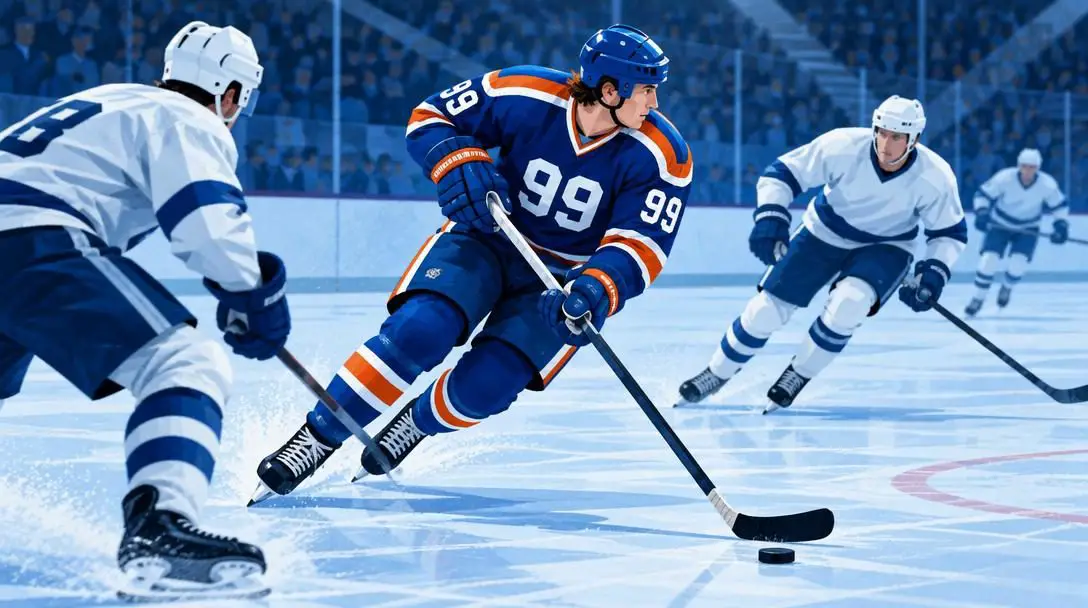
- Nickname: "The Great One"
- Former franchise: Edmonton Oilers (nearly a decade of service)
- Acquiring team: Los Angeles Kings
- Trade compensation: Three first-round picks, $15 million cash, Jimmy Carson, and Martin Gelinas
While arguments over the greatest player of all time dominate other sports, the debate in professional hockey is settled: Wayne Gretzky stands as the consensus pinnacle of the sport. Known simply as "The Great One," Gretzky spent nearly a decade orchestrating a high-scoring dynasty with the Edmonton Oilers, shattering scoring records and claiming multiple Stanley Cup titles. Because of his transcendent standing in Canada, sports enthusiasts assumed Gretzky would spend his entire career wearing an Edmonton sweater.
That assumption evaporated in August 1988 when the Oilers executed an earth-shaking trade sending Gretzky, along with teammates Marty McSorley and Mike Krushelnyski, to the Los Angeles Kings. To acquire the game's greatest icon, Los Angeles surrendered young talents Jimmy Carson and Martin Gelinas, three future first-round draft selections, and an unprecedented $15 million in cash. The transaction not only stunned hockey purists but fundamentally transformed the southern California sports market, driving national television interest and expanding the NHL's footprint across non-traditional hockey regions.
At a glance: comparing history's biggest sports trades
Blockbuster transactions rely on distinct circumstances ranging from financial negotiations to family preferences. The following overview details how these landmark acquisitions unfolded across different eras and sporting leagues.
| Athlete | Sport | Original team | New team | Primary trade assets or contract terms |
|---|---|---|---|---|
| Wilt Chamberlain | Basketball | San Francisco Warriors | Philadelphia 76ers | Mid-season trade following franchise move from Syracuse |
| Ken Griffey Jr. | Baseball | Seattle Mariners | Cincinnati Reds | Mike Cameron, Brett Tomko, 2 minor leaguers; 9-year extension |
| Joe Montana | Football | San Francisco 49ers | Kansas City Chiefs | First-round draft selection; 3-year contract signed |
| Cristiano Ronaldo | Soccer | Manchester United | Al-Nassr | Contract termination; 3-year deal at $200M per year |
| Wayne Gretzky | Hockey | Edmonton Oilers | Los Angeles Kings | Jimmy Carson, Martin Gelinas, 3 first-round picks, $15M cash |
How blockbuster sports transactions actually happen
Executing a trade involving an elite athlete requires far more than casual dialogue between team general managers. Relocating a generational superstar demands an alignment of athlete priorities, long-term asset management, and intricate financial structuring.
Transactions frequently originate with player requests and personal motivations. Elite athletes who have dedicated a decade or more to a specific organization often reach career milestones where personal priorities eclipse team loyalty. Ken Griffey Jr. sought a trade to Cincinnati specifically to raise his children closer to his extended family, while Cristiano Ronaldo sought an amicable exit from Manchester United once his vision no longer matched the club's trajectory.
Simultaneously, organizations must navigate succession planning and roster depth. When an incumbent icon enters the twilight of their career, front offices face immense pressure to evaluate younger options. The San Francisco 49ers recognized that backup Steve Young still had multiple prime years remaining in his athletic window, prompting the decision to deal Joe Montana to Kansas City rather than risk losing young talent or enduring an untenable quarterback controversy.
Finally, clubs must assemble multi-asset exchange packages to justify relinquishing rare athletic talent. Because no single player can easily match the output of an all-time great, acquiring teams must package high-potential youngsters, premium draft equity, and substantial financial considerations. The Los Angeles Kings had to package players like Jimmy Carson and Martin Gelinas alongside three first-round draft picks and $15 million in cash to satisfy Edmonton's front office during the Wayne Gretzky negotiations.
Navigating the aftermath of a blockbuster deal
Once the paperwork is submitted and approved by league offices, organizations on both sides of a megatrade must execute operational plans to capitalize on their decisions while soothing public anxiety.
- Integrate the arriving star into active schemes: The acquiring team must immediately redesign systems around the newcomer's unique strengths, just as Kansas City placed Joe Montana into their starting offense to generate 5,427 passing yards and an immediate Pro Bowl season.
- Extract value from incoming replacement assets: The trading club must integrate their acquired assets to maintain competitive footing, as seen when Seattle relied on Mike Cameron, Brett Tomko, and supplemental prospects to retool their everyday roster after Ken Griffey Jr. departed.
- Re-engage the regional fan base: Organizations must actively manage public sentiment through targeted marketing campaigns, addressing disconnected local crowds like San Francisco experienced with Wilt Chamberlain or capitalizing on massive commercial buzz as Los Angeles enjoyed with Wayne Gretzky.
- Monitor athletic durability and workload management: Acquiring front offices must implement rigorous training protocols to protect aging stars signed to long-term commitments, avoiding the severe injury decline that hampered Ken Griffey Jr. following his introductory season in Cincinnati.
Costly miscalculations in franchise megadeals
Because the stakes of superstar transactions are astronomically high, misjudging variables can cripple a sports franchise for years. Front offices frequently fall into predictable operational traps when pursuing or executing historic trades.
- Overlooking physical mileage: Franchises often focus on past accolades and assume durability will persist indefinitely. Committing to lengthy contracts can backfire quickly if cumulative wear and tear leads to recurring soft-tissue injuries or structural joint breakdowns.
- Discounting local cultural compatibility: Superstars struggle to reach peak effectiveness when organizational or market chemistry is flawed. Wilt Chamberlain's tenure with the Warriors in San Francisco suffered because the local fan base never fully embraced him the way Philadelphia supporters did.
- Depleting long-term organizational depth: Surrendering extensive draft capital alongside promising prospects leaves an organization with minimal fallback options if the acquired superstar underperforms or suffers an early injury.
- Mishandling generational succession timelines: Forcing out a revered champion prematurely can alienate a dedicated community if the chosen successor fails to maintain championship standards under intense scrutiny.
Framework for evaluating long-term trade legacies
Assessing the true outcome of a blockbuster deal requires looking beyond the immediate win-loss record of the following season. Analysts and fans should assess trades through a comprehensive multi-layered framework.
First, analyze whether the transaction expanded the cultural footprint of the sport or market. Wayne Gretzky's move to Los Angeles paid monumental dividends not merely through goal totals, but by popularizing hockey across warm-weather markets in the United States. In identical fashion, Cristiano Ronaldo's signing with Al-Nassr fundamentally shifted international attention toward the Middle East, unlocking massive commercial opportunities for the Saudi Pro League.
Second, observe the sustainability of the departing franchise. When the 49ers parted ways with Joe Montana, Steve Young validated the front office's strategic foresight by maintaining championship contention for years to come. Conversely, trading an elite player without securing reliable building blocks can trap a team in extended rebuilding cycles.
Ultimately, historical trades remind enthusiasts that professional sports remain an unyielding business. While supporters cherish personal loyalties, team executives must weigh salary caps, roster depth, and aging curves against emotional connections.
Frequently asked questions
Why did the Edmonton Oilers trade Wayne Gretzky?
The Oilers traded Wayne Gretzky to the Los Angeles Kings in a massive multi-asset deal that netted Edmonton three first-round draft picks, $15 million in cash, and players Jimmy Carson and Martin Gelinas, alongside sending Marty McSorley and Mike Krushelnyski to Los Angeles.
How did Joe Montana perform after leaving the 49ers?
Montana performed admirably for the Kansas City Chiefs across two seasons, leading the team to a 17-8 record, throwing for 5,427 yards, and earning a Pro Bowl selection in his first year with the club before announcing his retirement.
What assets did Seattle receive when trading Ken Griffey Jr.?
When the Mariners traded Ken Griffey Jr. to the Cincinnati Reds, they acquired everyday center fielder Mike Cameron, pitcher Brett Tomko, and two minor league players in exchange for the superstar outfielder.
Why was Wilt Chamberlain traded mid-season from San Francisco to Philadelphia?
Despite Chamberlain averaging nearly 40 points per game during the 1964–65 season, the community in San Francisco never embraced him the way fans in Philadelphia did, prompting a mid-season trade back to Philadelphia to play for the newly relocated 76ers.
How much was Cristiano Ronaldo's Al-Nassr contract worth?
Following the mutual termination of his Manchester United contract in late November 2022, Cristiano Ronaldo signed a landmark agreement with Saudi Arabian club Al-Nassr worth $200 million per year over three years.
The bottom line
No athlete, regardless of their accolades, individual trophies, or historical legacy, is completely immune to the realities of sports business. Whether spurred by family considerations like Ken Griffey Jr., roster succession like Joe Montana, cultural friction like Wilt Chamberlain, global ambition like Cristiano Ronaldo, or financial blockbusters like Wayne Gretzky, monumental trades will continue to reshape the sporting world whenever front-office strategy diverges from tradition.