5 Must-Visit Mountain Biking Destinations Around the World
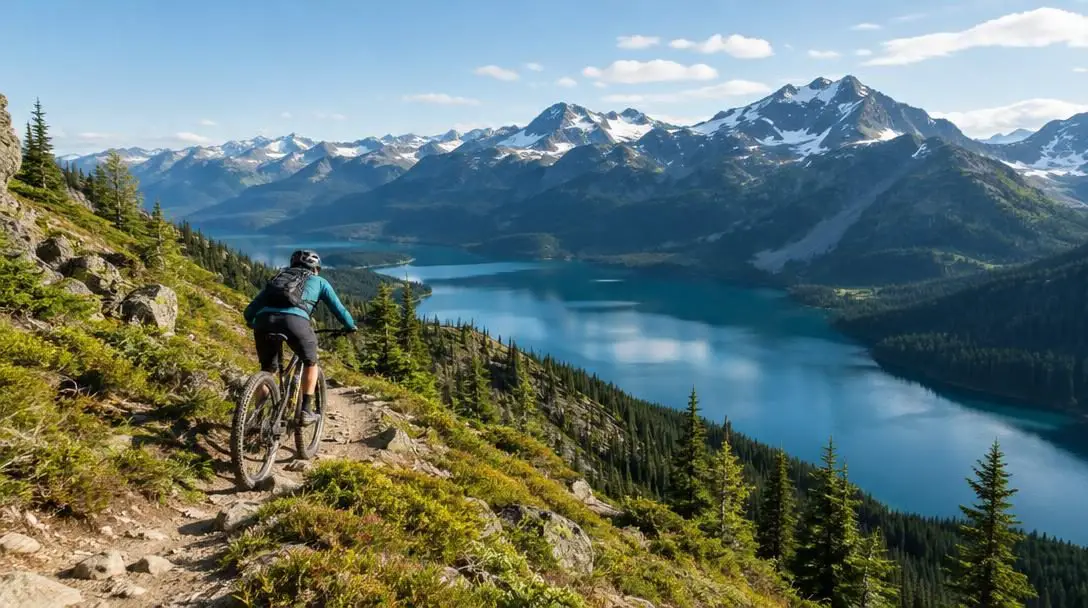
Mountain biking has expanded far beyond regional trail systems and suburban pump tracks into a global travel pursuit. Enthusiasts now routinely cross international borders in search of unique geological formations, varied trail surfaces, and distinct regional topography. Riding across unpaved, natural surfaces tests physical endurance, bike-handling skills, spatial balance, and dynamic decision-making. Because the physical characteristics of the earth vary dramatically across continents, riding conditions in one corner of the world cannot be authentically replicated anywhere else.
Terrain directly influences the technical equipment, physical output, and handling proficiency required on the trail. Sun-baked desert slickrock provides intense mechanical traction alongside severe technical exposure, while alpine valleys deliver sustained steep descents over loose shale, braking bumps, and slick root webs. Meanwhile, coastal mountain ranges introduce maritime weather shifts, and geothermal volcanic belts feature loamy soils shielded by native forest canopies. Understanding the logistics, infrastructure, and unique challenges of the world's premier riding hubs is the first step toward planning an unforgettable cycling expedition.
Key takeaways
- Terrain characteristics vary drastically across the globe, from grippy Utah sandstone to loamy New Zealand volcanic dirt.
- Riding destinations generally operate either as lift-accessed gravity bike parks or human-powered backcountry trail networks.
- Thorough logistical preparation—including bike protection, specialized destination repair kits, and proper protective gear—is critical for remote trail safety.
- Riders should select destinations that match their party's diverse skill levels and prioritize comprehensive travel insurance covering hazardous sports.
At a glance: Premier riding hubs compared
Each of the world's benchmark mountain biking destinations offers a unique blend of trail infrastructure, soil composition, and surrounding topography. The table below outlines how these iconic regions compare across key riding metrics.
| Destination | Region | Primary Terrain Type | Operational Style | Skill Accessibility |
|---|---|---|---|---|
| Moab | Utah, United States | Sandstone slickrock, exposed cliff ledges | Backcountry pedal & shuttle access | Intermediate to expert |
| Finale Ligure | Liguria, Italy | Mediterranean coastal ridges, rocky dirt | Singletrack network & fire road ascents | Intermediate to advanced |
| Les Gets | Auvergne-Rhône-Alpes, France | Alpine downhill, bermed flow, grassy pasture | Lift-accessed gravity park | Beginner to advanced expert |
| Whistler Bike Park | British Columbia, Canada | Engineered jump lines, granite slabs, technical roots | Lift-accessed gravity park | Beginner to expert (70+ trails) |
| Rotorua | Bay of Plenty, New Zealand | Volcanic loam, geothermal forest canopy | Forest trail network & human-powered climbing | Novice to experienced |
The top five global mountain biking destinations
From rugged sandstone domes in the North American desert to sprawling alpine lift networks across Europe and Southern Hemisphere volcanic belts, five locations stand out as quintessential destinations for dedicated riders.
Moab, Utah (United States)
- Location: Utah, United States
- Signature Trails: Slickrock Trail, Porcupine Rim
- Key Terrain: Grippy sandstone, rock drops, high-exposure ledges
- Scenic Backdrop: La Sal Mountains
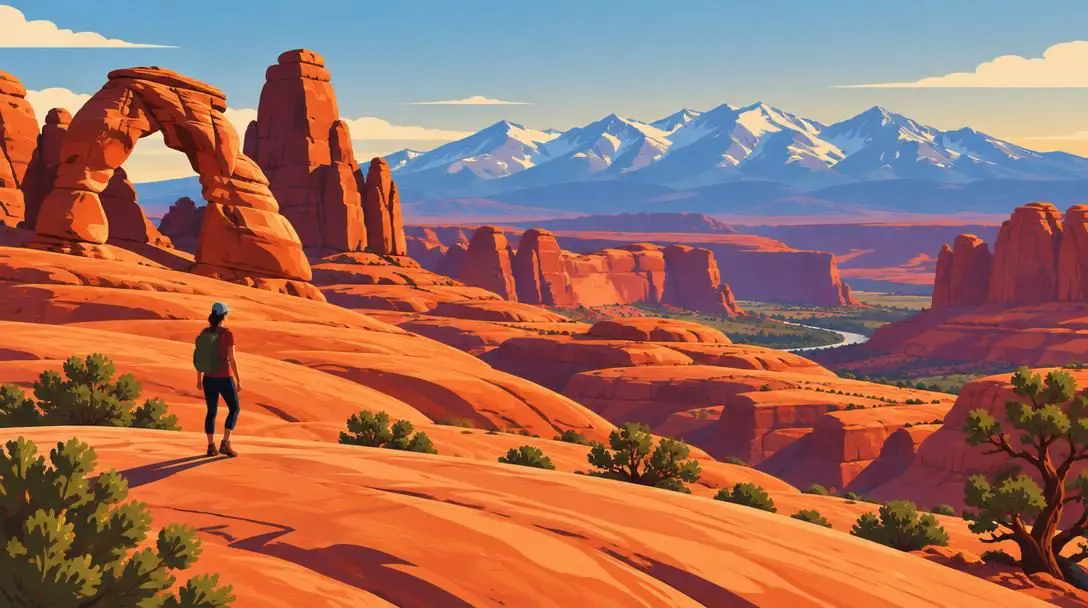
Moab is widely recognized as having some of the most demanding and iconic trails in North America. Its reputation centers on its bizarre rock structures and punishing technical riding surfaces. Rather than conventional forest soil, trails like the Slickrock Trail feature heavily undulating Navajo sandstone that behaves like coarse sandpaper under mountain bike tires. This high-friction surface allows riders to ascend and descend angles that would be impossible on ordinary dirt, though it demands immense cardiovascular endurance and upper-body power.
Beyond the slickrock domes, routes such as Porcupine Rim deliver rugged, technical descents overlooking canyon chasms. The constant maneuvering over square-edged steps, ledges, and steep drop-offs requires unrelenting concentration and balance. The snow-capped La Sal Mountains provide a stark visual backdrop against the red rock desert and provide favorable riding conditions throughout most of the year.
Finale Ligure, Italy
- Location: Mediterranean Coast near Genoa, Italy
- Key Terrain: Coastal ridges dropping to the sea
- Trail Styles: Flowy singletrack combined with fire roads
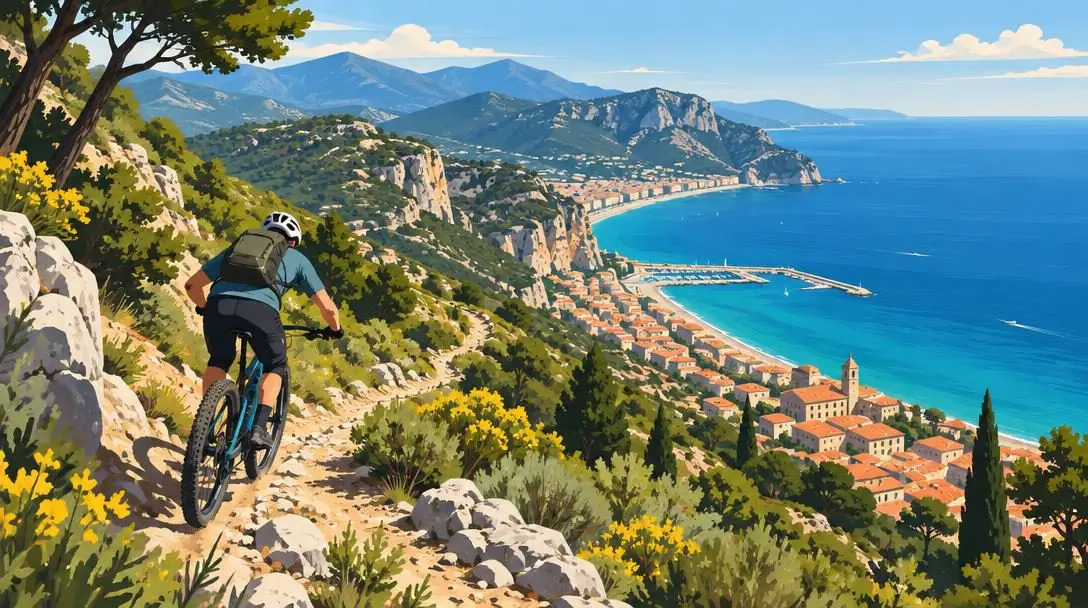
Nestled along the Mediterranean coastline in Northern Italy near Genoa, Finale Ligure has become one of Europe's top cycling meccas. What sets this coastal destination apart is its seamless combination of rugged mountain riding and Mediterranean leisure. The trail systems trace their way down from high, exposed coastal ridges and dense inland scrub, descending through centuries-old stone villages straight down to the sea.
The network offers an expansive blend of flowy singletrack, rocky chutes, and leisurely fire roads suitable for transfers and climbing. The proximity to the coastline allows travelers to spend long mornings navigating aggressive downhill runs and technical ridgelines, followed by afternoons unwinding along the Mediterranean beaches, enjoying the local regional cuisine.
Les Gets, France
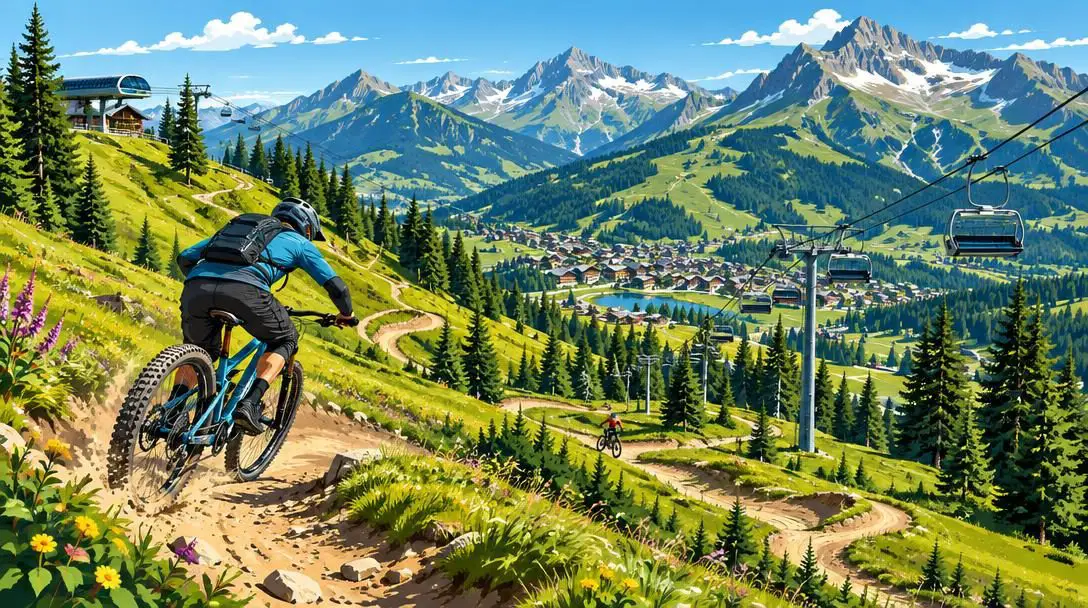
- Location: French Alps, France
- Rider Accommodated: Beginners to advanced experts
- Key Features: Alpine downhill tracks and berm-filled flow runs
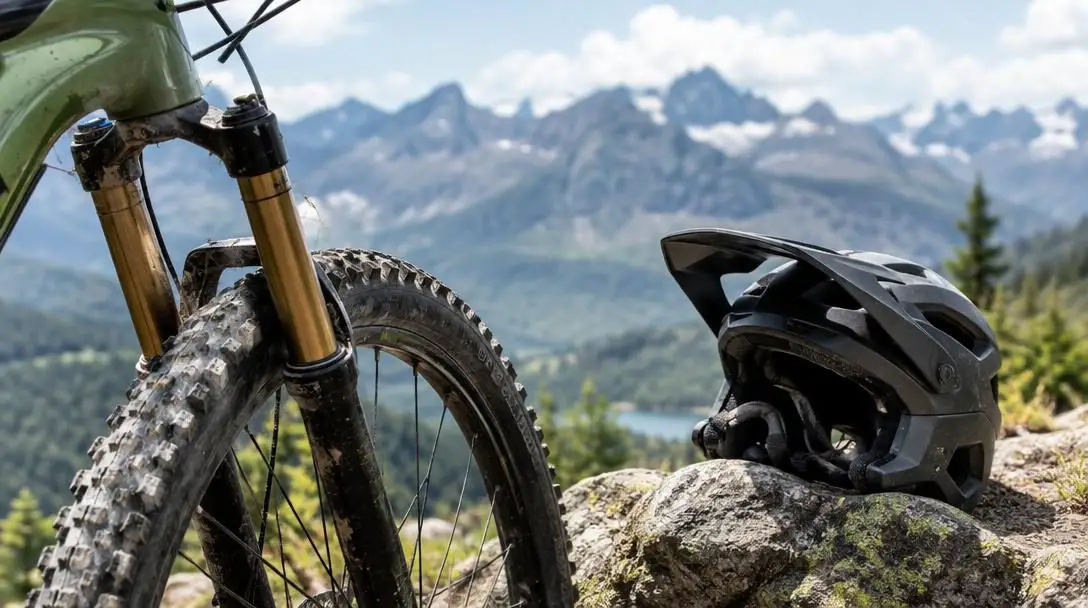
Positioned in the heart of the Alps, Les Gets serves as an alpine benchmark that caters effectively to all skill levels. Riders are surrounded by panoramic vistas of alpine peaks while navigating world-class downhill infrastructure. Ski lifts adapted for summer bicycle transport eliminate the fatigue of pedaling uphill, allowing riders to bank dozens of miles of sustained descending per day.
The local trail design accommodates every profile: gentle introductory slopes give novices a safe introduction to gravity riding, wide berm-filled flow tracks allow intermediates to work on cornering speed, and technical downhill descents challenge experienced riders with root mazes and natural rock drops. The sheer diversity of trail profiles ensures that every rider finds terrain directly tailored to their capabilities.
Whistler Bike Park, Canada
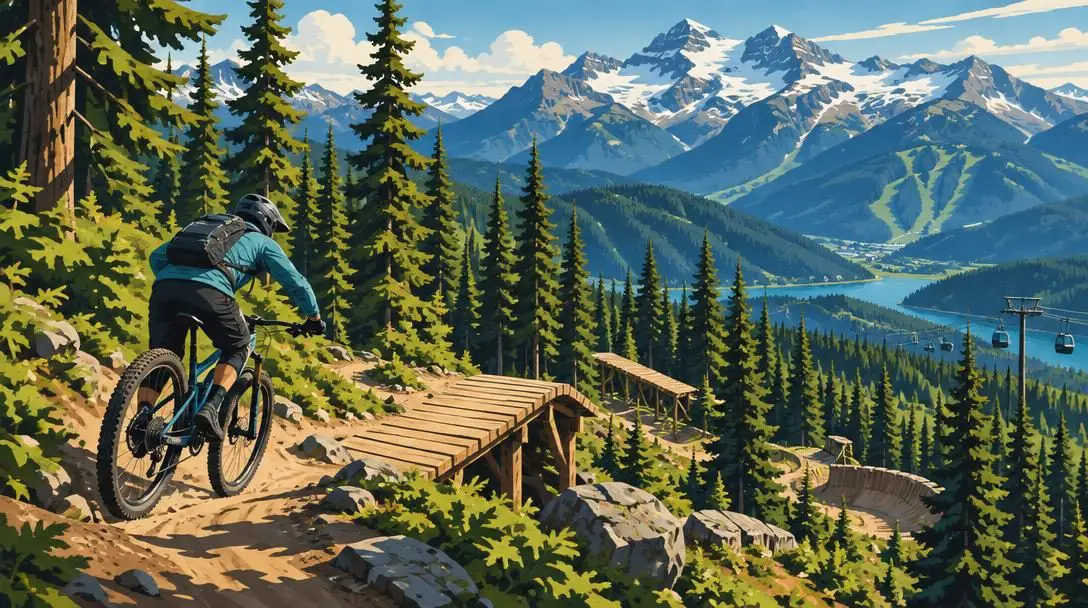
- Location: British Columbia, Canada (near Vancouver)
- Scale: Over 70 distinct trails
- Terrain Scope: Mellow cross-country to gnarly downhill runs
Located a short drive from Vancouver in British Columbia, Whistler Bike Park is widely regarded as the global benchmark for gravity-assisted mountain biking. Utilizing an extensive lift and gondola infrastructure, the park delivers access to more than 70 designated trails spanning multiple vertical zones on the mountain. The diversity of the riding here is unmatched, ranging from gentle, wide-track beginner paths to world-famous jump lines and brutally technical rock slabs.
Riders can warm up on rolling, machine-built flow courses before committing to gnarly downhill tracks littered with granite drops and exposed coastal rainforest roots. Outside the park's lift-serviced boundaries, Whistler offers a dense network of off-bike attractions, outdoor adventure outfitters, and full-service bicycle workshops, making it a comprehensive destination for an extended cycling holiday.
Traveling across national borders allows mountain bikers to experience natural trail surfaces and geological formations that simply cannot be recreated at home.
Rotorua, New Zealand
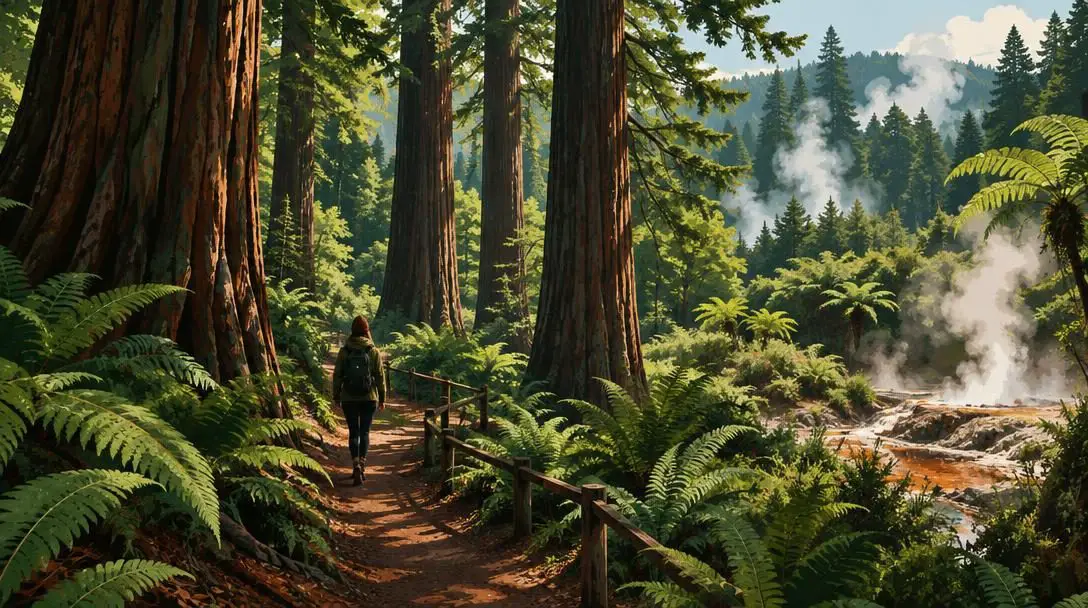
- Location: North Island, New Zealand
- Landscape: Active geothermal zone and dense native forest
- Distinct Feature: Free-draining volcanic soil
Rotorua delivers an off-road cycling experience unlike anywhere else on earth, set against an active geothermal landscape and dense native forest canopies. The area's volcanic history has endowed the region with distinct, mineral-rich soils that absorb moisture quickly and hold their shape exceptionally well under heavy tire traffic, providing exceptional traction year-round.
Trails wind beneath massive redwoods and native tree ferns, routing around natural geothermal vents and bubbling steam features. The network provides well-graded options for novices alongside high-speed, technical descents for advanced riders. The combination of rare natural scenery, unique soil composition, and meticulous trail design makes Rotorua an essential stop for international off-road cyclists.
How trail systems and bike parks operate
To navigate international riding hubs efficiently, cyclists need to understand the fundamental operational differences between managed bike parks and backcountry networks. Trail systems worldwide typically operate under one of two primary structural models.
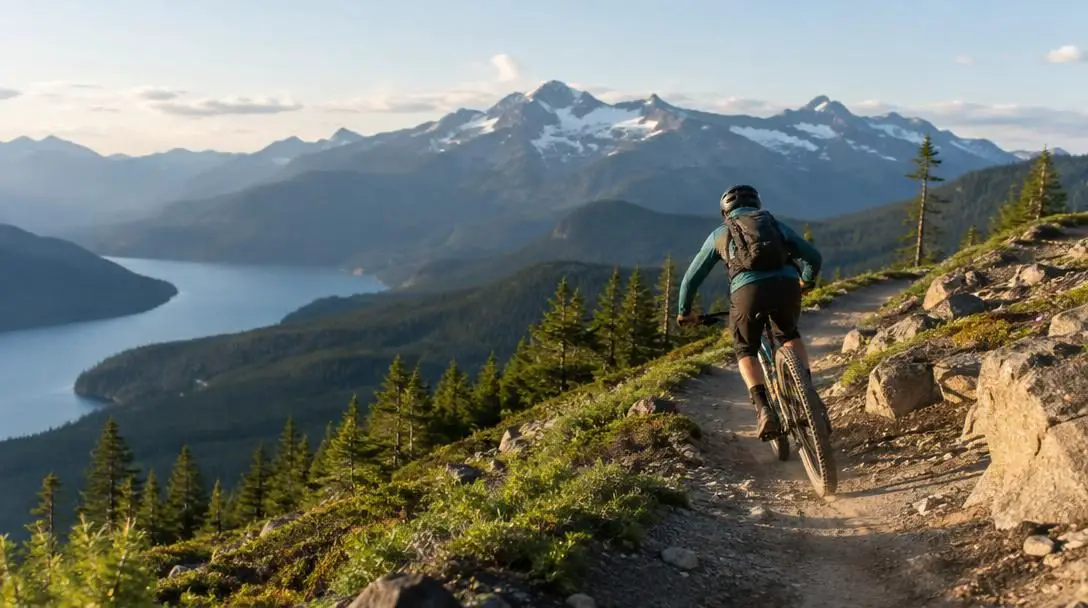
Lift-accessed gravity parks—such as Les Gets and Whistler Bike Park—repurpose winter ski infrastructure to transport bikes and riders up the mountain via chairlifts and gondolas. These systems focus almost exclusively on downhill progression. Directional trails are constructed by professional trail crews and monitored continuously for safety. Most lift parks grade their routes using standard international difficulty ratings:
- Green Trails: Built for beginners, these routes feature wide tracks, gentle grades, and rollable surfaces free of mandatory jumps, drops, or steep rock ledges.
- Blue Trails: Geared toward intermediate riders, these routes introduce narrower singletrack, moderate rollable drops, steeper gradients, and small tabletop jumps.
- Black Diamond Trails: Advanced trails characterized by steep pitches, exposed roots, rock gardens, and mandatory technical features like drops or gap jumps.
- Double Black Diamond Trails: High-consequence routes intended strictly for expert riders, presenting extreme steepness, large mandatory air features, and severe technical exposure.
Backcountry and natural trail networks—predominantly found in Moab, parts of Finale Ligure, and Rotorua—rely on human pedal power, access roads, or dedicated shuttle vehicles. Cyclists use trail or enduro bikes capable of climbing under physical power to reach remote viewpoints before embarking on long, technical descents. Because these trails often sit on public forest lands, national reserves, or municipal parks, maintenance depends on volunteer clubs, forestry managers, and trail advocacy groups. As a result, riders must practice self-sufficiency and strict trail etiquette.
Step-by-step: Planning an international mountain biking trip
Organizing a mountain bike vacation involves specialized logistics that standard sightseeing trips do not require. To safeguard your health, time, and expensive machinery, work through these practical preparation steps.
- Assess bicycle logistics: Decide whether it is more practical to travel with your personal bike or rent locally. If bringing your own bicycle, confirm that its travel, geometry, and tire tread match destination demands. If renting, reserve well ahead through established outfitters to ensure correct frame sizing and suspension setup.
- Pack the bicycle securely: Use a dedicated hard-shell case or padded travel bag when flying. Remove the pedals, handlebars, rear derailleur, and wheels. Deflate tubeless tires slightly to account for cargo hold pressure shifts, and brace the frame dropouts and disc brake rotors against blunt impacts.
- Assemble a regional spares and repair kit: Pack frame-specific replacement parts that local shops might not stock, including dedicated derailleur hangers, spare brake pads, a tubeless repair kit with plugs and liquid sealant, a shock pump, a multi-tool, and extra inner tubes.
- Gather certified protective gear: Match your protection to the terrain. For lift-served parks, pack a certified full-face helmet, eye goggles, knee pads, and elbow pads. For backcountry desert rides, select a well-ventilated open-face helmet, performance sunglasses, lightweight knee sleeves, and a hydration pack with room for extra tools and water.
- Analyze seasonal weather patterns: Verify the operational windows for your destination. Alpine bike parks operate almost exclusively during the warm summer months, whereas desert locations like Moab require targeted spring or autumn travel to avoid dangerous midsummer heatwaves.
- Download offline trail maps: Study the trail maps, contour lines, and difficulty ratings before departure. Download offline satellite and GPS files to your phone or cycling computer, as mobile cellular service is frequently nonexistent in remote valleys and desert canyons.
Mistakes that can derail a riding trip
A biking vacation can be cut short quickly by poor judgment or mechanical oversights. Take steps to avoid these frequent pitfalls before hitting the trails.
- Riding beyond your ability on day one: Arriving at an iconic park often triggers an adrenaline rush that leads riders into high-consequence terrain without a proper warm-up. Start on familiar, lower-rated trails to gauge the local surface before attempting advanced features.
- Neglecting daily bolt and safety checks: Always conduct an M-check (inspecting wheels, axles, brakes, cockpit, and suspension linkages) before rolling out. This is especially vital immediately after reassembling a bike from a flight case or picking up a rented bike.
- Underestimating nutrition and hydration needs: Long rides in arid climates like Moab or high-altitude alpine descents in France rapidly deplete caloric reserves and electrolytes. Never rely solely on a single water bottle for remote backcountry loops.
- Disregarding local trail ethics and sensitive soils: Riding on muddy, closed trails or cutting switchbacks causes severe environmental degradation and strains relations between mountain bikers and local land stewards. Always obey posted closures and stay centered on the trail tread.
Frequently asked questions
Is it better to fly with my own mountain bike or rent one at the destination?
The choice depends on the length of your trip, airline baggage fees, and the type of riding planned. Bringing your own bike guarantees familiar ergonomics, suspension setup, and handling, which improves confidence on technical terrain. However, for shorter trips or vacations requiring multiple flights and train connections, renting a modern bike from a reputable outfitter eliminates airline transit damage risks and oversize baggage fees.
Does standard travel insurance cover mountain bike park accidents?
Standard travel and medical policies frequently exclude off-road bicycling, bike parks, and downhill riding under hazardous activities or extreme sports exclusions. Before traveling, review your policy wording carefully and purchase specialized adventure sports insurance that explicitly covers mountain biking, search and rescue extraction, emergency medical repatriation, and equipment theft.
Can beginners enjoy lift-accessed bike parks like Whistler and Les Gets?
Yes. Modern premier bike parks design extensive networks of wide, smooth, green-rated flow trails specifically for beginners. These trails feature gentle slopes, rollable berms, and no mandatory drops or jumps, allowing novice riders to build fundamental bike handling skills in a controlled, lift-served setting.
How does riding on Moab's slickrock differ from forest trails?
Moab's sandstone surface behaves much like coarse sandpaper, offering unprecedented mechanical grip for rubber tires. This enables steep, high-traction ascents and descents that would cause tires to spin or slide on loose dirt. However, the hard rock is completely unforgiving in a crash, demands high physical energy to maneuver across ledges, and accelerates equipment wear on tires and brakes.
What physical conditioning is most useful before a mountain bike vacation?
Focus on a combination of cardiovascular endurance, core stability, and upper body strength. Sustained descending places high isometric demands on the forearms, back, and quadriceps. Combining aerobic base training with functional strength exercises helps minimize riding fatigue, keeping your reflexes sharp and reducing the likelihood of late-day crashes.
The bottom line
Mountain biking across the world’s benchmark destinations is one of the most rewarding pursuits in outdoor recreation. Each premier location brings its own distinct geology to the sport: the high-traction sandstone canyons of Moab, the high-speed alpine downhill runs of Les Gets, the massive engineered variety of Whistler, the coastal trails of Finale Ligure, and the fertile volcanic forests of Rotorua. Every trail system challenges an athlete's physical capability, equipment setup, and adaptability in completely different ways.
Executing a successful international riding trip comes down to disciplined preparation. By taking the time to match your bike to the local geology, assembling an airtight destination repair kit, respecting trail ratings, and protecting your body with the right safety gear, you can make the most of every ride. With the right foundation in place, traveling to these global trail hubs delivers an exhilarating experience on the trail and a genuine connection to some of the world's most dramatic natural landscapes.