5 Natural Ways to Relieve Joint Pain and Inflammation

Joint pain and persistent inflammation affect millions of individuals across the globe, frequently contributing to a restricted range of motion, chronic physical discomfort, and a notably compromised quality of life. The human skeletal framework relies fundamentally upon healthy joint structures to absorb mechanical loads, sustain posture, and permit fluid physical movement. When the delicate cartilage, protective synovial membranes, and supportive connective tissues surrounding our joints experience severe stress or ongoing irritation, everyday domestic and professional tasks can quickly turn into exhausting hurdles. Aching sensations located within the knees, shoulders, hips, fingers, wrists, and vertebral column can disrupt employment productivity, limit recreational pursuits, and rob individuals of sound, restorative rest.
When confronted with bodily aches, modern patients routinely turn toward standard pharmaceuticals. However, managing joint pain and inflammation does not necessarily dictate an ongoing reliance on prescription drugs, which often carry documented side effects, gastrointestinal distress, or complex interactions with other medical therapies. Because of these challenges, an increasing number of people are seeking dependable, natural modalities to soothe joint structures and alleviate chronic inflammatory distress. By investigating the fundamental mechanics of how joints work and recognizing how inflammation develops, you can establish an effective, non-invasive health routine designed to preserve joint integrity over the course of your life.
Key takeaways
- Chronic joint discomfort is heavily driven by persistent inflammation and cellular damage from unstable free radicals.
- Targeted dietary choices, including antioxidant-packed foods and standardized turmeric supplements, help down-regulate inflammatory biological pathways.
- Adequate hydration preserves cartilage elasticity and synovial fluid volume to minimize internal mechanical friction.
- Low-impact exercises such as swimming, cycling, walking, and yoga strengthen supportive muscles without subjecting cartilage to jarring impacts.
- Hands-on manual therapies release tight muscular bands that pull unevenly on vulnerable joints.
The Biology of Joint Strain and Chronic Inflammation
To address joint challenges successfully, one must first recognize the structural significance of the skeletal system. Joints serve as pivotal connection points between bones, protected by slick articular cartilage and bathed in viscous synovial fluid that minimizes mechanical resistance. When this environment becomes compromised by strain, structural wear, or immune activity, discomfort surfaces immediately, causing localized heat, swelling, and physical limitation. While prescription drugs are frequently recommended to mitigate these symptoms, they do not always represent a flawless path forward due to unwanted complications, metabolic burdens, and medication tolerance.
Inflammation functions primarily as an essential defense mechanism coordinated by the body's immune system. Under acute conditions, such as sudden tissue trauma or pathogen exposure, the biological system unleashes an organized cascade of inflammatory mediators designed to isolate injury and initiate structural repair. The dilemma arises when this acute defense fails to resolve and instead transitions into a chronic, self-perpetuating condition. Persistent inflammatory activity causes sustained joint warmth, pronounced swelling, rigid stiffness, and debilitating soreness that gradually degrades connective tissues.
A primary chemical factor driving this ongoing cellular wear is the excessive presence of free radicals. Free radicals are reactive, chemically unstable molecules capable of damaging fundamental cellular structures and driving chronic systemic inflammation. When internal concentrations of free radicals outpace the supply of endogenous or dietary compounds capable of neutralizing them, oxidative damage spreads unchecked throughout physiological tissues, including vulnerable joint cartilage and surrounding synovial linings.
When internal concentrations of free radicals outpace the body's defenses, oxidative damage spreads unchecked across vulnerable cartilage and synovial linings.
This dynamic becomes particularly evident in chronic auto-reactive disorders such as rheumatoid arthritis, which stands as one of the leading causes of destructive joint inflammation worldwide. In this disorder, the body's own immune defenses mistakenly target healthy synovial tissues, producing ongoing swelling, severe pain, and progressive functional impairment. At the same time, joints depend upon continuous fluid volume to glide smoothly; whenever systemic hydration falls short, or when surrounding muscle structures become tight, tense, and shortened, mechanical friction escalates, further accelerating the inflammatory response.
5 Natural Strategies to Soothe Joint Discomfort
Alleviating joint pain and calming localized swelling does not depend solely upon synthetic medications. By adopting focused nutritional, supplemental, and physical habits, you can encourage your joints to move more smoothly and with far less discomfort. The following five practical methods can be put to work right away to restore comfort and mobility.
Antioxidant-Rich Nutrition
One of the primary steps in counteracting sustained joint discomfort is adjusting the foods on your plate to emphasize an antioxidant-rich diet. Antioxidants are beneficial chemical compounds found organically within whole foods that aid your system in neutralizing unstable free radicals—the very molecules responsible for damaging cellular structures and driving systemic inflammation. Solid research demonstrates that individuals who consistently ingest foods rich in natural antioxidants report fewer symptoms of rheumatoid arthritis, one of the foremost contributors to severe joint inflammation worldwide.
To reinforce your internal defenses against inflammatory tissue damage, aim to integrate a vibrant spectrum of whole, nutrient-dense ingredients into your meals each day:
- Berries: Fresh or frozen blueberries, strawberries, and raspberries provide an exceptional source of free-radical fighting antioxidants.
- Leafy greens: Dense varieties such as kale and fresh spinach deliver rich micronutrients directly to cellular tissues.
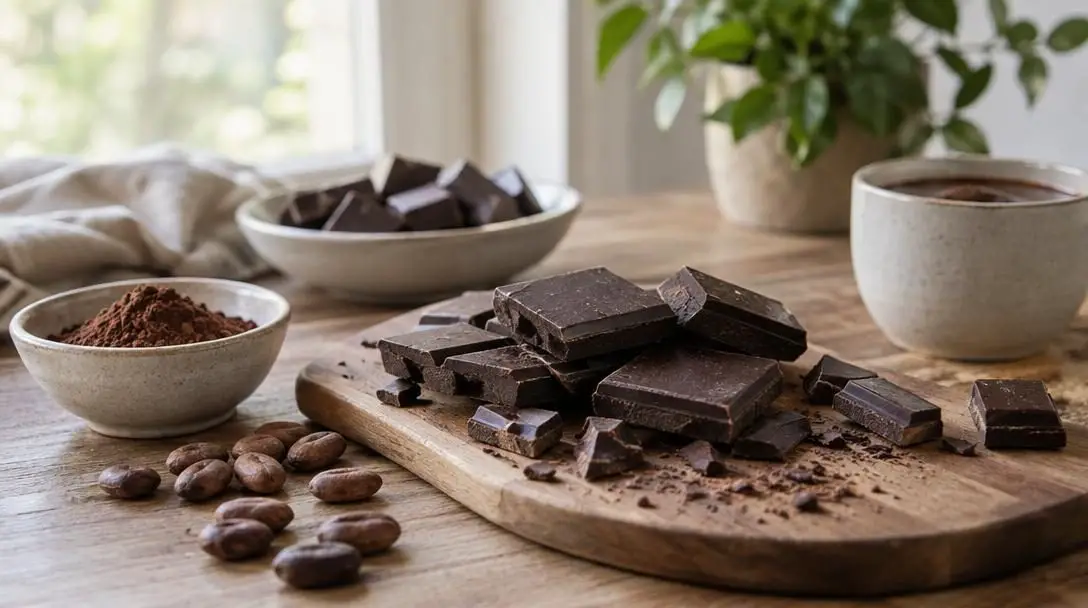
- Dark chocolate: High-cocoa confections supply concentrated botanical compounds that support internal wellness and fight oxidative stress.
- Green tea: A comforting beverage that provides soothing moisture along with protective polyphenols.
- Nuts and seeds: Plant-based staples that deliver healthy fats and supportive trace minerals to nourish cell membranes.
Turmeric and Curcumin
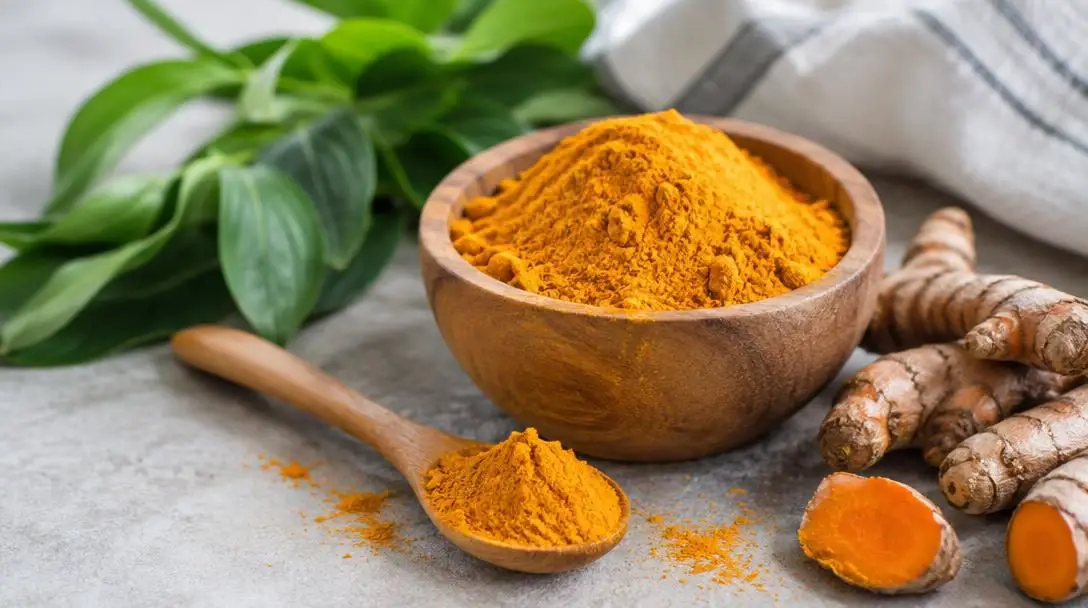
Turmeric ranks among the most intensively investigated natural remedies utilized for the relief of chronic joint distress and persistent inflammation. This golden-colored root spice contains a potent primary active constituent known as curcumin, a botanical compound widely recognized for its strong anti-inflammatory properties within human physiology. Curcumin functions internally by down-regulating specific biochemical pathways that trigger inflammatory distress, establishing itself as a premier natural tool for encouraging physical ease within stressed joint capsules.
While dusting turmeric powder into your daily cooking can provide basic benefits, most individuals discover that it is exceptionally difficult to ingest enough of the culinary spice to achieve significant therapeutic results. In such scenarios, turning toward a targeted turmeric supplement represents an effective approach. When shopping for remedies, be certain to select a high-grade product formulated with a standardized level of the active ingredient curcumin to guarantee that you receive its proven physiological properties.
Strategic Hydration
Because the human body is largely composed of water, maintaining optimal fluid levels is absolutely vital for general biological survival and specific joint performance. The connective tissues, shock-absorbing cartilage, and synovial fluid within your joint capsules demand water to sustain their volume, elasticity, and load-bearing cushioning. Inadequate fluid intake can exacerbate joint stiffness and swelling, noticeably reducing your operational range of movement while increasing internal friction between articulating bone ends.
For the average adult, an intake of eight glasses of water per day serves as a standard baseline recommendation. Nevertheless, individual fluid requirements can vary substantially based on personal circumstances. If you spend time in warm climates or participate in physical efforts that cause heavy perspiration, you must increase your liquid consumption well beyond the baseline standard. To ensure you easily satisfy your bodily hydration requirements, consider supplementing regular drinking water with other supportive fluids:
- Coconut water: An electrolyte-rich beverage that helps replenish fluid reserves naturally.
- Herbal teas: Infusions offering caffeine-free warmth and subtle hydration throughout the day.
- Fruit-infused water: Water steeped with citrus, berries, or cucumber slices, giving plain water a natural, appealing flavor without artificial additives.
Low-Impact Physical Exercise
When physical movement brings about joint discomfort, the idea of exercising can seem completely counterintuitive; however, participating in consistent, low-impact exercise represents an exceptionally reliable strategy for decreasing long-term joint pain and swelling. Low-impact modalities are uniquely tailored physical activities that avoid transferring heavy, jarring forces into the joints, making them perfectly suited for anyone dealing with chronic stiffness or discomfort.
By moving through controlled patterns, you encourage vascular circulation and strengthen the muscular structures surrounding the joint capsule without stressing the cartilage. Outstanding low-impact physical activities include:

- Swimming: Utilizes the natural buoyancy of water to support your body weight while completely eliminating joint impact.
- Cycling: Gently mobilizes the hips and knees using fluid, circular, non-jarring motions on a stationary or road bicycle.
- Walking: Reliably maintains bone mineral density and muscular endurance at an adaptable, self-selected pace.
- Yoga: Enhances joint flexibility, cultivates dynamic balance, and expands full functional range of motion.
Restorative Massage Therapy
Massage therapy has stood for generations as a trusted, hands-on treatment for calming musculoskeletal discomfort and persistent inflammation. This targeted manual therapy involves the physical manipulation of muscular layers and surrounding soft tissues, helping eliminate localized tension and cultivating broad physiological relaxation. When muscles adjacent to a joint tighten up, they pull unevenly upon the underlying skeletal joints, worsening localized pain; releasing this muscular contraction relieves mechanical strain across the entire joint structure.
A variety of distinct massage therapy modalities can be utilized to target joint aches and lower inflammatory tension:
- Swedish massage: Relies on soft, flowing, continuous strokes to calm tight superficial tissues and support general bodily relaxation.
- Deep tissue massage: Applies focused pressure into deeper muscular bands to break up persistent, long-standing tightness.
- Trigger-point therapy: Concentrates on discrete, hyper-irritable muscle knots that frequently project referred pain toward adjacent joints.
Prior to booking an appointment, seek a professional referral directly from your physician, and always confirm that you are scheduling with a fully licensed massage therapist trained to provide safe, personalized care.
Comparing Natural Joint-Relief Methods
Each natural modality targets joint health through distinct physiological mechanisms. Combining these approaches creates a comprehensive defense against stiffness, cartilage wear, and inflammatory flare-ups.
| Modality | Primary Mechanism | Key Benefit | Best Practice |
|---|---|---|---|
| Antioxidant Diet | Neutralizes unstable free radicals | Reduces systemic oxidative damage | Eat berries, greens, nuts, and green tea daily |
| Turmeric / Curcumin | Down-regulates inflammatory pathways | Calms joint capsule irritation | Use standardized curcumin supplements |
| Systemic Hydration | Maintains synovial fluid and cartilage volume | Cushions joints and minimizes friction | Drink at least eight glasses of fluids daily |
| Low-Impact Movement | Strengthens supporting muscles via circulation | Protects cartilage without jarring loads | Engage in swimming, walking, cycling, or yoga |
| Massage Therapy | Relieves soft-tissue and muscular tension | Eliminates uneven mechanical pull on joints | Work regularly with a licensed therapist |
Step-by-Step Blueprint for a Daily Joint-Care Routine
Applying natural therapies produces the most substantial rewards when these habits are integrated systematically into your daily lifestyle. You do not have to rebuild your entire routine in a single afternoon; instead, progress steadily through organized, practical steps to embed these health-promoting behaviors into your typical schedule.
- Evaluate and record your typical fluid intake: Place a dedicated water container on your desk or kitchen counter each morning to monitor consumption, striving to hit a minimum of eight glasses of water daily. If you are active, sweat heavily, or spend time in hot environments, expand this intake with coconut water, herbal teas, or fresh fruit-infused water.
- Restructure your weekly grocery selections: Prioritize fresh, antioxidant-dense whole foods on your shopping list. Incorporate a cup of fresh blueberries, raspberries, or strawberries into your morning meal, ensure fresh spinach or raw kale is present at lunch or dinner, and keep portions of raw nuts, seeds, or dark chocolate handy for quick snacks. Swap out standard afternoon sodas or sugary beverages for a cup of freshly brewed green tea.
- Introduce turmeric into your daily nutritional intake: Experiment with culinary applications by mixing the ground spice into hearty vegetable soups, seasoned grains, or oven-roasted vegetables. If getting a consistent amount through home cooking proves difficult, select a standardized, high-quality curcumin supplement to take alongside your balanced meals.
- Schedule regular blocks of low-impact physical exercise: Once cleared by your healthcare provider, reserve specific mornings or afternoons for swimming, stationary or road cycling, brisk walking, or gentle yoga sessions, prioritizing consistent, fluid motion over excessive intensity.
- Incorporate restorative hands-on therapy into your wellness regimen: Consult with your medical practitioner to obtain a formal referral to a certified, licensed massage therapist. Determine whether your specific joint complaints respond best to Swedish massage, deep tissue work, or localized trigger-point release, and arrange routine appointments to prevent muscular tension from compounding joint stress.
Common Pitfalls in Natural Joint Management
When working to minimize joint inflammation and discomfort using natural avenues, it is common to encounter setbacks brought on by preventable missteps. Being aware of these frequent errors will keep your physical health moving forward without unwanted complications:
- Relying exclusively on culinary turmeric for severe symptoms: While ground turmeric in cooking supports general health, culinary pinches rarely supply the concentrated dosage of active curcumin necessary to address acute or severe joint flare-ups.
- Underestimating fluid needs in air-conditioned or cold environments: People often reduce their fluid consumption when they do not feel hot, yet low humidity and indoor heating can dehydrate joint tissues just as rapidly as warm weather.
- Pushing through sharp joint pain during workouts: While low-impact movement is intended to relieve stiffness, ignoring sharp or worsening pain during exercise can accelerate cartilage wear and trigger acute inflammatory cascades.
- Skipping professional medical evaluations: Attempting to manage severe joint symptoms without a physician's diagnostic evaluation can mask progressive underlying conditions like rheumatoid arthritis that require clinical oversight.
- Expecting instant overnight transformation: Natural interventions function by gently altering cellular environments and tissue biomechanics over time; giving up after only a few days prevents these therapies from demonstrating their true cumulative benefits.
Frequently asked questions
How do free radicals directly contribute to joint pain?
Free radicals are chemically unstable, highly reactive molecules that damage cellular components throughout the body. When their presence outpaces available antioxidants, unchecked oxidative stress degrades articular cartilage and irritates delicate synovial membranes, accelerating chronic inflammatory responses.
Can culinary turmeric provide the same benefits as a curcumin supplement?
Culinary turmeric contains beneficial compounds and supports general health, but the concentration of active curcumin in kitchen spices is relatively low. Most individuals find it difficult to eat enough spiced food daily to reach therapeutic levels, making standardized curcumin supplements far more reliable for targeting joint inflammation.
Why is low-impact exercise safe for painful joints?
Low-impact exercises like swimming, cycling, and walking avoid the heavy, jarring impacts associated with high-intensity sports. These activities improve vascular blood circulation, nourish cartilage via synovial fluid movement, and strengthen the surrounding muscles without placing destructive mechanical loads on irritated joints.
How does muscle tightness worsen underlying joint aches?
Muscles cross over skeletal joints to create movement. When these surrounding muscular bands become tight, tense, or shortened, they exert an uneven, continuous mechanical pull on the underlying joint structures, increasing friction and intensifying localized discomfort.
What fluids count toward my daily hydration goals for joint care?
In addition to standard drinking water, beneficial options include coconut water to replenish essential fluid reserves, caffeine-free herbal teas for warmth and gentle hydration, and fruit-infused waters that offer flavor without artificial additives.
The bottom line
Living with chronic joint pain does not mean you must accept declining mobility or rely solely upon pharmaceutical options that carry undesirable side effects. By adopting an antioxidant-packed diet, supplementing with standardized curcumin, staying thoroughly hydrated, participating in regular low-impact exercise, and utilizing professional massage therapy, you can address the root mechanical and cellular drivers of joint inflammation. When implemented consistently, these natural practices soothe irritated tissues, preserve cartilage integrity, and empower you to move through daily life with renewed comfort and physical freedom.