5 Tips for Self-Care Sunday: Creating a Relaxing Spa Day at Home
In our modern landscape, the boundaries between professional obligations, domestic duties, and social demands frequently blur. Navigating this persistent momentum without deliberate intervals of rest can steadily deplete both mental resilience and physical stamina. Developing a reliable, restorative ritual offers an accessible pathway to counterbalance the demands of everyday schedules. Dedicating time to an intentional routine like Self-Care Sunday provides a dependable buffer to reset, restore, and prepare for the challenges of an approaching week.
Creating an indulgent, effective spa sanctuary within your personal living space requires neither an exorbitant budget nor specialized facilities. By embracing thoughtful adjustments to your environment and utilizing straightforward, nourishing ingredients, you can establish an immersive retreat at home. With five core practices—setting the ambient mood, preparing a fresh face mask, exfoliating with a sugar scrub, unwinding in a warm bath, and grounding yourself through mindful meditation—you can transform an ordinary afternoon into an oasis of therapeutic restoration.
Key takeaways
- Intentional rest through a designated Self-Care Sunday helps reset the nervous system and offset cumulative weekday fatigue.
- Transforming your home into a relaxing spa requires simple sensory adjustments and wholesome pantry staples rather than costly commercial treatments.
- A complete home spa regimen synergizes physical therapies like warm soaking and gentle exfoliation with cognitive practices like meditation.
- Avoiding digital distractions, pacing treatments slowly, and maintaining post-bath hydration ensure the therapeutic benefits endure into the workweek.
The Foundations of the Self-Care Sunday Movement
The cultural emergence of Self-Care Sunday reflects a broader realization that intentional rest is a necessity rather than an indulgence. Balancing career obligations, household chores, and social commitments often leads to cumulative tension. When daily responsibilities mount without interruption, the human nervous system remains sustained in a heightened state of vigilance, leaving little room for systemic recovery. Setting aside dedicated hours to indulge in restorative practices allows our minds and bodies to find a moment of solace, establishing a predictable space each week to pause, recharge, and set a positive foundation for the days ahead.
Transforming your home into a personalized wellness center allows you to circumvent the logistical friction and financial expense associated with commercial retreats. By using items readily available in your pantry alongside mindful practices, you can construct an effective wellness environment tailored specifically to your comfort levels. The simplicity of this approach ensures that comprehensive rest remains a consistent, sustainable weekly habit rather than an infrequent luxury.
Establishing a predictable weekly buffer allows the mind and body to transition from chronic alertness toward deep cellular restoration.
How a Home Spa Day Restores Mind and Body
Understanding the physiological and neurological mechanisms activated during an at-home spa experience illuminates why these simple practices yield such profound benefits. A home spa day functions by simultaneously engaging sensory receptors and calming the autonomic nervous system, prompting the body to downshift from stress-induced alertness toward cellular restoration. Unrelenting digital stimulation, constant notifications, and intense artificial lighting sustain mental fatigue throughout the workweek. Softening illumination, introducing gentle ambient sounds, and diffusing botanical aromas signal environmental safety to the brain, allowing heart rate and muscle tone to normalize.
Skincare rituals provide both tangible dermatological improvements and emotional grounding. Wholesome topical ingredients gently remove accumulated surface impurities while providing essential hydration to stressed tissue. Deliberate circular massage enhances localized microcirculation, encouraging nutrient distribution across surface tissues for a healthy, natural glow. At the same time, focused tactile application acts as an anchor for conscious attention, interrupting cycles of mental worry and rumination. Warm immersion reduces joint stiffness and relieves deep muscular fatigue through thermotherapy, while conscious, rhythmic breathing practiced during meditation encourages nervous system regulation, clearing cognitive fatigue.
Five Pillars of an At-Home Spa Sanctuary
Constructing a deeply rejuvenating home retreat becomes simple when centered around five foundational techniques. Each recommendation targets a distinct aspect of personal restoration, working synergistically to cultivate an immersive spa atmosphere.
| Pillar | Primary Element | Target Benefit | Recommended Duration |
|---|---|---|---|
| Setting the Mood | Lighting, sound, and aromatherapy | Sensory decompression and nervous system calming | Throughout the entire session |
| DIY Face Mask | Honey, oats, lemon, and turmeric | Facial hydration, cleansing, and barrier nourishment | 10 to 15 minutes |
| Sugar Scrub | Coarse sugar and coconut oil | Full-body exfoliation and microcirculation boost | 5 to 10 minutes |
| Relaxing Bath | Warm water and Epsom salt | Thermotherapy for tight muscles and stiff joints | 15 to 30 minutes |
| Mindful Meditation | Breath awareness or guided audio | Cognitive decluttering and emotional centering | 10 to 15 minutes |
Setting the Mood
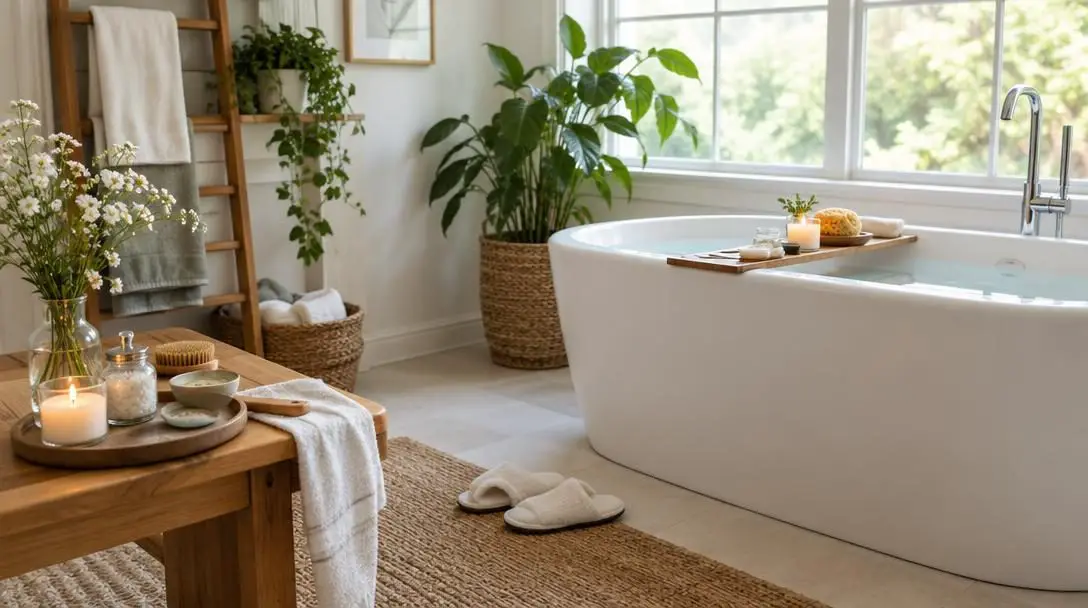
The journey toward deep relaxation begins long before stepping into water or applying skincare remedies. Establishing an inviting, tranquil environment is an essential first step because external disorder often fuels internal restlessness. Transforming a familiar, task-oriented space into a calming sanctuary helps signal your mind that everyday tasks are finished. Lower or turn off overhead fixtures to eliminate harsh visual stimulation, substituting softer lighting for a cozier atmosphere. Place natural candles safely throughout the space to introduce gentle, warm illumination. Activate an essential oil diffuser to fill the atmosphere with soothing botanicals that encourage calm and deep breathing, and play gentle instrumental music, ambient melodies, or low white noise to obscure disruptive household sounds and preserve serenity.
DIY Face Mask
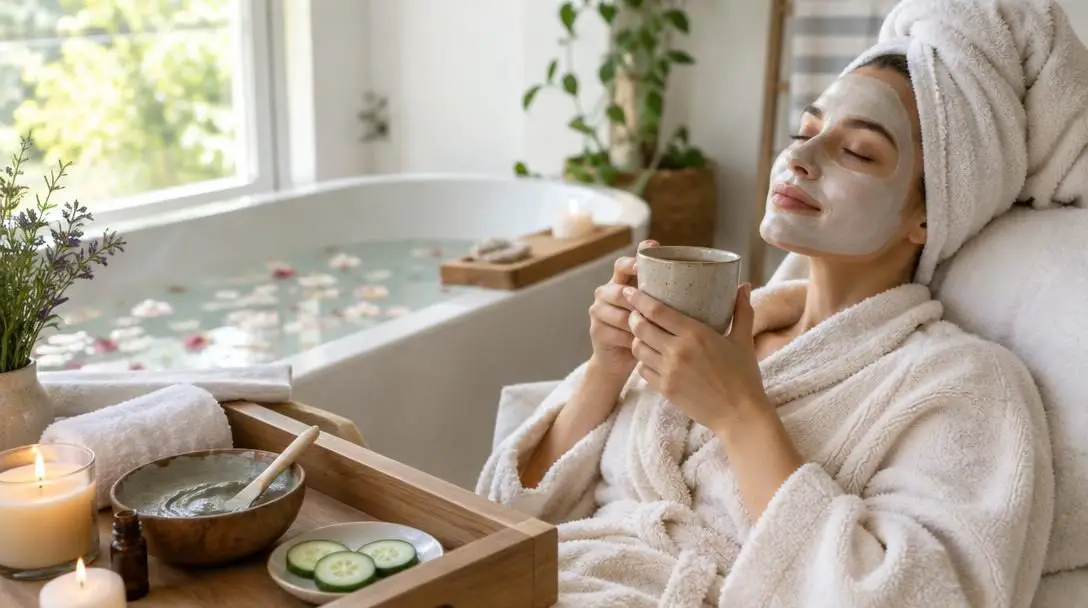
Daily exposure to indoor climate control, outdoor elements, and environmental impurities can leave facial skin feeling parched and dull. A homemade face mask provides intensive, spa-caliber nourishing care without introducing harsh synthetic chemicals or requiring expensive specialty products. Creating customized formulations directly from wholesome pantry ingredients allows you to tailor treatments to your personal needs. Combine natural ingredients such as raw honey, finely ground oats, freshly squeezed lemon, and powdered turmeric to harness moisturizing, cleansing, and smoothing properties that restore a radiant, healthy glow. Mix small, fresh portions right before use to ensure optimal potency and consistency, then rest quietly while the mask sets, allowing the nourishing ingredients to absorb into the skin as you unwind.
Sugar Scrub
Skin renewal requires regular gentle exfoliation, and a natural sugar scrub offers an effective solution for full-body revitalization. Sugar granules gently loosen and sweep away dry, dead surface cells, while manual massage stimulates blood flow across the body, leaving skin remarkably soft and supple. In addition to aesthetic and tactile benefits, scrubbing acts as an engaging sensory ritual that cultivates body awareness. Blend coarse or brown sugar with rich coconut oil and a few drops of your preferred essential oil to make an affordable DIY scrub, or source a clean, pre-made sugar scrub from a local health store for effortless convenience. Apply the scrub using slow, deliberate circular motions across the arms, legs, and torso, synchronizing the massage with slow, deep breaths to anchor your awareness in the physical sensations.
Relaxing Bath
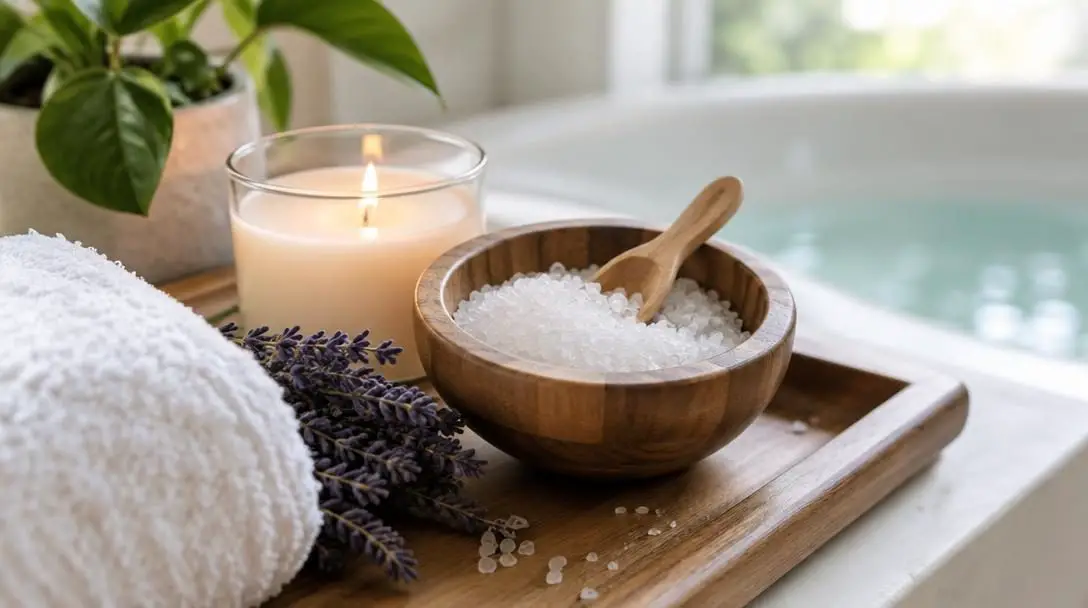
Submerging yourself in a warm bath stands as one of the most classic, restorative treatments available. Warm water immersion works through thermal hydrotherapy, relaxing tight muscles, soothing stiff joints, and relieving systemic stress. It provides an uninterrupted sanctuary free from external screens and mental obligations, giving you dedicated space to decompress. Fill the tub with comfortably warm water to ease physical strain and promote full-body relaxation, and dissolve a generous scoop of mineral-rich Epsom salt into the water to relieve sore muscles and alleviate tension. You can also incorporate clean bubble baths or aromatic bath bombs to enhance the luxurious sensory profile of the water, keeping the bath completely screen-free to dedicate the time to private contemplation and unhurried rest.
Mindful Meditation
A restorative spa day should nurture your cognitive and emotional state alongside physical comfort. Meditation remains an exceptionally effective method to relieve stress, enhance mental focus, and quiet an overactive mind. You do not require extensive background knowledge or specialized training to experience the calming benefits of meditation within your personal retreat. Select an accessible guided audio session if you prefer gentle instruction during your practice, or anchor your attention entirely on the rhythmic flow of your natural inhalation and exhalation. Acknowledge emerging worries, obligations, or racing thoughts without judgment, visualizing them gently drifting away. Dedicating just 10 to 15 minutes of uninterrupted quiet helps foster enduring internal peace for the week ahead.
Step-by-Step Guide to Structuring Your Routine
Executing an effortless home spa day relies on intuitive organization. Approaching these practices in a fluid, sequential manner ensures you can transition seamlessly between treatments without breaking your state of relaxation.
- Prepare your space: Clear away clutter from your bathroom and relaxation zones to eliminate visual distractions. Dim the overhead lights, safely ignite candles, turn on an essential oil diffuser, and start a gentle instrumental playlist.
- Mix your DIY treatments: Blend your skincare treatments prior to running water. In one clean container, blend brown sugar, coconut oil, and a drop of essential oil. In a second dish, combine raw honey, finely ground oats, lemon juice, and a pinch of turmeric.
- Draw the bath: Run comfortably warm water into the tub, pouring in an ample measure of Epsom salt and gently stirring until dissolved. Add clean bubbles or a bath bomb to enrich the water.
- Apply treatments and soak: Smooth the fresh face mask over clean facial skin. Step into the warm bath, allowing your muscles to absorb the heat. While soaking, massage the sugar scrub over your limbs and torso in slow, circular motions.
- Rinse and unwind: Gently wash away the sugar scrub in the water, and use warm water to rinse the face mask completely. Step out carefully, wrap yourself in a plush towel, and pat your skin dry.
- Conclude with meditation: Change into loose, comfortable lounge attire and settle into a quiet, supportive seat for 10 to 15 minutes of breath-focused or guided meditation.
Pitfalls and Common Mistakes to Avoid
While an at-home spa day is designed to be deeply restorative, subtle oversights can inadvertently introduce tension or discomfort. Being mindful of these common missteps preserves a peaceful mindset throughout your retreat:
- Inviting digital distractions: Bringing phones, laptops, or tablets into your sanctuary exposes you to incoming messages, headlines, and work demands, interrupting nervous system recovery.
- Rushing through the steps: Treating your spa day like an urgent chore checklist induces anxiety; completing two practices in an unhurried manner is far more therapeutic than rushing through five.
- Overcomplicating formulations: Attempting intricate DIY recipes with difficult-to-find ingredients creates unnecessary kitchen prep stress; keep your mixtures simple and grounded in reliable pantry staples.
- Expecting absolute mental silence: Becoming frustrated when thoughts arise during meditation works against relaxation; simply notice the distraction and return attention to your breathing without self-criticism.
Post-Spa Practices and Long-Term Wellness
The conclusion of your spa rituals presents an important opportunity to mindfully carry your relaxed state into the upcoming days. How you navigate the immediate aftermath of your home retreat significantly impacts the longevity of its benefits. Avoid transitioning abruptly into demanding household tasks, intense screen time, or mentally taxing chores. Instead, protect your calm mindset by relaxing in comfortable clothing, curling up with a book, or journaling your reflections. Allowing this quiet buffer period helps your nervous system sustain the benefits of your meditation and physical rest.
Internal hydration is another essential post-spa consideration. Warm water immersion and full-body exfoliation encourage circulation while gently drawing out moisture through perspiration. Drinking ample fresh, pure water replenishes cellular reserves, supporting the natural, vibrant glow created by your topical treatments. Finally, look ahead by deliberately securing space on your calendar for future Self-Care Sundays. When you treat weekly rest as a non-negotiable priority, you establish an enduring foundation of resilience, mental clarity, and vitality to navigate whatever lies ahead.
Frequently asked questions
How much time do I need for a full at-home spa day?
A comprehensive routine typically takes between one and two hours, which includes preparing treatments, soaking for 15 to 30 minutes, and finishing with a 10 to 15 minute meditation. However, you can easily adapt the schedule to fit shorter windows by selecting just two or three practices.
What pantry ingredients work best for a homemade face mask?
Wholesome staples like raw honey, finely ground oats, freshly squeezed lemon juice, and ground turmeric provide natural cleansing, gentle exfoliation, and hydration without the need for synthetic additives or expensive specialty products.
Can I take an effective spa bath without a deep soaking tub?
Yes. Any standard bathtub filled with comfortably warm water and dissolved Epsom salts delivers the thermotherapeutic benefits of muscle relaxation, joint relief, and stress reduction regardless of tub depth.
How often should I exfoliate with a sugar scrub?
Using a gentle sugar scrub once a week during your Self-Care Sunday routine is optimal for most skin types, as it removes dead surface cells and stimulates circulation without stripping your skin's natural moisture barrier.
What should I do if my mind wanders during the meditation step?
A wandering mind is completely normal during meditation. Rather than attempting to force absolute stillness, simply acknowledge emerging thoughts without frustration and gently redirect your focus back to the sensation of your natural breath.
The bottom line
Establishing an intentional Self-Care Sunday provides an accessible, sustainable method to reset after a demanding week. By curating your ambient environment, utilizing simple DIY skincare treatments, soaking in warm water, and dedicating time to mindful meditation, you construct an effective retreat directly at home. Prioritizing consistent, restorative care preserves mental resilience, nourishes the body, and equips you with balanced energy for the days ahead.