5 NFL Players Drafted Much Later Than Experts Thought They Would Be
Every spring, football scouts, front-office personnel, and devoted fans dedicate thousands of hours to projecting how the National Football League draft will unfold. Long before collegiate prospects finish their final collegiate snaps, draft analysts formulate mock drafts and scouting boards that attempt to predict the exact order in which these young athletes will transition to the professional ranks. Some players arrive with immense consensus, viewed as locked-in top selections before completing a full campaign as a college starter, while others make rapid climbs from relative obscurity, much like Joe Burrow, on their way to the number one overall selection.
However, the draft projection process remains notoriously volatile and unpredictable. While television analysts routinely build consensus around certain prospects, declaring them can't-miss top-five choices, franchise war rooms operate under their own independent evaluations, medical assessments, and risk tolerances. When draft day arrives, unexpected medical red flags, off-field concerns, and schematic mismatches can shatter the media consensus. Some projected franchise cornerstones slide deep into the opening round, while others plummet into day two or slip out of the draft entirely.
Key takeaways
- Pre-draft media consensus frequently diverges from the proprietary evaluations, risk tolerances, and medical boards established inside NFL franchise war rooms.
- Severe medical histories and off-the-field character red flags are the two primary catalysts that cause blue-chip prospects to slide down draft boards.
- A dramatic draft-day drop does not preclude stardom, as multiple fallers have developed into league MVPs, All-Pro selections, and Pro Football Hall of Fame inductees.
- Modern front offices rely on structured mechanisms, including tiered big boards, value trade charts, and emergency medical conferences, to capitalize on falling talent.
At a Glance: Notable NFL Draft Falls
| Player | Draft Year | Projected Position | Actual Selection | Drafting Team |
|---|---|---|---|---|
| Randy Moss | 1998 | Top-3 pick | Round 1, Pick 21 | Minnesota Vikings |
| Aaron Rodgers | 2005 | Contender for #1 overall | Round 1, Pick 24 | Green Bay Packers |
| Thurman Thomas | 1988 | First-round lock | Round 2, Pick 40 | Buffalo Bills |
| Brady Quinn | 2007 | Contender for #1 / Top-5 pick | Round 1, Pick 22 | Cleveland Browns |
| Vontaze Burfict | 2012 | Top-tier linebacker prospect | Undrafted free agent | Cincinnati Bengals |
Five Memorable Players Who Slid Down the Draft Board
Examining the history of the NFL draft reveals several iconic instances where the gap between public expectation and actual draft positioning was staggering. The following five players entered their respective draft classes with elite projections, only to experience historic slides before carving out their legacies in the professional ranks.
Randy Moss
- Draft: 1998 NFL Draft
- Actual Pick: Round 1, Pick 21
- Drafting Team: Minnesota Vikings
- Collegiate Alma Mater: Marshall University
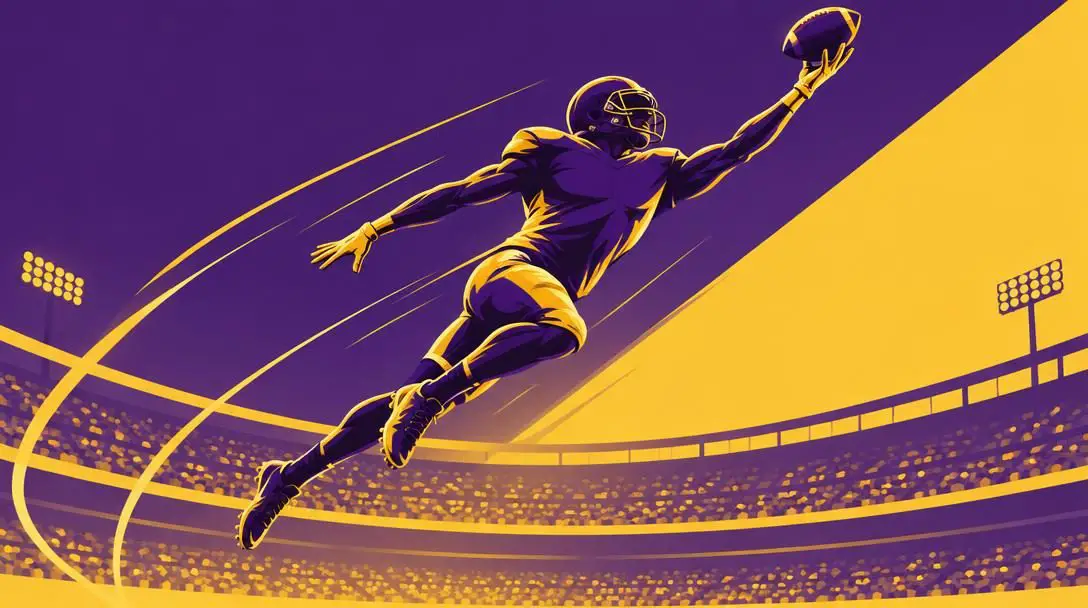
Widely regarded as possessing athletic ability that made him arguably the single best pure talent in the 1998 NFL Draft, wide receiver Randy Moss entered the selection process viewed by most draft analysts as a certain top-three choice. Despite that talent, his collegiate journey featured profound turbulence that made front offices hesitate. Moss originally planned to attend the University of Notre Dame, but an off-campus altercation that resulted in an initial felony charge derailed those plans. He subsequently transferred to Florida State to play under Bobby Bowden, but before he could ever play a snap for the Seminoles, a violation of a work-release program led to two months of jail time.
Moss eventually found athletic stability at Marshall University in his home state of Wisconsin, leading the program into the NCAA Division I-A era while dazzling college football with his rare speed, leaping ability, and ball skills. Yet, when draft night arrived, team executives let off-field reservations overshadow his generational gifts. Team after team passed on the dynamic pass-catcher until the Minnesota Vikings halted his slide at pick 21. Moss made an immediate impact, putting together a record-setting rookie campaign that altered the franchise's trajectory and proved that his talent far exceeded his draft slot.
Aaron Rodgers
- Draft: 2005 NFL Draft
- Actual Pick: Round 1, Pick 24
- Drafting Team: Green Bay Packers
- Collegiate Alma Mater: California
The build-up to the 2005 NFL Draft centered on an intense national debate: which West Coast passer deserved the number one overall pick? The choice came down to Alex Smith of Utah and Aaron Rodgers of California. While many analysts projected that the San Francisco 49ers would select Smith with the first pick, an equally confident contingent of scouts argued that Rodgers possessed superior passing mechanics, pocket awareness, and overall upside.
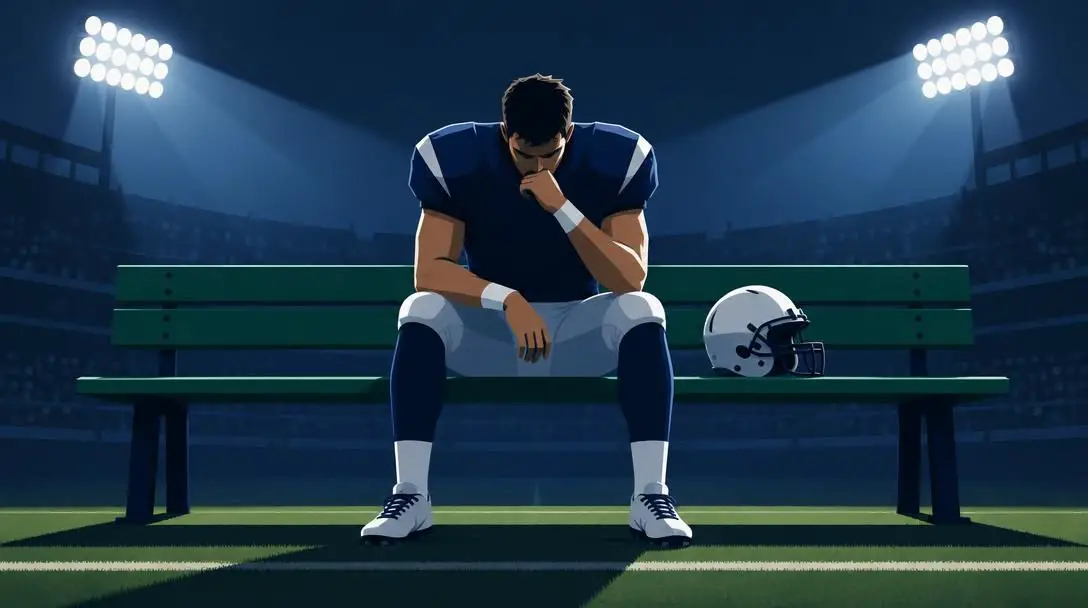
When the 49ers made Smith the top pick, an unexpected sequence unfolded. Teams drafting in the top ten had positional priorities elsewhere, and franchises with quarterback needs chose not to trade up. Rodgers remained in the televised green room for hours as 23 picks passed without his name being called. Finally, the Green Bay Packers—despite already employing future Hall of Famer Brett Favre under center—recognized that Rodgers's draft-board value at pick 24 was too high to pass up. While waiting under the live television lights was a grueling ordeal, landing in Green Bay set Rodgers on a path toward an accomplished, championship-winning career.
Thurman Thomas
- Draft: 1988 NFL Draft
- Actual Pick: Round 2, Pick 40
- Drafting Team: Buffalo Bills
- Collegiate Alma Mater: Oklahoma State
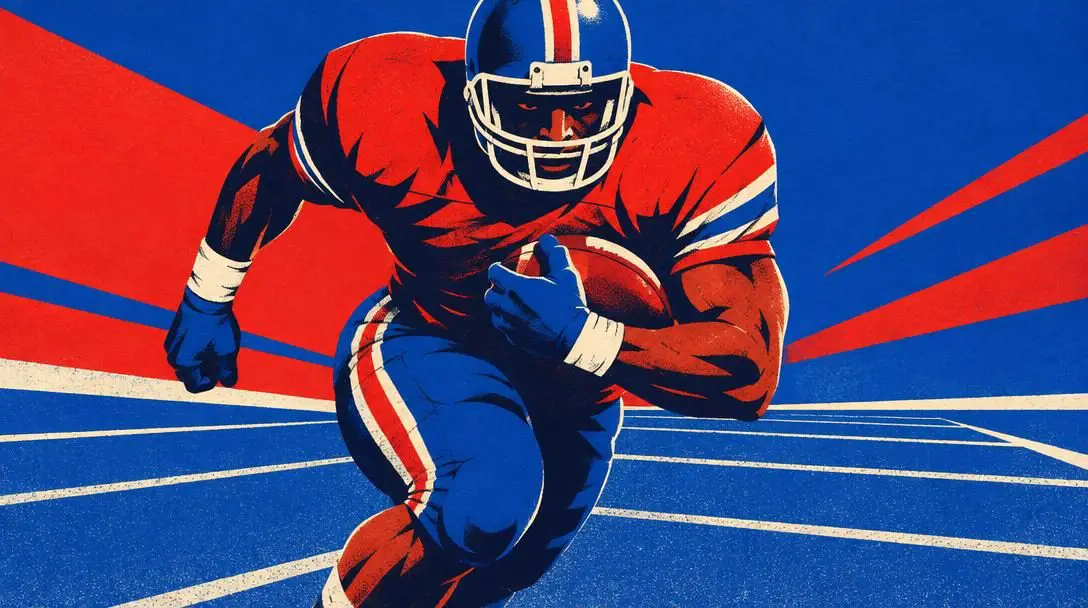
Modern football history remembers running back Thurman Thomas as one of the most prolific offensive weapons of his era. As the 1991 NFL Most Valuable Player, a five-time All-Pro honoree, and an inductee into both the Pro Football Hall of Fame and College Football Hall of Fame in consecutive years, his resume reads like an obvious first-round lock. Yet during the 1988 selection process, league evaluators viewed his prospects through a much more cautious lens.
During his collegiate career at Oklahoma State, Thomas suffered a significant knee injury that set off medical alarms across the NFL. Team doctors raised serious questions regarding his structural durability, causing front offices to back away from committing a first-round selection to him. Draft commentators maintained that his on-field traits remained elite, and that optimism was vindicated when the Buffalo Bills secured him in the second round with the 40th overall selection. Thomas went on to amass more than 12,000 rushing yards and 88 touchdowns, serving as the offensive focal point for a Buffalo squad that secured four consecutive AFC championships.
Medical evaluations regularly outweigh college production, turning surefire first-rounders into draft-day bargains for teams willing to manage the risk.
Brady Quinn
- Draft: 2007 NFL Draft
- Actual Pick: Round 1, Pick 22
- Drafting Team: Cleveland Browns
- Collegiate Alma Mater: Notre Dame
The University of Notre Dame carries one of the most storied traditions in college sports, yet the program had gone through an extended drought without sending a premier franchise quarterback to the NFL. Brady Quinn appeared destined to break that cycle. Quinn rewrote the school record books, compiling 11,762 passing yards and 95 touchdowns across a decorated four-year collegiate career. Entering the 2007 NFL Draft, media analysts widely projected him as an early top-five selection, with several prominent pundits arguing he deserved consideration for the top overall pick.
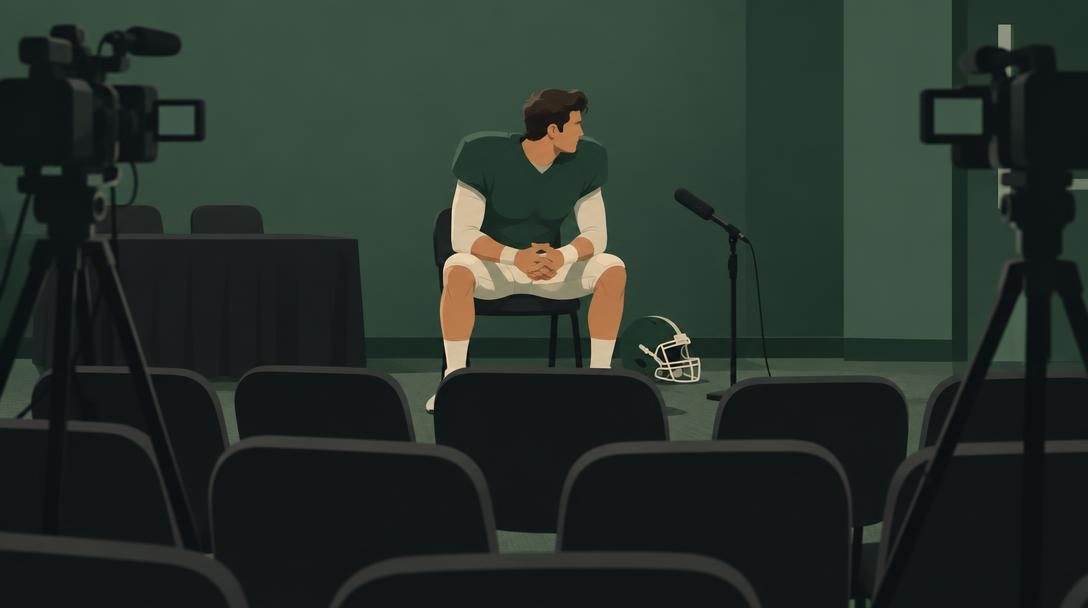
However, when the draft began, the divergence between television commentators and NFL war rooms became painfully clear. Scouts harbored reservations regarding his downfield accuracy, pocket decision-making, and ability to elevate an offense against top-tier competition. Quinn endured a prolonged slide in the green room before the Cleveland Browns traded back into the first round to select him at pick 22. Unlike Moss or Rodgers, Quinn was unable to establish himself as a long-term starter at the professional level, concluding his playing career in 2014 before achieving widespread recognition as a sports broadcaster.
Vontaze Burfict
- Draft: 2012 NFL Draft
- Actual Pick: Undrafted Free Agent
- Drafting Team: Cincinnati Bengals
- Collegiate Alma Mater: Arizona State
Few defensive prospects arrived on the collegiate scene with higher expectations than Vontaze Burfict. Rated as the top high school linebacker in the nation, Burfict initially committed to USC before academic ineligibility led him to enroll at Arizona State. While playing for the Sun Devils, Burfict showcased elite physical tackling, instinctual run-stopping ability, and an intimidating presence that caused multiple draft analysts to grade him as the single most talented linebacker in the 2012 draft class.
Nevertheless, Burfict carried a litany of red flags that thoroughly spooked team decision-makers. On-field personal fouls, benchings, clashes with coaching staffs, and a poor showing at the NFL Scouting Combine raised immense character and discipline concerns. The hesitation across the league was so widespread that all 32 teams bypassed Burfict across all seven rounds of the draft. Immediately following the draft's conclusion, the Cincinnati Bengals signed him as an undrafted free agent. Burfict quickly earned a starting role, made an All-Pro team, and enjoyed an eight-year NFL career with the Bengals and Raiders through 2019, rewarding Cincinnati's calculated gamble on his athletic talent.
How Professional Front Offices Grade Draft Prospects
Understanding why consensus top prospects tumble down the board requires examining the rigorous, multi-layered evaluation systems employed by NFL franchises. While public draft boards often remain static, internal NFL evaluations rely on distinct phases of vetting:
- All-22 Film Study: Rather than relying on highlight packages, professional scouts review every single snap an athlete played across multiple seasons. They grade footwork, play recognition, technique against elite competition, and assignment discipline.
- Comprehensive Medical Screenings: The annual NFL Scouting Combine medical re-check is often the single most influential event of the draft calendar. Franchise physicians conduct MRIs, stress tests, and joint evaluations to uncover structural damage that may limit a prospect's career longevity.
- Deep Background and Security Checks: Franchises deploy full-time investigative staffs to look into a player's background. These investigators interview former high school coaches, academic advisors, teammates, campus police, and personal acquaintances to build a comprehensive behavioral profile.
- Systemic Scheme Fit and Positional Value: Even a remarkably gifted prospect will slide if the clubs picking in their projected draft range have established starters at that position or operate tactical schemes that do not highlight the prospect's physical skill set.
Managing Unexpected Board Drops: A Step-by-Step Front Office Playbook
When an elite talent unexpectedly tumbles through the draft order, general managers cannot afford to act out of sheer excitement. Front offices execute a deliberate protocol to capitalize on unexpected draft-day opportunities:
- Consult Tiered Big Boards: Rather than using straight numerical rankings, front offices structure their draft boards into horizontal talent tiers. When a prospect from an elite upper tier slides down into a lower round's range, the board signals an extreme value opportunity.
- Conduct Emergency Medical and Security Audits: The general manager immediately calls the head team physician and director of player personnel to verify why the prospect is falling and confirm whether the team's medical or character grade permits a selection.
- Calculate Draft-Pick Trade Value: Front offices use standardized trade-value charts to calculate the draft capital required to trade up, allowing them to jump ahead of competitors to stop a prospect's fall, just as Cleveland did for Brady Quinn.
- Execute Post-Draft Free-Agency Prioritization: When an elite talent goes completely unselected through seven rounds, teams rapidly deploy front-office personnel and position coaches to pitch the player on scheme fit, depth-chart opportunity, and financial guarantees.
Why Draft Media Projections Miss the Mark
Draft slides appear shocking to viewers largely because public commentary regularly falls into predictable evaluation traps. By recognizing these analytical shortcomings, fans can better assess pre-draft analysis:
- Overvaluing College Box-Score Production: Media analysts frequently assume that gaudy statistics automatically translate to the NFL, overlooking athletic limitations or schematic gimmicks that inflate collegiate production.
- Asymmetric Medical Information: Unlike franchise medical staffs, media draft analysts do not have access to proprietary medical records, surgical histories, or joint scans, causing them to rank injured prospects far too high.
- Underestimating Character and Cultural Risk: Public commentators often assume professional coaching will resolve maturity issues, while front offices are reluctant to commit multi-million-dollar guaranteed contracts to high-risk personalities.
- Echo Chambers and Consensus Groupthink: Draft analysts frequently consult one another's rankings, creating an artificial consensus that reinforces a player's perceived value long after NFL teams have moved on.
Evaluating Future Draft Fallers: Critical Factors to Monitor
When tracking future draft cycles, observers can anticipate potential draft-day slides by paying close attention to specific risk indicators. First, analyze the prospect's durability history. Soft-tissue injuries, recurring joint inflammation, and multiple knee procedures often cause front-office doctors to downgrade an athlete's medical profile.
Second, evaluate positional demand within the draft class. High-value positions like quarterback, offensive tackle, and edge rusher consistently push skilled players at running back, safety, or interior offensive line down the board. Finally, monitor how prospects handle coaching transitions, academic demands, and off-field accountability. In modern draft rooms, verified character concerns routinely outweigh raw athletic potential.
Frequently asked questions
Why do NFL players slide down the draft board?
Players typically slide due to failed medical screenings, off-field disciplinary issues, disappointing combine workouts, or poor scheme fits with the teams holding early selections.
Who was the lowest draft pick among these five players?
Vontaze Burfict was the lowest, going completely unselected through all seven rounds of the 2012 NFL Draft before signing with the Cincinnati Bengals as an undrafted free agent.
Why did Aaron Rodgers fall to pick 24 in 2005?
After the San Francisco 49ers chose Alex Smith with the first pick, the remaining teams in the top 20 had other positional needs, and quarterback-needy clubs did not trade up to acquire Rodgers.
Can a player who falls in the draft still have a Hall of Fame career?
Yes. Both Randy Moss and Thurman Thomas experienced notable draft-day slides and went on to earn induction into the Pro Football Hall of Fame.
Why did Thurman Thomas fall to the second round?
Thomas slid to the second round in 1988 because team medical staffs were concerned about the long-term durability of a knee injury sustained during his college career at Oklahoma State.
The bottom line
The NFL draft remains an imperfect science where public expectations routinely clash with real-world franchise decision-making. As the historic slides of Randy Moss, Aaron Rodgers, Thurman Thomas, Brady Quinn, and Vontaze Burfict demonstrate, draft day is dictated by medical evaluations, character vetting, and strategic team needs. While tumbling down the draft board can be an agonizing experience for an elite prospect, draft position merely determines where an NFL journey begins, not how it ends.