5 NFL Players You Forgot Were Drafted First Overall
The annual NFL Draft represents one of the most critical turning points in professional sports, giving struggling franchises the opportunity to secure franchise-altering talent. Front offices invest months of intensive research, analyzing game film, testing athletic thresholds, and interviewing prospects to determine who will lead their organization into the future. Despite modern analytics and exhaustive scouting, the draft remains an unpredictable exercise where projected superstars can struggle and late-round selections can evolve into icons.
The pressure reaches its peak with the first overall selection, where a franchise is expected to draft a transformative cornerstone. Football history typically remembers these picks through two extremes: immortal Hall of Fame legends who define eras, or catastrophic busts whose names become cautionary tales. Between those extremes lies a forgotten group of players who carved out productive careers, earned individual accolades, or won championships, yet quietly drifted out of the collective memory of football fans.
Key takeaways
- The number one overall pick carries enormous expectations, but many top selections become steady, long-term starters rather than iconic legends or absolute busts.
- Injury setbacks dramatically altered the trajectories of high-potential top picks like Sam Bradford and Jake Long despite their undeniable talent.
- Selecting a reliable starter at the top of a weak draft class can be a major organizational victory, as shown by Eric Fisher in 2013.
- Evaluating draft success requires assessing alternative players passed over, positional value, and long-term durability rather than just draft night hype.
At a Glance: Forgotten Number One Selections
| Player | Draft Year | Drafting Team | Primary Accolades & Notes |
|---|---|---|---|
| Sam Bradford | 2010 | St. Louis Rams | 2008 Heisman Trophy winner; played nine total NFL seasons |
| Courtney Brown | 2000 | Cleveland Browns | 1999 Big Ten Defensive Player & Lineman of the Year; 19 sacks in Cleveland |
| Mario Williams | 2006 | Houston Texans | 4 Pro Bowl selections; 1 first-team All-Pro honor |
| Eric Fisher | 2013 | Kansas City Chiefs | 2 Pro Bowl selections; Super Bowl champion with Kansas City |
| Jake Long | 2008 | Miami Dolphins | 4 Pro Bowl selections; 104 career games across four franchises |
Five First Overall Picks History Often Overlooks
Looking back through decades of draft classes reveals several top picks whose careers were respectable, solid, or shortened by injuries, causing their status as former first overall selections to fade over time. These five players reached the pinnacle of the college ranks, heard their names called first, and authored professional journeys that rarely get mentioned alongside typical draft conversations.
Sam Bradford
- Draft Year: 2010
- Drafting Franchise: St. Louis Rams
- College: Oklahoma
- Career Conclusion: 2018 season
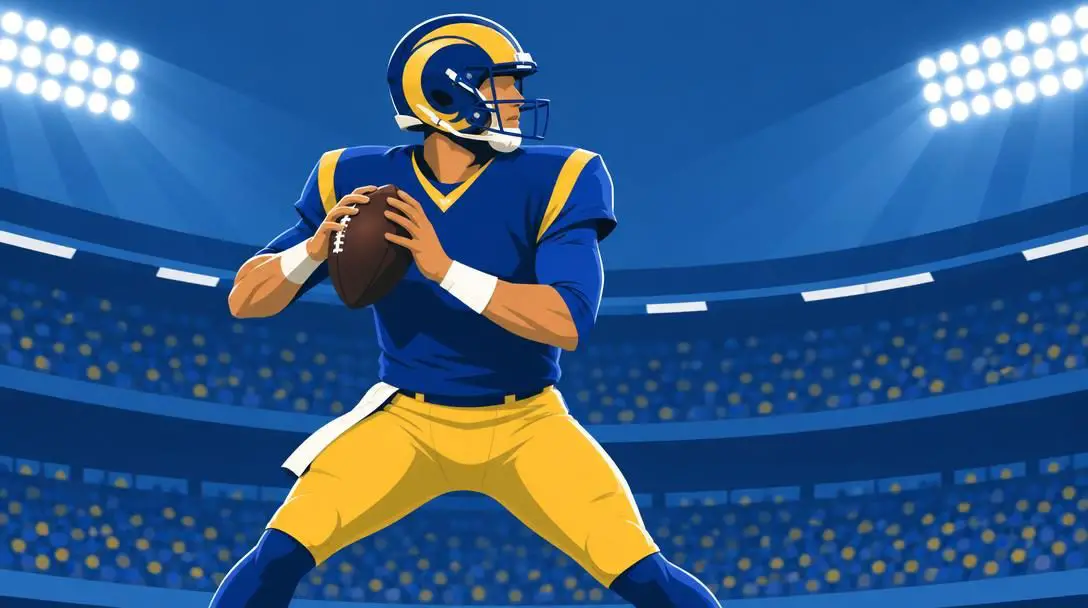
Entering the 2010 selection process, intense debate centered on who should lead off the board. Facing an urgent vacancy under center, the St. Louis Rams committed their top asset to quarterback Sam Bradford, who had established his collegiate credentials by capturing the Heisman Trophy in 2008 while guiding the Oklahoma Sooners offense.
Bradford displayed notable flashes of arm talent and high-level execution early in his professional career, confirming why scouts valued his passing ability. Unfortunately, persistent physical setbacks disrupted his development and stripped him of lasting momentum. Bradford spent five seasons with the Rams before finishing his playing career across three other franchises, ultimately stepping away after the 2018 campaign. When analyzing whether Bradford justified the top pick, the value equation remains negative, particularly because the six picks following him featured elite stars like defensive tackle Ndamukong Suh and offensive tackle Trent Williams.
Courtney Brown
- Draft Year: 2000
- Drafting Franchise: Cleveland Browns
- College Honors: 1999 Big Ten Defensive Player & Lineman of the Year
- Career Tenure: Finished career in 2005 with Denver
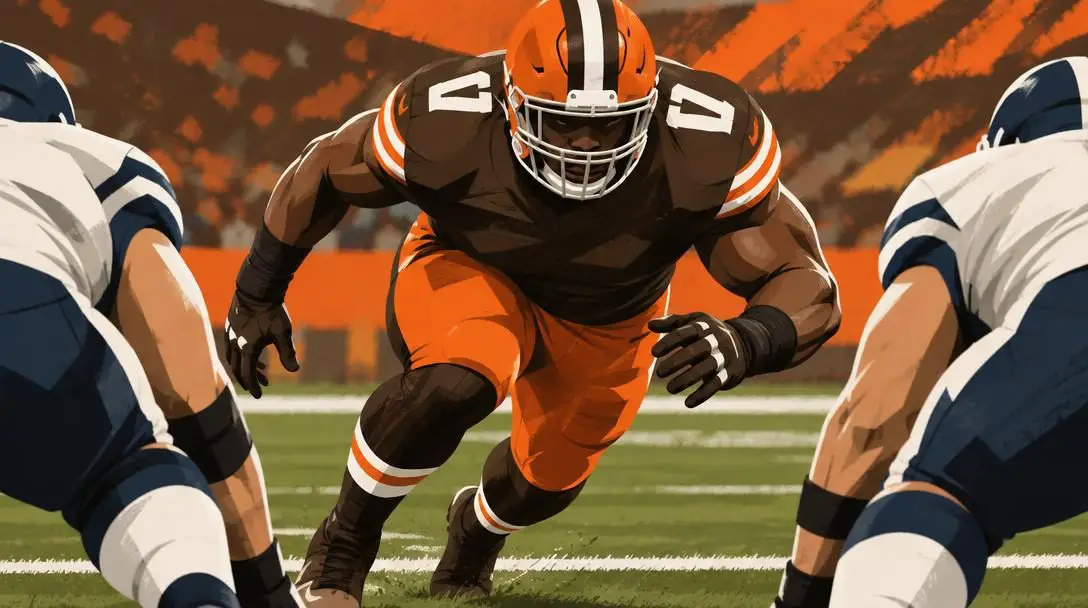
When sports debates turn to the most catastrophic draft busts in professional football, defensive end Courtney Brown is rarely brought into the discussion. Instead, his entire professional career is frequently overlooked by modern fans. Entering the professional ranks, Brown possessed sterling collegiate credentials after capturing the 1999 Big Ten Defensive Player of the Year and Lineman of the Year awards.
The Cleveland Browns selected him first overall in 2000 with the goal of anchoring their defensive front for the coming decade. That plan failed to materialize as anticipated. Brown spent five seasons in Cleveland, collecting just 19 sacks before concluding his playing career with the Denver Broncos in 2005. Taking Brown at the top of the board represented an immense missed opportunity, especially given that Washington drafted an elite defensive contributor immediately following him, while future Hall of Fame linebacker Brian Urlacher went inside the top ten.
Mario Williams
- Draft Year: 2006
- Drafting Franchise: Houston Texans
- Pro Bowls: 4
- All-Pro Honors: 1
When football enthusiasts recall defensive ends selected first overall by the Houston Texans, memories almost universally point toward Jadeveon Clowney due to the unprecedented media attention surrounding his collegiate career. Eight seasons before Clowney entered the league, however, Houston shocked the sports world by taking Mario Williams with the top selection in 2006.
Williams validated the front office's faith by producing an accomplished professional resume, collecting four Pro Bowl bids and one first-team All-Pro honor, with much of that elite production occurring during his subsequent tenure with the Buffalo Bills. Williams easily justified his draft status: no prospect chosen in the top five of the 2006 event matched his longevity or consistent production, and many other early selections from that draft proved to be temporary performers whose production fell off rapidly.
Eric Fisher
- Draft Year: 2013
- Drafting Franchise: Kansas City Chiefs
- College: Central Michigan
- Championships: Super Bowl Champion (Kansas City)
The 2013 draft class generated remarkably low fanfare among scouts and analysts, offering few clear-cut prospects worthy of the top spot. The Kansas City Chiefs surprised observers by choosing offensive tackle Eric Fisher out of Central Michigan to solidify their offensive front.
Fisher rewarded the franchise with eight seasons of dependable line play, earning two Pro Bowl invitations and playing a vital role in bringing a Super Bowl championship to Kansas City before spending the 2021 season with Indianapolis. The opening round of 2013 proved notoriously volatile, producing very few players who sustained long-term NFL careers. While fourth overall pick Lane Johnson eventually built an even stronger resume at tackle, Fisher gave Kansas City stability and championship hardware, making the selection a genuine success given the limited class strength.
A top pick does not need to become an era-defining Hall of Famer to provide genuine championship value for the franchise that drafts him.
Jake Long
- Draft Year: 2008
- Drafting Franchise: Miami Dolphins
- Pro Bowls: 4
- Total Games Played: 104
Five years before Eric Fisher became an overlooked tackle at number one, the Miami Dolphins selected Michigan offensive lineman Jake Long with the first overall pick in 2008. Long quickly established himself as one of the premier offensive linemen in football, earning four consecutive Pro Bowl honors to begin his career.
Long eventually suited up for four different franchises, appearing in 104 career contests before closing out his career as a member of the Minnesota Vikings in 2016. Assessing Long's overall value reveals nuanced results. The Dolphins bypassed quarterback Matt Ryan, who went third overall and could have resolved their multi-year instability at football's most critical position. Nevertheless, Long proved to be the second-best player chosen inside the top five of that draft class, keeping the selection from being classified as a front-office failure.
Behind the Curtain: How Front Offices Evaluate the Top Pick
Selecting first overall requires an organization to balance immediate roster holes against generational athletic talent. Reaching a consensus demands coordinated operations across four key departments within the building:
- College scouting department: Scouts spend full calendar years attending practices, logging live game tape, and compiling evaluations of physical attributes and character traits.
- Medical staff: Team physicians examine joint stability, surgical repairs, and long-term durability to calculate the probability of career longevity.
- Coaching staff: Coordinators evaluate tactical alignment, deciding whether a prospect's collegiate skills fit the team's operational schemes.
- Front-office executives: General managers assess overall positional economics, determining whether investing the top selection in a tackle, pass rusher, or quarterback provides maximum strategic value.
Six Disciplined Steps Front Offices Follow Before Draft Night
Holding the first overall pick puts front offices under intense scrutiny. To prevent costly mistakes, franchises rely on a methodical evaluation sequence before submitting their card:
- Conduct a comprehensive roster audit: Review internal depth charts to pinpoint foundational structural deficiencies, focusing on high-impact positions.
- Build a non-positional talent board: Rank collegiate prospects strictly on talent and tape to prevent reaching for short-term fixes over elite ability.
- Execute exhaustive medical reviews: Review surgical histories and structural imaging to uncover potential long-term risks or recurring injuries.
- Administer psychological and cognitive testing: Interview prospects under high-pressure scenarios to evaluate mental processing and maturity.
- Test the trade market: Engage rival front offices in trade negotiations to assess whether dropping down the board offers greater overall roster value.
- Establish organizational alignment: Secure final sign-off between ownership, coaching staffs, and personnel directors well before draft night to avoid erratic draft-room decisions.
Five Costly Traps Teams Fall Into at the Top of the Draft
Drafting at the top of the board is an inherently risky exercise. History illustrates that front offices frequently fall victim to predictable evaluation missteps:
- Reaching for positional need: Forcing a pick at an urgent position of weakness while bypassing an elite, generational player at another premium spot.
- Ignoring medical history: Assuming collegiate injuries and soft-tissue problems will naturally disappear under professional training regimens.
- Overvaluing workout metrics: Prioritizing short-track sprint times and agility testing in shorts over years of inconsistent collegiate game tape.
- Misreading draft class depth: Failing to recognize when an entire class lacks blue-chip talent, leading teams to treat good prospects as transcendent stars.
- Enforcing poor scheme fit: Drafting an athlete with exceptional natural gifts and forcing them into a rigid system that exposes their structural weaknesses.
Framework for Contextualizing First Overall Draft History
When assessing past draft selections and projecting future classes, evaluating careers on a binary pass-or-fail scale oversimplifies reality. Analysts and fans should consider several nuanced factors:
First, an athlete can build a distinguished career featuring multiple Pro Bowl trips and a Super Bowl title without remaining a household name or reaching Canton. Second, draft picks must always be graded against the opportunity cost of alternate prospects available at that moment. Third, uncontrollable injuries often dismantle promising careers, transforming potential perennial All-Pros into short-lived starters. Finally, because draft classes vary wildly in quality, securing an eight-year starter during a weak year represents a genuine victory.
Frequently asked questions
Why do fans often forget certain players were drafted first overall?
Fans generally remember draft picks who become historic Hall of Famers or notorious draft busts. Players who build solid, reliable, or injury-shortened careers occupy a middle tier that naturally fades from national sports conversations over time.
Was Mario Williams considered a successful first overall pick?
Yes. Mario Williams earned four Pro Bowl selections and an All-Pro nod during his career. He proved to be the most consistent and productive player chosen in the top five of the 2006 draft class.
Did Eric Fisher justify being drafted first overall in 2013?
Yes, particularly given the context of the weak 2013 draft class. Fisher started eight seasons for the Kansas City Chiefs, earned two Pro Bowl nods, and helped anchor the line during a Super Bowl victory.
How did injuries impact Sam Bradford's NFL career?
Injuries repeatedly halted Bradford's development and on-field momentum. Despite winning the Heisman Trophy in 2008 and showing flashes of high-level passing ability in St. Louis, his physical durability issues prevented him from establishing a long-term franchise tenure.
Which quarterback did the Dolphins pass on when selecting Jake Long in 2008?
The Miami Dolphins passed on quarterback Matt Ryan, who was selected third overall by the Atlanta Falcons. While Long earned four Pro Bowls, missing on a franchise quarterback left an unresolved hole on Miami's roster.
The bottom line
The history of the number one overall draft pick contains far more nuance than simple labels of legend or failure. Players like Sam Bradford, Courtney Brown, Mario Williams, Eric Fisher, and Jake Long show that careers take vastly different directions due to injuries, draft class strength, and roster situations. Evaluating draft history requires looking beyond the opening night headlines and recognizing the complex, solid careers that sit between greatness and disappointment.