5 Off-The-Beaten Path Travel Destinations
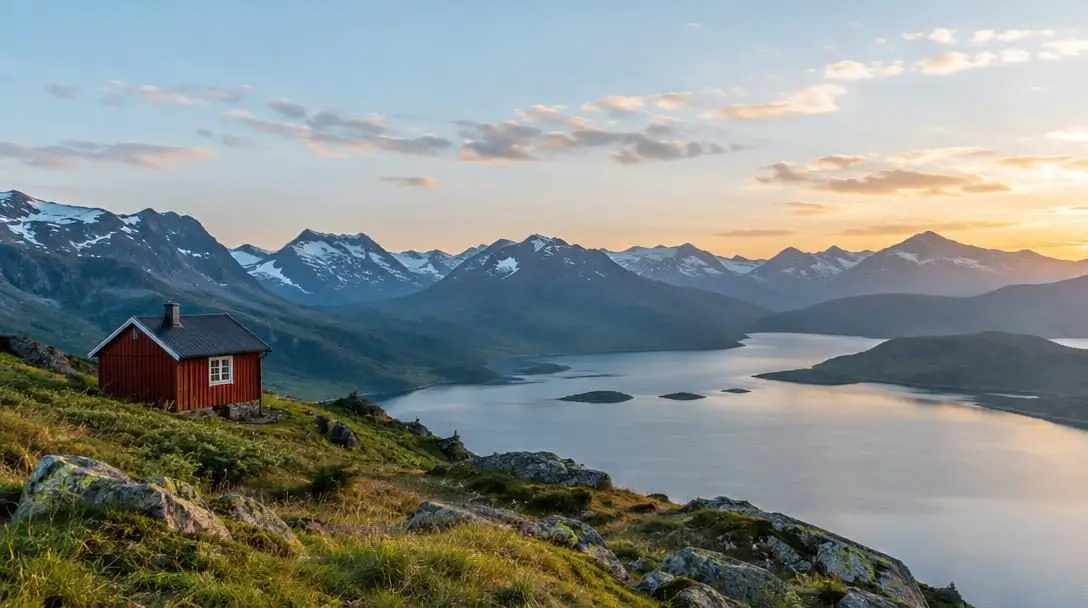
Traveling away from well-trodden tourist corridors allows you to have unique experiences rather than simply following in the footsteps of millions of travelers before you. While conventional vacations often revolve around heavily visited metropolitan centers, pre-packaged itineraries, and congested attractions, venturing off the path shifts the focus toward genuine discovery. Whether you are dreaming of a rustic tropical paradise, pristine polar wilderness, or natural thermal springs surrounded by snow, there is a place in the world ready to match your aspirations.
Selecting alternative destinations gives travelers direct access to intact ecosystems, rare wildlife, distinct cultures, and uninterrupted tranquility. However, these journeys operate quite differently from mainstream getaways. Infrastructure can be minimal, transit frequently requires complex multi-leg planning, and environmental conditions routinely dictate daily routines. Understanding what draws people to these remote corners, how to navigate them safely, and what makes each location distinctive is key to planning a successful expedition.
Key takeaways
- Venturing beyond mainstream routes offers rare wildlife, pristine ecosystems, and cultural immersion free from heavy tourist crowds.
- Isolated regions require specialized transit methods ranging from ice-strengthened polar ships to regional subarctic flights and coastal vessels.
- High-latitude destinations feature dramatic seasonal swings, alternating between winter aurora viewing and round-the-clock summer midnight sun.
- Successful journeys require booking strictly limited accommodations early, packing specialized technical gear, and scheduling generous buffer days for travel delays.
At a glance: Comparing remote travel destinations
| Destination | Primary Environment | Key Natural Attractions | Primary Transit Mode |
|---|---|---|---|
| Greenland | Arctic glacial coast and fjords | Massive icebergs, dramatic fjords, cultural heritage | International flights to Nuuk; regional flights, boats, helicopters |
| Chena Hot Springs | Subarctic interior forest | Geothermal mineral springs, aurora borealis, midnight sun | Road transit from Fairbanks, Alaska |
| The Cook Islands | Tropical South Pacific archipelago | Coral reefs, rich marine life, clear lagoons | Long-haul flights and inter-island air routes |
| Madagascar | Isolated Indian Ocean island biome | Endemic lemurs, baobab trees, rare orchids, birdlife | Long-haul international flights and regional overland routes |
| Antarctica | Polar ice sheet and maritime peninsula | Penguin colonies, seals, whales, floating icebergs | Expedition cruise vessels |
Five exceptional destinations outside the mainstream
Across the globe, specific regions stand out for their ability to deliver memorable adventures far removed from conventional tourism. The following five destinations showcase the tremendous variety available to modern explorers who are willing to look beyond predictable vacation spots.
Greenland
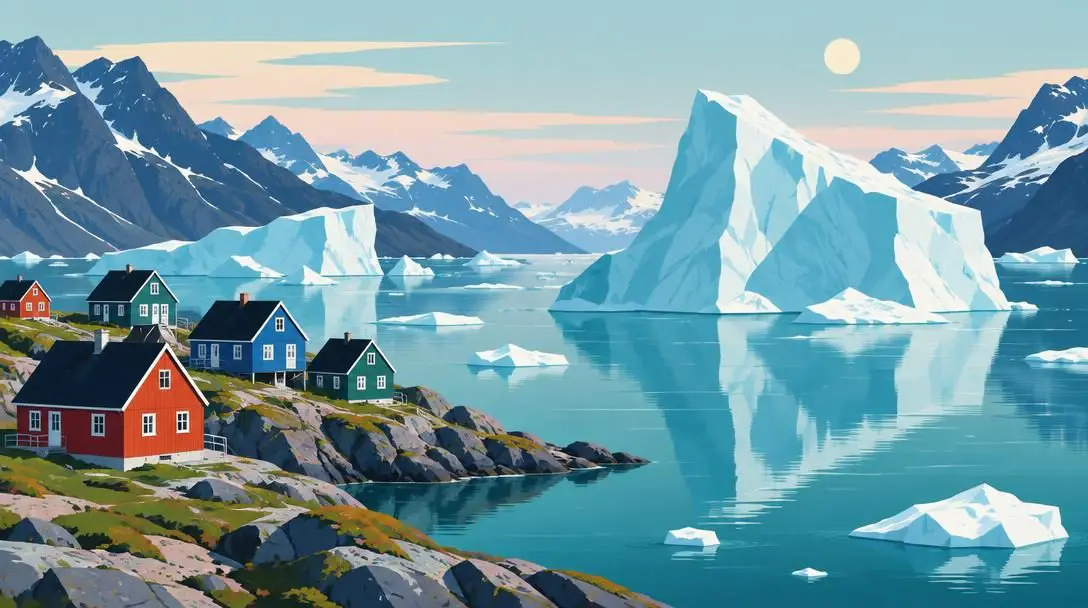
- Key Gateway: Nuuk (population under 20,000)
- Landscape Features: Glacial fjords, icebergs, arctic tundra
- Transit Facilities: International airport with regional connections
Greenland is not typically thought of as a conventional tourist destination, yet an increasing number of independent travelers are falling under its spell. The world's largest island features mesmerizing landscapes defined by pristine fjords full of mysterious icebergs, towering granite peaks, and an indigenous culture that rewards respectful curiosity. Rather than navigating mass resort complexes, visitors experience vast expanses of raw, untamed wilderness where nature commands daily life.
Its capital and largest city, Nuuk, is home to fewer than 20,000 citizens. Despite this modest population, Nuuk boasts an unexpectedly vibrant cultural scene, outstanding local restaurants, and engaging nightlife. The city functions as the central gateway for exploration across the broader island, aided by an international airport that connects travelers arriving from abroad with regional transport networks.
Chena Hot Springs
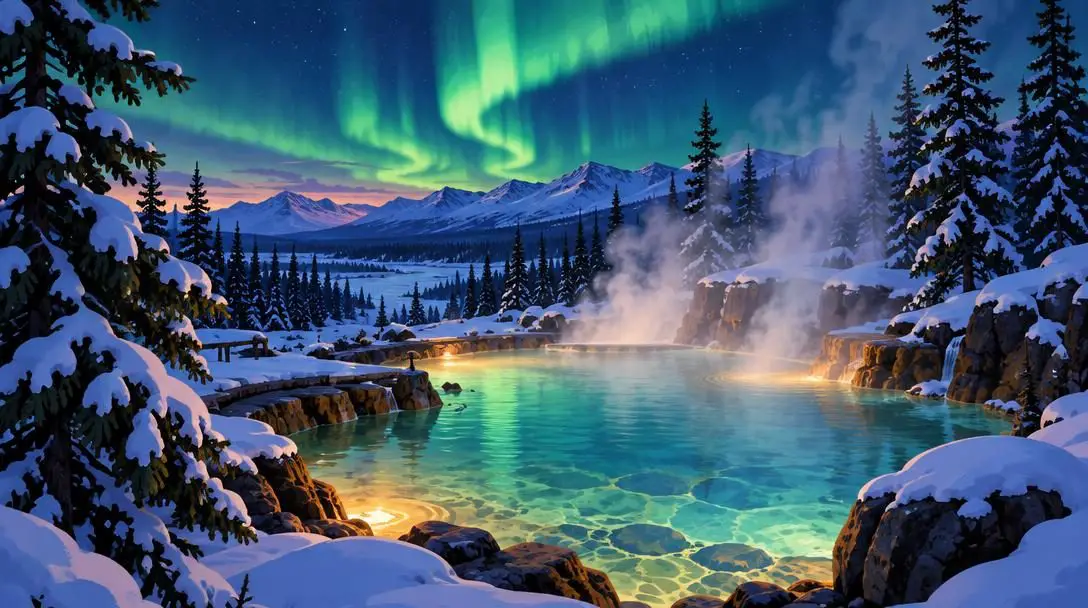
- Geographic Location: 50 miles east of Fairbanks, Alaska
- Core Attraction: Geothermal mineral pools
- Seasonal Events: Aurora borealis in winter, midnight sun in summer
Situated approximately 50 miles east of Fairbanks, Alaska's second-largest city, Chena Hot Springs provides an ethereal ambiance highlighted by dramatic natural phenomena. The resort area centers on natural geothermal hot springs that remain toasty warm throughout the year, even when exterior air temperatures plunge well below freezing during subarctic winter spells. This stark contrast between steaming mineral waters and crisp, sub-zero air creates an unforgettable sensory setting.
For visitors seeking comfort in the far north, accommodations include modern lodges and dining establishments. The seasonal timing of a trip here dictates the entire character of the experience: winter visitors arrive under long, dark nights ideal for witnessing the vibrant dance of the aurora borealis, whereas summer travelers encounter the continuous daylight of the midnight sun.
The Cook Islands
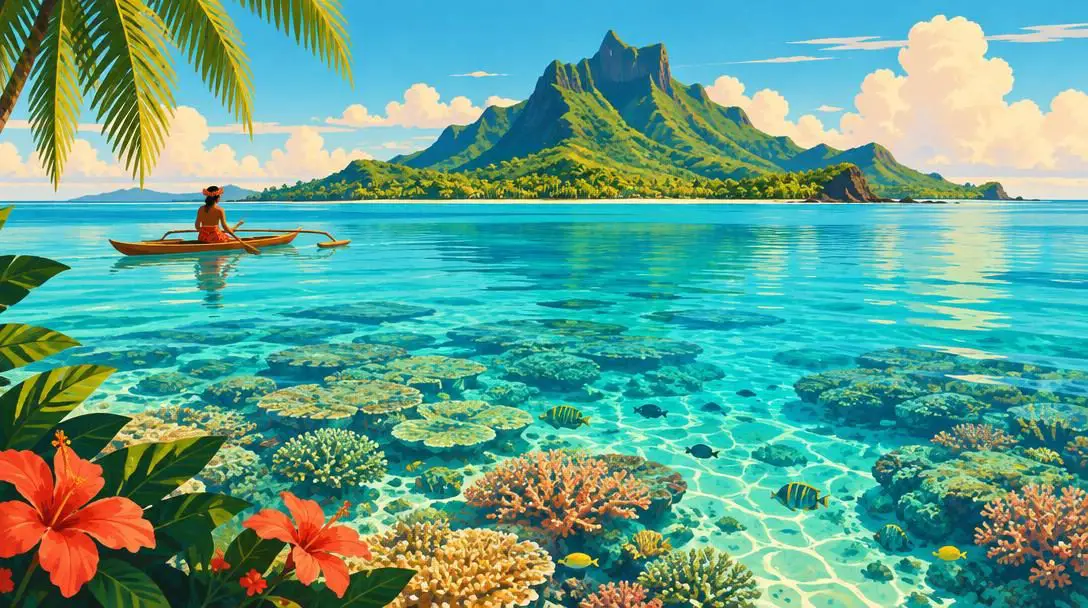
- Territory Structure: 15 distinct islands
- Climate: Year-round warm tropical weather
- Key Activities: Scuba diving, snorkeling, lagoon exploration
For travelers seeking an unspoiled tropical paradise, the Cook Islands provide crystal-clear waters, remarkable marine diversity, and the genuine hospitality of the Polynesian people. The territory comprises 15 distinct islands scattered across an immense expanse of the South Pacific. Each island in the chain maintains its own individual charm, giving visitors the freedom to either embark on an island-hopping journey or settle deeply into a single, peaceful community for the duration of their holiday.
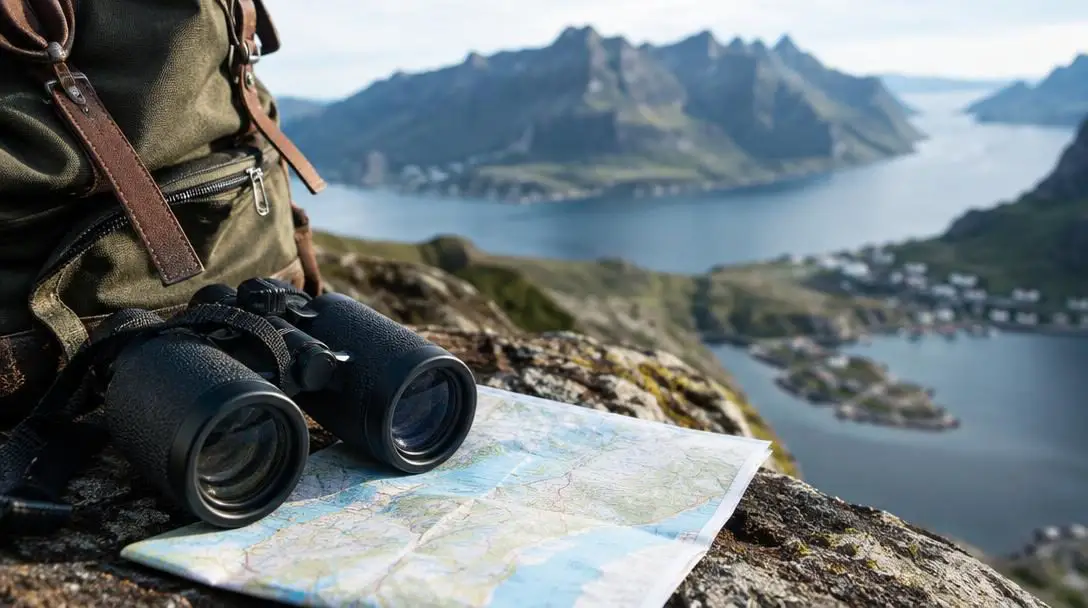
Snorkeling and scuba diving enthusiasts favor the Cook Islands for their intact barrier reefs and schools of colorful fish. Because warm, beautiful weather persists across the archipelago all year round, there is truly no unfavorable season to schedule an expedition to these tranquil shores.
Madagascar

- Geographic Status: Largest island in the Indian Ocean
- Ecological Profile: Millions of years of isolated evolution
- Iconic Species: Lemurs, towering baobabs, orchids, diverse birds
Situated off the eastern coast of the African continent, Madagascar holds the title of the largest island in the Indian Ocean. Having split from the continental mainland millions of years ago, the island's plant and animal life evolved in profound geographical isolation. This ancient separation produced extraordinary evolutionary biodiversity that cannot be found anywhere else on Earth, including dozens of species of lemurs, towering baobab trees, vibrant orchids, and abundant bird species.
Human settlements across much of the island remain relatively undeveloped compared to mainstream commercial hubs. This slower pace supports an unhurried, relaxed lifestyle among the local population, allowing visitors to unplug from the fast pace of modern metropolitan centers and immerse themselves in ancient landscapes.
Antarctica
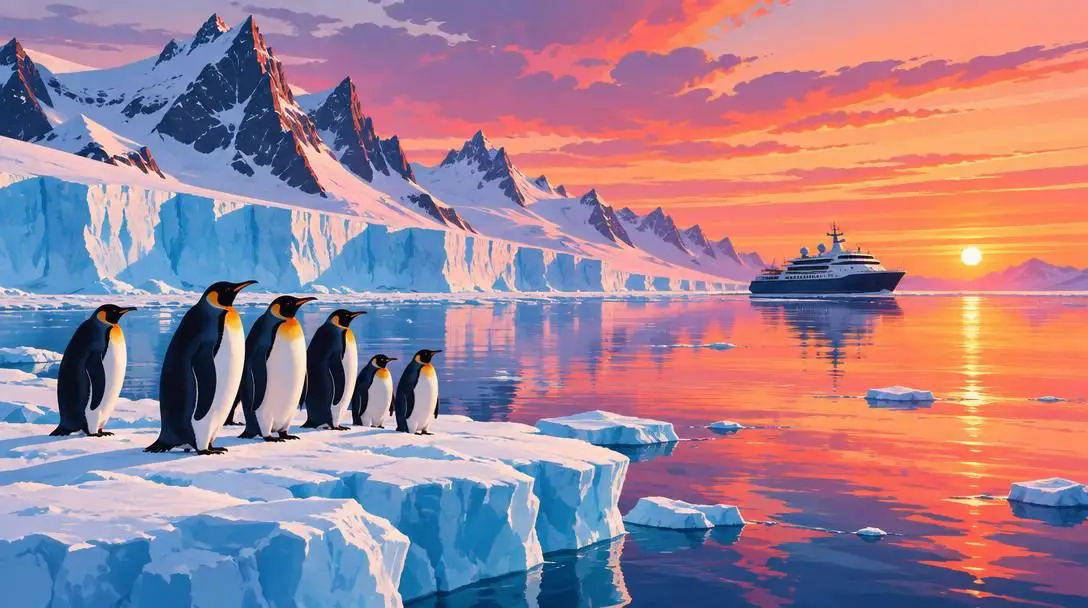
- Primary Access: Specialized expedition cruise ships
- Notable Fauna: Penguins, whales, seals, seabirds
- Visual Highlights: Antarctic Peninsula sunsets, ice formations
Representing the ultimate frontier, Antarctica is essentially the farthest you can travel off the beaten path without leaving the planet entirely. Accessible exclusively by cruise ship, the frozen continent presents an expanse of raw polar wilderness. The complete absence of standard urban noise and light pollution provides travelers with a rare sense of profound quiet and planetary perspective.
Visitors to the Antarctic Peninsula can observe flourishing colonies of penguins, resting seals, breaching whales, and diverse seabirds navigating towering ice shelves. During the polar summer, evening light produces striking sunsets that cast red, orange, and pink hues across open waters and floating icebergs. Traveling here also serves as a mobile educational seminar, as expedition vessels regularly feature onboard scientists who deliver detailed lectures on glaciology, marine biology, and the history of polar exploration.
Traveling to Antarctica represents the ultimate geographical frontier, offering total freedom from modern noise and light pollution amid an untouched polar wilderness.
How remote travel works behind the scenes
Venturing into delicate or isolated biomes involves logistics that function radically differently from city vacations. Understanding these structural mechanisms helps prospective explorers set realistic expectations and appreciate the effort required to visit such outposts.
Specialized transport logistics form the foundation of any off-grid journey. While gateways like Nuuk maintain international airports, travel within Greenland routinely relies on coastal ferries, small bush airplanes, or chartered helicopters to negotiate terrain devoid of connecting roads. Similarly, reaching Antarctica requires sturdy, ice-strengthened expedition ships engineered to navigate turbulent open seas and polar drift ice. Chena Hot Springs demands road transit through interior subarctic forests from Fairbanks, where weather can shift rapidly within a matter of hours.
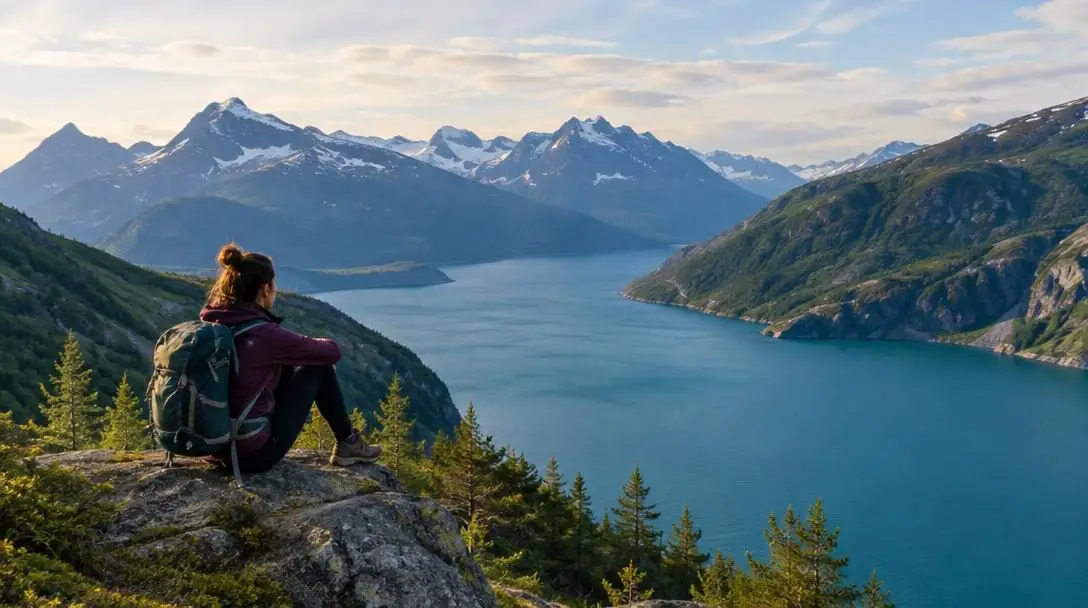
Resource management and self-sufficiency are equally critical. Remote lodges, island communities, and polar cruise ships operate beyond the reach of standard city utility grids and instant grocery supply lines. In locations like Madagascar or the high polar zones, provisions such as fresh food, vehicle replacement parts, medical equipment, and heating fuel are transported over immense distances. Many accommodations generate their own electricity, process their own drinking water, and utilize self-contained waste management systems to reduce environmental strain.
Finally, educational integration often distinguishes alternative travel from standard recreation. In vulnerable ecosystems, licensed operators bridge the gap between simple sightseeing and active conservation. On Antarctic cruises, for example, marine biologists, geologists, and historians deliver daily presentations that contextualize the fragile wildlife colonies and delicate ice shelves observed from the deck.
Practical steps for planning an off-the-beaten-path trip
Because remote journeys involve limited infrastructure and strict logistical windows, independent travelers must work through a structured preparation process well before departing.
- Match the destination to your preferred climate: Determine whether you prefer polar ice, tropical waters, or continental island biomes. If warm water activities and coral reefs are your objective, the Cook Islands offer an ideal year-round climate; if you want geothermal mineral pools amid freezing subarctic conditions, Chena Hot Springs matches that preference.
- Align your travel dates with seasonal phenomena: Check how natural cycles impact your target destination. Visiting Chena Hot Springs during the dark winter enables northern lights viewing, whereas summer brings continuous daylight under the midnight sun.
- Secure specialized accommodations early: Due to small community footprints and strict environmental regulations, room capacity is strictly limited in isolated outposts. Book expedition cruise berths, Nuuk hotels, or Chena Hot Springs lodges several months to a year in advance.
- Acquire destination-specific technical gear: Polar and subarctic conditions in Greenland, Alaska, or Antarctica require windproof shells, thermal moisture-wicking base layers, and insulated waterproof footwear. In contrast, tropical visits to the Cook Islands call for high-grade UV protection, reef-safe gear, and reliable snorkel equipment.
- Build buffer days into multi-leg transit: Long-distance itineraries connecting to places like Madagascar or secondary Cook Islands require multiple air or maritime transfers. Schedule built-in layovers to ensure that weather-related flight delays or sea swells do not derail your entire itinerary.
Common mistakes to avoid on remote journeys
Even experienced globetrotters can encounter difficulties when leaving conventional resort infrastructure behind. Avoiding these frequent oversights will protect both your safety and your travel investment.
- Assuming full urban conveniences exist everywhere: Although Nuuk provides fine restaurants and a cultural scene despite having fewer than 20,000 residents, smaller outposts in Greenland or rural villages in Madagascar offer limited digital connectivity, few retail stores, and minimal public services.
- Underestimating severe weather extremes: Subarctic temperatures around Fairbanks and Chena Hot Springs regularly fall well below zero during winter. Failing to wear technical winter clothing can cause dangerous exposure, regardless of how warm the thermal pools are once you step inside.
- Rushing through complex, sensitive ecosystems: Attempting to sprint across all 15 Cook Islands or traverse the entire landmass of Madagascar on a short vacation leads to physical fatigue and superficial experiences. These regions are best appreciated by adopting the unhurried pace of the local communities.
- Disregarding environmental protocols and wildlife boundaries: Fragile ecosystems retain their balance only when travelers leave no trace. Never touch, crowd, or feed wild animals, whether you are observing lemurs in Madagascar, nesting penguins in Antarctica, or fragile coral reefs in the South Pacific.
Frequently asked questions
How accessible is Greenland for international travelers?
Greenland is accessible via international flights landing at its primary hub in Nuuk. From the capital city, regional travel to other coastal settlements, fjords, and icebergs is facilitated by small airplanes, coastal ferries, and helicopters rather than an interconnected highway system.
When should I visit Chena Hot Springs to see the northern lights?
To view the aurora borealis at Chena Hot Springs, you must plan your visit during the winter months when the subarctic skies are sufficiently dark. Summer visits offer the continuous daylight of the midnight sun, which completely obscures the aurora.
Is it possible to explore multiple Cook Islands during one vacation?
Yes, travelers can choose between island-hopping among the 15 islands in the archipelago via regional flights and ferries or staying based in a single community to relax along the reefs and lagoons.
Why does Madagascar have wildlife that cannot be found elsewhere?
Madagascar broke away from the African mainland millions of years ago. This long evolutionary isolation allowed its flora and fauna—including its iconic lemurs, orchids, diverse bird populations, and baobab trees—to evolve independently from continental species.
How do visitors reach Antarctica, and what facilities are available?
Antarctica has no commercial airports or standard tourist hotels; it is reached exclusively by expedition cruise ships. Visitors sleep aboard these vessels, which feature modern amenities along with onboard scientists who deliver educational presentations on polar ecosystems.
The bottom line
Traveling off the beaten path transforms a routine vacation into an unforgettable expedition of discovery. Whether your ambitions involve soaking in the steaming geothermal pools of Chena Hot Springs, encountering ancient evolutionary wonders across Madagascar, cruising past Antarctic icebergs, or swimming among South Pacific reefs, alternative destinations offer depth and authenticity that crowded tourist hubs cannot replicate.
By matching your personal physical tolerance to local climates, booking restricted lodging early, and honoring the environmental protocols that protect pristine landscapes, you can safely explore the outer reaches of the world. With careful planning and patience for the unexpected rhythms of remote travel, venturing into the unfamiliar consistently yields the most rewarding journeys of a lifetime.