5 Perfect Items You Never Knew Would Make Your Long Train Journey A Breeze
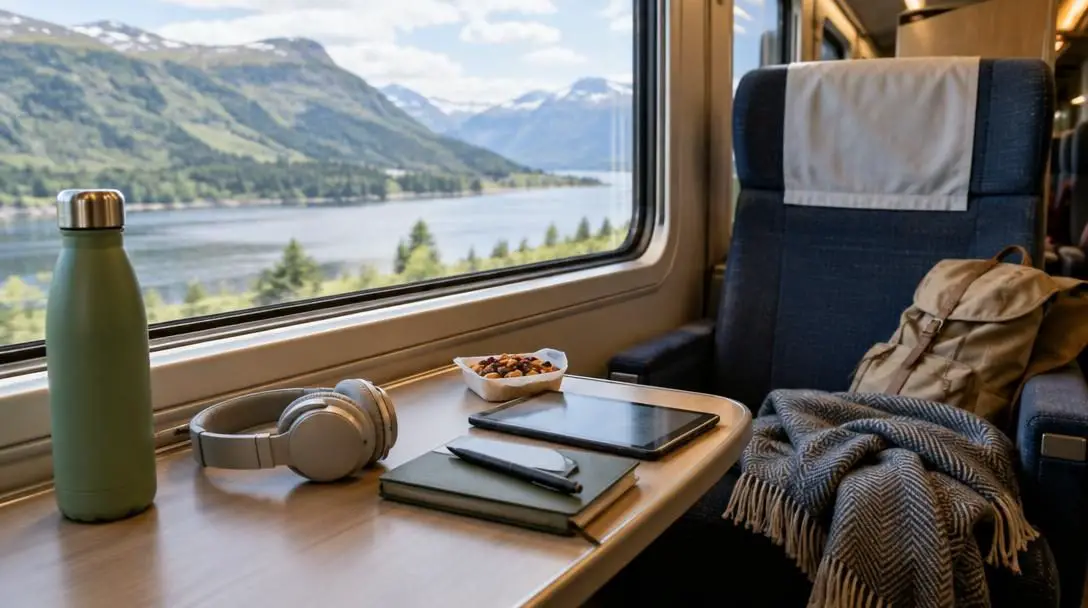
Boarding a cross-country train introduces a rhythm of travel that differs radically from modern aviation. On an airplane, passengers accept tight physical confinement because flights are comparatively brief, requiring little more than a book, a sweater, and standard personal carry-on necessities. Rail journeys, conversely, offer generous physical room: you can stretch your legs, wander between cars, and store significantly more baggage. Yet because extended rail vacations cover hundreds or thousands of miles over many hours or several days, they demand far more proactive preparation to maintain personal comfort and self-care.
Spending prolonged periods inside a rolling carriage means adapting to shifting indoor temperatures, communal facilities, variable dining schedules, and intermittent connectivity. Packing functional, specialized gear prevents unexpected delays or sparse onboard amenities from turning an exciting scenic journey into an exhausting ordeal. By packing intentionally, rail passengers also save money on overpriced station concessions, reclaim precious transit time, and make long-distance transit an enjoyable adventure rather than an endurance test.
Key takeaways
- Long-distance train travel grants generous physical space but demands thoughtful preparation for multi-day comfort and personal care.
- Thermal-insulated containers prevent food spoilage and keep beverages hot or cold for up to twelve hours on routes with limited dining options.
- Communal baggage racks near entry vestibules make visible identification tags and sturdy luggage locks vital safeguards against loss or theft.
- Physical well-being on rolling tracks relies on ergonomic pillows, eye masks, and self-contained hygiene and medical supplies.
- Pre-downloading digital media onto smart devices ensures uninterrupted entertainment across remote stretches where cellular networks and onboard Wi-Fi fail.
Essential gear for long-distance train routes
While standard travel accessories suffice for short commuter hops, extended intercity and sleeper routes present unique logistical hurdles. Shared amenities, changing terrain, and remote geographic corridors require gear that emphasizes autonomy, security, and bodily support. The following comparison highlights how five essential items address the primary pain points of sustained rail travel.
| Item | Primary function | Key advantage onboard | Recommended preparation |
|---|---|---|---|
| Insulated food and drink containers | Temperature retention for meals and beverages | Keeps food safe and fresh for up to twelve hours without refrigeration | Pre-heat with boiling water or pre-chill with ice water before packing |
| Luggage protection accessories | Baggage security and quick identification | Deters theft and prevents accidental mix-ups on shared vestibule racks | Secure locks onto zippers and add bold, legible contact tags |
| Dedicated comfort accessories | Physical support and sensory shielding | Relieves neck tension, buffers hard bunks, and blocks flashing lights | Pack in an easily accessible pouch inside your personal bag |
| Hygiene and medicine kit | Personal sanitation and symptom relief | Guarantees cleanliness and rapid care when shared facilities lack supplies | Consolidate travel-sized toiletries, pain relief, and anti-nausea meds in a zip pouch |
| Smart device with offline media | Autonomous digital entertainment | Operates seamlessly across dead zones and spotty cellular corridors | Clear device storage and download complete playlists and series at home |
Five items that transform your extended train ride
Each of the following items targets a distinct friction point encountered on long-haul tracks, turning potential travel headaches into effortless transitions.
Insulated food and beverage containers

- Primary benefit: Preserves safe food temperatures for up to 12 hours
- Key feature: Double-walled thermal barrier prevents heat exchange
- Best for: Managing dietary restrictions and skipping dining lines
Most long-distance passenger trains feature dining cars, lounge cafe counters, or bundled meal packages. However, onboard menus do not always cater to specific dietary requirements, adhere to your personal eating schedule, or align with a travel budget. Relying solely on train concessions often means standing in long lines, settling for prepackaged selections, or dealing with sold-out inventory halfway through the journey.
High-performance insulated meal and beverage containers solve this problem by providing self-contained thermal preservation. Built with double-walled vacuum insulation, these containers create a barrier that stops ambient cabin temperatures from affecting your food and drink. Quality insulated jars and thermoses can keep soups piping hot or fresh salads and fruit cold for up to twelve hours. Carrying your own temperature-stable food means you can enjoy a nutritious, home-prepared meal whenever hunger strikes, bypassing galley schedules and keeping food spoilage entirely out of the equation.
Luggage locks and recognizable tags
- Primary benefit: Prevents unauthorized access and baggage mix-ups
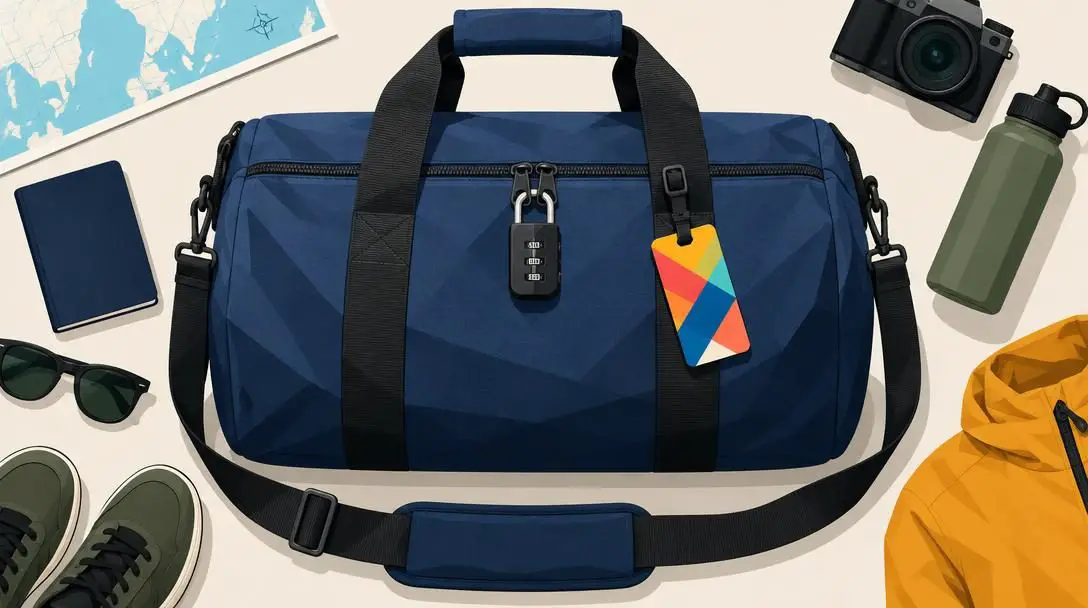
- Key feature: High-visibility identification with tamper-resistant locks
- Best for: Unattended bags stored in communal car racks
Baggage management on passenger trains is fundamentally different from commercial airline travel. Rail operators do not store all your luggage in an unreachable cargo hold beneath your feet; instead, large suitcases are typically stowed on open, two- or three-tiered luggage racks positioned near the car entrance doors, completely out of sight from most passenger seats.
Because these racks are accessible to anyone boarding or exiting at intermediate stations, protecting your belongings requires active precautions. Sturdy luggage locks secure main zipper compartments against opportunistic tampering while you are sleeping, visiting the observation lounge, or sitting in the dining car. In addition, rows of nearly identical dark suitcases make visual identification difficult. Attaching distinctive, brightly colored tags containing clear contact details helps you instantly spot your luggage from down the aisle and stops fellow travelers from picking up your bag by mistake during hurried station stops.
Shared baggage racks leave your gear out of direct view, making secure locks and standout identification tags your primary defense against transit mix-ups.
Dedicated comfort items

- Primary benefit: Relieves joint pressure and dampens sensory disruptions
- Key components: Ergonomic neck pillow, light mattress topper, weighted eye mask
- Best for: Coach seat rest and firm sleeper berth mattresses
Extended transit places distinct physical strain on the body. Sitting in a standard coach seat for ten, twenty, or thirty hours exposes your muscles to constant minor vibrations and persistent swaying as the train navigates steel rails. Without proper postural support, travelers frequently develop acute neck stiffness and lower back fatigue.
Packing dedicated comfort gear dramatically minimizes the physical wear of travel. An ergonomic neck pillow engineered with supportive foam cradles the cervical spine, letting you doze upright without sudden head drops. If your ticket includes a sleeper berth, bringing a lightweight, packable mattress topper provides critical cushioning over the firm, utilitarian surfaces typical of train bunks. To round out the sleep system, a weighted eye mask applies calming, distributed pressure over the face while shutting out bright interior reading lamps, passing platform illuminations, and the flashing strobe of sunlight breaking through trackside trees.
Comprehensive hygiene and medicine kit
- Primary benefit: Self-sufficient sanitation and quick symptom treatment
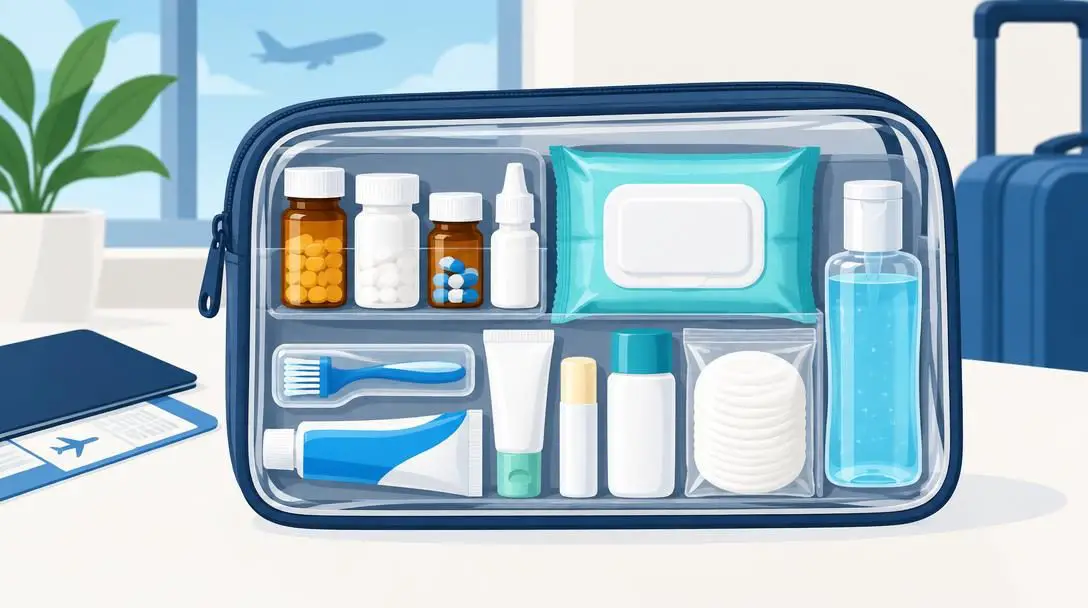
- Kit essentials: Hand sanitizer, wet wipes, pain relievers, motion sickness medicine
- Best for: Restroom maintenance gaps and transit-induced aches
Train restrooms serve dozens of passengers across hundreds of track miles. Even on trains with diligent onboard staff, shared facilities frequently run out of soap, toilet tissue, or paper towels between scheduled service cleanings. Maintaining your routine hygiene and wellness requires bringing your own personal reserves in your carry-on luggage.
A well-curated hygiene kit gives you complete control over your health and cleanliness. Alcohol-based hand sanitizer and individually wrapped wet wipes let you disinfect your immediate seating area, armrests, and hands regardless of sink conditions. Pack travel-sized moisturizing lotions and lip balms to counter the dehydrating effects of train air conditioning, alongside breath fresheners and essential dental supplies. For medical wellness, pack fast-acting pain relievers to soothe tension headaches or muscle stiffness, paired with over-the-counter anti-nausea medications to neutralize motion sickness or sudden digestive discomfort before it interrupts your itinerary.
Smart device loaded with downloaded content

- Primary benefit: Uninterrupted entertainment without internet access
- Key feature: Local device storage loaded with media files
- Best for: Remote valleys, mountain tunnels, and cellular dead spots
Many modern passenger trains advertise onboard Wi-Fi systems, but passengers should not count on them for high-bandwidth tasks. In developing nations, onboard connectivity may not exist at all; even across developed rail corridors, train Wi-Fi relies on trackside cellular towers or satellite links. As trains cut through deep valleys, dense forests, mountain tunnels, and sparsely populated plains, data signals routinely drop out or grind to a halt.
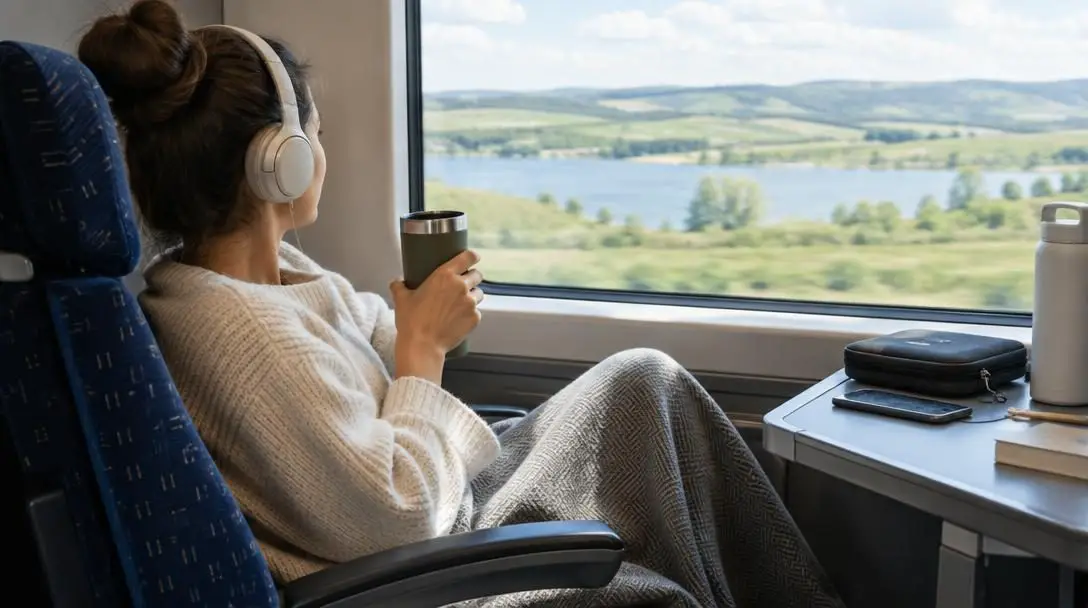
Bringing a smart phone, tablet, or e-reader loaded with pre-downloaded offline content guarantees continuous entertainment regardless of trackside signal strength. Prior to departure, load your device with complete seasons of shows, feature-length movies, audiobooks, podcasts, and offline reading materials. Relying on local device storage protects your mobile cellular data plan from excessive roaming fees and ensures that an unexpected four-hour delay in an isolated rail siding remains an opportunity to relax with your favorite media.
Why train environments demand specialized preparation
The mechanics of long-distance rail travel differ substantially from automobile and air transport, creating an environment with its own operational quirks. Passenger rail cars maintain an open, fluid layout where people share corridors, restrooms, and luggage space for prolonged periods. The constant rhythmic motion of the train over rail joints creates sustained low-frequency vibration that quietly fatigues core stabilizer muscles over several hours.
Furthermore, climate control inside train cabins is often centralized across whole cars. Temperatures can fluctuate rapidly between sweltering afternoon sunshine beating against large picture windows and icy drafts circulating late at night. Because passengers cannot adjust personal overhead air vents as they might on an airplane, personal gear—such as layered comfort items, eye masks, and thermal drink vessels—becomes your only line of defense for maintaining a stable personal climate.
Step-by-step pre-departure packing routine
Organizing your gear systematically before departure ensures you are not rummaging through heavy bags on a swaying carriage floor. Follow these sequential steps to assemble your rail kit.
- Prepare your insulated food containers by washing and testing their watertight seals. Pre-heat them with boiling water or pre-chill them with ice water for ten minutes before packing freshly cooked or chilled food to achieve up to twelve hours of temperature protection.
- Audit your luggage hardware by attaching high-visibility, durable tags containing your current phone number and email address. Fasten luggage locks to every exterior zipper pull on your primary rolling bags.
- Assemble your personal hygiene and medication pouch using a transparent, zip-top bag. Include travel-sized hand sanitizer, sanitizing wipes, pain relievers, anti-nausea tablets, moisturizing lotion, and basic dental supplies.
- Organize your comfort bundle by packing your ergonomic neck pillow, weighted eye mask, and compact mattress topper together in an easy-access exterior pocket of your carry-on bag.
- Audit the internal storage capacity of your smart device, clearing outdated apps and videos. Connect to high-speed home Wi-Fi to download enough offline movies, episodic television, music, and digital reading material to outlast your trip's scheduled running time.
- Switch your smart device into airplane mode shortly before leaving home to verify that all downloaded video and audio files open and play correctly without an active network connection.
Mistakes to avoid on long rail journeys
First-time rail travelers frequently run into logistical snags by carrying assumptions from short airline flights over to the tracks. Avoid these common oversights to preserve your comfort:
- Relying entirely on onboard food service: Assuming the dining car will always have available seating, convenient hours, or your preferred meals can leave you stranded when items sell out or kitchen services close early.
- Packing perishable food in standard bags: Storing dairy, meat, or prepared sandwiches in uninsulated containers allows rapid temperature degradation and risks food spoilage.
- Leaving luggage unlocked on common racks: Placing plain, untagged, and unlocked suitcases in vestibule storage areas invites accidental baggage swaps and leaves your belongings vulnerable to theft while you are away from your seat.
- Assuming onboard restrooms are always stocked: Expecting train restrooms to maintain uninterrupted supplies of soap, water, and paper products during long routes often leads to unhygienic conditions.
- Counting on streaming services over cellular networks: Trusting real-time streaming services on your smart device leads to constant buffering, rapid battery drain, and complete loss of media during travel through rural dead zones.
- Burying comfort items deep inside checked-style baggage: Stashing pillows, medications, and eye masks inside your largest bag at the bottom of the entry rack prevents you from grabbing them when fatigue sets in.
Frequently asked questions
How long can insulated food containers keep meals safe on a train?
Most high-grade insulated containers preserve hot or cold temperatures for up to twelve hours. Pre-conditioning the container with boiling or ice-cold water prior to packing enhances thermal performance, keeping meals fresh without needing a refrigerator or microwave.
Where should I store my hygiene kit while riding the train?
Keep your hygiene and medicine kit inside your personal carry-on bag stowed directly under your seat or within immediate arm's reach. This ensures you can access wet wipes, pain relievers, and sanitizing supplies without walking to distant luggage racks on a moving car.
Why do I need luggage locks if my bags are inside the passenger car?
Large bags are typically stowed on communal racks near the train car's exit doors, out of view from most passenger seats. Luggage locks deter opportunistic theft and keep your items secure while you are sleeping, visiting the dining car, or moving between carriages.
Will train Wi-Fi support streaming movies and music?
Train Wi-Fi is generally inconsistent and rarely supports high-bandwidth streaming. Rail lines often pass through deep cuts, tunnels, and rural dead zones where network connections drop completely. Downloading your entertainment onto a smart device beforehand ensures uninterrupted playback.
Can a mattress topper really fit inside standard train luggage?
Lightweight travel mattress toppers are designed to compress down into compact travel sleeves or stuff sacks. They fit easily inside standard carry-ons and provide an extra layer of soft cushioning over firm, utilitarian sleeper berth mattresses.
The bottom line
Traveling by rail provides an unmatched window into changing landscapes, offering a spacious, romantic alternative to the cramped rush of air travel. However, because train journeys cover vast distances over extended periods, your comfort rests entirely on thoughtful self-sufficiency. Packing insulated food containers, secure luggage locks and tags, supportive comfort items, a comprehensive hygiene kit, and an offline-ready smart device frees you from the constraints of unreliable networks, sparse amenities, and physical fatigue. With the right gear tucked into your carry-on, you can settle back, listen to the rhythm of the tracks, and truly savor the journey.