5 Players You Forgot Were Baltimore Orioles
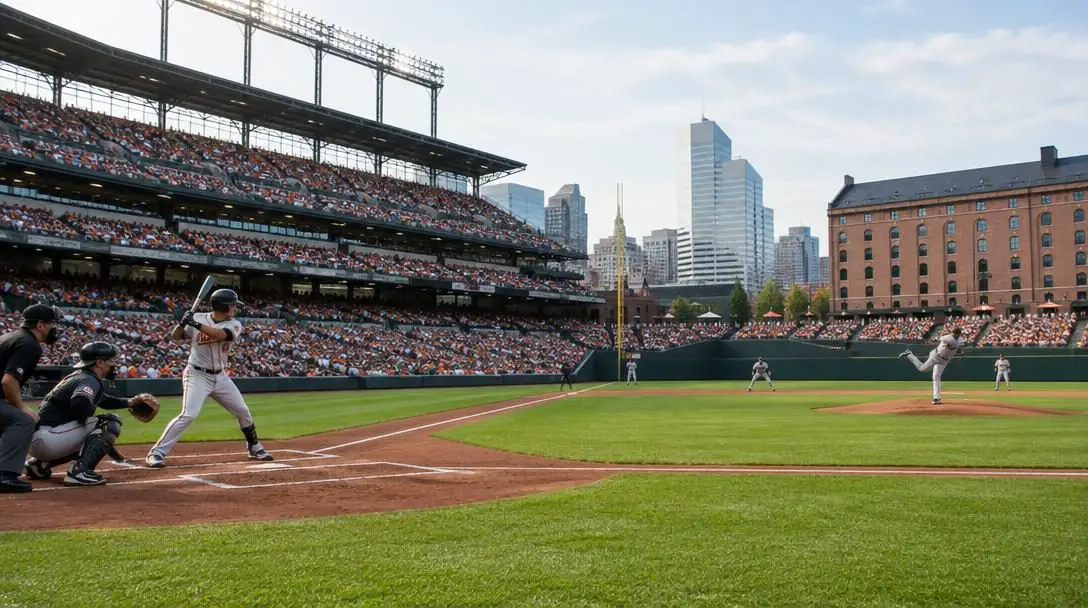
Major League Baseball history is filled with iconic associations between legendary players and singular franchises. When fans think of Cal Ripken Jr., Brooks Robinson, Eddie Murray, or Jim Palmer, the vibrant orange and black uniforms of the Baltimore Orioles immediately come to mind. These foundational players built enduring legacies across decades in Baltimore, establishing themselves as the historical standard of franchise greatness.
However, the nature of professional baseball is defined not only by lifelong tenure, but also by constant movement, shifting contracts, trades, and short-term roster construction. Because prominent athletes frequently play late into their careers or move between franchises during free agency, many famous figures make brief, surprising appearances on rosters where fans least expect them. In Baltimore, several iconic sluggers passed through the organization for only a single campaign, a pennant chase, or a transitional rebuilding year.
Key takeaways
- Major stars like Reggie Jackson, Sammy Sosa, Jim Thome, Vladimir Guerrero, and Nelson Cruz all donned Baltimore uniforms for brief, often overlooked stints.
- Single-season arrangements can produce exceptional individual results, highlighted by Nelson Cruz hitting 40 home runs in 2014 and Reggie Jackson stealing a career-high 28 bases in 1976.
- Short-term tenures typically occur due to late-career free agency gambles, pre-free agency trades, mid-season playoff acquisitions, or franchise rebuilds.
- Front offices frequently utilize high-salary, one-year contracts to maintain future financial flexibility while filling immediate gaps in offensive production.
At a glance: Five forgotten Orioles sluggers
While their primary legacies were forged in cities like New York, Chicago, Cleveland, Montreal, or Texas, each of these five sluggers made a distinct mark during their limited time in Baltimore.
| Player | Orioles season | Games played | Key statistics with Baltimore | Primary franchise associations |
|---|---|---|---|---|
| Reggie Jackson | 1976 | 134 | .277 BA, 27 HR, 91 RBI, 28 SB | Oakland Athletics, New York Yankees |
| Sammy Sosa | 2005 | 102 | .221 BA, 14 HR, 45 RBI | Chicago Cubs |
| Vladimir Guerrero | 2011 | 145 | .290 BA, 13 HR, 63 RBI | Montreal Expos, Los Angeles Angels |
| Jim Thome | 2012 | 28 | .257 BA, 3 HR, 10 RBI | Cleveland Indians, Philadelphia Phillies |
| Nelson Cruz | 2014 | 159 | .271 BA, 40 HR, 108 RBI | Texas Rangers, Seattle Mariners |
Five baseball icons who briefly wore Baltimore black and orange
Throughout franchise history, hundreds of athletes have suited up for the Orioles, but certain tenures stand out for how easily they slip from the collective memory of sports fans. Here is an in-depth review of five renowned power hitters who spent brief periods in Baltimore.
Nelson Cruz
- Season in Baltimore: 2014
- Contract details: One-year, $8 million deal
- Orioles achievements: 2014 American League All-Star, career-high 159 games played
- Key statistics: .271 batting average, 40 home runs, 108 RBI
Nelson Cruz may go down as one of the most underrated offensive forces of the 21st century. Cruz began his major league career with the Milwaukee Brewers before spending the bulk of his prime years playing with the Texas Rangers and the Seattle Mariners between 2006 and 2018. However, sandwiched right in the middle of that productive era was a critical, high-impact year with the Baltimore Orioles in 2014.
Prior to coming to Baltimore, Cruz had been under investigation for the use of performance-enhancing drugs. As a free agent facing significant scrutiny across the league, he was searching for a one-year deal with any major league team willing to take on the risk of signing him. The Orioles stepped forward and agreed to a one-year contract paying Cruz $8 million. The investment paid off tremendously for Baltimore. Cruz earned an All-Star selection in his lone season with the club and established a personal career-high by appearing in 159 games, anchoring the lineup with 40 home runs and 108 runs batted in.
Sammy Sosa
- Season in Baltimore: 2005
- Acquisition method: Trade from Chicago Cubs
- Career milestone: 600 home run club (609 career home runs)
- Key statistics: .221 batting average, 14 home runs, 45 RBI
Sammy Sosa remains one of the most prominent power hitters in baseball history, belonging to the elite 600 home run club with 609 career round-trippers. Sosa is overwhelmingly remembered for his iconic era with the Chicago Cubs, where he established himself as a premier power threat and led the National League in home runs twice, topping the leaderboard in both 2000 and 2002.
After spending over a decade as the face of the Cubs organization, the franchise traded their long-time cornerstone to the Orioles in exchange for Jerry Hairston Jr., Mike Fontenot, and Dave Crouthers. The transaction yielded minimal long-term success for either side. The players Chicago acquired did not pan out, and Sosa struggled during his solitary campaign in Baltimore, posting a .221 batting average with 14 home runs and 45 runs batted in. Following that difficult season, Sosa took a full year off from professional baseball before returning to conclude his career where it initially began, with the Texas Rangers.
Jim Thome
- Season in Baltimore: 2012
- Acquisition method: Mid-season trade acquisition
- Career milestone: 600 home run club member
- Key statistics: 28 games, .257 batting average, 3 home runs
Another celebrated member of the 600 home run club, Jim Thome built a legacy as a beloved power hitter and franchise player for the Cleveland Indians from 1991 through 2002. After his peak run in Cleveland, Thome moved on to prominent tenures with the Philadelphia Phillies and Chicago White Sox. As he entered the twilight of his career, Thome turned into a seasoned journeyman, adding stops with the Los Angeles Dodgers and Minnesota Twins, alongside brief returns to both Cleveland and Philadelphia.
Few casual fans recall, however, that Thome actually finished his major league career as an Oriole. During the 2012 season, Baltimore found itself in position for a playoff push and sought a veteran presence with extensive postseason experience. The front office engineered a deal for Thome to join the team for the final half of the 2012 campaign. Across 28 games in an Orioles uniform, Thome recorded three home runs and batted .257, providing veteran depth and clubhouse leadership as Baltimore successfully earned its way into the postseason.
A single-season stay can serve as the ideal bridge between an organization's competitive goals and a legendary hitter's late-career ambitions.
Vladimir Guerrero
- Season in Baltimore: 2011
- Contract details: One-year, $8 million deal
- Career scope: Hall of Fame inductee, 16 major league seasons
- Key statistics: 145 games, .290 batting average, 13 home runs
Known across baseball as one of the game's premier free-swingers with an extraordinary ability to hit pitches well out of the strike zone, Vladimir Guerrero forged a Hall of Fame career across sixteen major league seasons. He spent the initial 14 seasons of his career divided between the Montreal Expos and the Los Angeles Angels. Before his son, Vladimir Guerrero Jr., reached the major leagues, the elder Guerrero played the 2010 season with the Texas Rangers.
Entering free agency ahead of the 2011 season, Guerrero signed a one-year, $8 million deal with the Baltimore Orioles. The 2011 campaign would prove to be the final season of Guerrero's legendary career. At 36 years old, he remained remarkably consistent at putting the ball in play, missing only a couple of games the entire year and finishing with a solid .290 batting average. However, his trademark power had largely waned, as he hit only 13 home runs during his time with the club, and the Orioles ultimately fell short of reaching the playoffs that year.
Reggie Jackson
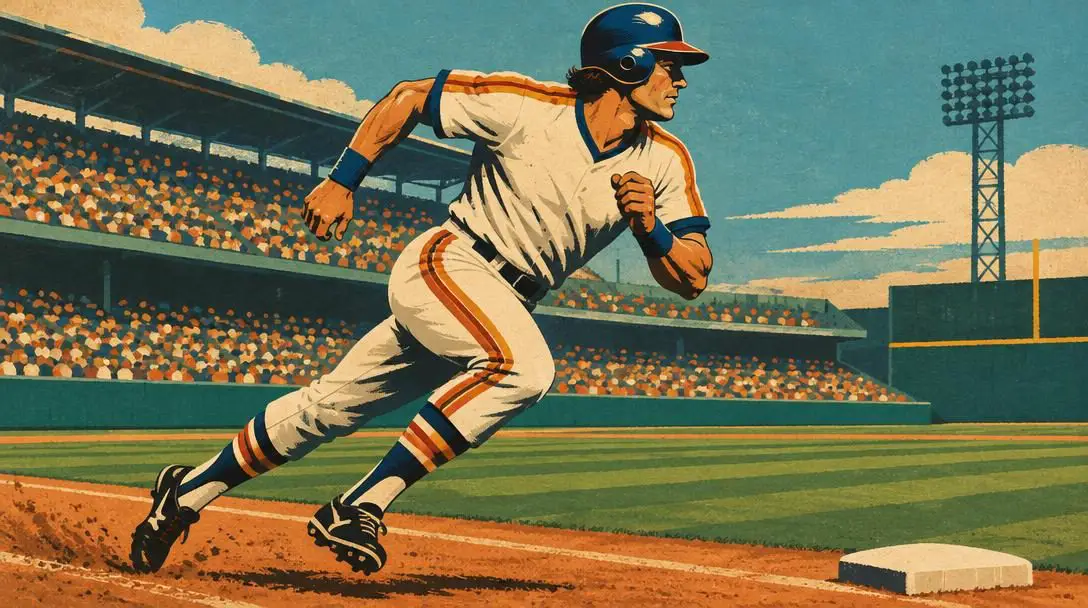
- Season in Baltimore: 1976
- Acquisition method: Pre-free agency trade from Oakland
- Career peak: Known as "Mr. October" with New York
- Key statistics: 134 games, .277 BA, 27 HR, 91 RBI, career-high 28 stolen bases
Reggie Jackson earned the legendary moniker "Mr. October" for his dramatic postseason achievements with the New York Yankees. Earlier in his career, he served as a primary cornerstone for the Athletics franchise as the team transitioned from Kansas City to Oakland, before eventually wrapping up his playing days with the California Angels and a final return to the Athletics.
Yet, between his historic championship eras in Oakland and New York, Jackson played a single, forgotten season in Baltimore. In 1976, Jackson appeared in 134 games for the Orioles, delivering an impressive all-around campaign. He posted a .277 batting average, hit 27 home runs, and collected 91 runs batted in, while also showcasing surprising speed by recording a career-high 28 stolen bases. Despite his strong production on the field, Jackson experienced a fallout with the Orioles front office following the 1976 season. As a result, he entered free agency and signed with the Yankees, where his postseason fame reached its historical peak.
Why brief superstar stints happen in Major League Baseball
The presence of all-time great players on unexpected rosters is a standard byproduct of how professional sports leagues function. Understanding why Hall of Fame caliber athletes like Cruz, Sosa, Thome, Guerrero, and Jackson played brief stints in Baltimore requires examining the mechanics of baseball operations across different eras.
Several distinct roster mechanisms regularly drive high-profile, short-term arrangements:
- Free agency and "prove-it" contracts: Players entering the market under unique circumstances—such as advanced age, declining defensive ability, or off-field controversies—frequently accept high-salary, one-year contracts to re-establish their standing. This was the precise framework that brought Nelson Cruz to Baltimore for $8 million in 2014 and Vladimir Guerrero in 2011.
- Contractual impasses and walk years: Before modern long-term extensions became standard practice, elite players approaching the end of team control were often traded if an extension could not be reached. Reggie Jackson's arrival in 1976 occurred because the Athletics moved him prior to free agency, leading to a single productive year in Baltimore before he signed elsewhere.
- Mid-season trade deadline acquisitions: Contending teams looking to make the postseason often sacrifice minor league depth or draft capital to acquire veteran hitters for the final stretch of the season. The Orioles' acquisition of Jim Thome in the second half of 2012 was engineered specifically to inject postseason experience into the dugout for an October run.
- Franchise transition trades: When clubs decide to close the book on an era, they often trade aging stars to clear payroll and acquire younger pieces. The Chicago Cubs moved Sammy Sosa to Baltimore in an exchange designed to shift roster directions for both organizations.
How front offices evaluate short-term veteran acquisitions
Front offices evaluate short-term veteran acquisitions differently than long-term foundational cornerstones. The process involves calculated risk, specific roster matching, and strategic financial allocation designed to bolster a club without mortgaging its future.
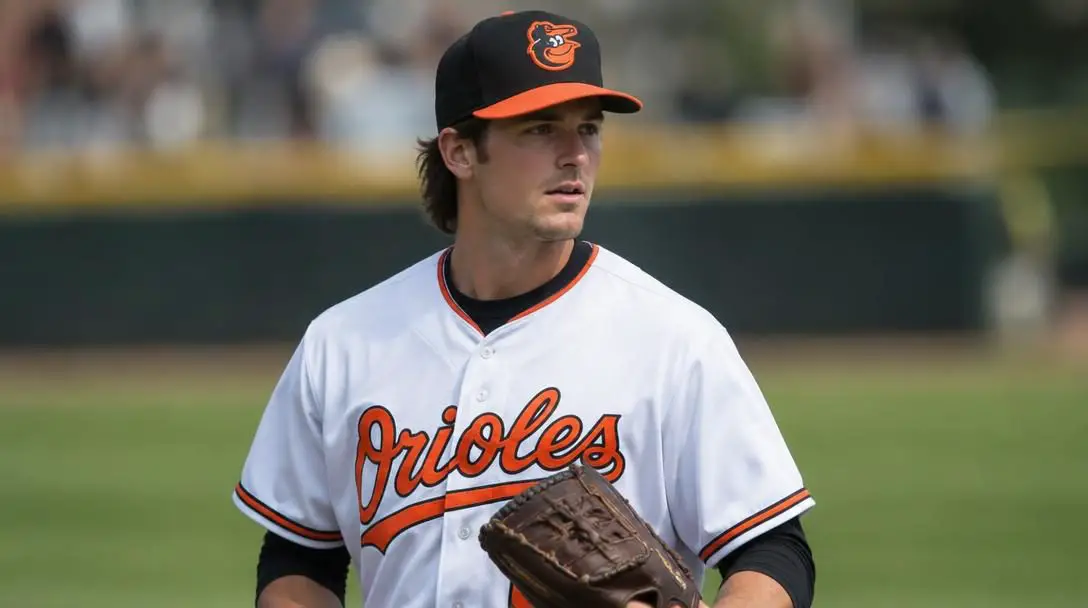
First, an organization identifies pressing lineup deficiencies. A front office assesses its current roster to identify gaps in power hitting, designated hitter slots, or veteran leadership. When the Orioles acquired Thome in 2012, they specifically targeted someone who had participated in many postseason games to help guide a young roster into playoff contention.
Second, management weighs short-term financial commitments against organizational flexibility. A one-year contract, even with a high salary such as the $8 million paid to Cruz and Guerrero, presents limited long-term danger. If the player succeeds, the team benefits immediately; if the player struggles or gets injured, the team's balance sheet remains clear for the subsequent season.
Third, clubs target targeted skill sets rather than comprehensive defensive versatility. In the cases of Cruz, Guerrero, and Thome, the Orioles were primarily looking for middle-of-the-order production, pinch-hitting presence, or designated hitter utility without requiring them to play demanding defensive roles everyday. Finally, front offices enter these deals with an explicit exit strategy, knowing the player will likely depart via free agency at the end of the year or enter retirement.
How to research forgotten roster stints
For sports fans and baseball historians interested in tracking down short or overlooked tenures of famous players across the league, a structured research process makes it easy to uncover these historical anomalies.
- Inspect comprehensive year-by-year splits: Rather than relying on popular sports media retrospectives, examine complete career logs on sports reference databases. Look specifically at the middle or end of a player's career ledger to spot isolated single-season entries.
- Investigate significant trade trees: Trace major multi-player transactions involving your favorite team. Following what happened to players like Jerry Hairston Jr., Mike Fontenot, and Dave Crouthers leads directly back to major headline trades like the Sammy Sosa acquisition.
- Examine historical award ballots: Review past All-Star rosters and end-of-season award ballots. Because Nelson Cruz was an All-Star in 2014, his single year in Baltimore is clearly preserved in league records despite playing the surrounding twelve years with Texas and Seattle.
- Review transitional free agency windows: Search the years 1975 through 1977, when the advent of modern free agency led to unprecedented player movement across the league. That period reveals how stars like Reggie Jackson ended up with transitional clubs right before signing landmark market deals.
Common mistakes when evaluating short player tenures
When sports enthusiasts look back at famous players spending short windows with unexpected teams, several misconceptions frequently skew their historical evaluation.
- Assuming a single-season stint was a failure: Fans often assume that if a superstar only stayed for one season, the arrangement must have gone poorly. As demonstrated by Nelson Cruz's 40-home-run All-Star campaign and Reggie Jackson's 27 home runs and 28 stolen bases, a single-season stint can be remarkably productive on the field.
- Conflating batting average with overall utility: When evaluating older veterans, looking only at traditional metrics can obscure their actual role. While Jim Thome hit .257 with only three home runs in Baltimore, his acquisition was designed around designated hitting and bench leadership during a tight postseason chase.
- Ignoring the player's career stage: It is unfair to expect a veteran at the absolute end of their career to match their peak output. Vladimir Guerrero's 13 home runs in 2011 were modest compared to his prime in Montreal or Anaheim, but his .290 average showed he remained an effective contact hitter in his final season at age 36.
- Overlooking front office relationships: Fans sometimes wonder why teams let productive short-term players leave immediately. Reggie Jackson departed after 1976 due to disagreements with the front office, showing that interpersonal relations and contract negotiations dictate roster movement just as much as on-field numbers.
Frequently asked questions
How many home runs did Sammy Sosa hit while playing for the Orioles?
Sammy Sosa hit 14 home runs and drove in 45 runs during his lone season with the Orioles in 2005, batting .221 across 102 games before taking a year off from professional baseball.
Did Reggie Jackson win a World Series while playing in Baltimore?
No, Reggie Jackson did not win a World Series with Baltimore. He played for the Orioles only during the 1976 season, posting 27 home runs and 28 stolen bases, before signing as a free agent with the New York Yankees.
Why did Nelson Cruz only play one year with the Orioles?
Nelson Cruz signed a one-year, $8 million contract in 2014 following an investigation regarding performance-enhancing drugs. After leading the American League with 40 home runs and earning an All-Star selection, he leveraged his bounce-back performance into a multi-year deal elsewhere.
What was Vladimir Guerrero's final team in Major League Baseball?
The Baltimore Orioles were Vladimir Guerrero's final major league team. He played 145 games for Baltimore during the 2011 season, batting .290 with 13 home runs at age 36.
What did the Orioles trade to acquire Sammy Sosa in 2005?
The Orioles acquired Sammy Sosa from the Chicago Cubs in exchange for Jerry Hairston Jr., Mike Fontenot, and Dave Crouthers.
The bottom line
The history of Major League Baseball is not solely written by franchise icons who spend their entire careers in one uniform. As long as contracts expire, contenders search for veteran power at the trade deadline, and aging superstars seek opportunities to extend their playing days, unexpected roster pairings will continue to develop.
The Baltimore tenures of Nelson Cruz, Sammy Sosa, Jim Thome, Vladimir Guerrero, and Reggie Jackson serve as compelling reminders of baseball's dynamic nature. While their orange and black jerseys may look surprising on baseball cards today, each slugger contributed a distinct chapter to the rich tapestry of Orioles baseball history.