5 Premier League Stars Whose Careers Were Hampered By Injury
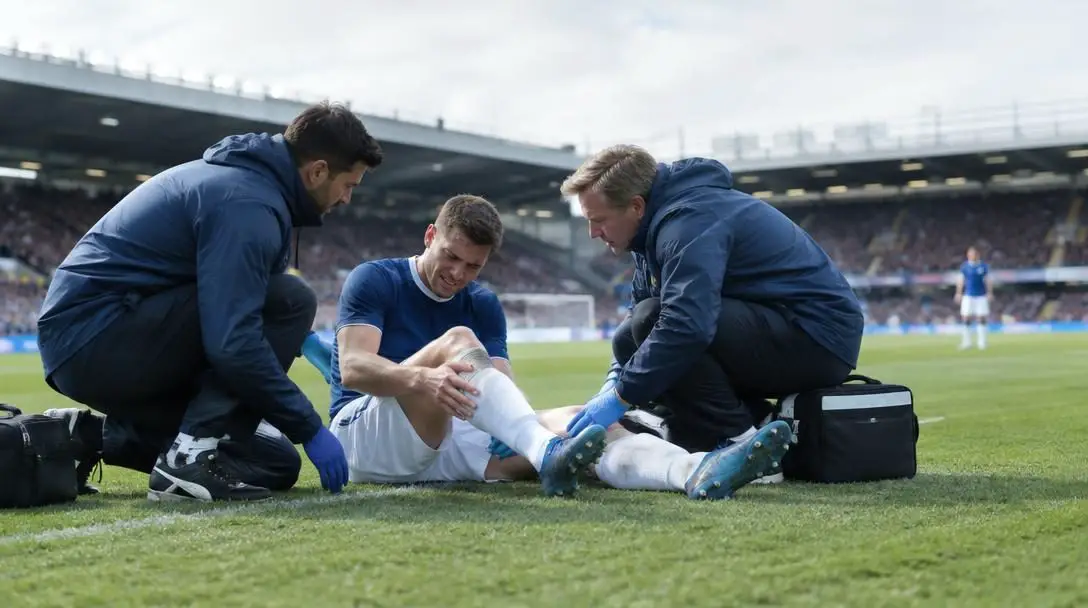
For football supporters, few experiences are as deeply disheartening as watching a supremely gifted athlete struggle against their own physical limitations. The English Premier League has hosted some of the most dynamic talents the sport has ever produced, yet not every player gets the opportunity to fulfill the destiny their abilities promised. In many cases, it is not a lack of effort, tactical intelligence, or technical execution that derails a career; rather, it is a relentless cycle of physical trauma, chronic pain, and rehabilitation.
Fans across the globe have watched promising talents flash moments of brilliance on the pitch, only to spend subsequent months confined to treatment rooms. While setbacks are common across professional sport, certain Premier League competitors appeared destined for all-time greatness before repetitive injuries took control of their trajectories. Examining their journeys provides crucial perspective on the extreme physical costs of elite football and the fine margins between historic success and medical misfortune.
Key takeaways
- Severe joint and tendon injuries can initiate structural cascades that irreversibly compromise an elite athlete's movement patterns.
- Premier League intensity and fixture density accelerate physical breakdown when players are rushed back without restoring fundamental conditioning.
- Single traumatic incidents, such as severe ankle fractures, can permanently alter joint articulation and force premature retirement.
- Modern sports science focuses on objective return-to-play milestones and biomechanical screening to prevent repeating the historical errors of past eras.
At a glance: Premier League talents derailed by injury
The following table outlines the five standout players examined, their prominent English clubs, and the nature of the physical hurdles that cut their top-flight momentum short.
| Player | Key English Clubs | Primary Physical Setback | Career Impact |
|---|---|---|---|
| Owen Hargreaves | Manchester United | Severe patellar tendinitis and unhealed broken leg | Managed only 29 Premier League appearances; retired in 2011 |
| Jack Wilshere | Arsenal, West Ham, AFC Bournemouth | Recurrent ankle fractures and persistent joint issues | Frequent long-term layoffs after a breakthrough 2011-12 ankle fracture |
| Dean Ashton | Norwich City, West Ham | Catastrophic broken ankle sustained on international duty | Forced into retirement at age 26 under threat of losing walking mobility |
| Daniel Sturridge | Manchester City, Chelsea, Bolton, Liverpool, West Brom | Chronic groin, ankle, and extensive hip damage | Six-month hip layoff and recurring soft-tissue strains blunted elite scoring pace |
| Abou Diaby | Arsenal | Severe cumulative trauma requiring multiple surgical operations | Missed hundreds of competitive fixtures across a interrupted North London tenure |
Five Premier League stars whose careers were curtailed
Each of these five individuals possessed the attributes necessary to dominate English football at the highest levels, but their stories became defined by medical setbacks and premature exits from peak competition.
Owen Hargreaves
- Premier League Appearances: 29
- Key Clubs: Bayern Munich, Manchester United
- Retirement Year: 2011
Canadian-born Owen Hargreaves began his European football journey as a teenager after entering Bayern Munich's youth system in 1997. He developed into an accomplished senior midfielder with the German giants, collecting major domestic and continental honors before becoming the subject of protracted transfer negotiations. In 2007, he completed one of the most anticipated transfers in league history by joining Manchester United to reinforce their midfield spine.
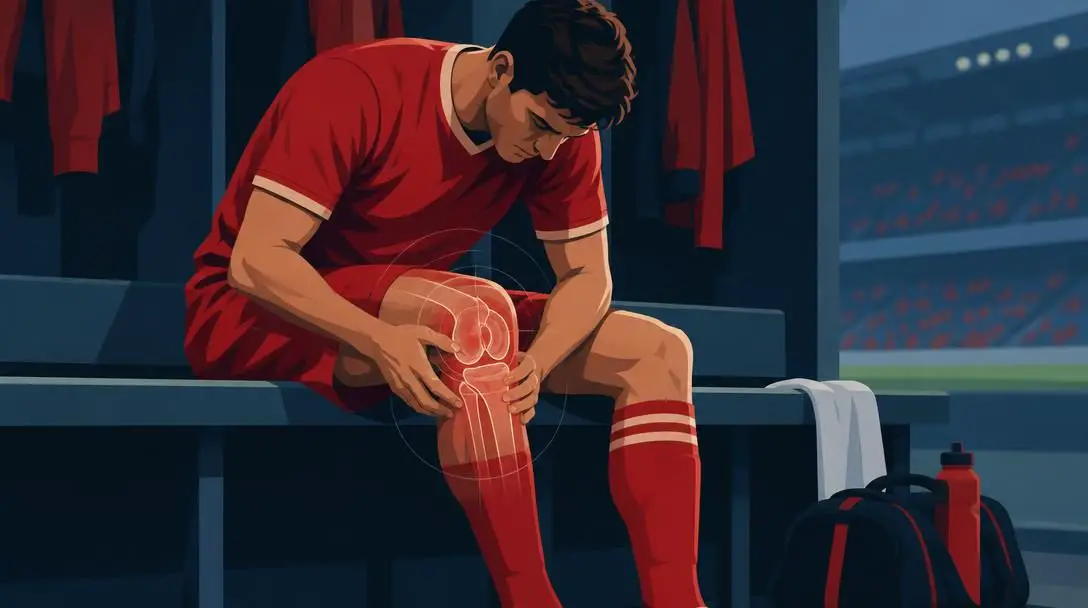
However, the physical complications that would shape his remaining playing days had already taken root prior to his debut for the club. In the year leading up to his arrival at Old Trafford, Hargreaves suffered several minor ailments followed by a broken leg that never completely healed. His condition deteriorated rapidly as he developed chronic, debilitating patellar tendinitis. Specialists who examined his knees remarked that they were among the worst they had ever encountered in elite athletics. Despite repeated surgical interventions and extensive therapy, a lasting recovery remained out of reach. Hargreaves retired in 2011 having managed just 29 Premier League appearances.
Jack Wilshere
- Key Clubs: Arsenal, West Ham, AFC Bournemouth, AGF
- Arsenal Debut: 2008
- Arsenal Appearances: 125
Jack Wilshere stands as one of the clearest modern examples of a brilliant career severely compromised by persistent structural trauma. Progressing through the Arsenal youth academy, Wilshere was regarded by observers and tactical analysts as one of the finest midfield prospects England had produced in a generation. He made his senior debut for Arsenal in 2008 at just 16 years old, eventually making 125 appearances for the club and displaying an innate ability to glide past opponents in tight central areas.
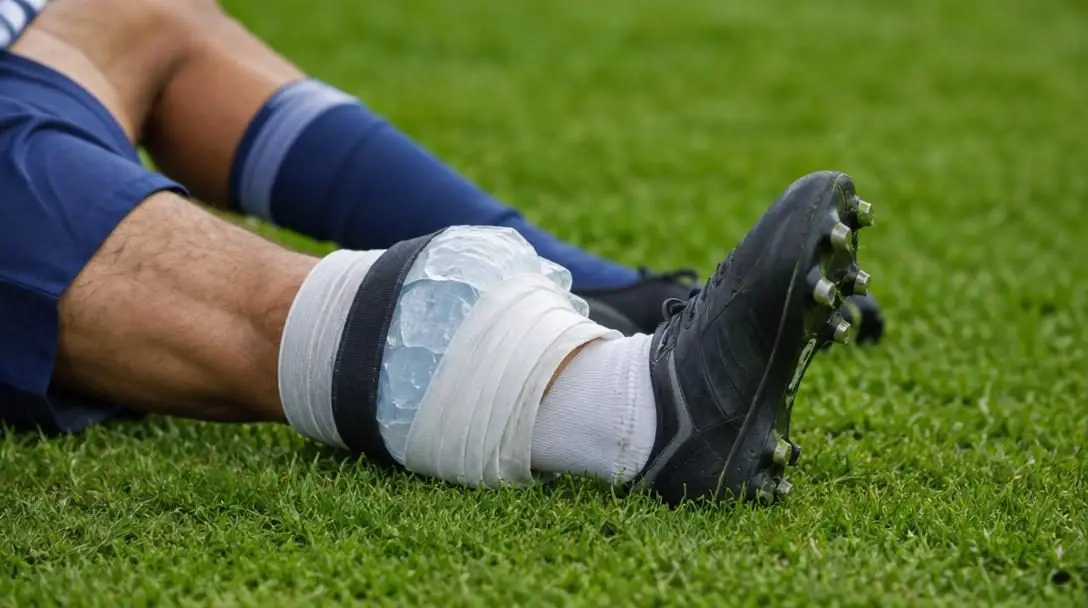
The turning point for his long-term trajectory arrived during the 2011-12 campaign, when he suffered a stress fracture in his ankle during a pre-season friendly match. That initial incident triggered an unforgiving domino effect of compensatory problems. Wilshere faced successive layoffs over the following years, openly voicing his frustration at his inability to maintain sustained fitness. In 2018, he moved across London to West Ham, remaining there until 2020 before closing out his professional playing journey with spells at AFC Bournemouth and Danish side AGF.
Dean Ashton

- Key Clubs: Crewe Alexandra, Norwich City, West Ham
- Retirement Age: 26
- West Ham Appearances: 46
Dean Ashton initiated his professional path in the lower divisions with Crewe Alexandra before earning his Premier League breakthrough with Norwich City in 2005. During his spell with Norwich, the physical striker made 44 appearances, showcasing the precise combination of aerial strength, hold-up play, and clinical finishing that earned him a major move to West Ham. Between 2006 and 2009, he accumulated an additional 46 appearances for the London club and appeared primed to become a regular fixture for the national side.
Ashton encountered various lingering physical problems throughout his career, but a single catastrophic incident altered his future entirely. While participating in a training session with the England senior squad in August 2006, Ashton suffered a severe broken ankle. Despite multiple operations and years of dedicated rehabilitation, the joint never recovered sufficiently to withstand the rigors of competitive sport. Medical specialists issued a stark warning: continuing to play professional football could compromise his mobility to the extent that he might eventually be unable to walk. Faced with that grim reality, Ashton was forced to retire in 2009 at only 26 years of age.
Daniel Sturridge

- Key English Clubs: Manchester City, Chelsea, Bolton, Liverpool, West Brom
- Youth Academies: Aston Villa, Coventry City, Manchester City
- Senior Debut: 2006 (Manchester City)
Daniel Sturridge showed immense natural potential from an early age, entering the Aston Villa academy at six years old before continuing his technical development within the youth structures of Coventry City and Manchester City. He broke into Manchester City's first team in 2006, recording 21 appearances prior to completing a transfer to Chelsea in 2009. His career across the English game also featured productive tenures with Bolton, West Brom, and most notably Liverpool, where his lethal partnership with Luis Suárez nearly delivered a league title.
While Sturridge possessed world-class technical quality and instinctive finishing, he frequently missed weeks of competition due to a wide variety of setbacks. These recurring physical difficulties accelerated around 2013, with the forward missing extended periods as a consequence of persistent groin strains, recurrent ankle sprains, and general muscular breakdown. A severe hip problem proved particularly damaging, keeping him sidelined for nearly six months. Because of these chronic stoppages, Sturridge was unable to maintain the uninterrupted match rhythm necessary to unlock his full athletic ceiling.
Abou Diaby

- Key Clubs: Auxerre, Arsenal, Marseille
- Arsenal Tenure: 2006–2015
- French Senior Appearances: 10 (prior to Arsenal move)
Abou Diaby navigated a complex developmental journey, passing through five separate youth academies in France before making his senior debut, where he recorded only 10 appearances across a three-year span. Despite these early interruptions, Arsenal recognized his immense potential and acquired the towering French midfielder in 2006. Arsenal would ultimately be the only Premier League club Diaby played for, with his competitive career later concluding after a brief period with Marseille from 2015 to 2017.
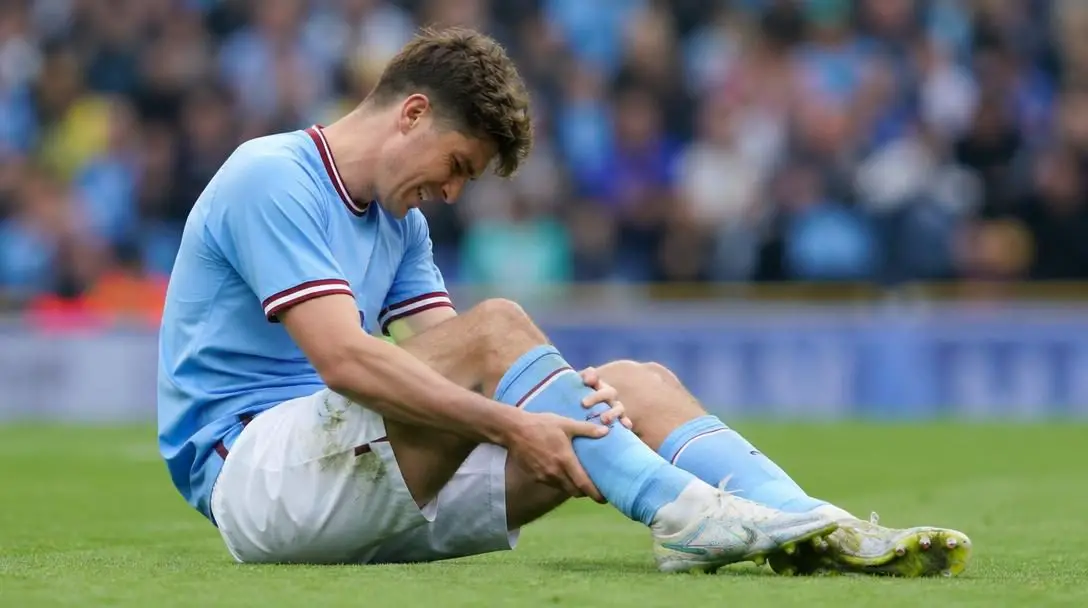
Diaby's physical troubles had begun even before his arrival in North London, but Arsenal's management chose to take a chance on his rare combination of explosive physical power, press resistance, and delicate technical skill. Unfortunately, the sheer volume of injuries Diaby encountered makes it difficult to chronicle every individual setback. He endured multiple major surgical operations throughout his career, with each painful recovery cycle disrupting his tactical rhythm and preventing him from cementing a permanent, uninterrupted role in the heart of the Arsenal team.
For an elite footballer, the body is both the engine and the chassis; when one structural part breaks, the entire machine inevitably begins to falter.
How career-altering injuries break down an elite athlete
Career-limiting physical problems rarely occur in absolute isolation; they are almost universally the result of structural cascades where one untreated or imperfectly healed problem leaves a lasting mechanical deficit. Understanding this breakdown requires looking at the continuous physiological pathway from initial trauma to systemic failure.
- Initial structural damage: A catastrophic event, such as the severe ankle fractures suffered by Dean Ashton and Jack Wilshere, directly compromises bone alignment, articular cartilage, and surrounding ligaments. Even after bone union occurs, joint surfaces can retain permanent micro-trauma that restricts mobility.
- Compensatory movement patterns: When an athlete returns to competition without full functional range or symmetrical strength, the nervous system instinctively adjusts their gait to protect the injured limb. This subconscious guarding places asymmetrical loads onto adjacent joints, driving excessive stress into the knees, hips, and lower back.
- Chronic soft-tissue deterioration: As seen in Owen Hargreaves' career-long battle with patellar tendinitis, prolonged mechanical stress causes healthy collagen structures to degrade into disorganized, scarred tissue. Tendons lose their tensile elasticity, making normal deceleration and explosive cutting excruciatingly painful.
- Depletion of base cardiovascular conditioning: Constant interruptions isolate players from the rigorous collective training sessions required to maintain elite aerobic capacity. Without this foundational conditioning, soft tissues become significantly more susceptible to acute muscular strains during high-speed transitions.
- Surgeon intervention and forced retirement: When conservative therapies and repeated operations fail to stabilize a deteriorating joint, medical teams must prioritize quality of life over sport. As in Ashton's case, stopping competition becomes essential to avoid lifelong disability.
Operational steps in modern player load management
In response to the historical losses of generational talents, modern football clubs have developed comprehensive operational workflows to minimize physical risks. Performance departments follow a rigorous sequential protocol to manage fatigue and catch vulnerabilities early.
- Biomechanical screening: Sports science staffs conduct thorough functional movement screenings, force-plate jumping analyses, and medical imaging before matches and transfer windows to identify structural deficits and asymmetrical force absorption.
- Daily load tracking: Clubs equip athletes with GPS monitoring units and heart-rate sensors during every training session. Sports scientists evaluate acute workloads against chronic baseline thresholds to spot dangerous physical spikes.
- Individualized prehabilitation: Players with historical joint vulnerabilities undergo targeted isometric and eccentric strength routines before team training, strengthening critical tendons and building joint stability.
- Milestone-based return protocols: Medical staffs discard arbitrary return calendar dates, requiring players to clear stringent objective hurdles in sprint mechanics, rotational power, and reactive agility before permitting full-contact practice.
- Structured recovery implementation: Following competitive matches, players complete mandatory protocols incorporating contrast hydrotherapy, pneumatic compression, personalized nutrition, and monitored sleep hygiene to resolve systemic inflammation.
Critical errors in rehabilitation and career planning
Examining careers shortened by medical issues reveals recurring errors that athletes, management groups, and medical staffs have historically made when managing acute injuries.
- Rushing timelines for high-stakes matches: Allowing impending cup finals or tournament deadlines to accelerate rehabilitation timelines frequently leads to re-injury before joint tissues have fully consolidated.
- Treating localized symptoms rather than the kinetic chain: Managing localized pain at the knee or groin while failing to correct underlying pelvic misalignments or ankle stiffness guarantees recurring muscular strains.
- Over-relying on masking agents: Utilizing cortisone injections or heavy analgesics to bypass discomfort enables athletes to push past the body's protective pain signals, exacerbating cartilage wear and joint erosion.
- Overloading developing musculoskeletal frames: Forcing young teenagers into grueling senior match schedules before their growth plates and skeletal systems have fully matured leaves lasting deficits.
- Refusing to adapt on-pitch playing styles: Players who lose explosive burst or joint flexibility often struggle if they attempt to play precisely as they did in their prime, rather than adapting into more cerebral, conservation-based roles.
Frequently asked questions
Why did Dean Ashton have to retire at age 26?
Dean Ashton broke his ankle during an England national team training session in August 2006. The damage to the joint was so severe that despite multiple operations, surgeons warned him that continuing his professional career would cause permanent damage and potentially leave him unable to walk.
How many Premier League appearances did Owen Hargreaves make?
Owen Hargreaves made just 29 Premier League appearances throughout his entire career. Chronic patellar tendinitis and complications from an unhealed broken leg severely limited his playing time following his 2007 transfer from Bayern Munich to Manchester United.
Which clubs did Jack Wilshere play for during his professional career?
Jack Wilshere developed in the Arsenal academy and played 125 matches for their senior side. He later played for West Ham from 2018 to 2020, followed by subsequent tenures at AFC Bournemouth and Danish club AGF.
What was the primary injury that interrupted Daniel Sturridge's momentum?
While Daniel Sturridge faced recurrent groin strains and ankle problems starting around 2013, a severe hip injury proved especially disruptive, keeping the prolific striker off the pitch for nearly six months and hindering his conditioning.
Did Abou Diaby play for any Premier League club other than Arsenal?
No. Arsenal was the only Premier League club Abou Diaby represented. Prior to signing with Arsenal, he made senior appearances in France, and after leaving North London in 2015, he concluded his competitive career with Marseille.
The bottom line
The stories of Owen Hargreaves, Jack Wilshere, Dean Ashton, Daniel Sturridge, and Abou Diaby serve as poignant reminders of the fragile nature of athletic peak performance. In elite sport, natural talent and tactical acumen can only carry a player as far as their physical framework allows. When high-speed impacts or repetitive chronic inflammation compromise structural joints, the resulting biomechanical compensations can erode even the most promising careers.
Today, football performance departments invest heavily in GPS load monitoring, regenerative medicine, and milestone-based rehabilitation protocols specifically to prevent similar losses. While modern training methods cannot eliminate the unavoidable collision risks inherent to elite English football, they aim to ensure that future generations of footballers are given every opportunity to fulfill their potential without being cut down in their prime.