5 Reasons Why Fake WhatsApp Numbers Can Be Useful For Businesses and Individuals
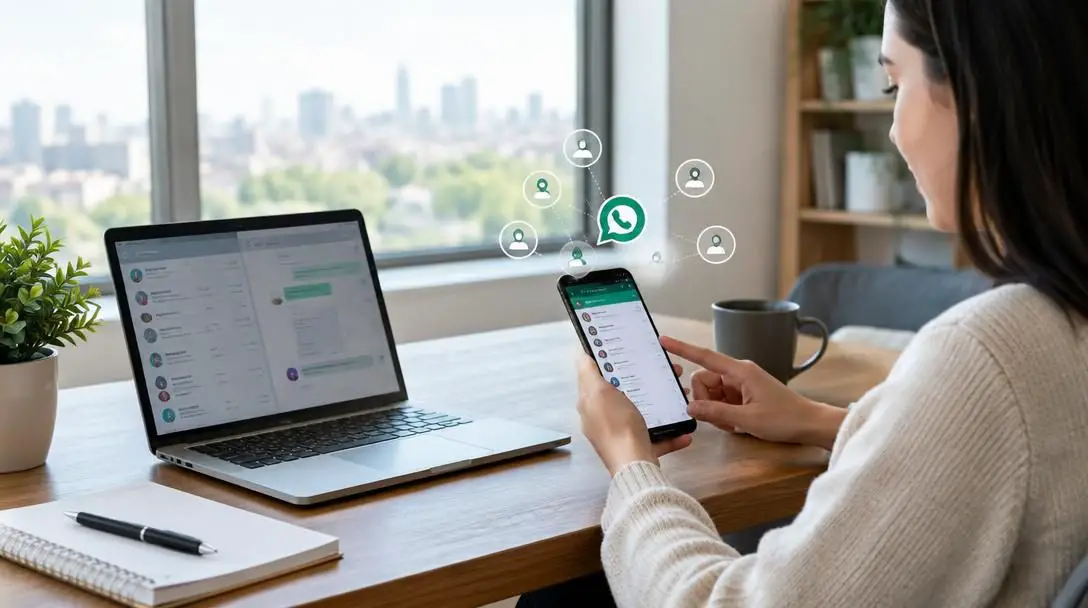
In modern digital communication, instant messaging platforms have largely supplanted conventional text messaging and telephone calls for daily interactions. WhatsApp in particular has become an indispensable communication hub for personal conversations, commercial transactions, customer service, and community interaction. By default, registering an account on the network requires an active telephone number capable of receiving an activation code via an SMS message or an automated voice call. Because of this architectural requirement, most users traditionally bound their private, carrier-issued mobile numbers directly to their accounts.
As the platform expanded into commercial spaces and marketplace transactions, this direct link between a user's private mobile line and their public-facing activities introduced significant challenges. In vernacular digital conversations, the term fake WhatsApp number emerged as informal shorthand for operating a secondary, alternative, or virtual phone number rather than an individual's primary mobile line. Far from being counterfeit, these are genuine, functional telephone lines that receive the verification codes necessary to activate an account while detaching the user's personal identity and cellular contract from their public messaging footprint.
Key takeaways
- Secondary numbers provide functional telephone lines that decouple private personal identities from public messaging directories.
- Dedicated alternative lines enable entrepreneurs to establish professional business channels without purchasing additional mobile handsets.
- Segmenting promotional campaigns with distinct numbers protects primary communication channels from being overwhelmed by incoming leads.
- Virtual numbers grant crucial anonymity for sensitive communications, whistleblowing, and public marketplace interactions.
- Securing alternative profiles requires immediate activation of two-step verification and continuous maintenance of the underlying virtual line.
How secondary and virtual numbers work with messaging platforms
To grasp why alternative numbers have become so popular, it helps to review the verification mechanics employed by modern messaging networks. When an individual creates an account, the platform does not demand credit card details, residential records, or direct access to cellular billing contracts. Instead, its primary technical requirement is confirming that the person creating the profile has operational custody over the telephone number submitted on the registration screen. The platform confirms this custody by transmitting a one-time verification code to that specific telephone line.
Alternative numbers fulfill this requirement through Voice over Internet Protocol services, specialized mobile communication applications, or virtual line providers. Rather than depending on a physical SIM card connected to a local cellular radio tower, these virtual lines route voice and text data across an active internet connection. When setting up the account, the user enters the assigned virtual number into the application. The verification code arrives inside the virtual provider's web console or companion mobile app. Once entered into the registration interface, the setup process finishes successfully.
Because the telephone number functions primarily as a digital routing address within the system, users can easily operate two completely isolated messaging profiles on a single smartphone or across separate computers. This structural separation mirrors the historic boundary once provided by physical office landlines, allowing individuals to regain authority over their daily reachability without giving up the reach of modern messaging tools.
Five primary reasons to adopt an alternative messaging number
Employing an alternative telephone line provides clear structural benefits for independent professionals, expanding companies, and individual consumers. Separating your core identity from everyday digital correspondence delivers substantial privacy, operational, and organizational advantages across various contexts.
| Reason | Primary Audience | Operational Role | Core Advantage |
|---|---|---|---|
| Privacy Protection | Individual consumers and marketplace sellers | Shields private mobile numbers from untrusted third parties | Prevents personal data harvesting and off-hours intrusion |
| Business Expansion | Entrepreneurs, freelancers, and small businesses | Establishes a professional, dedicated company point of contact | Lowers overhead costs while setting clear commercial boundaries |
| Marketing Campaigns | Marketing teams and event coordinators | Isolates high-volume promotional inquiries and lead pipelines | Enables precise tracking without cluttering routine channels |
| Anonymity | Whistleblowers, sensitive consultants, and consumers | Breaks the link between digital messaging and real-world identity | Protects personal safety, physical location, and family privacy |
| Easy Management | Multi-tasking operators and remote workers | Consolidates multiple profiles onto a single device or desktop | Eliminates the logistical burden of carrying dual physical handsets |
Privacy Protection
The foremost benefit of an alternative number is the comprehensive defense of personal privacy. Under normal circumstances, giving out your contact number exposes your primary mobile line to casual acquaintances, contractors, classified ad buyers, and third-party vendors. A personal mobile number frequently functions as an informal master key to your broader digital footprint, as it is often linked to banking notification systems, online retail profiles, and social media platforms. By routing public inquiries to an alternative line, you prevent unfamiliar contacts from indexing your personal life, retaining exclusive authority over who receives your real contact details.
Business Expansion
For independent entrepreneurs, freelancers, and small business owners, an alternative line provides a cost-effective pathway to professional growth. Launching an enterprise often comes with tight budgets that make dedicated commercial cellular contracts or complex telecommunication hardware impractical. However, publishing a personal phone number on storefront displays, marketing fliers, or company websites introduces security risks and invites commercial inquiries at all hours of the night. A secondary number allows a company to project a polished corporate image, expand customer reach, and maintain accessible support channels while keeping the owner's personal time undisturbed.
A secondary contact number restores the natural boundary between personal life and public business that modern mobile devices consolidated into a single pocket handset.
Marketing Campaigns
Commercial organizations running targeted seasonal discounts, sweepstakes, or public promotions frequently face sudden spikes in inbound messages. When all of that promotional volume pours into an organization's primary customer service inbox, critical client messages can easily be lost in the backlog. By allocating a secondary number solely to an individual advertising push, companies can cleanly isolate promotional conversations. This separation simplifies response workflows, lets marketing teams assess campaign engagement accurately, and ensures routine customer communications continue uninterrupted.
Anonymity
There are numerous scenarios where transparent personal communication presents significant personal or professional risks. Whether reporting corporate wrongdoing, consulting on sensitive social issues, seeking advice in community forums, or interacting with unfamiliar counter-parties in online sales, exposing your primary cellular number can compromise your safety. Because personal lines can often be traced back to home addresses, employment history, and familial relationships, a secondary number provides a vital layer of isolation. This functional anonymity ensures you can ask questions, exchange vital information, and participate in necessary discussions without risking your real-world footprint.
Easy Management
Managing multiple communication streams has evolved from a cumbersome hardware problem into a smooth software workflow. Historically, handling two separate phone numbers meant carrying two distinct physical handsets or dealing with cumbersome dual-SIM hardware swaps. Modern secondary number providers allow users to set up, activate, and govern secondary profiles through simple software dashboards. Paired with multi-account utilities or separate business applications, individuals can manage all personal and professional conversations in one place without confusing their records or crossing communication boundaries.
Step-by-step guide to setting up and maintaining a secondary line
Establishing an alternative line requires a clear, methodical setup to make sure the underlying account stays secure, dependable, and fully compliant with communication standards. Following these structured steps will help ensure a smooth rollout.
- Identify the primary operational purpose: Determine whether the incoming line will serve short-term marketing efforts, ongoing commercial customer support, or long-term personal privacy shielding.
- Select a reputable number provider: Choose a dedicated virtual number service or VoIP vendor that explicitly supports incoming SMS verification messages and offers reliable uptime.
- Install the management interface: Download the vendor's dedicated smartphone application or configure access through a secure web-based administrative console.
- Acquire and test your secondary number: Select your desired area code or regional prefix, activate the line through the vendor, and verify that the inbox is active and receiving test transmissions.
- Prepare your messaging environment: Prepare the device to host a separate profile using secure folders, native multi-account management tools, or the dedicated business release of the messaging application.
- Initiate the registration workflow: Launch the messaging application, choose the correct international country code, input the newly acquired secondary telephone number, and request the verification code.
- Retrieve the one-time activation code: Monitor your virtual provider's messaging portal, locate the incoming activation code transmitted by the platform, and enter it directly into the setup field.
- Complete your profile and security settings: Configure an appropriate public display name and avatar, and immediately activate internal two-step verification using a strong private security code.
Critical mistakes to avoid when using alternative numbers
Although alternative communication lines offer considerable operational flexibility, poor setup practices or careless daily habits can quickly compromise your account access. Users must avoid several common pitfalls to ensure consistent, secure messaging.
- Relying on free public numbers: Publicly accessible virtual number websites display incoming text messages on unencrypted, openly indexed webpages. Registering accounts through these shared hubs allows anyone on the internet to view verification codes and hijack the resulting account.
- Neglecting virtual line renewal requirements: Many service providers require consistent monthly subscription renewals or periodic account activity to keep a line active. Allowing a virtual number to expire can result in the line being reassigned to another subscriber, potentially severing your connection to the profile.
- Skipping account-level two-step verification: Omitting the supplementary PIN within the messaging software leaves your profile vulnerable. If the virtual line provider ever reallocates the underlying number, a new subscriber could register the line and claim the profile if an internal security PIN is absent.
- Mixing communication channels on a single device: Using multiple accounts on one smartphone requires careful operational discipline. Inadvertently replying to a sensitive business prospect from your personal account—or answering private contacts via a commercial profile—defeats the original purpose of setting up a secondary line.
- Violating messaging platform service policies: Deploying alternative numbers to broadcast unsolicited promotional blasts, engage in bulk messaging, or run unsanctioned automated scripts will trigger automated spam filters and lead to permanent account termination.
Strategic considerations for long-term deployment
Before weaving an alternative telephone number into your daily business workflow, carefully assess how the setup will function over the long run. Thoughtful upfront planning will save you the headache of unexpected service interruptions down the road.
Begin by assessing the expected lifespan of the communication initiative. A seasonal marketing promotion or one-time classified transaction requires only short-term line access. Conversely, establishing an ongoing corporate customer service hub requires a long-term, subscription-backed arrangement with an established telecommunications vendor to prevent unexpected line reclamation.
Next, plan out your team's device management strategy. Decide whether the secondary account will live exclusively on an executive's mobile device or if customer support staff will need access across multiple workstations. Most platforms allow you to pair a primary mobile profile with desktop web sessions, enabling multiple team members to manage customer chats simultaneously without sharing physical hardware.
Finally, establish robust disaster recovery procedures. Because an alternative profile is not backed by a physical SIM card from a local telecom store, recovering an account after a lost phone or hardware failure requires documented credentials. Keep virtual provider login information safe, maintain active recovery email addresses, and store your two-step verification codes in an encrypted password manager to ensure you never lose access to critical conversations.
Frequently asked questions
Is using an alternative or virtual WhatsApp number legal?
Yes. Utilizing secondary, VoIP, or virtual phone numbers to configure messaging accounts is entirely legal in most jurisdictions, provided the account is not used to execute fraudulent schemes, transmit abusive messages, or violate telecommunications laws.
Can I run two different accounts on the same smartphone?
Yes. Modern smartphone operating systems frequently provide native features such as app cloning, dual messenger tools, or secure folders. Alternatively, users can install the standard personal messaging client alongside the dedicated business application on a single device.
What occurs if my underlying virtual number subscription expires?
If your service provider cancels or recycles your virtual telephone number due to inactivity or non-payment, you may retain local access on your active device temporarily. However, if the number is reassigned to another person, you will lose the ability to re-verify the account if you switch devices or get logged out.
Are free virtual numbers safe for business communication?
No. Free online virtual numbers typically post all incoming text messages to public web portals viewable by any visitor. Using these numbers compromises your operational security and leaves your profile vulnerable to immediate takeover by third parties.
Does a virtual number require an active cellular connection to send messages?
No. After the initial SMS verification code is confirmed during setup, the messaging application operates entirely across an internet connection, functioning normally over standard Wi-Fi or cellular data networks.
The bottom line
Adopting an alternative, secondary telephone number for modern messaging networks bridges the gap between digital accessibility and personal privacy. Rather than tethering your private, carrier-issued mobile identity to every online transaction, business customer, or marketing outreach campaign, a virtual line establishes a secure, isolated communication channel. When properly configured through reputable providers, paired with two-step verification, and maintained through sound account hygiene, secondary messaging profiles provide individuals and businesses with the privacy, efficiency, and professional control needed to navigate today's interconnected digital landscape.