5 States That Create The Best College Football Recruits
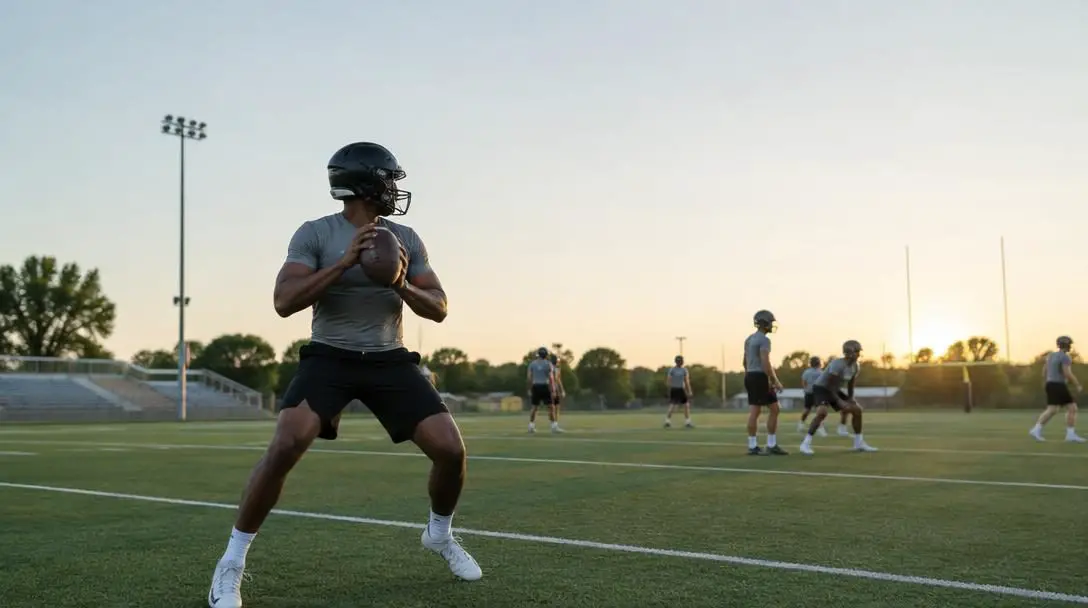
In communities across the United States, high school football transcends ordinary prep athletics to serve as a primary social cornerstone and cultural anchor. The intense devotion surrounding the sport has long been chronicled in popular films like Friday Night Lights, Remember the Titans, Varsity Blues, and The Blind Side, each illustrating a world where community identity, intense pressure, and athletic pride intersect under stadium lights. For major college football programs seeking to build lasting dynasties, tapping into these hotbeds is a matter of institutional survival.
Historically, collegiate powers have adopted distinctly different recruitment blueprints. While institutions like the University of Notre Dame built national rosters by leaning into religious identity, and programs such as the University of Southern California and the University of Miami capitalized on media markets and lifestyle appeal, other perennial winners rely on fertile local soil. When scouting services evaluate prep athletes using standardized star tiers, a minuscule group of talent-dense states consistently claims the lion's share of coveted five-star designations, feeding both local powerhouses and out-of-state juggernauts.
Key takeaways
- Florida stands as the nation's undisputed leader in generating five-star prep football prospects, bolstered by year-round competition and elite athletic academies.
- Texas ranks second nationally in total five-star talent, trailing Florida by a wider margin than most casual fans anticipate despite its legendary prep culture.
- California generates massive elite talent thanks to its unmatched population base, but ranks fourth behind Southern states due to athletic diversification into baseball, basketball, and soccer.
- Georgia and Alabama maintain high five-star densities that continually power regional SEC contenders while frequently exporting premier talent across the country.
Mapping the Five-Star Landscape: State-by-State Dominance
To understand the geographic consolidation of elite prep football, analysts look directly at five-star recruit distribution. A five-star rating represents the absolute apex of high school football evaluation—an elite tier reserved for prospects projected to make an instant impact at the collegiate level and develop into early-round professional draft selections. While exceptional athletes emerge from every corner of the country, five specific states regularly outproduce the rest of the nation combined.
| State | 5-Star Production Rank | Population Context | Signature Historical Recruits |
|---|---|---|---|
| Florida | 1st | 3rd largest state in the U.S. | Ernie Sims, Patrick Peterson, Derwin James |
| Texas | 2nd | 2nd largest state in the U.S. | Vince Young, Adrian Peterson, Myles Garrett |
| Georgia | 3rd | 8th most populous state in the U.S. | Trevor Lawrence, Justin Fields, Eric Berry |
| California | 4th | 1st in population (~10 million more than any state) | Bryce Young, Matt Barkley, Korey Foreman |
| Alabama | 5th | Produces more 5-stars than 45 other states | Julio Jones, Andre Smith, Brodie Croyle |
A tiny cluster of talent-rich states consistently produces the overwhelming majority of premier college football prospects.
Florida

- National Rank: 1st in five-star prospects
- Population Ranking: 3rd nationally
- All-Time Top Recruit: Ernie Sims (Linebacker, Florida State)
Florida stands as the undisputed number one state for producing five-star high school football recruits. While its overall population ranks third nationally, its output of blue-chip football talent outpaces every competing state. The Sunshine State benefits from a warm climate that facilitates year-round training and seven-on-seven passing leagues, but its dominance is further magnified by specialized athletic academies.
Institutions like IMG Academy draw elite high school players from across the country into Florida, centralizing out-of-state talent within state borders prior to their college commitments. Historical rankings highlight Florida's staggering depth: linebacker Ernie Sims stands as the highest-rated prospect in state history, choosing to remain in-state with Florida State University. Other elite Florida prep stars who proved their five-star ranking by becoming first-round NFL Draft selections include defensive back Vernon Hargreaves III, offensive tackle Laremy Tunsil, safety Derwin James, and cornerback Patrick Peterson.
Texas
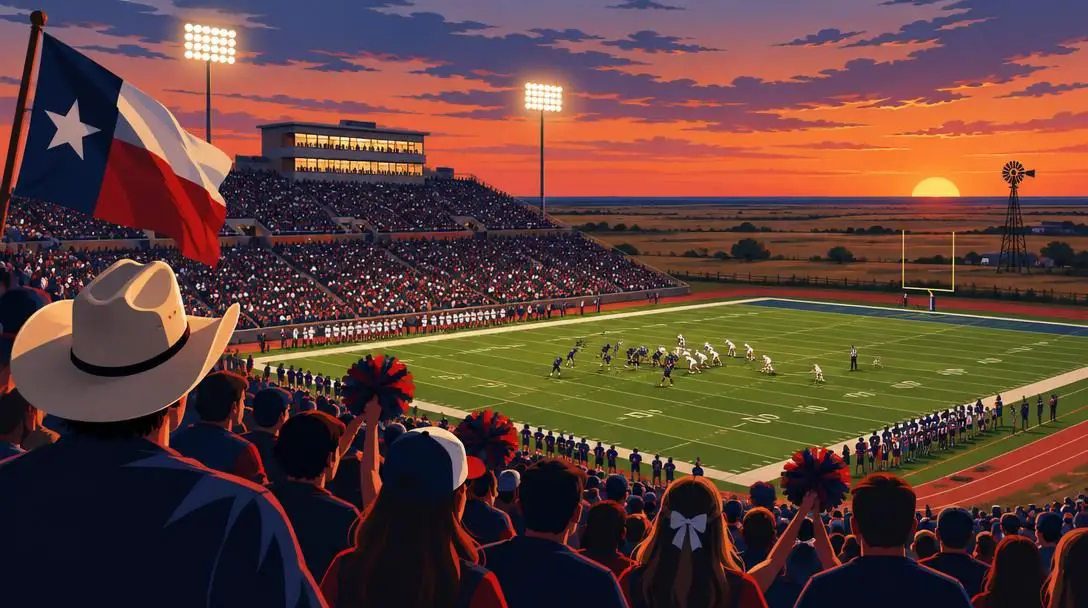
- National Rank: 2nd in five-star prospects
- All-Time Top Recruits: Vince Young (#1) and Adrian Peterson (#2)
- Notable First-Overall Picks: Matthew Stafford, Myles Garrett
In the popular imagination, Texas is synonymous with high school football intensity. Community devotion, multimillion-dollar high school stadiums, and deep local traditions have made the Lone Star State a celebrated prep football powerhouse. Yet despite this unmatched cultural focus, Texas occupies the number two spot nationally in five-star recruit volume, trailing Florida by a wider margin than many observers realize.
Even in the second spot, Texas operates as an extraordinary talent factory that has anchored entire eras of college football history. The two highest-rated prospects in Texas high school history are iconic: quarterback Vince Young holds the all-time top ranking, followed closely by running back Adrian Peterson at number two. The state also regularly produces dominant trench and defensive talent, such as defensive end Myles Garrett, who starred at Texas A&M before being drafted first overall in the NFL Draft, quarterback Matthew Stafford, who left for Georgia before his own first-overall selection, and elite cornerback Jeff Okudah, who signed with Ohio State.
Georgia
- Population Ranking: 8th nationally
- Flagship Anchor: University of Georgia
- Prominent Exports: Trevor Lawrence, Justin Fields, Robert Nkemdiche
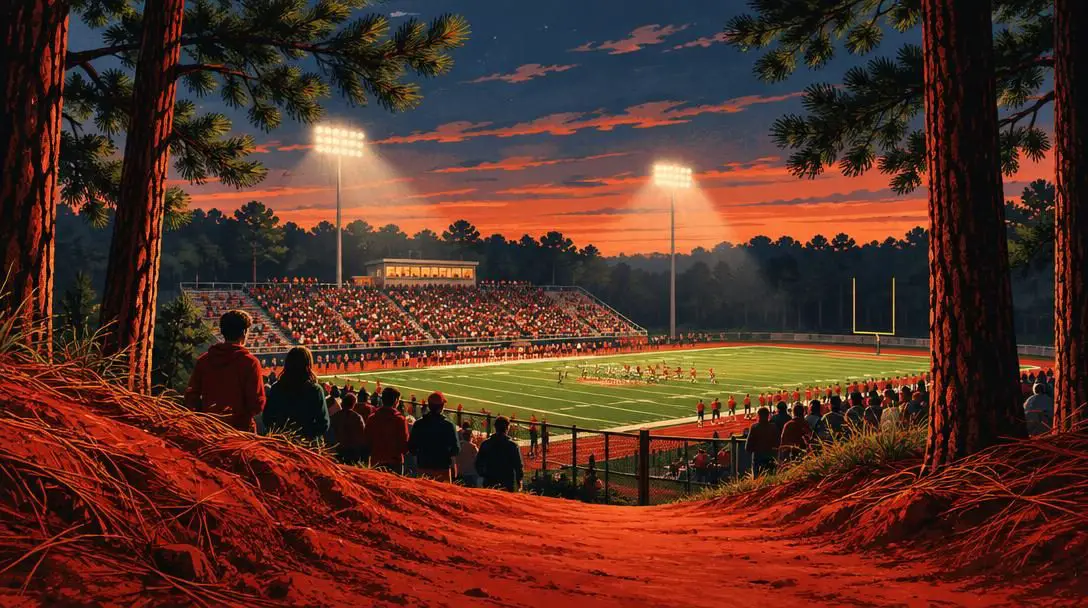
Ranking as the eighth most populous state in the nation, Georgia exemplifies the cultural and athletic power of prep football in the American Southeast. Combining rapid demographic growth in metropolitan areas like Atlanta with a fierce, generational commitment to prep sports in rural districts, Georgia has developed into an essential recruiting ground for every major program in the nation.
The state's deep prep ranks have continuously revitalized the University of Georgia, but Georgia is equally notable for exporting premier blue-chip talent to rival conferences. Prominent examples include quarterback Trevor Lawrence, who departed the state to capture a national title at Clemson; defensive lineman Robert Nkemdiche, who signed with Ole Miss; dual-threat quarterback Justin Fields, who transferred to star at Ohio State; and defensive back Eric Berry, who went on to a legendary career at the University of Tennessee.
California

- National Rank: 4th in five-star prospects
- Population Advantage: Approximately 10 million more residents than any other state
- Notable Prospects: Bryce Young, Matt Barkley, Korey Foreman
Holding the largest population of any state in the nation by far—surpassing its closest demographic rival by approximately ten million residents—California possesses a massive pool of potential prep athletes. However, despite this sheer volume, California sits in fourth place in historical five-star football recruitment rather than claiming the top position.
This placement is primarily driven by athletic diversification. Unlike communities in the Deep South where high school football frequently acts as the primary social event, California's prep landscape spreads its top athletic talent across a wider variety of sports, including baseball, basketball, and soccer. Nevertheless, California's elite football programs still regularly produce generational talent. Key recruits who emerged as top-ranked players in their respective cycles include defensive end Korey Foreman, running back Roland Powell, and prominent quarterbacks Matt Barkley and Heisman Trophy winner Bryce Young.
Alabama
- National Rank: 5th in five-star prospects
- Primary Programs: University of Alabama and Auburn University
- Top Historical Recruits: Andre Smith, Julio Jones, Brodie Croyle
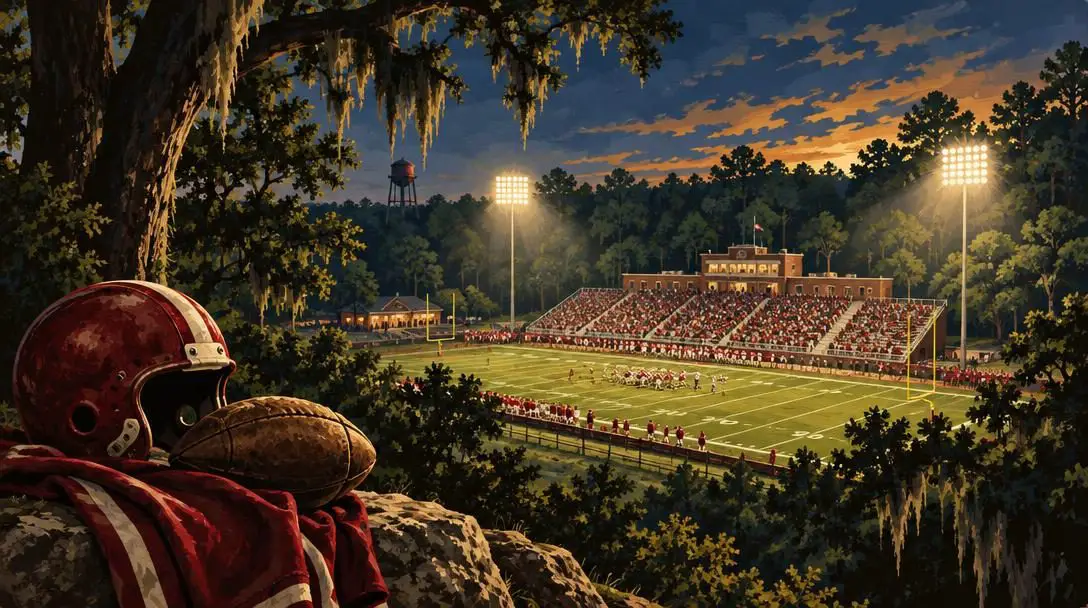
Despite lacking the massive metropolitan populations of California, Texas, or Florida, Alabama has produced more five-star football recruits than forty-five other states. Football in Alabama is deeply intertwined with local heritage and community pride, creating an intense developmental pipeline that starts in youth leagues and culminates on Friday nights.
This domestic talent base provides the foundation for in-state dynasties like the University of Alabama and perennial contender Auburn University. A substantial share of the state's five-star athletes choose to stay home rather than leave the region. Evaluating historical high school rankings, the state's highest-rated prospects include offensive tackle Andre Smith, defensive tackle Kerry Murphy, quarterback Brodie Croyle, and wide receiver Julio Jones—all of whom elected to commit to the Crimson Tide.
How College Football Recruiting Works
The journey from a Friday night high school stadium to a Saturday afternoon kickoff at a major university involves an intricate, heavily structured evaluation system. College coaching staffs invest millions of dollars and countless hours tracking prep prospects through multiple phases before extending an official scholarship offer.
College personnel departments begin with comprehensive talent identification, evaluating thousands of hours of high school game tape, verified athletic combine data, and track and field metrics. Once high school players gain regional attention, independent media and evaluation networks assign star tiers to help standardize national rankings. Programs then deploy two simultaneous strategies: building a protective perimeter around their home borders to retain local talent, while actively scouting powerhouse states like Florida, Texas, and California to poach elite prospects from rival territories. The cycle concludes with official campus visits, verbal commitments, and finally, the execution of binding National Letters of Intent.
Step-by-Step Guide for High School Athletes Seeking Offers
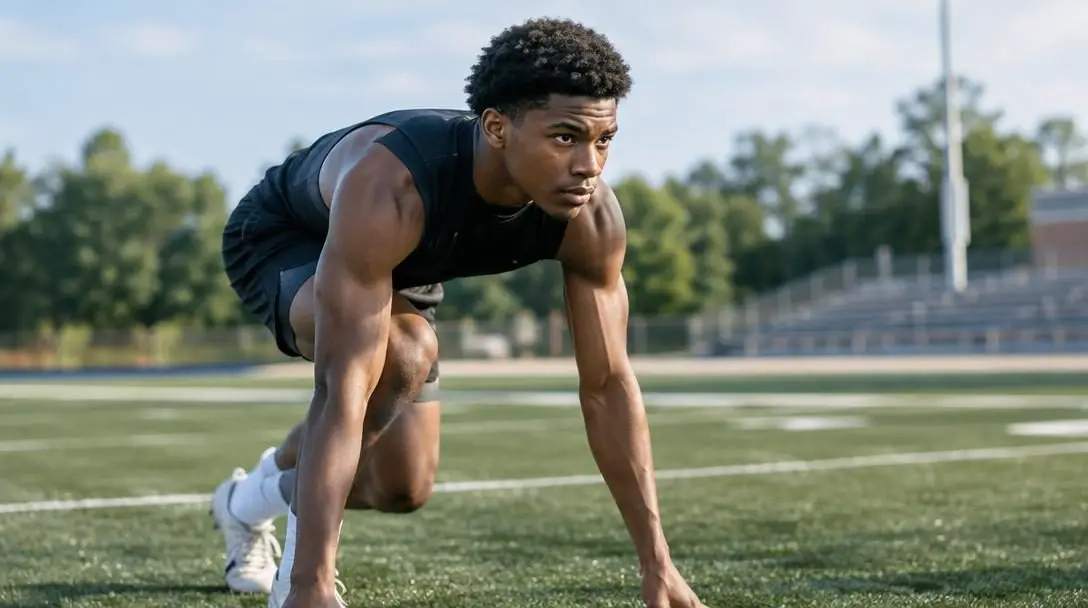
For high school players competing both inside and outside these recruiting powerhouses, securing a college football scholarship demands deliberate planning that goes far beyond raw on-field performance. Athletes must proactively manage their exposure, physical testing, and outreach to ensure college staffs notice their capabilities.
- Maintain academic eligibility early: Focus on core GPA standards and standardized coursework starting in the freshman year, as academic deficiencies instantly eliminate scholarship opportunities regardless of athletic skill.
- Produce concise, verified highlight tape: Assemble short video reels that lead with the most impressive plays, spotlighting burst, technique, open-field tackling, and positional awareness within the first thirty seconds.
- Compete in verified showcases and combines: Attend regional evaluation camps to log official height, weight, 40-yard dash times, and agility measurements that college evaluators trust over unverified high school claims.
- Initiate direct communication with coaching staffs: Reach out directly via email to recruiting coordinators and position coaches at target programs, providing academic transcripts, verified measurements, and video links.
- Cultivate multi-sport versatility: Participate in track, basketball, or baseball during the offseason to demonstrate functional mobility, hand-eye coordination, and general athletic development.
Critical Pitfalls That Derail Prep Prospects
Navigating the collegiate recruiting process involves substantial pressure, and missteps can quickly eliminate an athlete from target boards. Families and prospects frequently encounter recurring pitfalls that hinder their athletic recruitment.
- Overvaluing social media hype: Focusing on follower counts, viral workout videos, or unofficial graphic edits rather than tangible, committable scholarship offers.
- Ignoring roster depth charts: Committing to a prominent program without evaluating how many scholarship athletes are already signed at that specific position, leading to multi-year depth chart congestion.
- Misjudging level of competition: Inflating personal performance metrics built against weak high school schedules, while college evaluators prioritize how prospects perform against top-tier competition.
- Neglecting character and social conduct: Posting questionable content on public accounts or demonstrating poor sideline conduct, prompting college personnel departments to revoke recruiting interest.
Modern Recruiting Dynamics: Portals, NIL, and Academies
The recruitment of five-star athletes has changed dramatically in recent years due to sweeping structural shifts across college athletics. High school prospects no longer evaluate scholarship opportunities based solely on historical prestige, coaching stability, or geographic proximity.
The rapid rise of the NCAA transfer portal has significantly raised the stakes for high school recruits. Because college coaching staffs can now address immediate roster deficiencies by signing veteran, college-ready players, the patience required to develop high school prospects has narrowed. Prep recruits must carefully assess whether a program prioritizes long-term development or relies primarily on experienced transfers.
Concurrently, Name, Image, and Likeness (NIL) opportunities have introduced commercial considerations into recruitment decisions. Top-ranked athletes can now leverage their personal brand and community marketability, giving high-profile programs new avenues to attract elite prospects from across state borders. Finally, the rise of sports-focused academies like IMG Academy continues to alter traditional recruiting geography, gathering out-of-state stars into specialized training environments that accelerate preparation for high-major college football.
Frequently asked questions
Which state produces the most five-star football recruits?
Florida produces the highest volume of five-star high school football recruits in the nation, outpacing all other states thanks to deep local talent, year-round athletics, and specialized sports academies like IMG Academy.
Why is California ranked fourth despite having the highest population?
Although California has approximately ten million more residents than any other state, its top prep athletes frequently diversify into baseball, basketball, and soccer, leaving football with less singular cultural dominance than in Southern states.
Who are the highest-rated recruits in Texas high school history?
Quarterback Vince Young holds the all-time number one ranking in Texas prep history, followed closely by running back Adrian Peterson at number two.
What role do prep academies play in state recruiting rankings?
Specialized academies such as IMG Academy draw top-tier football prospects from across the country into Florida, centralizing elite talent and boosting the state's total five-star numbers.
Who is the highest-rated high school recruit in Florida history?
Linebacker Ernie Sims holds the distinction of being the highest-rated high school prospect in Florida history, ultimately committing to Florida State University.
The bottom line
Elite college football recruiting remains concentrated in a small collection of demographic and cultural powerhouses. Florida and Texas continue to lead the country through sheer athletic volume and deep community investment, while Georgia and Alabama leverage relentless regional passion to produce exceptional per-capita five-star talent. California provides a steady flow of high-caliber prospects through its vast population base, even as its athletes spread across multiple sports. As the modern era introduces transfer portals, NIL opportunities, and specialized prep academies, these five states remain the foundational pipelines that define collegiate football competition.